Australia is a country where the coast gets most of the attention, but the real character of the place lives somewhere further inland, where the roads get longer, the towns get smaller, and the sky takes up an unreasonable amount of space. The outback is not one single thing.
It is red desert, cattle country, ancient rock formations, opal fields, and dry riverbeds that only fill when the rain finally decides to show up. The towns scattered across this enormous interior are not theme parks or tourist traps.
They are working communities with real histories, real people, and real stories that stretch back further than most coastal cities would like to admit. Some are famous enough to appear on bumper stickers.
Others are barely a dot on a map that most Australians have never unfolded. All 15 towns on this list offer something genuine, and each one feels unmistakably like the real outback.
1. Coober Pedy, South Australia
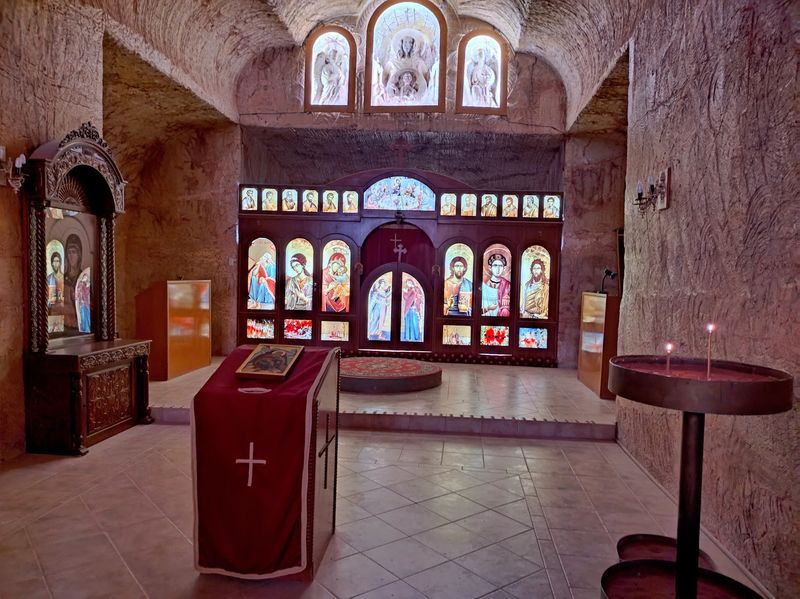
Opal was discovered here in 1915, and Coober Pedy has been one of the most unusual towns on the planet ever since. The name is thought to come from a Kokatha-Barngarla phrase meaning “white man in a hole,” which is both historically accurate and genuinely funny once you see the place.
Around half the population lives underground in homes called dugouts, where temperatures stay at a steady 23 to 25 degrees Celsius regardless of what the desert is doing outside. Churches, hotels, and even an art gallery have all been built beneath the surface.
The surrounding landscape has doubled as an alien planet in multiple films, including Mad Max Beyond Thunderdome and Pitch Black. The local golf course skips the grass entirely.
Coober Pedy operates by its own rules, and that is exactly why visitors keep coming back.
2. Birdsville, Queensland
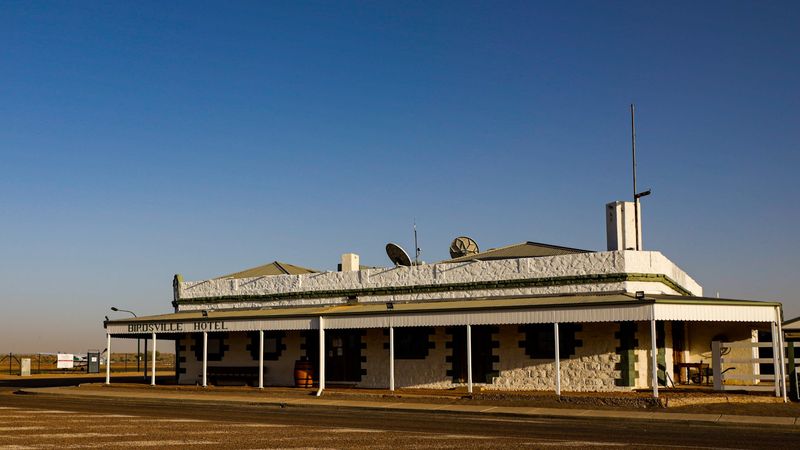
About 1,600 kilometers from Brisbane and surrounded by the kind of emptiness that makes you double-check your fuel gauge, Birdsville is one of those towns that people talk about before they visit and never stop talking about after.
The Birdsville Hotel has been standing since 1884, making it older than many Australian institutions that receive far more attention. Nearby Big Red, the tallest sand dune in the Simpson Desert, draws travelers who want to climb something that took thousands of years to form.
For most of the year, the town’s permanent population sits well under 150 people. Then the Birdsville Races arrive each September and thousands of visitors pour in from across Australia, turning this tiny outpost into one of the country’s most talked-about annual gatherings.
The contrast is part of the charm.
3. Broken Hill, New South Wales
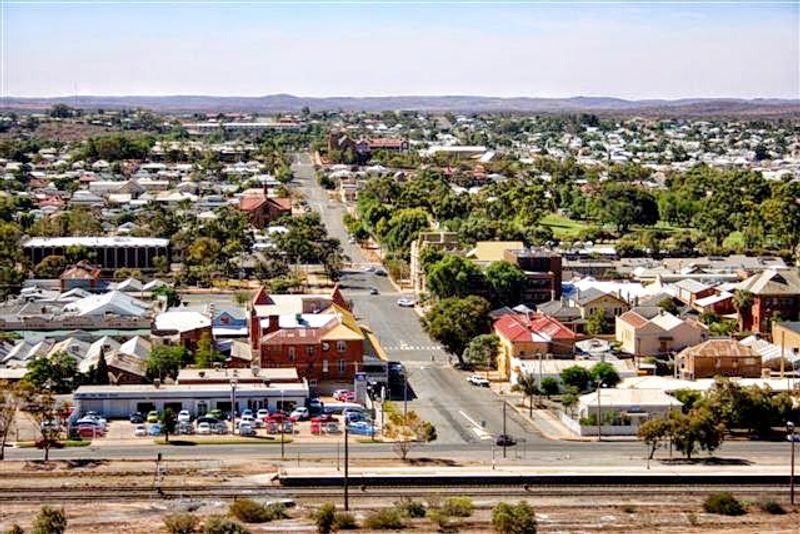
Broken Hill is the largest city on this list, but size has never diluted its outback identity. Silver was discovered in the area in 1883, and the mining industry that followed shaped everything from the street layout to the architecture to the political culture of the place.
The city was the first in Australia to be placed on the National Heritage List, which gives some idea of how much history is packed into its wide streets and stone buildings. Art has also taken root here in a serious way, with a long tradition of painters drawn to the surrounding red-earth country.
Films and television productions have used the landscape repeatedly, and the city has a gallery scene that surprises most first-time visitors. Broken Hill rewards people who spend more than a single afternoon there.
4. Longreach, Queensland
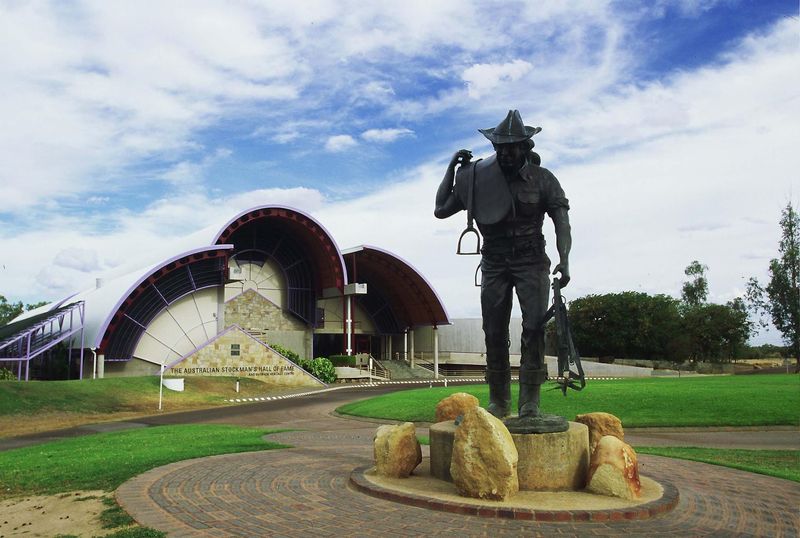
Two very different Australian icons share the same patch of western Queensland in Longreach: the cattle industry and the early days of Qantas. The Qantas Founders Museum holds original aircraft and tells the story of how a small airline started in an extremely remote part of the country and eventually became one of the world’s most recognized carriers.
The Australian Stockman’s Hall of Fame sits nearby and covers the people, animals, and traditions that shaped rural Australia over generations. Both attractions are substantial enough to occupy a full day each, which means Longreach rewards visitors who do not rush.
Thomson River cruises and heritage-style outback experiences round out the options. The town has the infrastructure to host visitors comfortably without losing the wide-horizon, cattle-country atmosphere that makes western Queensland feel so distinctly itself.
5. Winton, Queensland
Winton has a legitimate claim to two of the most Australian things in existence. Banjo Paterson is said to have first performed “Waltzing Matilda” in the region in 1895, and the town has embraced that connection with considerable enthusiasm ever since.
The Waltzing Matilda Centre tells the story in detail.
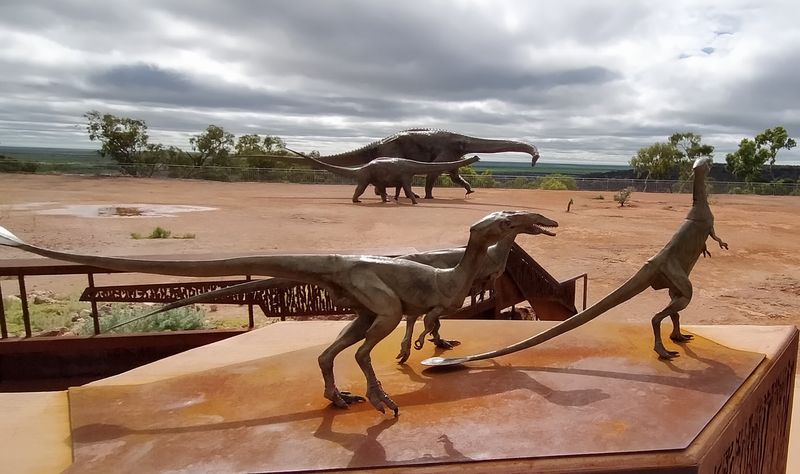
The second claim is dinosaurs. The area around Winton has produced significant fossil discoveries, and the Australian Age of Dinosaurs museum complex sits on a mesa outside town, offering both a fossil preparation lab and views across country that has barely changed in millions of years.
Wide streets, corrugated iron rooflines, and enormous skies keep the town visually rooted in the landscape around it. Drive thirty minutes in any direction and the distances will quickly remind you exactly how deep into western Queensland you have travelled.
6. Lightning Ridge, New South Wales
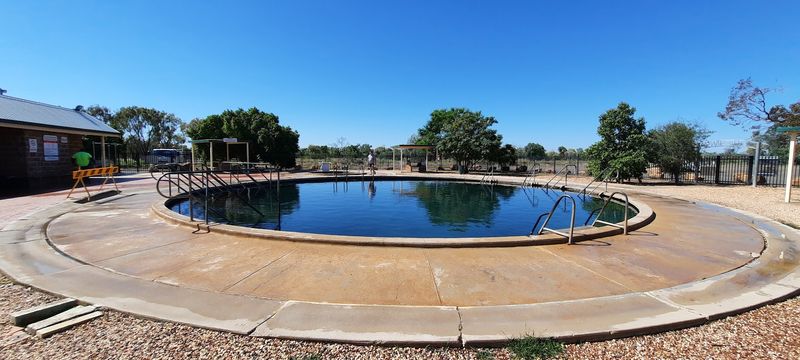
Lightning Ridge is the kind of place that attracts people who prefer to operate slightly outside the mainstream, and has done so for well over a century. The town sits in far northwestern New South Wales and holds a near-monopoly on the world’s supply of black opal, the rarest and most valuable variety of the stone.
Visitors can tour working mines, try fossicking through discarded mullock heaps, and inspect an extraordinary collection of opal specimens. The artesian bore baths offer naturally heated water and a legitimate reason to stop moving for a while.
Beyond the gemstones, the town’s personality is shaped by generations of independent-minded prospectors who built unusual homes, created eccentric artwork, and generally did things their own way. That frontier spirit is still very much present, and it makes Lightning Ridge unlike anywhere else in Australia.
7. White Cliffs, New South Wales
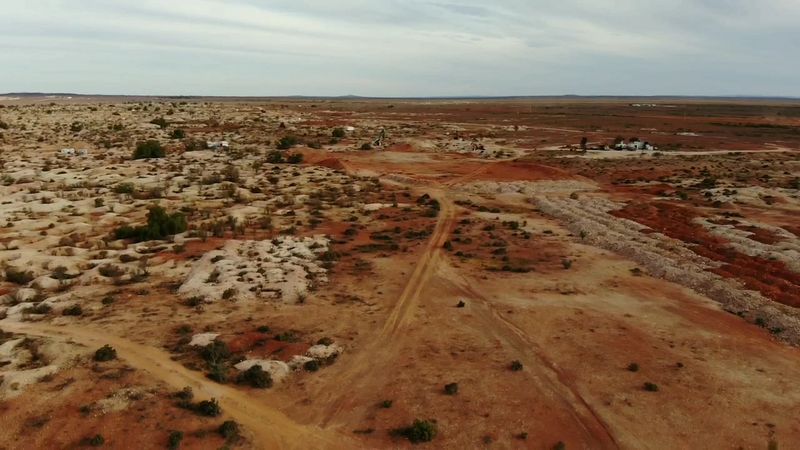
White Cliffs holds a specific place in Australian mining history as the country’s first commercial opal field, with mining beginning in the 1880s. The pale, cratered landscape created by generations of digging gives the area an appearance that is difficult to compare to anything else in New South Wales.
A significant portion of the town’s accommodation and some of its homes sit underground, following the same logic that shaped Coober Pedy: summer temperatures above ground can be genuinely brutal, and the earth provides reliable shelter. The underground pub is a particular point of local pride.
From above, parts of White Cliffs can look almost deserted. Most of the action happens below the surface or in modest above-ground buildings that blend into the pale landscape.
The remoteness is real, and for visitors who seek genuinely off-the-beaten-track destinations, that is the entire point.
8. Silverton, New South Wales
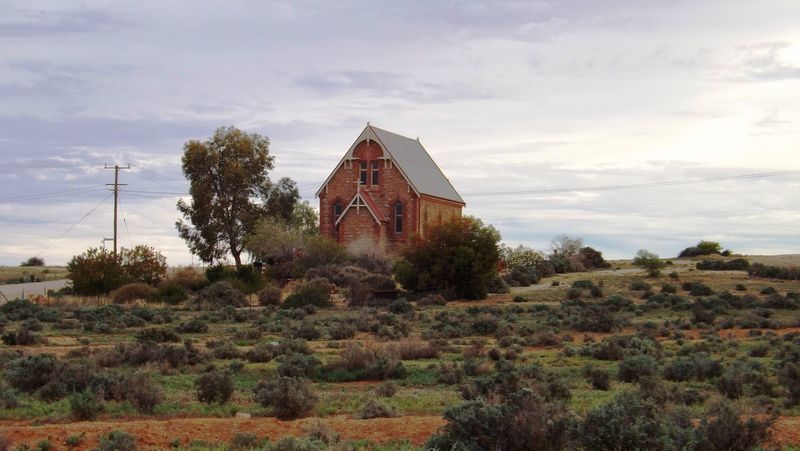
Silverton boomed briefly in the 1880s when silver was discovered nearby, then quieted dramatically once the mining action shifted to Broken Hill just 25 kilometers away. What remains is a small community of artists, a famous historic pub, and a collection of stone buildings that have appeared in more Australian films than most people realize.
Mad Max 2, A Town Like Alice, and Razorback are among the productions that used the surrounding landscape. The flat, treeless plains and weathered architecture create exactly the kind of stark backdrop that filmmakers associate with inland Australia.
Today, the Silverton Hotel anchors the settlement and draws a steady stream of visitors who come for the history, the art galleries, and the sheer visual impact of a place that looks like time stopped mid-sentence. The Mundi Mundi Plains lookout nearby adds another layer of spectacular emptiness.
9. Marree, South Australia
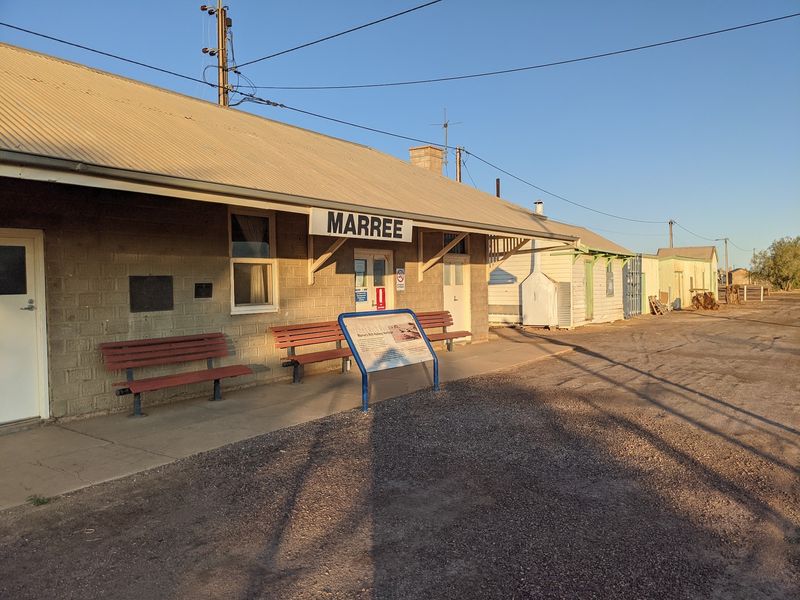
Marree sits at one of the most historically significant crossroads in outback South Australia, where the Birdsville Track heads north and the Oodnadatta Track continues west. For more than a century, this junction made Marree a genuine staging point for journeys into some of the continent’s most sparsely populated country.
The town’s railway heritage is visible in its remaining infrastructure, a reminder that the Ghan line once passed through here before the route was relocated. The old Afghan cameleer tradition, which played a critical role in opening up central Australia, is also part of the local story.
Marree is one of the main departure points for scenic flights over Kati Thanda-Lake Eyre, the enormous salt lake that fills with water only rarely and dramatically. When it does, the aerial views rank among the most extraordinary in Australia.
10. Oodnadatta, South Australia
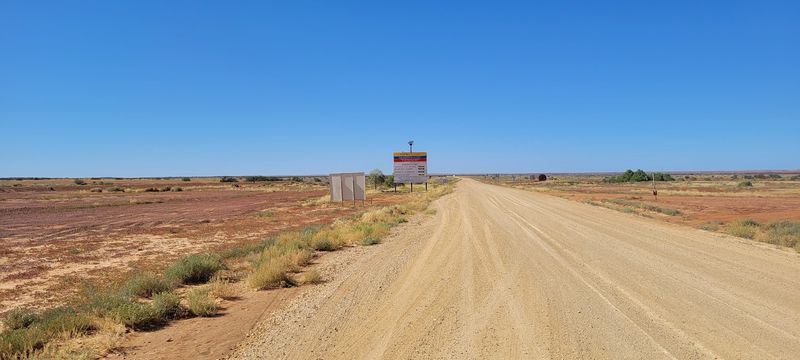
The Pink Roadhouse is the most photographed building in Oodnadatta, and it earns that status by being both practically essential and visually impossible to miss against the surrounding ochre landscape. After hours of driving the Oodnadatta Track, the bright pink walls represent fuel, food, and genuine relief.
Oodnadatta itself is a tiny settlement with a long history tied to the old Ghan railway line, which once passed through here on its way across central Australia. The ruins and remnants of that infrastructure are still scattered across the surrounding country, giving the area a layered, time-worn character.
The town is not set up for polished tourism, and that is precisely what makes it feel so authentically outback. Visitors who reach Oodnadatta have usually committed to a serious journey, and the town rewards that commitment with a sense of genuine remoteness that is increasingly hard to find.
11. Cunnamulla, Queensland
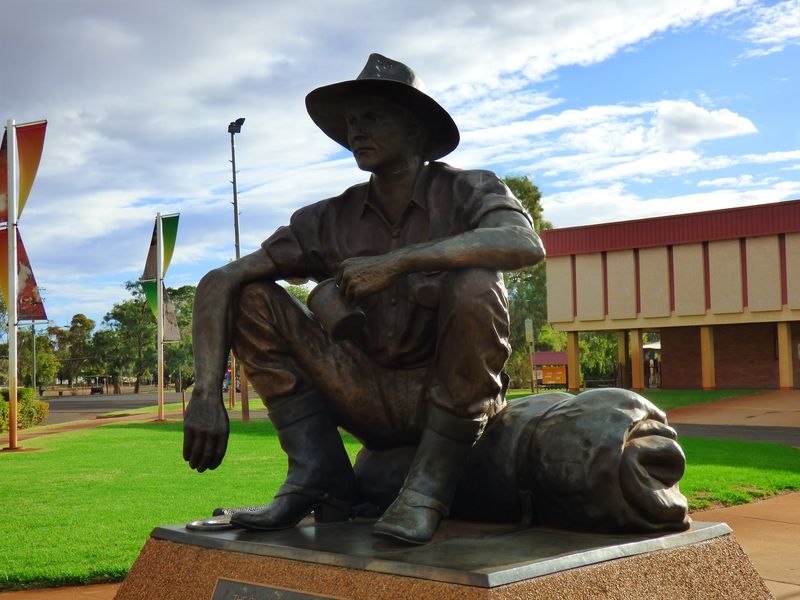
Cunnamulla’s most recognizable landmark is a larger-than-life statue of the Cunnamulla Fella, a figure representing the traditional outback stockman, that stands on the main street and gives visitors an immediate sense of what the region values. Stock routes, artesian water, and wide-open grazing country have defined this part of southwestern Queensland for generations.
The artesian bore baths are a genuine drawcard. Naturally heated water flows from deep underground, and visitors can soak in open-air pools that have been drawing travelers since the early 1900s.
It is one of the more relaxing things you can do after a long outback drive.
The Warrego River adds a green edge to the town’s otherwise dry surroundings, and local heritage sites fill in the history of a community that has been holding its ground in remote Queensland for well over a century. Country hospitality here is not a marketing phrase.
12. Quilpie, Queensland
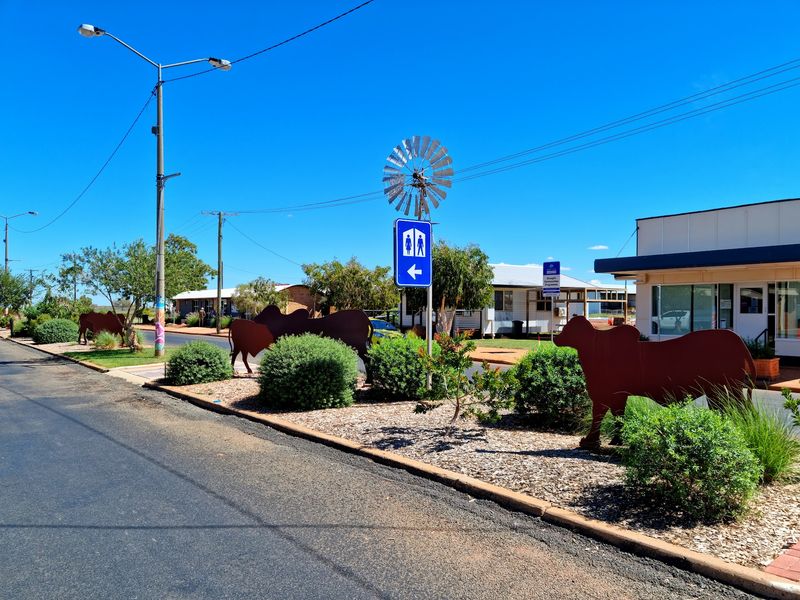
Quilpie sits deep in western Queensland where the roads are long, the properties are enormous, and the horizon seems to go on well past what should be physically possible. Cattle and sheep have shaped the district for generations, and the working-property culture is still very much the backbone of local life.
Opal mining has also played a role in the region’s history, particularly around nearby Eromanga and Toompine, adding a layer of prospecting heritage to a landscape otherwise defined by earth tones and pastoral country. Boulder opal is the local specialty.
Quilpie itself is a modest town where the journey to get there is genuinely part of the experience. The roads leading in from any direction are long enough to recalibrate your sense of distance, and the sunsets that follow you down those roads are the kind that make people pull over and just stand there for a while.
13. Tennant Creek, Northern Territory
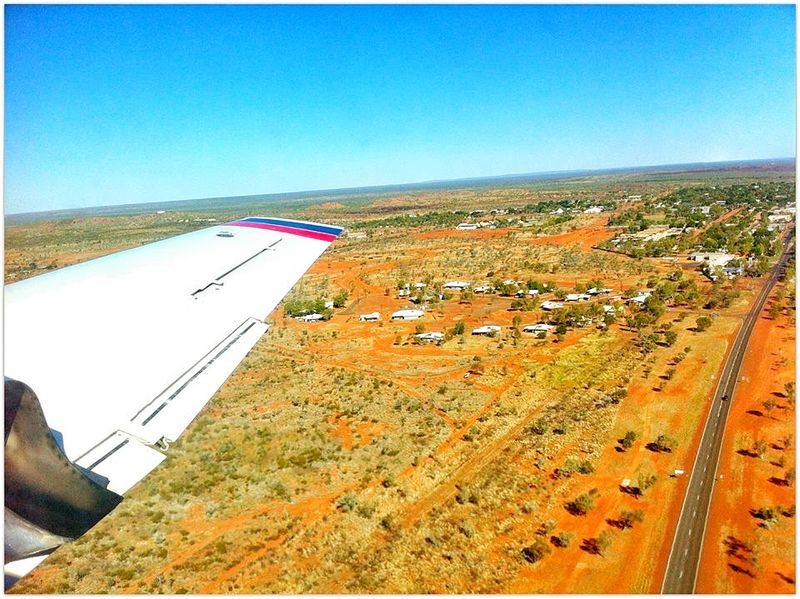
Tennant Creek sits roughly halfway between Darwin and Alice Springs on the Stuart Highway, which makes it a natural stop on one of Australia’s great outback road trips. The surrounding Barkly region is vast, flat in places, and rocky in others, with spinifex covering much of the ground between the highway and the horizon.
Gold mining shaped the town’s modern history, with the rush beginning in the 1930s under circumstances that locals still debate. The Nyinkka Nyunyu Art and Culture Centre provides a serious and respectful introduction to the Warumungu people, whose connection to this country predates the town by an extraordinary length of time.
The Battery Hill Mining Centre takes visitors through the gold processing history of the area. Tennant Creek is not just a fuel stop.
It is a place with enough history and cultural depth to justify a proper overnight stay rather than a quick stretch of the legs.
14. Alice Springs, Northern Territory
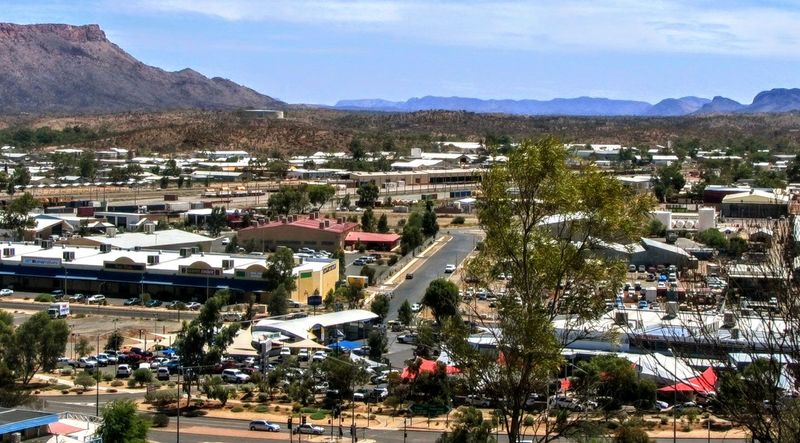
Mparntwe, known to most Australians as Alice Springs, is the undisputed capital of the Red Centre and the most famous inland town in the country. The West MacDonnell Ranges rise directly from the edges of the town, providing a backdrop that manages to be both dramatic and completely matter-of-fact for people who live here year-round.
The Arrernte people have maintained a deep connection to this country for tens of thousands of years, and that cultural presence shapes the town in ways that are visible in its art, its institutions, and its daily life. The Araluen Arts Centre and the Strehlow Research Centre are among the places where that history is taken seriously.
The Larapinta Trail begins here and stretches 223 kilometers west through the ranges. Desert Park, the historic Telegraph Station, and nearby gorges and waterholes make Alice Springs a destination with enough substance to fill a week without any effort at all.
15. Kununurra, Western Australia
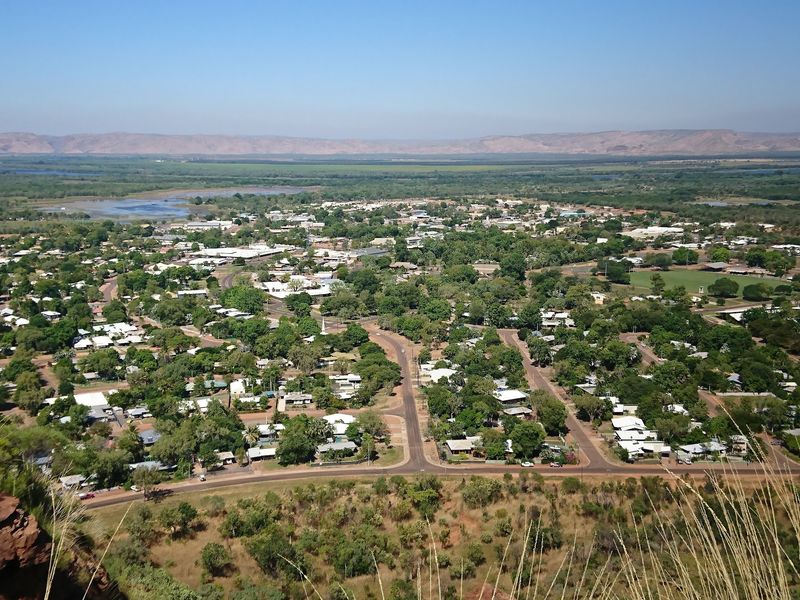
Kununurra makes an interesting case for the outback because it does not match the standard image of red desert and dry plains. The East Kimberley landscape surrounding the town includes ancient rock formations, waterways fed by seasonal rains, and gorges that turn a startling shade of green after the wet season.
The town itself was established in the 1960s as part of the Ord River Irrigation Scheme, making it one of the newer communities on this list. That agricultural history sits alongside a landscape of extraordinary geological age, where the Bungle Bungles and Lake Argyle are within reach for visitors with a day to spare.
Purnululu National Park, home to the famous beehive-shaped sandstone domes, is accessible from Kununurra and represents one of the most remarkable landscapes in Australia. The Kimberley version of the outback is wilder, wetter at times, and no less convincing than anything in the Red Centre.
Share this story