Renting a car in Europe sounds like a smart idea until you’re stuck in traffic, circling for parking, and paying fees you didn’t expect. The truth is, many European cities are designed for people, not vehicles.
Their public transportation networks, walkable historic centers, cycling paths, and ferry connections make getting around genuinely easy without ever touching a steering wheel. Whether you’re planning a quick city break or a longer trip across the continent, these 15 destinations prove that leaving the car behind isn’t a sacrifice.
It’s actually the smarter way to travel.
Vienna, Austria

Vienna has a way of making car ownership feel almost absurd for visitors. The U-Bahn subway, trams, buses, night buses, and S-Bahn suburban trains form one of the most complete urban networks in Europe, covering the city reliably at nearly any hour.
Many of Vienna’s biggest attractions cluster around the historic center. St. Stephen’s Cathedral, the Hofburg, the Vienna State Opera, and the grand buildings lining the Ringstrasse are all reachable on foot or by a short tram ride from most central accommodations.
Even arriving at Vienna International Airport doesn’t require a taxi or rental car, since rail and public transportation options connect directly to the city center. For travelers spending their entire trip inside Vienna, a rental car adds parking headaches without adding much practical value.
The city’s transit system genuinely handles the workload.
Amsterdam, Netherlands
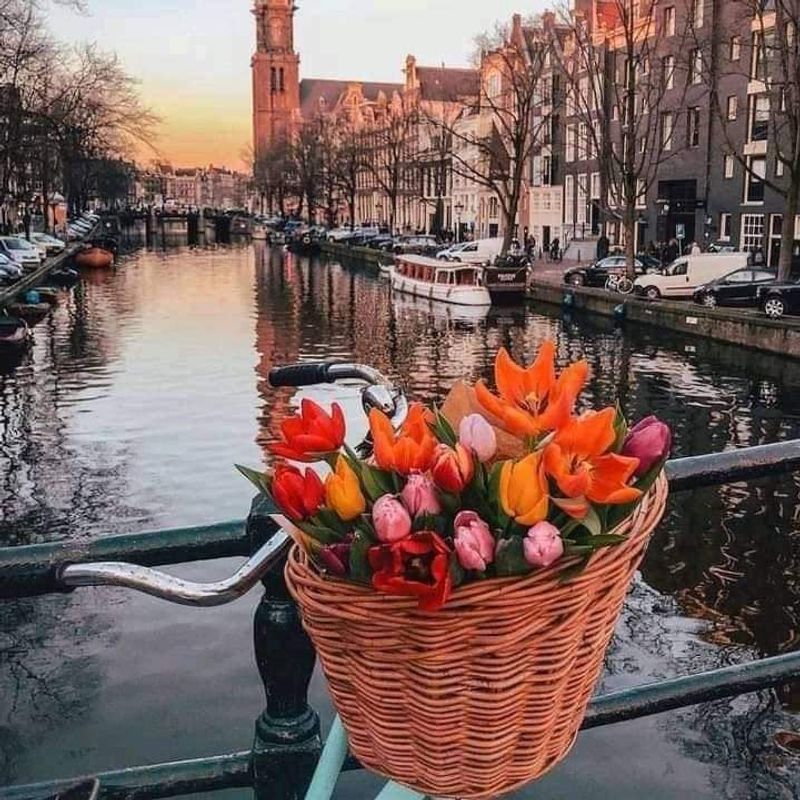
Amsterdam practically dares you to rent a car, then makes you regret it immediately. Narrow streets, canal crossings, and aggressive cycling lanes remind you pretty quickly that this city was not designed with drivers in mind.
The good news is that everything else works remarkably well. Trams, buses, metros, ferries, and trains cover the city and connect to Schiphol Airport, making car-free travel genuinely convenient from the moment you land.
Walking through the Canal Belt is often the easiest approach, with bridges connecting neighborhoods full of cafes, shops, museums, and historic canal houses. Cycling is another popular option, though first-time visitors should know that Amsterdam’s bicycle traffic moves fast and follows real transportation rules rather than tourist-friendly ones.
For a standard city break, skipping the rental counter is the obvious call.
Copenhagen, Denmark
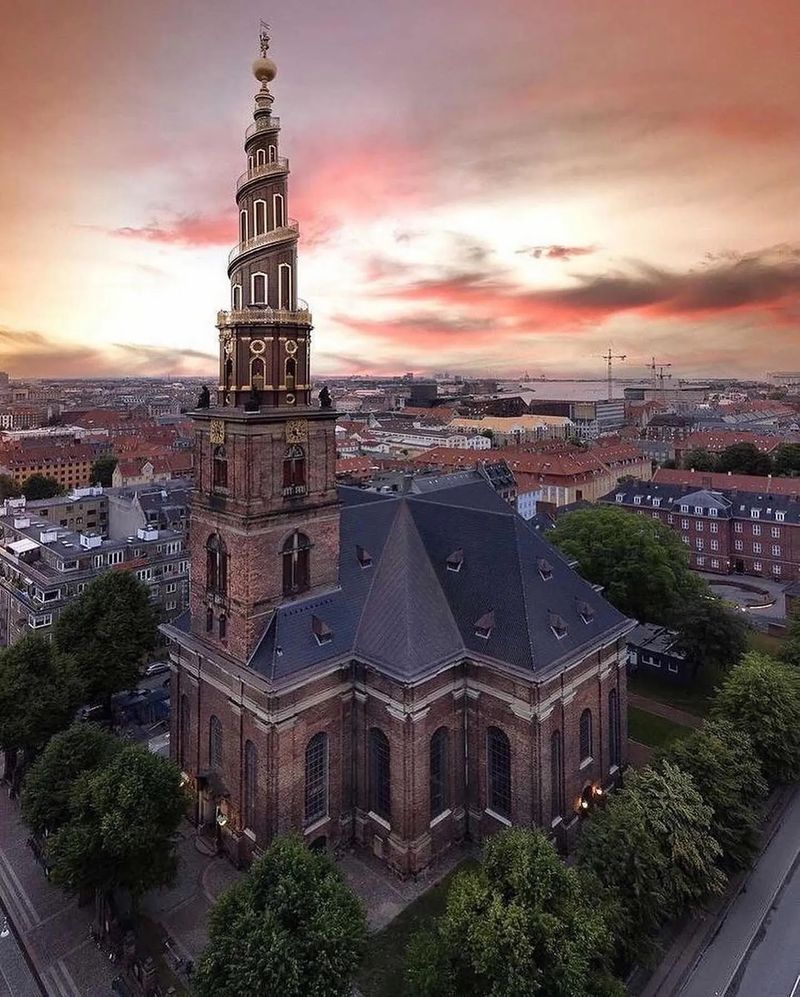
Copenhagen takes cycling seriously in a way that genuinely changes how a city feels. Separated cycle tracks, traffic-calmed streets, painted lanes, and green routes run throughout the city, making two wheels a practical transportation choice rather than a recreational one.
For visitors who prefer not to cycle, Copenhagen Central Station serves as a major hub connecting metro lines, buses, regional trains, and harbor boats. The system is well-organized and covers the city thoroughly.
Central attractions including Nyhavn, Tivoli Gardens, Christiansborg Palace, and Stroget sit close enough together that walking between them often makes more sense than taking any transportation at all. The combination of excellent cycling infrastructure, strong public transit, and a walkable core makes Copenhagen one of those cities where a rental car genuinely never enters the conversation for most visitors.
Prague, Czech Republic

Prague has two qualities that make car-free vacations easy: a compact historic core and a transportation network that fills in the gaps. Metro trains, trams, and buses handle longer distances efficiently, while the central neighborhoods reward slow exploration on foot.
Arriving from the airport is straightforward without a vehicle. Trolleybus Line 59 connects Vaclav Havel Airport with Nadraz Veleslavin, where passengers connect directly with Metro Line A heading toward the city center.
Once downtown, Old Town Square, Charles Bridge, Josefov, Mala Strana, and the riverside areas are all naturally suited to walking. The cobblestone streets and low-rise architecture actually make the experience more enjoyable at a slower pace.
Unless you’re planning day trips into rural Czechia, keeping a rental car in central Prague creates more hassle than it solves. The transit system is reliable, affordable, and genuinely easy to navigate.
Paris, France

Paris is enormous, but visitors rarely need to cover that scale by car. The Metro alone operates more than 300 stations across 16 lines, and that’s before counting RER regional trains, buses, trams, and suburban rail services that extend the network even farther.
The density of the system makes cross-city travel surprisingly manageable. A morning near the Eiffel Tower, an afternoon in Le Marais, and an evening walk along the Seine are all achievable in a single day without touching a car door.
Central Paris also rewards walking in ways that underground travel simply can’t replicate. Bridges, bakeries, small squares, bookstores, and architectural details reveal themselves between destinations when you’re moving at street level.
A rental car, by contrast, introduces traffic and parking costs into a city where an extraordinary transit network already handles everything visitors typically need.
Stockholm, Sweden
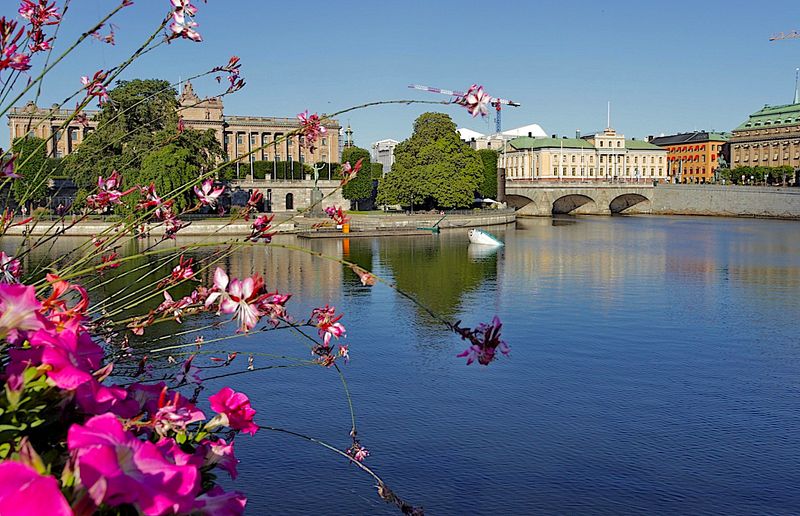
Stockholm’s layout across multiple islands sounds like it would complicate getting around, but the city’s transportation system was built specifically for that geography. Buses, underground trains, commuter trains, trams, and ferry routes operated by Stockholm Public Transport cover Greater Stockholm comprehensively.
Those ferries are worth highlighting because traveling by water here serves a practical purpose, not just a scenic one. Certain routes use the waterways as genuine transit corridors rather than tourist attractions.
Gamla Stan, the historic old town district, is wonderfully walkable and compact. For neighborhoods farther from the center, the metro fills the gap quickly and reliably.
Stockholm Central Station also acts as a major hub for regional and national rail travel, making it easy to arrive without a vehicle and move around the city entirely by transit. For most standard visits, a rental car stays parked and unused.
Berlin, Germany
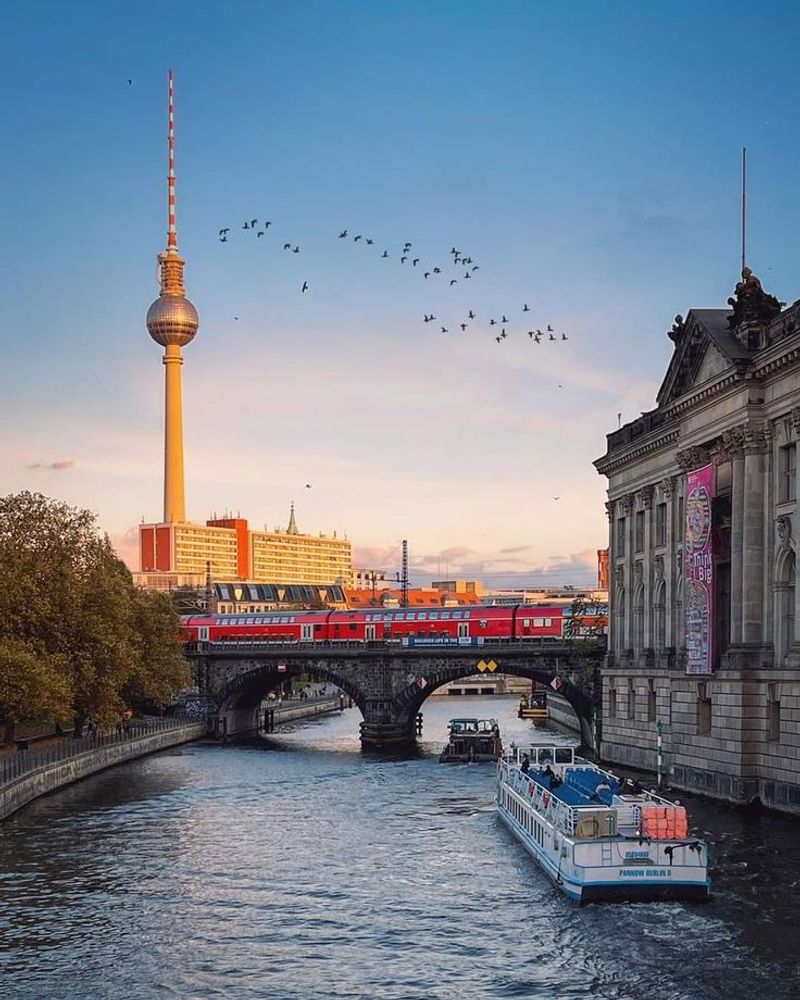
Berlin is too large to cover entirely on foot, but that doesn’t make a car necessary. The city’s integrated network of U-Bahn, S-Bahn, buses, trams, and regional trains handles distances that would otherwise require driving.
Berlin’s fare zones are particularly useful to understand. Zone C extends outward to cover Berlin Brandenburg Airport and nearby Potsdam, meaning you can arrive by rail and travel between major sites without ever renting a vehicle.
The city’s attractions don’t cluster in one convenient spot, which is part of what makes public transit so valuable here. Museum Island, Alexanderplatz, the Brandenburg Gate, Kreuzberg, Charlottenburg, and the East Side Gallery can each be several kilometers apart.
Moving between them by U-Bahn or S-Bahn removes the parking challenge at every stop. Berlin rewards visitors who ride the network rather than fight the traffic.
Zurich, Switzerland
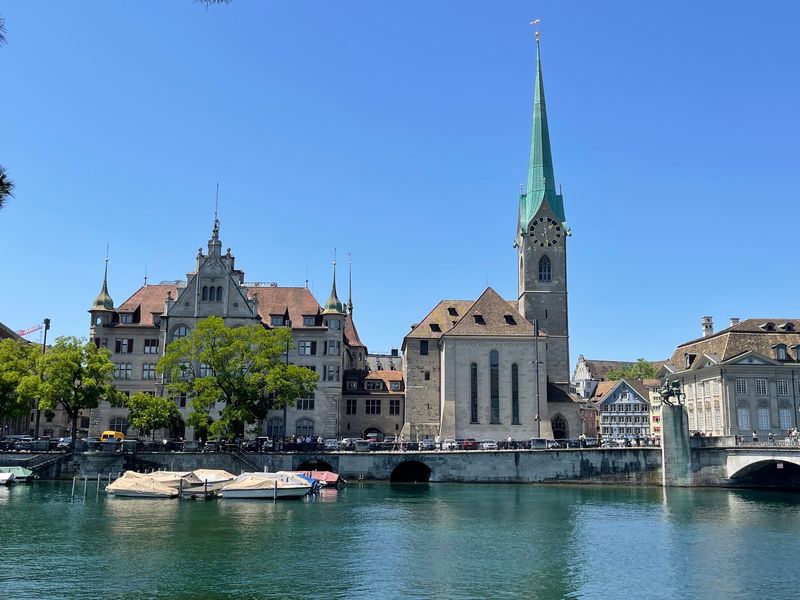
Zurich proves that a city doesn’t need to be massive to have exceptional public transportation. The city’s official tourism organization describes it as a compact metropolis that can be efficiently explored by public transport, bicycle, or on foot, and that description holds up in practice.
Trams are the most visible part of the network, running through central streets and connecting neighborhoods with reliable frequency. Buses and trains extend coverage farther into the city and surrounding areas.
The Zurich Card is worth knowing about because it currently covers transportation by tram, bus, train, boat, funicular, and cable car within its designated zones, making it a practical tool for visitors who want to move around without buying individual tickets. For travelers based near the central neighborhoods and lakefront, walking and public transit together cover nearly every destination a typical visitor would want to reach.
Budapest, Hungary
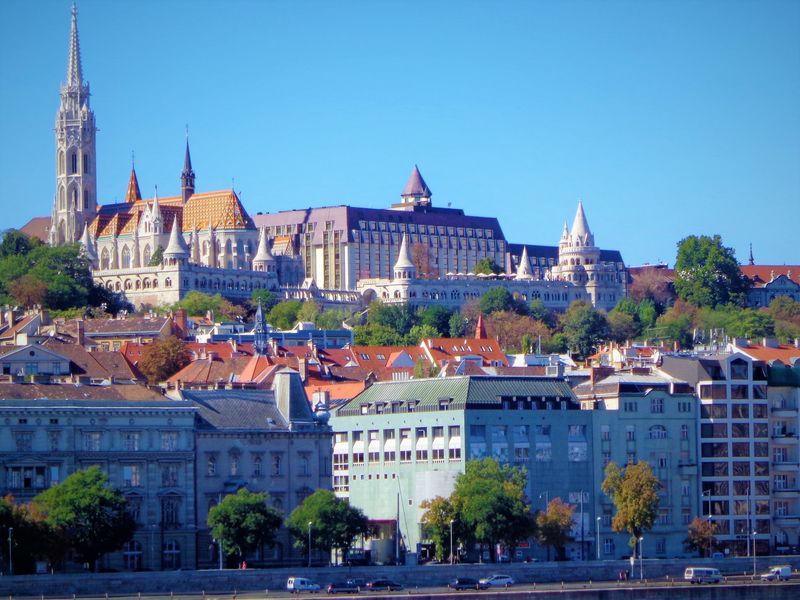
Budapest stretches across both banks of the Danube, yet crossing from Buda to Pest and back doesn’t require a rental car at all. Metro lines, trams, buses, trolleybuses, and suburban trains form an extensive network that the city’s tourism authorities describe as fast and reliable.
Trams are especially practical for sightseeing visitors. Several routes run alongside or near important attractions, turning a basic transit ride into an inexpensive way to see the city from street level.
Central Pest, the Danube promenade, Castle Hill, and historic neighborhoods like the Jewish Quarter are all accessible by foot or short transit rides from most central accommodations. With hundreds of bus routes supplementing the tram and metro lines, gaps in coverage are rare.
A car becomes largely optional here, particularly for visitors focused on the city’s historic core and major cultural sites.
Helsinki, Finland
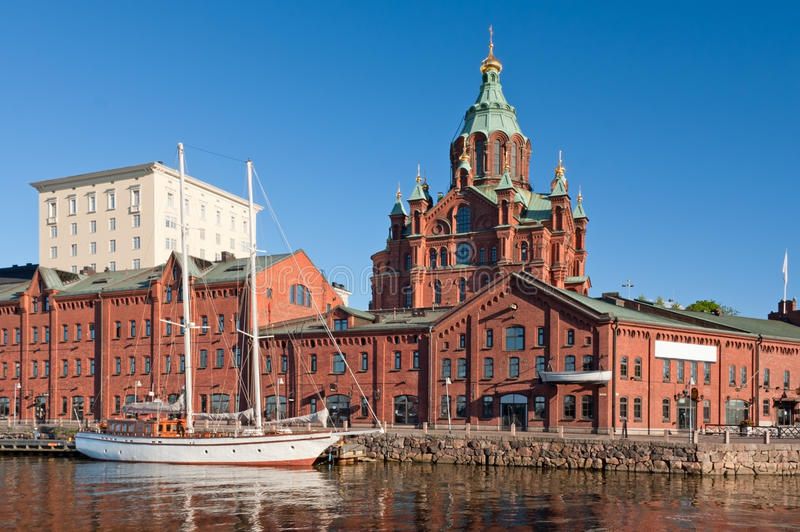
Arriving in Helsinki without a vehicle doesn’t need to feel like a gamble. The city actively encourages visitors to explore through walking, cycling, and public transit, and its network of trams, buses, metro trains, commuter rail, and ferries makes that realistic across most of the city.
The ferry connection deserves special attention for tourists. Suomenlinna, one of Helsinki’s most visited attractions, sits on a group of islands offshore and is reached by public ferry from the Market Square, making it a transit-included excursion rather than a private boat trip.
Central Helsinki is compact enough that walking covers a meaningful portion of a standard sightseeing itinerary. The historic harbor area, Senate Square, Esplanadi, and the Market Square sit within easy reach of each other.
For most visitors spending their time in the city, public transit handles everything that walking doesn’t, with no car required.
Madrid, Spain

Madrid is large and energetic, and its scale might make a rental car seem appealing at first. The reality is that the metro network makes the city surprisingly manageable without one, covering more than 300 stations across 15 lines according to current tourism information.
Many of the destinations first-time visitors prioritize sit within reasonably walkable sections of central Madrid. Puerta del Sol, Plaza Mayor, Gran Via, Retiro Park, and the major museums along the Paseo del Prado are all connected by walking routes or short metro rides.
Rather than searching for parking every time you shift neighborhoods, visitors can walk to the nearest station and continue underground within minutes. Buses and commuter rail fill out the network for areas the metro doesn’t cover directly.
For a city of Madrid’s size, the transportation infrastructure is genuinely well-suited to car-free exploration.
Barcelona, Spain
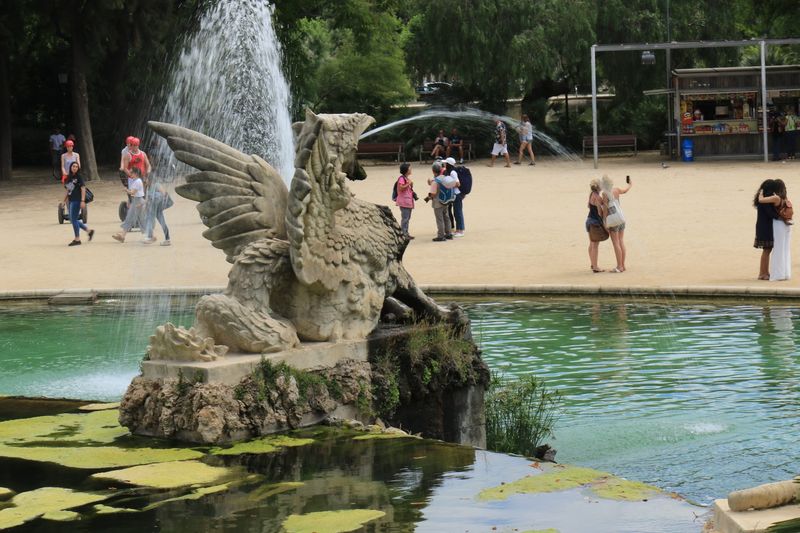
Barcelona works well as a car-free destination because its most rewarding areas are best explored slowly, on foot or by transit. The Gothic Quarter, Eixample, and neighborhoods around Sagrada Familia each have their own character that a car window simply doesn’t capture.
The city’s official tourism organization promotes public transportation throughout Barcelona, and the Barcelona Card includes unlimited public transit alongside metro and rail connections to the airport. Metro Line 9, the No. 46 bus, and rail services from Terminal 2 all offer verified airport-to-city connections without needing a taxi or rental car.
Placa de Catalunya, Las Ramblas, the Picasso Museum, Parc Guell, and the waterfront are all reachable by metro, bus, or a combination of both. For most standard Barcelona itineraries, picking up a rental car at the airport adds cost and complexity that public transit already handles more efficiently.
Lisbon, Portugal
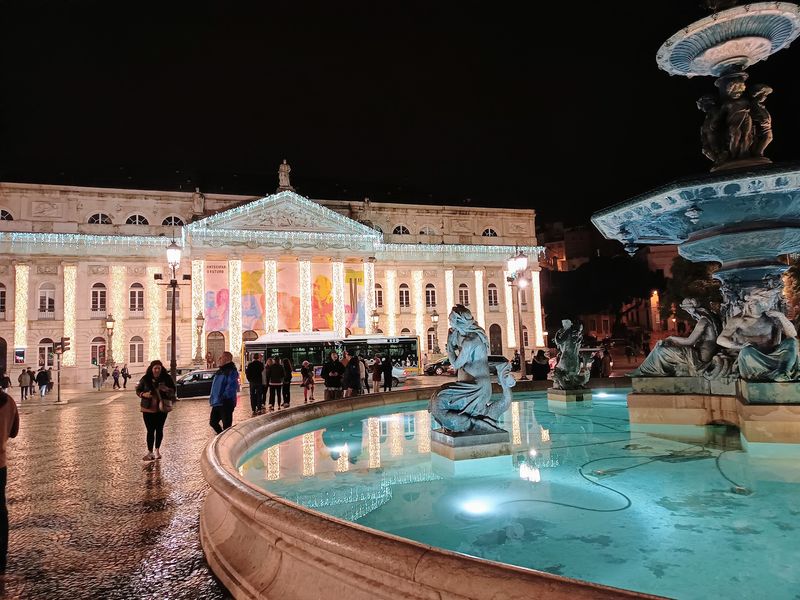
The hills of Lisbon are real, and anyone who tells you walking everywhere is easy hasn’t climbed from Baixa up to Alfama in summer. Fortunately, the city’s transportation network was designed with those gradients in mind.
Metro trains, buses, trams, and rail connections handle distances and steep terrain that would otherwise wear visitors out. Visit Lisboa specifically highlights the metro, historic trams, trains, and extensive cycling routes as practical ways of moving around the Portuguese capital.
The famous yellow trams are tourist icons, but they also serve genuine transportation routes. Baixa and Chiado are easy to explore on foot, while public transit bridges the distance between lower neighborhoods and hilltop districts.
A rental car is genuinely more useful for venturing into rural Portugal than for spending several days inside Lisbon itself. For urban exploration, the transit network covers what you need.
Porto, Portugal
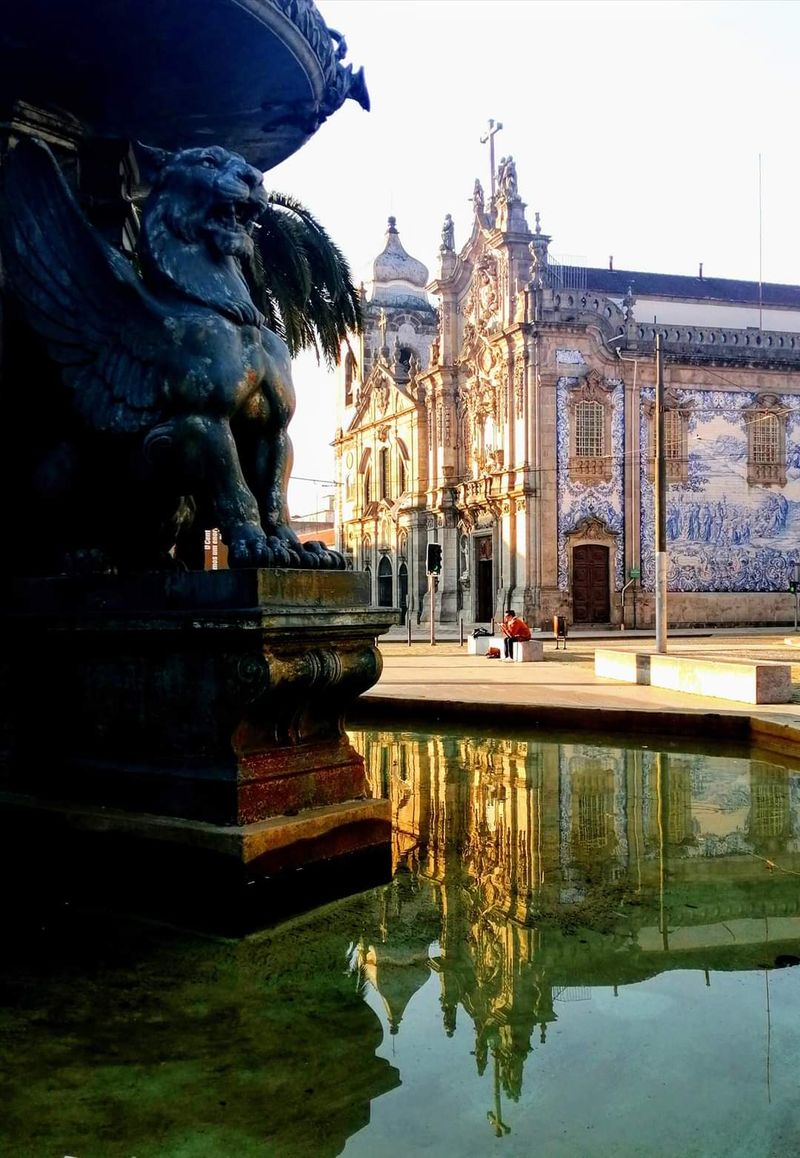
Porto’s relatively compact historic center does a lot of the heavy lifting when it comes to car-free travel. The Ribeira waterfront, the Dom Luis I Bridge, Sao Bento Station, Clerigos Tower, and the winding streets of the historic core can all be connected on foot across a manageable area.
For longer journeys, public transportation fills in the gaps. The Porto.CARD currently includes an option covering public transit alongside visitor discounts and attraction admission, confirming that the network remains an active part of how visitors move around the city.
Porto’s steep streets mean you’ll occasionally appreciate a bus or metro ride, especially after a full day of walking up and down the hillside neighborhoods. That’s a different situation from needing your own vehicle, though.
For an urban Porto vacation centered on the historic center and riverside, a rental car is comfortably optional rather than necessary.
Ljubljana, Slovenia
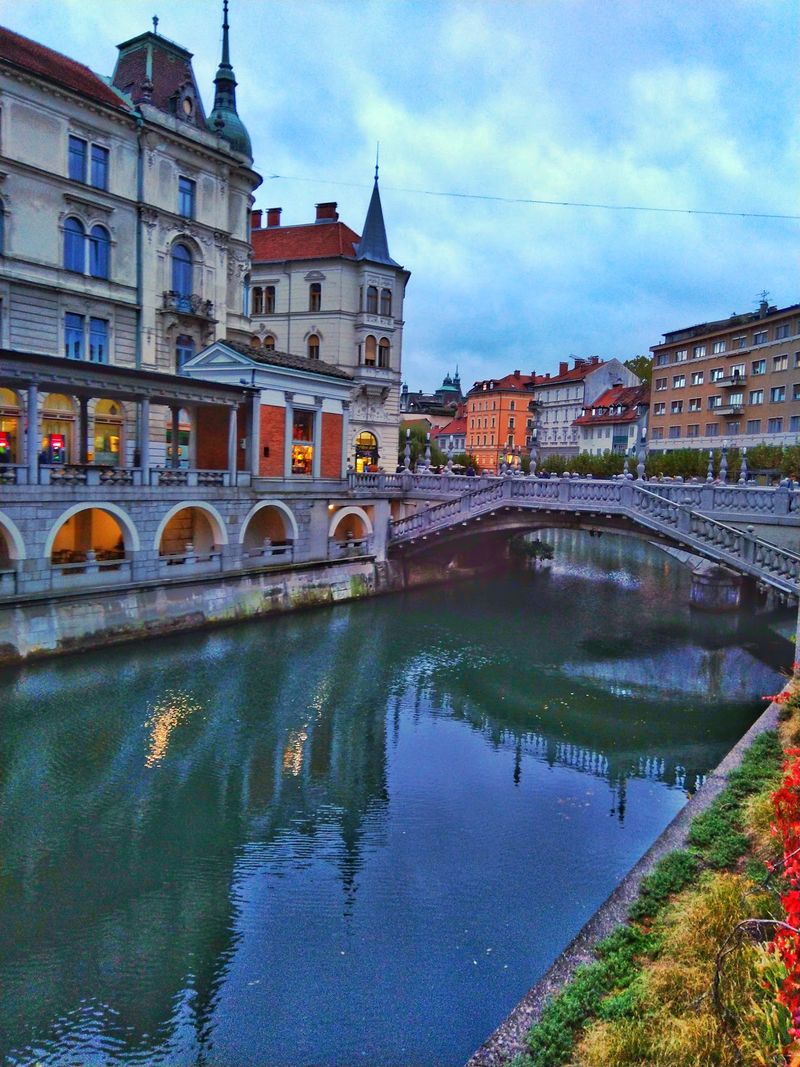
Ljubljana might be the most naturally car-free destination on this entire list, and not just because visitors choose to skip the car. A large portion of the Slovenian capital’s city center is officially closed to regular car traffic, according to the city’s tourism organization.
Within the pedestrianized zone, the city operates the Kavalir, small free electric vehicles that provide transportation for visitors who need a lift without walking. It’s a practical and surprisingly charming solution for a car-free center.
The Ljubljanica River, Triple Bridge, Central Market, Preseren Square, and many of the city’s architectural highlights all fall within a compact, walkable area. City buses handle destinations farther from the center, and the official Ljubljana Card includes unlimited travel on LPP city buses.
A rental car becomes genuinely useful when exploring Slovenia’s mountains, lakes, and countryside, but inside central Ljubljana itself, you’re unlikely to miss one.
Share this story