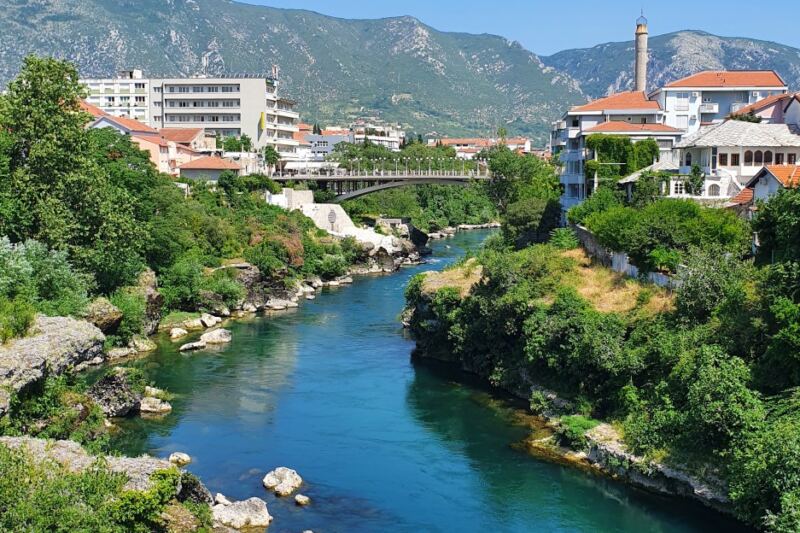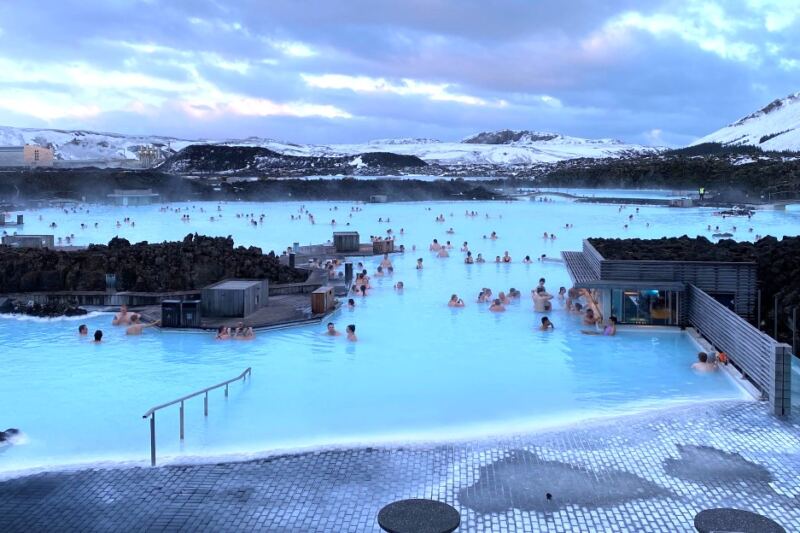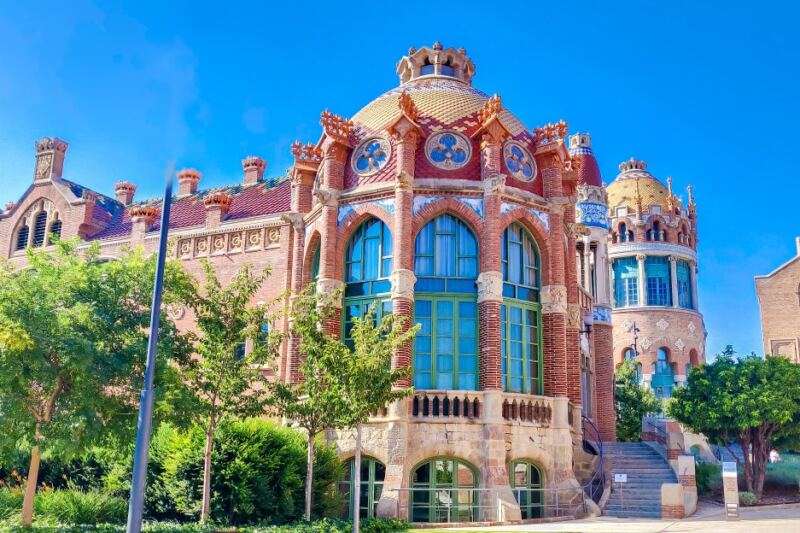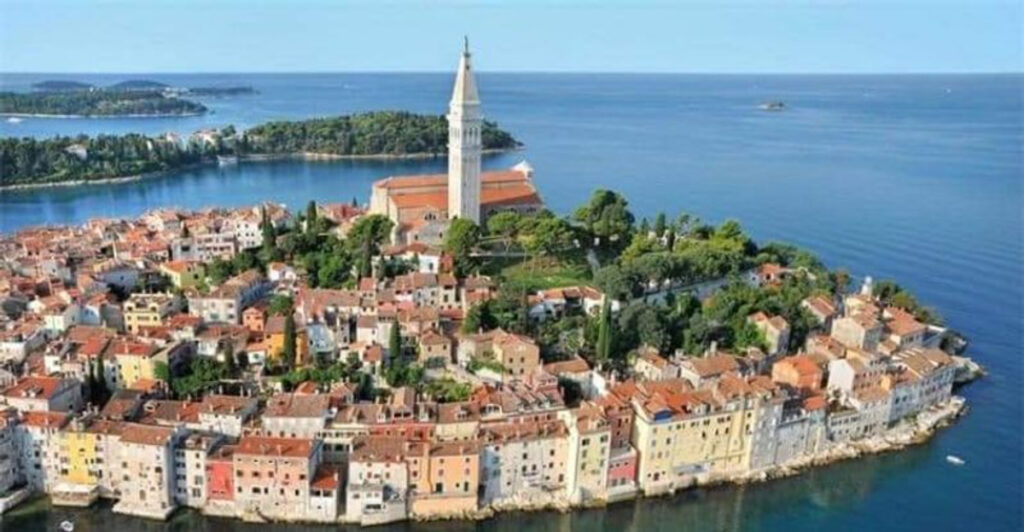
Not every traveler wants to spend their vacation fighting crowds on a metro or staring up at skyscrapers. Some of the most rewarding trips in Europe happen in places you can actually walk across in an afternoon.
From volcanic islands in the Atlantic to medieval towns perched above river gorges, Europe’s smaller destinations pack in history, scenery, food, and culture without the noise and chaos of a major city. This list covers 15 places that give you the real European experience, the kind where you can slow down, breathe a little, and actually take everything in.
Whether you’re after canals, castles, coastlines, or crater lakes, there’s something here worth saving and sharing.
Bled, Slovenia
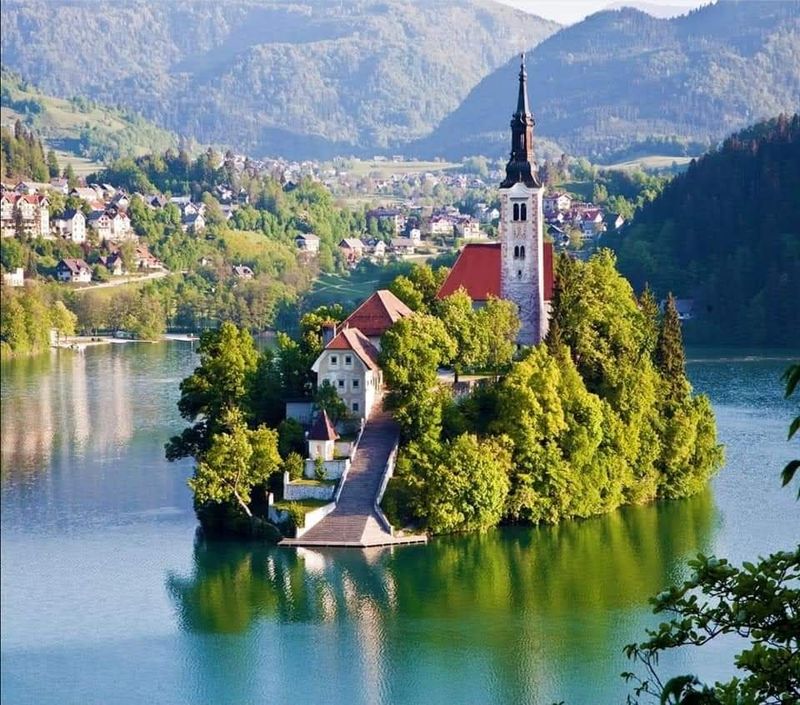
Mountain lakes and medieval castles aren’t always easy to find in the same place, but Bled, Slovenia pulls it off without any fuss. The town wraps around Lake Bled, one of the country’s most photographed natural attractions, with a tiny island sitting right in the middle of the water and a castle clinging to a cliff above.
Getting around Bled is refreshingly low-key. Visitors can walk the full loop around the lake, take a traditional pletna boat out to Bled Island, explore the castle’s museum and chapel, swim during warmer months, or rent a bike to explore the surrounding countryside.
Bled is also part of the Alpine Pearls network, which promotes sustainable and environmentally friendly travel across Alpine destinations. The town’s official tourism organization is running Bled Summer events through September 13, 2026, so the calendar stays active well into autumn.
For anyone who finds European capitals too busy, this is a genuinely refreshing change of pace.
Giethoorn, Netherlands
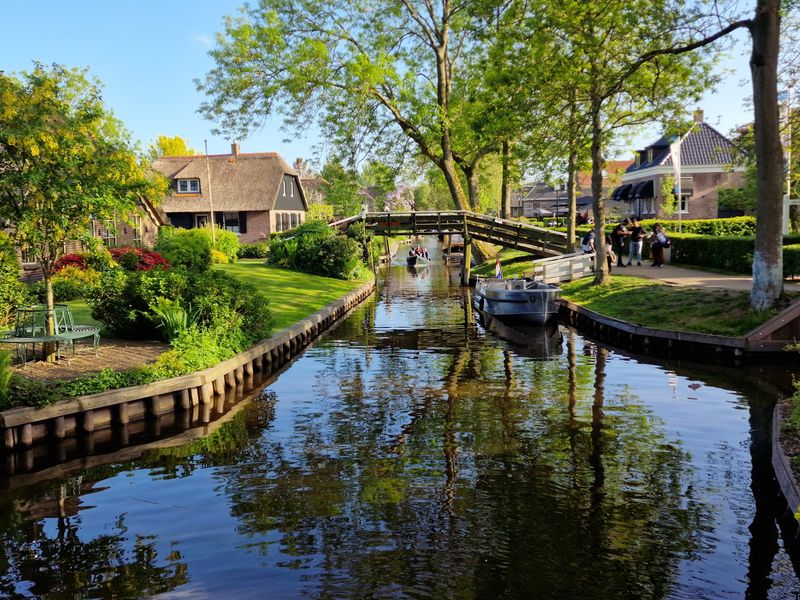
Amsterdam isn’t the only Dutch destination worth your time, and Giethoorn proves that point quietly and confidently. Instead of tram lines and crowded streets, this village is built around narrow waterways, small footbridges, and traditional thatched cottages that look like they belong on a postcard.
Boating is still the most enjoyable way to see the village, just as it was when the waterways served as the primary transportation routes centuries ago. Visitors can rent a flat-bottomed boat, join a guided canal tour, cycle through the surrounding area, or walk along the canal paths at their own pace.
Two local shipyards still build traditional Giethoorn punts and other flat-bottomed boats, according to the regional tourism organization. Nearby Weerribben-Wieden National Park adds even more outdoor space to explore.
Giethoorn can get busy with day-trippers during peak season, but the landscape of canals, low-rise houses, and open greenery keeps it feeling far more intimate than any major city.
Cesky Krumlov, Czech Republic
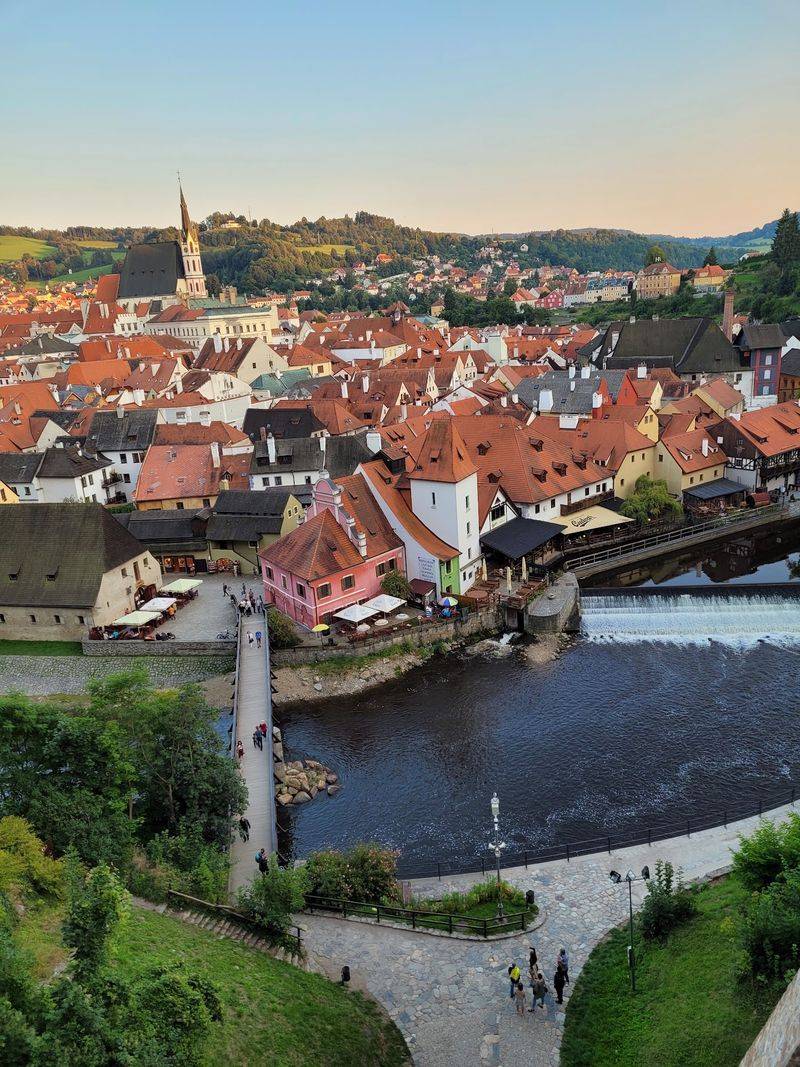
Prague draws most of the international attention, but Cesky Krumlov offers comparable architectural beauty at a scale that actually lets you breathe. Tucked into South Bohemia, this UNESCO-listed town curls around sweeping bends of the Vltava River, all beneath the enormous Cesky Krumlov Castle complex that dominates the skyline.
The compact historic core is almost entirely pedestrian-friendly, with vehicle access restricted inside the old town and parking kept outside the historic center. That means wandering through castle courtyards, riverside lanes, galleries, and cafes without anything resembling city traffic.
The town’s official tourism office operates 365 days a year, and the famous Revolving Theatre’s 2026 season runs through September 6, adding a genuinely unique cultural experience to the visit. For travelers who want to experience the Czech Republic’s medieval architecture and river scenery without navigating a major urban center, Cesky Krumlov is a straightforward and rewarding choice.
Annecy, France
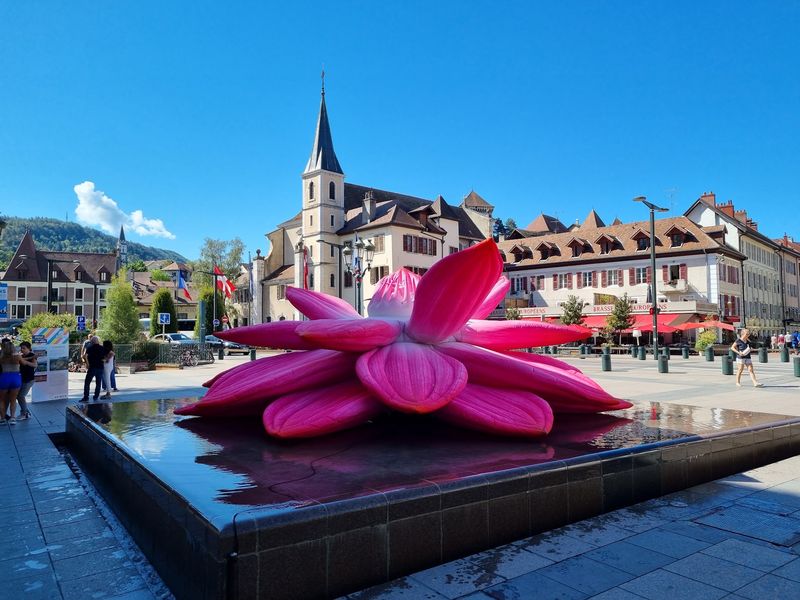
Annecy earns its nickname “Venice of the Alps” without much argument. The medieval old town in Haute-Savoie sits between a famous mountain lake and the French Alps near the Swiss border, combining canals, cobbled lanes, colorful facades, flower-covered bridges, and centuries of well-preserved architecture into a very walkable package.
What makes Annecy especially practical for travelers who avoid big cities is how quickly the scenery shifts. Spend a morning exploring the old town’s markets and historic streets, then spend the afternoon cycling beside Lake Annecy, swimming at one of the lake beaches, or hiking into the surrounding mountains.
The official Lake Annecy tourism organization lists active accommodations, lake cruises, cultural attractions, cycling routes, and outdoor activities for 2026, with the tourist information office operating daily during July and August. French food, mountain air, and medieval architecture all in the same afternoon is a combination that rarely disappoints.
Rothenburg ob der Tauber, Germany
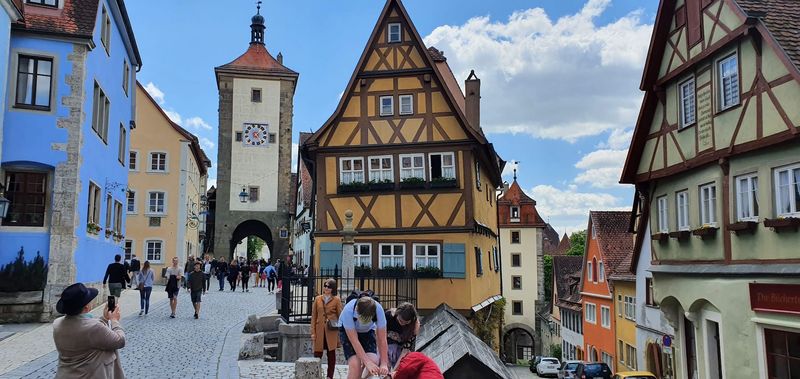
Rothenburg ob der Tauber looks almost exactly like what most people picture when they imagine medieval Europe, and that’s not an exaggeration. The Bavarian town is famous for its intact fortified walls, historic towers, timber-framed buildings, and cobbled streets that have been remarkably well preserved over the centuries.
Much of a visit here can be spent simply walking. The town walls are open to explore, the market square anchors the historic center, and several museums cover local history and culture.
Beyond the old town, the Tauber Valley provides hiking routes and countryside views that extend the experience well past the historic core.
Rothenburg’s tourism service is actively operating in 2026, and the town’s official campaign specifically highlights the connection between its medieval center and the surrounding natural landscape. For travelers who want German history and architecture without basing themselves in Berlin, Munich, or Frankfurt, this compact Bavarian town makes a strong case for itself.
Colmar, France
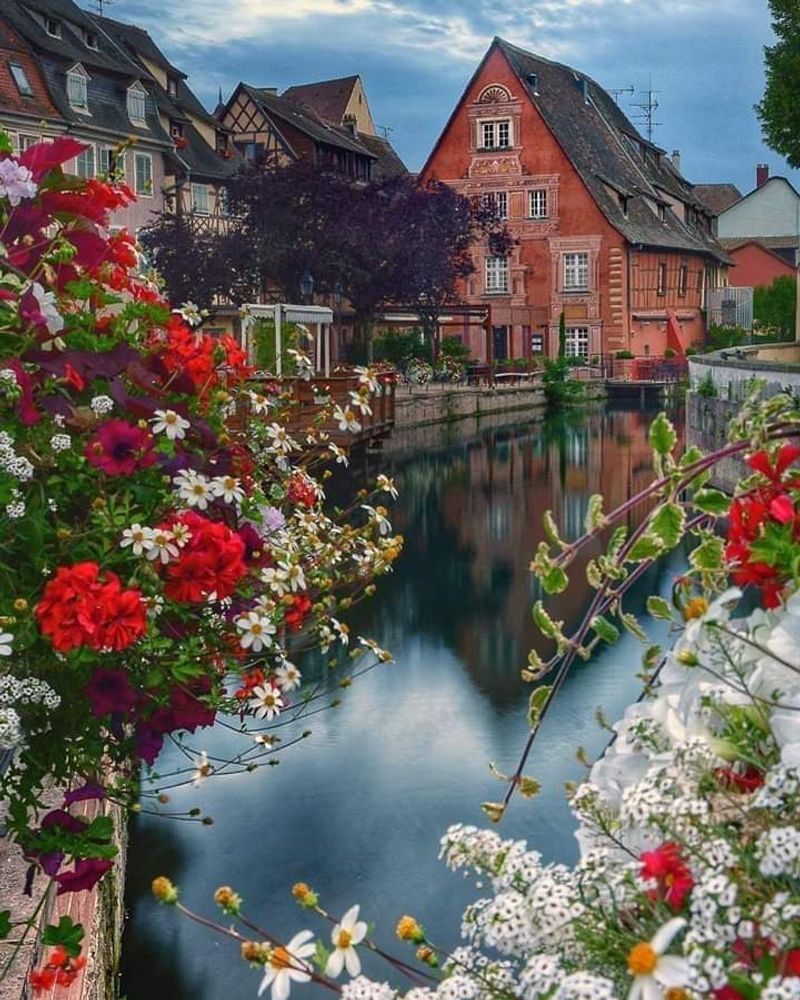
Colmar describes itself through its own tourism office as a “country town,” and that framing is actually useful when you’re trying to decide whether it fits your travel style. Located in Alsace near the German and Swiss borders, the town combines half-timbered buildings, canals, colorful facades, and a well-preserved historic center into a destination that rewards slow exploration.
Its most photographed area is Little Venice, where historic buildings line the waterways in shades of yellow, pink, and orange. With roughly 67,000 residents, Colmar is large enough to offer a solid range of restaurants, museums, and cultural experiences without becoming overwhelming to navigate on foot.
The surrounding Alsace Wine Route puts vineyards, traditional villages, and open countryside within easy reach for day trips. Colmar’s official tourism organization is actively promoting its 2026 visitor program and regional experiences.
It’s a town that rewards a slower pace and punishes anyone who rushes through it.
Piran, Slovenia
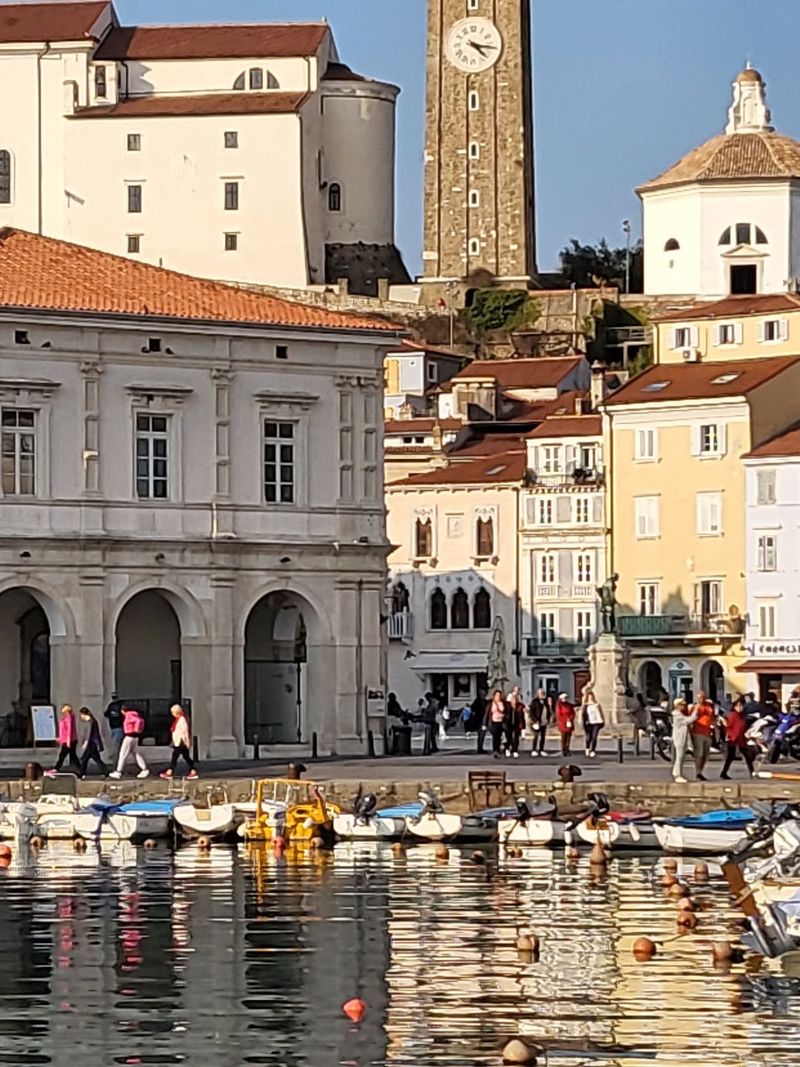
Slovenia’s Adriatic coastline is short, just 47 kilometers, but Piran makes excellent use of its position on it. The compact seaside town is shaped by centuries of Venetian rule, which left behind a visible imprint in its architecture, narrow stone streets, and waterfront character that feels distinctly Mediterranean without the scale of the big coastal resort cities.
Wandering here without a strict plan works well. The historic center, Tartini Square, the Church of St. George, and the fortification walls above town all connect naturally on foot.
Viewpoints above the red-roofed buildings reward the climb with open views over the Adriatic.
The official Portoroz and Piran tourism organization currently lists beaches, cycling routes, seafood gastronomy, cultural experiences, and 2026 events, promoting it as a year-round destination. For travelers who want Adriatic scenery and history without the crowds and scale of Croatia’s or Italy’s more famous coastal cities, Piran is worth serious attention.
Rovinj, Croatia
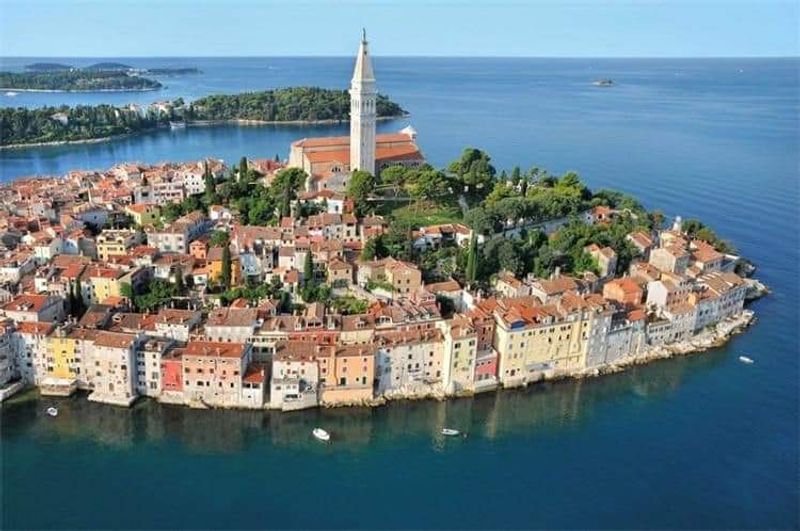
Rovinj’s old town sits on a small peninsula that was actually an island until the 18th century, when the channel separating it from the mainland was filled in. That island origin explains the tight layout of its stone streets, the way buildings seem to stack upward toward the Church of St. Euphemia, and the water views that appear around almost every corner.
Centuries of Venetian rule shaped the architecture, the culture, and even the local dialect. The local tourism site notes that you can walk across the old town in roughly 15 minutes, which says a lot about its scale and accessibility.
Beyond the historic center, Golden Cape Forest Park offers coastal walking and swimming spots, while kayaking, paddleboarding, and boat excursions to nearby islands add outdoor variety. Cycling through the broader Istrian landscape is also a popular option.
Rovinj’s tourism services and visitor activities are fully operating in 2026.
Ronda, Spain
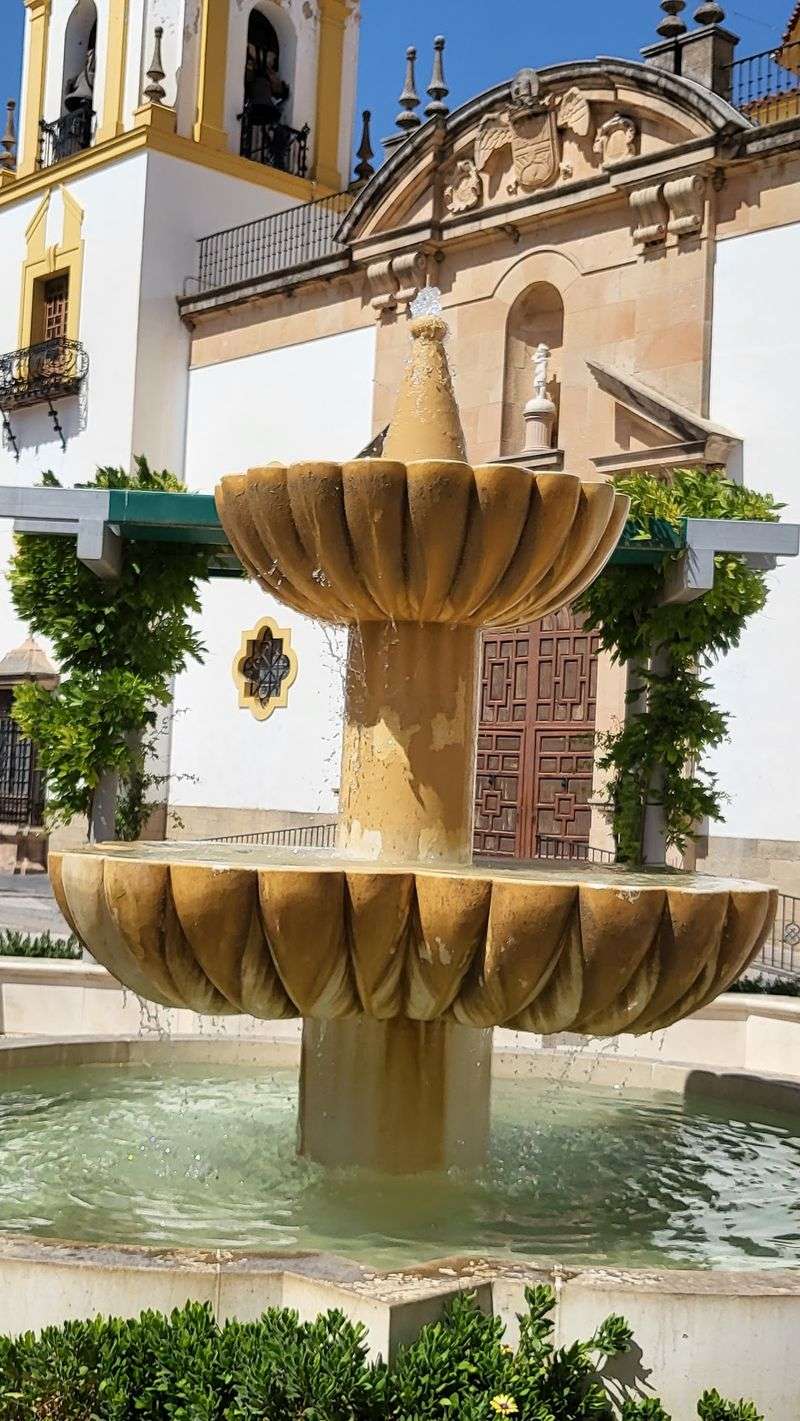
Ronda’s geography does most of the talking. The town is split by the Tajo de Ronda, a gorge more than 100 meters deep, with the famous Puente Nuevo bridge connecting the two sides above it.
Standing on that bridge and looking down is one of those travel moments that doesn’t require any additional context to appreciate.
Beyond the dramatic setting, Ronda’s old quarter holds traces of its long layered history, including medieval and Moorish influences visible in the Arab Baths, palaces, churches, and historic gardens. Spain’s official tourism organization highlights all of these alongside the surrounding natural areas.
The Serrania de Ronda extends beyond town with vineyards, mountain hiking, and traditional white villages scattered across the landscape. The local tourism organization is publishing its 2026 event schedule and visitor information.
For travelers who want Andalusian history, architecture, and food without committing to Seville, Madrid, or Barcelona, Ronda offers a genuinely different kind of Spanish experience.
Nafplio, Greece
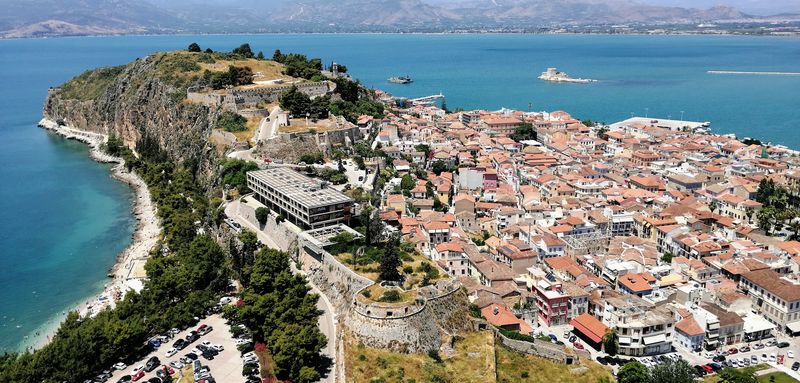
Greek travel doesn’t have to mean crowded airport lounges and packed island ferries. Nafplio, sitting on the Argolic Gulf in the Peloponnese, offers a quieter but genuinely rich alternative.
The town served as the first capital of the modern Greek state from 1827 to 1834, and that history is still visible in its neoclassical buildings, Venetian fortifications, Ottoman fountains, and layered old squares.
The walkable historic center connects naturally between waterfront cafes, old neighborhoods, and the fortifications overlooking town. Palamidi Fortress, which requires climbing several hundred steps to reach, rewards the effort with sweeping views over the gulf and surrounding landscape.
Nafplio also functions as a practical base for exploring archaeological sites and beaches around the broader Peloponnese region. Greece’s official tourism portal currently lists Nafplio as an active visitor destination with attractions, signature experiences, and transportation information for 2026.
For a Greek town that feels genuinely local rather than tourist-packaged, Nafplio earns its place on this list.
Kotor, Montenegro
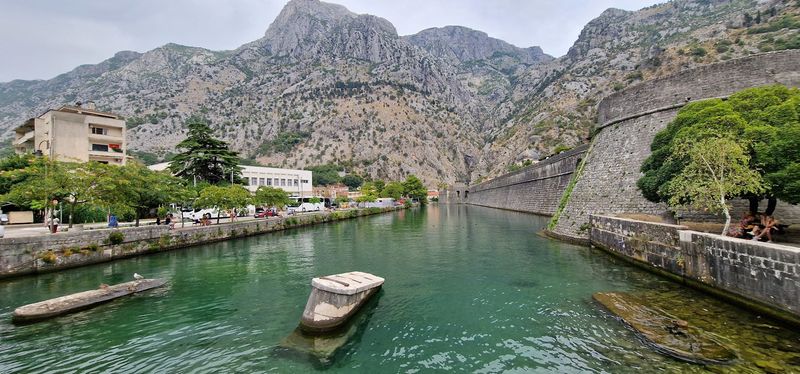
Kotor might technically carry the label of a city, but the experience inside its walls feels closer to stepping into a medieval village than navigating an urban center. The UNESCO-protected old town is wedged between the Bay of Kotor and steeply rising mountains, enclosed by historic stone fortifications that have stood for centuries.
Inside the walls, narrow lanes connect small squares, old churches, historic palaces, and cafes that fill up in the evenings. For one of the most rewarding views in the region, the fortified path climbing the slopes above town leads to a panorama over the bay and surrounding mountains.
The surrounding bay also makes day trips easy, with boat excursions and visits to smaller settlements like Perast adding variety. Kotor’s official tourism organization operates its visitor information center at the Sea Gate and publishes current 2026 information.
Cruise ship arrivals can make midday visits hectic, so staying overnight gives a noticeably calmer experience of the old town.
Torshavn, Faroe Islands
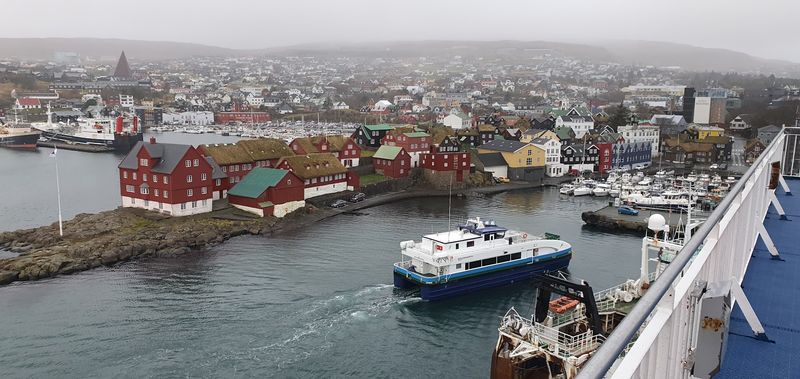
Torshavn carries the title of capital, but anyone expecting a European-style metropolis will find something far more interesting instead. The Faroe Islands’ capital city is one of the smallest capitals in the world, surrounded almost immediately by ocean, mountains, and open North Atlantic landscape that begins right at the edge of town.
Its most distinctive area is Tinganes, a historic peninsula of traditional wooden buildings in the old part of the city, some of which have been in use for centuries. The setting is genuinely unlike anything found in mainland Europe.
From Torshavn, travelers can reach neighboring islands, join hiking tours, take sailing trips, or travel through small settlements scattered across dramatic volcanic landscapes. Visit Torshavn is actively publishing 2026 events, dining information, accommodations, and transportation guidance, covering one city and 16 towns across four islands.
For someone who avoids capitals because they feel overwhelming, Torshavn is the rare exception that actually rewards the visit.
Bruges, Belgium
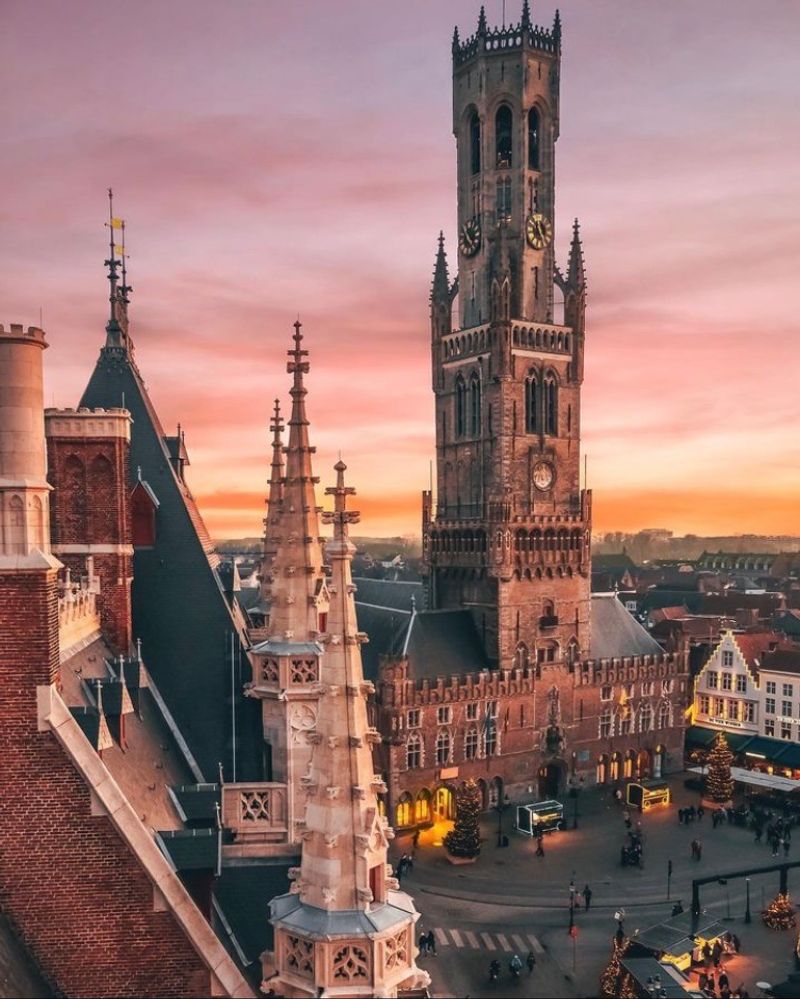
Bruges is technically a city, but its own tourism organization describes it as a “city on a human scale,” and that description holds up when you actually walk through it. The UNESCO-listed historic center is compact, highly walkable, and built around a network of canals, medieval buildings, cobbled streets, and open squares that connect on foot without much effort.
The Belfry offers a classic elevated view over the rooftops, while the canal boat rides give a ground-level perspective on the architecture that you simply can’t get on foot. Quieter residential streets away from the main tourist corridors also reveal a more everyday side of the city.
Bruges remains fully active in 2026, with tourist offices, guided walks, museums, exhibitions, and events operating throughout the year. Crowds are real, particularly around the main square and canal areas during summer, but the overall scale of Bruges remains far more approachable than Brussels, Paris, or Amsterdam by a considerable margin.
Sao Miguel, Azores, Portugal
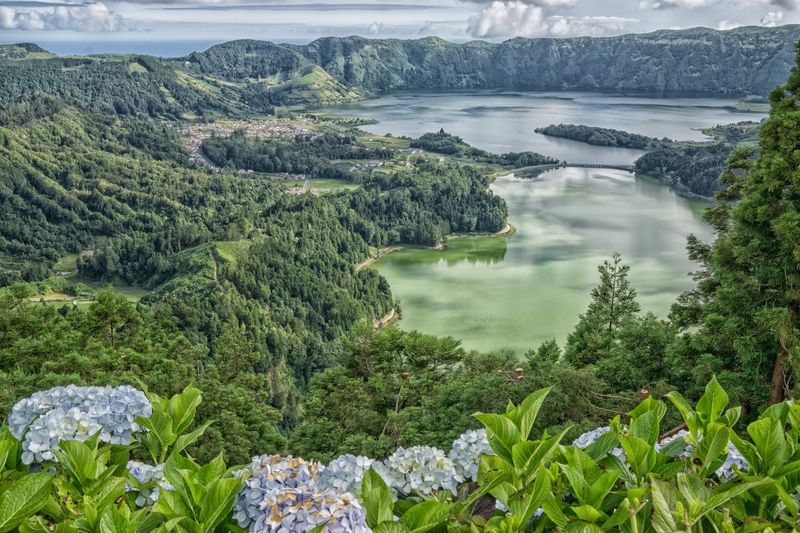
When even small towns start to feel too urban, swapping the European mainland for an Atlantic island changes everything. Sao Miguel is the largest island in Portugal’s Azores archipelago, and its landscape is shaped almost entirely by volcanic geology rather than city planning.
Crater lakes, thermal areas, coastal viewpoints, hiking trails, and waterfalls spread across an island that takes less than two hours to drive end to end.
Rather than anchoring the whole trip in one urban center, travelers move between small communities and natural sites. Sete Cidades, with its famous twin lakes, Lagoa do Fogo, Furnas with its geothermal hot springs, and numerous coastal lookout points all provide reasons to spend most of the day outdoors.
The official Azores tourism organization provides active 2026 information for Sao Miguel covering accommodations, experiences, food, transportation, and island access. For travelers whose ideal European vacation involves more greenery than concrete, Sao Miguel makes a strong and specific case for itself.
Sintra, Portugal
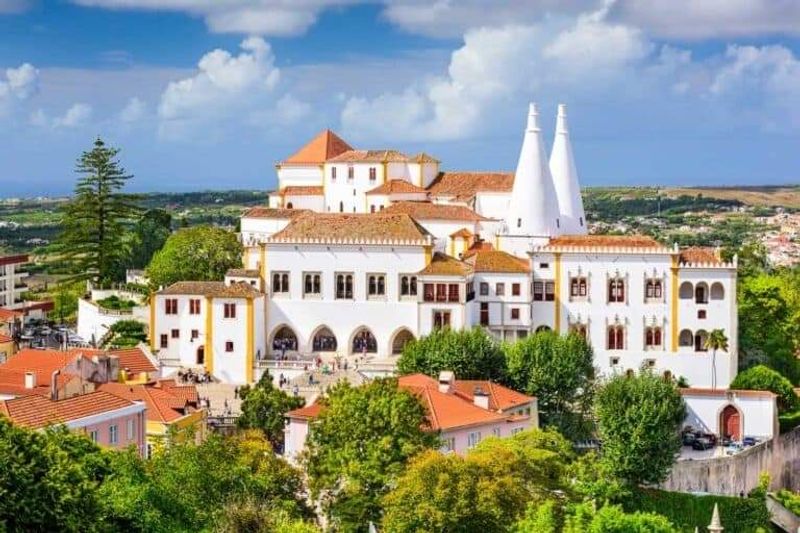
Less than an hour from Lisbon by train sits a destination that feels like it belongs in a completely different category of travel. Sintra is set among forested hills and holds an extraordinary collection of palaces, estates, and historic monuments that were built over several centuries by Portuguese royalty and wealthy aristocrats.
Pena Palace gets most of the photography attention with its bold colors and hilltop position, but the Moorish Castle, the National Palace of Sintra in the town center, and Monserrate Palace each offer a distinct architectural and historical experience. Footpaths, wooded gardens, and nearby Atlantic coastline give Sintra far more outdoor breathing room than a typical city break.
Current information from Parques de Sintra confirms that the National Palace of Sintra and the major parks and monuments are operating in 2026. The newly opened Cabo da Roca Lighthouse Interpretation Centre began welcoming visitors on July 23, 2026.
Weather-related closures can affect some forest sites, so checking current conditions before visiting is a practical step.
Share this story