Some of the best travel moments happen before you even reach your hotel room. A warm pastry in hand, a coffee on the counter, and a bakery that has been feeding the same neighborhood for generations.
Europe has no shortage of incredible bakeries, but a few cities have spots so good that skipping them would be a genuine mistake. This list covers 15 cities across Europe where one bakery stands out above the rest, and where making it your very first stop will set the tone for your entire trip.
Whether you are planning a weekend getaway or a longer adventure, these bakeries offer a taste of local life that no restaurant menu or tourist attraction can fully replace. Pack your appetite and get ready to eat well from the very first morning.
Du Pain et Des Idées, Paris
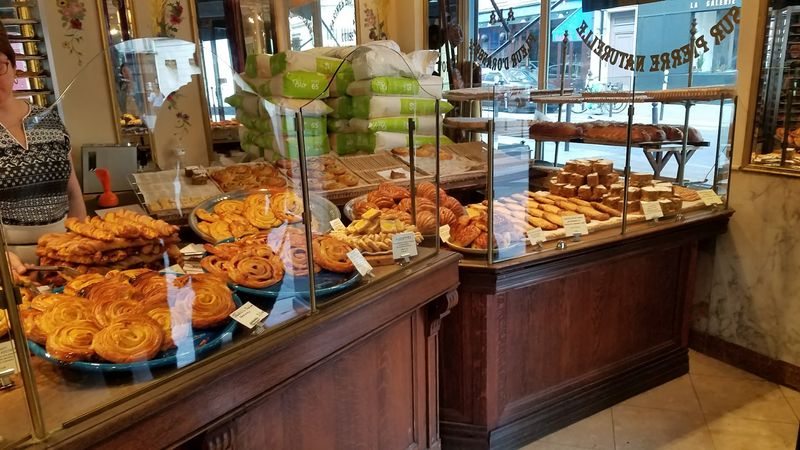
Paris has no shortage of bakeries, but Du Pain et Des Idées operates on a different level entirely. Located in the 10th arrondissement near Canal Saint-Martin, this bakery occupies a beautifully preserved 19th-century shop with painted ceilings and antique glass cases that have not changed much in over a century.
The bakery was founded by Christophe Vasseur in 2002, and it quickly earned a reputation for producing some of the finest bread in the city. The sourdough loaves are baked in a wood-fired oven, and the naturally leavened dough gives each loaf a distinct, complex flavor.
The escargot pastries, filled with combinations like pistachio and chocolate or apple and salted caramel, are among the most talked-about items on the menu.
The bakery is closed on weekends, so plan your visit for a weekday morning. Arriving early is a practical move since popular items sell out before noon.
JUNO the Bakery, Copenhagen
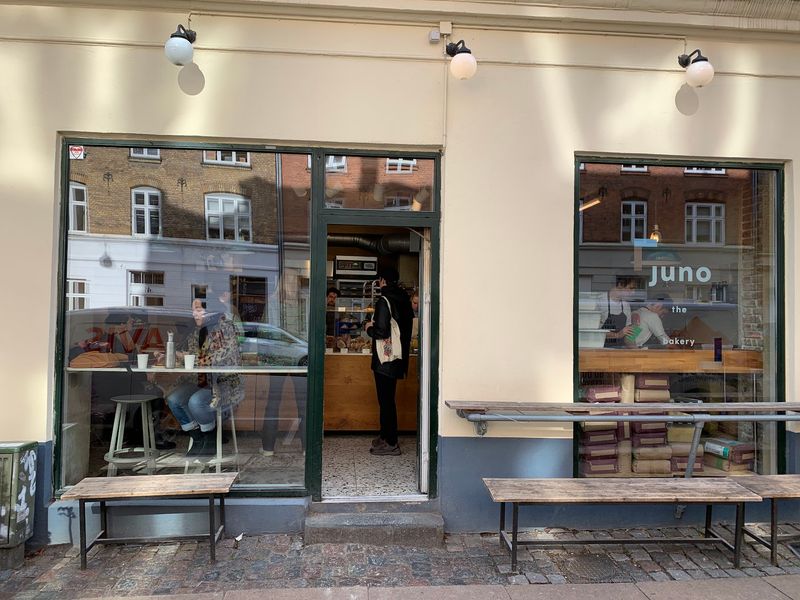
Copenhagen has built a serious reputation for baked goods in recent years, and JUNO the Bakery is one of the main reasons why. Opened in 2016 in the Osterbro neighborhood, the bakery quickly developed a following that extends well beyond the local community.
The cardamom bun here is widely regarded as one of the best in the city. It is soft, generously spiced, and noticeably different from the drier versions found elsewhere.
The bakery also produces excellent sourdough loaves, croissants, and seasonal items that rotate throughout the year based on available ingredients.
JUNO operates out of a small, no-frills space that focuses entirely on the product rather than the atmosphere. Lines form early, especially on weekends, and the selection can sell out by mid-morning.
If you are visiting Copenhagen and want to understand why the city takes bread so seriously, this is the right starting point for that education.
Pastéis de Belém, Lisbon
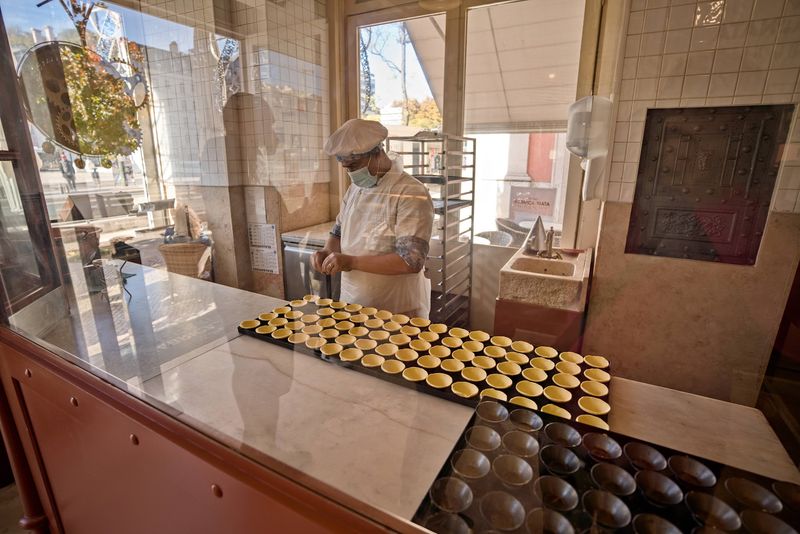
Few food experiences in Europe carry the kind of historical weight that comes with eating a pastel de nata at Pastéis de Belém. The bakery has been operating since 1837, and it produces its custard tarts using a recipe that originated from the nearby Jerónimos Monastery.
That original recipe remains a closely guarded secret.
The tarts arrive warm, dusted with cinnamon and powdered sugar, and the pastry shell has a flakiness that pre-packaged versions simply cannot replicate. The bakery’s interior is covered in beautiful blue and white azulejo tiles, and the dining rooms stretch back much further than the modest entrance suggests.
Located in the historic Belém district, the bakery sits within easy walking distance of the Jerónimos Monastery and the Tower of Belém, making it a natural first stop before exploring the area. Go early if you want a seat inside.
The line moves quickly, and the tarts are worth every minute of the wait.
La Mallorquina, Madrid
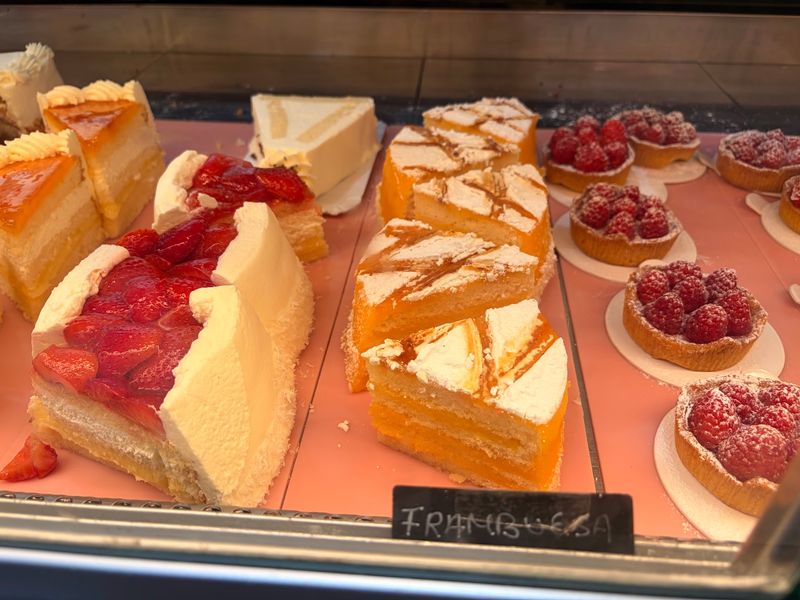
Standing at the corner of Puerta del Sol since 1894, La Mallorquina is one of Madrid’s oldest and most recognizable pastry shops. The location alone is hard to beat, sitting right at the symbolic heart of the city where most visitors naturally pass through on their first day.
The shop is known for its napolitanas de crema, which are flaky pastry pockets filled with pastry cream and dusted with sugar. These are available fresh throughout the day, and they pair well with the café’s coffee service upstairs.
The second floor offers a sit-down café experience with views over the busy plaza below.
La Mallorquina also produces rosquillas, mantecados, and seasonal specialties that change throughout the year. The shop maintains a traditional character that feels genuine rather than performed for tourists.
For anyone arriving in Madrid for the first time, stopping here before heading anywhere else gives you an immediate connection to the city’s long pastry-making tradition.
Antico Forno Roscioli, Rome
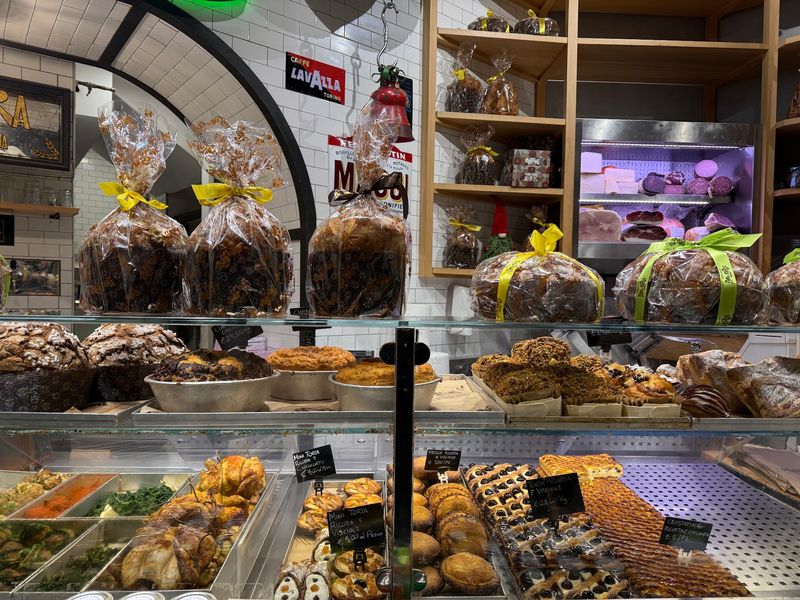
In Rome, the forno is not just a bakery. It is a neighborhood institution, and Antico Forno Roscioli on Via dei Chiavari is one of the best examples of that tradition in the entire city.
The Roscioli family has been running food businesses in Rome for decades, and this bakery reflects that deep experience in every product it sells.
Pizza al taglio is the main attraction here. The rectangular slices come with toppings ranging from simple tomato and olive oil to more substantial combinations, and the dough has a light, airy texture that comes from careful fermentation.
The bakery also produces excellent supplì, which are fried rice balls stuffed with mozzarella and tomato sauce.
Sweet pastries, cookies, and bread rounds out the selection. The bakery opens early and stays busy through the lunch hour, with locals stopping in for a quick slice before heading back to work.
It is a practical, delicious, and completely Roman experience that sets the right tone for exploring the city.
Eska, Prague
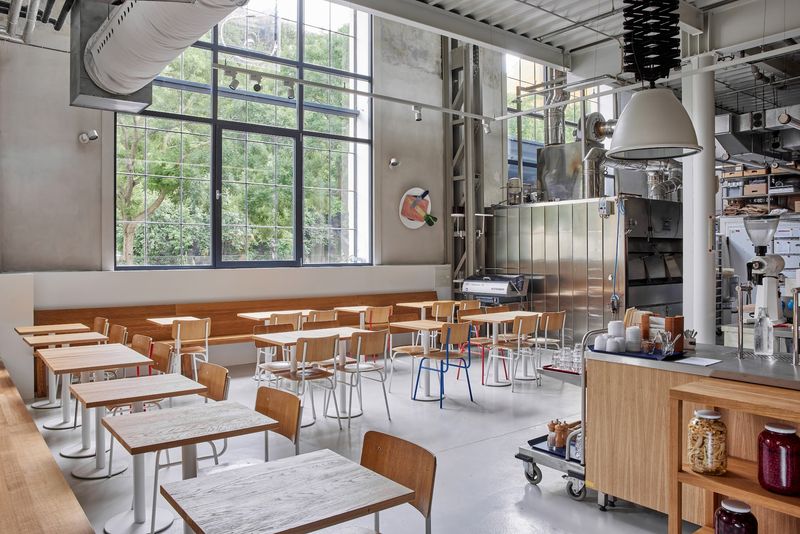
Prague is not always the first city that comes to mind for artisan bread, but Eska has been working to change that perception since it opened in 2016. Located in the Holesovice district, the bakery operates as part of a larger restaurant and community space, but the bread program is the foundation of everything.
The sourdough loaves at Eska are made using Czech heritage grains, and the bakery works directly with local mills to source flour that is not widely available elsewhere. The result is bread with a flavor profile that feels specific to the region rather than generic.
The open kitchen allows visitors to watch the baking process, which adds an educational dimension to the stop.
Eska also serves breakfast and brunch, so you can sit down and eat rather than just grabbing something to go. The space has a clean, modern design that contrasts nicely with the older parts of Prague nearby.
For food-focused travelers, this is one of the most interesting bakery stops in Central Europe.
Artizán Bakery, Budapest
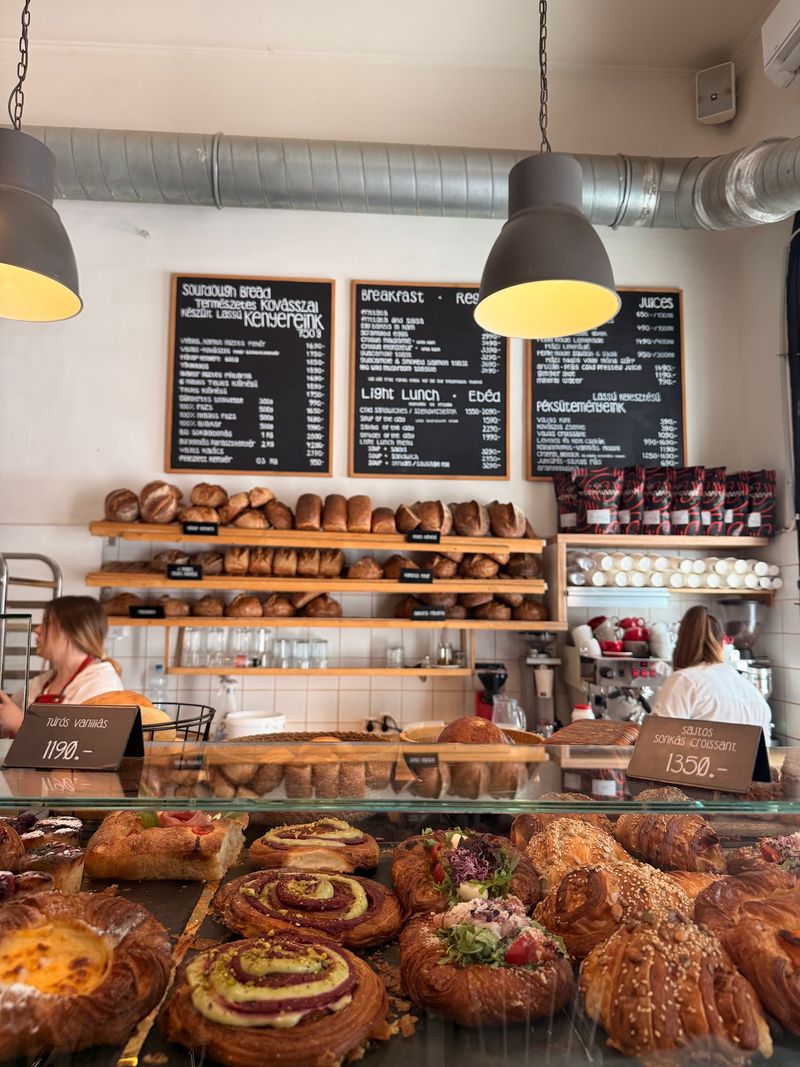
Budapest has a long tradition of pastry shops and confectioneries, but Artizán Bakery represents a newer chapter in the city’s baking culture. Opened in 2014, it was one of the first bakeries in Hungary to focus seriously on long-fermented sourdough bread using quality local ingredients.
The croissants here are consistently praised for their proper lamination and buttery flavor, and the sourdough loaves come in several varieties depending on the day. The bakery also produces a rotating selection of seasonal pastries that reflect both Hungarian baking traditions and more contemporary European influences.
Artizán has multiple locations across Budapest, which makes it easy to find one near wherever you are staying. The original bakery has a comfortable, welcoming layout that encourages you to linger over coffee and a pastry before starting your day.
For visitors who want to see how Budapest’s food scene has evolved beyond its classic confectionery heritage, Artizán is a clear and satisfying answer.
Ekberg, Helsinki
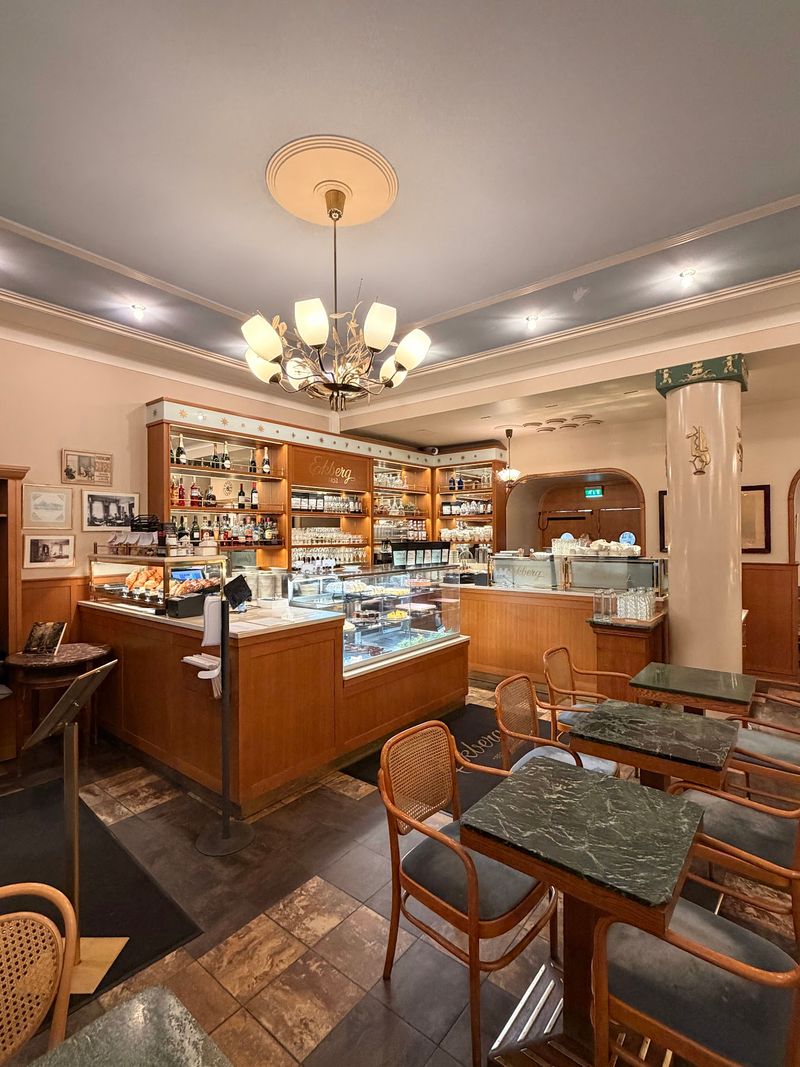
Ekberg holds the distinction of being Finland’s oldest café, having opened its doors in 1852. Located on Bulevardi in central Helsinki, the bakery and café has maintained a level of quality and consistency over its long history that is genuinely impressive for any food business, let alone one operating for this many generations.
The cardamom buns at Ekberg are a strong starting point for any visit. Finnish cardamom buns, known locally as pulla, are softer and more lightly sweetened than their Danish or Swedish counterparts, and Ekberg’s version reflects the traditional recipe well.
The café also produces cakes, tarts, sandwiches, and a full breakfast menu.
The interior has preserved much of its original character, with classic European café furnishings and a calm atmosphere that feels like a genuine step back in time. Helsinki can feel quiet and understated to first-time visitors, and Ekberg captures that quality perfectly.
Starting your morning here before exploring the city is a practical and pleasant choice.
RØST Bakery, Tallinn
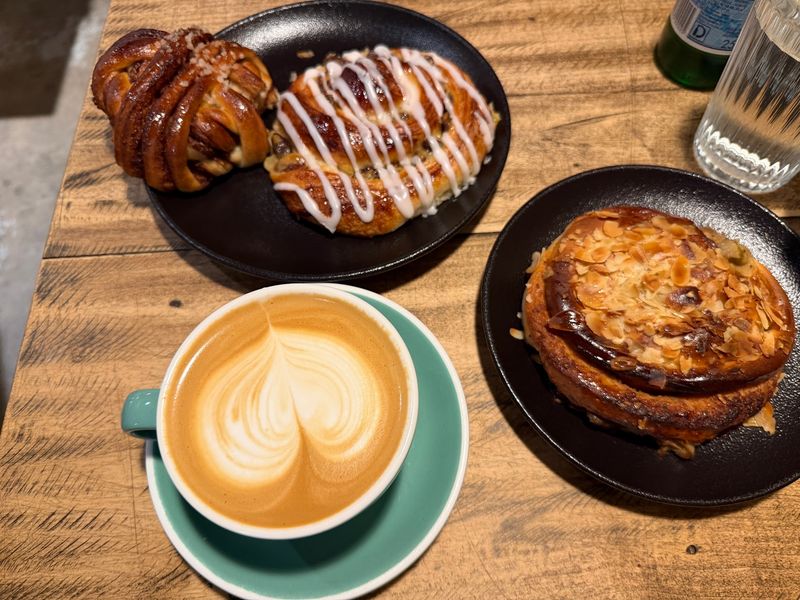
Tallinn is one of Europe’s best-preserved medieval cities, and RØST Bakery fits into that setting with a focus on craft and quality that matches the city’s character. The bakery opened in 2016 and has built a following among both locals and visitors who take their bread seriously.
The sourdough program at RØST is the centerpiece of the menu. The bakery uses long fermentation methods and works with carefully sourced grains to produce loaves with a well-developed crust and complex interior.
Rye bread, which has deep roots in Estonian food culture, features prominently in the selection and is worth ordering even if you are not usually a rye bread person.
RØST also offers pastries, coffee, and a small breakfast menu, making it a complete first stop rather than just a quick grab-and-go. The bakery’s location makes it accessible without being directly in the most tourist-heavy part of the Old Town.
For visitors to Tallinn, it represents the city’s quiet but genuine food ambition.
Fort Negen, Amsterdam
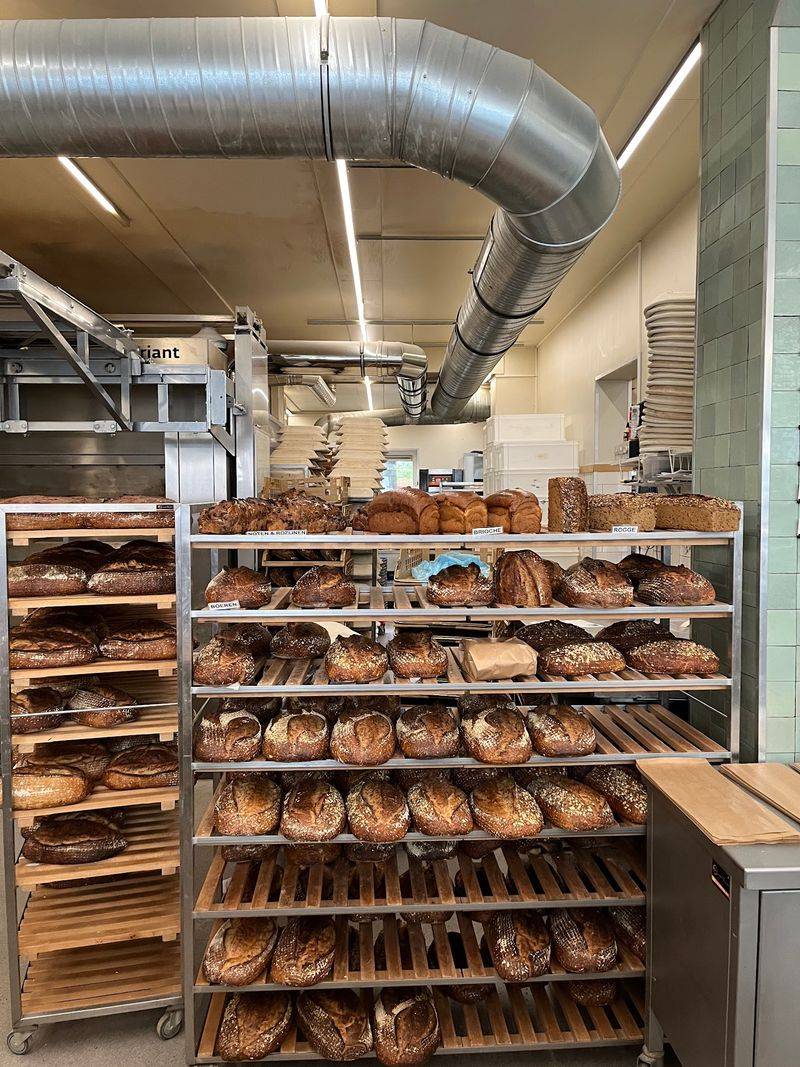
Amsterdam has a growing artisan bread scene, and Fort Negen has earned a spot near the top of that list since opening in the De Pijp neighborhood. The bakery takes its name from a 19th-century Dutch fortification, and that sense of solidity carries through into the products it makes.
The sourdough here is produced using traditional techniques with an emphasis on locally sourced grains and long fermentation schedules. The result is bread with good structure, a pronounced crust, and a flavor that improves as you eat through the loaf.
The bakery also produces croissants, seasonal pastries, and a small selection of savory items.
De Pijp is one of Amsterdam’s most livable and food-focused neighborhoods, and Fort Negen fits naturally into that environment. Picking up bread here before wandering through the Albert Cuyp Market, which runs just a short distance away, makes for a very satisfying Amsterdam morning.
The bakery is small, so arriving early gives you the best selection of the day’s bakes.
Bread 41, Dublin
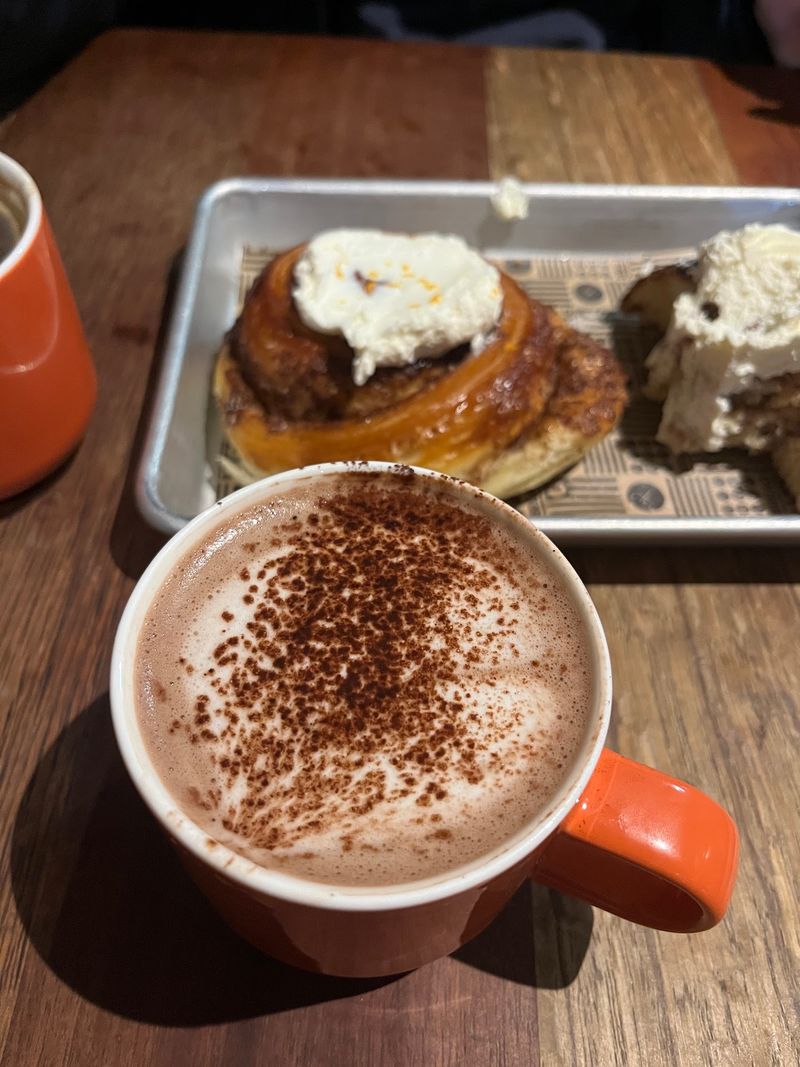
Dublin’s food scene has grown considerably over the past decade, and Bread 41 on Pearse Street is one of the bakeries that helped raise the standard. Opened in 2017, the bakery operates with a clear commitment to sourdough fermentation and quality ingredients, and it has maintained that focus consistently since opening.
The sourdough loaves come in several varieties, and the bakery works with Irish grain producers to source flour that reflects local agricultural traditions. The croissants are laminated properly and have become one of the most talked-about items on the menu.
Bread 41 also offers a breakfast and lunch menu with open sandwiches, pastries, and seasonal specials.
The bakery has a warm, unpretentious atmosphere that fits well with Dublin’s general character. It sits close to Trinity College, which makes it a convenient stop for visitors exploring that part of the city.
For anyone who wants to see what modern Irish baking looks like when it is done with genuine care, Bread 41 is a clear and accessible example.
Maison Dandoy, Brussels
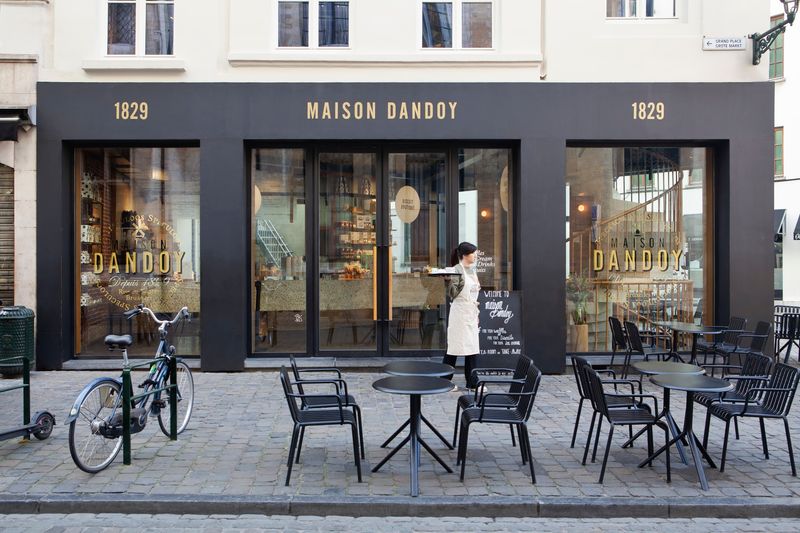
Brussels has a justified reputation for waffles and chocolate, but Maison Dandoy makes a strong case for biscuits as the city’s most underrated specialty. Founded in 1829, the shop has been producing speculoos and other Belgian biscuits from the same family recipes for nearly two centuries, and the flagship location on Rue au Beurre is one of the most beautifully preserved food shops in the city.
Speculoos are spiced shortcrust biscuits traditionally associated with the feast of Saint Nicholas, but Maison Dandoy sells them year-round in various formats, including plain, chocolate-dipped, and filled versions. The shop also produces pain à la grecque, a lightly sweetened biscuit with a texture that is different from anything you are likely to find outside Belgium.
The interior of the flagship store has retained its original wooden cabinetry and display cases, which gives the whole experience a sense of genuine history. Picking up a bag of speculoos here before exploring the Grand Place, which is just steps away, is a simple and rewarding way to begin a day in Brussels.
Demel, Vienna
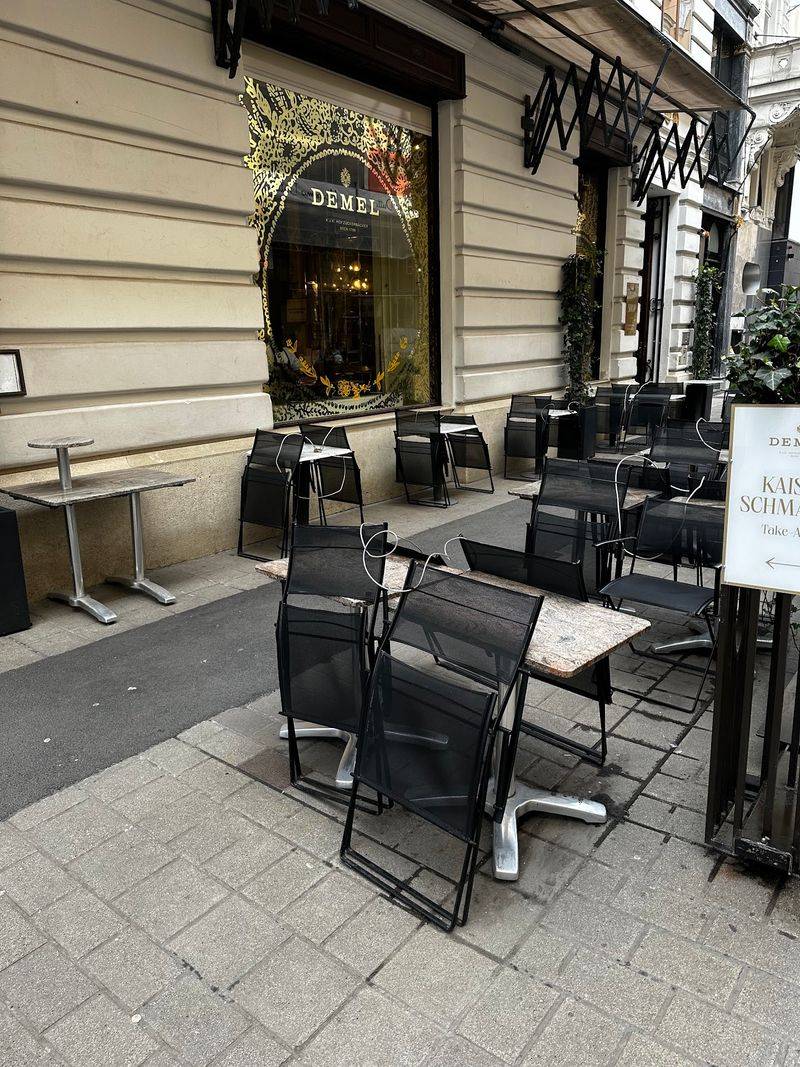
Vienna’s café culture is famous worldwide, and Demel sits at the very top of that tradition. Located on Kohlmarkt, just a short walk from the Hofburg Palace, Demel has been operating since 1786 and served as the official confectioner to the Imperial Court of Austria-Hungary for much of its history.
The window displays alone are worth stopping for, featuring elaborate sugar sculptures and perfectly arranged pastries that change with the seasons. Inside, the shop produces a wide range of Viennese classics including Sachertorte, Apfelstrudel, and Esterhazyschnitte.
The Sachertorte debate between Demel and Hotel Sacher is one of the most famous pastry disputes in culinary history, and trying Demel’s version gives you one side of that ongoing conversation.
The café section of Demel allows you to sit down and order from a full menu of cakes, pastries, and coffee. The service is formal, the setting is grand, and the quality is consistent with the shop’s long reputation.
For first-time visitors to Vienna, this is a foundational stop.
Twelve Triangles, Edinburgh
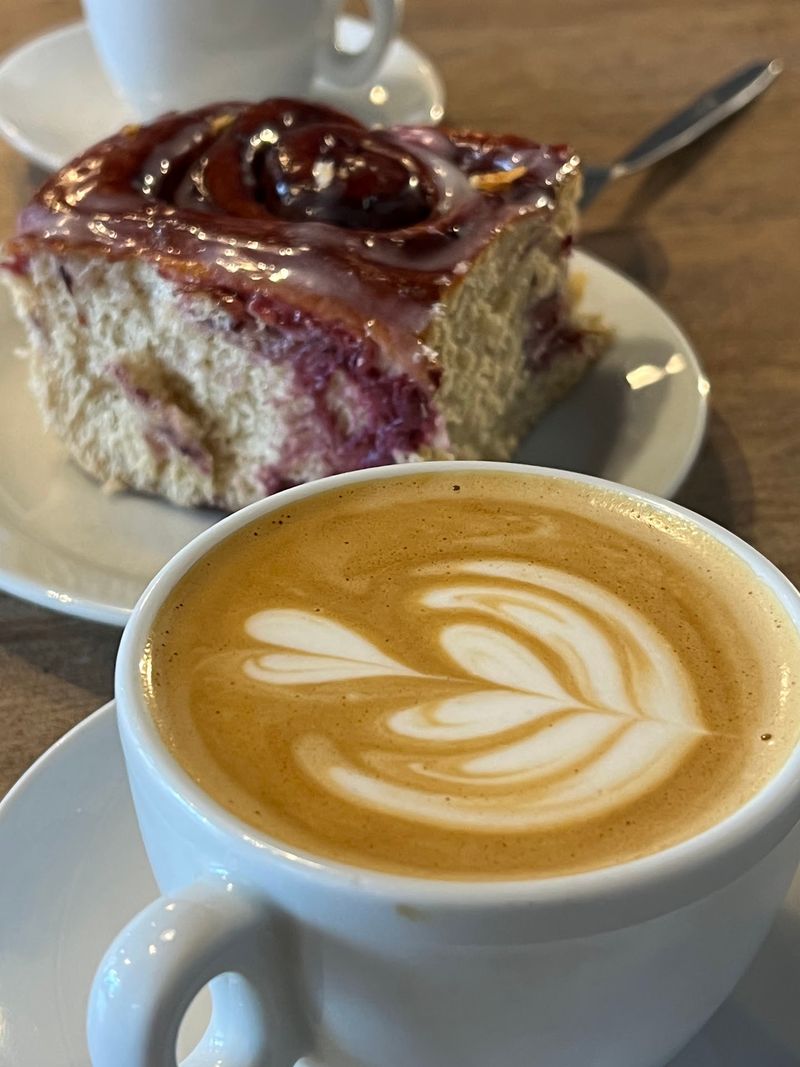
Edinburgh’s food scene tends to get overshadowed by its history and architecture, but Twelve Triangles has been quietly building one of the most respected bakery programs in Scotland since opening in 2014. The original location on Brunswick Street in the Leith Walk area set the tone for what the bakery has become.
The focus here is on sourdough bread and laminated pastries, and both are executed with a level of care that has earned the bakery a loyal following across the city. The croissants are particularly well regarded, with a proper honeycomb interior and a crust that holds its structure without being too brittle.
The bakery also produces seasonal fruit pastries, filled doughnuts, and open-faced sandwiches using their own bread.
Twelve Triangles has expanded to several locations across Edinburgh, making it easier to find regardless of which part of the city you are exploring. For visitors arriving in Edinburgh and looking for a genuine taste of what the city’s independent food culture looks like, this bakery delivers that clearly and without pretense.
Share this story