Germany has a way of making history feel alive, and nowhere is that more obvious than when you look up and see a massive castle perched on a rocky hill above a river town. Across the country, fortresses and castle complexes have watched over vineyards, medieval streets, and winding rivers for centuries.
Some are still standing in near-perfect condition, while others wear their ruins like a badge of honor. This list covers 15 German towns where hilltop fortifications are the main attraction, ranging from Bavaria to the Rhine Valley and everywhere in between.
Whether you are planning a road trip or just looking for places to add to your travel wish list, these castle towns deliver the kind of scenery and history that sticks with you long after you head home.
Heidelberg Castle, Heidelberg
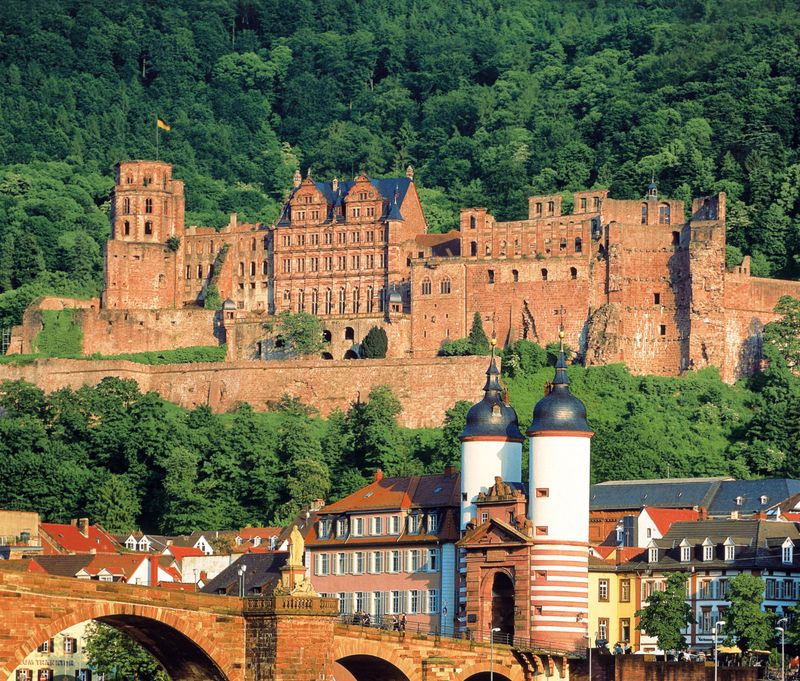
Few castle ruins in Germany carry the same visual weight as Heidelberg Castle. Sitting high on the forested Konigstuhl hillside above Heidelberg’s Old Town, its red sandstone walls and partially collapsed Renaissance buildings create one of the country’s most photographed silhouettes.
The mix of intact structures and atmospheric ruins makes it feel different from fully preserved castles.
Visitors can reach the complex either by walking up the steep hillside path or by taking the funicular to the Schloss station. Once inside, the palace grounds, the famous Great Barrel cellar, and the remaining defensive structures are all accessible.
Guided interior tours are available throughout the year, adding historical context to what you are seeing.
Heidelberg itself is a university city with a lively old town full of cafes, bookshops, and historic architecture. The castle visit pairs naturally with a walk across the Old Bridge for a full view of the complex from the river side.
Wartburg Castle, Eisenach
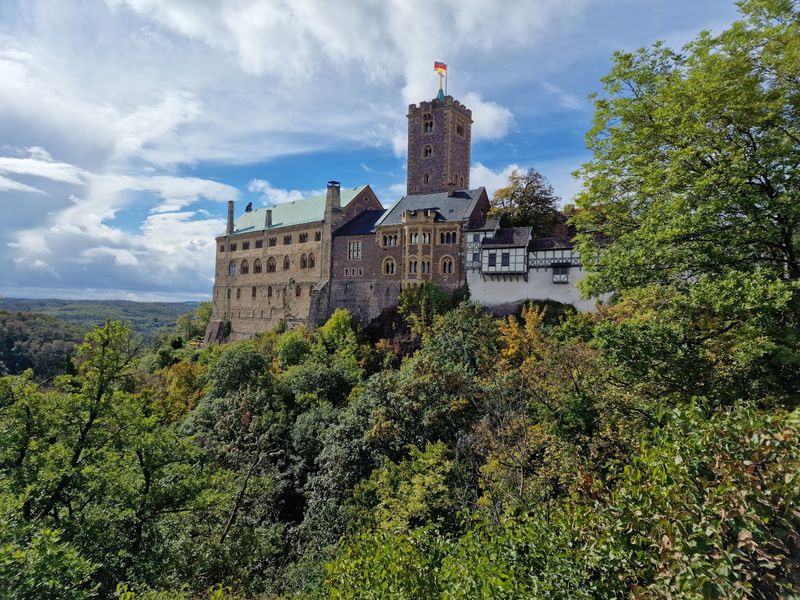
Wartburg Castle has the kind of history that fills entire textbooks. Occupying a wooded ridge above Eisenach in Thuringia, the fortress is tied to Martin Luther, who famously stayed here while translating the New Testament into German.
That single fact draws visitors from across the world, but the castle’s medieval architecture and forested setting are equally compelling on their own terms.
Founded in the Middle Ages, Wartburg presents the classic image of an isolated stronghold watching over the landscape below. Its elevated position means the surrounding forest stretches in every direction, giving the castle a sense of quiet authority that is hard to match.
The complex remains open year-round, including exterior grounds, museum spaces, a shop, and seasonal visitor facilities.
Eisenach is also the birthplace of Johann Sebastian Bach, which makes the town worth a longer visit. Combining Wartburg with the Bach House museum in town creates a genuinely well-rounded day in one of Thuringia’s most historically loaded cities.
Veste Coburg, Coburg
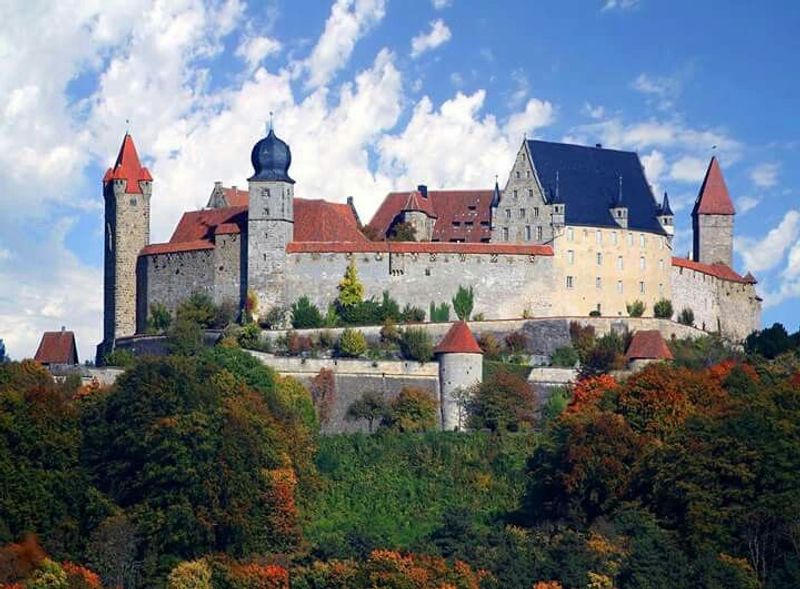
Veste Coburg is not a delicate castle. It is a fortress in the fullest sense of the word, with massive walls, multiple towers, broad courtyards, and defensive buildings spreading across an entire hilltop above the Bavarian city of Coburg.
Sometimes described as one of Germany’s largest surviving castle complexes, it has the kind of physical presence that makes you reconsider what the word “castle” actually means.
Inside, the fortress houses extensive art collections covering weapons, historic glass, paintings, and decorative arts. The range of materials on display reflects centuries of use and patronage by the Coburg ruling family.
Collections are open daily during the main 2026 visitor season, making it accessible for most travel schedules.
Martin Luther also spent time at Veste Coburg in 1530, adding another layer of historical significance to the complex. The city of Coburg below is compact and pleasant, with a large market square and well-preserved historic buildings that complement the hilltop visit nicely.
Plassenburg, Kulmbach
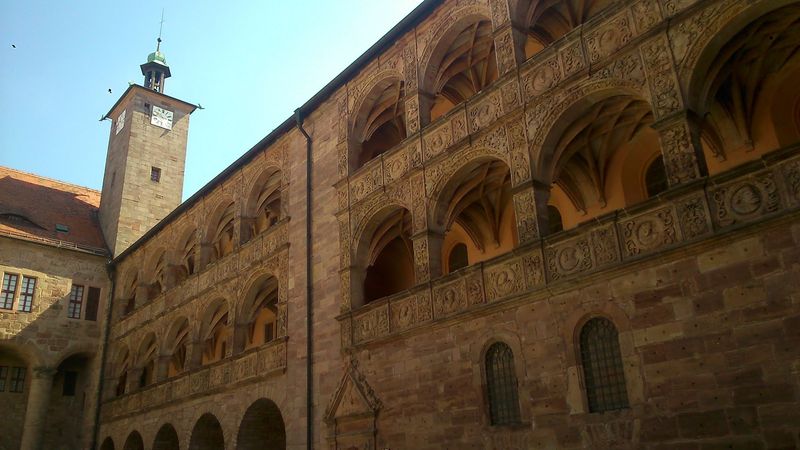
At first glance, Plassenburg looks like a Renaissance palace that somehow ended up wearing a fortress’s armor. Its elegant arcaded courtyard sits inside walls thick and tall enough to have defended the territory of Brandenburg-Kulmbach for generations.
The contrast between the refined interior architecture and the heavy defensive exterior is one of the things that makes this hilltop complex genuinely interesting to explore.
High above Kulmbach, the castle’s elevated position still dominates views from the town below. Several museums operate inside the complex, including the German Tin Figure Museum, which holds one of the largest collections of miniature tin figures in the world.
That particular collection alone tends to surprise visitors who were not expecting it. The museums operate daily during the principal April through September season.
Kulmbach is also well known in Bavaria for its brewing tradition, and the town’s compact historic center makes for an easy half-day addition to a Plassenburg visit. The hill climb to the castle entrance is manageable and offers good views on the way up.
Reichsburg Cochem, Cochem
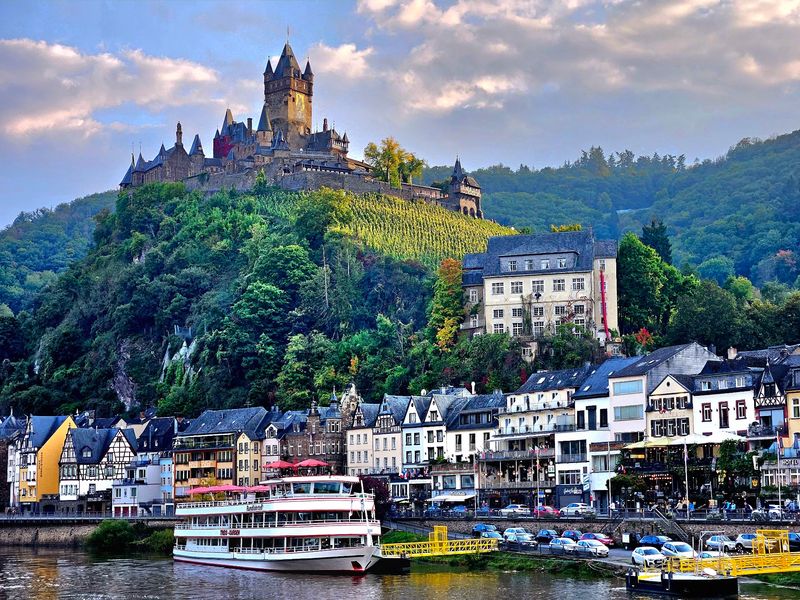
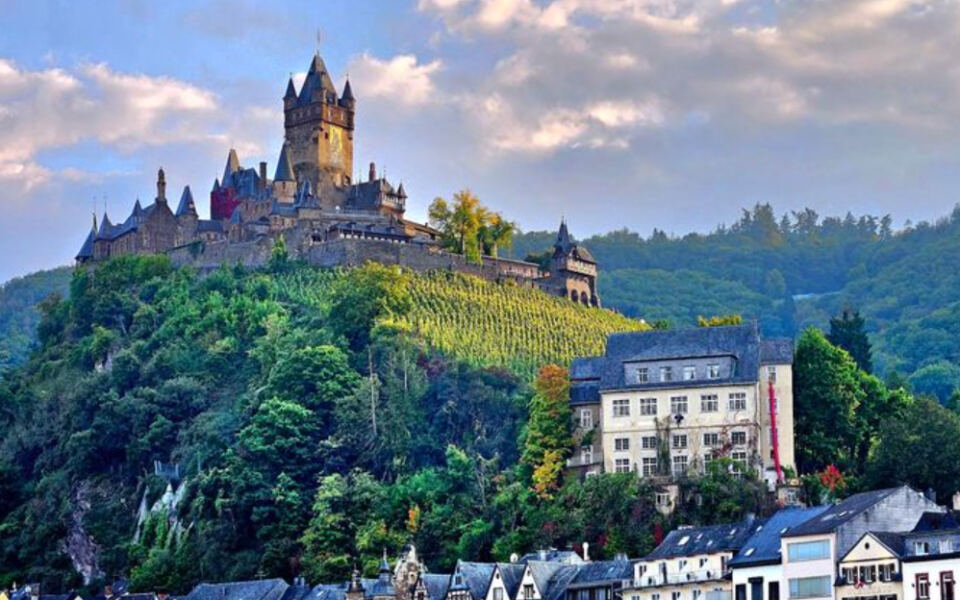
Perched high above the Moselle River on a steep vineyard-covered hill, Reichsburg Cochem is one of those sights that genuinely stops you in your tracks. The castle towers over the compact old town below, creating a skyline that looks like it was painted rather than built.
Its current appearance largely reflects a major 19th-century reconstruction of the original medieval fortress, but the dramatic setting is entirely authentic.
The Moselle Valley is famous throughout Germany for its wine culture, and the vineyards climbing the hillsides around the castle add a layer of context that makes the visit feel complete. Guided tours run daily during the 2026 summer season, taking visitors through furnished rooms and historic spaces inside the complex.
Cochem itself is a walkable riverside town with a well-preserved historic center. Arriving by train along the Moselle is one of the more scenic approaches, and the uphill walk to the castle rewards you with expanding river views at every turn.
Königstein Fortress, Königstein
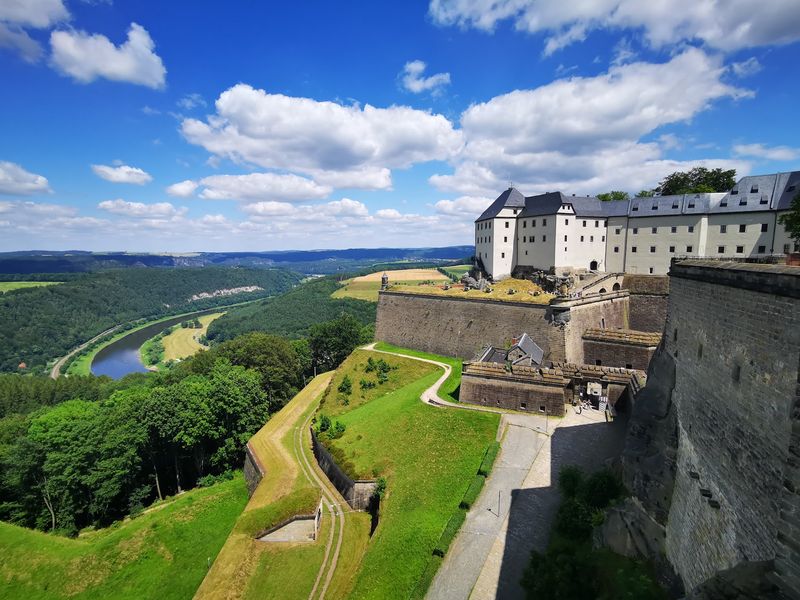
Calling Festung Konigstein a castle feels like an understatement. Built on a vast sandstone plateau above the Elbe River in Saxon Switzerland, this is an enormous fortified complex that contains walls, barracks, towers, underground passages, exhibitions, and multiple viewpoints all within a single site.
The sheer scale of the place takes most visitors by surprise when they first arrive at the plateau edge.
The elevated position made the fortress exceptionally difficult to attack throughout its long military history, and that same geography now makes it one of the most dramatic viewpoints in eastern Germany. During the 2026 main season, the complex operates daily, with museums, restaurants, a bakery, and visitor facilities all running within the grounds.
Saxon Switzerland itself is a region worth exploring beyond the fortress. The surrounding landscape of sandstone rock formations and forested valleys makes Konigstein a natural base for a longer stay in the area.
Arriving by the scenic Elbe Valley railway adds to the experience.
Burg Meersburg, Meersburg
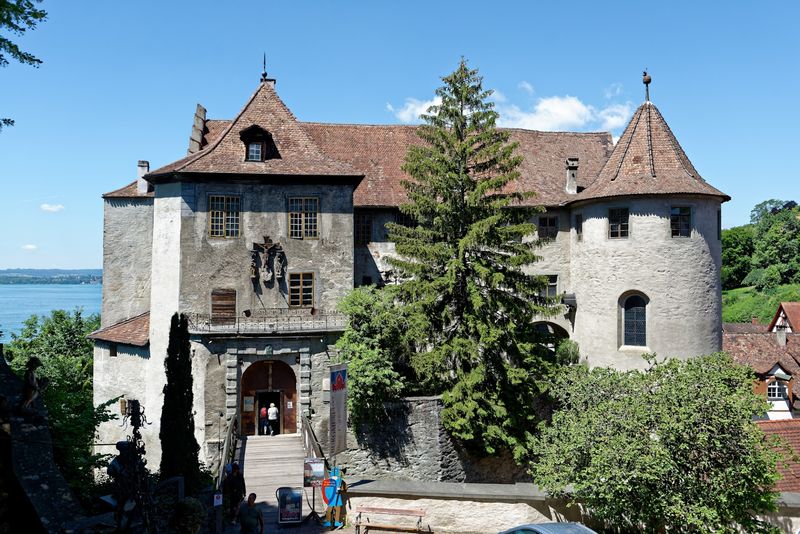
Meersburg sits right on the edge of Lake Constance, and Burg Meersburg rises above the town with enough stone and history to make the lakeside setting feel even more dramatic. The castle’s thick walls and elevated position give the waterfront town a distinctly medieval skyline that stands out clearly from the lake below, especially when viewed from a ferry crossing.
Inside, visitors can explore furnished rooms, defensive spaces, winding staircases, and historic collections while taking in views toward the water and surrounding landscape. The combination of interior exhibits and lake panoramas makes for a visit that works on multiple levels.
Burg Meersburg is open daily, with extended hours during the warmer months and slightly shorter winter hours.
Meersburg is one of the more charming small towns along Lake Constance, with steep lanes, half-timbered buildings, and a working winery attached to the old town. The castle visit pairs well with a walk through the historic center and a ferry ride across to the Austrian or Swiss shore.
Burg Hohenzollern, Hechingen
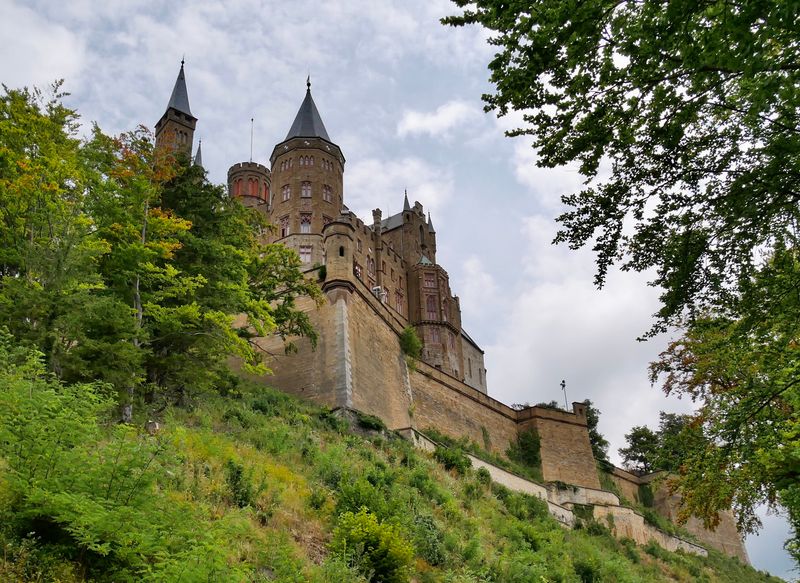
Burg Hohenzollern sits on top of Mount Hohenzollern near Hechingen, and it looks exactly the way a fairy-tale castle is supposed to look. The current structure was built between 1850 and 1867 on the site of earlier fortresses, and it serves as the ancestral seat of the Hohenzollern dynasty, the family that produced the German emperors.
The mountaintop location means clouds sometimes drift through the towers at certain times of year.
Towers, curtain walls, courtyards, chapels, and elaborately furnished interiors fill the complex. The castle holds royal collections including military uniforms, porcelain, and historic documents connected to the Prussian royal family.
The complex is open daily during most of the 2026 main season, though several special-event closures and restoration restrictions apply on specific dates.
The drive up through the forested Swabian Alps is scenic in every season. Winter visits with snow on the battlements offer a completely different atmosphere from the busy summer crowds, and both have their appeal depending on what kind of experience you prefer.
Schloss Wernigerode, Wernigerode
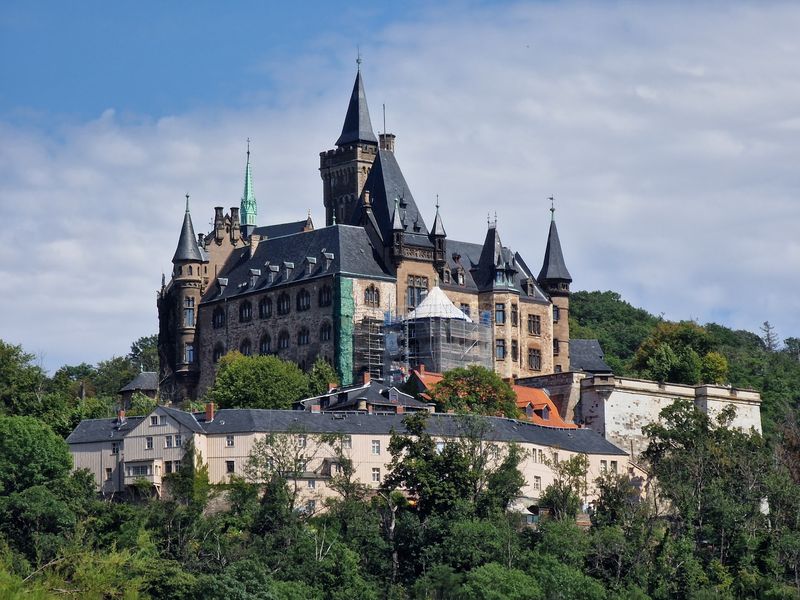
Wernigerode is already one of the prettiest half-timbered towns in the Harz region, and Schloss Wernigerode sitting on the wooded hill above it pushes the visual appeal even further. The castle evolved from an earlier medieval fortress into an elaborate historicist structure with towers, courtyards, and richly furnished interiors that reflect the tastes of the 19th-century German nobility who expanded it.
The interiors include formal reception rooms, residential spaces, and collections that give a clear picture of aristocratic life in the late imperial period. Renovation work continues in parts of the complex in 2026, but visitor access remains available throughout the year apart from a handful of specifically announced closure dates.
It is worth checking the current schedule before visiting.
Getting to the castle from the old town involves either a pleasant uphill walk through the park or a short ride. The view back down over Wernigerode’s colorful rooftops and church spires from the castle terrace is one of the better town panoramas in the entire Harz area.
Burg Burghausen, Burghausen
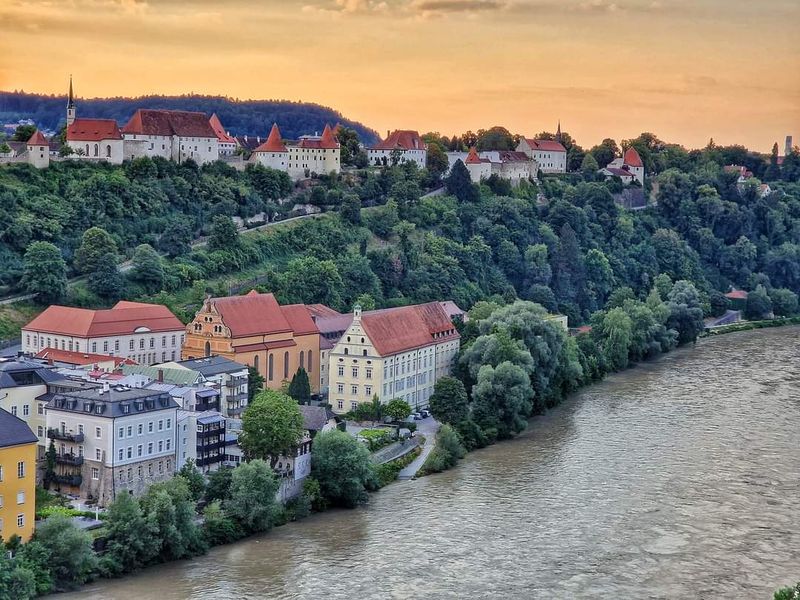
By almost any measure, Burg Burghausen is the longest castle complex in the world. Stretching for more than a kilometer along a narrow ridge above the Salzach River and the old town of Burghausen in Bavaria, its chain of six courtyards, defensive walls, gates, towers, and residential buildings is unlike anything else you will find in Germany or beyond.
The sheer length of the complex along the ridgeline has to be seen to be understood.
The castle grounds and five outer courtyards are normally freely accessible, which means a large portion of the site can be explored without purchasing a ticket. The State Castle Museum inside the main castle follows seasonal operating hours for those wanting to go deeper into the history.
Burghausen itself is a quiet Bavarian border town with a relaxed atmosphere and a lovely old town center directly below the ridge. The annual Burghausen Jazz Festival, held in the castle courtyards, draws international visitors every summer and shows how well the medieval setting adapts to modern events.
Burg Trausnitz, Landshut
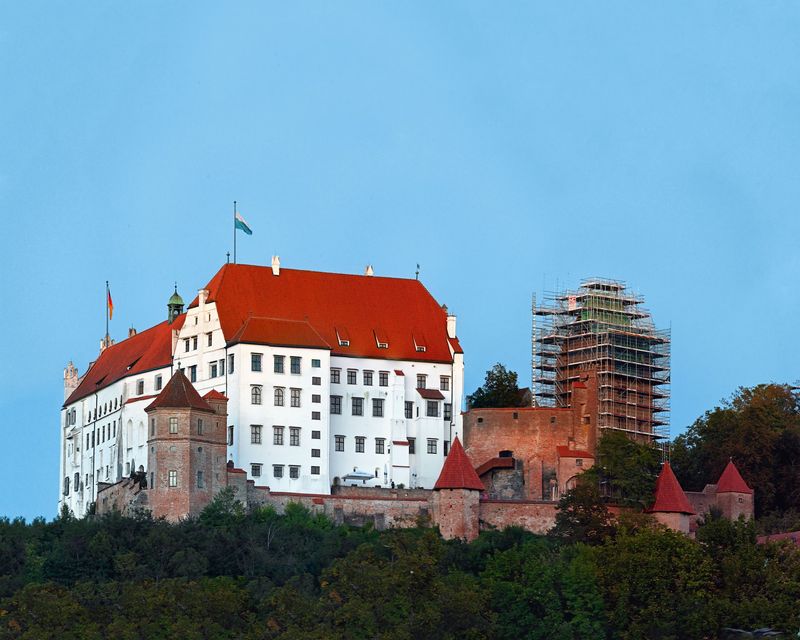
Standing on a steep hill above Landshut, Burg Trausnitz offers a commanding view over one of Bavaria’s most impressive Gothic old towns. The castle developed as a key residence of the Wittelsbach rulers of Lower Bavaria, and its towers, walls, and courtyards reflect centuries of use by one of medieval Germany’s most powerful dynasties.
The Isar River curves through the city below, visible from the castle’s upper levels.
Visitors can tour both the castle itself and its Kunst- und Wunderkammer, a collection of curiosities and artworks that was typical of aristocratic collections from the Renaissance period. Burg Trausnitz is open daily during most of the year, though weekday visits to the main castle generally require joining a guided tour rather than exploring independently.
Landshut’s old town is anchored by St. Martin’s Church, which has one of the tallest brick towers in the world. Combining the castle with a walk through the town’s long market street gives you a complete picture of why Landshut punches well above its size in terms of historic character.
Ehrenbreitstein Fortress, Koblenz
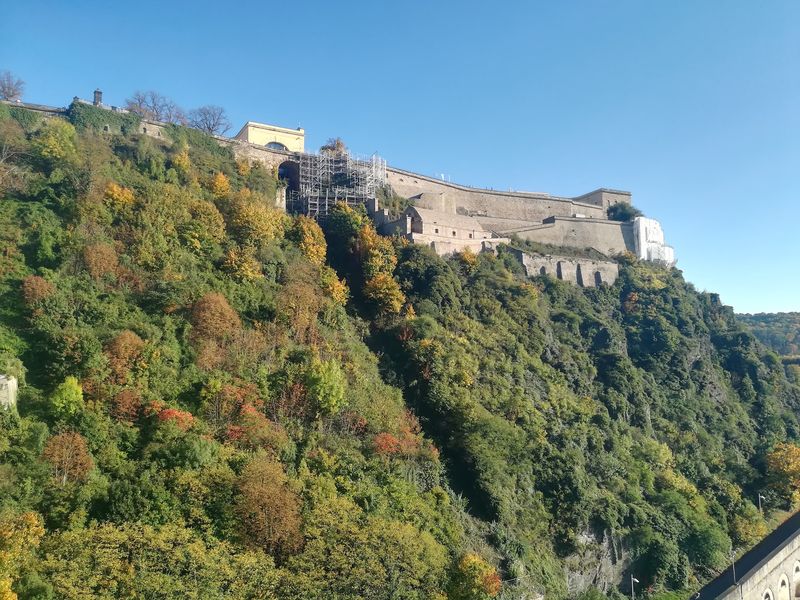
The location of Festung Ehrenbreitstein is hard to beat. Perched high above Koblenz at the exact point where the Rhine and Moselle rivers meet, the fortress looks out over one of the most historically significant river confluences in western Germany.
The view from the bastions covers the Deutsche Eck monument below, the city spread across both riverbanks, and the hills rolling away in every direction.
The complex is one of the most imposing fortified sites in the region, with bastions, ramparts, exhibition buildings, and broad courtyards filling the plateau. Several museums and cultural spaces operate within the fortress, covering local history, technical collections, and rotating exhibitions.
The complex operates daily throughout the 2026 main season, with reduced winter access afterward.
Visitors can reach Ehrenbreitstein from Koblenz by cable car, which crosses the Rhine and provides aerial views of the confluence on the way up. The cable car ride alone has become a recognized part of the Koblenz experience for many visitors making their first trip to the city.
Imperial Castle of Nuremberg, Nuremberg
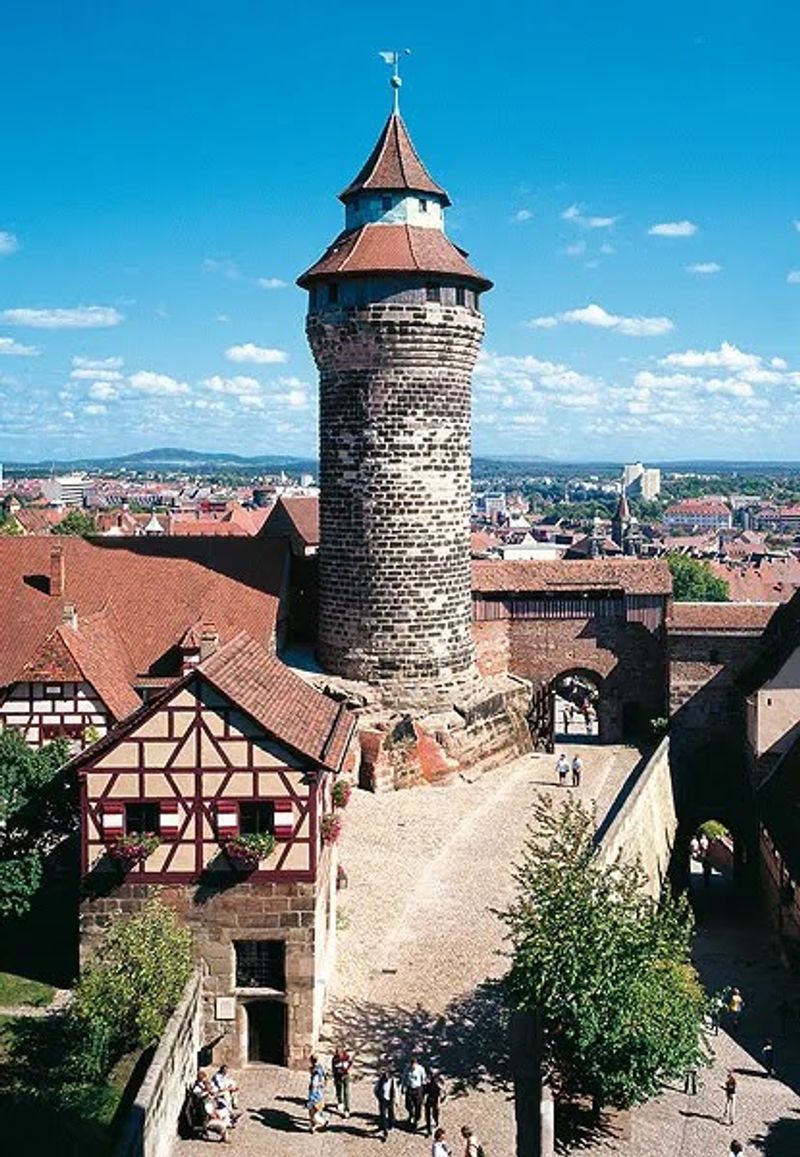
The Kaiserburg sits on a rocky sandstone ridge at the northern edge of Nuremberg’s historic center and served for centuries as one of the most important imperial residences in the Holy Roman Empire. Its defensive walls, towers, palace buildings, and deep well form a complex that has shaped Nuremberg’s identity as much as any other single landmark in the city.
The castle’s position above the old town makes it visible from many streets below.
Visitors can tour the Palas, the Imperial Castle Museum, and other sections of the complex, which together cover the site’s long history from its earliest medieval origins through its later uses. The castle remains open daily during both summer and winter seasons, with only a handful of holiday closures affecting the schedule through the year.
Nuremberg’s old town is one of Germany’s most complete medieval urban environments, with city walls, market squares, churches, and the famous Christkindlesmarkt in December. The Kaiserburg anchors the northern end of an old town that rewards several hours of walking exploration.
Festung Marienberg, Würzburg
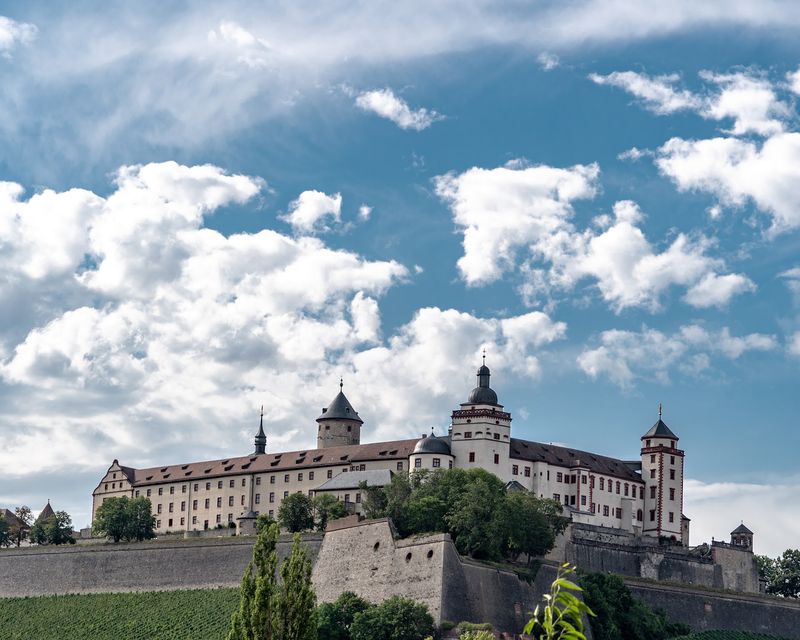
Festung Marienberg rising above the Main River is probably the image most people picture when they think of Wurzburg. The fortress has occupied this prominent hill for centuries, and the surviving complex includes walls, gates, towers, courtyards, the early Marienkirche, and sweeping viewpoints across the city’s baroque roofscape.
The vine-covered slopes below the walls add a distinctly Franconian character to the setting.
Extensive restoration work continues in 2026, so the core castle has more limited interior access than in previous years. That said, the fortress grounds remain accessible, and guided visits to selected areas continue to operate for those wanting a structured introduction to the site’s long history.
Checking current access details before visiting is a practical step given the ongoing work.
Wurzburg itself is a city built for walking, with the Residence Palace, the old Main Bridge, and the historic market square all within easy reach of each other. The view from the fortress terrace back over the city and river is one of the most satisfying urban panoramas in all of Franconia.
Königstein Fortress and Old Town, Königstein
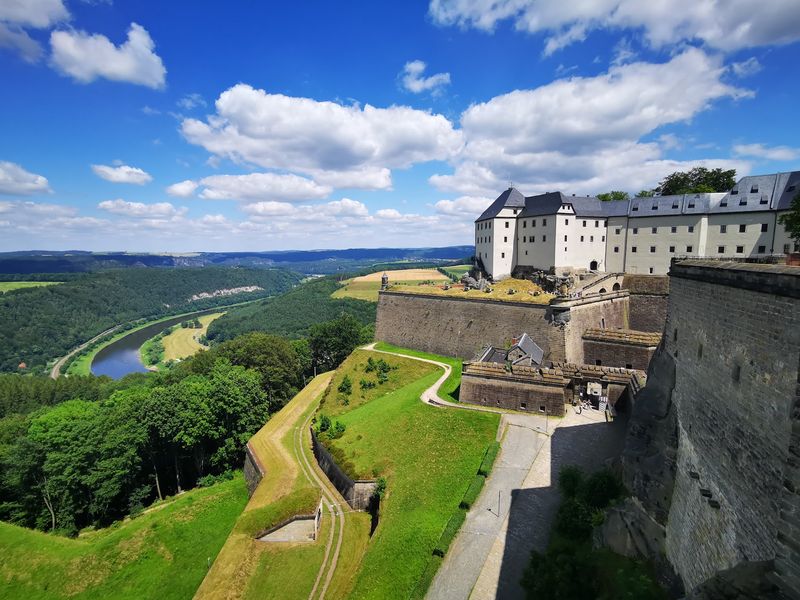
What makes Konigstein particularly worth noting is the relationship between the small settlement in the valley and the immense fortified plateau looming directly above it. The contrast in scale is striking.
The sandstone plateau rises sharply from the Elbe Valley floor, and the centuries of military architecture built across its surface make the fortress one of the most layered historical sites in eastern Germany.
Walking among the ramparts and historic buildings while looking out across the Saxon Switzerland landscape gives visitors a sense of strategic geography that is difficult to appreciate from ground level. The 2026 schedule confirms daily operation from late March through early November, followed by a winter schedule that includes only a small number of closure dates, making it one of the more reliably accessible fortresses on this list.
The town of Konigstein at the base of the plateau is a calm, unhurried place with river access and trails leading into the surrounding national park. Combining a fortress visit with a hike through the sandstone formations nearby turns a single-stop trip into a full day in one of Germany’s most distinctive landscapes.
Share this story