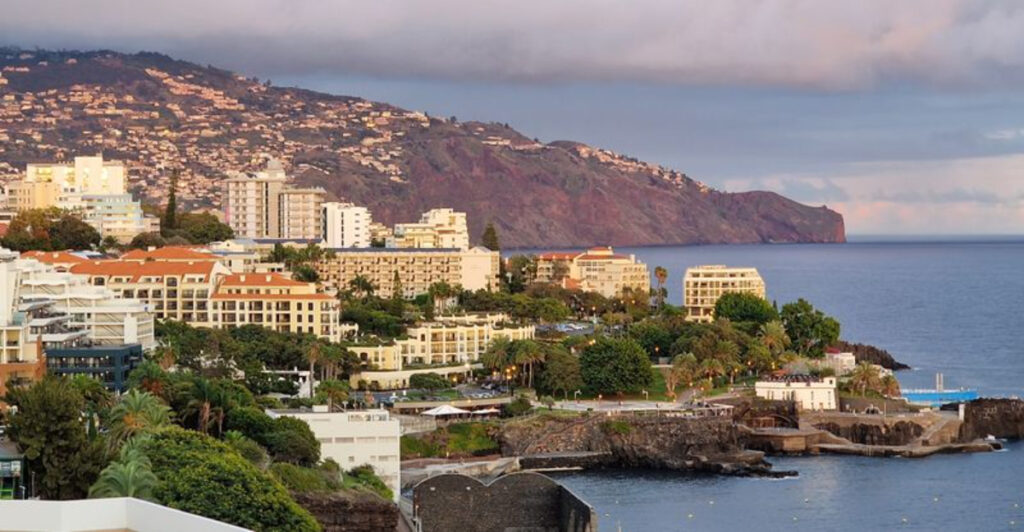
Portugal has a way of pulling people back. Maybe it is the relaxed pace, the mix of history and coastline, or the fact that a good meal here never feels rushed.
Baby Boomers in particular seem to have a deep connection with this country, returning again and again to places that reward slow travel, curiosity, and an appreciation for genuine culture. From the hilltop palaces of Sintra to the volcanic lakes of the Azores, Portugal offers something rare: variety without chaos.
Whether you are planning your first trip or your fifth, this list covers the destinations that keep experienced travelers coming back for more.
Lisbon
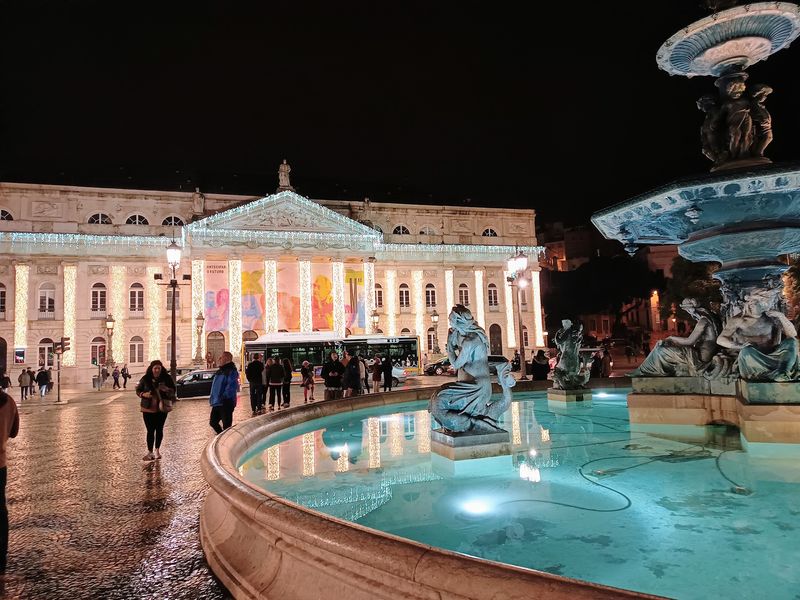
Portugal’s capital earns its reputation not just for grand plazas and famous trams, but for the kind of layered history you can explore at your own pace. Praça do Comércio opens directly onto the Tagus River, giving visitors an immediate sense of the city’s maritime identity.
Baixa, the historic downtown grid, is flat and walkable compared to other parts of Lisbon.
Alfama is where the city’s older soul lives. Narrow lanes wind past churches, viewpoints, and small cafés, and the sound of fado music drifts from certain restaurants in the evenings.
For Baby Boomers who prefer variety over constant movement, Lisbon is a strong base. Sintra, Cascais, and several Atlantic coastal towns are all reachable as easy day trips.
Portugal’s tourism board notes that some older neighborhoods involve steep gradients and traditional cobblestones, so comfortable footwear is genuinely useful here.
Porto
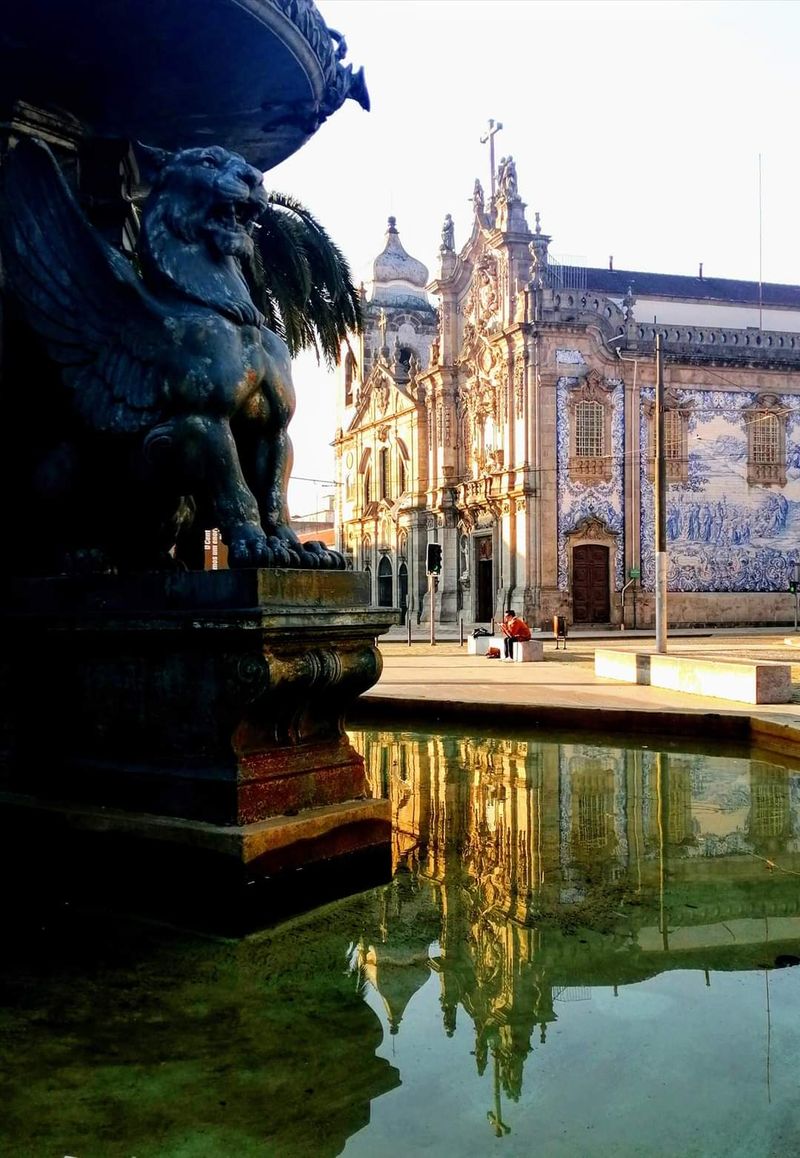
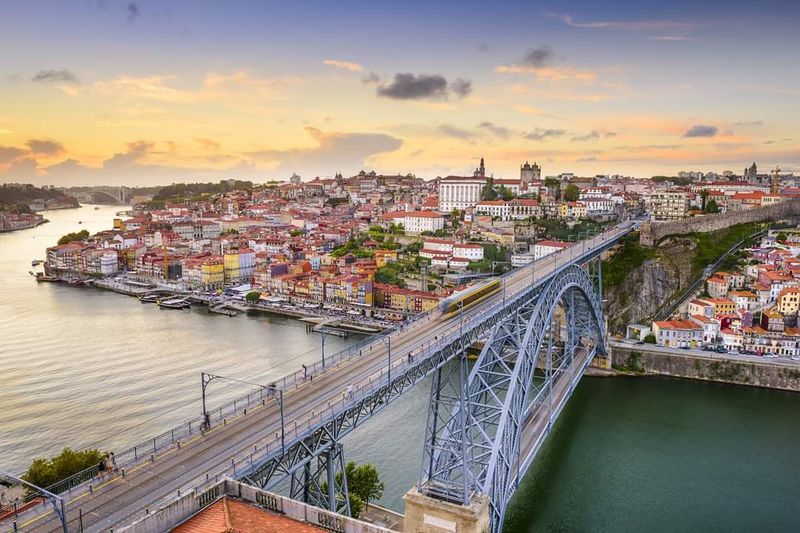
Porto wears its history openly. The city rises dramatically above the Douro River, and its riverfront district, the Ribeira, gives visitors one of the most photographed urban waterfronts in southern Europe.
Bridges, church towers, and tightly packed historic buildings create a skyline that feels genuinely earned rather than manufactured.
For Baby Boomers drawn to food, wine, and architecture over nightlife, Porto is a natural fit. The city has long been the traditional export point for Port and Douro wines, and the wine lodges across the river in Vila Nova de Gaia remain open for visits and tastings.
Porto also serves as the most practical starting point for exploring the Douro Valley wine country to the east.
The city’s historic center is a UNESCO World Heritage site, and the combination of azulejo-tiled buildings, old bookshops, and riverside restaurants makes repeat visits easy to justify.
The Douro Valley
The Douro Valley moves at a pace that most travelers forget exists. Steep terraced vineyards climb above the river, and the landscape changes with the seasons in ways that make return visits feel entirely different depending on when you arrive.
Harvest season in September and October brings the most activity to the hillside estates.
Portugal’s tourism board describes the Douro as the world’s oldest demarcated wine region, a title it has held since 1756. Towns like Peso da Régua and Pinhão serve as practical bases, with train connections, river trip operators, and wine estate visits all accessible without a complicated itinerary.
The scenic railway line between Porto and Pinhão is itself worth the journey.
For travelers who would rather sit on a terrace overlooking a river bend than rush between attractions, the Douro Valley delivers that experience without requiring any compromise on comfort or quality.
Sintra
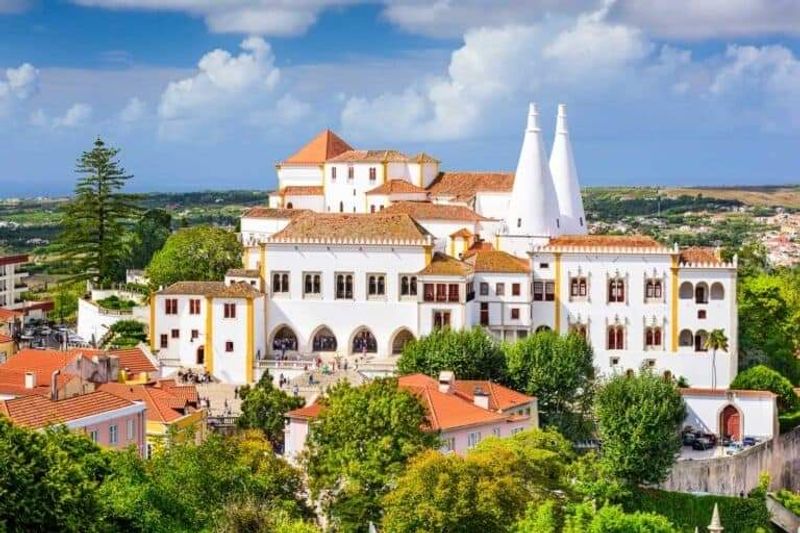
Sintra operates on a different scale from most Portuguese towns. The palaces here are not modest historic buildings but full-on architectural statements, from the candy-colored Pena Palace on the hill to the older National Palace sitting right in the town center.
The surrounding forested hills and gardens add to the sense that this place was deliberately built to impress.
UNESCO recognized Sintra’s cultural landscape, and Portugal’s tourism authority highlights it as one of the country’s essential visits. Many travelers see it as a day trip from Lisbon, but staying overnight allows you to experience the town once the daytime crowds have thinned considerably.
Early mornings are particularly rewarding.
A practical note: some of Sintra’s most famous attractions involve hills, stairs, and uneven terrain. Planning which sites to prioritize before arriving makes the day much smoother, especially if mobility is a consideration.
Cascais
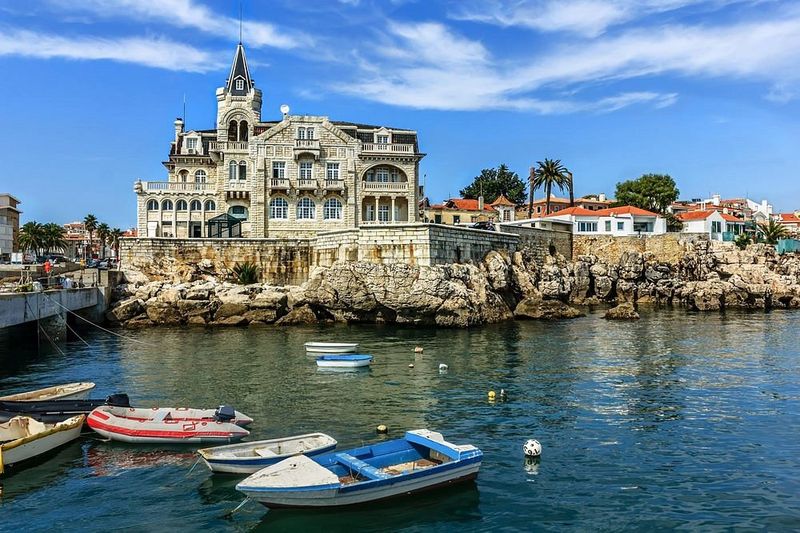
Heading west from Lisbon along the coast, the energy shifts noticeably. Cascais has the feel of a town that has always known how to balance local life with welcoming visitors, partly because it has been doing exactly that for well over a century.
Portuguese royalty once summered here, and the town’s historic center still carries that unhurried, refined character.
Portugal’s official tourism site describes Cascais as a traditional fishing settlement that grew into an important port, and traces of that fishing identity remain visible alongside the restaurants, galleries, and marina activity. The Atlantic beaches nearby are broad and accessible, though the ocean here is cooler than what you find further south on the Algarve.
For Baby Boomers who want a quieter alternative to staying in central Lisbon, Cascais works well as a base. The train connection into the city is straightforward and runs regularly throughout the day.
Coimbra
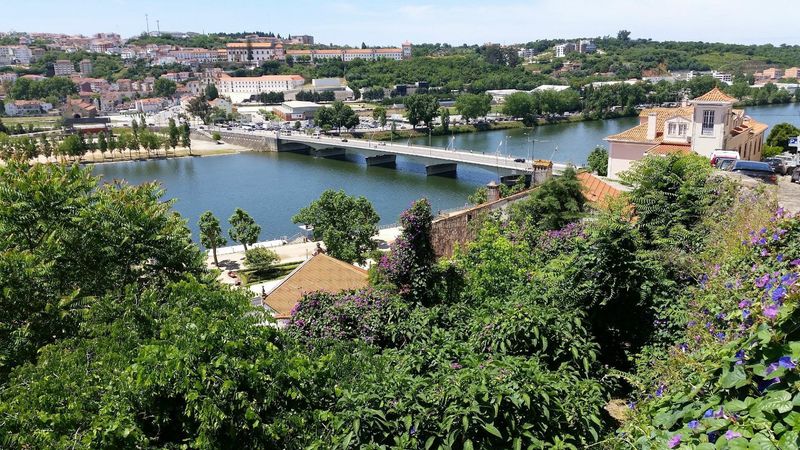
Coimbra is the kind of city that rewards travelers who slow down and look closely. Built on a hill above the Mondego River, its old university dates to the 13th century and remains one of the most impressive academic institutions in Europe.
The baroque library inside, the Biblioteca Joanina, is considered among the finest of its kind on the continent.
Beyond the university, Coimbra has old churches, Roman ruins, and a compact historic center that connects naturally to riverside cafés and traditional restaurants. It sits roughly midway between Lisbon and Porto, making it a logical and genuinely worthwhile stop on a north-south road trip rather than a detour that requires backtracking.
Portugal’s national tourism organization continues to include Coimbra among its actively promoted cultural destinations. For history-focused travelers, this city offers more depth than its size might initially suggest, and a single full day here rarely feels like enough.
Évora
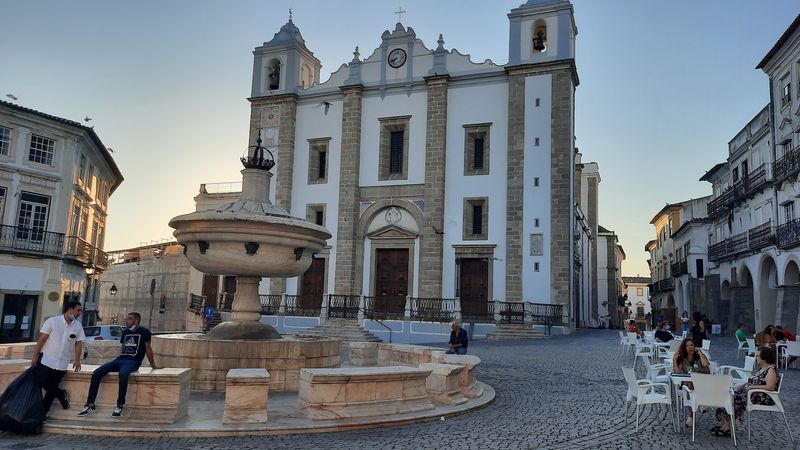
East of Lisbon, the landscape opens up into the rolling plains of the Alentejo, and Évora sits at the center of this quieter, more rural Portugal. The city is compact but remarkably layered, with Roman ruins, a medieval cathedral, Moorish street patterns, and whitewashed houses all existing within easy walking distance of each other.
The Roman Temple of Évora, sometimes called the Temple of Diana, stands in the city center with its columns largely intact after nearly two thousand years. That kind of visible, uninterrupted history is part of what makes Évora appealing to culturally curious travelers.
The surrounding Alentejo region is also known for its wine and its cuisine, particularly slow-cooked pork dishes and hearty bread-based soups.
Portugal’s national tourism organization prominently features Évora among Alentejo destinations. For Baby Boomers who appreciate architecture, regional food, and a pace that allows for long afternoon lunches, Évora is a natural choice.
Óbidos
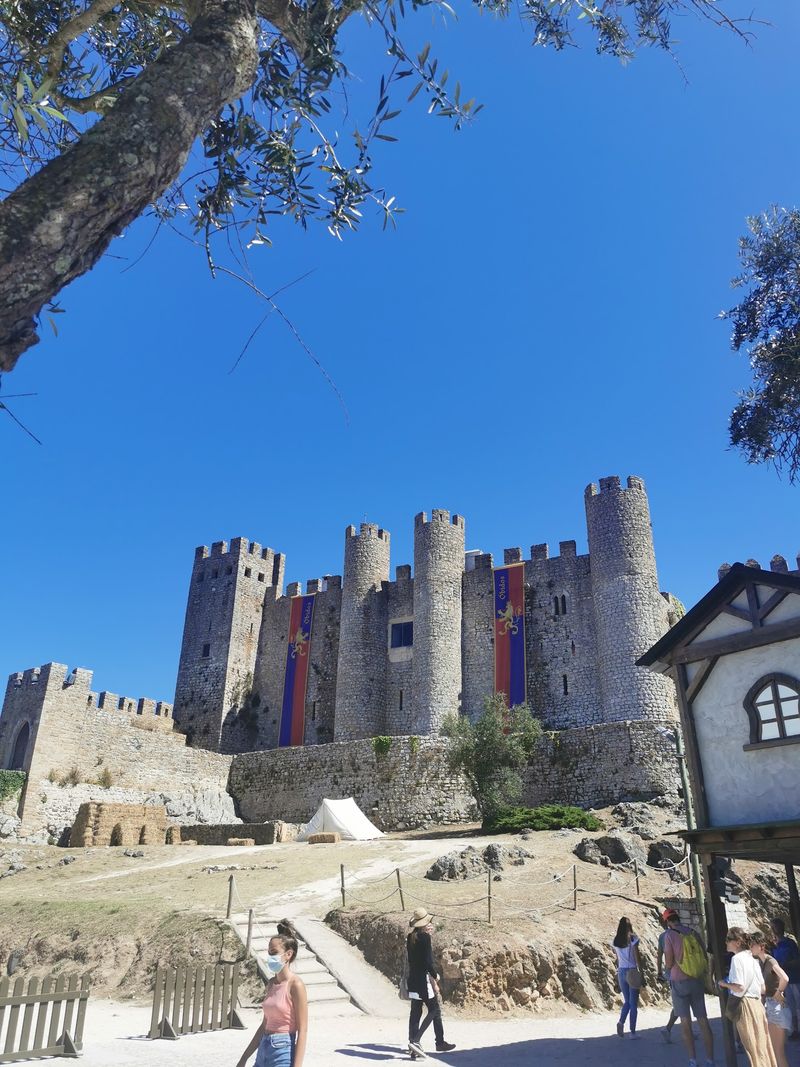
Step through the main gate of Óbidos and the 21st century largely disappears. The town sits entirely within its medieval defensive walls, and the whitewashed houses decorated with purple and yellow trim create one of the most visually distinctive streetscapes in Portugal.
It is small enough to walk completely in an hour, but most visitors find themselves lingering much longer.
Portugal’s tourism authority explains that King Dinis gifted the town to Queen Isabel in the 13th century, beginning a long royal association that shaped much of Óbidos’s identity. The town’s castle still stands and has been converted into a pousada, a historic hotel, which is one of the more memorable places to stay in central Portugal.
Óbidos remains an active visitor destination with scheduled cultural events, including the 2026-27 edition of Óbidos Vila Natal. Its compact size makes it a practical addition to any central Portugal road trip without requiring a full day’s commitment.
Nazaré
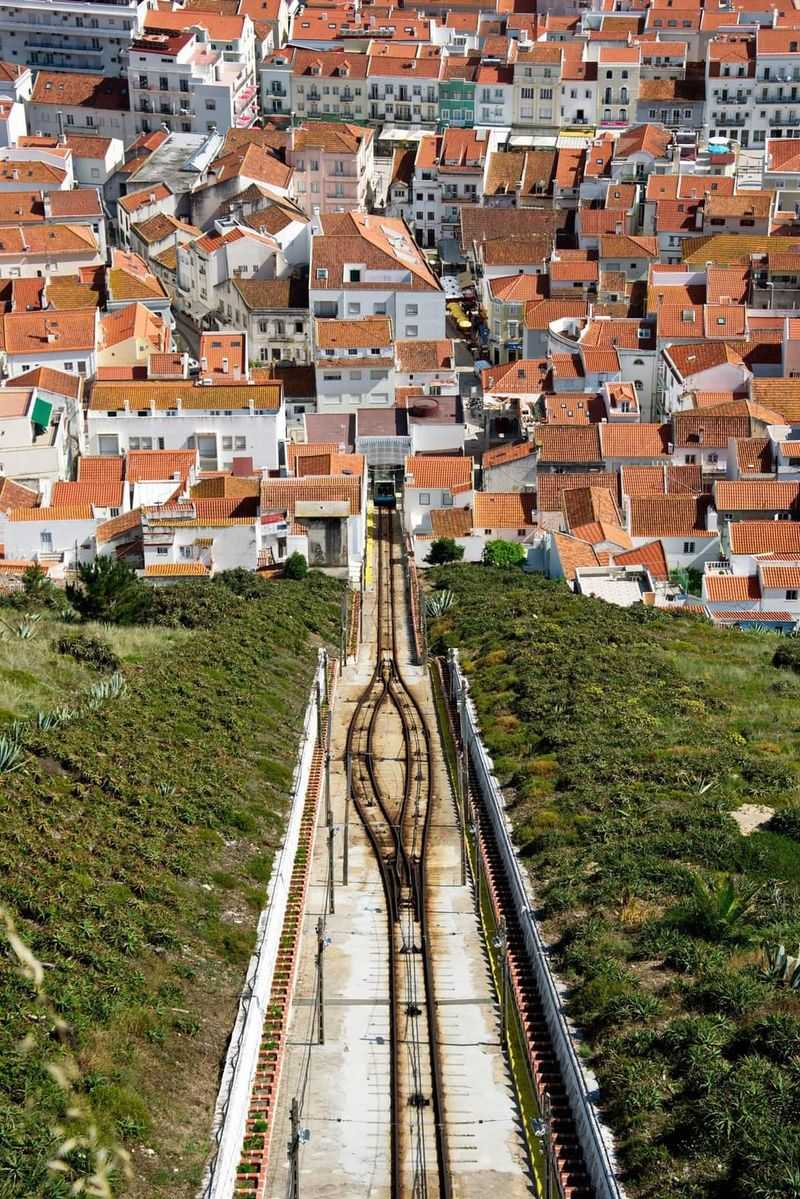
Nazaré earned global attention when big-wave surfers began riding enormous swells off its coast, but the town’s identity runs much deeper than that. Long before international surfing competitions arrived, Nazaré was a working fishing community with strong traditions, distinctive local dress, and a way of life tied closely to the Atlantic.
The beach here is one of the broadest on Portugal’s coast, backed by a row of seafood restaurants and traditional fishing infrastructure. Above the main town, the elevated Sítio district sits on the clifftop and can be reached by a historic funicular.
The views from Sítio over the beach and coastline are among the most dramatic on the Silver Coast.
Portugal’s official tourism site describes Nazaré as both a traditional fishing town and a busy seaside resort. For Baby Boomers who remember quieter versions of this coastline, the town offers an interesting combination of genuine local character and modern visitor facilities.
Aveiro
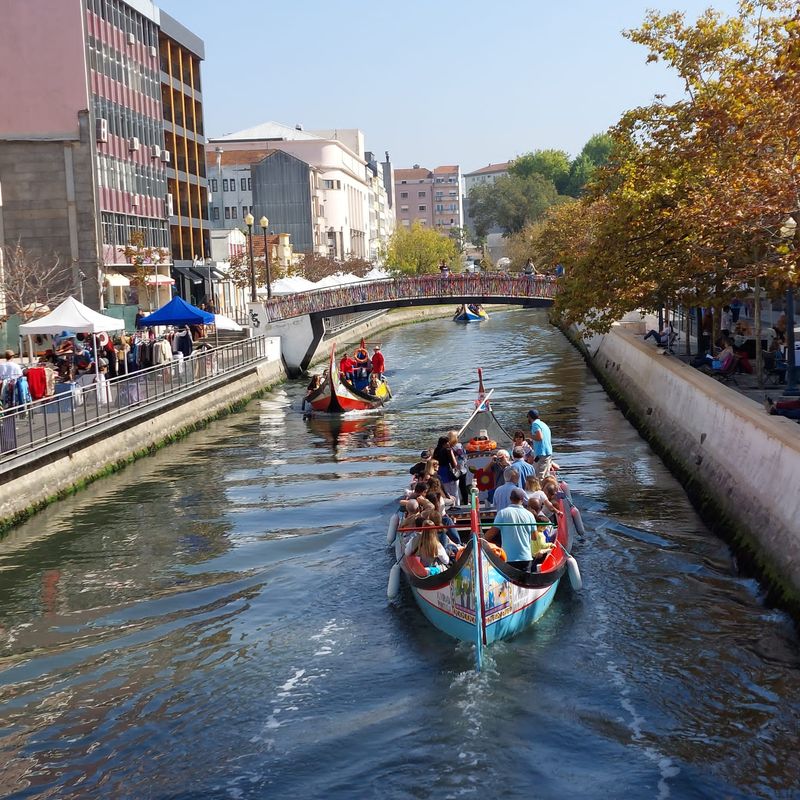
Aveiro is often called the Venice of Portugal, which is a comparison that sells it a bit short. The city has its own distinct identity, shaped by its salt trade history, its lagoon geography, and its remarkable collection of Art Nouveau architecture that lines certain streets in ways that feel genuinely unexpected for a mid-sized Portuguese city.
The moliceiro boats, traditionally used to harvest seaweed from the lagoon, now carry visitors along the central canals, and their elaborately painted prows are worth a close look. The city also has a well-regarded pastry tradition, with ovos moles, a sweet made from egg yolks and sugar, being the local specialty sold throughout the historic center.
Aveiro appears prominently on Portugal’s official tourism platform as a central Portugal destination. Rather than rushing through, visitors who stop for lunch and a canal walk tend to leave with a much stronger impression of what makes this city genuinely interesting.
Lagos
The Algarve has attracted international visitors for decades, and Lagos remains one of the region’s most complete destinations. It is not just a beach town.
The old walled city center has cobblestone streets, historic churches, and a lively restaurant scene that functions independently of the beach crowds just a short walk away.
What makes Lagos particularly memorable is the coastline immediately surrounding it. The cliffs and rock formations at Ponta da Piedade, just south of town, are among the most photographed natural features in Portugal.
Boat trips from the marina give visitors a different perspective on these formations from the water level.
The Algarve Tourism Board continues to promote Lagos as one of the region’s key destinations. For Baby Boomers who want beach access without sacrificing cultural interest, Lagos strikes a balance that purely resort-focused Algarve towns do not always manage.
The marina area also provides a pleasant evening setting for dinner.
Tavira
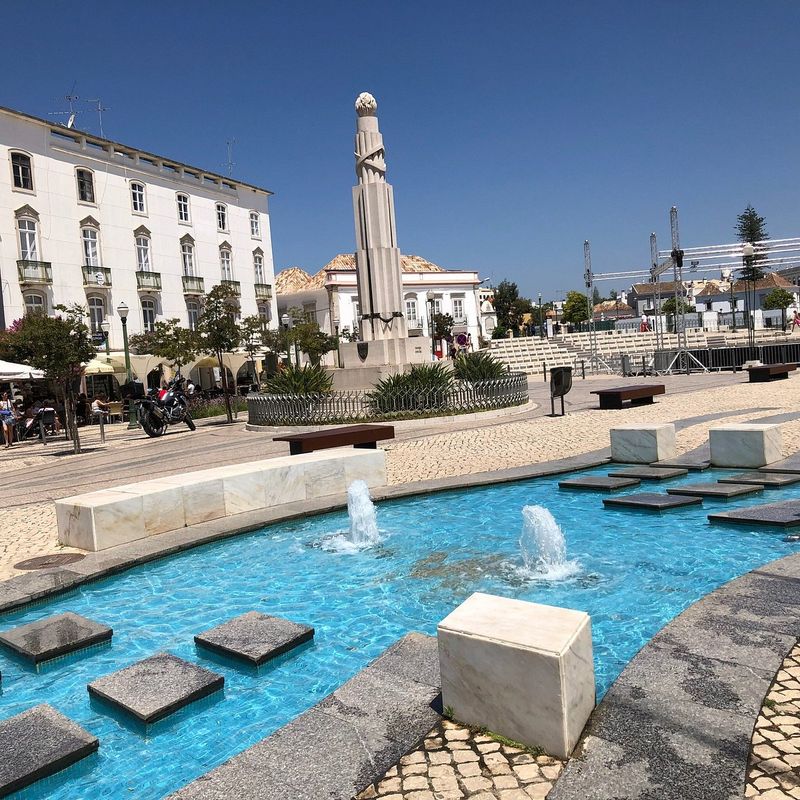
Tavira tends to attract a different kind of Algarve traveler. Located in the eastern part of the region, closer to the Spanish border, the town has preserved its traditional architecture and relaxed pace in ways that more heavily developed Algarve resorts have not.
The Gilao River runs through the center, crossed by a multi-arched bridge with Roman origins.
The town has more than 30 churches within its historic boundaries, which gives some sense of how long and layered its history is. Access to the coast here is through the Ria Formosa Natural Park, a protected lagoon system with barrier islands that keep the beaches relatively quiet and the ecosystem remarkably intact.
The Algarve’s official regional tourism organization actively promotes Tavira. For Baby Boomers who prefer leisurely walks, fresh seafood, historic streets, and genuinely unhurried evenings over packed resort entertainment, Tavira consistently delivers that kind of experience without requiring any trade-offs.
Funchal, Madeira
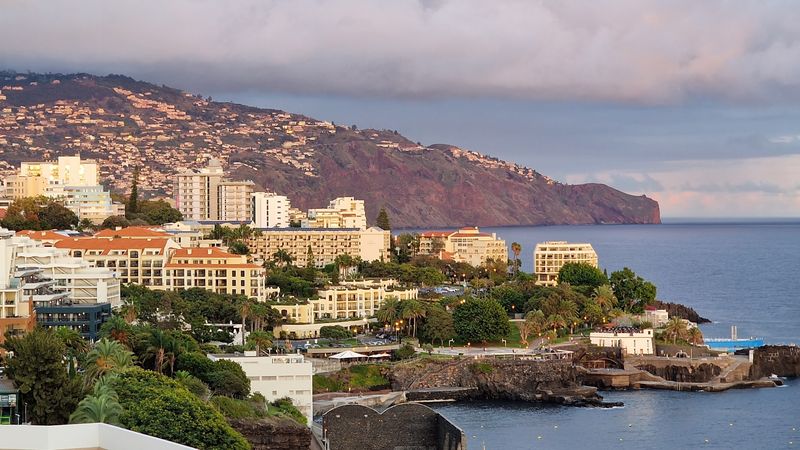
Madeira has been attracting European visitors seeking mild weather and dramatic scenery for centuries, and Funchal remains the island’s most practical and rewarding base. The city climbs up from the harbor in layers, with botanical gardens, historic churches, open-air markets, and cable-car routes all accessible from the center.
The Mercado dos Lavradores, the city’s main covered market, is one of the most vibrant in Portugal, with tropical flowers, local fruits, and fresh fish all on display. The famous Monte toboggan ride, where wicker sleds carry passengers down hillside streets guided by carreiros in traditional white outfits, is one of Madeira’s most distinctive experiences and continues to operate.
The Madeira Tourism Board describes Funchal as the archipelago’s main tourist, commercial, and cultural hub. Official events are programmed through 2027, and current hiking route information is published regularly.
For Baby Boomers who appreciate island life without roughing it, Funchal is an easy recommendation.
Sao Miguel, Azores
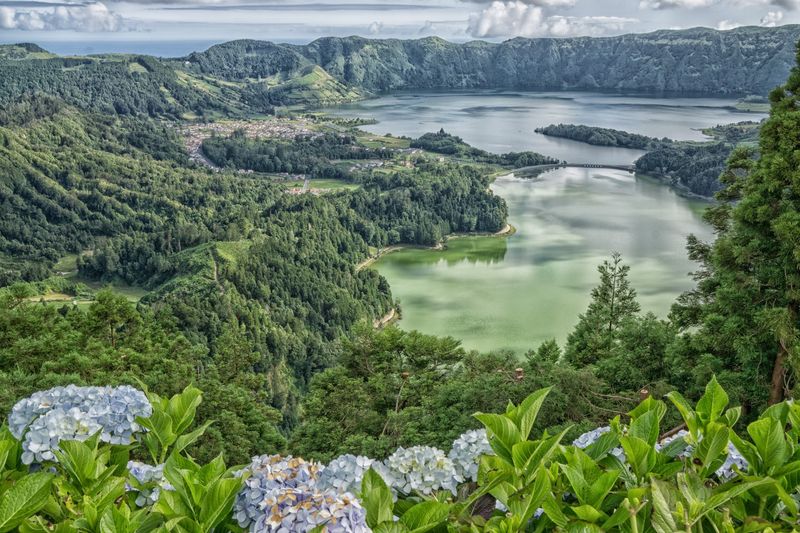
São Miguel is the kind of island that makes travelers rethink what a Portuguese vacation can look like. The landscape here is volcanic and genuinely dramatic: crater lakes, geothermal hot springs, green hillsides that drop into the Atlantic, and hydrangea-lined roads that connect small communities across the island’s interior.
Sete Cidades, the twin crater lakes in the western caldera, is the image most associated with São Miguel. One lake appears blue, the other green, depending on how the light falls, and the viewpoints above them are accessible by road.
The Furnas area in the east offers geothermal pools and a park where food is traditionally cooked underground using volcanic heat.
The official Visit Azores platform maintains active listings for tours, gardens, museums, and accommodation across São Miguel. The island suits travelers who enjoy scenic drives and natural landscapes but prefer a comfortable hotel at the end of the day over camping or roughing it.
Braga and Guimaraes
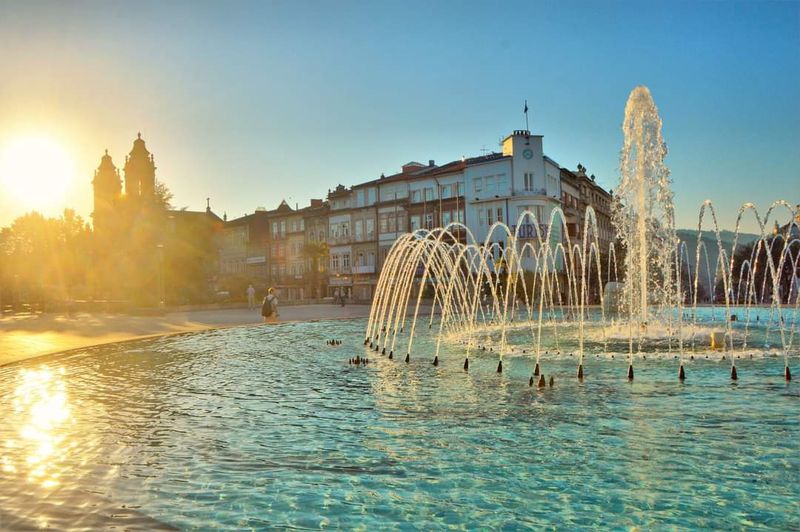
Northern Portugal has a depth that travelers who only visit Porto often miss entirely. Braga is one of Portugal’s oldest cities and one of its most important religious centers, with a concentration of baroque churches, historic fountains, and the famous Bom Jesus do Monte sanctuary perched above the city on a dramatically terraced hillside staircase.
Guimarães sits about an hour away and carries a different kind of significance. The city is widely considered the birthplace of the Portuguese nation, and its medieval center, including the castle and the ducal palace, reflects that foundational history in a way that is easy to understand even without a detailed background in Portuguese history.
Both cities are actively promoted through Portugal’s national tourism platform. Together, they make a natural two-day cultural pairing that fits comfortably into a broader northern Portugal itinerary.
For Baby Boomers interested in churches, town squares, regional cooking, and living history, this combination is genuinely hard to improve on.
Share this story