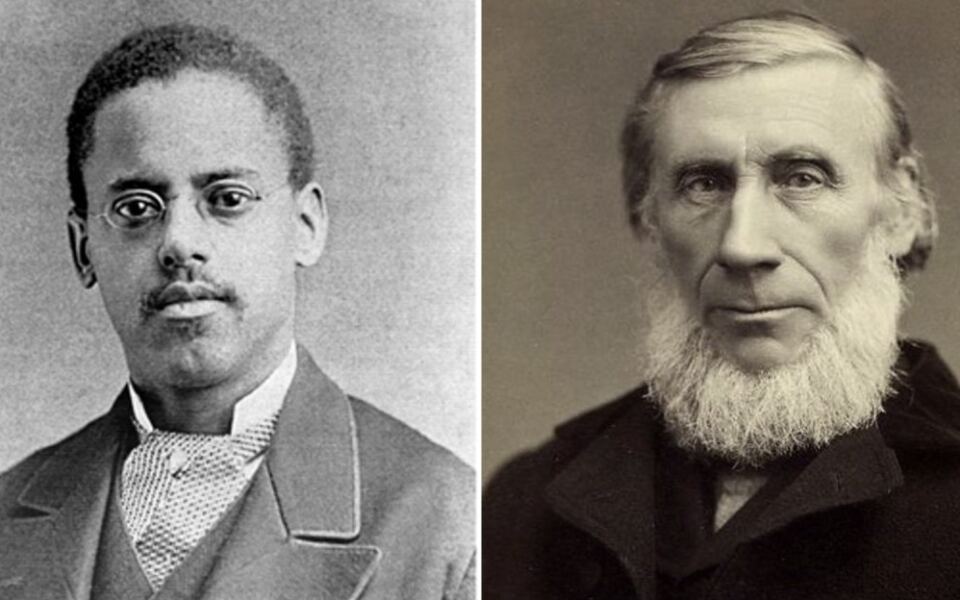
History books have a habit of spotlighting the same familiar names while quietly leaving out the people who did some of the most remarkable work. Behind many of the discoveries, inventions, and ideas that shaped modern life, there were scientists, mathematicians, and thinkers whose contributions got buried, misattributed, or simply forgotten.
Some were overlooked because of their race, gender, or background. Others just never got the credit they deserved before time moved on.
This list brings together 16 real people whose work genuinely changed the world, even if their names never made it into most textbooks. Their stories are worth knowing.
Alice Ball Changed the Treatment of Hansen’s Disease
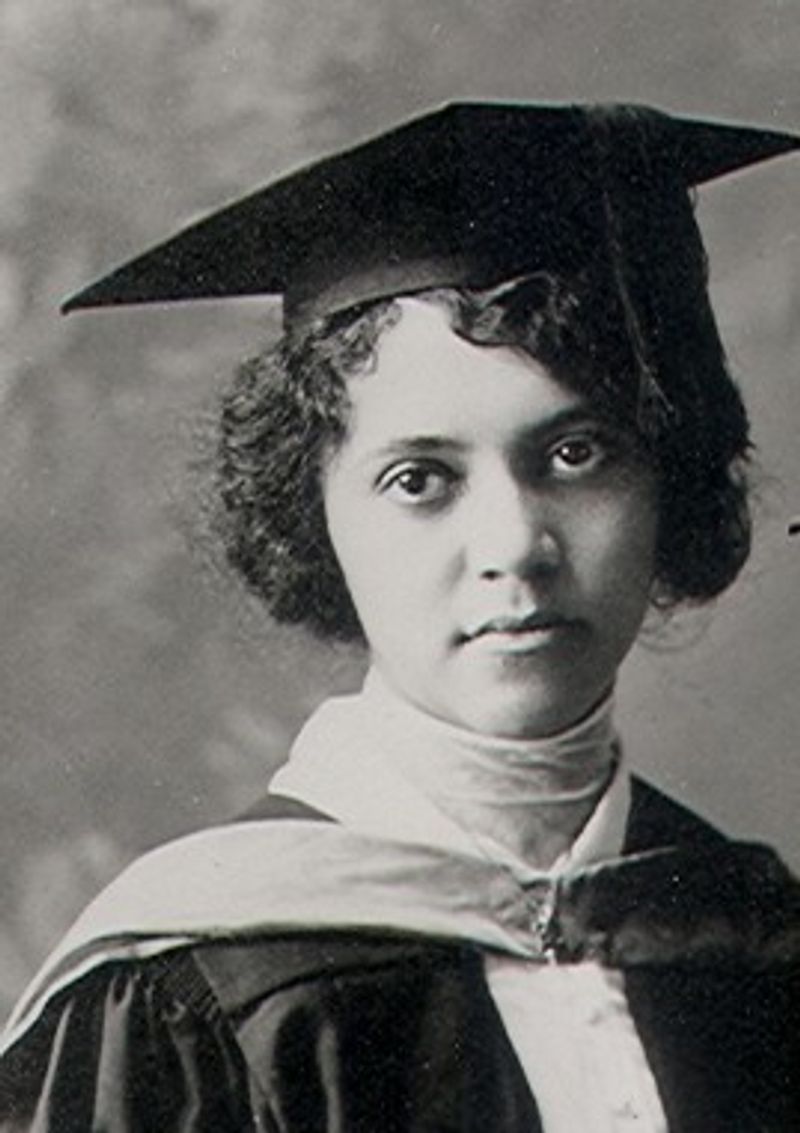
Alice Augusta Ball was just 23 years old when she figured out something that had stumped medical researchers for years. Chaulmoogra oil had long been considered a possible treatment for Hansen’s disease, but the oil was thick and difficult for the body to absorb when injected.
Ball isolated the active compounds from the oil in a form that could actually be used effectively as an injection.
Her technique, called the Ball Method, was used to treat thousands of patients across the United States and Hawaii over the following decades. Ball died in 1916 at only 24, before she could publish her findings.
University of Hawaii president Arthur Dean later continued and published the research without crediting her by name.
It took decades before Ball received formal recognition. The University of Hawaii eventually honored her with a plaque, and Hawaii designated February 28 as Alice Ball Day.
Her story is a striking reminder of how credit and recognition do not always go to the right person.
Mary Anning Helped Reveal a Prehistoric World
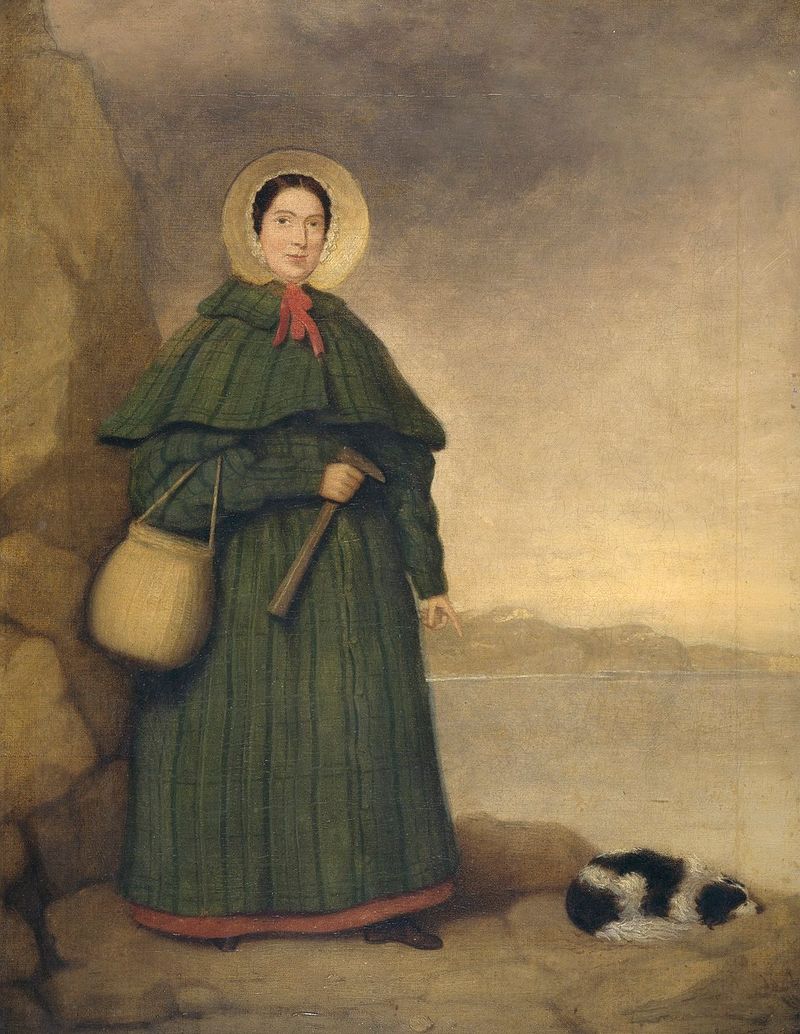
Mary Anning grew up in poverty along the cliffs of Lyme Regis on England’s Jurassic Coast, and she spent much of her life doing something most people considered unusual for a woman in the early 1800s: digging up ancient bones from the rock. What she found changed how scientists understood prehistoric life on Earth.
When her brother Joseph spotted an unusual skull in the cliff face, Mary went back and excavated the rest of the skeleton. The result was the first largely complete ichthyosaur specimen to be scientifically studied.
She later discovered important plesiosaur fossils and other marine reptile remains that gave scientists new evidence about creatures that had lived millions of years earlier.
Despite being one of the most productive fossil collectors of her era, Anning was often excluded from the scientific societies that studied and published her finds. Many of the scientists who built careers on her discoveries rarely gave her full public credit during her lifetime.
Lewis Latimer Made Electric Lighting More Practical
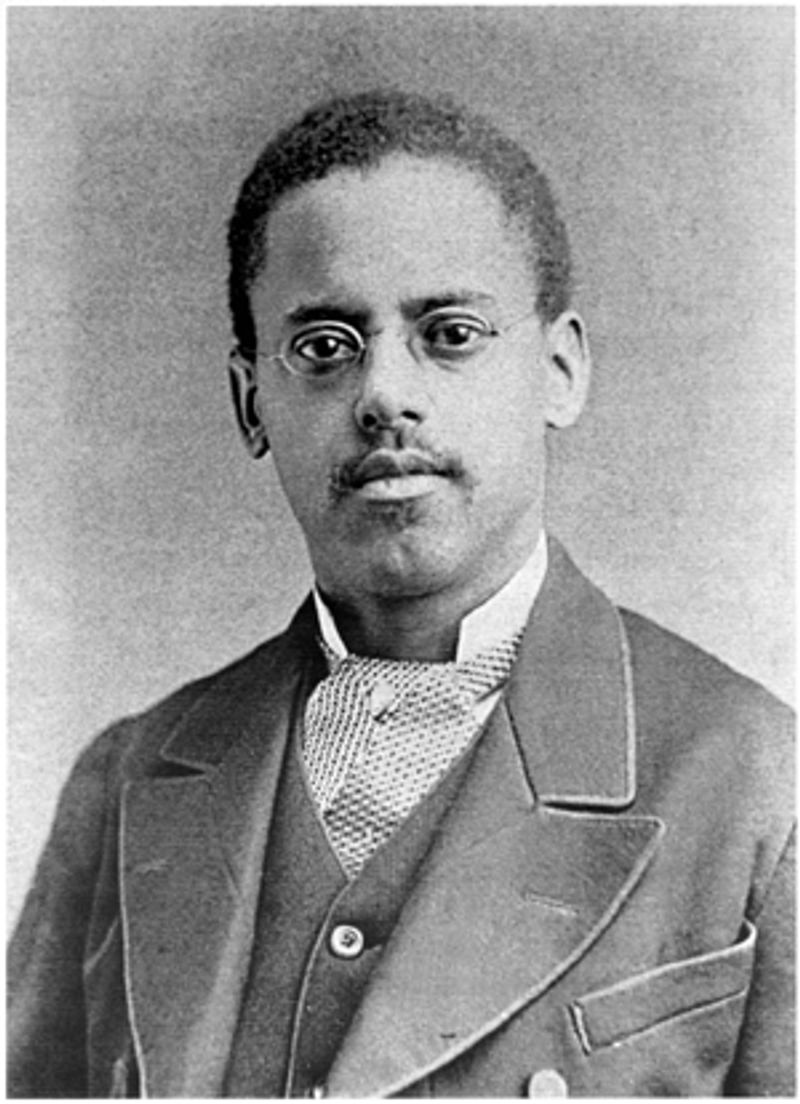
Thomas Edison gets most of the attention when people talk about the electric light bulb, but the bulb that Edison developed had a real problem: the carbon filaments burned out quickly. Lewis Latimer worked out a better way to manufacture carbon filaments that lasted considerably longer, which helped make electric lighting something ordinary people could actually afford and rely on.
Latimer’s contributions went well beyond filaments. Earlier in his career, he worked as a skilled draftsman and helped prepare the patent drawings for Alexander Graham Bell’s telephone application.
He later joined Edison’s organization and became one of its leading experts on electrical patents, helping to defend and explain the company’s technology in legal proceedings.
Born to formerly enslaved parents, Latimer taught himself mechanical drawing while working as an office boy. His technical skills and persistence brought him into the center of two of the nineteenth century’s most important inventions.
He deserves far more recognition than most history courses give him.
Granville T. Woods Revolutionized Railway Communication
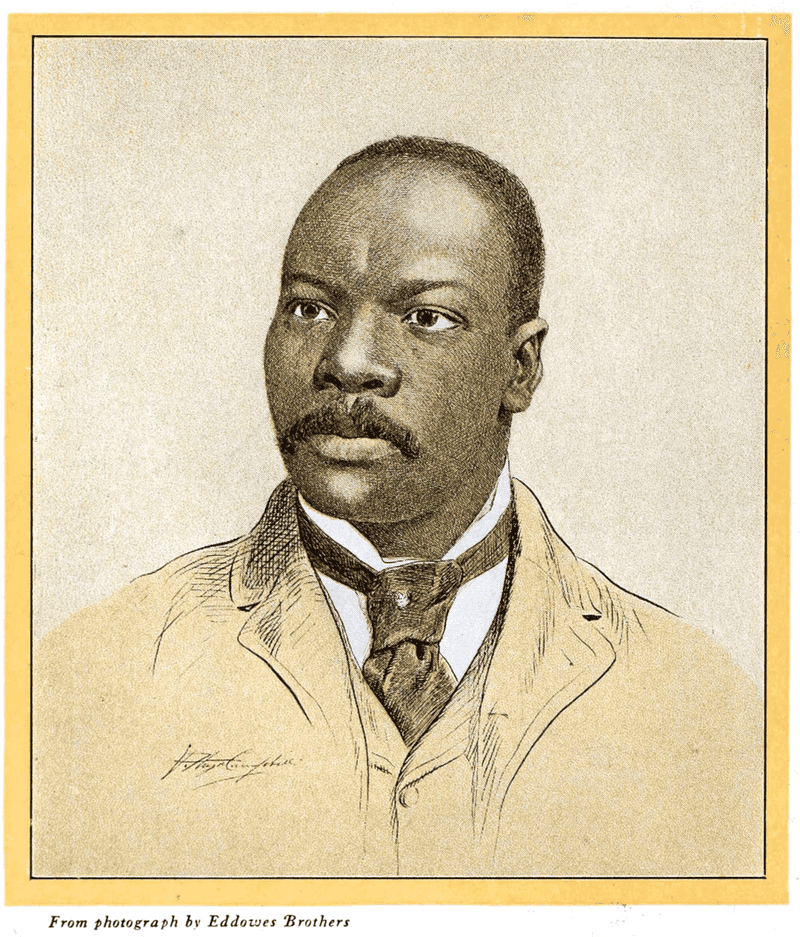
Train travel in the late 1800s was far more dangerous than it needed to be, partly because moving trains had no reliable way to communicate with stations or with one another. Granville T.
Woods changed that with his induction telegraph system, which allowed messages to pass between trains in motion and the stations along the route.
That invention made railway operations meaningfully safer at a time when train collisions were a serious public concern. Woods did not stop there.
He developed innovations related to electrical railway systems and accumulated nearly 60 patents across his career, an extraordinary number for any inventor of that era.
His success attracted attention from competitors, including Thomas Edison, who challenged Woods in patent disputes. Woods successfully defended his work each time.
Despite operating during a period of intense racial discrimination, he built a reputation as one of the most productive inventors in American history. His nickname, the Black Edison, only begins to capture the scope of what he accomplished.
Garrett Morgan Made Roads and Dangerous Workplaces Safer
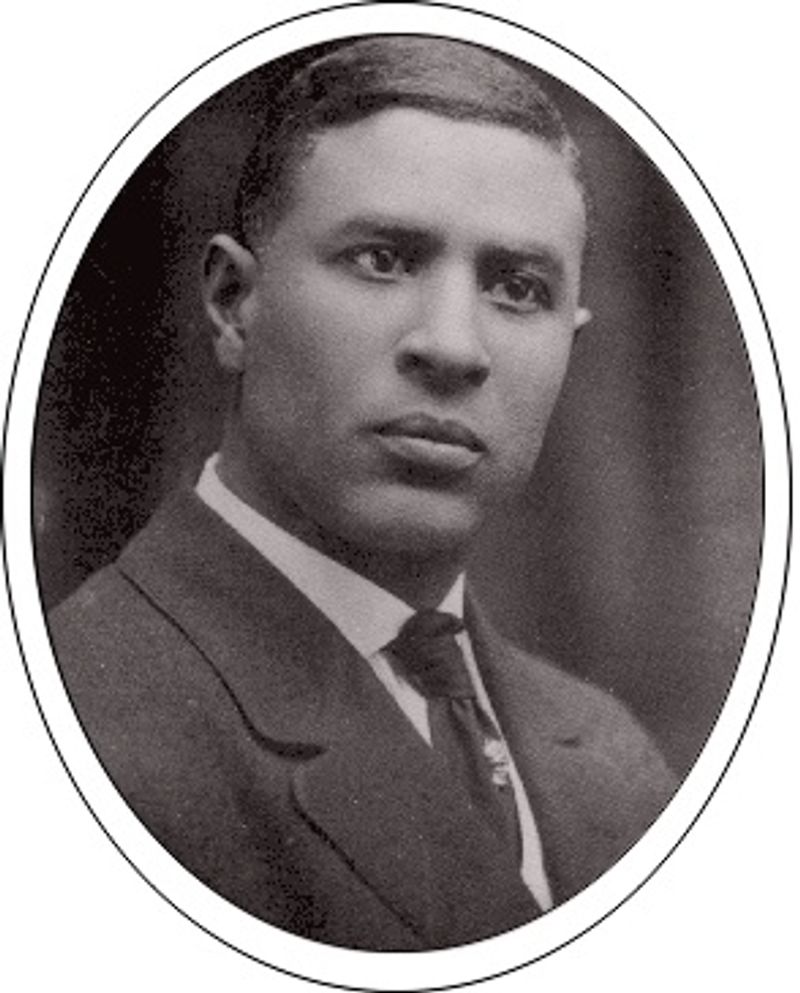
Garrett Morgan was the kind of inventor who looked at everyday problems and figured out practical solutions. In 1914, he patented a safety hood designed to filter air in smoke-filled or chemically hazardous environments.
The device worked by drawing air from closer to the ground, where smoke and fumes tend to rise away from. It became an important forerunner of later gas mask technology.
Morgan’s traffic signal patent came in 1923 and introduced something that had not existed before: an intermediate warning position between the stop and go signals. That third position gave drivers and pedestrians a moment to clear the intersection before traffic moved, reducing the number of collisions at busy crossings.
Selling his inventions was not always straightforward. Morgan faced significant racial barriers in marketing his products in parts of the country and sometimes had others present his work on his behalf.
Even so, both inventions left a lasting mark on public safety in America.
Rosalind Franklin Captured One of Science’s Most Important Images
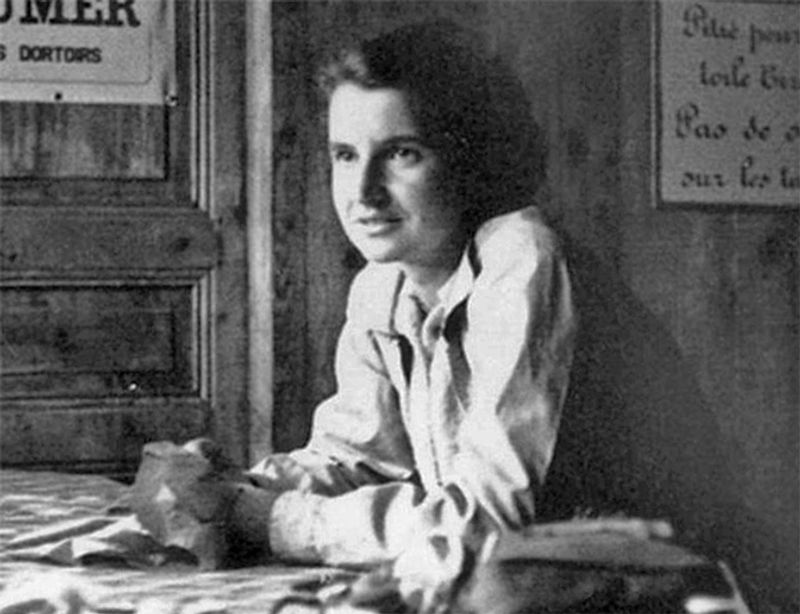
In 1952, Rosalind Franklin and her graduate student Raymond Gosling produced an X-ray diffraction image of DNA that would later be called Photograph 51. The distinctive cross-shaped pattern in the image provided vital evidence that DNA had a helical structure.
Franklin had the expertise and the data. What she lacked was control over how that data was shared.
Maurice Wilkins, a colleague at King’s College London, showed Photograph 51 to James Watson without Franklin’s knowledge or permission. Watson and Francis Crick used the information to construct their double-helix model of DNA, which they published in 1953.
Franklin’s name appeared only in a supporting paper.
When Watson, Crick, and Wilkins received the Nobel Prize in Physiology or Medicine in 1962, Franklin had already passed away from cancer in 1958 at age 37. Nobel Prizes are not awarded posthumously, so the question of whether she would have been included remains open.
Her contributions to DNA science are now widely acknowledged.
Ibn al-Haytham Transformed the Science of Light
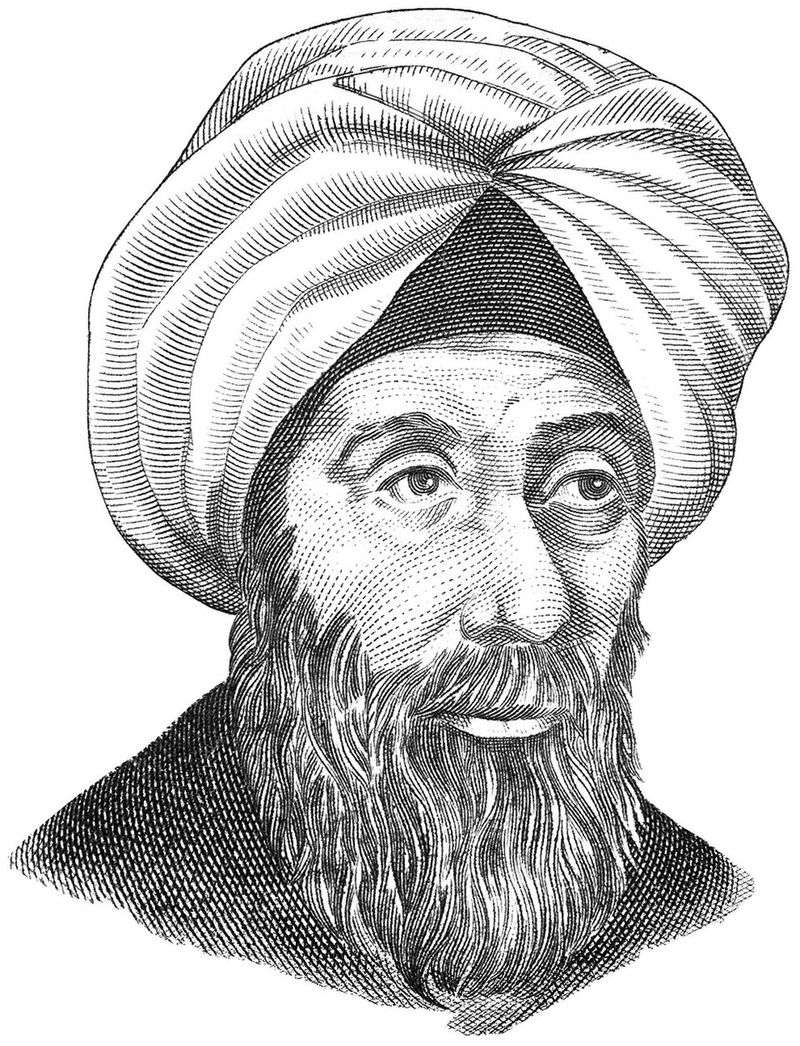
Around a thousand years ago, a scholar working in Cairo was asking questions about light and vision that most of his contemporaries had not thought to test experimentally. Ibn al-Haytham, known in the Latin-speaking world as Alhazen, rejected the old Greek idea that eyes emit rays to see objects.
Instead, he argued that light travels from objects into the eye, and he designed experiments to support that conclusion.
His major work, the Book of Optics, covered reflection, refraction, the structure of the eye, and the behavior of light in careful mathematical and experimental detail. The book was translated into Latin and influenced European scholars for centuries.
UNESCO has recognized Ibn al-Haytham as a foundational figure in the development of modern scientific experimentation.
His systematic approach to testing ideas rather than simply reasoning from first principles put him well ahead of many thinkers of his time. The scientific method that students learn about today owes something to the careful habits he practiced in the eleventh century.
Lise Meitner Helped Explain Nuclear Fission
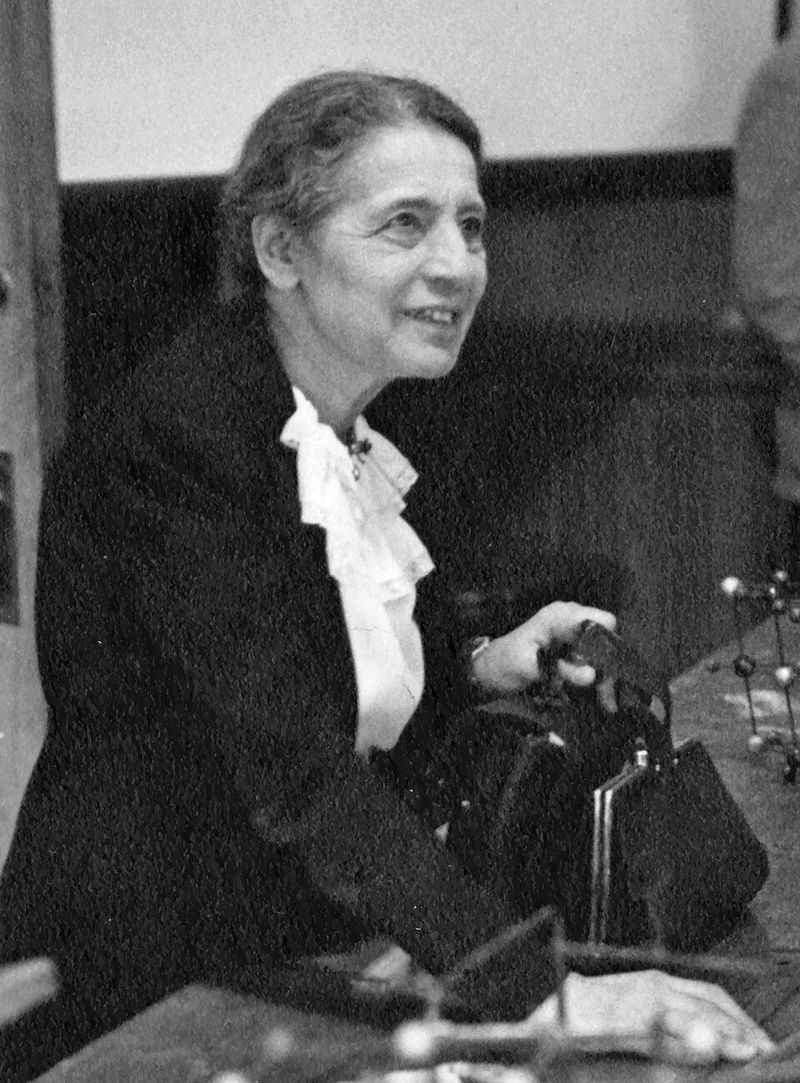
Lise Meitner spent more than three decades working in nuclear physics, first in Berlin alongside chemist Otto Hahn, and later from Sweden after fleeing Nazi Germany in 1938 because of her Jewish background. Even from exile, she stayed in close contact with Hahn and continued to collaborate on the research they had been conducting together.
When Hahn and Fritz Strassmann bombarded uranium with neutrons and got results they could not explain, Hahn wrote to Meitner. She and her nephew Otto Frisch worked out the theoretical explanation: the uranium nucleus had split into smaller elements, releasing energy in the process.
Meitner and Frisch named the process nuclear fission and calculated the energy it released, which aligned with Einstein’s equation.
When the Nobel Prize in Chemistry was awarded in 1944, it went to Hahn alone. Meitner was nominated for the Nobel Prize multiple times but never received it.
She has since been honored with the naming of element 109, meitnerium, in her recognition.
Jagadish Chandra Bose Worked Across Physics and Plant Science
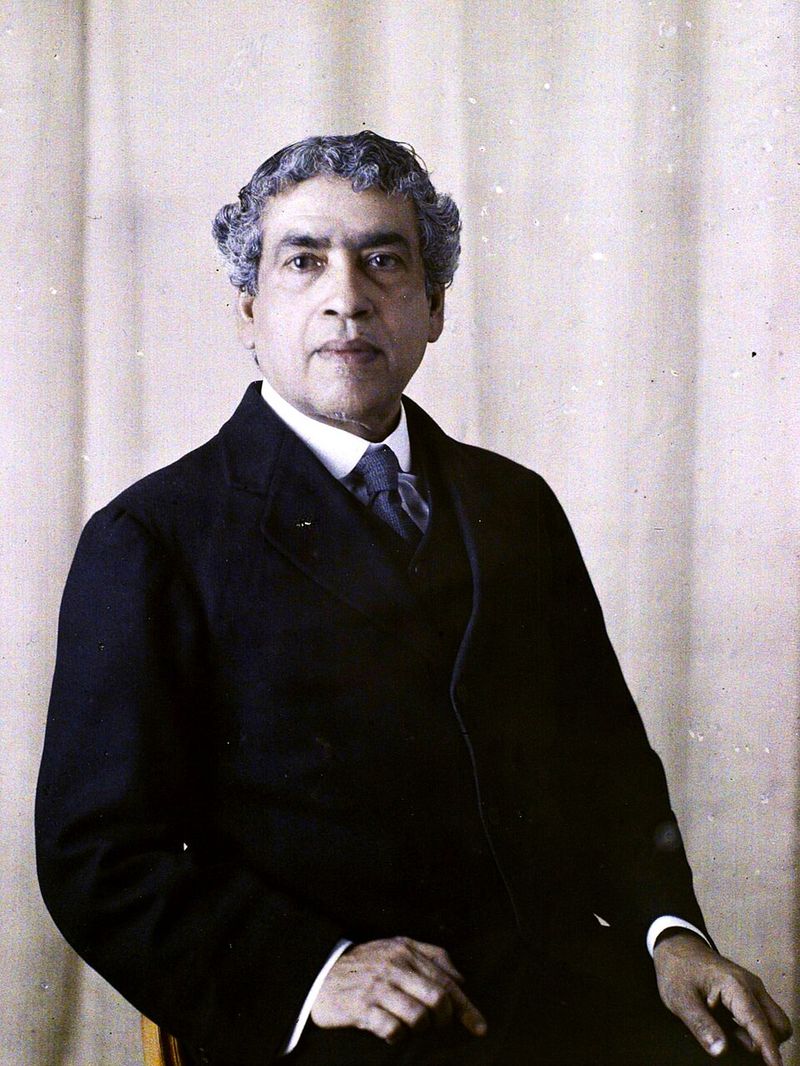
Most scientists of the late 1800s stayed within one field. Jagadish Chandra Bose moved freely between several, and he made meaningful contributions in each.
Working in Calcutta, he conducted early experiments with millimeter-length electromagnetic waves and demonstrated that radio waves could be reflected, refracted, and focused using instruments he designed himself.
Bose later shifted his focus toward plant physiology. He built an extraordinarily sensitive instrument called the crescograph, which could measure and record tiny plant movements and responses to stimuli.
His work showed that plants exhibit measurable electrical and physiological responses to their environment, a finding that was genuinely novel at the time.
He also chose not to patent his electromagnetic wave research, believing scientific knowledge should be freely shared. That decision meant others built on his work without always acknowledging the source.
Guglielmo Marconi received credit for pioneering radio, but historians of science have recognized Bose’s earlier and independent contributions to the field. His range as a researcher remains remarkable.
Henrietta Lacks’ Cells Transformed Biomedical Research
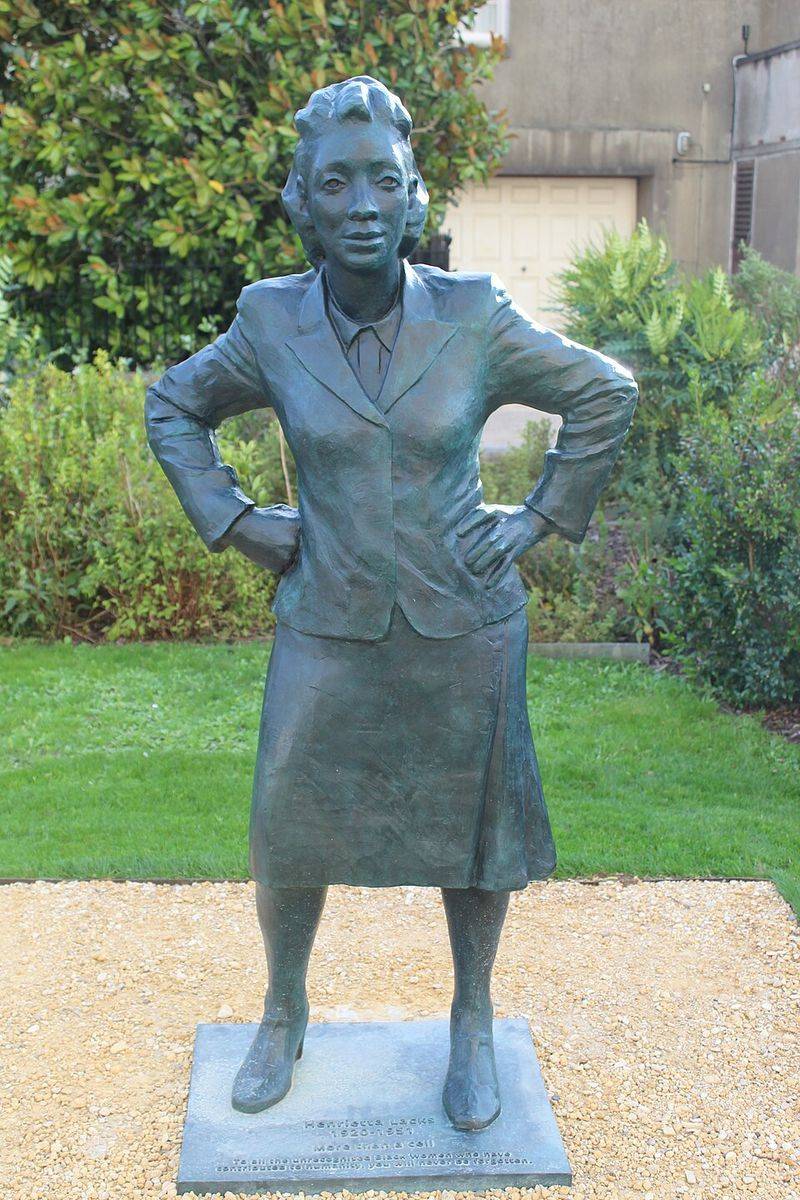
Henrietta Lacks was a young mother from Baltimore who went to Johns Hopkins Hospital in 1951 seeking treatment for cervical cancer. During her care, a sample of cells from her tumor was taken without her knowledge or consent and sent to a laboratory.
What happened next was unexpected: the cells kept dividing. Unlike every human cell sample researchers had tried before, these cells survived and multiplied in laboratory conditions.
Named HeLa cells after the first two letters of her first and last names, they were shared widely across the scientific community and became one of the most used tools in biomedical research. They contributed to the development of the polio vaccine, cancer research, genetics studies, and countless other areas of medicine.
Lacks herself passed away from her illness in October 1951, never knowing what her cells would become. Her family learned about HeLa cells years later.
Her story prompted lasting conversations about medical ethics, informed consent, and whose bodies get used to advance science.
Nikola Tesla Helped Build the Electrical Age
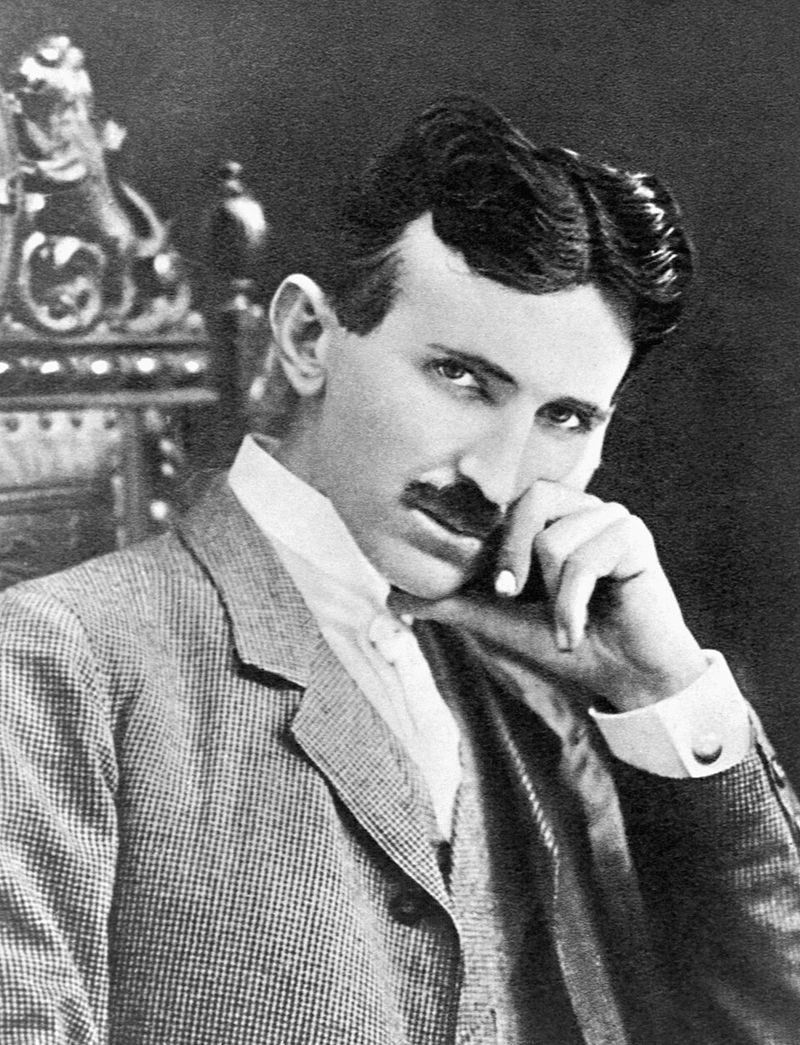
Nikola Tesla’s name is better known today than it was for much of the twentieth century, but even now many people do not fully understand what he actually built. His most consequential work centered on alternating-current electrical systems.
While Thomas Edison championed direct current, Tesla developed the AC motor and polyphase electrical systems that made it practical to transmit electrical power over long distances without losing too much energy along the way.
That technical difference mattered enormously. The AC system Tesla developed, and which George Westinghouse helped commercialize, became the foundation of the electrical grid that powers homes and businesses around the world today.
Tesla also conducted extensive experiments with high-frequency electricity, radio technology, and early concepts related to wireless transmission.
His later years were marked by financial struggles and increasingly isolated work. He held hundreds of patents across his career.
The international unit of magnetic flux density, the tesla, is named in his honor, a small but fitting acknowledgment of how deeply his work shaped modern technology.
Chien-Shiung Wu Overturned a Fundamental Rule of Physics
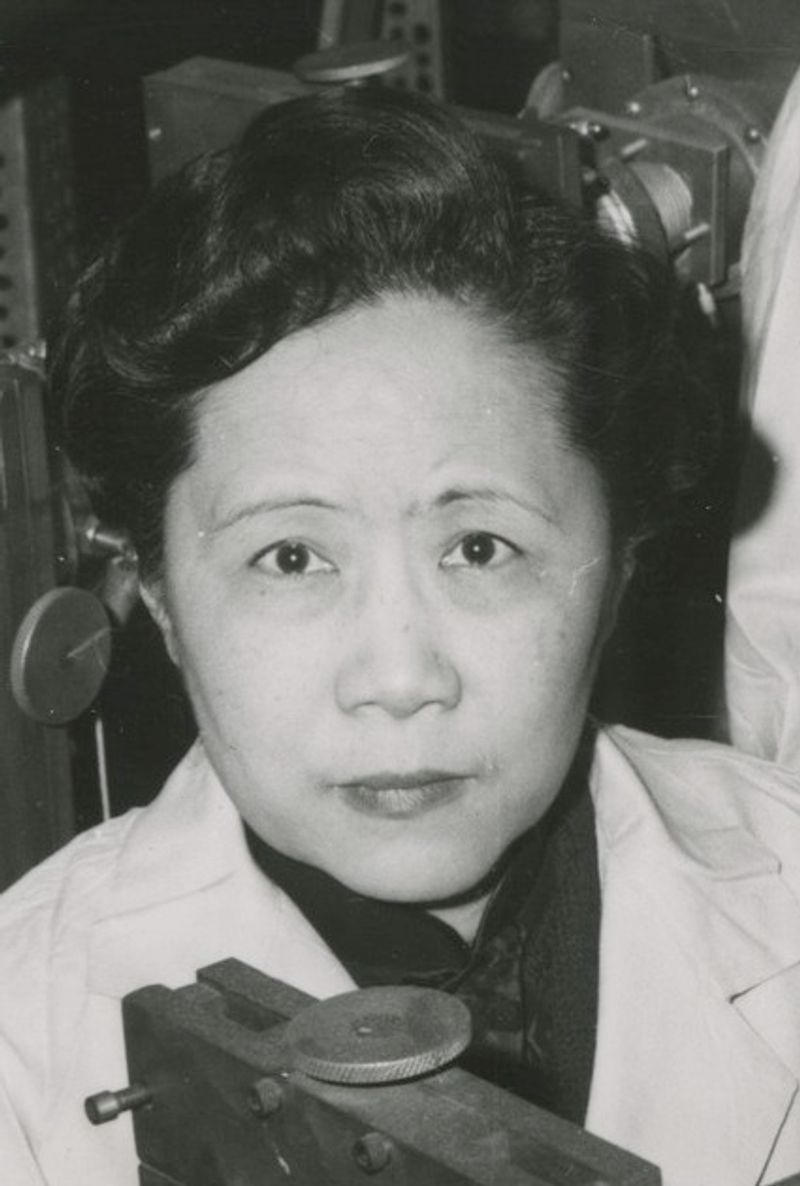
For a long time, physicists believed that the laws of physics behaved identically whether viewed normally or as a mirror image. That principle, called conservation of parity, seemed so fundamental that most scientists took it for granted.
In the 1950s, theoretical physicists Tsung-Dao Lee and Chen-Ning Yang challenged the assumption, suggesting it might not hold for the weak nuclear interaction.
They needed someone to test it experimentally, and that person was Chien-Shiung Wu. Working at Columbia University with scientists from the National Bureau of Standards, Wu used cobalt-60 cooled to extremely low temperatures and observed how electrons were emitted during beta decay.
The results showed that the electrons were emitted asymmetrically, proving that parity was violated.
The experiment was technically demanding and the result was definitive. Lee and Yang received the Nobel Prize in Physics in 1957 for the theoretical prediction.
Wu received no Nobel Prize. She did, however, receive the National Medal of Science and the Wolf Prize in Physics, and her experimental precision is still studied today.
Percy Julian Made Important Medicines Easier to Produce
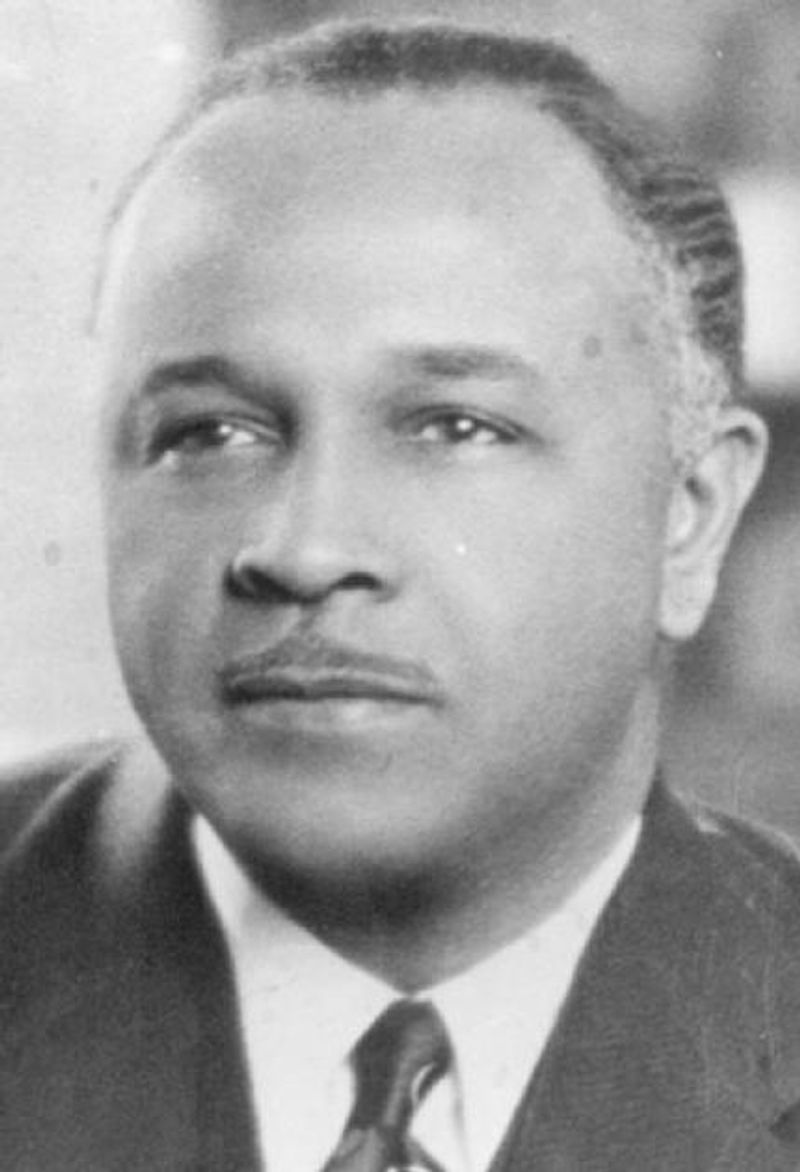
Percy Lavon Julian grew up in Alabama at a time when Black students were actively discouraged from pursuing higher education. He went on to earn a doctorate in chemistry from the University of Vienna and became one of the most accomplished synthetic chemists of the twentieth century.
His career is a study in persistence against serious institutional resistance.
In 1935, Julian and colleague Josef Pikl successfully synthesized physostigmine, a compound used to treat glaucoma. The synthesis was a major achievement that had eluded other chemists.
Julian later developed ways to extract and process steroid compounds from soybeans, making it far more practical to produce progesterone, testosterone, and eventually cortisone on a large scale.
Cortisone in particular was a significant medical development, as it became widely used to treat rheumatoid arthritis and other inflammatory conditions. Julian’s soy-based production methods helped bring the cost down to a level where more patients could access treatment.
He eventually founded his own research company and held more than 130 patents.
Hypatia Became One of Antiquity’s Great Scholars
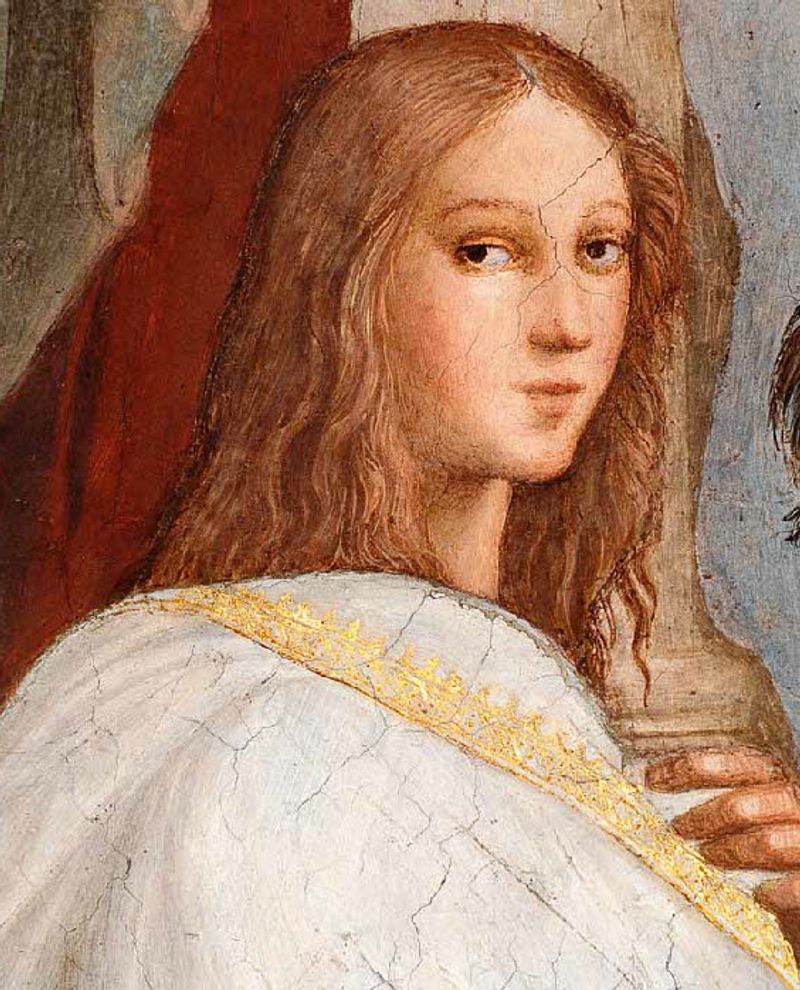
In the late fourth and early fifth centuries, Alexandria was still one of the most intellectually active cities in the Mediterranean world. Hypatia was at the center of that activity.
She taught mathematics, astronomy, and Neoplatonic philosophy, and she attracted students from across the region who came specifically to learn from her. That level of influence was extraordinary for any scholar of that era, and especially for a woman.
Most of her own written work has not survived, which makes it difficult to fully measure her original contributions. Historical accounts connect her to improving the design and use of instruments including the astrolabe, which was used for astronomical observation.
She also contributed to commentaries on major mathematical texts of the ancient world.
Hypatia was killed by a Christian mob in 415 CE amid the political and religious tensions that were reshaping Alexandria at the time. Her death marked a turning point in the city’s intellectual life.
She has since become one of history’s most recognized symbols of learning under threat, studied in fields ranging from mathematics to philosophy to feminist history.
John Tyndall Explained How Greenhouse Gases Trap Heat
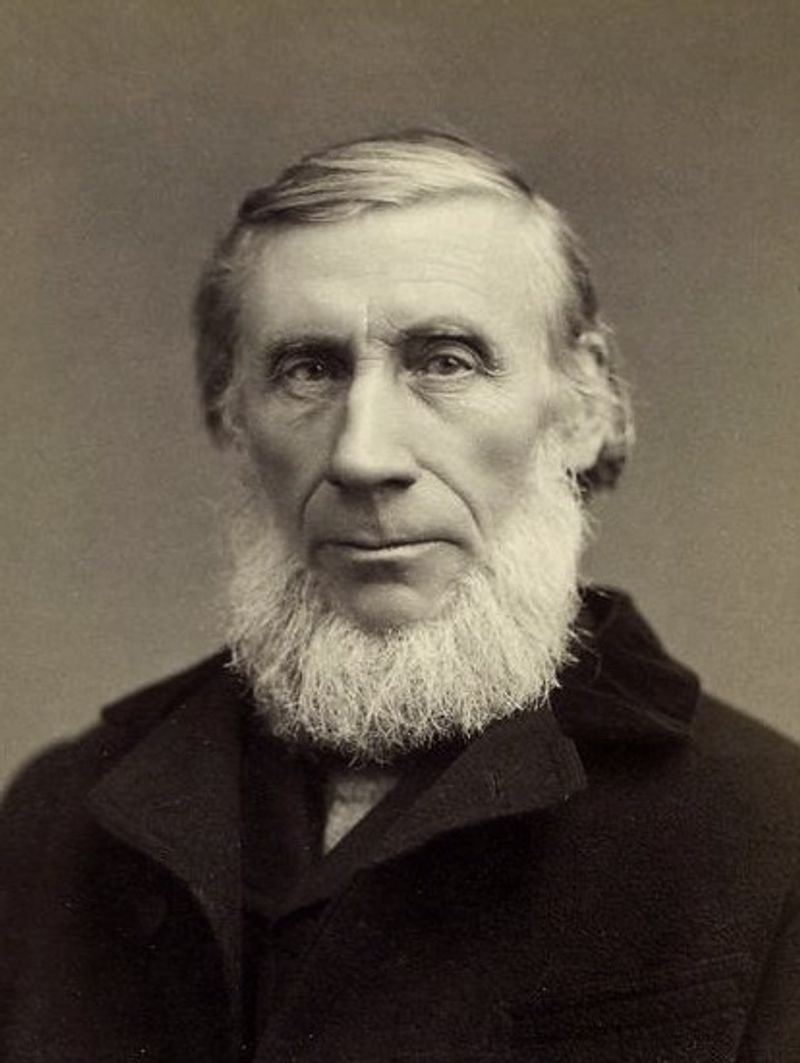
Eunice Newton Foote had already observed in 1856 that carbon dioxide trapped heat more effectively than other gases, but John Tyndall came at the question from a different angle. Starting in 1859, he built precision instruments capable of measuring exactly how different gases interacted with radiant heat, particularly infrared radiation.
His experiments were more detailed and mechanistically rigorous than anything that had come before.
Tyndall demonstrated that carbon dioxide and water vapor absorb and re-emit infrared radiation, while gases like oxygen and nitrogen largely do not. That difference, he explained, is what allows Earth’s atmosphere to retain warmth from the sun rather than releasing all of it back into space.
His work provided the physical explanation for what we now call the greenhouse effect.
Beyond atmospheric science, Tyndall also investigated why the sky appears blue during the day, explaining that shorter wavelengths of light scatter more strongly in the atmosphere. He was a productive and wide-ranging scientist whose foundational work on atmospheric physics is directly relevant to the climate conversations happening today.
Gladys West Helped Lay the Mathematical Foundations for GPS
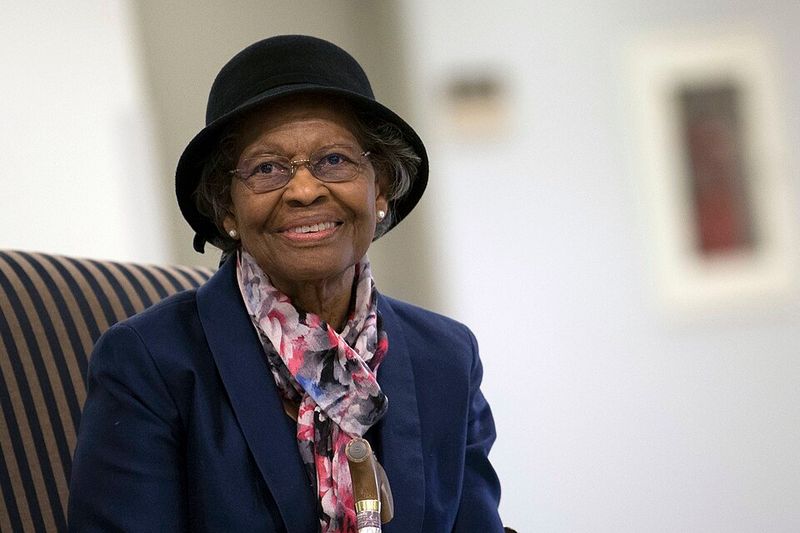
Every time a phone gives turn-by-turn directions, it is relying on a precise mathematical model of Earth’s shape. That model did not appear out of nowhere.
Gladys West spent decades at the Naval Proving Ground in Dahlgren, Virginia, working with satellite data and the mathematical field known as geodesy, which deals with measuring Earth’s size, shape, and gravitational field.
West programmed computers to process satellite data and used those calculations to build increasingly accurate models of Earth’s surface. Her work on the Seasat satellite project in the late 1970s and her contributions to the Geosat mission produced geodetic measurements that became foundational to the development of the Global Positioning System.
For most of her career, West’s specific role in GPS development was known only within government and scientific circles. She retired, earned a doctorate in public administration in her seventies, and eventually received the Air Force Space Command’s highest civilian honor.
In 2018, she was inducted into the Air Force Space and Missile Pioneers Hall of Fame, a recognition that was long overdue.
Share this story