Traveling through Europe is one of the most rewarding experiences you can have, but knowing what to expect in each city helps you stay safe and enjoy your trip more. Numbeo’s 2026 Mid-Year Crime Index pulls together data from residents and visitors to rank cities by their perceived levels of crime.
Some of the cities on this list are among the most beloved tourist destinations in the world, which is exactly what makes this ranking so surprising. Whether you are planning a trip or just curious about how your favorite European city stacks up, this list gives you a clear look at where concerns about crime are highest and what you can do to stay aware while you explore.
Marseille, France
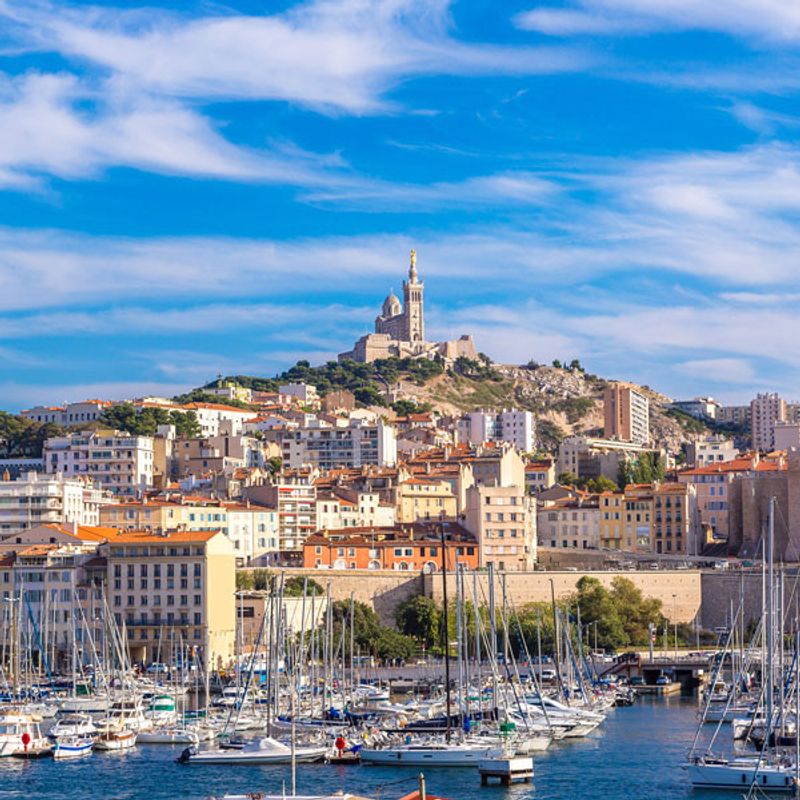
Marseille sits at the very top of Numbeo’s 2026 Mid-Year European Crime Index with a score of 67.03, making it the city with the highest perceived crime level across the entire continent in this ranking. That is a striking fact for a city so full of energy, color, and coastal charm.
France’s second-largest city draws visitors to the Vieux-Port, the MuCEM museum, the Calanques National Park, and some of the best bouillabaisse you will find anywhere. The food scene alone makes it a destination worth serious attention.
The concerns that push Marseille to the top of this index include reported issues with theft, drug-related activity, and property crime in certain neighborhoods. Staying aware of your surroundings, keeping valuables secure, and sticking to well-traveled areas during evening hours are practical steps that most experienced travelers to Marseille already follow.
Birmingham, United Kingdom
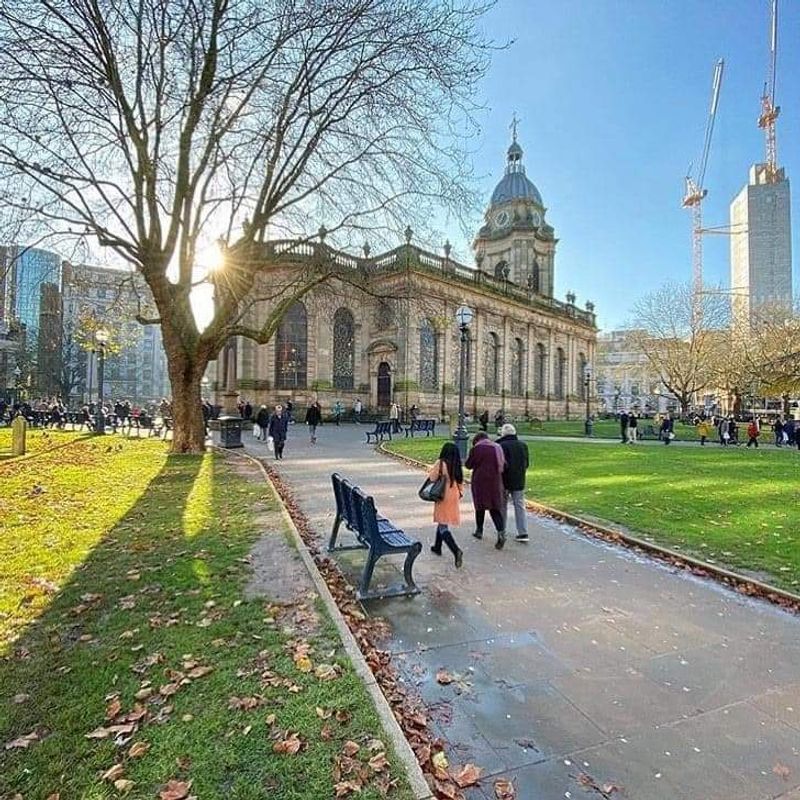
With a Crime Index score of 63.96, Birmingham ranks second among European cities in Numbeo’s 2026 mid-year data. For a city this large and this culturally rich, the ranking is a reminder that urban scale and high visitor numbers tend to bring their own set of challenges.
Birmingham is genuinely impressive in scope. Its canal network is longer than Venice’s, its food scene reflects decades of multicultural influence, and its museum collections are world-class.
The Jewellery Quarter alone is worth an afternoon of exploration.
Numbeo respondents report comparatively elevated concerns about personal security and property crime across parts of the city. That does not mean every corner of Birmingham is equally affected.
Visitors who research neighborhoods in advance and stay alert in busy commercial and transit areas tend to have straightforward experiences. The city has a lot to offer, and going in with realistic expectations makes a real difference.
Grenoble, France
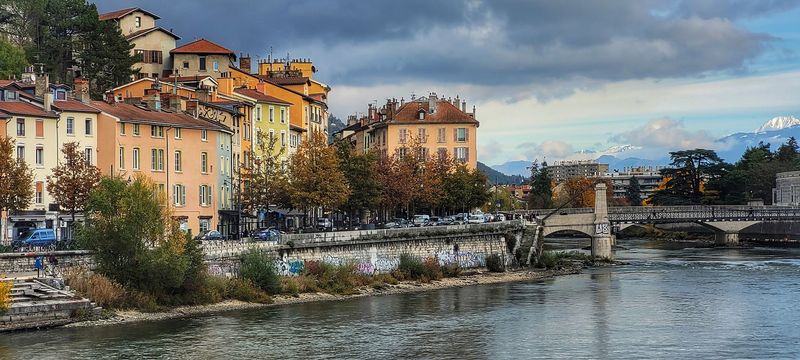
Few cities in Europe can match Grenoble’s setting. Ringed by three mountain ranges and sitting at the meeting point of the Isere and Drac rivers, it is one of the most dramatically positioned cities on the continent.
Yet Grenoble records a Crime Index score of 62.71, placing it third on this list.
The city is a major hub for skiing, hiking, and outdoor recreation, and its large university population gives it a young, active atmosphere year-round. The Bastille fortress, accessible by cable car, offers views that are genuinely hard to forget.
Despite all of that, perceptions of crime in Grenoble have remained notably high in Numbeo’s data over multiple years. Reported concerns center on certain urban neighborhoods and public spaces.
Travelers who focus their time on the historic center, the cable car area, and the mountain access points tend to find the city far more manageable than its index score might initially suggest.
Naples, Italy
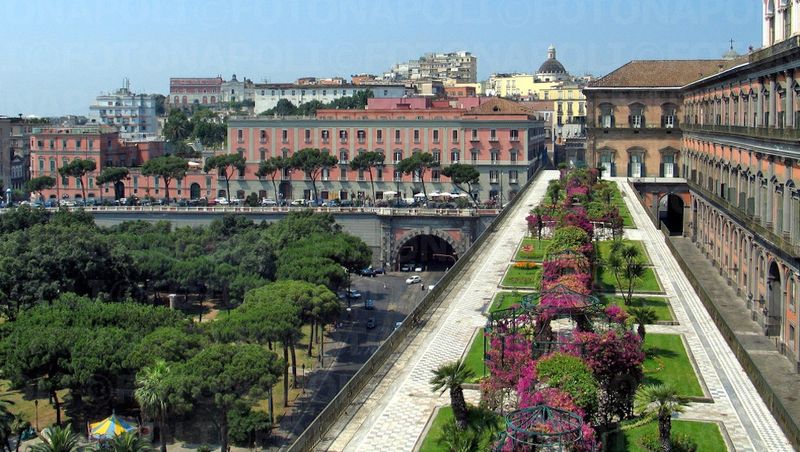
Naples carries a Crime Index score of 62.26, the highest of any Italian city in Numbeo’s 2026 ranking. That score has not slowed tourism one bit.
Naples remains one of the most visited cities in southern Europe, and for very good reason.
The birthplace of pizza, the gateway to Pompeii and the Amalfi Coast, and home to one of the most layered and fascinating historic centers in the world, Naples rewards curious travelers enormously. The National Archaeological Museum alone holds enough to fill an entire day.
Pickpocketing, bag snatching, and scooter theft are the concerns most commonly associated with Naples, particularly around the train station, busy markets, and tourist-heavy streets. Keeping bags zipped and worn across the body, avoiding flashy jewelry, and staying alert in crowded spaces are the basic precautions that apply here.
Naples is absolutely worth visiting, just go in with your eyes open.
Coventry, United Kingdom

Coventry might not be the first English city that comes to mind when planning a European trip, but it earned the title of UK City of Culture 2025, which brought it considerable attention. Its Crime Index score of 62.06 places it fifth on this European ranking, which may surprise visitors who associate it primarily with its cathedral and industrial history.
The bombed-out shell of the old Coventry Cathedral, preserved beside the striking new modernist building, is one of the most powerful architectural experiences in the UK. The Herbert Art Gallery and Museum and the Coventry Transport Museum are also genuinely strong attractions.
Numbeo respondents report elevated concerns about crime and personal safety across parts of the city. As with many mid-sized English cities, the experience varies considerably depending on which areas you spend time in.
Researching neighborhoods before arrival and staying aware in busy public areas are straightforward steps that go a long way.
Montpellier, France
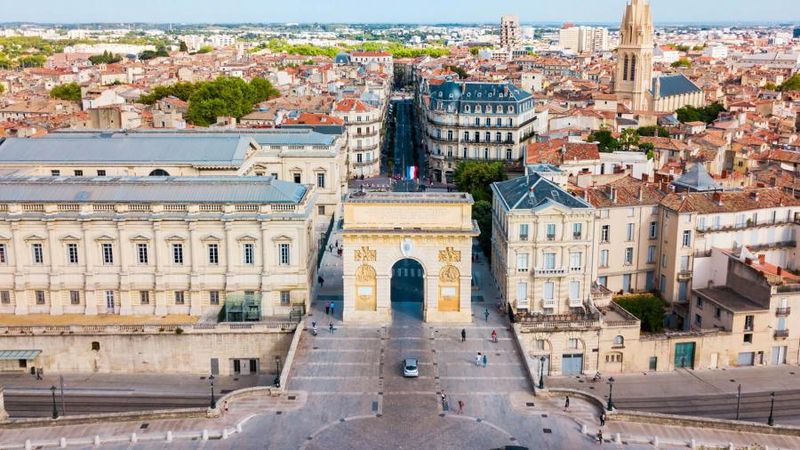
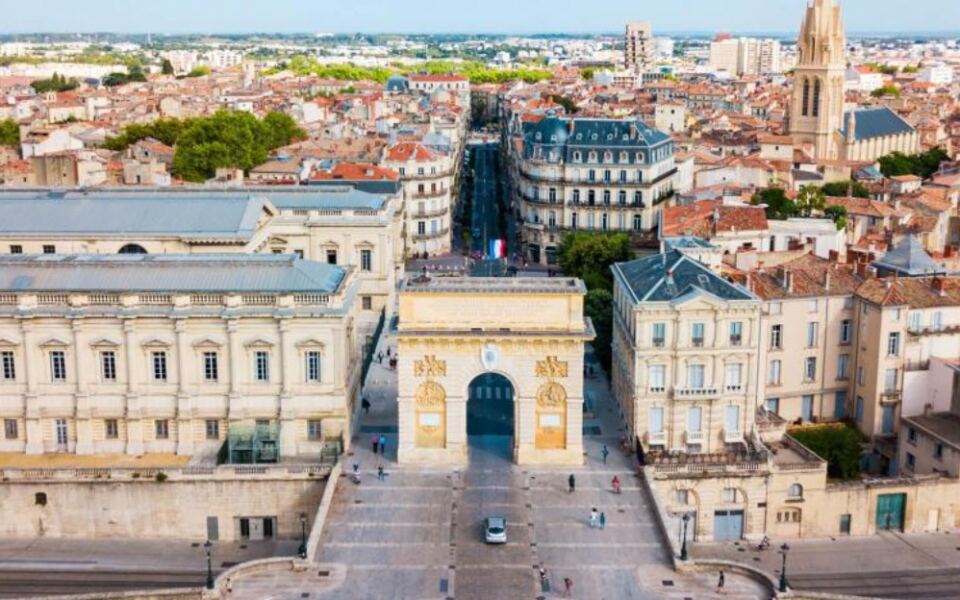
Montpellier is one of the fastest-growing cities in France, fueled by a massive student population, a lively Mediterranean climate, and a historic center full of elegant plazas and medieval lanes. Its Crime Index score of 60.36 puts it sixth on this European list.
The Place de la Comedie is the social heart of the city, surrounded by cafes, street performers, and a constant flow of people from morning until late evening. The Fabre Museum holds one of the most impressive fine arts collections in southern France, and the city’s tram network makes getting around genuinely easy.
Reported crime concerns in Montpellier touch on theft, vandalism, and issues in certain peripheral neighborhoods. The historic center and major tourist areas are generally well-trafficked and active throughout the day.
Travelers who are familiar with other large French cities will find the precautions needed in Montpellier largely similar to what they already practice.
Lyon, France
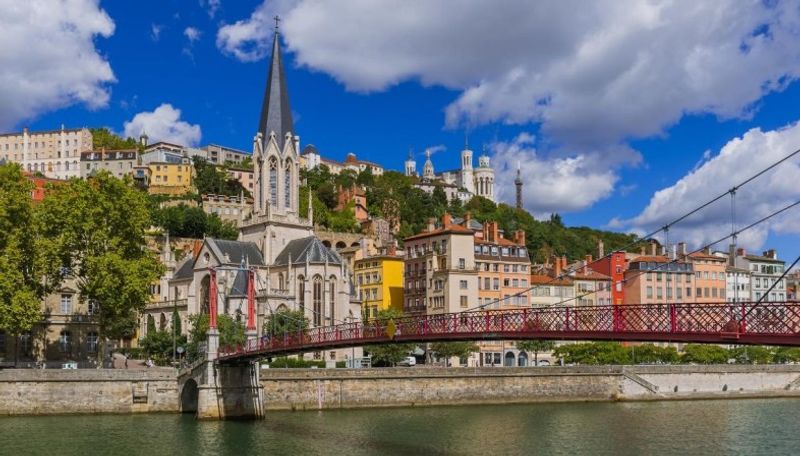
Lyon is routinely called the gastronomic capital of France, which is a bold claim in a country that takes food extremely seriously. With a Crime Index score of 59.17, it ranks seventh on this European list, even as it continues to attract food lovers, history enthusiasts, and UNESCO World Heritage visitors from around the globe.
The Vieux-Lyon district, with its Renaissance architecture and hidden traboule passageways, is one of the most atmospheric historic quarters in Western Europe. The city also sits at the confluence of the Rhone and Saone rivers, giving it a geography that makes walking between neighborhoods genuinely pleasant.
Crime concerns in Lyon tend to cluster around major transit hubs, particularly Perrache station, and certain neighborhoods outside the historic core. Pickpocketing in busy market areas and on public transport is the most commonly reported issue for visitors.
Staying alert on the metro and keeping valuables close in crowded spots covers most of what you need to know.
Bradford, United Kingdom

Bradford’s status as UK City of Culture 2025 put a new spotlight on a city that had long been underestimated by outside visitors. Its Crime Index score of 58.61 places it eighth on this European ranking, but the cultural story of Bradford is considerably more interesting than that number alone suggests.
The city’s multicultural food scene is one of its most genuine strengths, with South Asian restaurants and street food culture that have shaped Bradford’s identity for decades. The National Science and Media Museum is free to enter and draws visitors from across the country.
Saltaire, a UNESCO World Heritage Site just outside the city center, adds a remarkable layer of Victorian industrial history.
Numbeo’s data places Bradford among Europe’s higher-perceived crime cities, with concerns about property crime and personal safety in certain areas. Visitors who concentrate on the cultural sites and well-known neighborhoods generally report straightforward and positive experiences in the city.
Nantes, France
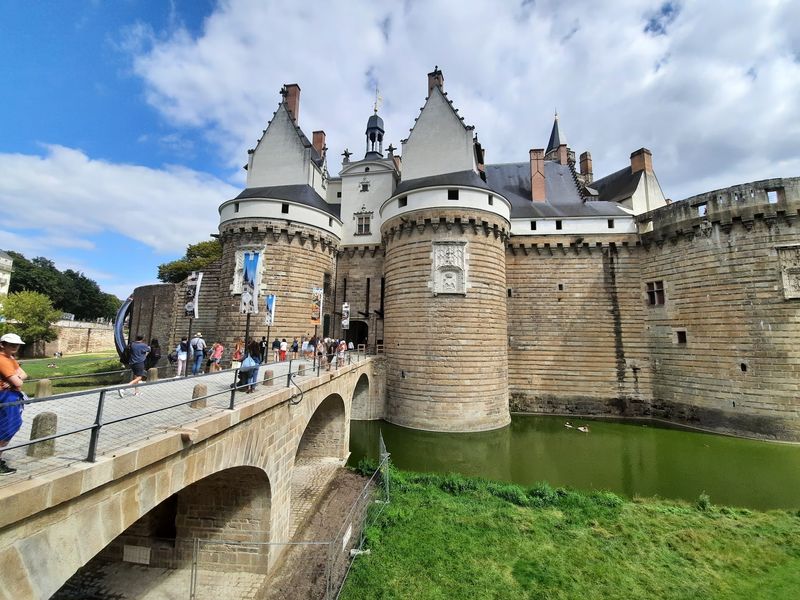
Nantes is one of those French cities that tends to surprise people once they actually visit. Home to the extraordinary Les Machines de l’ile, a creative attraction featuring giant mechanical animals built in a converted shipyard, and the Château des ducs de Bretagne, it offers a cultural experience that feels genuinely original.
Its Crime Index score of 58.54 places it ninth on this European list. Nantes has grown significantly in recent decades and is consistently ranked among the most livable cities in France by domestic surveys.
That livability reputation and its crime index score make for an interesting contrast.
Reported concerns include theft and issues in certain peripheral areas of the city. The tourist-facing neighborhoods around the château and the Ile de Nantes arts district are active and well-patrolled.
As with any city of its size, being aware of your surroundings and keeping personal items secure is the most practical advice available for first-time visitors.
Liège, Belgium
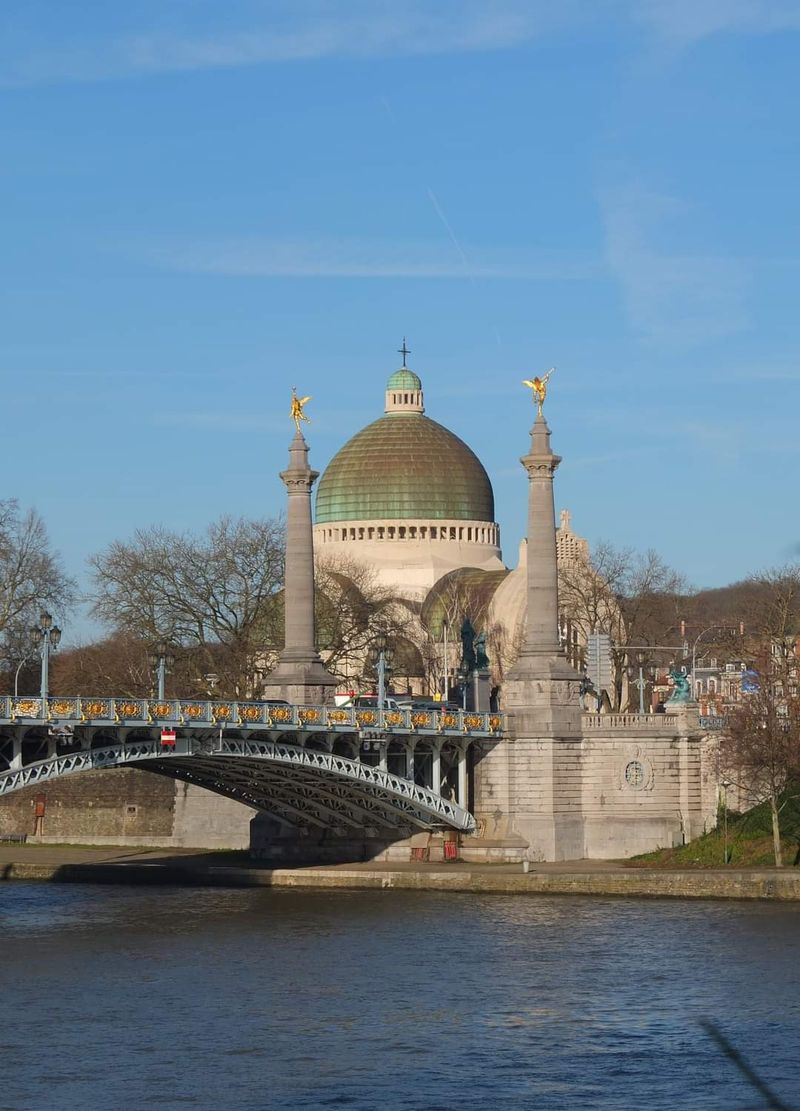
Liège often gets skipped over by travelers rushing between Brussels, Bruges, and Amsterdam, but this Belgian city along the Meuse River has a distinct character all its own. Its Crime Index score of 58.34 places it tenth on this European list and, notably, above Brussels in Numbeo’s 2026 mid-year data.
The city is known for its weekend market at La Batte, one of the longest street markets in Belgium, its Baroque churches, and its Gare de Liège-Guillemins, a train station so architecturally striking that it is worth visiting as a destination in itself. The city also has a well-established reputation for its regional cuisine, including the Liège waffle and Boulets à la Liégeoise.
Crime perceptions in Liège focus on theft and concerns around certain commercial areas. Travelers who approach the city with the same awareness they would bring to any mid-sized European urban center generally find it navigable and rewarding.
The market days attract large crowds, so extra vigilance with bags is sensible.
Paris, France

Paris needs no introduction, but its Crime Index score of 57.88 is a detail that every visitor deserves to know before arrival. The French capital receives tens of millions of tourists every year, and that volume creates very specific conditions that favor opportunistic crime in high-traffic areas.
Pickpocketing around the Eiffel Tower, the Louvre, the Sacre-Coeur, and on the RER B line to Charles de Gaulle airport is among the most frequently reported issues for travelers. Petition scams, friendship bracelet scams, and distraction theft are also well-documented in busy tourist zones.
None of this diminishes what Paris offers. The museums, architecture, food markets, and neighborhoods like Le Marais and Montmartre remain extraordinary.
Keeping your phone in a front pocket, using a crossbody bag, and staying alert when approached by strangers in tourist areas are the practical steps that experienced Paris visitors have followed for years. The city rewards preparation.
Manchester, United Kingdom

Manchester has one of the strongest urban identities in the United Kingdom. Football, music, architecture, and a food scene that reflects the city’s long history of immigration all give it a personality that is hard to replicate.
Its Crime Index score of 55.86 places it twelfth on this European list.
The city center has seen significant investment and development over the past two decades. The Northern Quarter, Spinningfields, and Ancoats are all neighborhoods that draw visitors and residents alike with their mix of independent businesses, restaurants, and cultural spaces.
The Manchester Art Gallery and the Museum of Science and Industry are both free to enter.
Numbeo’s data places Manchester among Europe’s higher-scoring cities for perceived crime, with concerns touching on theft, property crime, and personal safety in certain areas. Busy transport hubs like Piccadilly station and crowded nightlife areas are the spots where staying alert matters most.
Overall, Manchester is a city that rewards visitors who pay attention to their surroundings.
Brussels, Belgium
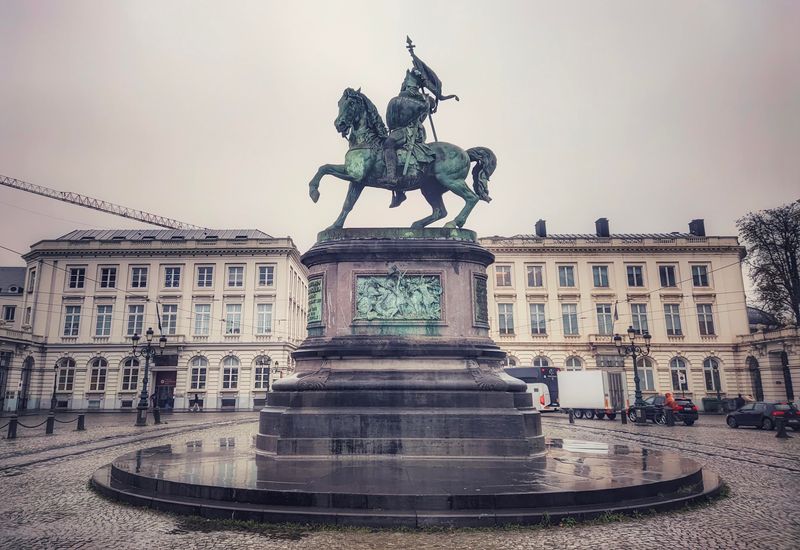
Brussels is one of those cities that carries enormous political and cultural weight. As the de facto capital of the European Union and home to NATO headquarters, it also draws millions of tourists each year to the Grand Place, the Atomium, the Manneken Pis, and a food culture built around waffles, chocolate, and frites.
Its Crime Index score of 55.85 sits almost exactly level with Manchester.
Tourist-oriented theft is the concern most consistently associated with Brussels for visitors. The area around the central station and the Midi station in particular have long been flagged by travel advisories as spots where pickpocketing and bag snatching occur more frequently.
Knowing which metro stops and streets to navigate carefully makes a genuine difference in Brussels. The Grand Place area is busy and well-policed, but the moment you move toward the main transit hubs, staying alert with your belongings becomes noticeably more important.
The city’s rewards are real, and so are its precautions.
London, United Kingdom
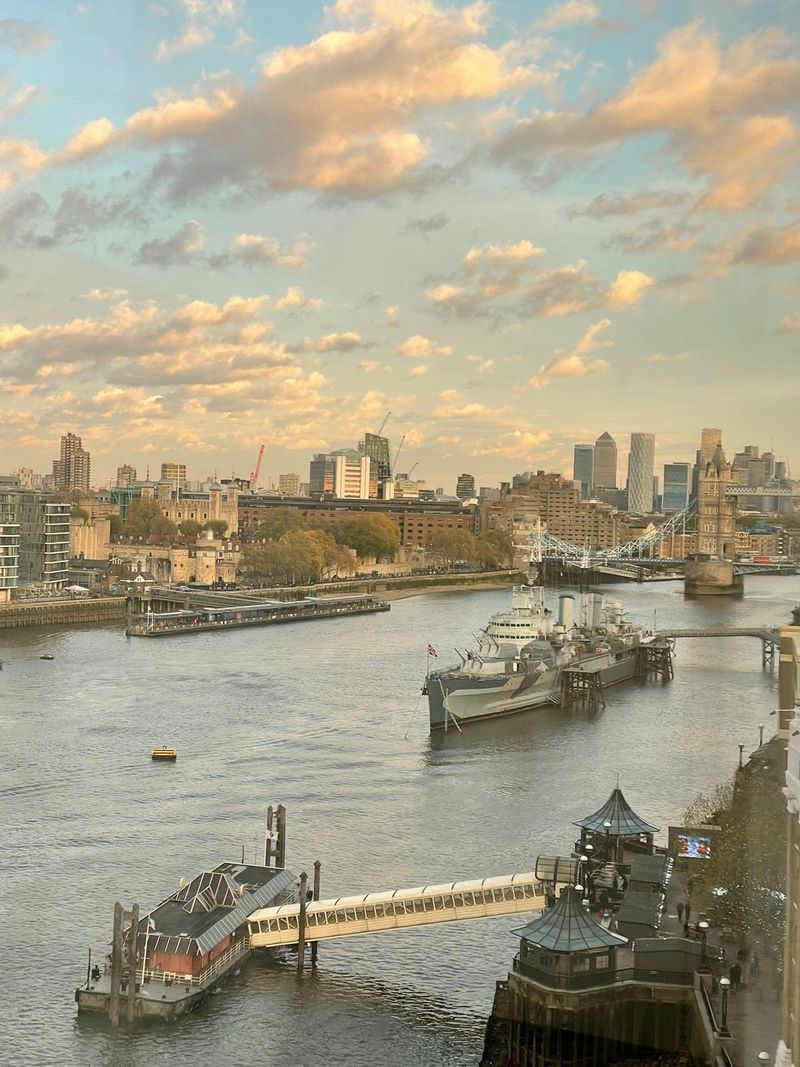
London is one of the largest cities on Earth by population and by visitor numbers, which means that any discussion of crime there requires a sense of scale. Its Crime Index score of 55.27 reflects a city where conditions vary enormously from one neighborhood to the next, sometimes within just a few blocks.
Phone snatching has become one of the most reported crime types in central London in recent years, with incidents on streets and occasionally on public transport. Pickpocketing on the Tube, particularly on lines serving major tourist attractions, is also a persistent concern that travel advisories consistently highlight.
The practical response is straightforward. Keep your phone out of sight when not in use, use a secure bag, and stay aware of your surroundings in busy areas like Oxford Street, Camden Market, and around major landmarks.
London has extraordinary things to offer across every borough, and visiting it with basic street awareness lets you focus on what matters most.
Nice, France
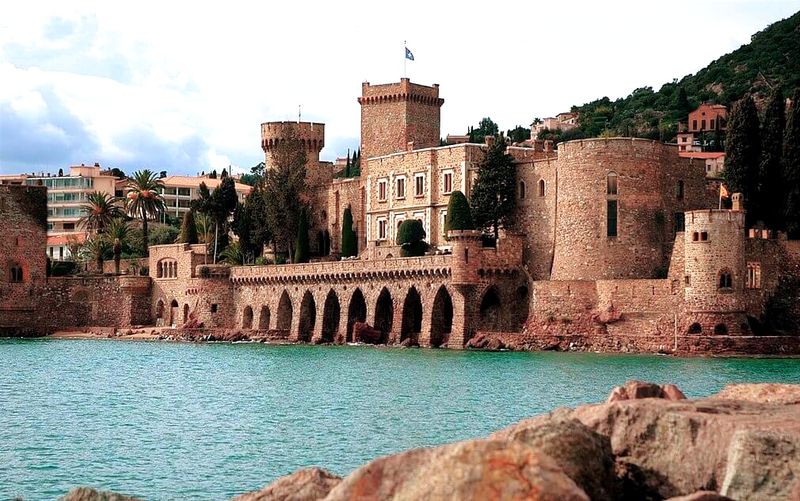
Nice sits on the French Riviera with one of the most recognizable seafront promenades in the world. Its Crime Index score of 55.07 places it fifteenth on this European list, which might feel surprising for a city so associated with glamour, sunshine, and high-end tourism.
The Promenade des Anglais, the Old Town market at Cours Saleya, and the hilltop Castle Park are the draws that pull visitors from across the globe. Nice also has strong connections to Impressionist art history, with the Matisse Museum and Chagall Museum both located within the city.
Heavy tourist concentration creates the conditions that make petty theft more common in Nice. Crowded beaches, busy market areas, and the main train station are the spots where bags and phones are most vulnerable.
Travelers who keep their beach belongings minimal, use hotel safes, and stay alert in the Old Town market tend to move through Nice without significant issues. The city is genuinely beautiful at every turn.
Athens, Greece
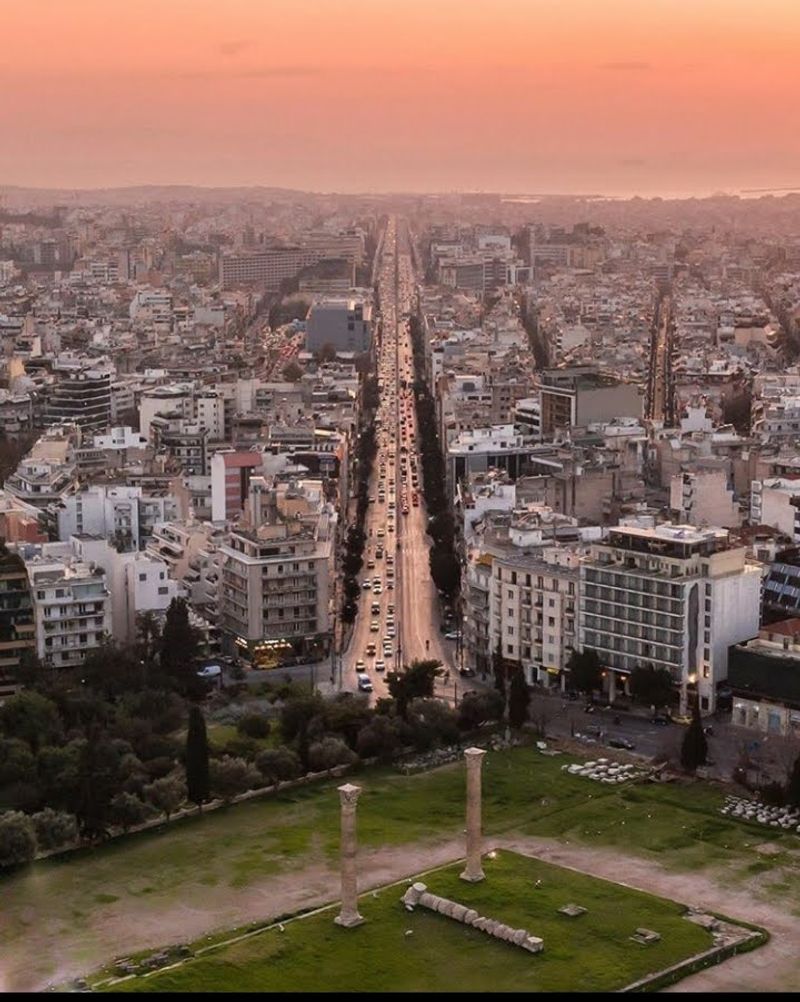
Athens holds the highest Crime Index score among Greek cities in Numbeo’s 2026 mid-year data, at 55.04. For a city that welcomes millions of visitors every year to the Acropolis, the Ancient Agora, the National Archaeological Museum, and the Plaka neighborhood, that ranking is worth understanding in context.
Theft and pickpocketing in crowded tourist zones and on public transport are the concerns most frequently cited for Athens. The metro lines connecting the airport to the city center and the busy areas around Monastiraki Square and the flea market are the spots where visitors are most commonly advised to stay alert.
Athens also has neighborhoods that rarely appear in crime discussions at all, including Koukaki, Pangrati, and Exarchia, each with its own distinct character and local rhythm. The city’s food scene, anchored by tavernas, street souvlaki, and fresh seafood, is one of its most underrated qualities.
Going to Athens prepared means you spend more time enjoying it.
Malmö, Sweden
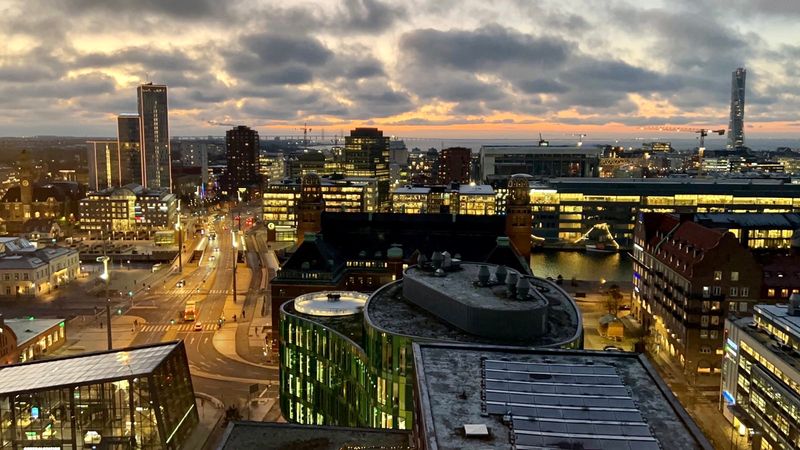
Malmö closes out this list with a Crime Index score of 54.93. Sweden’s third-largest city is connected to Copenhagen by the Oresund Bridge, which makes it one of the most accessible Scandinavian cities for visitors arriving from Denmark.
Its waterfront, parks, and modern architecture give it a genuinely appealing character.
The Western Harbour district, built on a former industrial site, is one of the more impressive examples of urban regeneration in northern Europe. The Turning Torso, a twisting residential skyscraper designed by Santiago Calatrava, dominates the skyline and has become the city’s most recognizable landmark.
Numbeo’s reported crime perceptions place Malmö among the 17 highest-scoring European cities in the 2026 mid-year data, though most visitors experience the city without serious incidents. The concerns that appear in the data tend to be concentrated in specific residential areas rather than the central tourist and waterfront zones.
Traveling through Malmö with standard urban awareness is the practical approach most experienced visitors take.
Share this story