Most people think of Gettysburg when they picture a Civil War battlefield, and for good reason. But the story of the Civil War stretches from the Carolina coast to the New Mexico mountains, touching nearly every corner of the country.
There are sites that connect to Black soldiers fighting for freedom, to civilians caught in sieges, to the very moment the war began and the moment it ended. This list covers 19 places that deserve a spot on your road trip radar, whether you are a history enthusiast, a curious traveler, or someone who just wants to understand America a little better.
Fort Sumter, South Carolina
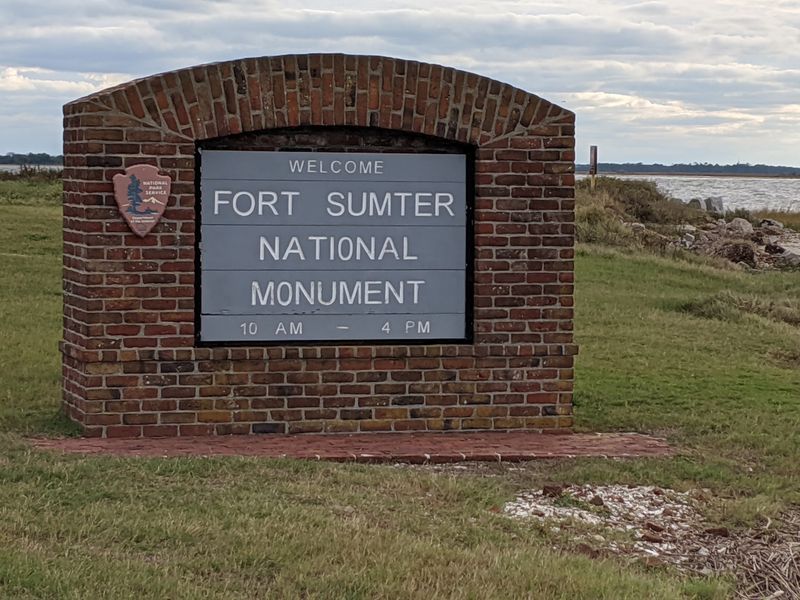
The Civil War did not start with a speech or a vote. It started with cannon fire aimed at this federal fort sitting in Charleston Harbor on April 12, 1861.
That moment turned years of political tension into open armed conflict, and Fort Sumter is where you feel the weight of that shift most clearly.
Today, Fort Sumter is part of Fort Sumter and Fort Moultrie National Historical Park, managed by the National Park Service. Getting there requires a ferry ride, since private boats are not permitted at the fort.
That short trip across the harbor gives you time to think about what it must have felt like approaching those walls during the war.
The park is closed on major holidays including New Year’s Day, Thanksgiving, and Christmas. Plan accordingly, especially during the busy spring and summer seasons when ferry spots fill up fast.
Antietam National Battlefield, Maryland
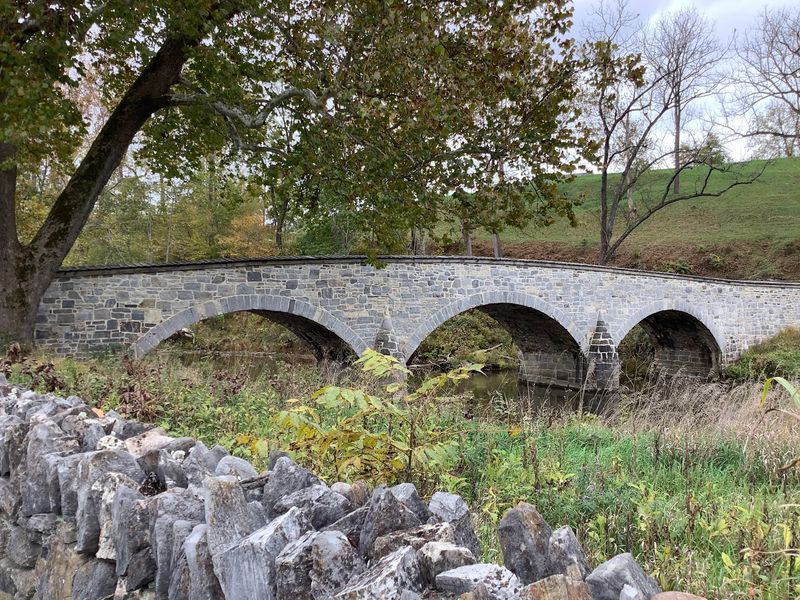
September 17, 1862 produced roughly 23,000 soldiers killed, wounded, or missing in a single day of fighting near Sharpsburg, Maryland. That number is staggering, and walking the Antietam battlefield makes it feel real in a way that reading about it simply cannot.
Beyond the raw scale of the casualties, Antietam carries a second layer of significance. The Union’s ability to claim the battle as a victory gave Abraham Lincoln the political standing to issue the preliminary Emancipation Proclamation, shifting the war’s purpose in a way that changed everything that followed.
The National Park Service preserves the battlefield and connects visitors to the story through exhibits, driving tours, and ranger programs. The September 17 anniversary and the annual Memorial Illumination are two standout events worth planning around.
The battlefield is open year-round, making it a strong choice for any season of travel in western Maryland.
Shiloh National Military Park, Tennessee
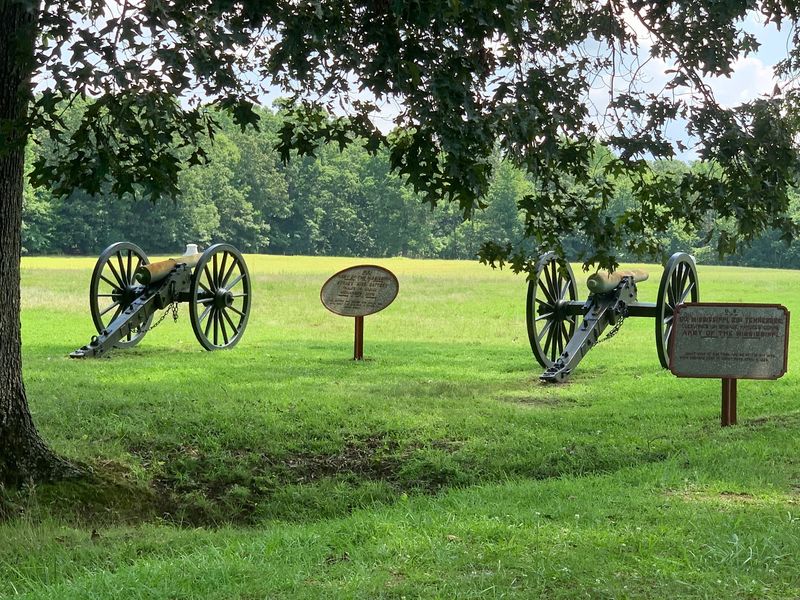
Before Shiloh, many people on both sides believed the war would be short. After April 6 and 7, 1862, almost nobody thought that anymore.
The National Park Service records that the battle produced 23,746 casualties, a number that exceeded all of America’s previous wars combined up to that point.
Shiloh National Military Park sits in a surprisingly peaceful setting near the Tennessee River, which makes the contrast between the landscape and the history feel striking. The Visitor Center is open daily from 9 a.m. to 5 p.m. and includes a film, exhibits, and battlefield driving roads that help visitors piece the two-day fight together.
The nearby Corinth Civil War Interpretive Center adds context about the Western Theater campaign that continued after the battle. Together, these two sites tell a connected story about how the war in the West unfolded in ways that shaped the entire conflict’s outcome.
Vicksburg National Military Park, Mississippi
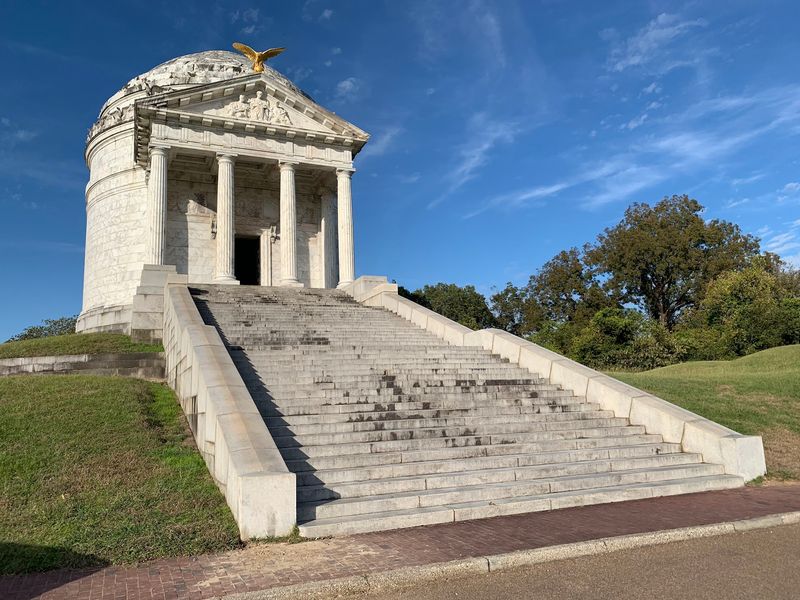
Control of the Mississippi River was one of the Union’s central war aims, and Vicksburg is where that goal was finally achieved. When the city surrendered on July 4, 1863, Union forces split the Confederacy in two, cutting off supplies, troops, and communication between the eastern and western Confederate states.
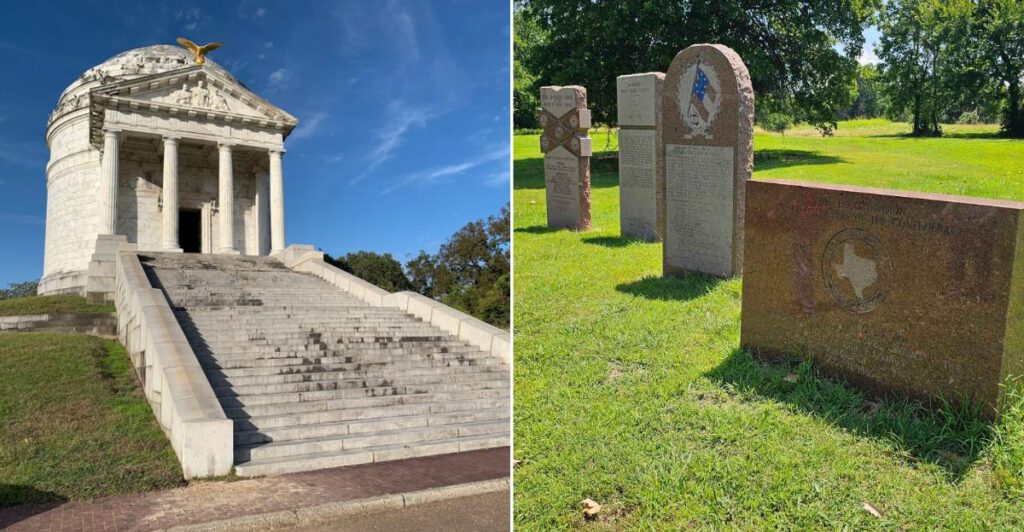
What makes Vicksburg National Military Park especially compelling is how many different stories it holds at once. Military strategy, river geography, the suffering of civilians during a 47-day siege, and the memorial landscape built in the decades after the war all come together in one place.
The tour road is open daily from 8:30 a.m. to 5 p.m., with the last vehicle entry at 4:40 p.m. The park closes on Thanksgiving, Christmas Day, and New Year’s Day.
State monuments from across the country line the tour route, giving the site a scale that sets it apart from most other Civil War parks.
Fort Pillow State Historic Park, Tennessee
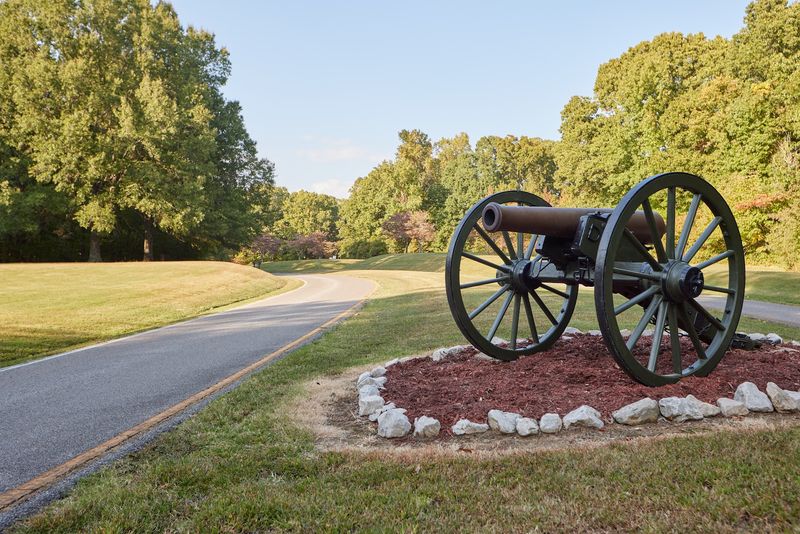
Perched on the Chickasaw Bluffs above the Mississippi River, Fort Pillow carries one of the most painful stories of the entire war. On April 12, 1864, Confederate forces under General Nathan Bedford Forrest attacked the fort, and Black Union soldiers were killed after the assault in what became a widely documented atrocity that shocked the North.
The site is central to understanding how race, military service, and violence intersected during the Civil War. Tennessee State Parks describes Fort Pillow as a 1,642-acre park that includes a restored fortification, a museum, hiking trails, and views across the bluffs.
Visiting here is not a light afternoon outing. The history demands attention and reflection.
But the natural setting along the bluffs is genuinely striking, and the combination of outdoor space and difficult history makes Fort Pillow one of the more layered Civil War stops available in the mid-South region.
Andersonville National Historic Site, Georgia
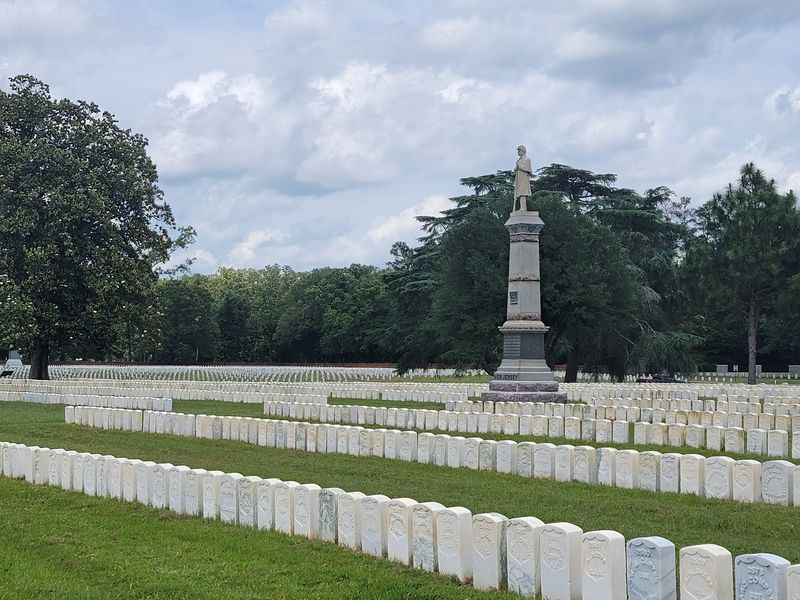
Camp Sumter, known today as Andersonville, confined more than 45,000 Union soldiers during the 14 months it operated. The conditions were catastrophic, and the site became a symbol of the war’s human cost in a way that no battlefield quite captures.
Andersonville National Historic Site today includes the historic prison grounds, Andersonville National Cemetery, and the National Prisoner of War Museum. The museum does not limit its focus to the Civil War.
It traces the experiences of American prisoners of war across every major conflict, making Andersonville relevant to a much wider conversation about captivity, survival, and memory.
The park is closed only on Thanksgiving Day, Christmas Day, and New Year’s Day, leaving it accessible for most of the year. Located in rural southwest Georgia, it sits off the typical tourist path, which somehow makes the experience feel more quiet and more serious.
Few places on this list ask more of a visitor emotionally.
Appomattox Court House National Historical Park, Virginia
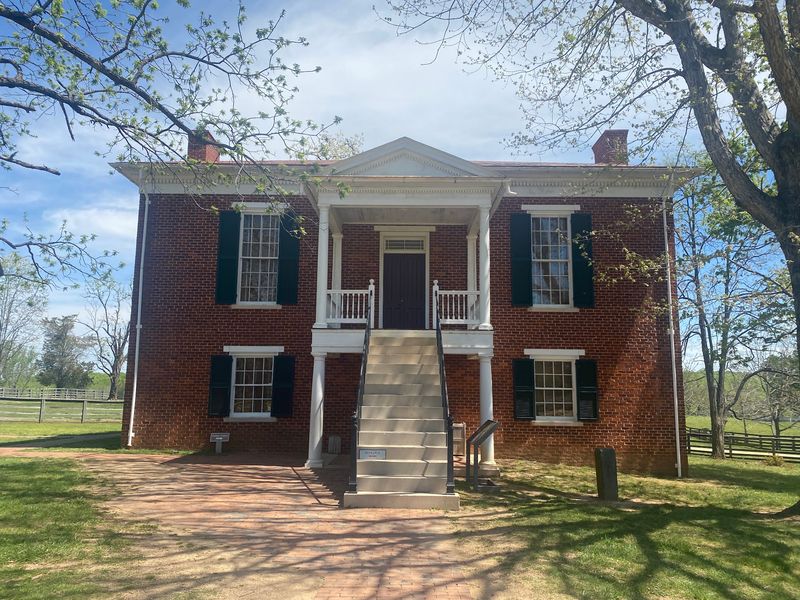
On April 9, 1865, General Robert E. Lee surrendered the Army of Northern Virginia to General Ulysses S.
Grant inside the McLean House at Appomattox Court House. The moment did not immediately end every battle, but it became the symbolic close of the Civil War’s main military chapter.
What visitors find here is not a single building but a preserved village landscape. The National Park Service has reconstructed and restored multiple structures, including the courthouse itself and the McLean House, where the surrender terms were signed.
Walking through the village gives the site a living quality that sets it apart from open-field battlefields.
The park is open daily from 9 a.m. to 5 p.m., with closures on Christmas, New Year’s Day, and Thanksgiving. Ranger programs and exhibits help explain what the surrender meant, why it happened where it did, and what came next for soldiers on both sides.
Harpers Ferry National Historical Park, West Virginia
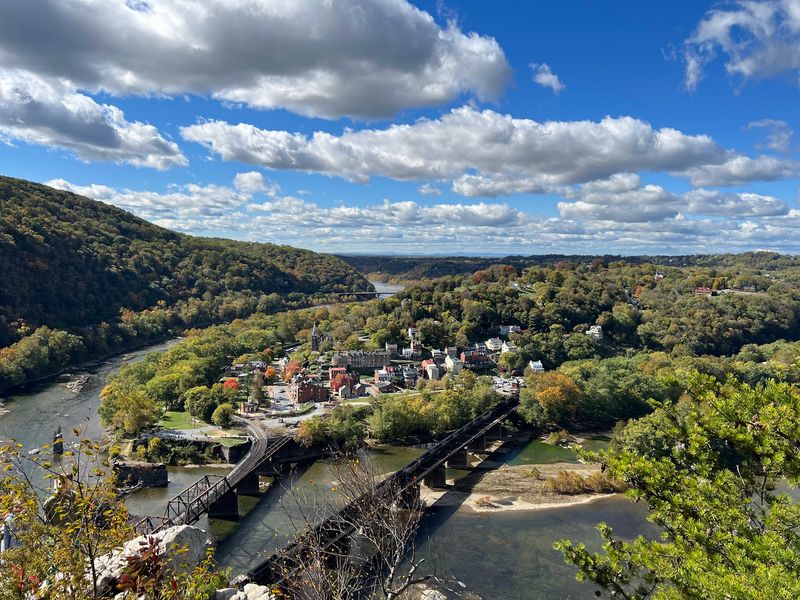
Geography made Harpers Ferry impossible to ignore before, during, and after the Civil War. Sitting at the point where the Potomac and Shenandoah rivers meet, the town controlled key transportation and industrial routes that both sides wanted.
Before the war, John Brown’s 1859 raid on the federal armory here turned Harpers Ferry into a national flashpoint over slavery. The raid failed, and Brown was captured and executed, but the event accelerated the crisis that led to war.
That backstory gives the site a weight that feels different from most battlefield parks.
Harpers Ferry National Historical Park spans parts of West Virginia, Virginia, and Maryland, and includes museums, restored streets, hiking trails, and battlefield landscapes. The park is open year-round except Thanksgiving Day, December 25, and January 1.
The town’s setting alone is worth the visit, but the layered history of abolition, industry, and military strategy makes it genuinely unforgettable.
The Crater at Petersburg National Battlefield, Virginia
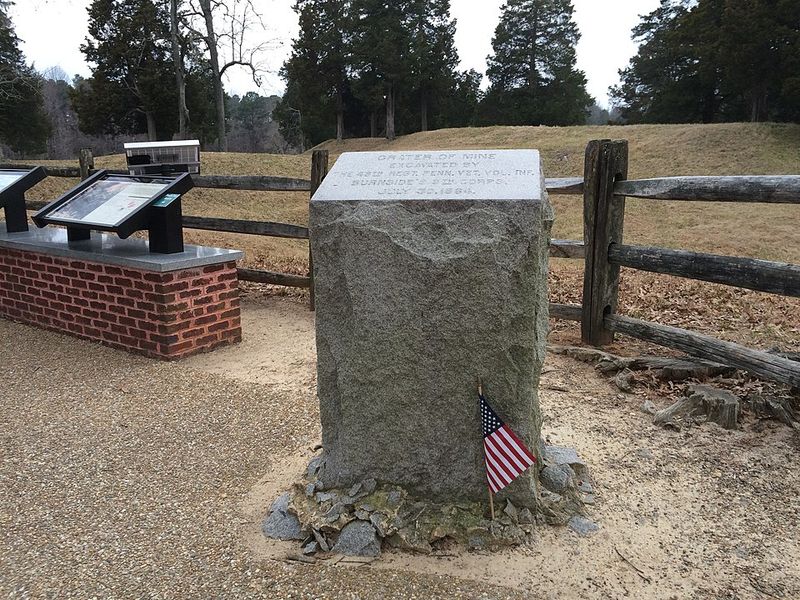
The plan seemed brilliant on paper. In July 1864, Union engineers dug a tunnel beneath Confederate lines during the Siege of Petersburg and packed it with explosives.
The blast tore a massive crater into the ground and was meant to open a gap that Union troops could charge through.
What followed was a disaster. Troops rushed into the crater instead of around it, Confederate forces recovered quickly, and the assault ended in a catastrophic Union loss.
The Crater became one of the war’s most memorable examples of a bold idea collapsing in execution.
Today, the Crater is part of the Eastern Front unit of Petersburg National Battlefield and appears on the self-guided driving tour. The American Battlefield Trust notes that visitors can see a recreation of the mine entrance and remnants of the actual crater.
Petersburg as a whole is undervisited relative to its importance, which makes this site worth the extra attention.
Olustee Battlefield Historic State Park, Florida
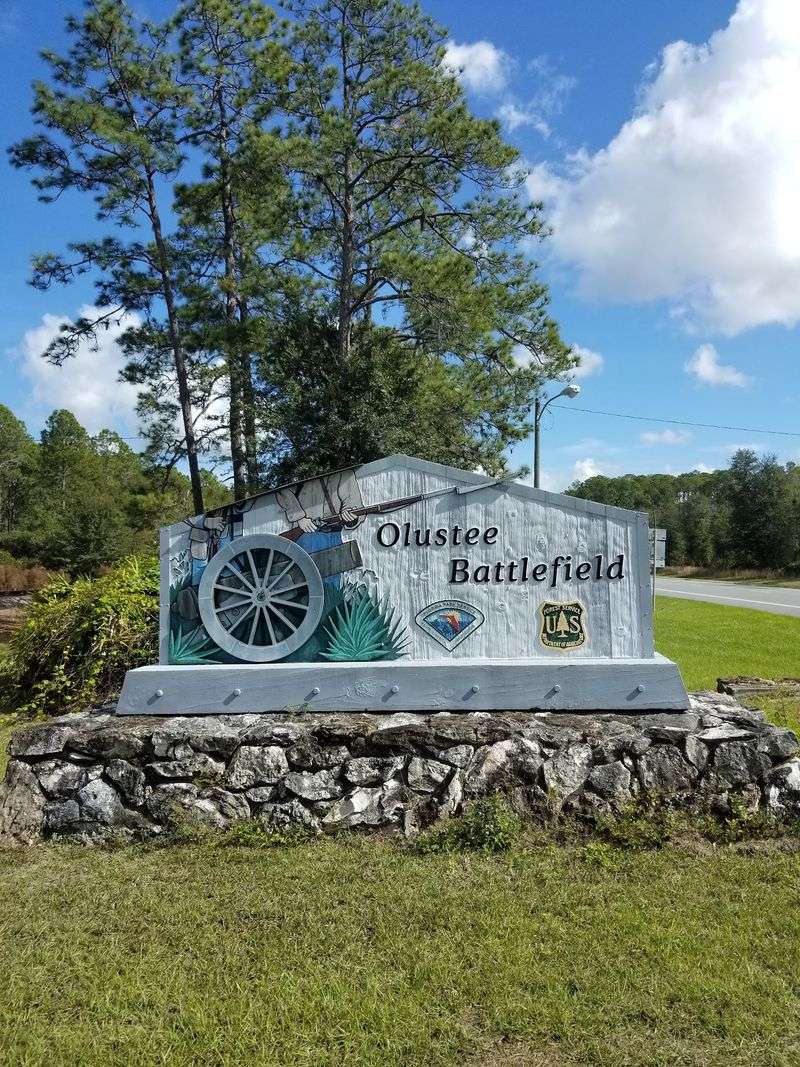
Florida is not the first state most people picture when they think about Civil War battles, which makes Olustee one of those genuinely surprising stops. On February 20, 1864, more than 10,000 troops clashed in a five-hour fight through the pine woods near Olustee, making it the largest Civil War battle ever fought in Florida.
The battle also holds significance for the role of Black Union regiments who fought there, including the 54th Massachusetts Infantry and the 35th United States Colored Troops. Their participation connects Olustee to a broader story about Black soldiers’ contributions to the Union cause.
Florida State Parks describes the site as including a visitor center, trails, and monuments. The park is open year-round, 365 days a year from 9 a.m. to 5 p.m., though the visitor center may have temporary closures.
The annual reenactment held each February draws thousands of visitors and is one of the largest Civil War reenactments in the southeastern United States.
Palmito Ranch Battlefield State Historic Site, Texas
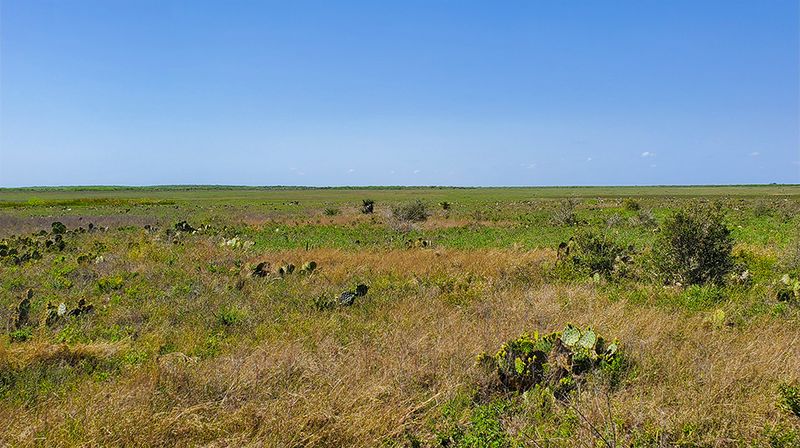
Most people know where the Civil War ended, meaning Appomattox in April 1865. Fewer people know where the last land battle was fought, and that answer is a remote stretch of south Texas near the Rio Grande.
The Battle of Palmito Ranch took place on May 12 and 13, 1865, more than a month after Lee’s surrender.
The Texas Historical Commission identifies Palmito Ranch as the Civil War’s final land battle, placing it east of Brownsville near the southern tip of Texas. The fact that fighting continued after the main surrender reflects how slowly news and orders traveled across the country in 1865.
The American Battlefield Trust notes that the site includes historical markers, U.S. Fish and Wildlife Service viewing platforms with interpretive signage, and a battlefield radio broadcast at 1610 AM.
The remote location near the border gives it a quiet, end-of-the-road quality that feels strangely fitting for the last battle of a long war.
New Market Battlefield State Historical Park, Virginia
Imagine being 15 years old and being ordered into battle. That is exactly what happened to cadets from the Virginia Military Institute during the May 15, 1864 Battle of New Market.
When Confederate forces needed reinforcements in the Shenandoah Valley, VMI cadets, some as young as 15, were called up and fought alongside seasoned soldiers.
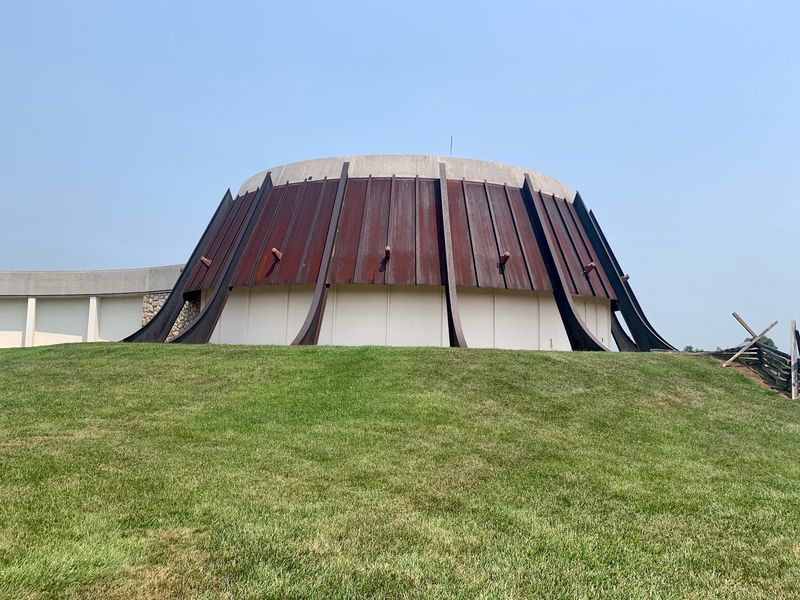
New Market Battlefield State Historical Park preserves the 300-acre battlefield along with the historic Bushong Farm and the Virginia Museum of the Civil War. The museum’s exhibits cover the Shenandoah Valley’s wartime importance and the broader context of the 1864 campaigns that ran through the region.
The Virginia Museum of the Civil War is open daily from 9 a.m. to 5 p.m., with closures on Thanksgiving, Christmas Eve, Christmas Day, and New Year’s Day. The combination of a walkable battlefield, a working historic farmstead, and a strong museum makes New Market one of the Shenandoah Valley’s most complete Civil War experiences.
Port Royal, South Carolina
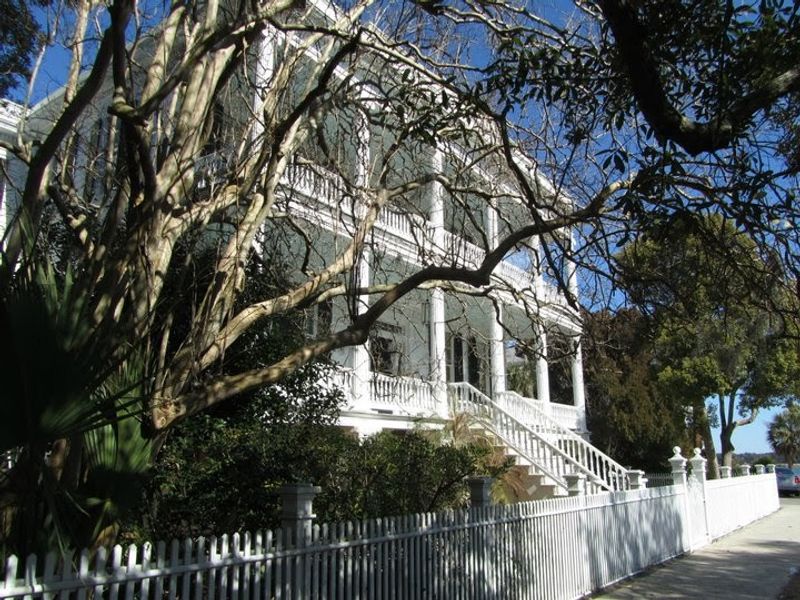
Port Royal’s Civil War chapter began in November 1861 when Union naval forces captured the Sea Islands region of South Carolina. What followed was not just a military occupation.
It became one of the earliest and most significant experiments in what freedom could actually look like for people escaping enslavement.
The Port Royal Experiment brought together formerly enslaved people, Northern teachers, missionaries, and federal officials in an effort to build new community institutions through education, labor, and land access. Schools, churches, and civic organizations took shape in ways that shaped Reconstruction policy across the South.
The National Park Service connects Port Royal’s story to Reconstruction Era National Historical Park, with nearby sites including Mitchelville Freedom Park, Penn Center, and the Mather School Interpretive Center. In Port Royal itself, Pinckney-Porters Chapel serves as a visitor contact station for the park.
For anyone trying to understand how freedom was built, not just declared, this region is essential.
Fort Monroe National Monument, Virginia
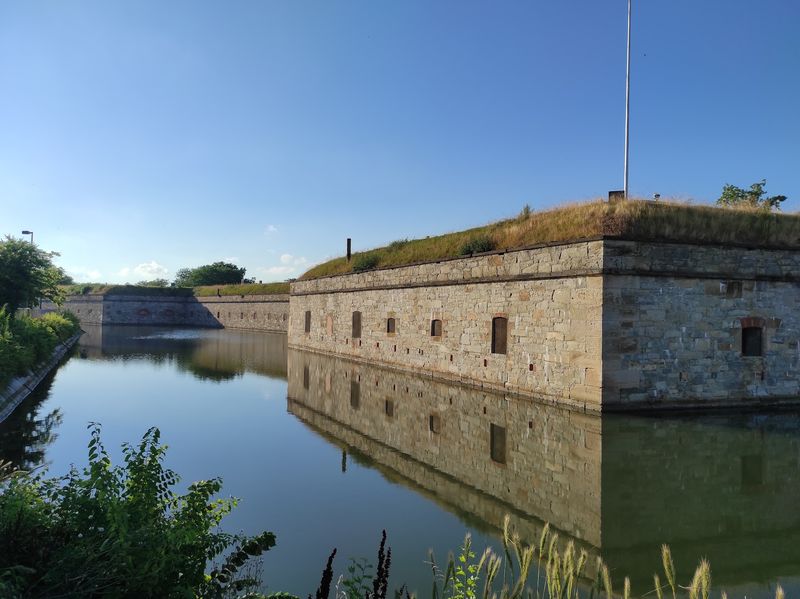
Long before it became a Civil War site, Fort Monroe was already part of American history. But the Civil War gave it a new meaning that still resonates.
When enslaved people crossed into Union lines at Fort Monroe in 1861, the fort’s commander declared them contraband of war, effectively refusing to return them. That decision set a legal and moral precedent that spread across Union-held territory.
The National Park Service calls Fort Monroe “Freedom’s Fortress,” and the name fits. The fort became a destination for people self-emancipating from slavery throughout the war, making it central to the story of how freedom was claimed from the ground up, not just handed down.
The fort’s history stretches even further, touching on Indigenous presence and the 1619 arrival of the first enslaved Africans in English Virginia. Today, the park grounds are open daily from 5 a.m. to 11:59 p.m. year-round, making it an accessible stop near Hampton Roads.
Honey Springs Battlefield, Oklahoma
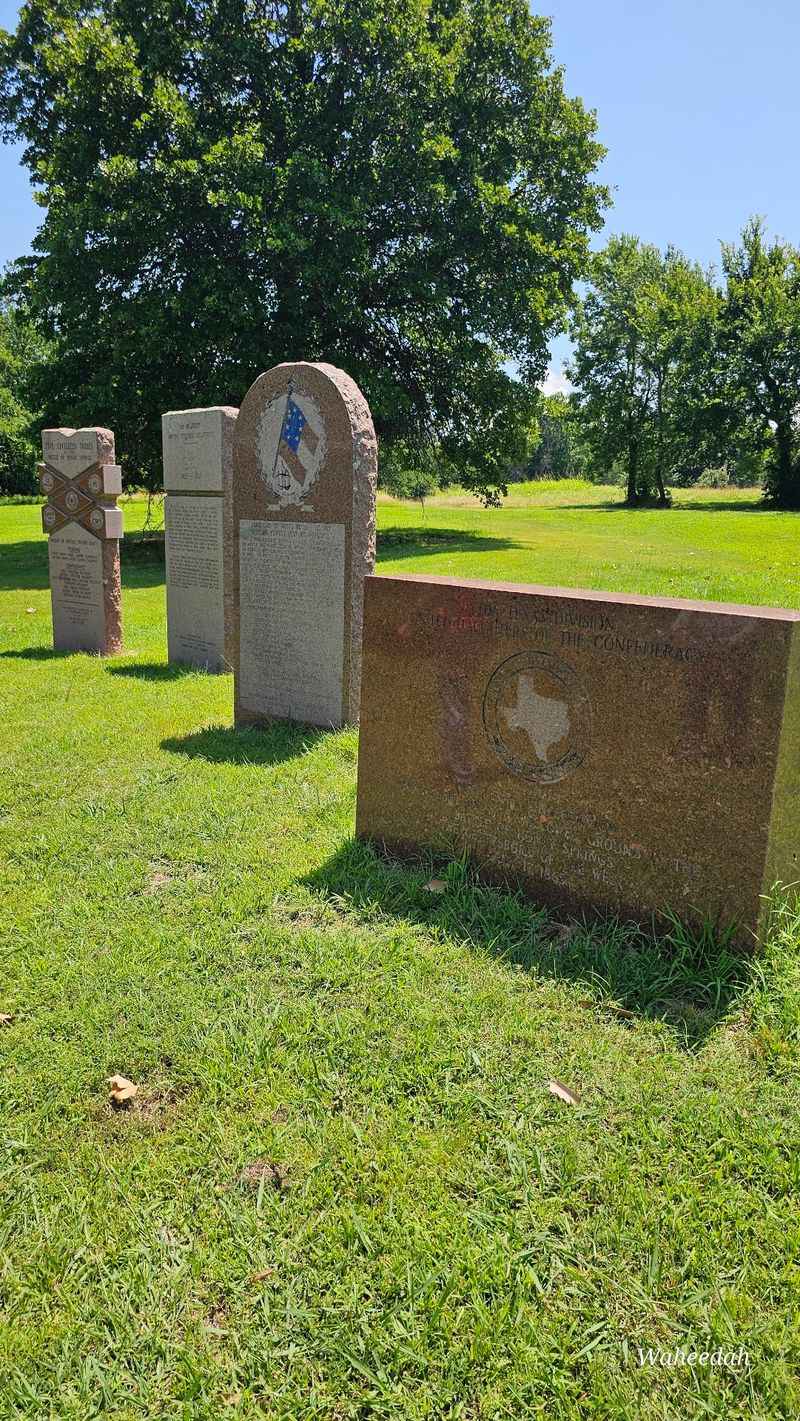
The Civil War in Indian Territory is one of the least-taught chapters of the conflict, and Honey Springs Battlefield is the best place to start correcting that. On July 17, 1863, the battle brought together Native American, Black, white, and Hispanic soldiers fighting on both sides, making it one of the most diverse engagements of the entire war.
The Oklahoma Historical Society operates Honey Springs Battlefield, and TravelOK notes that the site includes six walking trails with 55 interpretive signs. Those signs do real work, explaining not just the battle’s military details but also the complicated loyalties and alliances that divided the Five Civilized Tribes during the war.
Current visitor hours run Tuesday through Saturday, 9 a.m. to 4:30 p.m., with specific holiday and seasonal closings posted for 2026. Located southeast of Muskogee, Oklahoma, Honey Springs is the kind of place that genuinely changes how you think about who was fighting in the Civil War and why.
Glorieta Pass Battlefield, New Mexico
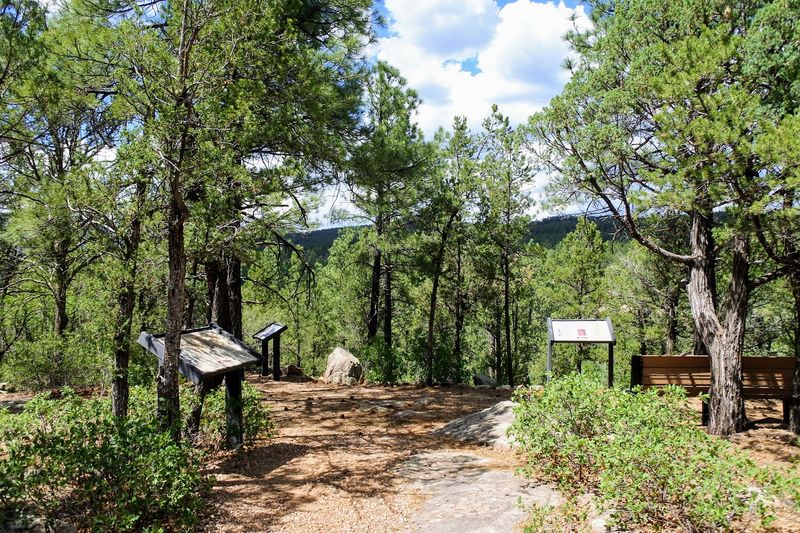
The Civil War reached New Mexico in the winter of 1862, when Confederate forces pushed north through the territory with ambitions to control the Southwest and potentially reach California’s gold. The Battle of Glorieta Pass in March 1862 stopped that plan cold, earning it the nickname “the Gettysburg of the West.”
The battlefield is preserved within Pecos National Historical Park, which layers thousands of years of history into a single location. Indigenous pueblo ruins, Spanish colonial mission remains, and the Civil War battlefield trail all share the same landscape, making Pecos one of the most historically dense parks in the National Park Service system.
The Glorieta Battlefield Trail is open from 8 a.m. to 4:30 p.m. all year, giving visitors a direct way to explore the terrain where the fighting took place. The park itself is closed on Thanksgiving Day, Christmas Day, and New Year’s Day.
The high desert setting and the sheer unexpectedness of a Civil War story in New Mexico make this stop genuinely memorable.
Camp Nelson National Monument, Kentucky
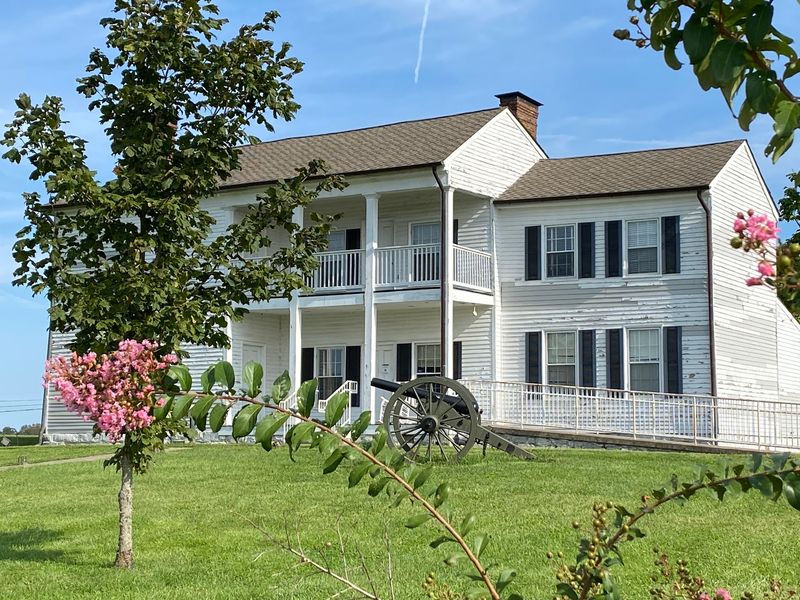
Camp Nelson started as a Union supply depot in 1863, but its role quickly expanded into something far more significant. The U.S.
Army established it as a fortified base in central Kentucky, and it grew into one of the most important recruiting and training centers for United States Colored Troops in the entire country.
Thousands of Black men enlisted at Camp Nelson, and their families often followed, seeking refuge from slavery and the dangers of war. The camp’s response to those civilian refugees was complicated and sometimes brutal, but the site ultimately became a place of community formation and survival.
Today, the National Monument includes trails, a visitor center, museum exhibits, and reconstructed barracks. The National Park Service lists the visitor center, museum, and reconstructed barracks as open seven days a week from Memorial Day through Labor Day 2026, 9 a.m. to 5 p.m.
Camp Nelson tells a story about Black military service and family resilience that belongs in any serious exploration of the Civil War.
The White House of the Confederacy, Richmond, Virginia
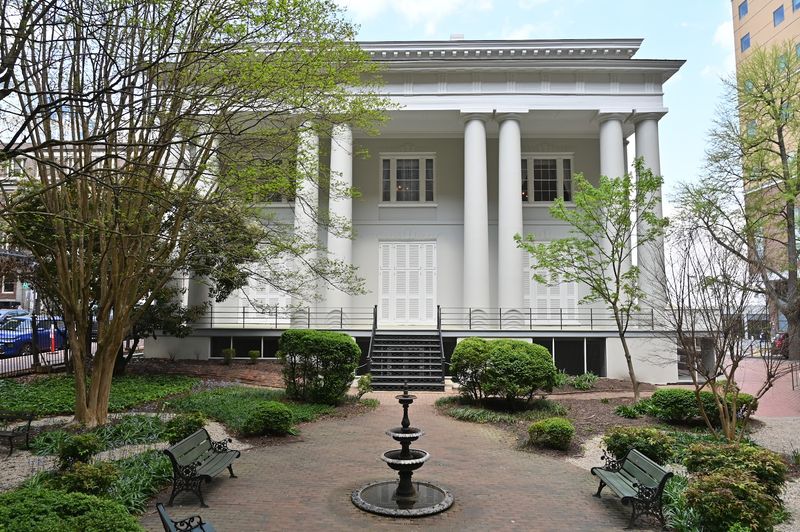
Richmond served as the Confederate capital, and the White House of the Confederacy was its political and domestic center. Built in 1818, the National Historic Landmark served as the Confederate Executive Mansion during the war and was home to Jefferson Davis, his wife Varina, and their children throughout much of the conflict.
Operated today by the American Civil War Museum, the site offers guided tours through restored public rooms and private living spaces. The interpretation covers not just the Davis family but also the enslaved people who worked within the household, adding a layer of honesty that distinguishes this from a straightforward presidential home tour.
Daily tours are available, making it an active and accessible historic house museum in the heart of Richmond. Combined with the nearby American Civil War Museum at Tredegar, the White House gives visitors a chance to understand the Confederate government’s inner workings and the city that housed it.
Richmond’s Civil War landscape rewards a full day of exploration.
Share this story