Some of the most useful inventions in history were met with eye-rolls, skepticism, and outright disbelief when they first appeared. People asked why they needed a machine to talk across a wire, or why they would ever stare at moving pictures on a box in the living room.
Looking back now, it is almost funny how hard it was to see where these ideas were headed. From the telephone to social media, the inventions on this list all share the same story: people doubted them first, then could not imagine life without them.
The Telephone
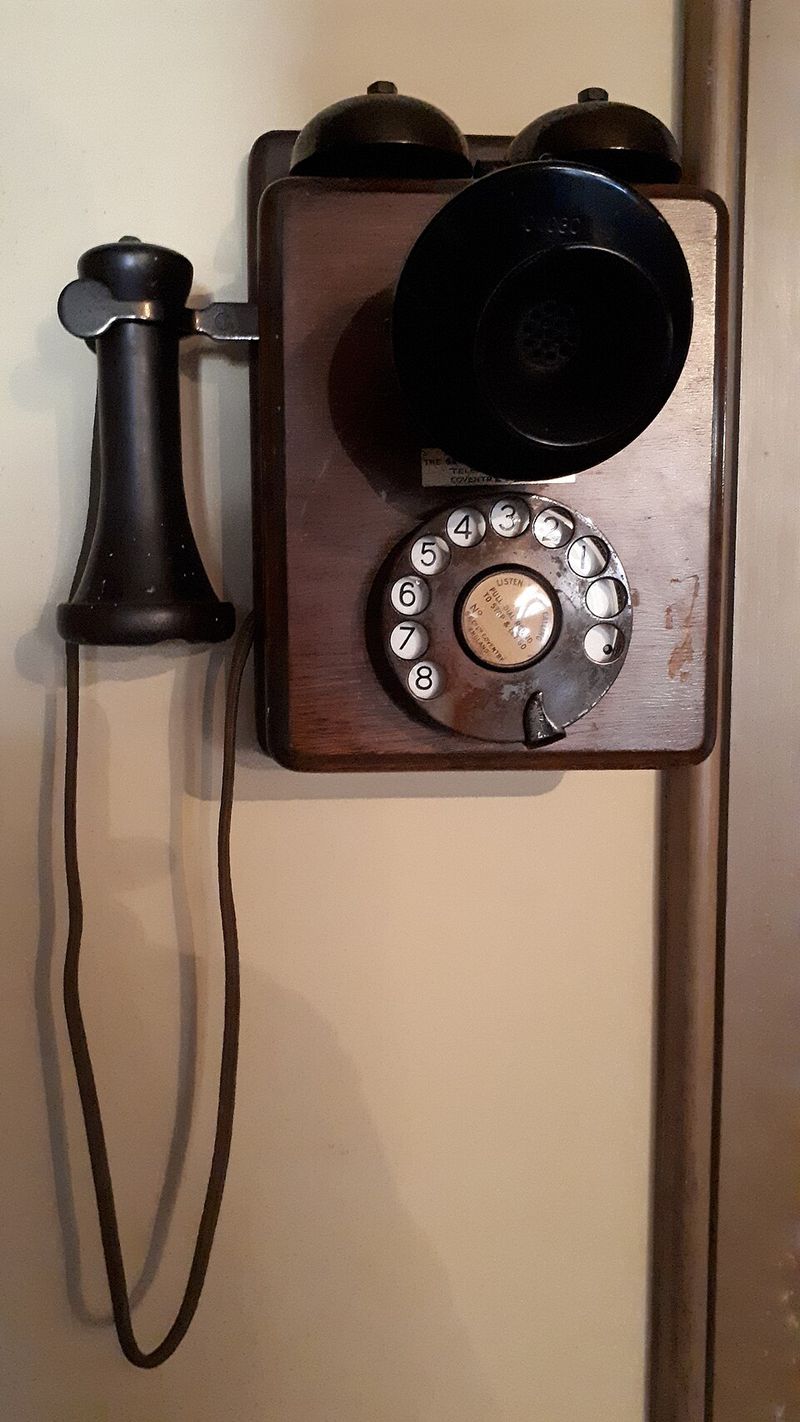
Alexander Graham Bell received his patent for the telephone in 1876, and the reaction from much of the public was less than enthusiastic. People had grown comfortable sending written messages over telegraph wires, and the idea of a machine carrying a human voice felt strange and unnecessary to many.
Some critics famously dismissed the device as a novelty with no real commercial future. Even Bell’s own attempts to sell the patent early on were turned down by companies that could not see the value in it.
That skepticism did not last long. Telephone networks spread across cities, then across countries, connecting businesses, families, and governments in ways that reshaped daily communication entirely.
Landlines became household fixtures, and eventually mobile phones made voice calls portable. Today, the telephone survives in a dramatically different form, but its original promise of letting two people speak across a distance almost instantly remains the same foundation underneath every modern device.
The Automobile
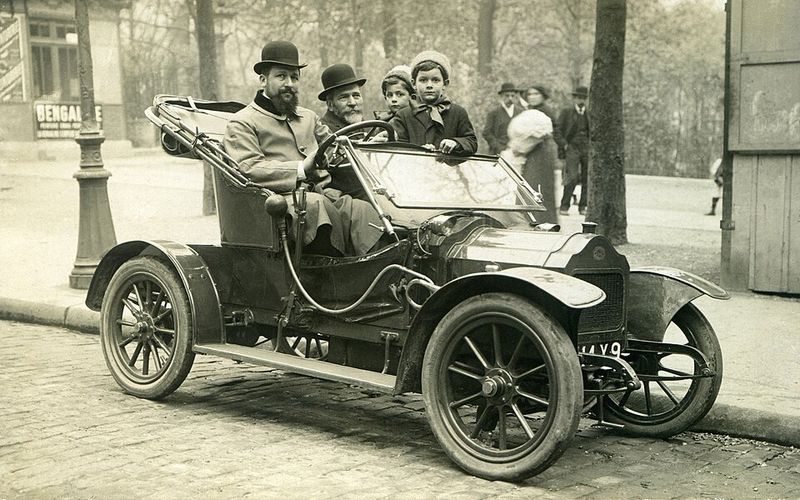
When early automobiles first appeared on public roads, they were competing against horses, railways, and a transportation system that already worked reasonably well for most people. The machines were loud, expensive, and broke down often enough to test anyone’s patience.
Public anxiety ran high enough that some local governments passed laws limiting how fast motor vehicles could travel, and in a few places, required someone to walk ahead of the car carrying a red flag as a warning. The car was not exactly welcomed with open arms.
What changed everything was a combination of better engineering, mass manufacturing, and falling prices. Henry Ford’s assembly line approach brought automobiles within reach of ordinary working families, and roads gradually improved to match the demand.
Cars eventually reshaped suburbs, commuting patterns, tourism, freight networks, and even the physical layout of cities. Today, the global economy runs largely on roads built for vehicles that people once thought were impractical toys.
The Microwave Oven
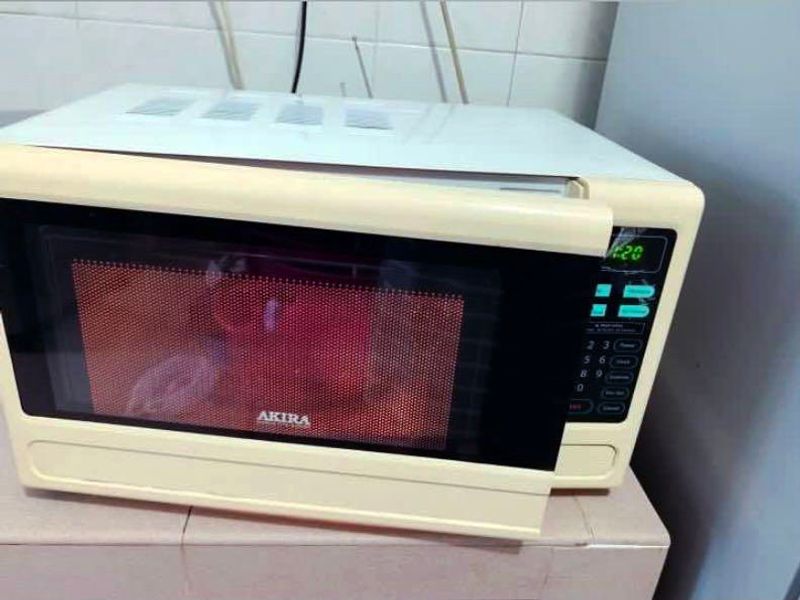
The microwave oven’s origin story is genuinely surprising. Engineer Percy Spencer was working with magnetron tubes for radar equipment in the 1940s when he noticed that a chocolate bar in his pocket had melted near the device.
That accidental observation eventually led to the first commercial microwave ovens.
Those early machines were enormous, standing nearly six feet tall and weighing hundreds of pounds. They were designed for restaurants and commercial kitchens, not homes.
The idea of cooking food with invisible waves also made some consumers uneasy about whether the process was safe.
Decades of refinement produced the compact countertop models that became familiar in kitchens everywhere. Prices dropped, designs shrank, and the microwave found its role: reheating leftovers, defrosting frozen items, warming beverages, and softening butter in seconds.
Few appliances demonstrate as clearly how an invention born from industrial research can travel all the way to a spot on an ordinary kitchen counter.
The Personal Computer
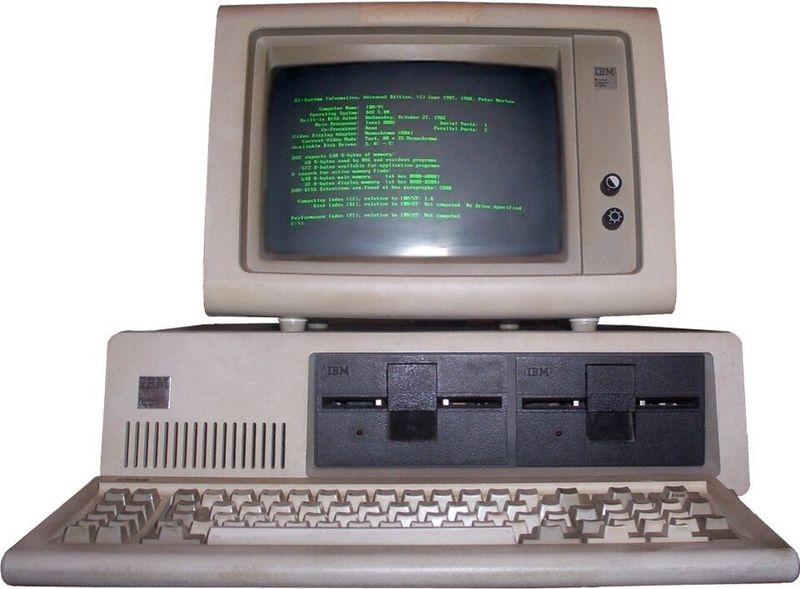
For most of computing’s early history, computers were massive machines locked away in government facilities and corporate data centers. They required trained operators, took up entire rooms, and processed information for tasks that had nothing to do with everyday household life.
Calling one a personal device would have seemed absurd.
When smaller machines began appearing in the mid-1970s, they first attracted hobbyists who built them from kits. Then came machines like the Apple II, the Commodore PET, and the TRS-80, which manufacturers hoped would find a consumer audience.
The challenge was convincing ordinary families what they would actually do with one at home.
That question got answered gradually and then all at once. Word processing, spreadsheets, games, and educational software gave people real reasons to buy.
By the 1990s, personal computers were standard equipment in homes, schools, and offices. Today, the idea of not having one feels about as strange as the idea of owning one once did.
The Internet

The internet did not begin as a place to watch videos, shop for shoes, or scroll through photographs. Its earliest form was a research and government network called ARPANET, designed to share information between universities and defense facilities.
Consumer applications were not part of the original picture.
When public internet access started becoming available in the early 1990s, connections were slow, websites looked like plain text documents, and the list of things you could actually do online was short. Many people genuinely could not understand why they would pay for access to something so limited.
Search engines changed that. Then came email, e-commerce, social networking, streaming video, cloud storage, and mobile internet access.
The Internet Society was founded in 1992 as the network entered a critical period of growth and standardization. Within a generation, the internet went from a curiosity that confused most people to infrastructure as fundamental as running water in many parts of the world.
Smartphones
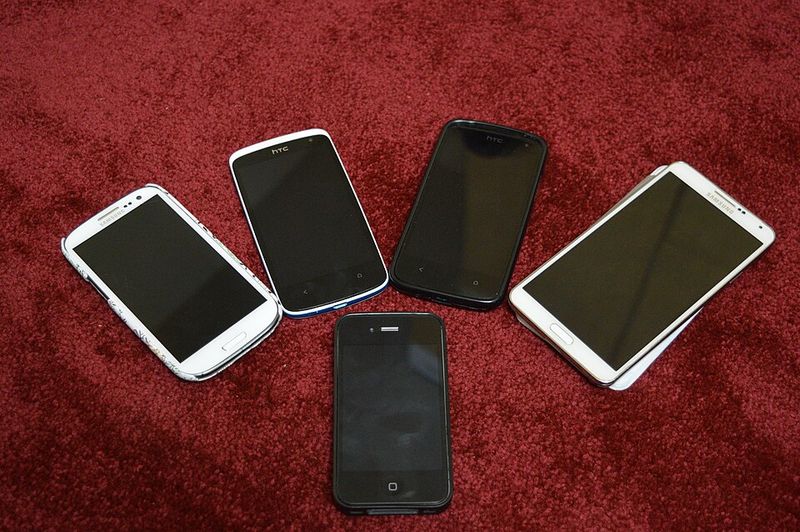
Mobile phones were already popular when Apple introduced the original iPhone in January 2007 and released it in the United States on June 29 of that year. The question many people asked was simple: why would a phone need to browse the internet, play music, and run software applications?
Some technology analysts at the time doubted the device would succeed without a physical keyboard, and the price seemed steep compared to standard phones already on the market. The skepticism was not unreasonable given what people expected a phone to do.
Apple announced that one million iPhones had sold within just 74 days of launch. Competitors responded quickly, and within a few years smartphones had replaced cameras, GPS devices, music players, alarm clocks, and pocket maps for millions of people.
Today these devices function as wallets, work tools, entertainment centers, and communication hubs carried almost everywhere. The phone that seemed unnecessary became the one thing most people check first thing every morning.
Airplanes

Centuries of failed flying machines had given plenty of people good reason to doubt that controlled powered flight was actually possible. Inventors had tried and crashed repeatedly, and the general public had grown somewhat comfortable with the assumption that humans were meant to stay on the ground.
Then on December 17, 1903, Orville Wright piloted a heavier-than-air machine at Kitty Hawk, North Carolina, and stayed airborne for 12 seconds. It was not a long flight by any measure, but it was a real one, controlled and repeatable.
From that fragile wooden aircraft, aviation progressed with remarkable speed. Within decades, passenger airlines were crossing oceans.
Military aircraft changed the nature of warfare. Cargo planes moved freight across continents overnight.
Today, commercial aviation connects nearly every major city on earth, and air travel has become routine enough that passengers routinely fall asleep before the plane even finishes climbing. Few inventions traveled so far so fast from their starting point.
Television
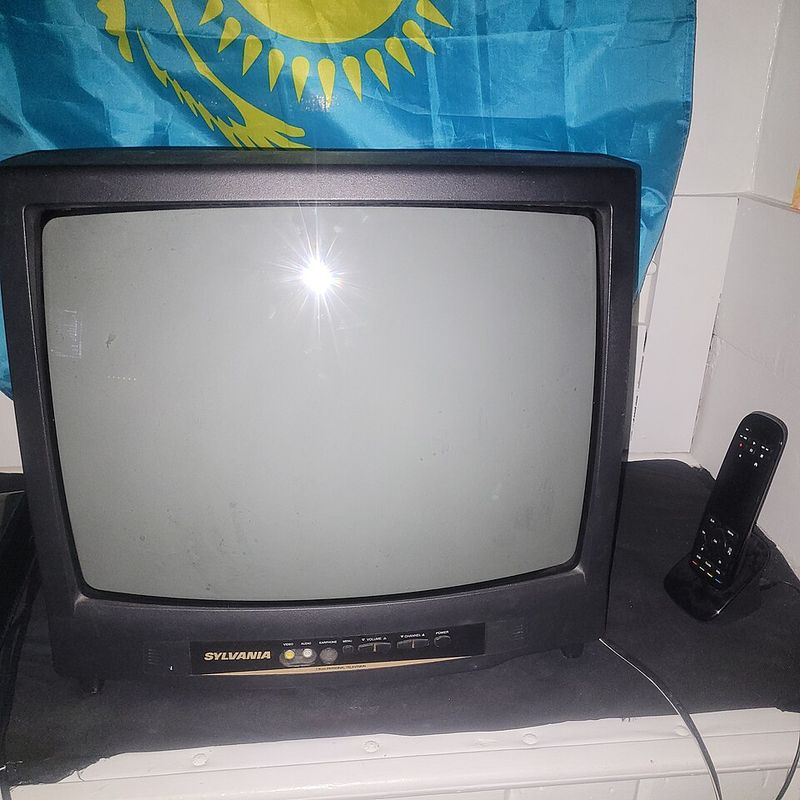
Radio was already doing a remarkable job entertaining people when television came along. Families gathered around radio sets for news, comedy programs, live sports, and drama.
The idea of adding a picture to that experience was interesting in theory, but it required buying an expensive new device that many felt was an unnecessary upgrade.
Television experiments during the 1920s and 1930s demonstrated that moving images could be transmitted wirelessly into homes. After World War II, television ownership expanded rapidly across the United States and Europe.
By the 1950s, it had become the center of living room life in millions of households.
The medium transformed politics, advertising, and popular culture in ways that radio never could. Presidential debates, moon landings, and major news events became shared visual experiences for entire nations simultaneously.
Screens have changed enormously since those early boxy sets, and streaming now competes with traditional broadcasting. Yet the core idea of delivering visual entertainment and information into homes remains as powerful as ever.
The Electric Light Bulb
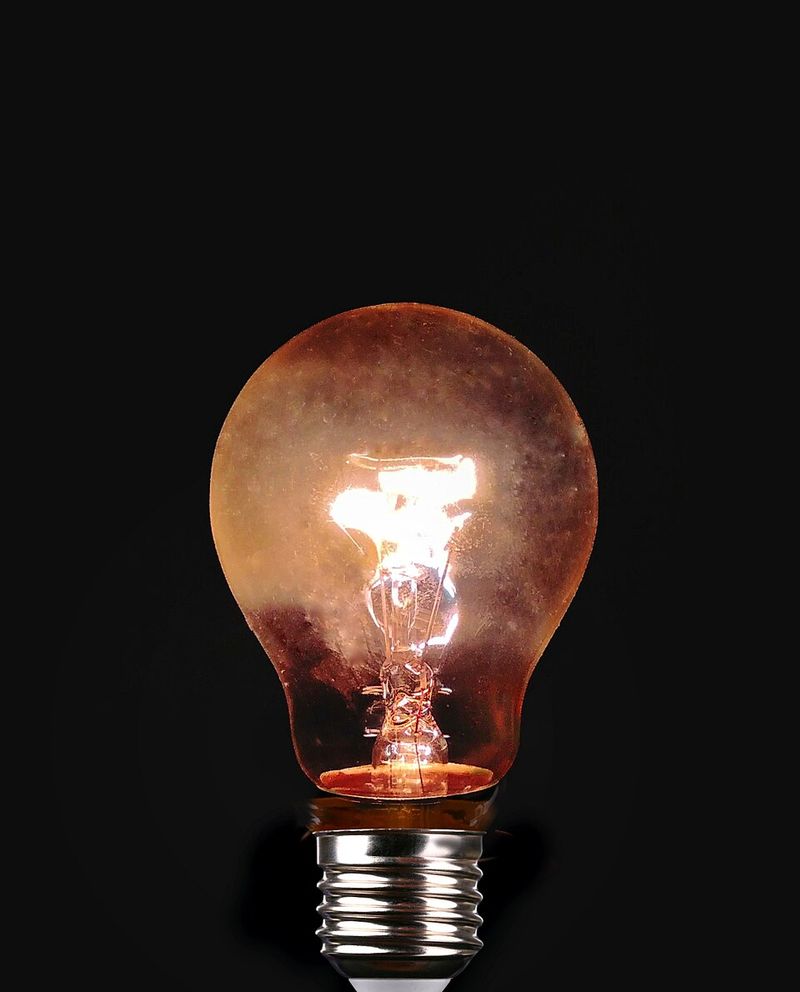
Electric lighting entered a world that already had working solutions for illumination. Candles, oil lamps, and gas lighting were reliable, affordable, and familiar.
Asking people to replace a system they trusted with something new and unfamiliar required more than just a glowing bulb.
Thomas Edison understood that the light bulb alone was not enough. He worked to develop the entire supporting system: generating stations, wiring networks, meters, and a business model that could compete with established gas companies.
His Pearl Street Station in New York, which opened in 1882, was one of the first commercial power stations to supply electricity to customers for lighting.
Once electric systems spread through cities and eventually into homes, the advantages became hard to argue with. Electric lighting extended working and social hours beyond sunset, improved safety compared to open flames, and helped drive the broader electrification of modern life.
What once seemed like an expensive experiment eventually made gas lamps look like the outdated technology.
Refrigerators
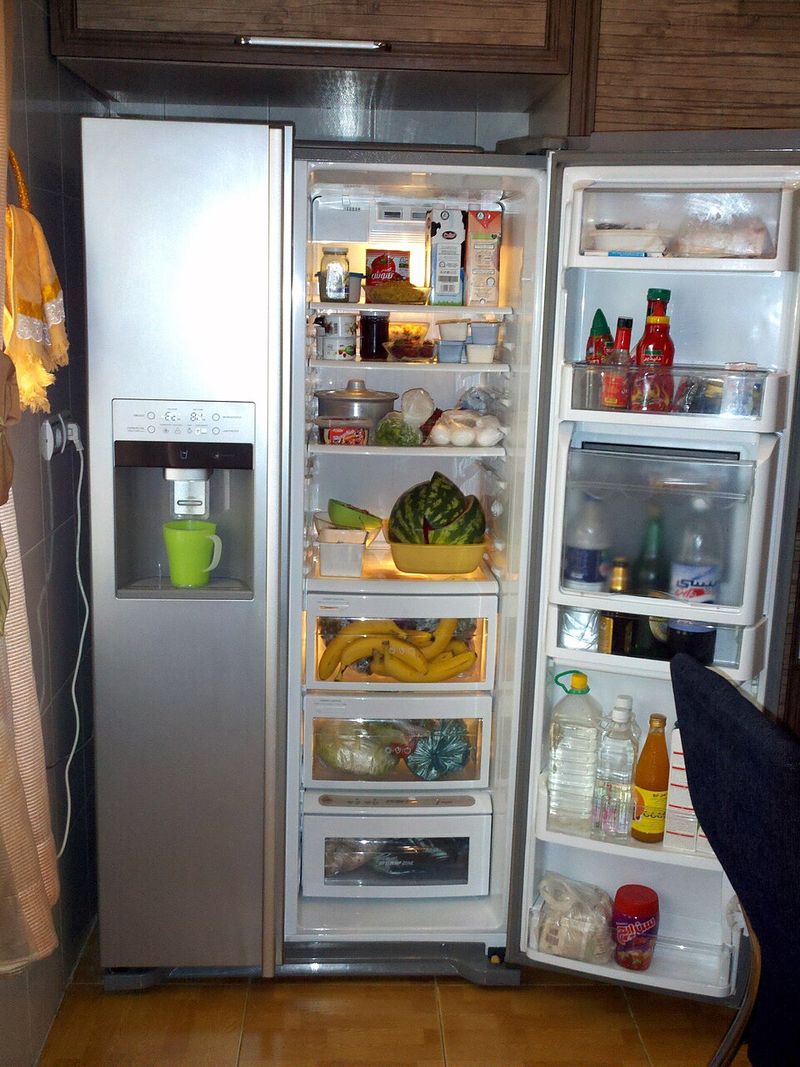
Before electric refrigerators became common household items, keeping food from spoiling required real planning. Families relied on root cellars, iceboxes stocked with delivered ice, salting, drying, canning, and frequent trips to market.
These methods worked, which made the expensive and unfamiliar refrigerator a genuinely hard sell.
Early mechanical refrigerators also had a reputation problem. Some models used refrigerants that were toxic or flammable, raising legitimate safety concerns.
Manufacturers had to address those issues before consumers felt comfortable putting one in the kitchen next to the children.
As safer designs and more affordable prices arrived through the 1930s and 1940s, adoption grew steadily. The refrigerator changed how families shop, cook, and plan meals.
Milk, meat, produce, and leftovers could be kept safely for days rather than hours. Modern grocery retail and food distribution depend on refrigeration throughout the entire supply chain.
An appliance once considered a luxury became one that most modern kitchens genuinely cannot operate without.
Wristwatches
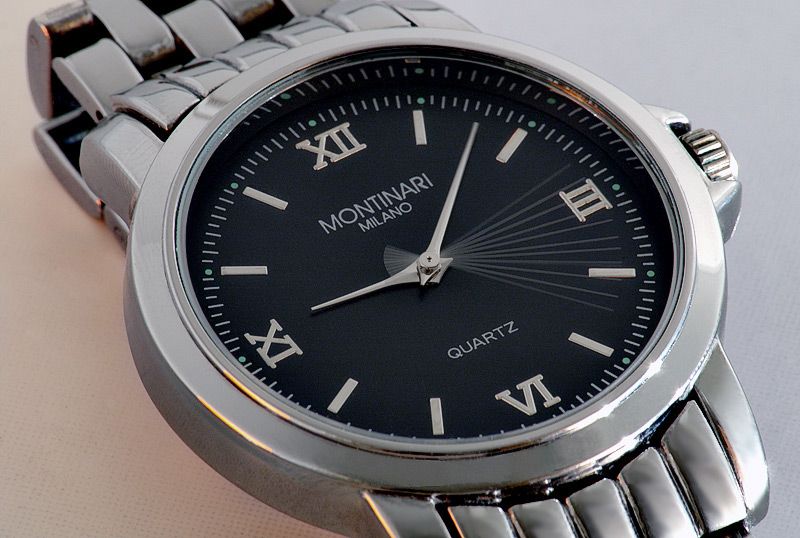
Pocket watches were the respectable choice for timekeeping among men for generations. Wearing a watch on the wrist was considered a feminine fashion accessory, associated with delicate jewelry rather than serious timekeeping.
The idea of a man strapping a watch to his wrist raised eyebrows in certain social circles.
Practicality changed the conversation. Soldiers in the field during the late 19th and early 20th centuries found wristwatches far more useful than pocket watches when both hands were occupied.
Military adoption helped shift the cultural perception from feminine accessory to practical tool.
By the mid-20th century, wristwatches had become standard accessories for men and women alike. Mechanical movements gave way to automatic winding, then quartz accuracy, then digital displays.
Smartwatches have since added notifications, fitness tracking, navigation, and payment functions to the wrist. The specific technology has changed dramatically across each generation, but the original convenience of having the time visible at a glance has never gone out of style.
Credit Cards
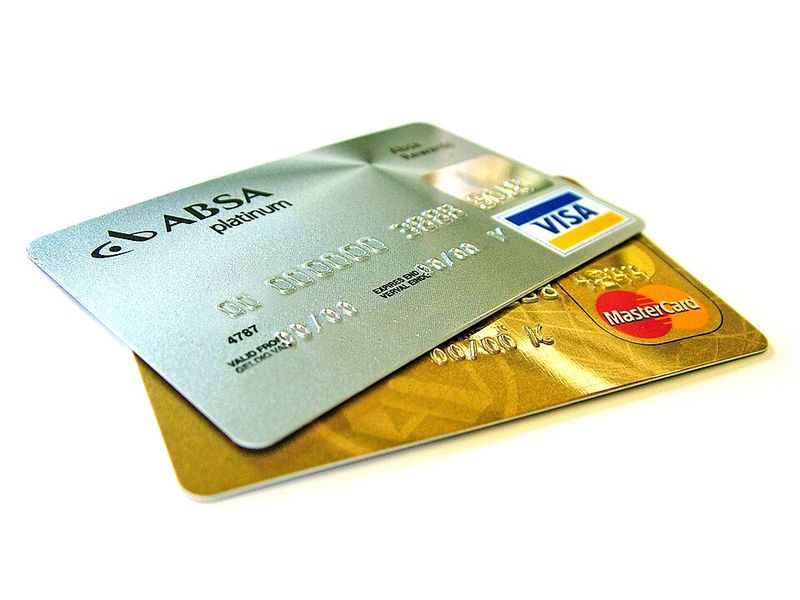
Cash was king for most of consumer history, and checks were the closest thing to a modern payment alternative. When credit cards began expanding in the mid-20th century, the concept of handing over a piece of plastic and promising to pay later required a significant leap of trust from both shoppers and merchants.
The Diners Club card, introduced in 1950, is widely credited as one of the first general-purpose charge cards. Early networks were limited, acceptance was inconsistent, and plenty of businesses simply refused to participate.
Many consumers remained skeptical about borrowing money for everyday purchases.
As acceptance networks grew and authorization systems became faster and more reliable, credit cards gradually replaced cash for a wide range of transactions. Their influence now extends well beyond the physical card itself, shaping online shopping, digital wallets, contactless payments, subscriptions, and international commerce.
The infrastructure built around plastic payment cards processes millions of transactions daily across nearly every corner of the global economy.
Elevators

Lifting people vertically inside a building was not a new idea in the 1800s, but doing it with passengers aboard a mechanically operated platform created an obvious trust problem. Early hoisting systems had a reputation for rope failures, and putting human beings inside one required convincing them that the machine would not drop them.
Elisha Otis addressed that fear directly in 1854 with a public demonstration at the New York Crystal Palace Exhibition. He rode a platform high above the crowd and had the hoisting rope cut, showing that his safety brake system would hold.
It was a dramatic and effective piece of salesmanship.
Once passenger elevators proved reliable, architects gained a new freedom. Buildings no longer needed to stay at heights people were willing to climb by stairs.
Skyscrapers, apartment towers, hospitals, and hotels grew taller because elevators made upper floors practical. Modern elevators run so quietly and reliably that most passengers give the engineering behind them almost no thought at all.
Vaccines
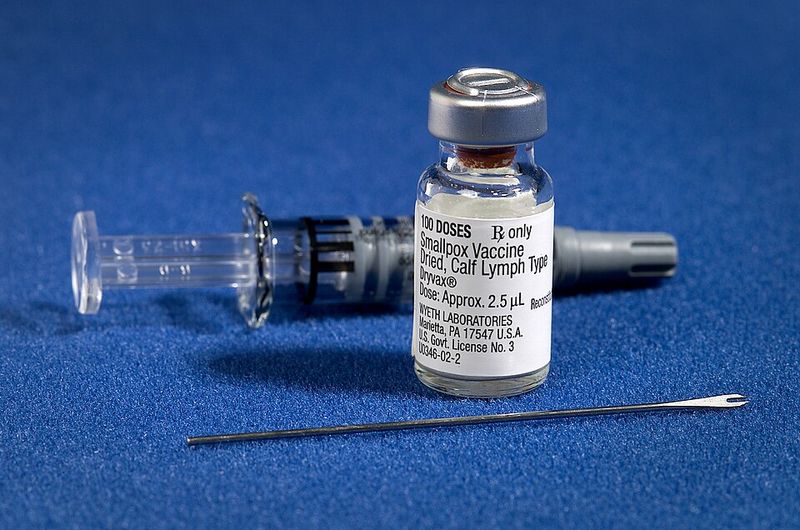
Edward Jenner’s work in the 1790s established an idea that was both simple and deeply unsettling to many people at the time: deliberately exposing a healthy person to material from a disease in order to prevent a more serious infection. His observations about cowpox and smallpox formed the foundation of modern vaccination.
Resistance appeared alongside adoption almost immediately. The concept of intentional exposure felt counterintuitive, and concerns about safety and religious objections created organized opposition in several countries.
Vaccination debates are not a new phenomenon.
Medical science eventually developed far more rigorous testing standards and produced vaccines against a growing list of diseases. Smallpox was officially declared eradicated worldwide in 1980, a milestone achieved entirely through vaccination campaigns.
Polio, measles, diphtheria, tetanus, and many other diseases have been dramatically reduced through widespread immunization programs. Vaccines are not something most people interact with every single day, but their protective effects remain continuously active across vaccinated populations worldwide.
Dishwashers
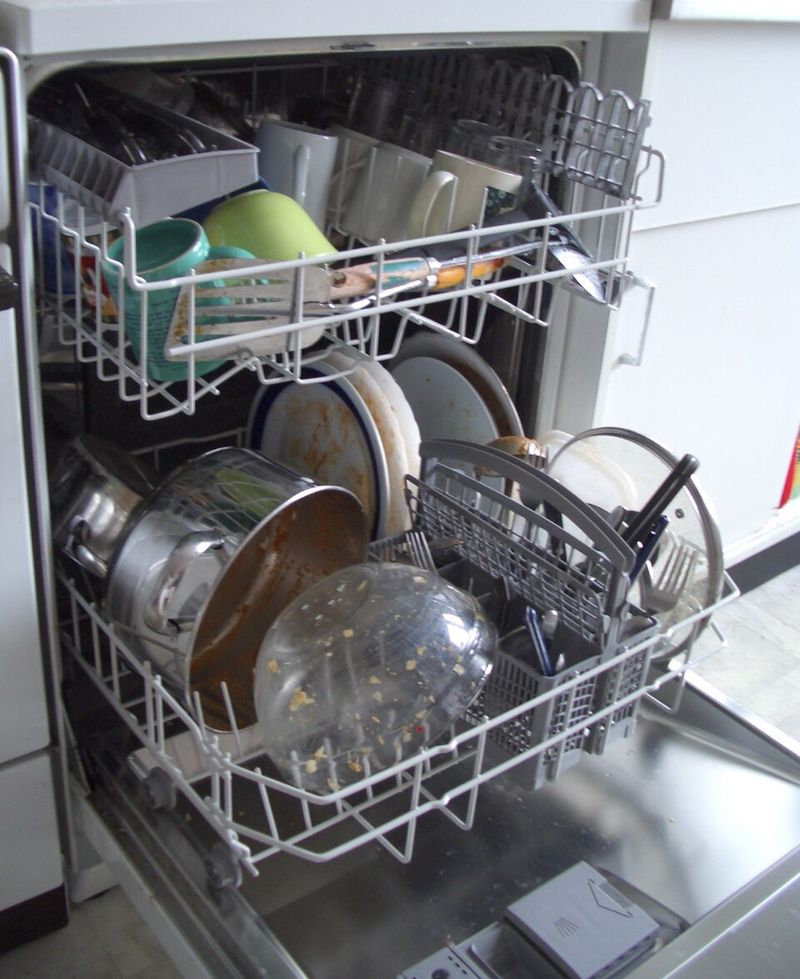
Hand-washing dishes is one of those tasks that has worked reliably for as long as people have used dishes. That reliability made the dishwasher an easy target for skeptics who saw it as a solution to a problem that did not really exist.
If scrubbing a plate with soap and water gets it clean, why buy a machine to do the same job?
Early electric dishwashers also had a practical image problem. They were not always more effective than a careful hand-wash, and they used significant amounts of water and energy.
Convincing homeowners to give up counter and cabinet space for one required a stronger argument than novelty.
Modern machines improved significantly in cleaning effectiveness, water efficiency, and cycle options. Quiet operation, adjustable racks, and specialized settings for delicate items addressed earlier complaints.
In many households today, the dishwasher handles the cleanup after large meals and daily cooking without much thought from the people using it. What started as a luxury purchase has become standard equipment in newly built kitchens across much of the developed world.
GPS

For most of human history, knowing where you were required paying attention to your surroundings, reading a map, or asking someone who knew the area better than you did. Navigation was a skill, and getting lost was a real possibility that travelers planned around.
The Global Positioning System was developed and operated by the United States military, with civilian access becoming more widely available after 1983 and fully unrestricted in 2000. Dedicated GPS receivers appeared in cars, boats, and aircraft, but the devices were expensive and the maps required regular updates.
Merging satellite positioning with smartphones and real-time digital mapping changed everything. Driving directions, delivery routing, ride-hailing services, emergency response, fitness tracking, and logistics operations all run on GPS data today.
Most people using navigation apps give little thought to the constellation of satellites orbiting roughly 12,550 miles above the earth that makes the whole system work. Following a moving blue dot has become one of the most ordinary things a person can do.
Wireless Headphones
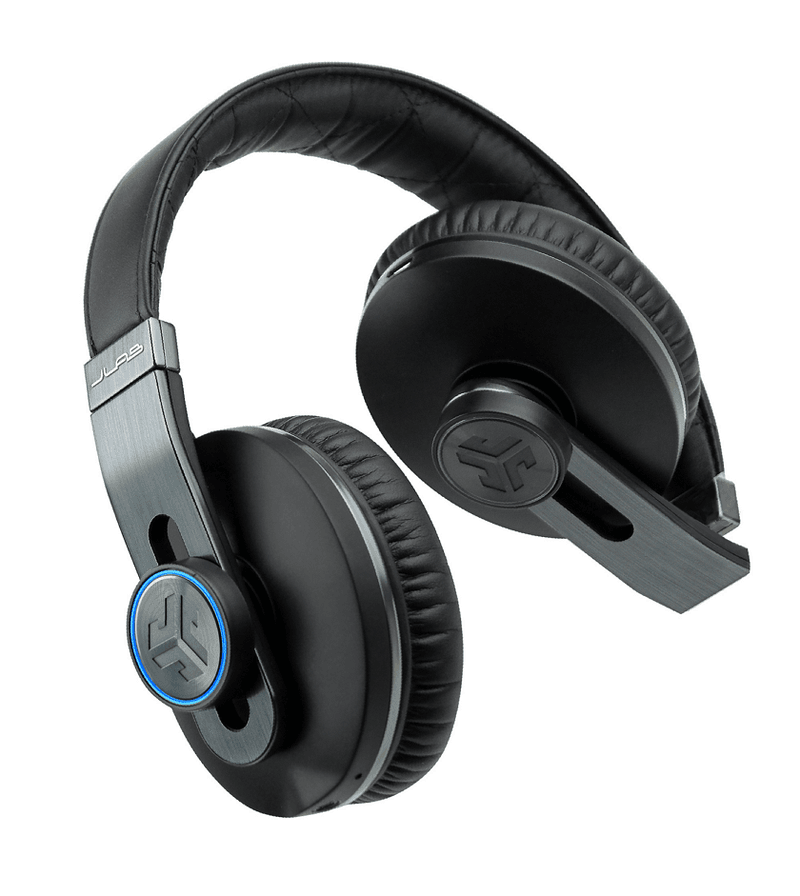
Headphone cords have a special talent for tangling at exactly the wrong moment. For decades, that was simply the trade-off for listening to audio privately.
The wire connected your ears to the device, and that was that. Wireless alternatives existed in limited forms, but battery life was short and audio quality lagged behind wired options.
Bluetooth technology gradually matured, and battery performance improved enough to make wireless headphones genuinely practical for everyday use. Apple’s 2016 decision to remove the headphone jack from the iPhone pushed millions of users toward wireless audio whether they had planned to switch or not.
Wireless earbuds and over-ear headphones are now a major consumer electronics category used during commutes, workouts, remote work calls, gaming sessions, and quiet evenings at home. Wired headphones have not disappeared, and audiophiles still debate which sounds better.
But for most users, the freedom of not managing a cable became valuable enough that going back to wired now feels like an inconvenience rather than a default.
E-Books
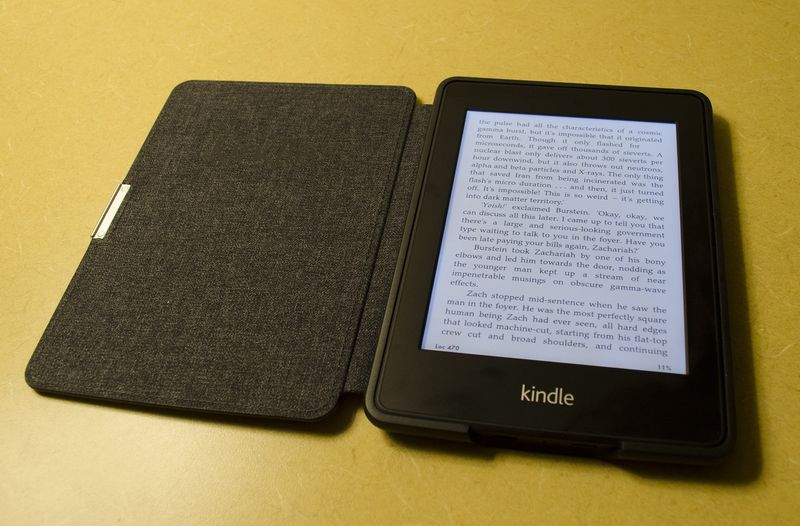
Printed books have one of the strongest track records of any technology in human history. They require no power, never crash, work in any lighting condition with a candle, and have been refined over centuries into an object that is genuinely pleasant to hold.
Competing with that was never going to be straightforward.
Early e-readers had screens that were hard to read in bright light, batteries that drained quickly, and digital bookstores with limited selections. Tablets offered more versatility but added weight and glare.
The case for switching from print was not immediately obvious to most readers.
Better e-ink displays, weeks-long battery life, and the growth of digital bookstores changed the calculation. A single e-reader can carry thousands of titles at a weight lighter than most hardcover books.
Adjustable fonts, instant downloads, and built-in dictionaries added genuine advantages that print cannot match. E-books did not replace printed books, but they established a permanent place alongside them for readers who travel frequently or prefer to carry an entire library in one hand.
Video Calling
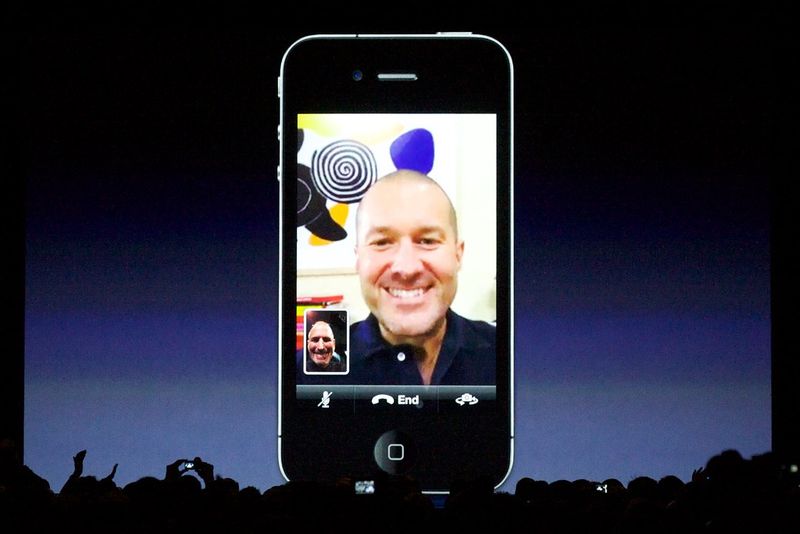
Seeing the face of the person you are talking to on a telephone call once belonged firmly in the category of science fiction. Picturephone prototypes appeared at the 1964 World’s Fair in New York, generating genuine excitement, but the technology never found a mass market.
The equipment was expensive, the call quality was poor, and most people were satisfied with audio-only calls.
Broadband internet, affordable webcams, and laptop computers gradually removed the biggest obstacles. Services like Skype made video calling accessible to ordinary users in the early 2000s, but adoption remained somewhat limited to specific use cases like families separated by long distances.
The early 2020s demonstrated just how deeply video calling had embedded itself in modern life. Remote work, virtual classrooms, telehealth appointments, and international business meetings all shifted heavily toward video platforms.
Initiating a face-to-face conversation with someone on the other side of the world now takes about as many steps as making a standard phone call once did.
Social Media
When early social networking sites invited users to build profiles and post updates about their daily lives, the concept puzzled a lot of people. Broadcasting what you had for lunch or sharing vacation photographs with an online audience of strangers seemed like an odd thing to spend time doing.
Platforms grew quickly regardless. Facebook launched in 2004, originally limited to college students, and opened to the general public in 2006.
Twitter, YouTube, and other platforms followed, each expanding what social networking could mean. Personal profiles evolved into tools for news, advertising, professional connections, entertainment, and community organizing.
Social media has also generated serious and ongoing debates about privacy, misinformation, mental health effects, and political influence. Its effects on society are far more complicated than a simple success story.
Still, the scale of its reach is difficult to dispute. Billions of people use social platforms regularly, and online social networking now shapes how information travels, how brands communicate, and how communities form across much of the connected world.
Share this story