The 20th century was packed with people who changed the world in ways we still feel today. Some led nations through war and crisis, others challenged unfair laws, and a few transformed science, art, or technology forever.
What makes this list fascinating is how different these figures are from one another, yet each one left a mark that shaped modern life. Whether you recognize all 22 names or discover a few new ones, this list is a reminder that individual people really can change the course of history.
Winston Churchill
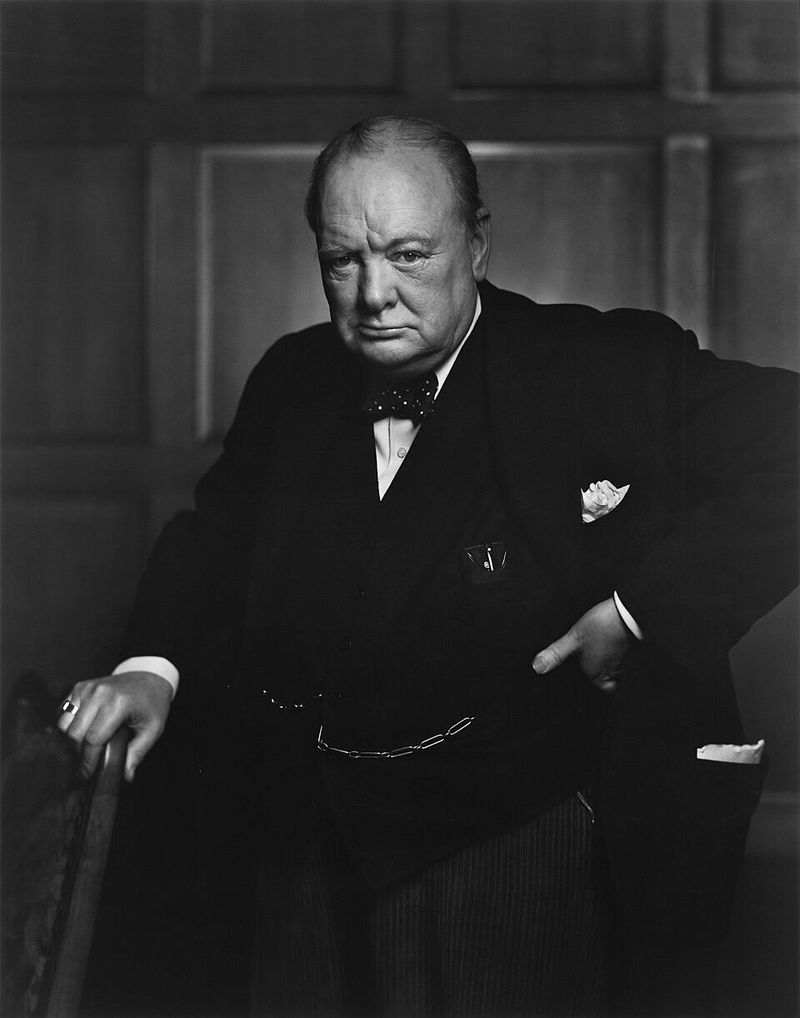
Few voices in modern history carried as much weight as Winston Churchill’s during Britain’s darkest hours. When France fell to Nazi Germany in 1940 and Britain stood largely alone, Churchill’s speeches became a lifeline for public morale.
Lines like “We shall fight on the beaches” were not just rhetoric; they were a direct signal to the British people and the watching world that surrender was not an option.
Churchill served as British prime minister from 1940 to 1945 and again from 1951 to 1955. Beyond politics, he was a prolific writer and historian, earning the Nobel Prize in Literature in 1953.
His wartime leadership is widely credited with helping hold the Allied coalition together during its most precarious years.
His legacy is genuinely complicated. Historians also point to his policies in India and other parts of the British Empire as causes of significant suffering.
Churchill remains one of the most debated figures of the entire century.
Franklin D. Roosevelt
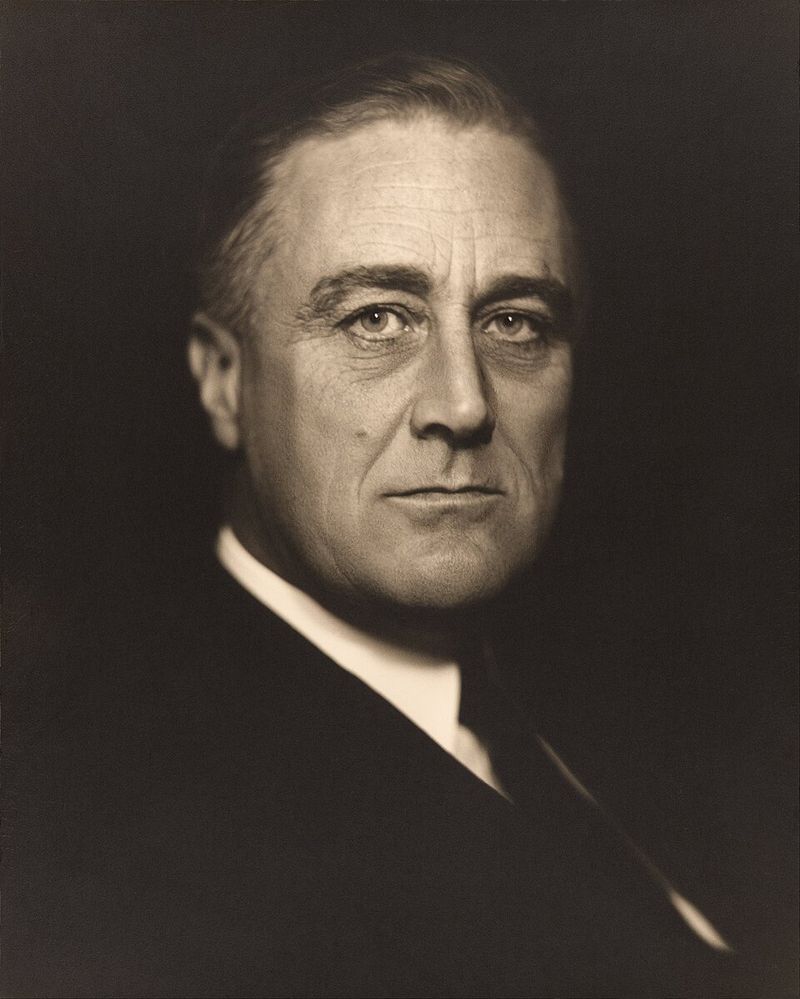
When Franklin D. Roosevelt took office in 1933, the United States was in economic freefall.
Banks were failing, unemployment was soaring, and public confidence had collapsed. Roosevelt responded with the New Deal, a sweeping set of federal programs and reforms that reshaped the relationship between the American government and its citizens in ways that still influence policy today.
He is the only U.S. president elected to four terms, a record that led directly to the 22nd Amendment limiting presidents to two terms. Roosevelt guided the country through the Great Depression and then through most of World War II, building the coalition that would eventually defeat the Axis powers.
He passed away in April 1945, just weeks before Germany’s surrender, never seeing the final victory he had worked toward. The National Park Service recognizes him as the president who carried the nation through two of its greatest modern crises back to back.
Vladimir Lenin
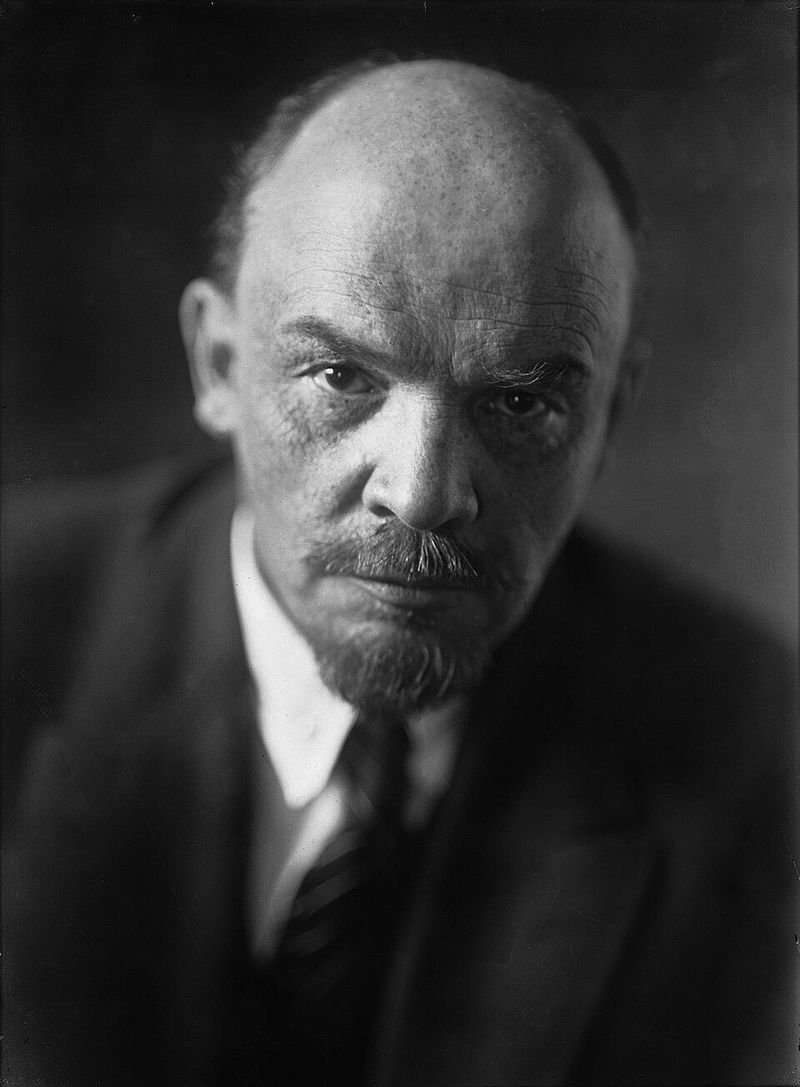
Russia in 1917 was a country on the edge of collapse, exhausted by war, poverty, and political instability. Vladimir Lenin stepped into that chaos and led the Bolshevik Party to seize power in October of that year, fundamentally redirecting the course of Russian and world history.
His ability to organize a revolutionary movement and turn it into a governing force was unlike anything seen in modern politics before him.
Under Lenin’s leadership, the Bolsheviks defeated their opponents in a brutal civil war and built the framework for what would become the Soviet Union in 1922. His writings on Marxist theory and revolutionary strategy became required reading for communist movements across Asia, Africa, Latin America, and Europe throughout the rest of the century.
Lenin died in 1924, but the political structures and ideological foundations he established shaped global politics for decades. His influence, for better or worse, reached far beyond the borders of Russia.
Mahatma Gandhi
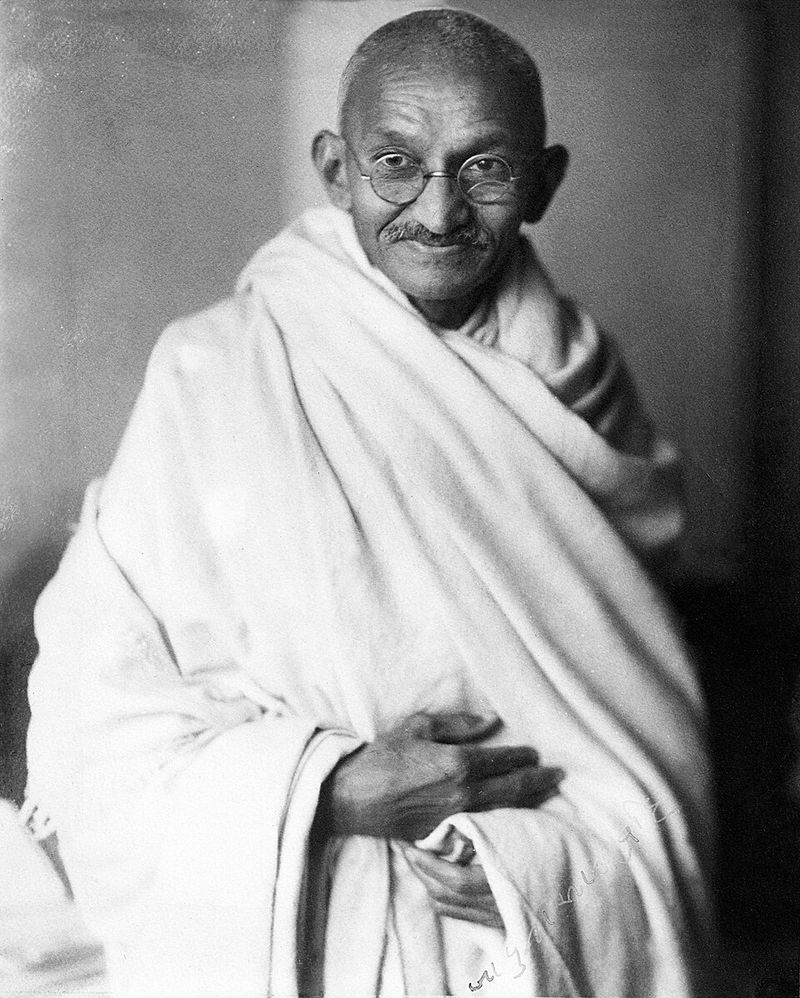
Mohandas Gandhi built one of history’s most powerful political movements without an army, a government, or a single weapon. His philosophy of satyagraha, which translates roughly as “truth-force” or nonviolent resistance, gave ordinary Indian citizens a method to confront British colonial rule through organized, peaceful defiance.
It was a radical idea at the time, and it worked on a scale that surprised even his supporters.
The 1930 Salt March is one of the most iconic moments of his campaign. Gandhi led a 240-mile walk to the sea to protest British salt taxes, drawing global media attention and inspiring mass civil disobedience across India.
India achieved independence in 1947, the year before Gandhi was assassinated.
His methods traveled far beyond India. Martin Luther King Jr. studied Gandhi’s approach directly when developing the strategy of the American civil rights movement.
The influence of nonviolent resistance as a political tool owes a great deal to Gandhi’s decades of example.
Nelson Mandela
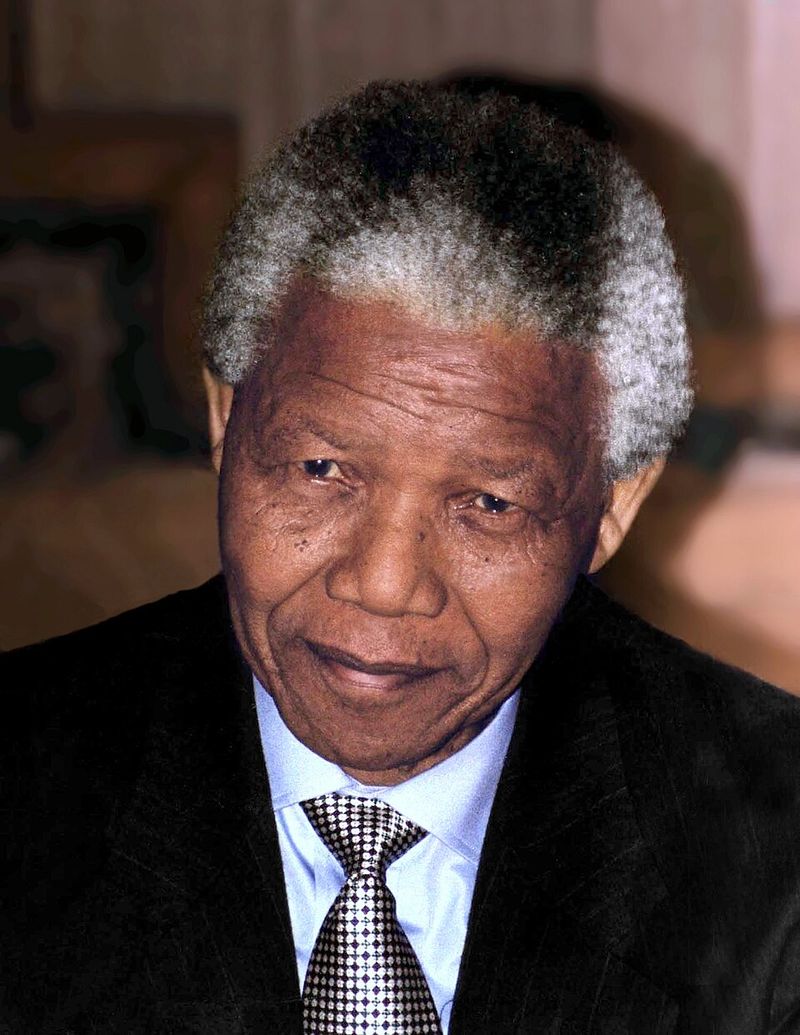
Nelson Mandela spent 27 years in South African prisons, much of that time on Robben Island, for his opposition to the apartheid system that enforced racial segregation across every part of South African life. When he walked out of Victor Verster Prison in February 1990, the world was watching.
His composure and his public call for reconciliation rather than revenge set the tone for what followed.
Mandela helped negotiate South Africa’s transition from apartheid to multiracial democracy, a process that could easily have descended into widespread conflict. In 1994, he became the country’s first Black president, winning the first election in which all South Africans regardless of race could vote.
He and F.W. de Klerk shared the Nobel Peace Prize in 1993.
His choice to pursue reconciliation over retaliation became central to his global reputation. South Africa’s path was imperfect, but Mandela’s leadership during the transition remains one of the most studied examples of peaceful political transformation in modern history.
Adolf Hitler
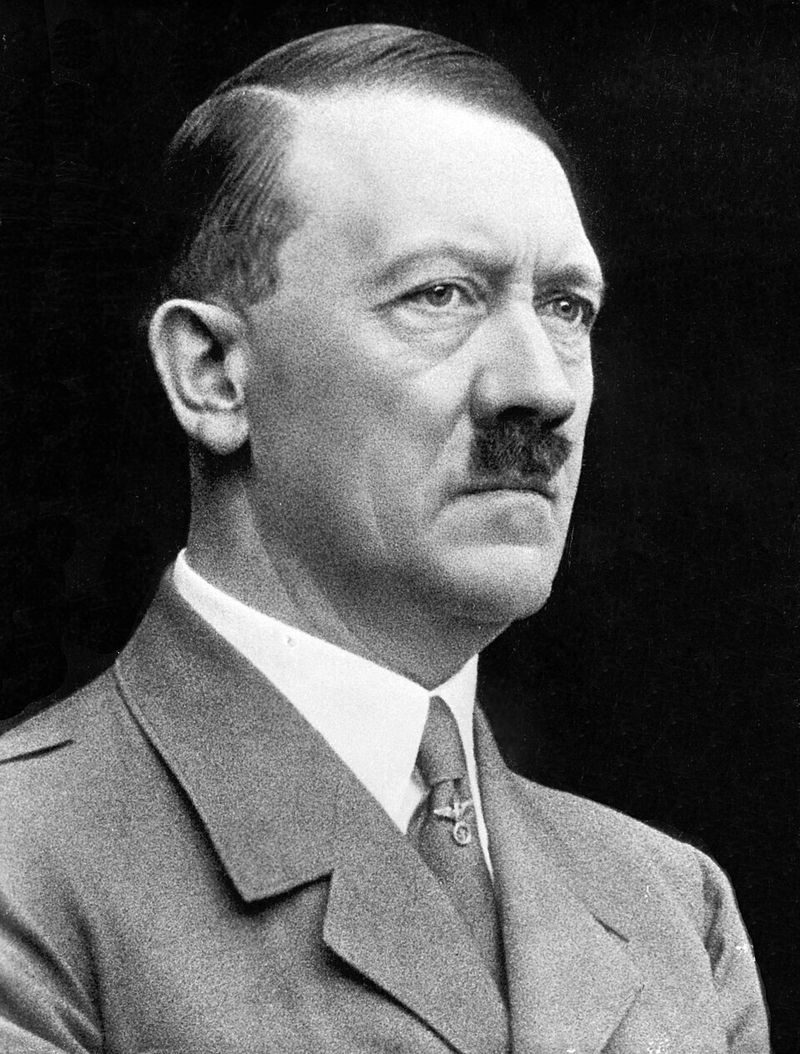
Adolf Hitler’s rise to power in Germany stands as one of the most catastrophic political developments in human history. After becoming chancellor in January 1933, he systematically dismantled Germany’s democratic institutions, suppressed political opposition, and built a totalitarian state organized around extreme nationalism, racism, and antisemitism.
Within years, Germany had become a dictatorship with Hitler as its unchallenged leader.
Germany’s invasion of Poland in September 1939 triggered World War II in Europe, a conflict that would eventually involve most of the world and result in tens of millions of deaths. Hitler’s ideology also drove the Holocaust, the systematic murder of six million Jews along with millions of others including Roma, people with disabilities, political prisoners, and Soviet civilians.
Understanding how Hitler came to power, and how a democratic society enabled his rise, remains one of the most studied questions in modern history. The consequences of his leadership fundamentally reshaped the political map of the world and the international human rights framework that followed.
Joseph Stalin
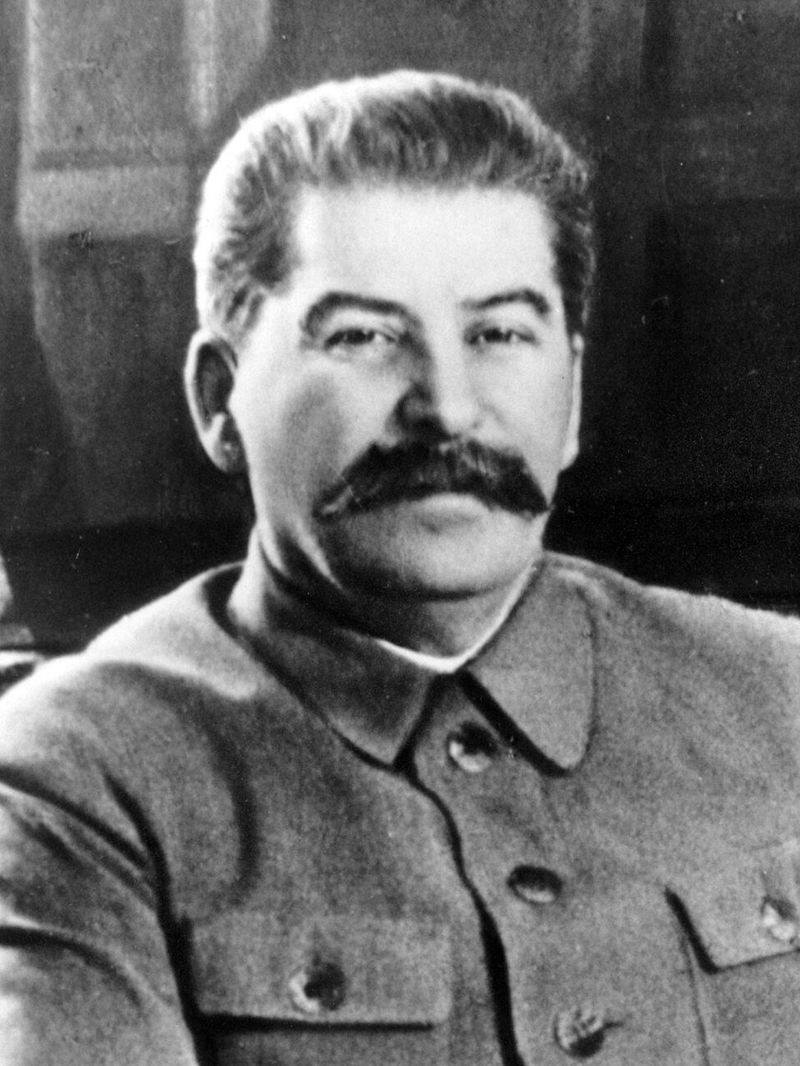
Joseph Stalin took control of the Soviet Union after Lenin’s death and held power for nearly three decades, transforming a largely agricultural country into an industrial superpower through methods that caused immense human suffering. His forced collectivization of agriculture during the late 1920s and 1930s contributed to famines that killed millions of people, including in Ukraine, where the death toll was catastrophic.
Stalin’s political purges of the 1930s eliminated perceived rivals, military officers, and ordinary citizens through executions and the gulag system of forced labor camps. Estimates of those who died under his rule vary widely, but historians generally place the number in the millions.
His government also suppressed religion, free expression, and political dissent at every level.
During World War II, the Soviet Union under Stalin played a decisive role in defeating Nazi Germany, absorbing enormous losses on the Eastern Front. After the war, the Soviet Union emerged as one of the two dominant superpowers, with Stalin’s influence shaping the Cold War era that followed.
Albert Einstein
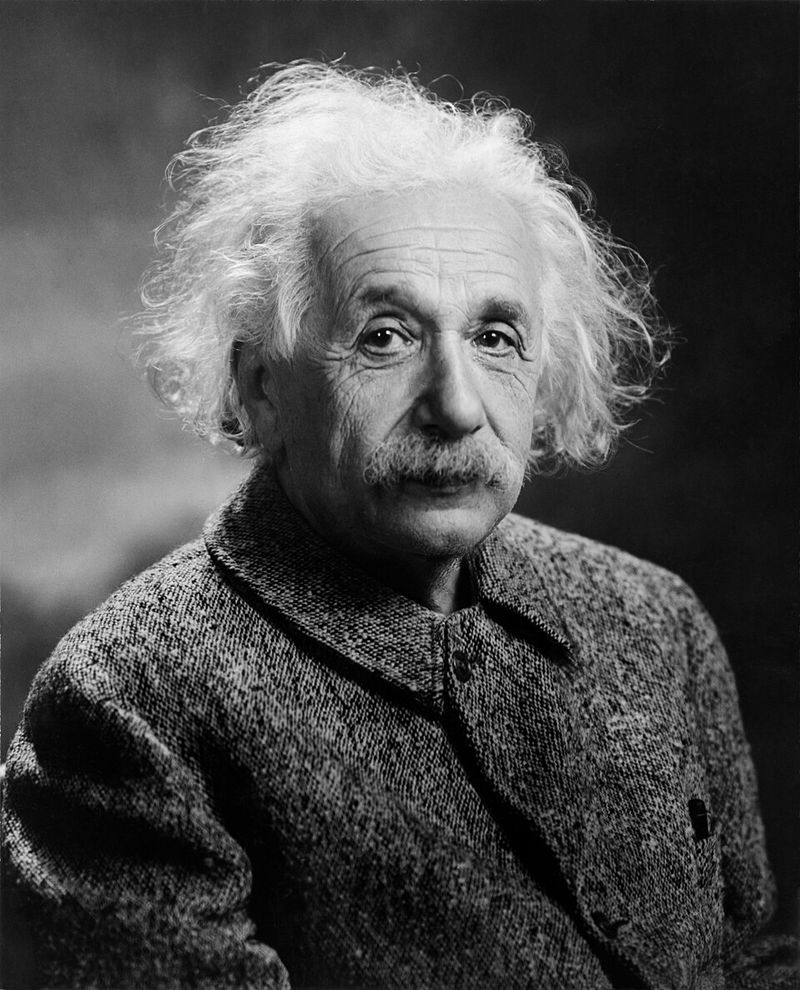
Albert Einstein published his special theory of relativity in 1905, the same year he produced four other papers that each fundamentally changed physics. That alone would have made him one of the most important scientists in history.
His general theory of relativity, published in 1915, redefined the understanding of gravity, space, and time in ways that physicists are still building on today.
Einstein won the 1921 Nobel Prize in Physics, though notably not for relativity. The prize recognized his explanation of the photoelectric effect, a discovery that helped establish quantum theory.
His famous equation E=mc2 described the relationship between mass and energy and laid theoretical groundwork that would later influence nuclear physics.
Einstein was also a public intellectual who spoke on pacifism, civil rights, and political responsibility. He fled Nazi Germany in 1933 and spent the rest of his career at the Institute for Advanced Study in Princeton.
His name became synonymous with genius, and his scientific contributions genuinely earned that reputation.
Marie Curie
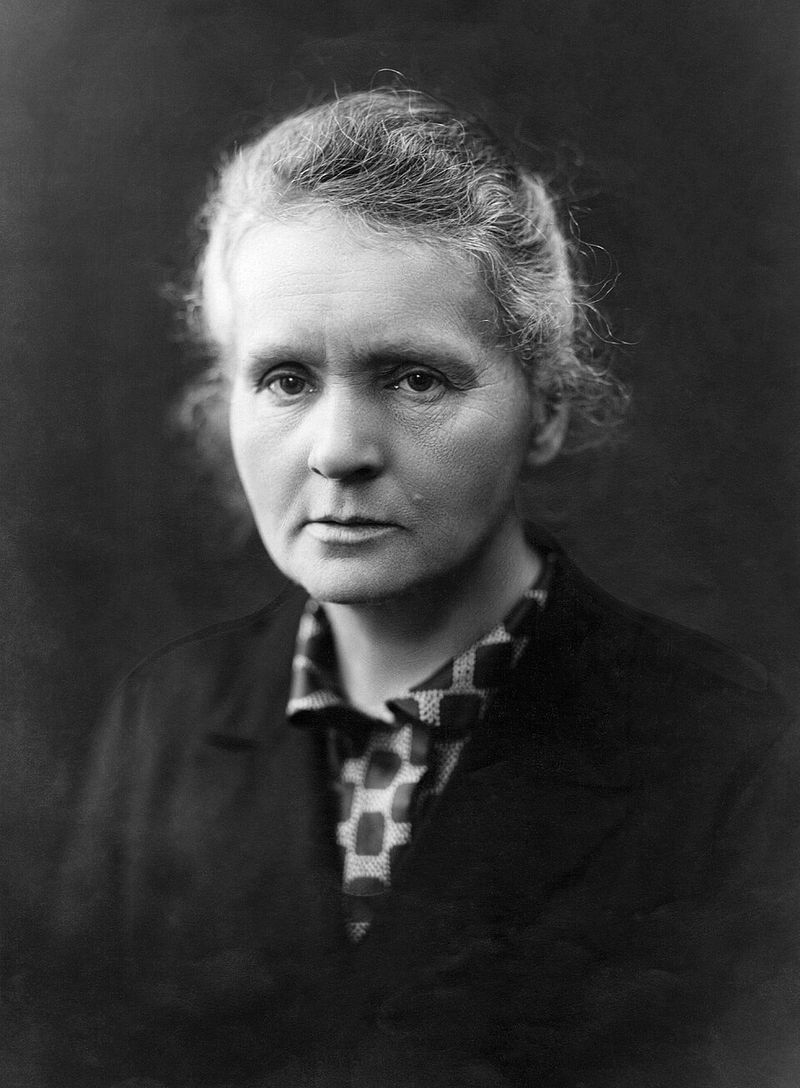
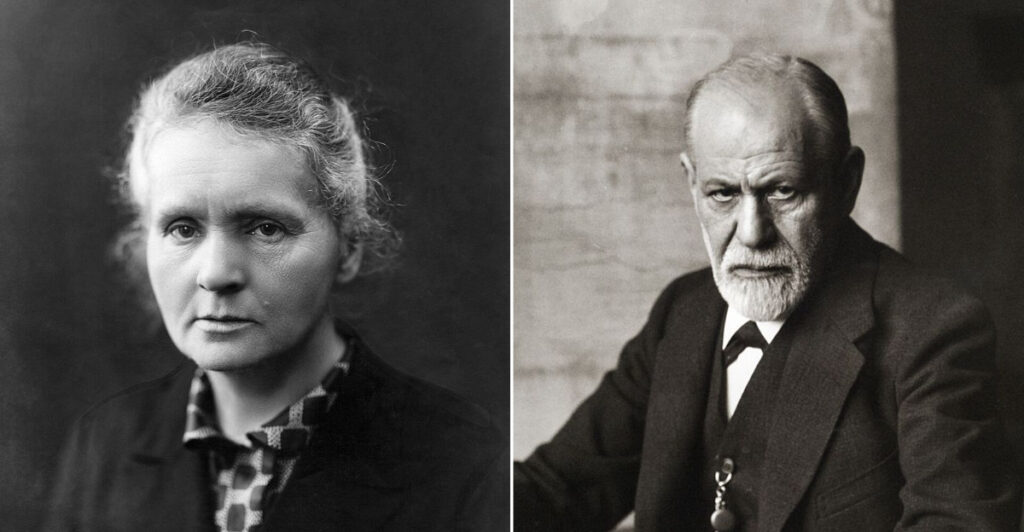
Marie Curie did not just break scientific barriers; she broke them twice, in two different fields, at a time when women were largely excluded from academic science altogether. Working alongside her husband Pierre in Paris, she conducted the research that led to the discovery of two new elements, polonium and radium, while developing the concept of radioactivity as a property of atoms rather than a chemical reaction.
In 1903, she became the first woman to receive a Nobel Prize, sharing the Physics prize with Pierre and Henri Becquerel. Then in 1911, she won the Nobel Prize in Chemistry on her own, becoming the first person ever to win Nobel Prizes in two separate scientific disciplines.
That record has never been matched.
During World War I, Curie developed mobile X-ray units, called “petites Curies,” that brought diagnostic imaging to battlefield hospitals across France and Belgium. Her practical application of science under wartime conditions saved countless lives and added another dimension to a career already without parallel.
Alan Turing
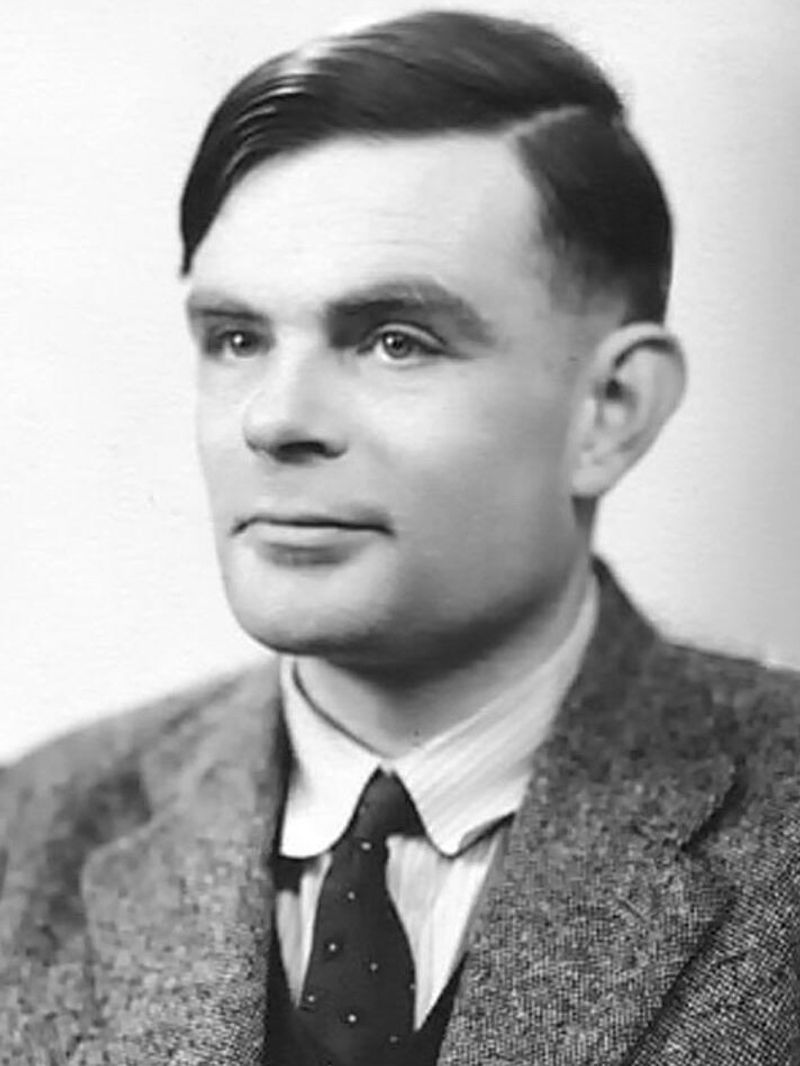
Alan Turing is often called the father of computer science, and the description is not an exaggeration. His 1936 paper introducing the concept of a “universal computing machine” laid the theoretical foundation for how modern computers process information.
At a time when computers did not yet exist, Turing was already describing what they would need to do and how they would need to work.
During World War II, Turing worked at Bletchley Park, Britain’s codebreaking center, where he made critical contributions to deciphering German military communications encrypted by Enigma machines. The intelligence produced there is widely credited with shortening the war significantly.
His work on the Bombe machine helped automate the codebreaking process at a scale that human analysts alone could never have managed.
After the war, Turing continued developing ideas about artificial intelligence and machine learning. His personal life ended in tragedy; he was prosecuted in 1952 for homosexuality, then a criminal offense in Britain, and died in 1954.
Britain issued a formal posthumous apology in 2009 and a royal pardon in 2013.
Wernher Von Braun
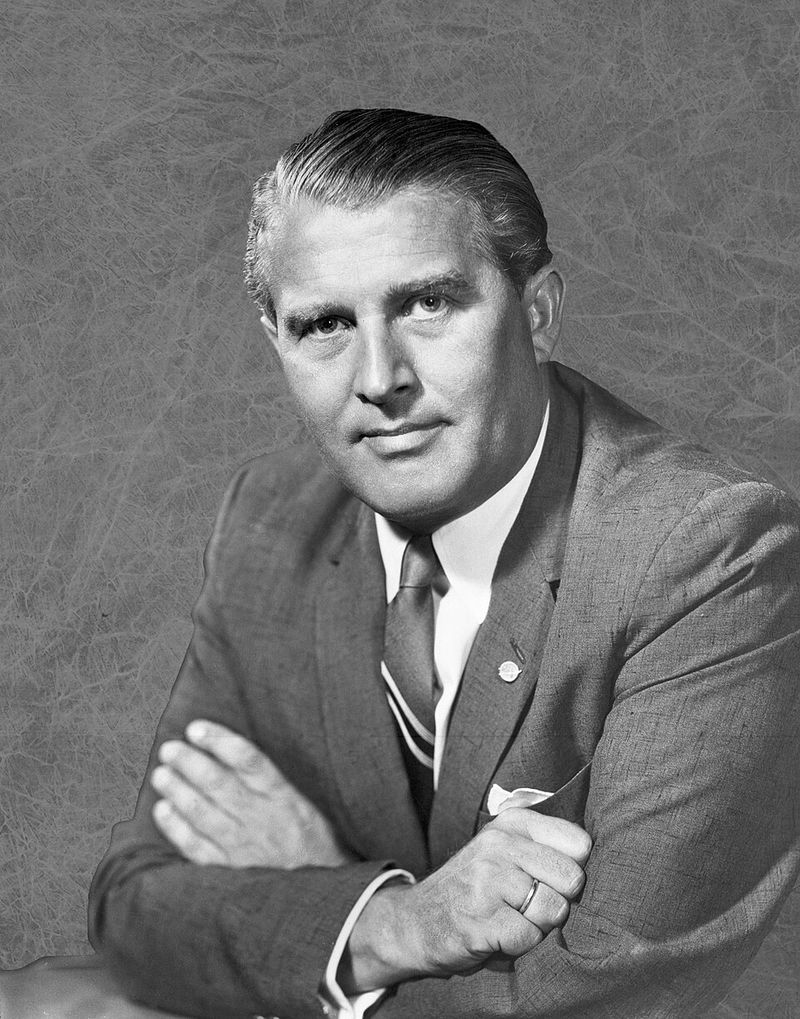
Wernher von Braun’s story is one of the most morally complex in the history of science and engineering. As a young German engineer, he became deeply involved in rocketry research and eventually led the development of the V-2 rocket for Nazi Germany during World War II.
The V-2 was the world’s first operational ballistic missile, and its production used forced labor from concentration camps, resulting in thousands of deaths among the workers who built it.
After Germany’s defeat, von Braun and a group of German rocket scientists were brought to the United States under Operation Paperclip. He eventually became a central figure at NASA and led the team that developed the Saturn V rocket, the most powerful launch vehicle ever built.
Saturn V carried Apollo astronauts to the Moon six times between 1969 and 1972.
His technical achievements in space exploration are undeniable, but historians and ethicists continue to debate how his wartime role should factor into his legacy. His story forces a difficult question about how we evaluate brilliance when it is entangled with serious moral failure.
Sigmund Freud
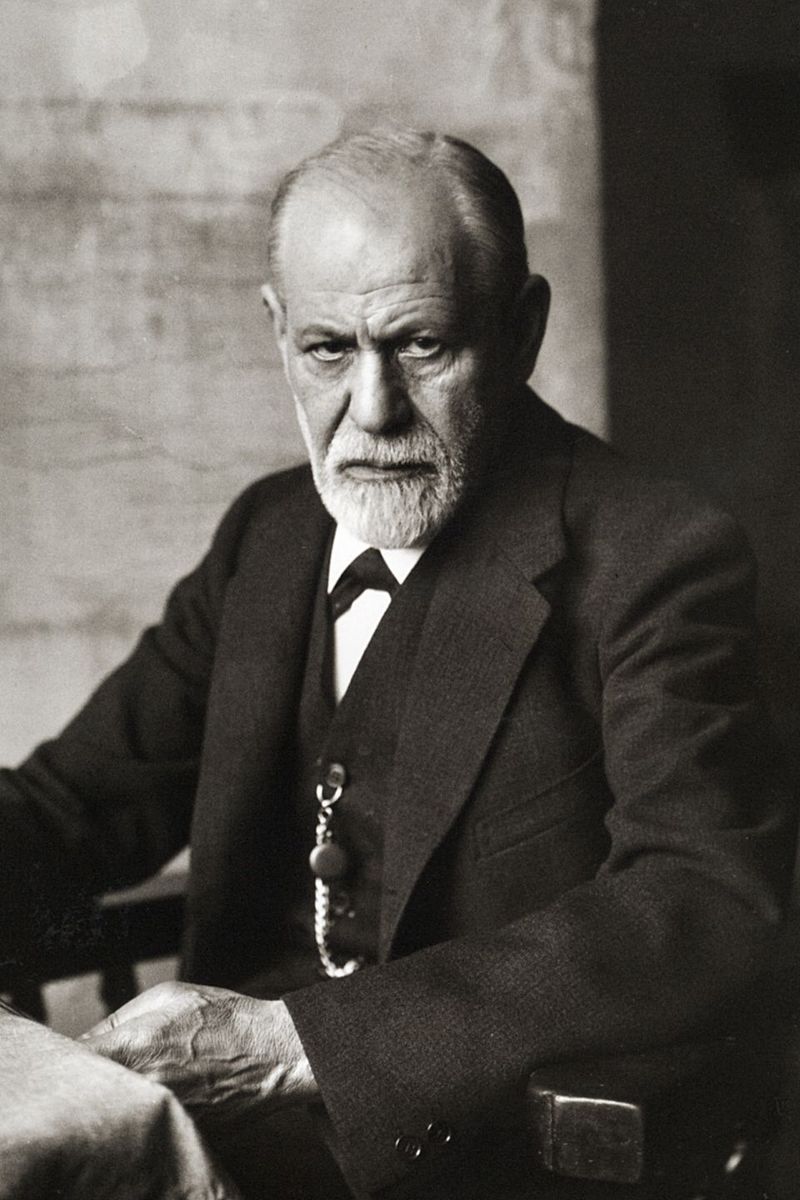
Sigmund Freud did not invent the idea that the mind has hidden layers, but he built an entire system around that idea and convinced much of the Western world to take it seriously. His development of psychoanalysis introduced concepts like the unconscious mind, repression, the ego, and the interpretation of dreams as windows into psychological life.
These ideas were genuinely revolutionary in the context of late 19th and early 20th century medicine.
Freud’s specific theories have not held up well under modern scientific scrutiny. Many of his claims about human development, particularly his ideas about female psychology and childhood sexuality, have been widely criticized and rejected by contemporary researchers.
Psychoanalysis as a clinical practice has also been largely replaced by evidence-based therapies.
Even so, Freud’s cultural footprint is enormous. His vocabulary entered everyday language and shaped how artists, writers, filmmakers, and ordinary people think and talk about human behavior, motivation, and inner life throughout the entire 20th century.
Few thinkers have influenced so many fields at once, even while being so thoroughly revised.
George Orwell
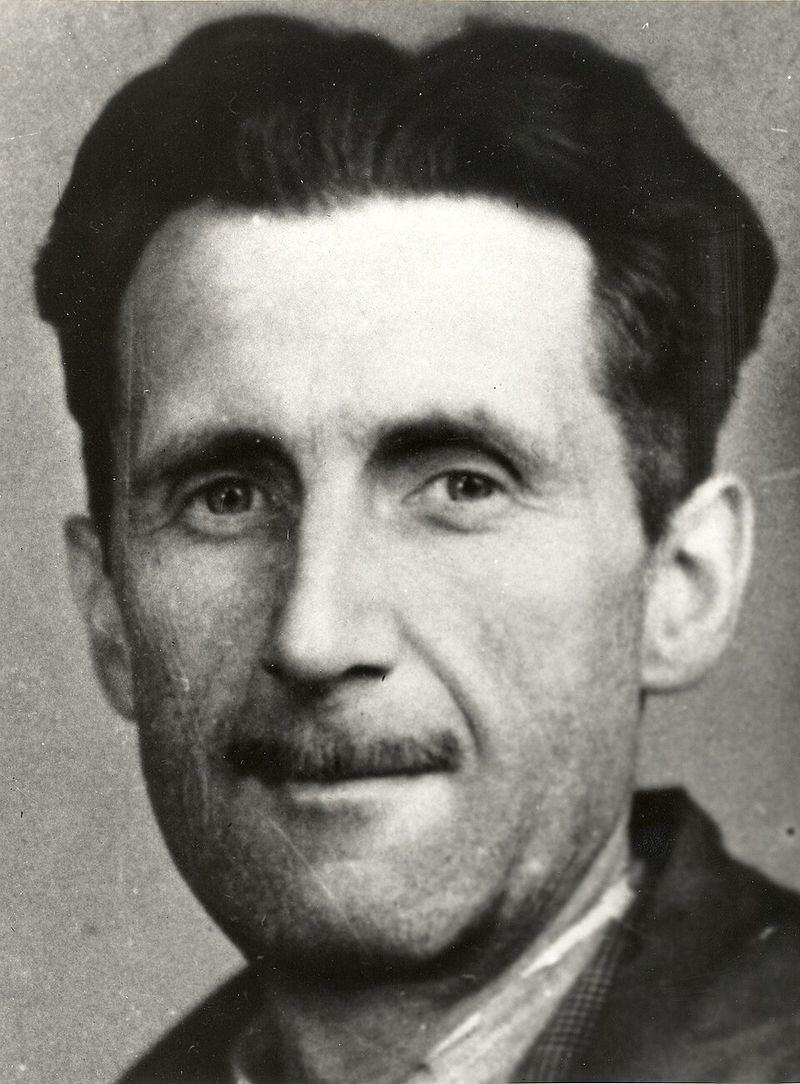
George Orwell wrote two relatively short books that between them created a political vocabulary still in daily use more than 75 years later. Animal Farm, published in 1945, used a story about farm animals to dissect how revolutionary movements can be corrupted by the very hunger for power they set out to oppose.
Nineteen Eighty-Four, published in 1949, described a totalitarian state so vividly that terms from the novel, Big Brother, doublethink, thoughtcrime, and Newspeak, became shorthand for authoritarian control worldwide.
Orwell’s essays are equally important to his legacy. Works like “Politics and the English Language” argued that vague or dishonest writing is a tool of political manipulation, and that clear language is a form of moral responsibility.
That argument feels as relevant now as it did in 1946.
He drew on direct experience as well as observation. He had lived in poverty, fought in the Spanish Civil War, and worked as a colonial police officer in Burma.
His political writing was grounded in things he had actually witnessed, which gave it a weight that purely theoretical writing rarely achieves.
Pablo Picasso
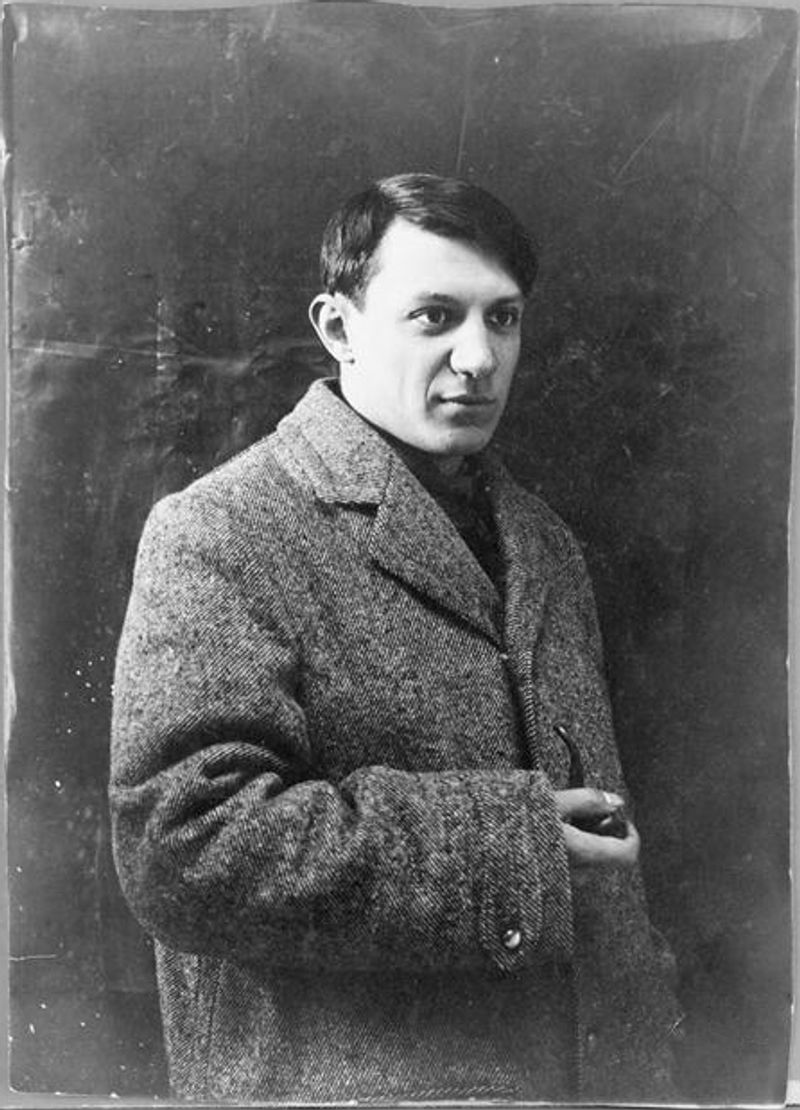
Pablo Picasso produced an estimated 20,000 works over a career spanning more than seven decades, but the sheer volume is less remarkable than the range. He worked in painting, sculpture, printmaking, ceramics, and collage, and he fundamentally changed what Western art looked like by helping develop Cubism alongside Georges Braque in the early 1900s.
Cubism shattered the idea that a painting should show a single fixed perspective, instead presenting multiple viewpoints simultaneously.
Picasso’s 1937 painting Guernica is one of the most recognized artworks of the 20th century. Created in response to the Nazi bombing of the Basque town of Guernica during the Spanish Civil War, the large black-and-white canvas depicts suffering, chaos, and civilian anguish with a visual intensity that made it a lasting symbol of anti-war sentiment.
His personal life was complicated and often troubled, and feminist critics have written extensively about his treatment of the women in his life. His artistic influence, however, runs through virtually every major art movement that followed him throughout the rest of the century.
Charlie Chaplin
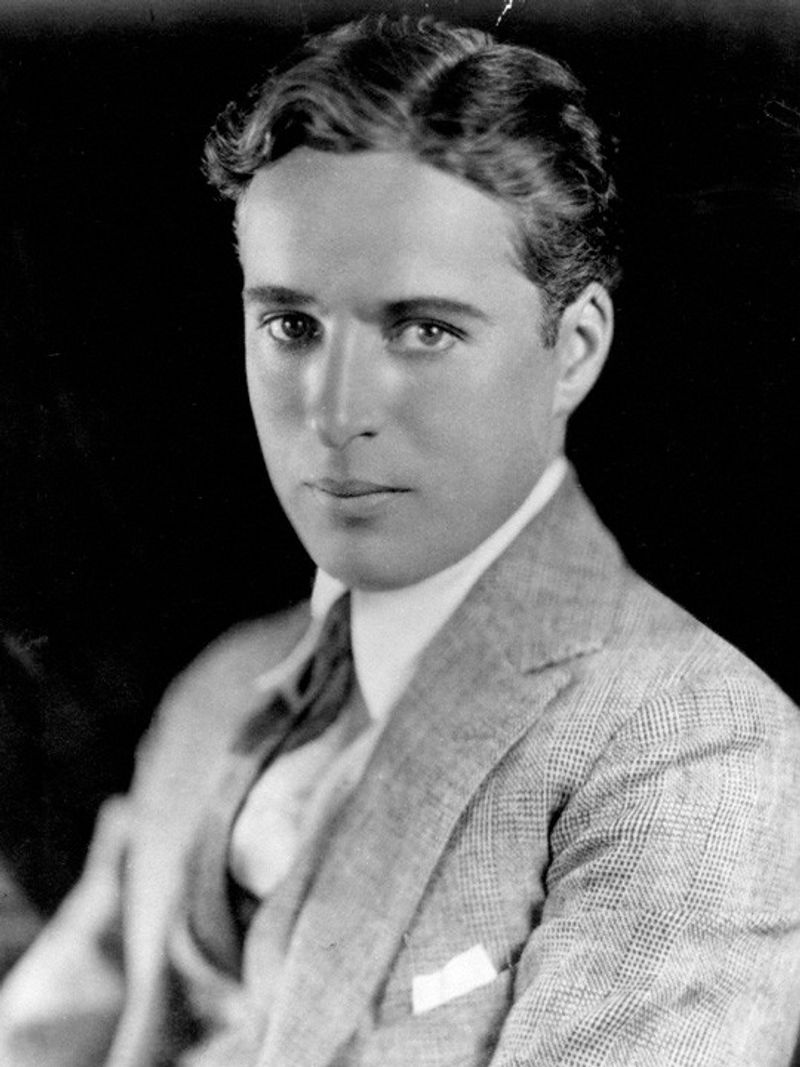
Charlie Chaplin created one of the most recognizable characters in cinema history with almost no resources and no sound. The Tramp, his signature persona featuring a bowler hat, oversized suit, cane, and toothbrush mustache, became a global icon of silent-era filmmaking.
Through physical comedy and precise timing, Chaplin communicated humor, sadness, and social criticism across language barriers at a time when most people had never seen a movie before.
Films like The Kid, City Lights, and Modern Times used comedy to address poverty, industrialization, and the struggles of working-class life. Modern Times, released in 1936, remains one of the sharpest satires of industrial capitalism ever put on screen.
In 1940, Chaplin made The Great Dictator, a direct parody of Adolf Hitler, at a time when the United States had not yet entered World War II.
Chaplin was also a composer, director, and studio founder. He co-founded United Artists in 1919.
His influence on physical comedy, filmmaking craft, and the use of cinema as political commentary made him one of the defining creative figures of the entire 20th century.
Martin Luther King Jr.
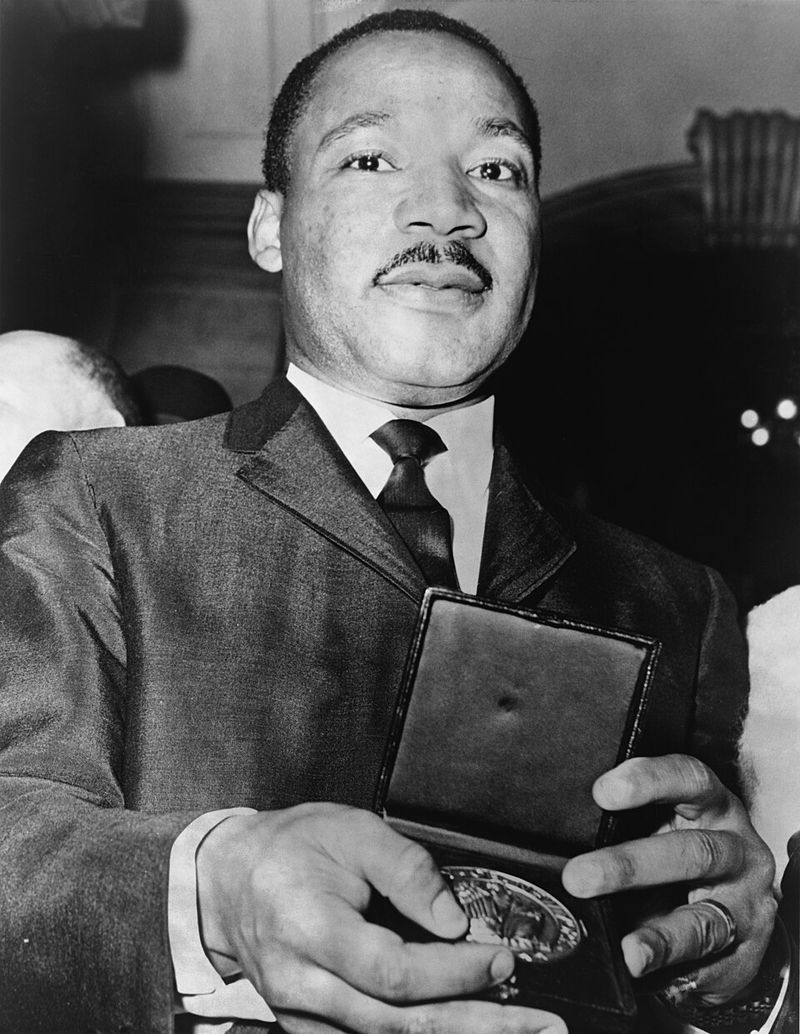
Martin Luther King Jr. was 26 years old when he emerged as the primary leader of the Montgomery Bus Boycott in 1955. From that beginning, he went on to lead or support nearly every major campaign of the American civil rights movement over the next thirteen years, including the Birmingham Campaign, the March on Washington, and the Selma to Montgomery marches.
His organizational skill and his ability to articulate the moral case for equality gave the movement its most visible public face.
King received the Nobel Peace Prize in 1964, becoming at the time the youngest person ever to receive it. His “I Have a Dream” speech, delivered at the March on Washington in August 1963, is one of the most quoted addresses in American political history.
His commitment to nonviolent protest drew directly from his study of Gandhi’s methods.
His assassination in Memphis on April 4, 1968, sent shockwaves through the country and the world. The federal holiday bearing his name, established in 1983, reflects the scale of his enduring place in American history and the ongoing relevance of the principles he represented.
Rosa Parks
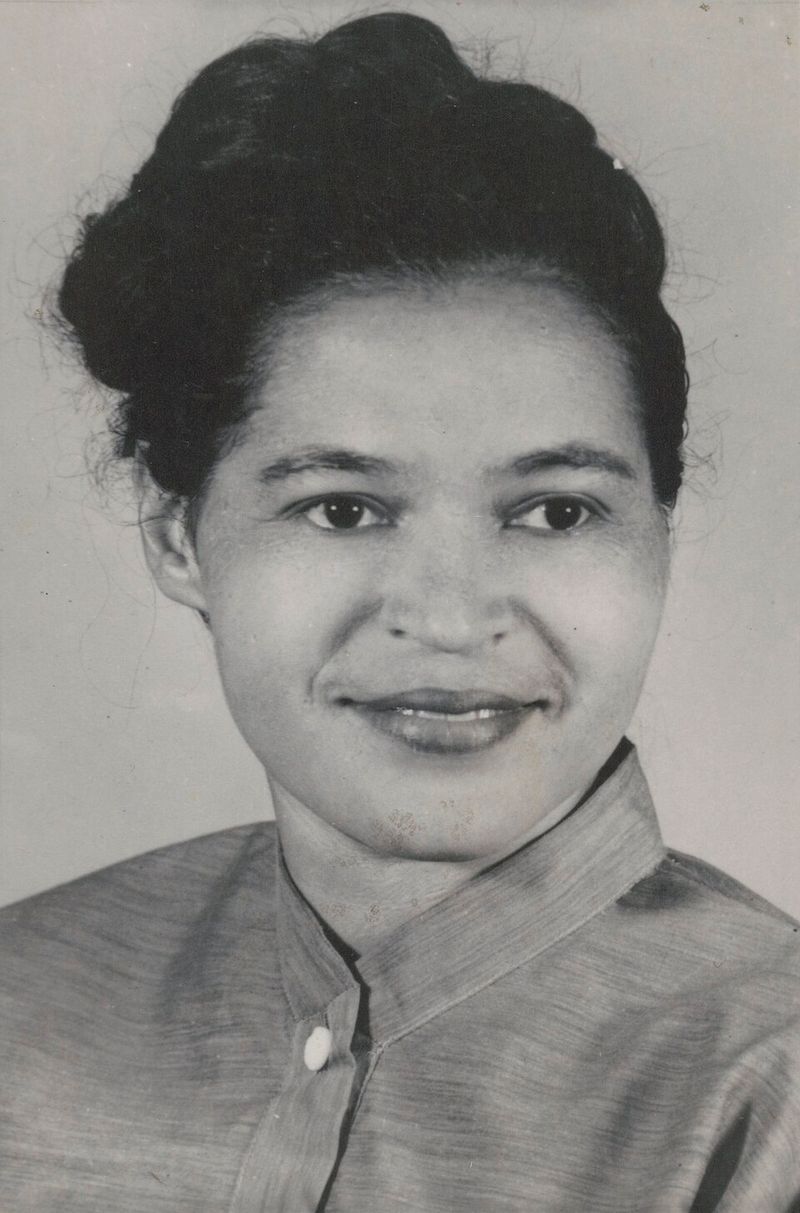
Rosa Parks is often described in simplified terms as a tired seamstress who simply refused to give up her seat, but that version of the story leaves out most of what actually matters. By December 1, 1955, Parks was already a trained civil rights activist who had worked with the NAACP for years.
Her refusal to surrender her seat to a white passenger on a Montgomery city bus was an act rooted in deliberate conviction, not exhaustion.
Her arrest became the spark that ignited the Montgomery Bus Boycott, a 381-day organized refusal by Black residents of Montgomery to ride the city’s buses. The boycott ended with a Supreme Court ruling that bus segregation was unconstitutional and launched the civil rights movement into national and international visibility in a new way.
Parks continued working for civil rights long after Montgomery, serving on the staff of Michigan congressman John Conyers for more than two decades. In 1999, she received the Congressional Gold Medal.
Her contribution to American history extended far beyond a single afternoon on a bus in Alabama.
Malcolm X
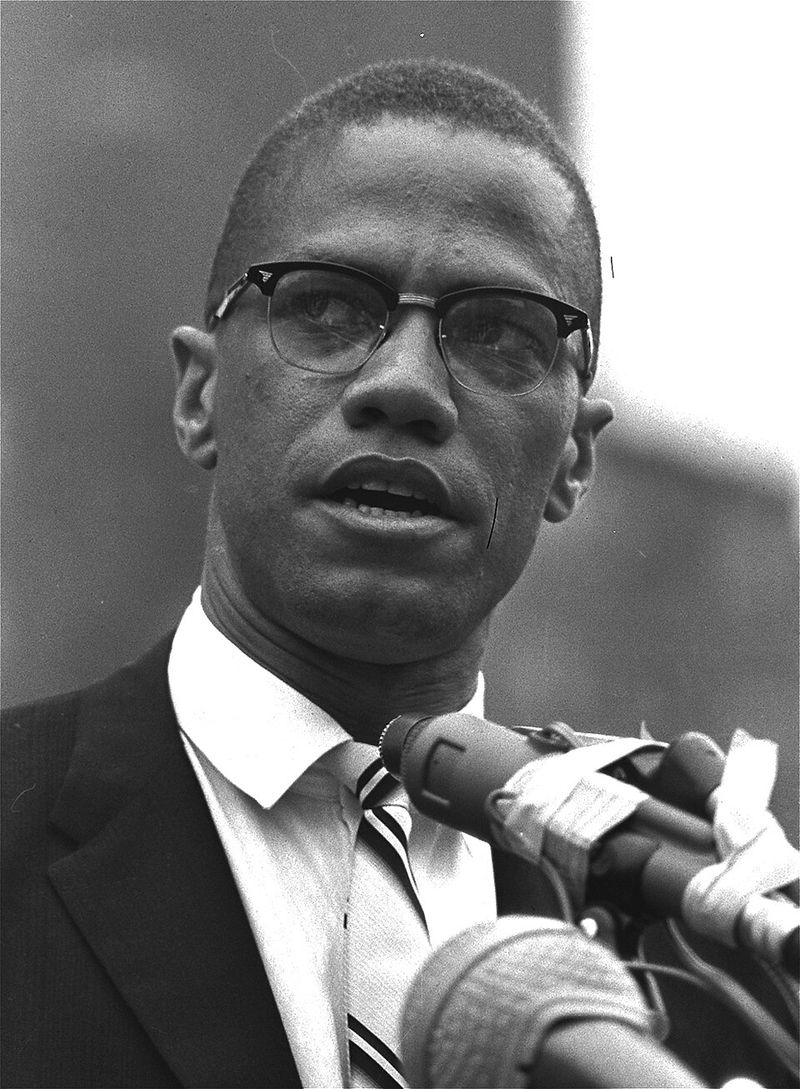
Malcolm X brought a voice to the American civil rights era that was fundamentally different from the mainstream movement’s approach. Where King emphasized integration and nonviolent protest, Malcolm X argued for Black self-determination, self-defense, and a clear-eyed rejection of the racism embedded in American institutions.
His directness and willingness to name the realities of racial oppression without softening them gave him a massive following, particularly among urban Black communities.
He rose to national prominence as a minister and spokesman for the Nation of Islam under Elijah Muhammad before leaving the organization in 1964 after a serious break with its leadership. His pilgrimage to Mecca that same year exposed him to a version of Islam that emphasized racial unity across all backgrounds, and he began reconsidering some of his earlier positions in the final year of his life.
He was assassinated in New York City in February 1965, cutting short a period of significant intellectual and political evolution. His autobiography, written with Alex Haley and published after his death, became one of the most widely read and discussed books of the 20th century.
Eleanor Roosevelt
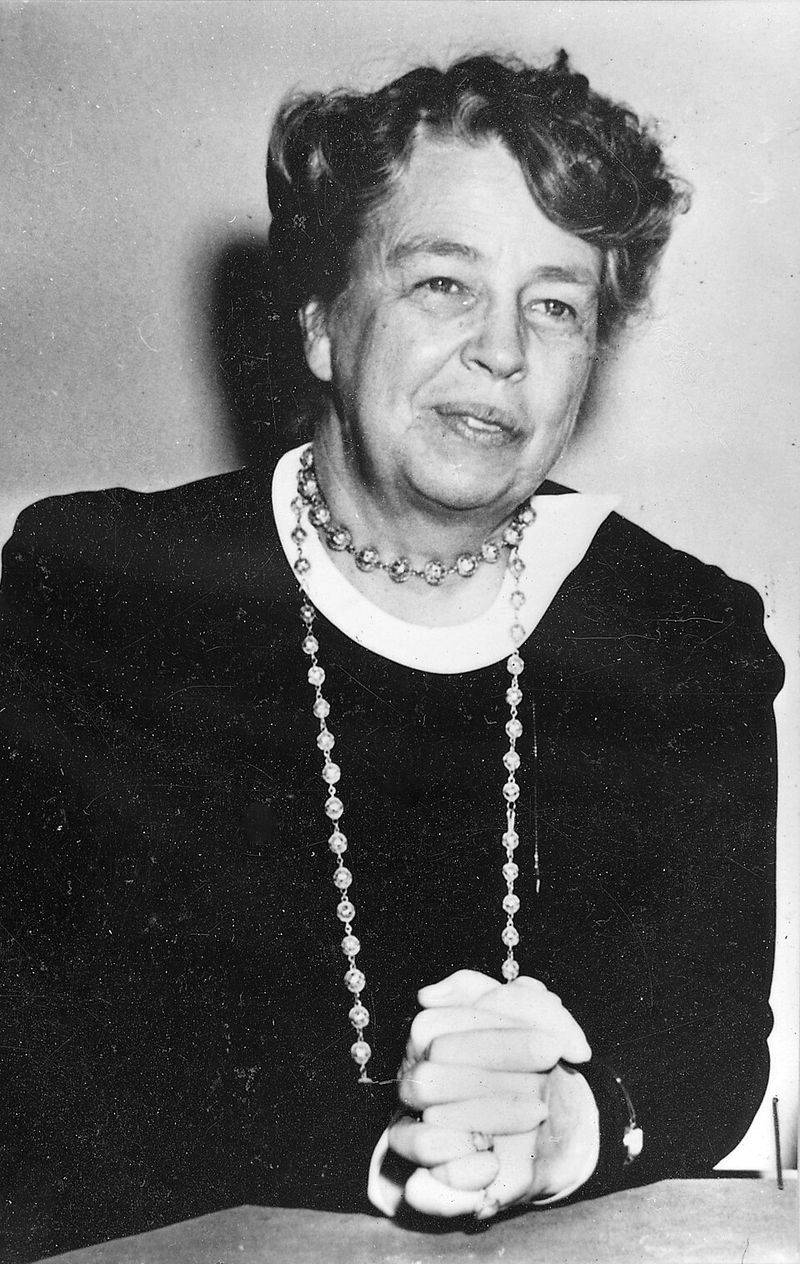
Eleanor Roosevelt redefined what it meant to be a first lady, and then kept going long after her husband’s presidency ended. During Franklin Roosevelt’s time in office, she held press conferences, wrote a daily newspaper column called “My Day,” traveled extensively to report on conditions facing ordinary Americans, and spoke out on civil rights at a time when that position was politically costly for the White House.
After Franklin’s death in 1945, Eleanor was appointed as a U.S. delegate to the United Nations by President Truman. She chaired the UN Commission on Human Rights and played a central role in drafting and advocating for the Universal Declaration of Human Rights, adopted in 1948.
That document became one of the foundational texts of international human rights law.
She also supported the early civil rights movement, including the Montgomery Bus Boycott, and used her platform to advocate for refugees, women’s opportunities, and political prisoners. Her post-White House career was arguably more impactful than her years as first lady, which is a remarkable thing to be able to say about anyone.
Henry Ford
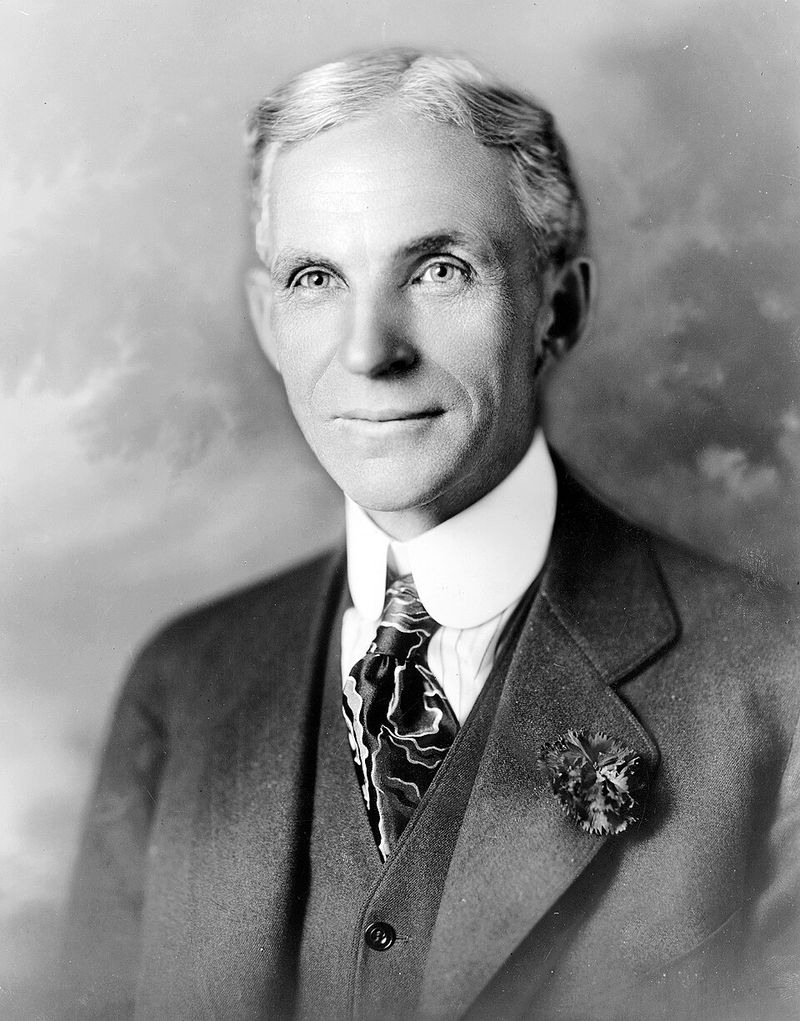
Henry Ford did not invent the automobile, and he did not invent the assembly line, but what he did with both of those things changed how the world manufactures and consumes goods. The Model T, introduced in 1908, was designed from the start to be affordable, durable, and simple enough for owners to repair themselves.
By 1927, Ford had sold more than 15 million of them, making personal car ownership a realistic possibility for a much broader segment of the American population.
Ford’s adoption and refinement of the moving assembly line at his Highland Park plant dramatically reduced the time and cost required to build each vehicle. The approach spread quickly to other industries worldwide.
He also introduced the five-dollar workday in 1914, which more than doubled wages for many workers and became a landmark moment in American labor history.
His legacy carries serious controversy alongside those achievements. Ford published and promoted virulently antisemitic material through his newspaper, The Dearborn Independent, during the 1920s.
That content reached a wide audience and was cited approvingly by Adolf Hitler in Mein Kampf, a fact that cannot be separated from any honest account of Ford’s impact on the century.
Steve Jobs

Steve Jobs co-founded Apple in a garage in 1976 with Steve Wozniak and Ronald Wayne, and the company’s early personal computers helped establish the idea that computing could be something ordinary people would want to use. When Jobs was pushed out of Apple in 1985, it looked like his most important chapter was already closed.
His return in 1997 turned out to be the beginning of something even larger.
The second era at Apple produced a sequence of products that reshaped entire industries. The iMac stabilized the company.
The iPod transformed how music was distributed and consumed. The iPhone, introduced in 2007, redefined what a mobile phone could be and launched the smartphone era that now shapes how billions of people communicate, work, shop, and navigate daily life.
The iPad created a new product category entirely.
Jobs’s insistence on tight integration between hardware, software, and design set a standard that competitors spent years trying to match. He passed away in October 2011, but the products and design philosophy he championed continue to influence the technology industry in ways that are visible in nearly every consumer device made today.
The Beatles
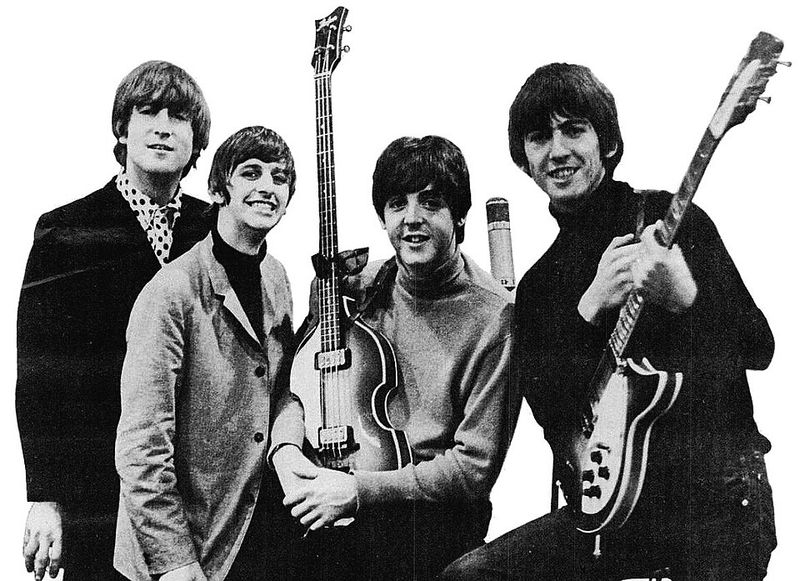
The Beatles are the only group on this list rather than a single individual, but their collective influence on the 20th century is too large to leave out. John Lennon, Paul McCartney, George Harrison, and Ringo Starr arrived in the United States in February 1964 and appeared on The Ed Sullivan Show to an audience of approximately 73 million viewers.
Beatlemania was not a media invention; it was a genuine cultural phenomenon that reshaped popular music almost overnight.
What makes the Beatles historically significant beyond their commercial success is how rapidly and dramatically they evolved. In the span of roughly eight years, they moved from straightforward rock and roll to psychedelic experimentation, orchestral arrangements, and studio techniques that transformed what a pop record could sound like.
Albums like Revolver, Sgt. Pepper’s Lonely Hearts Club Band, and Abbey Road influenced virtually every major musician who came after them.
Their breakup in 1970 only amplified their legacy. The solo careers of Lennon and McCartney remained culturally significant for decades.
The Beatles helped establish the album as a serious artistic format, and the recording innovations they pursued with producer George Martin changed how studios around the world approached making music.
Share this story