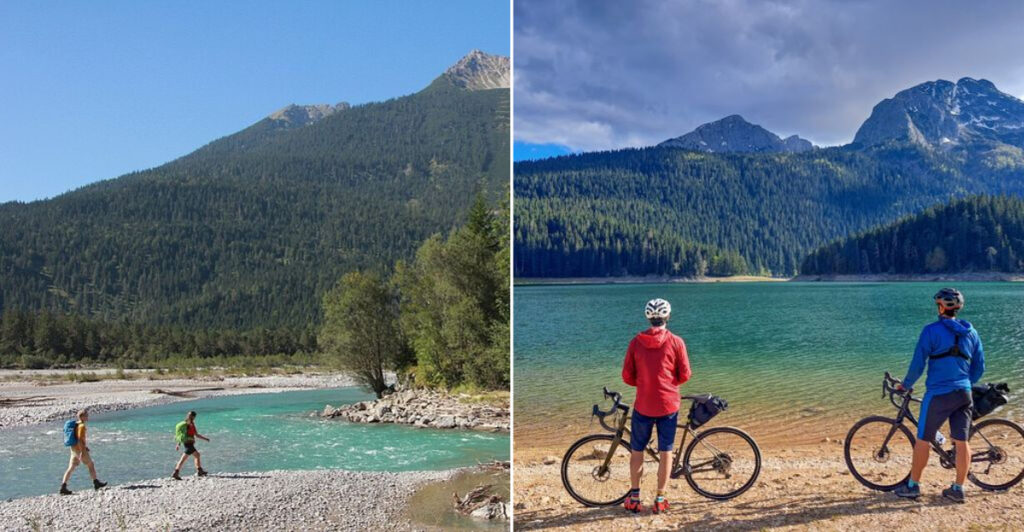
Some trails do something ordinary hiking routes cannot. They carry you across a border and into a completely different country, culture, and landscape without asking you to book a flight or rent a car.
Whether you are on foot or on a bike, these cross-border routes connect mountain ranges, river valleys, historic regions, and wild corners of the world in ways that feel genuinely remarkable. From the rugged peaks of the Balkans to the Rhine River winding through six countries, each trail on this list offers a real reason to lace up your boots or pump up your tires.
These are not tourist shortcuts. These are serious routes with serious rewards, and every one of them crosses at least one international border along the way.
Peaks of the Balkans Trail, Albania, Kosovo, and Montenegro
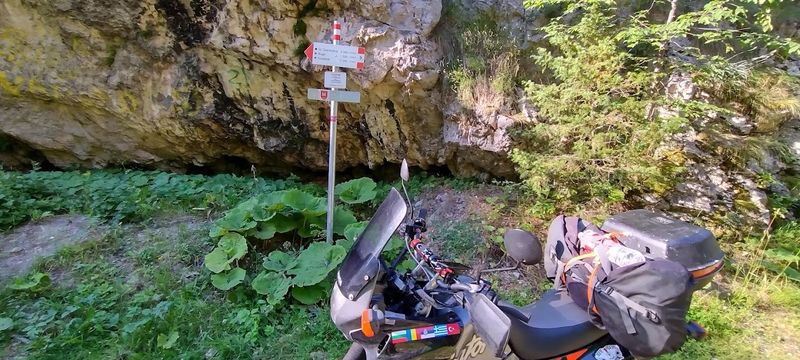
Few hiking routes in Europe carry the raw, unfiltered character that the Peaks of the Balkans Trail delivers. This 192-kilometer circular route links remote mountain regions across northern Albania, eastern Kosovo, and southern Montenegro, following ancient paths that were completely closed off to outsiders during the Cold War.
The landscape is the main event here. Hikers move through alpine valleys, stone villages, shepherd pastures, and the jagged ridgelines of the Accursed Mountains, all without losing the wild, borderland feeling that makes this route special.
This is not a casual weekend walk. Permits are required, fitness matters, and planning ahead is essential for navigating three separate countries in one journey.
Guided options exist for travelers who want support along the way. For experienced hikers who want a cross-border adventure that feels genuinely remote and historically layered, the Peaks of the Balkans delivers something few trails anywhere in the world can match.
Alpe-Adria Trail, Austria, Slovenia, and Italy
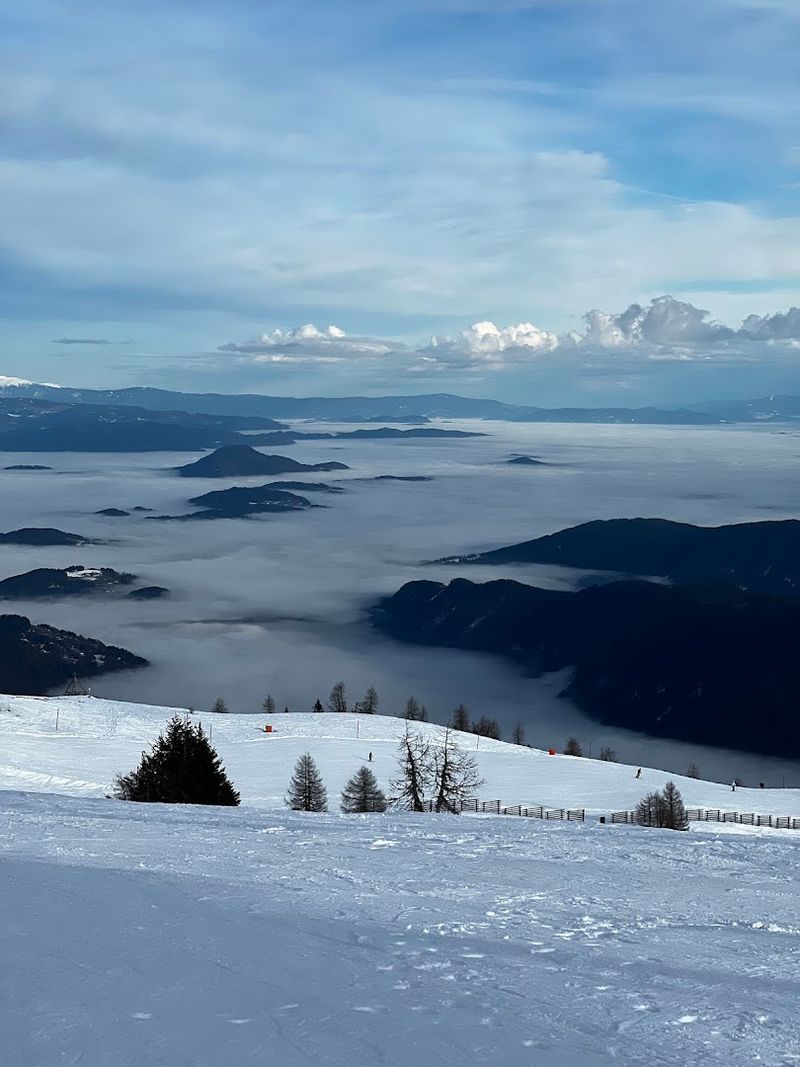
Starting in the glacier country near Austria’s Grossglockner and finishing at the Adriatic coast near Muggia in Italy, the Alpe-Adria Trail covers around 750 kilometers across 43 official stages. The journey passes through Carinthia, Slovenia, and Friuli Venezia Giulia, which means the landscape changes dramatically from stage to stage.
Glacier terrain gives way to lake regions, then wine country, then coastal villages, and finally the sea. The trail was designed with what organizers call pleasure hikers in mind, though several stages are still long and physically demanding.
That honest range makes it a good match for travelers who want variety without committing to a purely technical alpine route.
Food and culture are strong selling points here, since each region brings its own cuisine, architecture, and character to the trail. Travelers who want a multi-country hike with depth beyond just scenery will find the Alpe-Adria Trail genuinely rewarding from start to finish.
Tour du Mont Blanc, France, Italy, and Switzerland
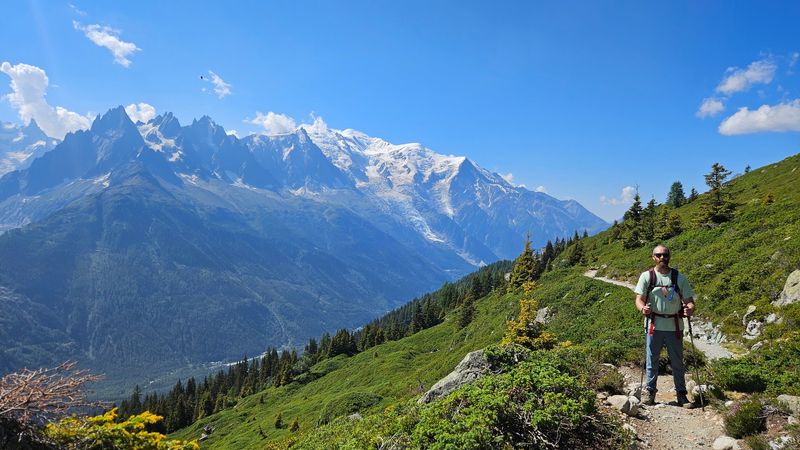
Circling the Mont Blanc massif through three countries is the kind of trek that earns its reputation. The Tour du Mont Blanc crosses France, Italy, and Switzerland, connecting high passes, alpine huts, glacier viewpoints, and villages that feel completely distinct from one valley to the next.
The route is well-established and popular, but that does not mean it runs without complications. Recent safety reroutes on the Swiss sector because of rockfall risk mean that checking current conditions before departure is genuinely important, not just a suggestion.
Hut reservations also fill up fast, especially in peak summer months, so planning ahead is essential.
For travelers willing to put in the preparation, this is one of the most rewarding mountain treks in the world. The combination of dramatic scenery, cultural shifts, and the physical challenge of crossing multiple high passes makes the Tour du Mont Blanc a benchmark experience for serious hikers crossing European borders.
Via Alpina, Eight Alpine Countries
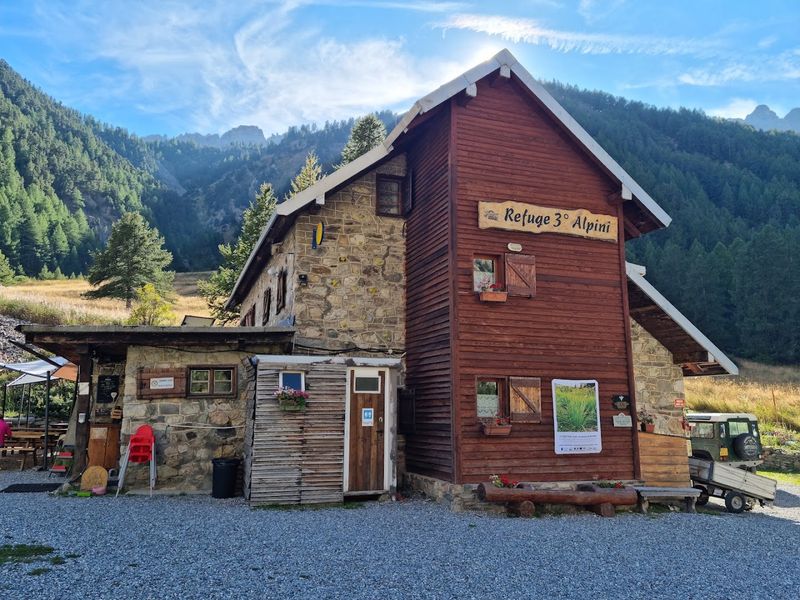
The Via Alpina is not a single trail with a start and finish line. It is a massive network of five walking routes that stretches more than 5,000 kilometers across 342 day stages and eight countries: Austria, France, Germany, Italy, Liechtenstein, Monaco, Slovenia, and Switzerland.
That scale is almost hard to picture. The routes range from hut-to-hut high alpine sections to gentler cultural paths through historic valleys and mountain villages.
Most travelers choose a section that fits their time and fitness rather than attempting the full network, which is a completely reasonable approach given the scope.
What makes the Via Alpina genuinely compelling is the flexibility it offers. A traveler can build a two-week cross-border hike through three countries or a weekend section in a single region, and both experiences are legitimate parts of the same route.
For hikers who want real Alpine terrain with an international footprint, this network is hard to beat.
Walker’s Haute Route, France and Switzerland
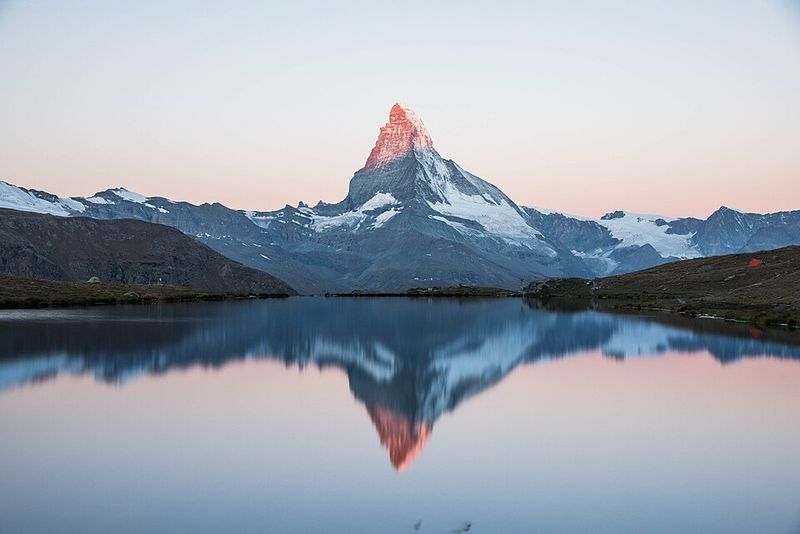
Connecting Chamonix in France with Zermatt in Switzerland, the Walker’s Haute Route is the kind of trek that experienced hikers talk about in terms of passes conquered and views earned rather than days spent in comfort. This is a demanding alpine route, typically taking 10 to 14 days depending on the version chosen.
The trail climbs through high passes, crosses rocky terrain, and offers views of both Mont Blanc and the Matterhorn, two of the most iconic peaks in the Alps. Chamonix.net describes it as a strenuous summer hike that passes below many of the highest summits in the range.
That description is accurate and worth taking seriously before packing your bag.
This route is not built for casual walkers. It rewards hikers who arrive fit, prepared, and ready for long days at elevation.
The border crossing between France and Switzerland feels earned here, which is part of what makes completing it genuinely satisfying compared with easier alternatives.
Lechweg Trail, Austria and Germany
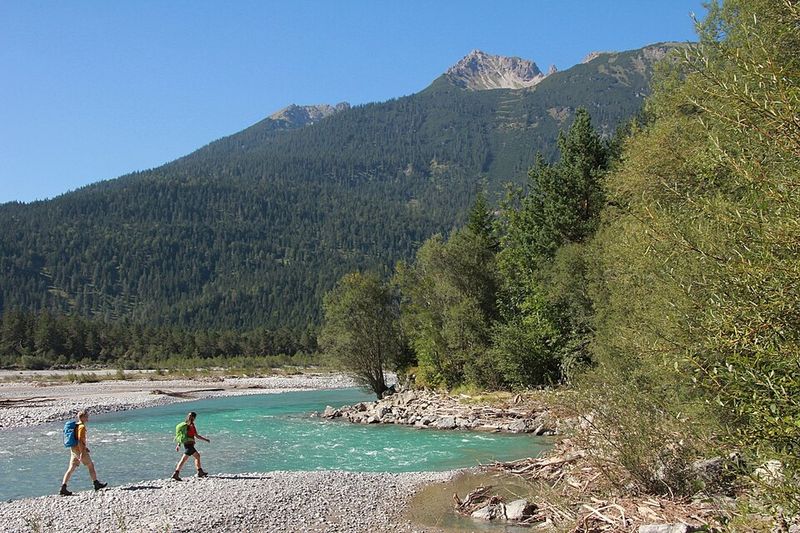
Following a river from its source to another country is a satisfying way to structure a long walk, and the Lechweg does exactly that. The trail tracks the Lech River from its origin in the Tyrolean Alps in Austria all the way to Füssen in Bavaria, Germany, covering around 125 kilometers across clearly marked stages.
The route is gentler than the big Alpine routes, which makes it a smart option for hikers who want a multi-day European border crossing without the extreme altitude and technical demands of harder trails. Along the way, travelers pass waterfalls, riverside meadows, mountain villages, and stretches of the Lech Valley that feel genuinely quiet compared with busier Alpine destinations.
The river gives the journey a natural logic that keeps the route interesting from beginning to end. Hikers always know what they are following, which makes the trail easy to understand even for first-time long-distance walkers crossing an international border on foot.
Camino Frances, France and Spain
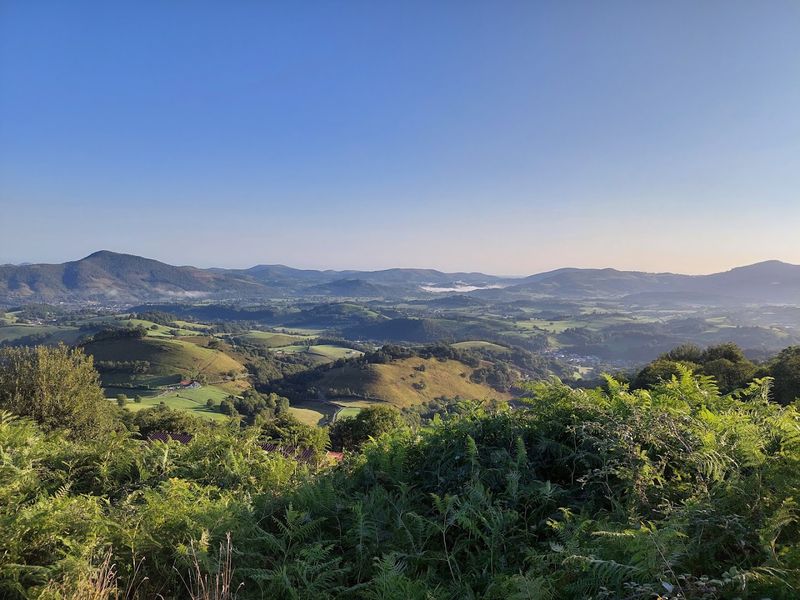
The first stage of the Camino Frances is a border crossing that earns its reputation almost immediately. Starting in Saint-Jean-Pied-de-Port in France, the route climbs steeply through the Pyrenees before descending into Roncesvalles in Spain, and many experienced walkers consider it the most physically demanding day on the entire Camino.
Weather in the Pyrenees can shift fast, and the altitude makes conditions unpredictable even in summer. The pilgrim infrastructure along the route is well-developed, with albergues, trail markers, and a clear community of walkers that makes the experience feel both historic and alive.
What separates this border crossing from purely athletic routes is the weight of history behind it. People have been walking this path toward Santiago de Compostela for over a thousand years.
That sense of continuity adds a layer of meaning to the physical act of crossing from France into Spain that most other trails simply cannot offer.
GR5, Netherlands, Belgium, Luxembourg, Germany, France, and Switzerland
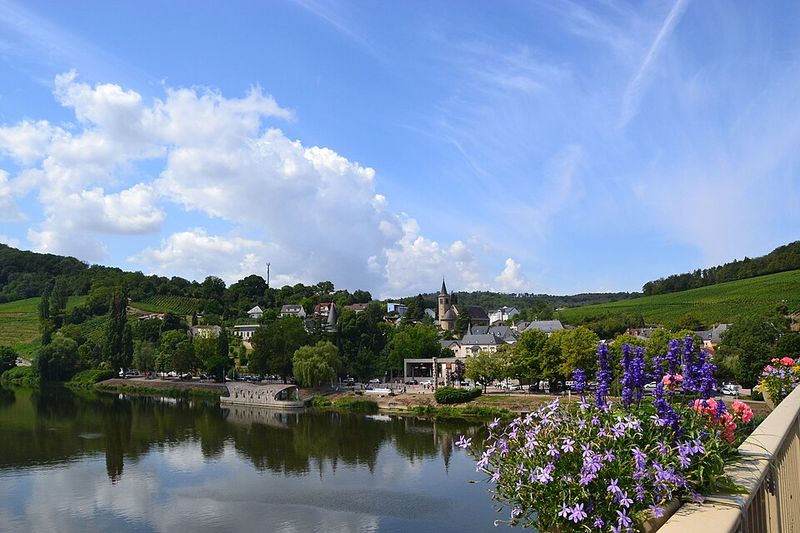
Starting at Hoek van Holland on the Dutch coast and finishing in Nice on the French Riviera, the GR5 is one of the longest and most varied walking routes in Europe. The path crosses the Netherlands, Belgium, Luxembourg, Germany, France, and Switzerland, passing through six distinct countries and just as many distinct landscapes.
The character of the trail shifts considerably along the way. Early sections move through lowland terrain before the route climbs into the Vosges, then the Jura, and finally the Alps as it approaches its Mediterranean finish.
Most hikers tackle sections rather than the full route, and there are plenty of logical entry and exit points.
For travelers who want a trail that feels like a slow, deliberate cross-section of Western Europe rather than a single mountain experience, the GR5 is one of the most compelling options anywhere on the continent. Each country adds something genuinely different to the overall journey.
EuroVelo 6, Atlantic to Black Sea Across 10 Countries
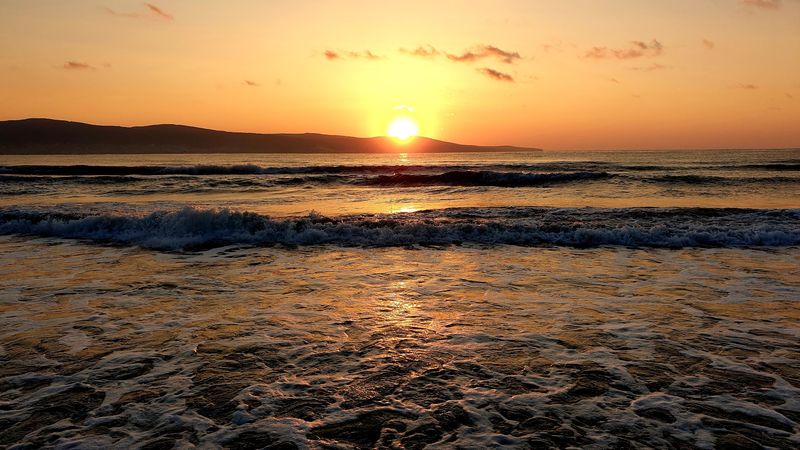
Running roughly 4,700 kilometers from the Atlantic coast to the Black Sea, EuroVelo 6 is one of the most popular long-distance cycling routes in Europe, and the river-following logic of the route is a big reason why. Much of the path traces major waterways including the Loire and the Danube, which keeps the terrain relatively flat compared with mountain cycling routes.
That accessibility makes EuroVelo 6 a strong option for a wider range of cyclists, including those who want a cross-border adventure without extreme elevation. The route passes through 10 countries, with historic towns, riverside castles, national parks, and coastline sections adding variety across the full distance.
Riders can approach this route in many ways, from a focused section along the Loire in France to a multi-week push across Central Europe toward the Black Sea. The flexibility of the route is one of its strongest practical features, making it easy to build a trip that fits available time and fitness level.
EuroVelo 13 Iron Curtain Trail, 20 European Countries
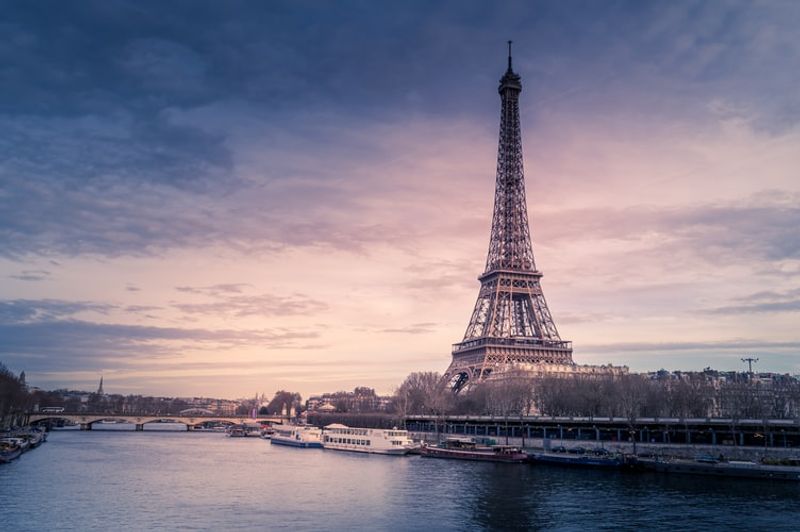
There is no other cycling route in Europe quite like EuroVelo 13. Also known as the Iron Curtain Trail, this route stretches more than 10,000 kilometers through 20 countries, tracing the former division between Eastern and Western Europe that defined the continent for decades.
The Council of Europe notes that the trail connects historic buildings, monuments, museums, national parks, and landscapes that were left largely undisturbed along the old border zones. That means riders encounter places that feel genuinely unlike the polished tourist circuits found elsewhere in Europe.
Shorter sections are very manageable, including stretches along Austria’s borders with the Czech Republic, Slovakia, and Hungary, which combine river landscapes with Cold War history and quiet countryside. Tackling any portion of EuroVelo 13 is less like a standard cycling trip and more like a moving encounter with the 20th century.
The history embedded in the landscape makes every kilometer feel purposeful.
EuroVelo 15 Rhine Cycle Route, Switzerland to the Netherlands
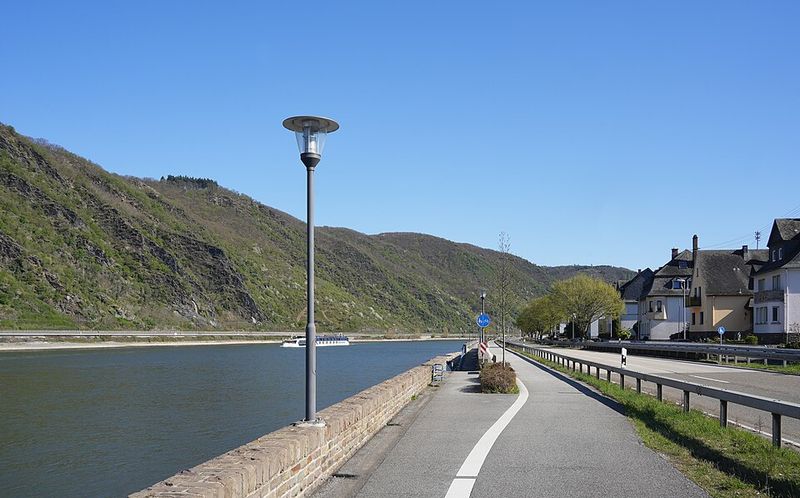
Following one of Europe’s most iconic rivers from the Swiss Alps all the way to the North Sea, EuroVelo 15 passes through Switzerland, Austria, Liechtenstein, France, Germany, and the Netherlands across a route that the official EuroVelo guide describes as having an almost negligible elevation profile.
That flatness is a genuine advantage for cyclists who want to cover distance comfortably without battling constant climbs. The Rhine itself provides a consistent and visually engaging companion, with the scenery shifting from Alpine river valleys to vineyard-covered gorges to medieval towns and eventually flat Dutch lowlands near the coast.
Along the way, riders can stop at castles, historic city centers, and wine regions that make the route feel as culturally rich as it is scenic. For travelers who want a cross-border cycling trip through six countries that balances accessibility with genuine international variety, the Rhine Cycle Route is one of the most logical and satisfying choices available in Europe.
Trans Dinarica Cycling Trail, the Western Balkans
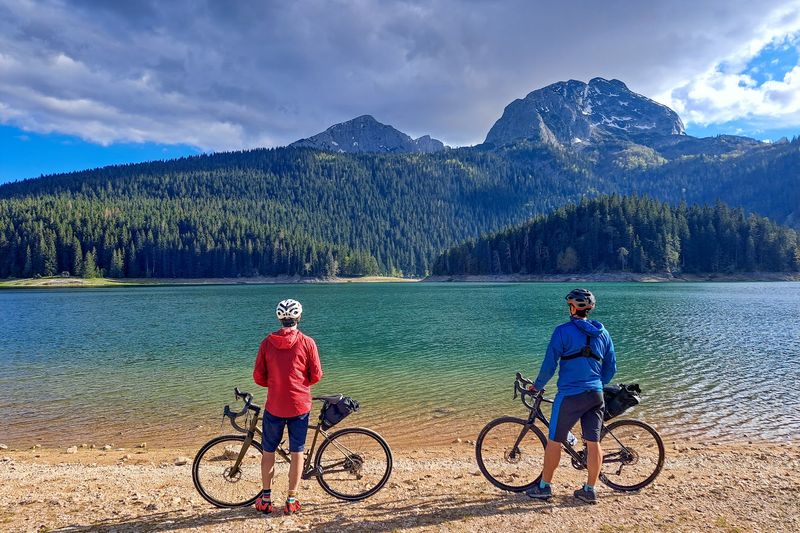
Released officially in 2024, the Trans Dinarica is one of the freshest major cycling routes in Europe, and it covers territory that most international cyclists have barely explored. The route connects all eight Western Balkan countries: Slovenia, Croatia, Bosnia and Herzegovina, Montenegro, Albania, North Macedonia, Kosovo, and Serbia, across approximately 5,480 kilometers and 95 stages.
The design intentionally links national parks, UNESCO heritage sites, mountain landscapes, and smaller villages that sit well off the standard tourist path. That regional depth is a major part of what makes this route worth paying attention to.
For cyclists who want something that feels newer, less predictable, and deeply tied to a specific part of the world, the Trans Dinarica offers a genuinely different experience from the established EuroVelo network. Riders should prepare for varied road conditions and infrastructure that is still developing in some areas, but the rewards in scenery and cultural discovery are substantial.
International Appalachian Trail, United States and Canada
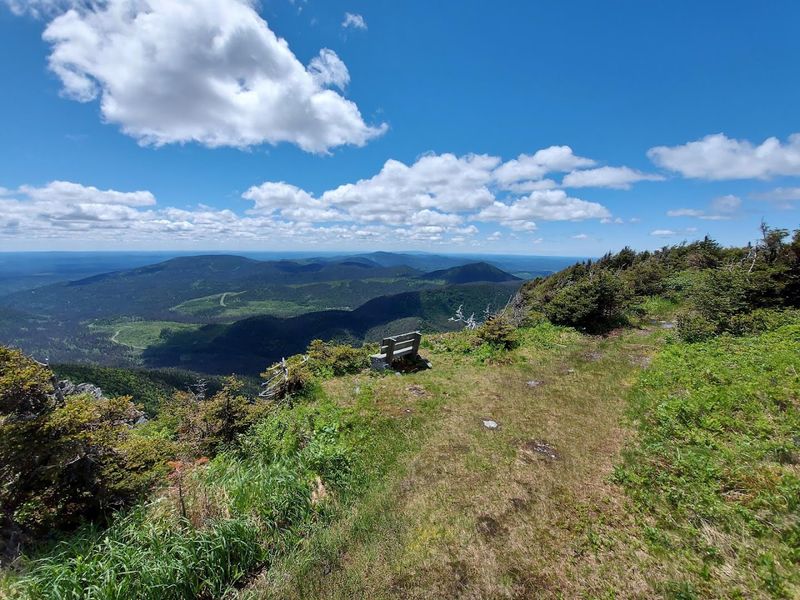
Most people know the Appalachian Trail as a Maine-to-Georgia journey, but the International Appalachian Trail takes the concept further north into Canada. The National Park Service notes that the IAT runs through Katahdin Woods and Waters National Monument in Maine and connects remnants of the ancient Appalachian mountain chain across the border and beyond.
The Maine section moves through forests, rivers, streams, and the kind of quiet North Woods landscape that feels completely different from the more heavily trafficked sections of the southern Appalachian Trail. This is a route for travelers who genuinely prefer rugged forest immersion over resort-adjacent hiking.
Border logistics require real planning here. Hikers should not assume that remote trail crossings into Canada work like casual path connections, and legal entry points need to be confirmed before departure.
For North American hikers who want a cross-border wilderness experience rooted in ancient geology and genuine remoteness, the IAT is a compelling and underappreciated option.
Forststeig Elbe Sandstone, Germany and Czech Republic
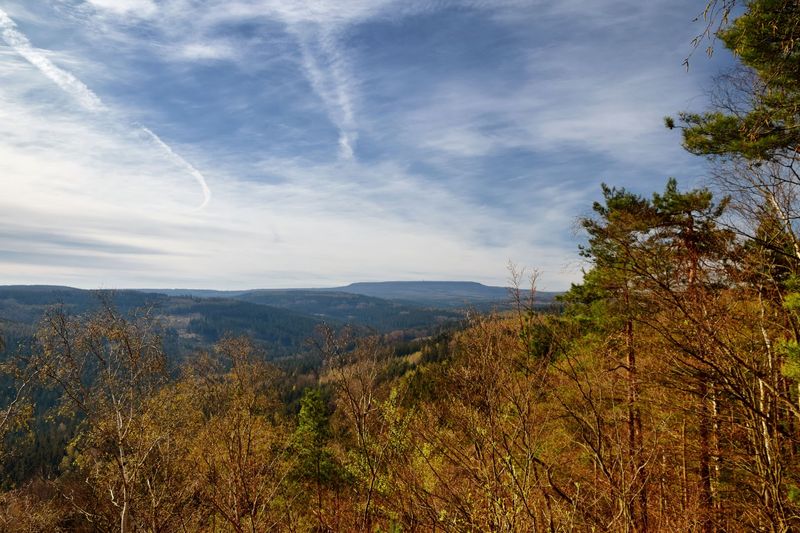
Sandstone formations, dense forest, and a genuine borderland atmosphere make the Forststeig Elbe Sandstone trail one of the more distinctive multi-day hiking routes in Central Europe. The route runs through the German-Czech border region in Saxon and Bohemian Switzerland, covering terrain that feels notably different from standard Alpine hiking.
The official site confirms that the 2026 season opened on April 1 and that the trail operates annually from April through October. Overnight options on the German side include huts and bivouac-style shelters, while the Czech side offers a campground, giving the route a slightly rugged, back-to-basics overnight feel.
For travelers who want a cross-border hike that avoids the crowds of the major Alpine routes, this is a strong seasonal option. The sandstone scenery is genuinely striking, and the quieter forest atmosphere sets it apart from busier European trails.
Checking the official site for current conditions before visiting is always a smart move with this one.
Share this story