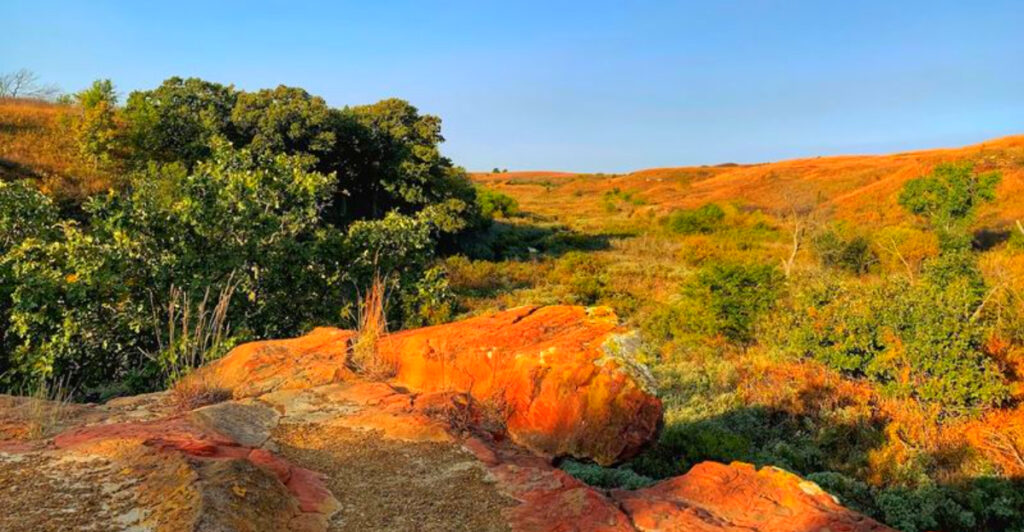
Kansas offers far more scenic picnic spots than many people expect. From dramatic sandstone bluffs and sparkling lakes to botanical gardens, historic parks, and unique landmarks, the state is filled with beautiful places to enjoy a meal outdoors.
Whether you’re planning a family outing, a relaxing afternoon, or a road trip stop, these 12 picnic destinations showcase some of Kansas’ most memorable scenery. Pack a blanket and discover a different side of the Sunflower State.
1. Overland Park Arboretum & Botanical Gardens, Overland Park, Kansas
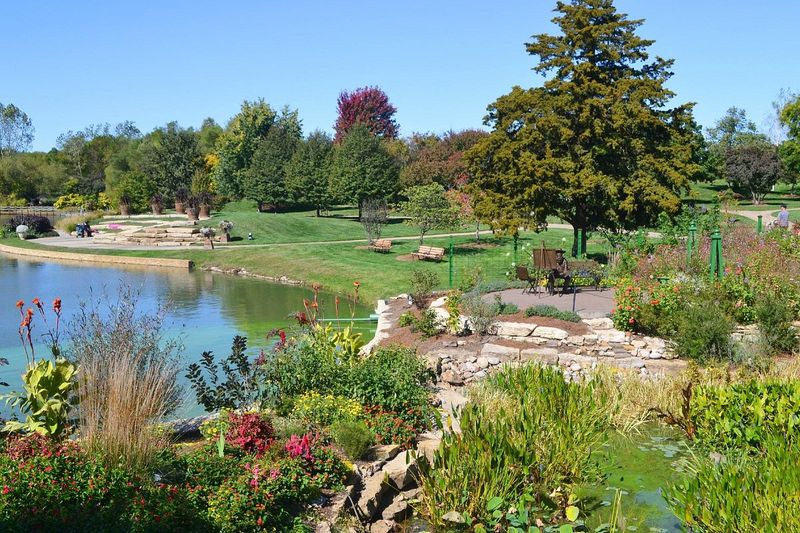
Three hundred acres of themed gardens, wooded trails, and native prairie make the Overland Park Arboretum one of the most thoughtfully designed outdoor spaces in the entire state.
The arboretum contains 13 themed gardens, including a one-acre Monet Garden recreating the famous Water Lilies setting, and a Children’s Discovery Garden complete with a frog pond and nature play area. Over 1,700 plant species grow across the grounds, alongside 180 acres of native prairie filled with wildflowers and grasses.
Nearly six miles of trails wind through limestone outcrops, bottomland paths, and oak-hickory woodlands, giving walkers a genuinely varied experience. The Stous Promenade overlooking Margaret’s Pond is a particularly recommended picnic spot, with benches and tables nearby.
Wildlife including deer, birds, and dragonflies are regularly spotted throughout the different ecosystems. Admission fees apply, but entry is free on the first Tuesday of each month, making it an easy outing to plan around a budget.
2. Gage Park, Topeka, Kansas
Few urban parks in Kansas carry as much history as this 160-acre gathering place that has served Topeka families continuously since 1899, when the Gage family donated their farmland to the city.
The Reinisch Rose Garden is one of the park’s crown jewels, displaying over 4,500 roses across 180 varieties. Peak bloom typically falls in late May through early June, with a second show arriving in early to mid-September. Adjacent to it, the Doran Rock Garden features a reflecting pool, a stone pedestrian bridge, Japanese maples, and seasonal flowering annuals.
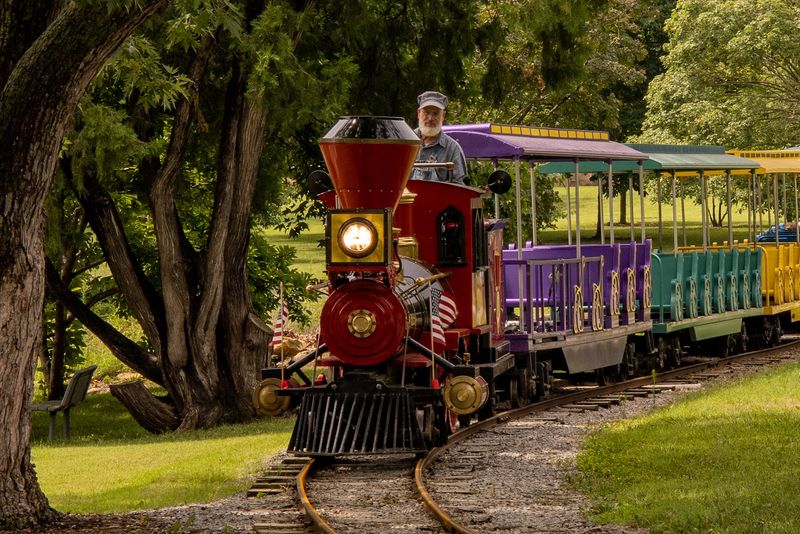
After lunch, visitors have plenty to explore. The miniature train has been a park fixture for over 45 years, covering a mile-long scenic loop through the grounds. Children enjoy Animaland, a playground featuring climbable concrete animal statues installed back in 1960.
Several reservable shelter houses, including Big Gage Shelter and Snyder’s Cabin, accommodate larger groups, some with full kitchens. Fishing is also available at Westlake, which has a barrier-free dock.
3. Shawnee Mission Park, Shawnee, Kansas
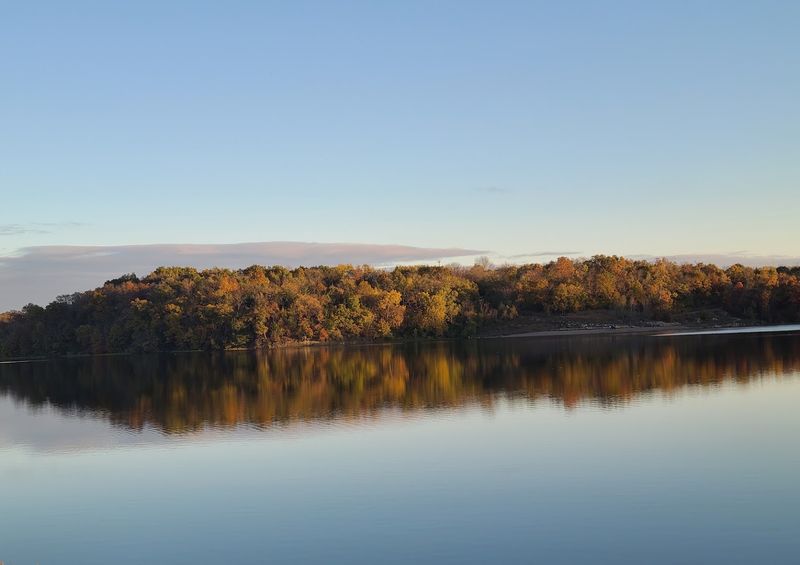
Kansas’ most-visited park covers 1,756 acres and manages to feel spacious even on its busiest weekends, which is a genuine achievement for a park this close to the Kansas City metro area.
At the center of the action sits a 120-acre lake popular for boating, sailing, fishing, and paddleboarding. The lake is regularly stocked with channel catfish, bass, wipers, and crappie, and rainbow trout are introduced in February and December. Boat and kayak rentals are available at the Shawnee Mission Park Marina.
For picnickers, the park provides numerous areas and 11 reservable shelters. Shelter 8 is a crowd favorite, positioned with direct views over the lake and the off-leash dog park beach. Over 20 miles of trails cover the grounds, ranging from paved multi-use paths to rugged mountain biking routes.
A five-acre prairie remnant within the park supports wildflowers including coneflowers and blazing stars. An 18-hole disc golf course, archery range, and a seasonal swimming beach round out the recreational options here.
4. Clinton State Park, Lawrence, Kansas
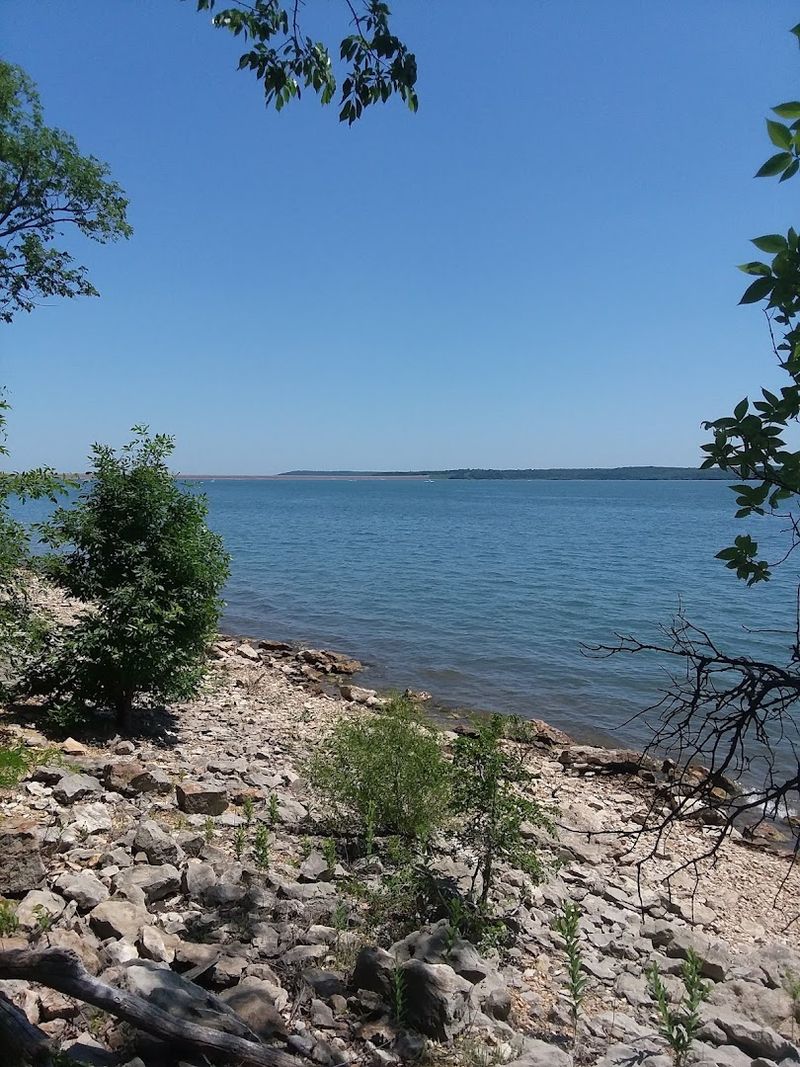
Just four miles west of Lawrence, this 1,500-acre park sits along the clear waters of Clinton Lake and borders a 9,200-acre wildlife area, giving it a surprisingly wild feel for a park so close to a university town.
Six reservable picnic shelters and a separate day-use picnic area make it straightforward to claim a good spot by the water. The surrounding Osage Cuestas region adds rolling topography and scenic variety that sets it apart from flatter parts of the state.
Over 25 miles of trails cross the park, including a 0.75-mile self-guided nature trail and a mountain bike skills course. Bald eagles are frequently spotted during spring and fall migrations, and white-tailed deer, wild turkeys, and waterfowl are common year-round.
Clinton Lake Marina, the largest full-service marina in Kansas, offers kayak and paddleboard rentals alongside boat slips and fuel. History fans may find it interesting that the land around the park once played a significant role in the Underground Railroad.
5. Historic Lake Scott State Park, Scott City, Kansas
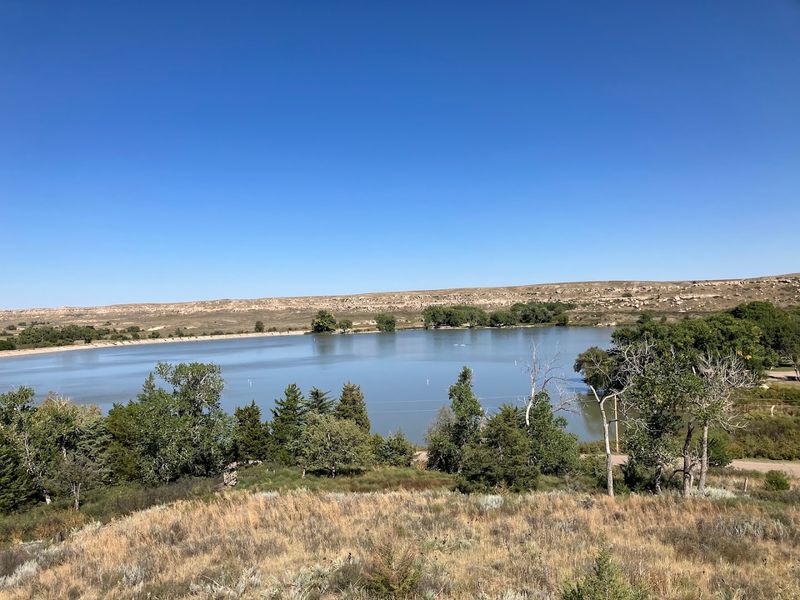
National Geographic named it one of America’s 50 must-see state parks, and anyone who has stood at the edge of its craggy bluffs above a spring-fed lake in the middle of western Kansas will understand why that recognition is well earned.
The 1,020-acre park surrounds a 100-acre lake created in 1929 by damming Ladder Creek Canyon. Big Spring alone pumps over 300 gallons of water per minute into the lake, keeping it remarkably clear and full. Groves of hackberry, willow, walnut, and cedar line the banks, creating shade that feels genuinely surprising on the open prairie.
The park holds over 26 documented archaeological sites, including El Cuartelejo, the northernmost known Native American pueblo in the United States and a National Historic Landmark. The Steele Home, preserved from the area’s original settlers, now operates as a museum with pioneer furnishings and tools.
Picnic areas with tables, grills, and shelters offer lake views throughout the park. Seasonal canoe, kayak, and paddleboat rentals are available at a concession building near the water.
6. Kanopolis State Park, Marquette, Kansas
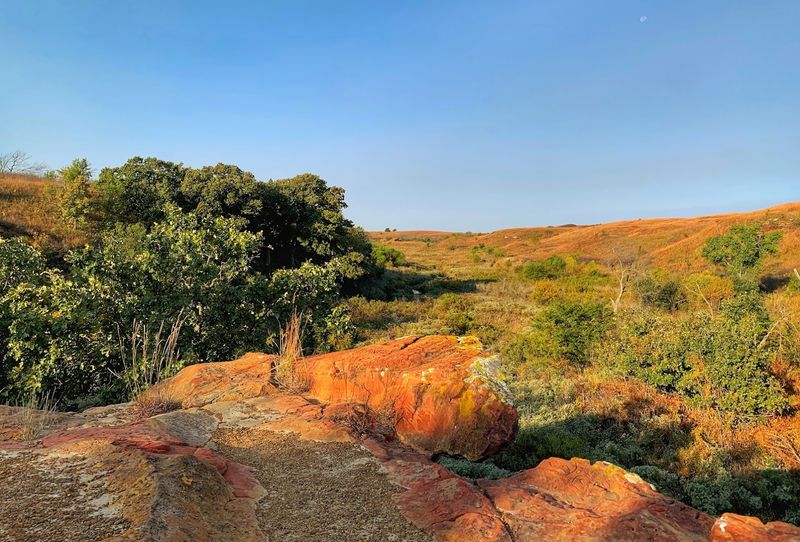
Kansas’ very first state park turned 70 in 2025, and it has spent all those decades proving that the Smoky Hills region is one of the most geologically dramatic corners of the state.
The park’s signature sandstone formations, part of the Dakota and Kiowa Formations, developed roughly 100 million years ago from sediment deposited along an ancient inland sea. These red and orange bluffs tower above Kanopolis Lake, a 3,500-acre reservoir that draws boaters, anglers, and water skiers throughout the warmer months.
Over 30 miles of multi-use trails cross the park, including the Horsethief Canyon Trails known for rugged canyons and caves. Faris Caves, hand-dug into the sandstone cliffs by early pioneers, once served as a schoolhouse, living quarters, and a milk house, making them one of the more unusual historical stops in the region.
Numerous picnic areas and six deluxe cabins are available for visitors. The park also manages nearby Mushroom Rock State Park, giving day-trippers the option of combining two distinctive destinations in one outing.
7. Wilson State Park, Sylvan Grove, Kansas
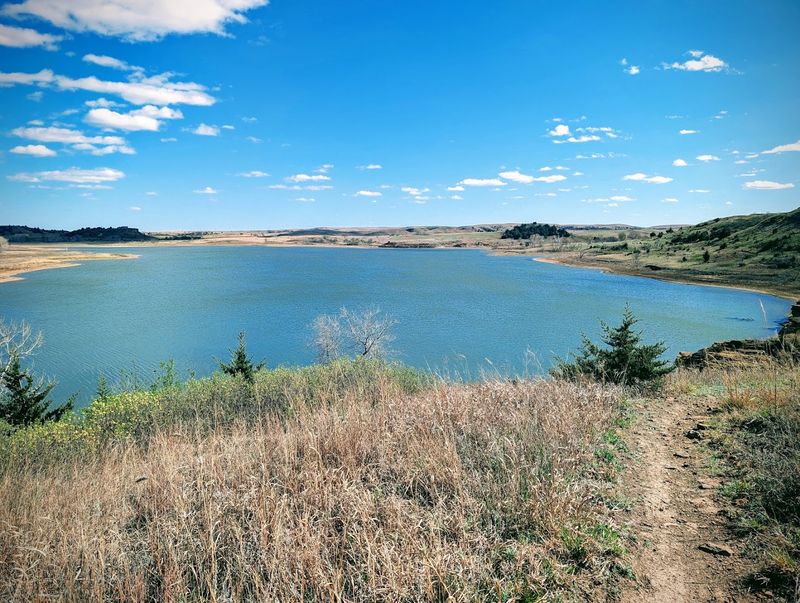
Locals and travel writers alike have called Wilson Lake the most beautiful reservoir in Kansas, and the park that wraps around its rocky north shore makes a strong case for that title every single season.
The 9,000-acre reservoir was completed in 1964 by the U.S. Army Corps of Engineers, and its clear blue water contrasting against pale limestone cliffs gives the park a look that feels more like the American Southwest than the Kansas plains. Two boat ramps and a full-service marina at Hell Creek provide easy water access for boating, fishing, and kayaking.
Anglers target white bass, striped bass, walleye, and crappie throughout the year. On land, over 40 kilometers of trails range from the easy paved Cedar Trail to the challenging 24.5-mile Switchgrass Bike Trail, which is a serious workout for mountain bikers.
Numerous picnic tables are scattered across the park, many positioned directly above the water. Eight modern cabins with kitchenettes and bathrooms are available for overnight stays, and several covered shelters with charcoal grills can be reserved in advance.
8. Coronado Heights Park, Lindsborg, Kansas
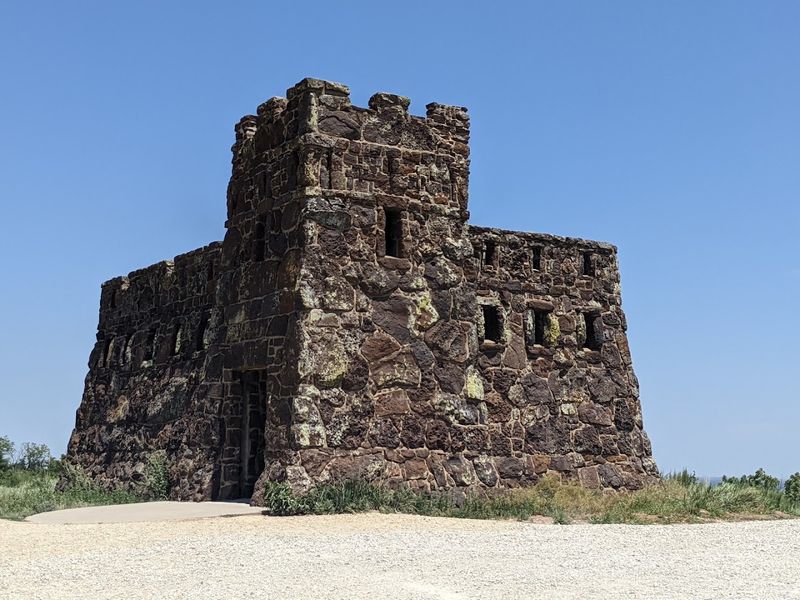
Rising 300 feet above the Smoky Valley, this hilltop park comes with a genuine stone castle, views stretching up to 35 miles on a clear day, and a historical claim involving a 16th-century Spanish explorer searching for cities of gold.
The castle at the summit was built in 1936 as a Works Progress Administration project during the Great Depression, constructed entirely from native Dakota sandstone. It includes an observation deck, turrets, and a fireplace, and functions as a covered picnic shelter with a view that most parks simply cannot match.
Spanish explorer Francisco Vasquez de Coronado may have visited this hill in 1541 during his search for the fabled Seven Cities of Gold. Chain mail, coins, and explorer’s gear discovered in the area support the historical presence of Spanish travelers in this part of Kansas.
Stone picnic tables line the hilltop’s edge at various viewpoints, and a 3-mile trail system with two loops runs around the base of the heights. Kite flying is a popular activity here, with Lindsborg hosting an annual Coronado Heights Kite Fly event each year.
9. Pomona State Park, Vassar, Kansas
Tucked into a transition zone between prairie and eastern woodlands in Osage County, Pomona State Park draws northeast Kansas families back season after season for its combination of shaded campsites, calm water, and genuinely unhurried atmosphere.
The park sits on the south shore of the 4,000-acre Pomona Reservoir, about 30 miles south of Topeka. Several reservable picnic shelters dot the grounds, including the Southwind Shelter House, a group facility with a full kitchen, restrooms, and a multi-purpose room available year-round.
Pomona Lake has produced state record catfish and wiper, and anglers regularly target crappie, walleye, white bass, and largemouth bass from shore or boat. Four boat ramps with courtesy docks give easy water access, and the Lighthouse Bay Marina covers full boating services.
The park’s trail network covers 2.4 miles, including the ADA-accessible Hedge-Wood Trail and the more moderate 8-mile Blue Dasher Trail. Bald eagles visit in winter, and bobcats, deer, and raccoons are spotted throughout the year. Four modern cabins with kitchens and bathrooms are also available for overnight stays.
10. Tuttle Creek State Park, Manhattan, Kansas
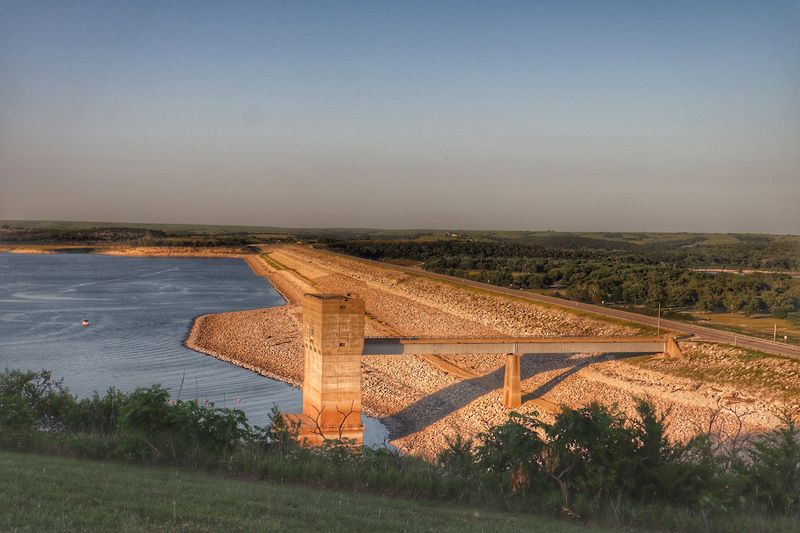
Two miles north of Manhattan, this 1,250-acre park wraps around Kansas’ second-largest body of water, a 12,500-acre reservoir with 100 miles of rugged, wooded shoreline that gives the park far more variety than its distance from town might suggest.
The park is divided into four distinct units: River Pond, Cedar Ridge, Fancy Creek, and Randolph, each offering a slightly different character. Scenic overlooks above the dam provide commanding views of the reservoir and the surrounding Flint Hills, and the Observation Point Nature Trail, an easy one-mile loop, includes trailside exhibits along the way.
About 20 miles of trails serve hikers, mountain bikers, and horseback riders, including a challenging 6-mile route in the Fancy Creek area noted as one of the steepest in the state. Year-round trout fishing is available in the River Pond area, and the park also offers an 18-hole disc golf course, an archery range, and a swimming beach.
A nesting pair of bald eagles at the water’s edge has become a reliable attraction for wildlife watchers. Canoe and kayak rentals are available at the park headquarters in the River Pond area.
11. Big Brutus Historic Site, West Mineral, Kansas
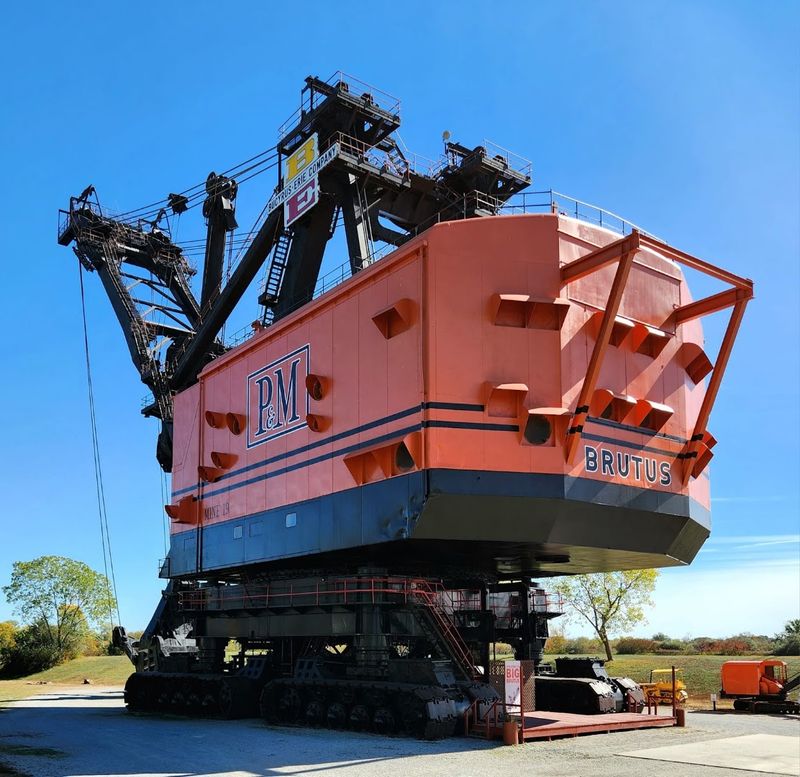
Not many picnic lunches happen in the shadow of a 160-foot, 11-million-pound machine, but Big Brutus makes exactly that kind of afternoon possible, and the scale of the thing has to be seen in person to be fully believed.
This Bucyrus-Erie model 1850-B electric power shovel is the largest surviving electric shovel of its type in the world. Built in 1962 and assembled on-site from parts shipped on 150 railroad cars, it operated continuously for the Pittsburg and Midway Coal Mining Company from 1963 to 1974. Its dipper could scoop 90 cubic yards in a single bite, enough to fill three railroad cars at once.
After operations ended, the machine was donated for preservation and opened to the public in 1985. Visitors take a self-guided tour, climb into the operator’s cab, and explore a museum covering Southeast Kansas coal mining history. It was added to the National Register of Historic Places in 2018.
Picnic tables and a spacious covered shelter sit on the grounds. The surrounding 15,000-acre Mined Land Wildlife Area offers fishing in reclaimed strip pits, along with hunting and camping options for those who want to extend their visit.
12. Mushroom Rock State Park, Brookville, Kansas
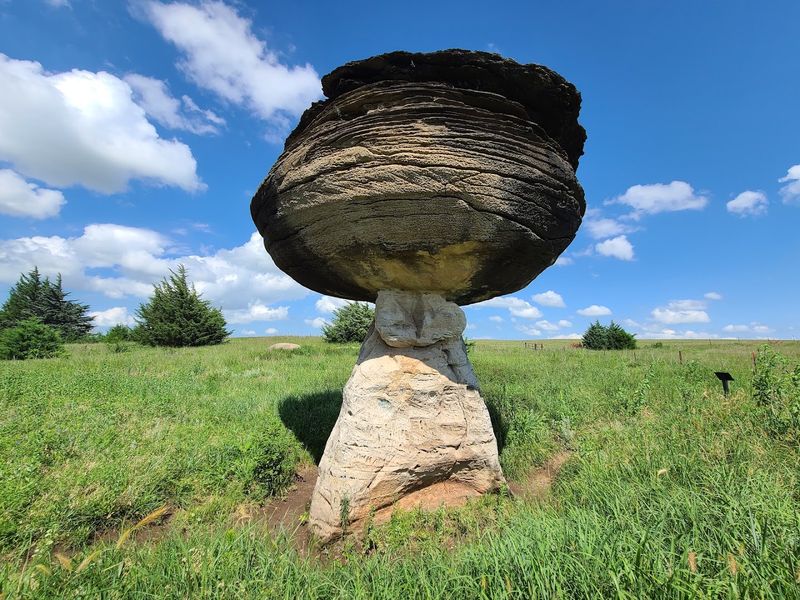
At just five acres, Kansas’ smallest state park packs a surprising amount of geological wonder into a very compact footprint, and the formations it protects are unlike anything else in the state.
The park’s signature mushroom-shaped sandstone concretions formed during the Cretaceous Period, between 144 and 66 million years ago, when the region lay beneath an ancient ocean. Softer sandstone eroded away over millions of years, leaving harder spherical concretions balanced on narrower stems. The largest formation, known as Pulpit Rock, measures 27 feet in diameter across its cap.
Designated as one of the 8 Wonders of Kansas Geography, the park also sits along the Kansas Prairie Trail Scenic Byway. Historically, the rocks served as landmarks and meeting points for Native Americans and early explorers including John C. Fremont and Kit Carson.
Two easy walking trails, both under 0.11 miles, loop around the formations on flat, grassy ground. Picnic tables are available for day visitors, though grills and fire pits are not provided.
Share this story