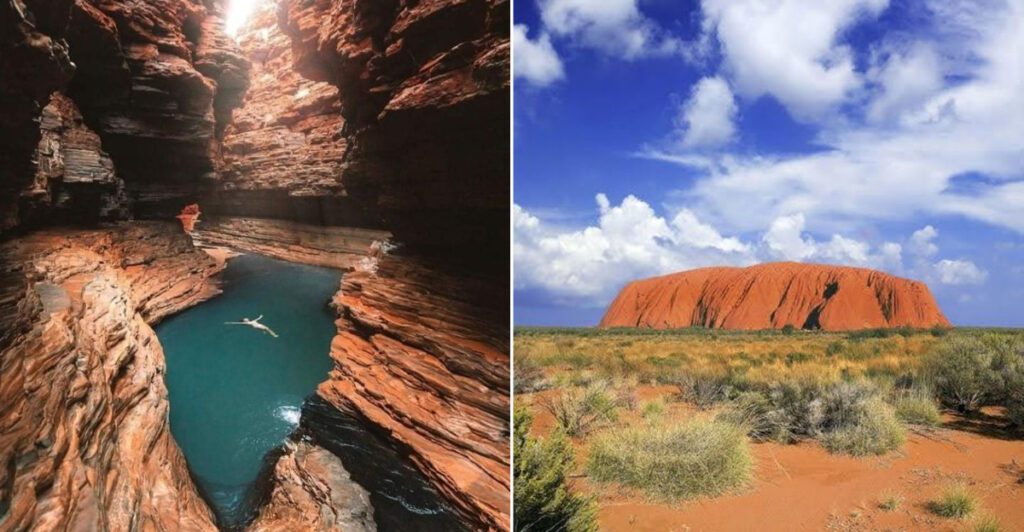
Australia is home to some of the most varied and breathtaking national parks on the planet. From ancient rainforests and red desert rock formations to alpine highlands and dramatic coastal gorges, the country’s protected landscapes cover an almost impossible range of terrain.
Whether you’re planning a road trip through the outback or a weekend escape from the city, there’s a national park that fits the trip. This list covers 15 of Australia’s most spectacular protected areas, pulling from every corner of the country, so you can start planning the kind of outdoor adventures that are genuinely worth the time and effort to reach.
Kakadu National Park, Northern Territory
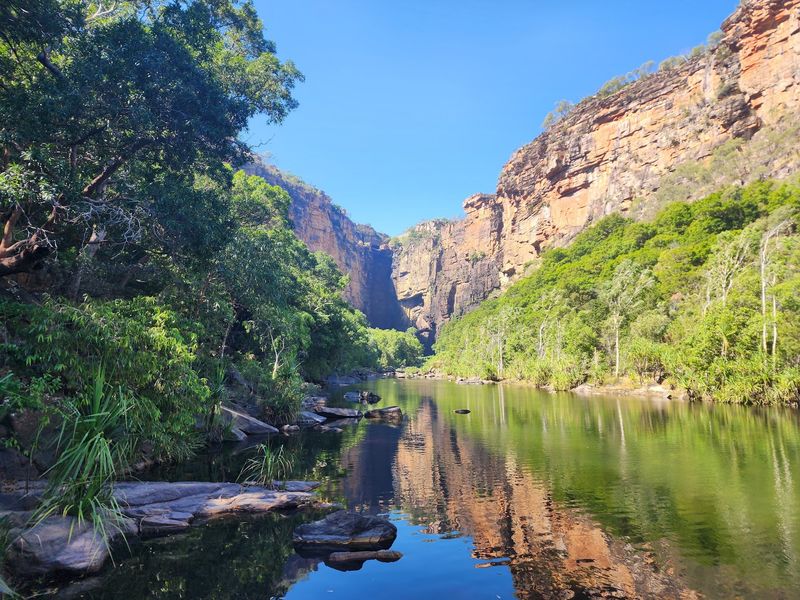
Scale is the first thing that hits you about Kakadu. Covering more than 19,000 square kilometers in the Northern Territory, this UNESCO World Heritage-listed park packs wetlands, sandstone escarpments, monsoon forests, billabongs, and waterfalls into a landscape that genuinely rewards several days of exploration rather than a quick drive-through visit.
Ubirr is one of the most important stops in the park, offering access to Aboriginal rock art galleries and a sweeping elevated view across the surrounding floodplains. Burrungkuy, also known as Nourlangie, is another cultural and geological highlight worth planning time around.
Wildlife here is extraordinary. Kakadu’s wetlands support hundreds of bird species, and saltwater crocodiles are a very real presence throughout the region.
The park remains open in 2026, though Jim Jim and Twin Falls are closed this year due to infrastructure works. Check current seasonal access information before finalizing any itinerary here.
Uluru-Kata Tjuta National Park, Northern Territory
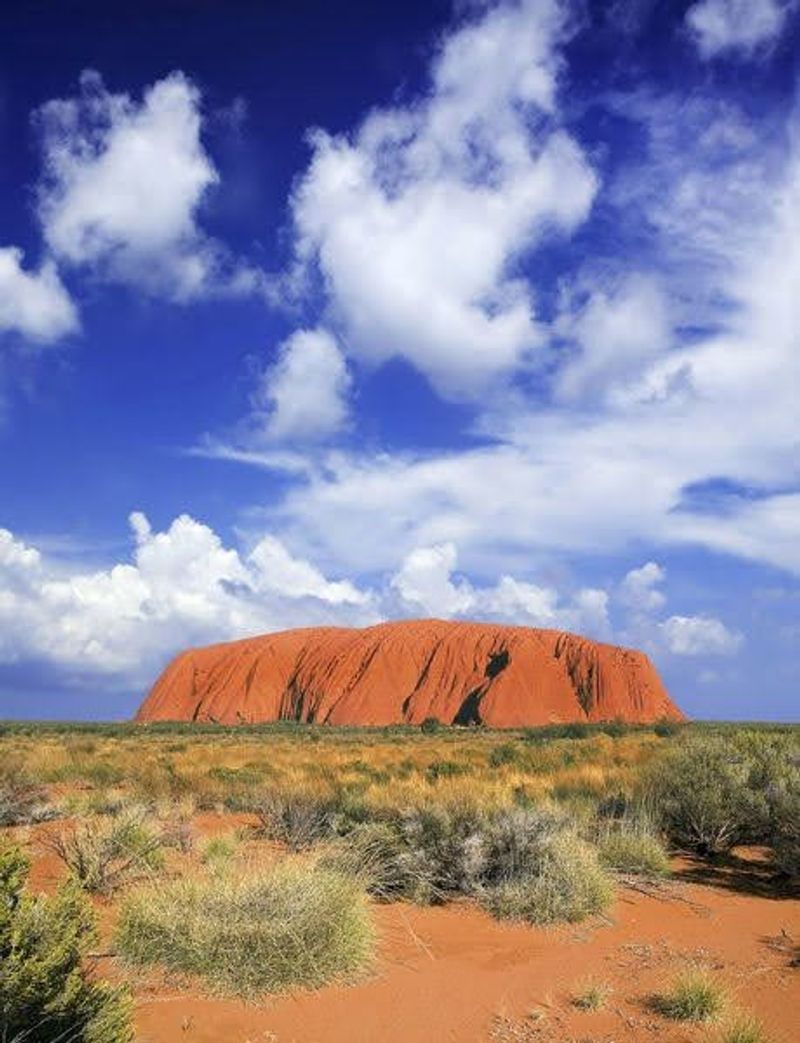
Uluru is one of those places that photographs simply cannot prepare you for. Standing at the base of the enormous sandstone formation and watching its surface shift from burnt orange to deep red as the light changes is a genuinely different experience from anything a screen can deliver.
The park also contains Kata Tjuta, a striking group of massive domed rock formations sitting roughly 30 kilometers from Uluru. Both sites carry profound cultural significance for the Anangu Traditional Owners, and visitors are strongly encouraged to engage with that history respectfully rather than treating the landscape purely as a photo backdrop.
The park is fully operational in 2026, with Parks Australia having launched a new five-day Uluru walking experience this year. The Liru walk has a temporary closure following flooding, but alternative access to the Uluru base walk remains available.
Plan your sunrise and sunset timing carefully for the most memorable views.
Litchfield National Park, Northern Territory
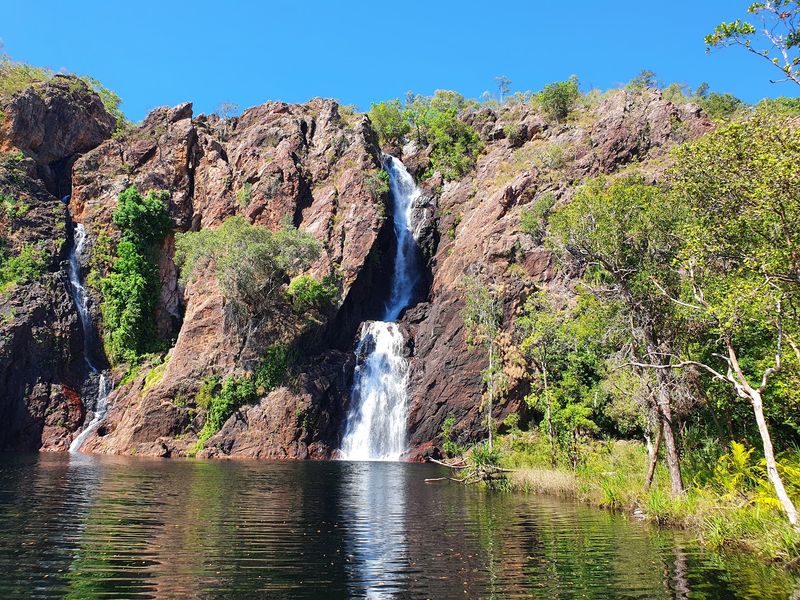
About 120 kilometers southwest of Darwin, Litchfield National Park has built a well-deserved reputation as one of the Northern Territory’s most enjoyable day-trip or short-stay destinations. Its sandstone plateau, the Tabletop Range, feeds a series of waterfalls that tumble into natural pools throughout the park.
Wangi Falls is probably the most recognized of these, where a wide cascade drops into a large plunge pool framed by tropical vegetation. Swimming access at Wangi depends on seasonal safety conditions, so checking current park information before arrival is always a smart move.
Beyond the waterfalls, Litchfield offers monsoon forest walks, magnetic termite mounds that are genuinely striking up close, historic sites, and woodland scenery. Because the park sits close to Darwin, it fits naturally into a broader Northern Territory itinerary without requiring a major detour.
Individual site conditions can vary, so reviewing the latest park alerts before choosing your stops is recommended.
Daintree National Park, Queensland
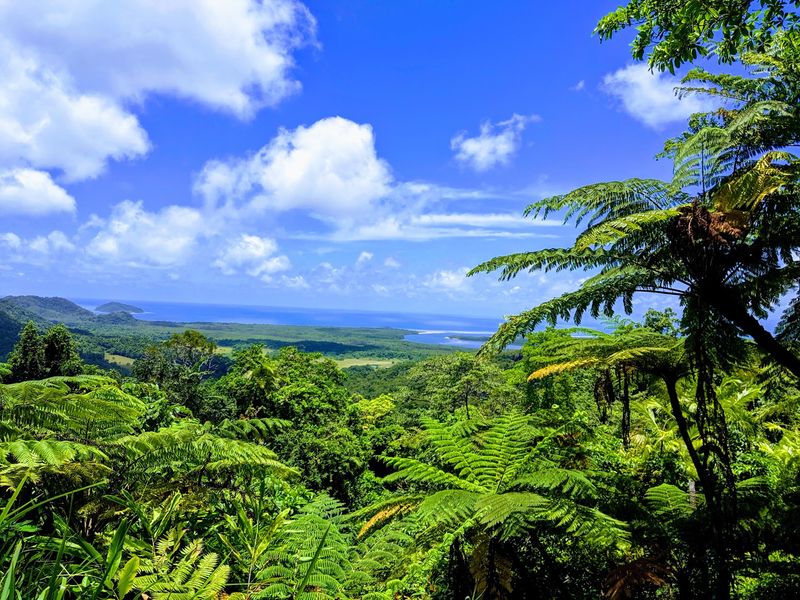
The Daintree is often described as the oldest tropical rainforest on Earth, and walking through it does carry a certain ancient, layered quality that feels unlike most other Australian landscapes. Located in tropical North Queensland, Daintree National Park protects two particularly well-known sections: Mossman Gorge and the Cape Tribulation area.
Cape Tribulation is where rainforest and tropical coastline exist almost side by side, which is genuinely unusual even by Australian standards. Boardwalks and walking tracks let visitors move through the forest without needing serious wilderness experience, making the area accessible to a wide range of travelers.
Reaching Cape Tribulation from Cairns involves crossing the Daintree River by ferry and traveling Cape Tribulation Road. Queensland Parks provides current maps, camping details, and visitor resources for the park.
One point that official park information makes clearly: this is crocodile country, and staying away from unsafe waterways and the water’s edge is not optional.
K’gari, Great Sandy National Park, Queensland
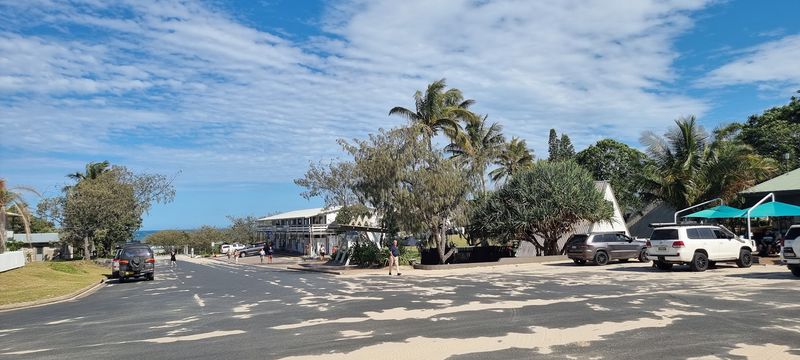
K’gari, formerly widely known as Fraser Island, is the kind of place that redefines what a national park can look like. Forming part of Great Sandy National Park off Queensland’s coast, it combines the world’s largest sand island with freshwater lakes perched high in the dunes, ancient forests growing directly out of sand, long open beaches, and coastal scenery that shifts constantly as you move around the island.
Getting around K’gari is an adventure in itself. Much of the island is navigable only by four-wheel-drive vehicles, and sections of beach serve as the main travel routes.
That practical reality means arriving unprepared is genuinely not a good idea.
Queensland Parks requires vehicle-access permits for anyone driving on the island, and camping must be booked well in advance. Dingo safety guidelines are published by Queensland Parks and should be read before visiting.
For travelers who want an Australian national park experience that looks nothing like the standard hiking-and-lookout trip, K’gari is in a category of its own.
Blue Mountains National Park, New South Wales
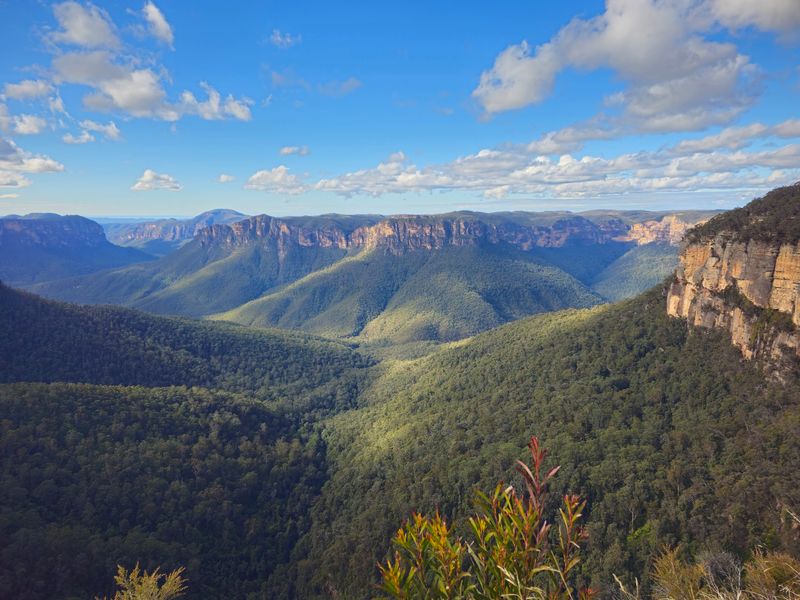
Just beyond the western edge of metropolitan Sydney, Blue Mountains National Park opens up into a landscape of sandstone cliffs, forested valleys, cascading waterfalls, and ridgelines covered in eucalyptus trees. The distinctive blue haze that gives the mountains their name comes from fine droplets of eucalyptus oil released into the air, which is a genuinely interesting natural process rather than just a poetic description.
The Blackheath area is particularly popular for its cliff-top lookouts and walking trails, offering some of the park’s most dramatic views. Other sections of the park cater to mountain biking, canyon exploration, and longer multi-day bushwalks for more experienced hikers.
Part of what makes the Blue Mountains so appealing is the combination of serious wilderness scenery with relatively easy access from Sydney. The park is listed as open, though some areas carry temporary alerts as of August 2026.
Checking the NSW National Parks alerts page before choosing a specific trail is a sensible step before heading out.
Kosciuszko National Park, New South Wales
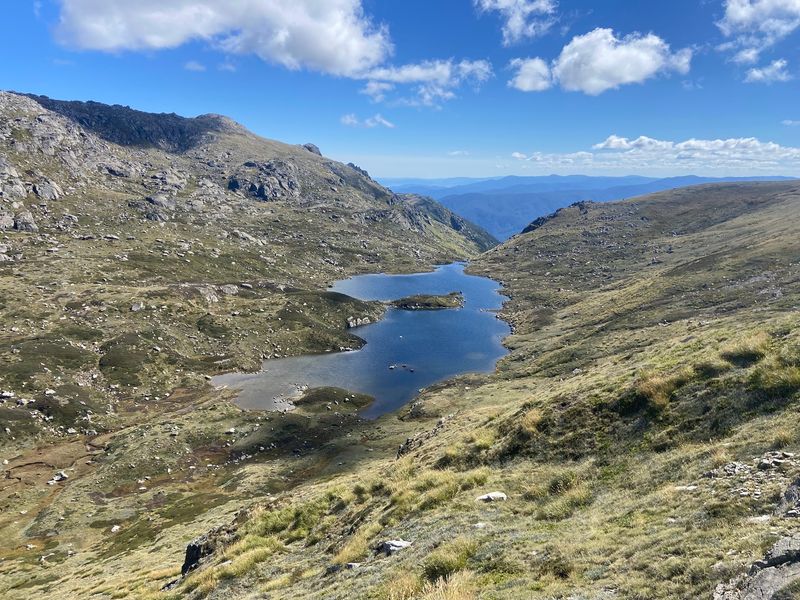
Australia’s alpine credentials often surprise first-time visitors, and Kosciuszko National Park is the place that makes the strongest case for them. The park contains Mount Kosciuszko, the country’s highest peak, along with a broad range of terrain including high-country grasslands, ancient river systems, caves, waterfalls, and forested slopes that stretch across an enormous protected area in southern New South Wales.
The experience here changes dramatically with the seasons. Winter brings snow to the higher elevations, while the warmer months open up a much wider network of hiking trails and reveal alpine wildflower displays that can be genuinely striking.
Thermal pools, caves, and waterfalls add variety beyond the summit hiking options.
The park operates year-round, but seasonal road and track closures are a normal part of visiting. As of August 2026, a number of roads and tracks in the northern sections are under their scheduled winter closures.
Confirming your intended route through the NSW National Parks website before departure is straightforward and worth doing.
Royal National Park, New South Wales
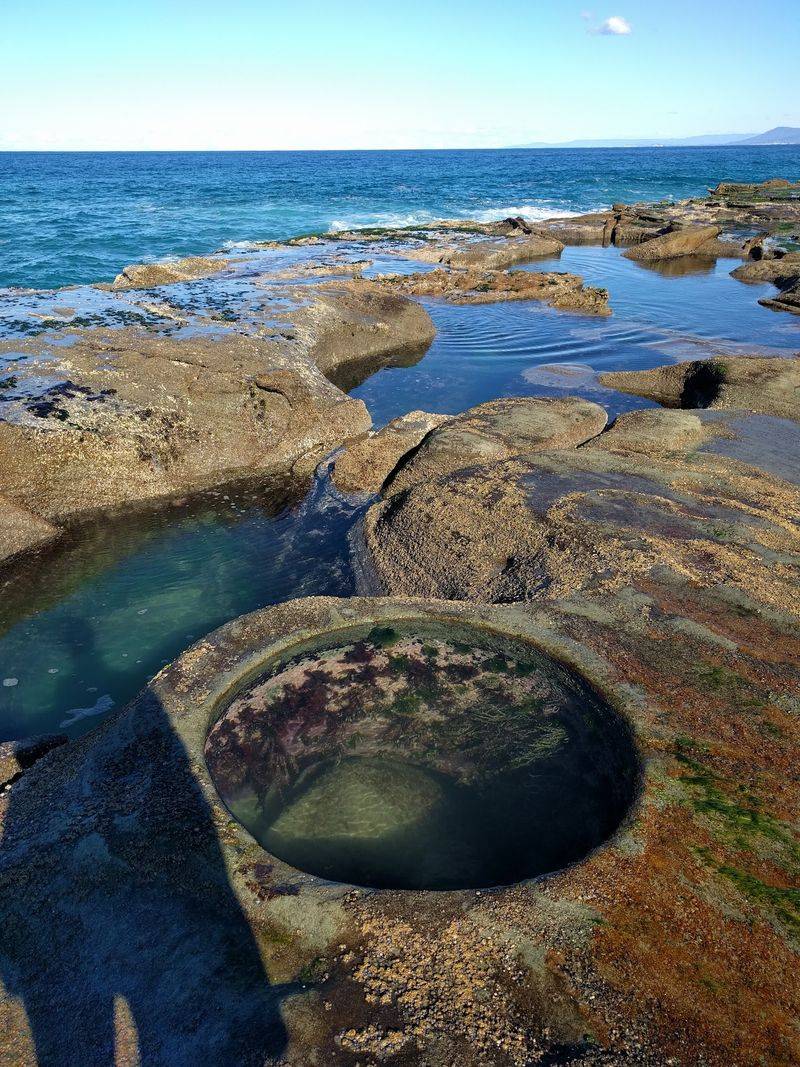
Royal National Park holds a distinction that most visitors find genuinely surprising: established in 1879, it is the second-oldest national park in the world. Located immediately south of Sydney, the park combines bushland, coastal cliffs, beaches, and forest in a compact area that is remarkably easy to reach from Australia’s largest city.
That accessibility is one of Royal’s strongest qualities. Bushwalking, birdwatching, coastal viewpoints, picnicking, kayaking, and fishing are all available within the park, and whale-watching from the right vantage points is possible during the annual migration season.
For travelers whose Australian itinerary doesn’t allow several days of remote wilderness travel, Royal National Park offers a genuinely satisfying outdoor experience without requiring a long journey. NSW National Parks currently lists the park as open, though some individual locations and routes carry temporary restrictions.
Checking the alerts page before selecting a specific walk will help you avoid any access surprises on the day.
Grampians (Gariwerd) National Park, Victoria
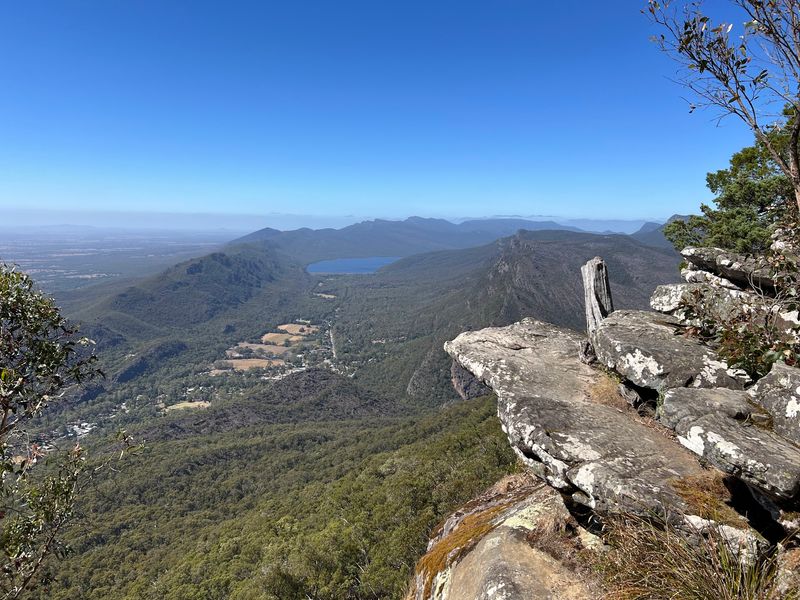
The Grampians, known by its traditional name Gariwerd, rises from the western Victorian plains in a series of dramatic sandstone ridges that have drawn visitors for generations. The park surrounds the small town of Halls Gap and contains some of Victoria’s most well-known natural landmarks, including the Wonderland Range, Boroka Lookout, Mackenzie Falls, and the Balconies.
Walking options range from short, accessible trails to demanding multi-day routes that take hikers through some genuinely remote terrain. Wildlife is also a reliable part of the Grampians experience, with kangaroos frequently spotted around Halls Gap and the surrounding areas.
The park carries significant cultural meaning as part of the Gariwerd Aboriginal landscape, and taking time to understand that history adds real depth to a visit. Large sections of the park were affected by bushfires during the summer of 2024-25.
Parks Victoria reports that many popular visitor areas have since reopened, though some sites remain closed while recovery and infrastructure work continues. Checking current conditions before visiting is essential.
Freycinet National Park, Tasmania
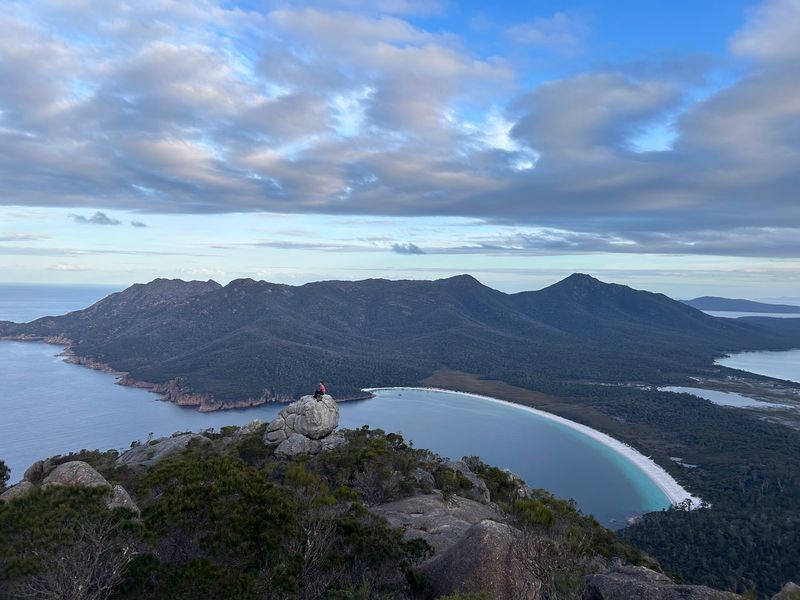
The view from the Wineglass Bay Lookout in Freycinet National Park is one of those images that ends up on Tasmania tourism materials so often that you might wonder if it can possibly look that good in person. The answer, based on the park’s enduring popularity, appears to be yes.
Pink granite peaks, clear blue water, and pale sand combine in a way that genuinely stands out even against Tasmania’s generally high standard of coastal scenery.
But Wineglass Bay is just the starting point. The Freycinet Peninsula Circuit takes hikers through ocean viewpoints, rocky coastline, heathland, forest, and varied wildlife habitat over a multi-day route that offers a much fuller picture of what the park contains.
Camping, day walks, and overnight walking facilities are all currently operating. Tasmania Parks is also carrying out visitor infrastructure improvements during 2026, covering parking, signage, amenities, and access.
Booking accommodation and campsites well ahead of arrival is strongly recommended, particularly during peak travel periods.
Cradle Mountain-Lake St Clair National Park, Tasmania
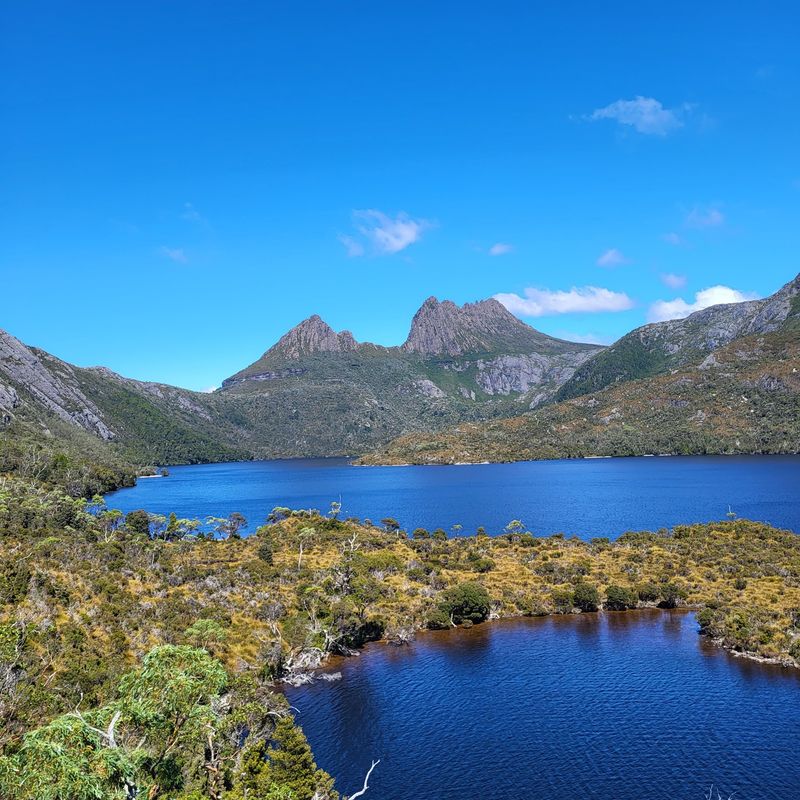
Cradle Mountain is one of those silhouettes that becomes instantly recognizable once you’ve seen it. The jagged dolerite peaks rising above Dove Lake have made this one of Tasmania’s most photographed landscapes, but the park is far more than a single famous view.
The Overland Track, running approximately 80 kilometers from Cradle Mountain south to Lake St Clair, is one of Australia’s great multi-day walks. It passes through glacial landscapes, alpine moorland, ancient forests, and some of the most remote terrain in the Tasmanian Wilderness World Heritage Area.
Shorter day walks are also available for visitors who aren’t ready for a week-long commitment.
Wildlife encounters are a genuine highlight. Wombats, echidnas, Tasmanian devils, quolls, platypuses, and numerous bird species all live within the park.
At the southern end, Lake St Clair is Australia’s deepest freshwater lake. One track section near Lake St Clair is closed through August 31, 2026 for construction, with alternative access still available during that period.
Ikara-Flinders Ranges National Park, South Australia
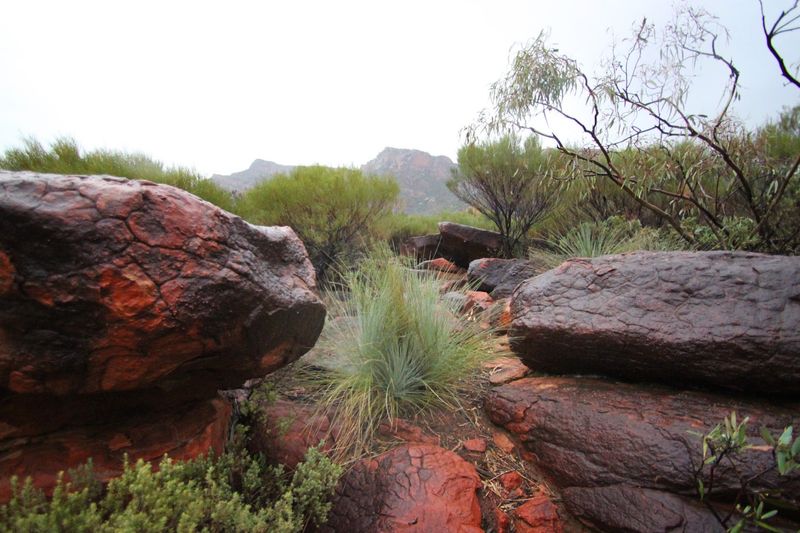
The Flinders Ranges have a way of making visitors feel like they’ve traveled back through geological time. Ikara-Flinders Ranges National Park, covering approximately 95,000 hectares in South Australia, is where ancient mountain ridges, semi-arid plains, and deep gorges come together in a landscape shaped over hundreds of millions of years.
One of the great pleasures of visiting is simply driving through the gorges. Routes through Brachina and Bunyeroo gorges take you through scenery that changes constantly as the light shifts across the ranges throughout the day.
Camping, hiking, wildlife spotting, and scenic drives are all part of the experience the park offers.
The park is currently operating, with day-entry permits available. Some walking trails are subject to overnight pest-control closures, and additional temporary road and campground closures are scheduled for September 21, 2026.
Checking the South Australian park alerts page when finalizing your plans will help you avoid any access issues and make the most of the time you have here.
Karijini National Park, Western Australia
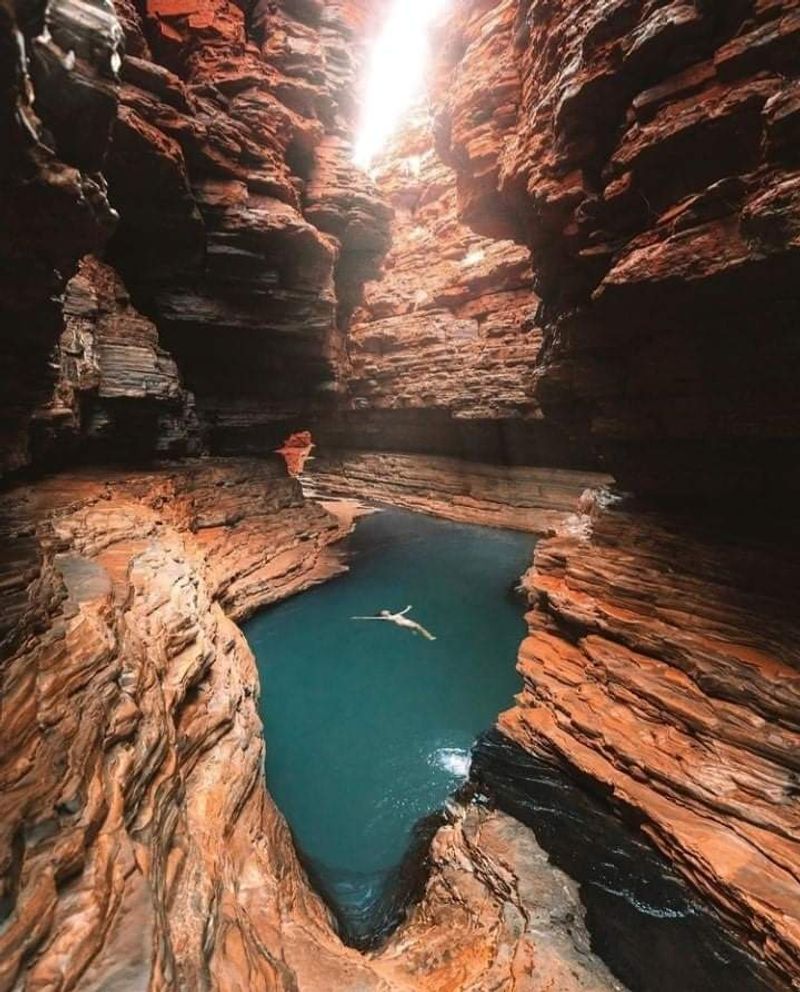
Karijini National Park sits in Western Australia’s Pilbara region and contains some of the most visually striking geology in the country. The park is built around a series of deep gorges carved through ancient banded iron formations, with rock walls displaying layers of color that reflect billions of years of Earth’s history.
The reds, oranges, and purples in those canyon walls are not subtle.
Kalamina Gorge provides one of the more accessible entry points into the park’s gorge system, while other sections offer more challenging hiking for experienced visitors. Natural pools at the base of some gorges add to the appeal, though conditions and access can vary depending on the season and recent weather.
Karijini’s remoteness is part of what makes it special, but it also requires careful preparation. Mobile coverage is limited throughout much of the park.
The Karijini Visitor Centre operates outside its annual early-December-to-early-February closure period, making the current season a good window for planning a visit.
Cape Range National Park, Western Australia
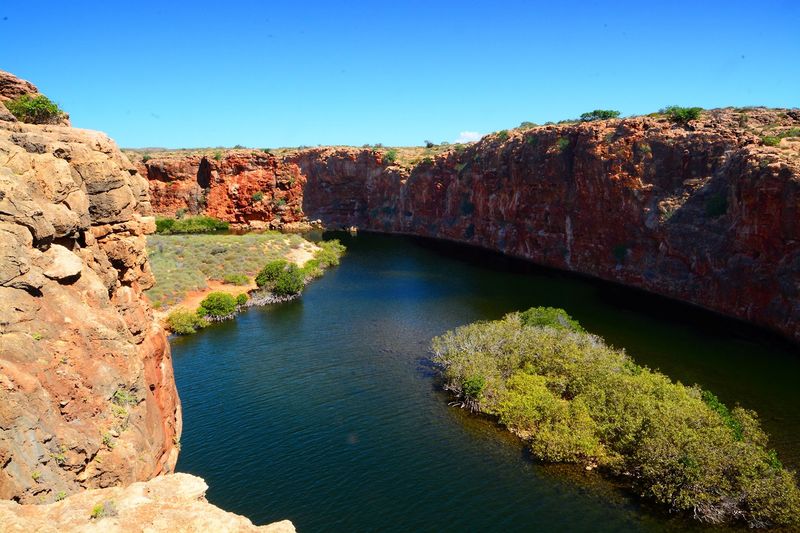
Cape Range National Park sits near Exmouth on Western Australia’s Coral Coast and offers something that very few national parks can match: the combination of rugged limestone ranges, canyon scenery, and direct access to one of the world’s great reef systems. The park forms part of the Ningaloo Coast World Heritage Area, and the Ningaloo Reef sits just offshore.
The contrast available to visitors here is genuinely unusual. You can spend a morning exploring dry gorges and canyon landscapes within the park, then spend the afternoon beside the Indian Ocean in one of the most biodiverse marine environments in Australia.
That variety in a single location is a strong reason this park draws visitors from a long way away.
Cape Range is actively receiving visitors, with campground bookings available well into early 2027, which confirms that visitor infrastructure is fully operational. Booking campsites in advance is important, as the park’s popularity during peak season means sites fill up quickly.
Checking the Parks and Wildlife Service website for current conditions is always a good first step.
Purnululu National Park, Western Australia
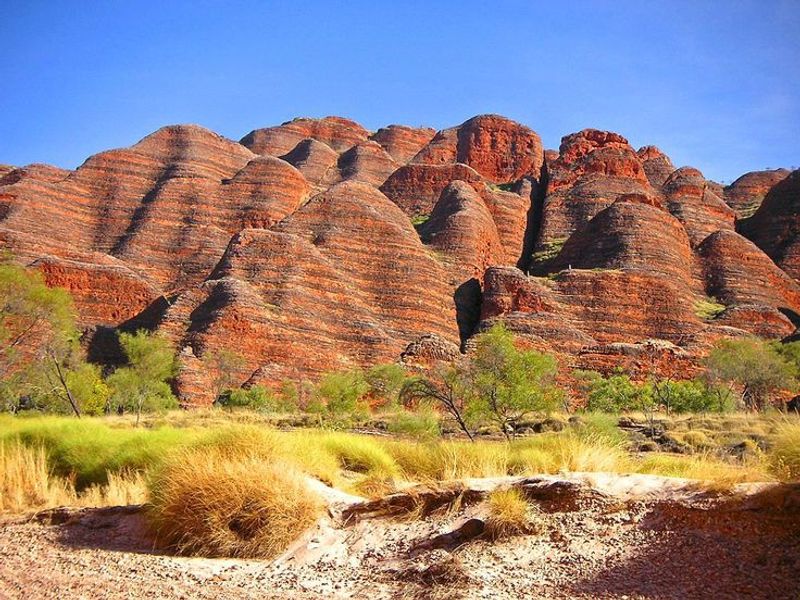
The Bungle Bungle Range inside Purnululu National Park looks like nowhere else in Australia. The rounded sandstone towers, striped in alternating bands of orange and dark grey, rise from the Kimberley landscape in a formation that took tens of millions of years of geological and erosional processes to produce.
Seeing them for the first time, whether from the ground or from a scenic flight overhead, tends to stop people mid-sentence.
Visitors can explore sections of the range on foot, camp within the park, or take scenic flights that provide a completely different perspective on the scale of the formations. The walking routes through Cathedral Gorge and Echidna Chasm are two of the most popular ground-level experiences the park offers.
Purnululu is remote and seasonal. It sits roughly 304 kilometers from Kununurra by road, and the park is generally open from around April or May through late November.
It is currently within the 2026 visitor season, with the visitor centre operating daily. Advance preparation for this one is not optional.
Share this story