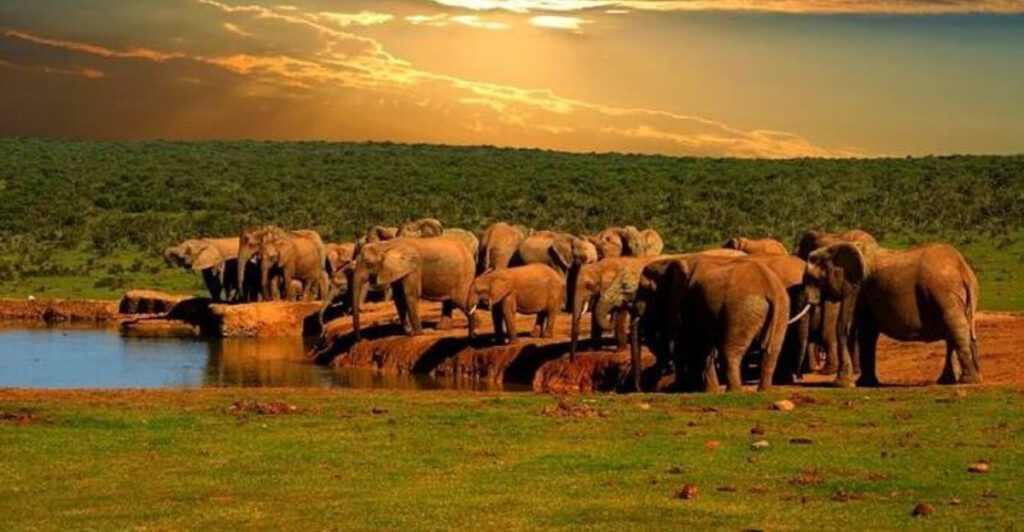
Africa is home to some of the most breathtaking wildlife on the planet, and choosing where to go can feel overwhelming when every option sounds extraordinary. From vast open savannas filled with lions and elephants to dense mountain forests where gorillas roam freely, the continent offers experiences that simply cannot be replicated anywhere else.
Whether you are planning your first safari or adding another destination to a growing list, this guide covers 15 real, active, and genuinely remarkable places worth knowing about. Each one offers something different, and together they paint a picture of just how wild, diverse, and awe-inspiring Africa truly is.
Serengeti National Park, Tanzania
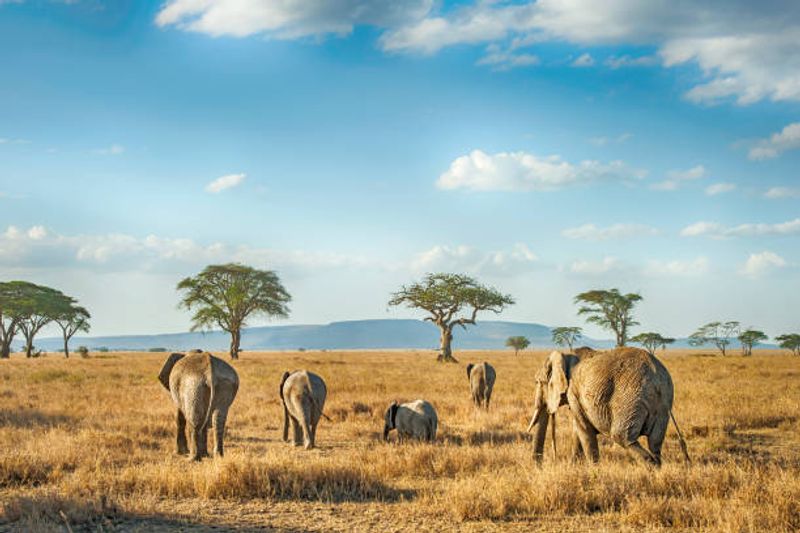
Tanzania’s Serengeti is the landscape most people picture the moment someone says “African safari.” Covering roughly 14,763 square kilometers, it is Tanzania’s first national park and one of the most ecologically significant protected areas on Earth. The sheer scale of it takes a moment to absorb.
The park is the heartbeat of the Serengeti-Mara ecosystem, supporting the famous movement of enormous wildebeest and zebra herds across northern Tanzania and into Kenya. But wildlife viewing here is never limited to migration season.
Lions, cheetahs, leopards, elephants, giraffes, hippos, and hyenas can be found throughout the year across different zones of the park.
Visitors can enter by road or fly into one of several airstrips scattered around the reserve. For a first safari in Africa, the Serengeti sets a standard that is genuinely hard to match.
The plains feel endless, and the wildlife feels everywhere.
Maasai Mara National Reserve, Kenya
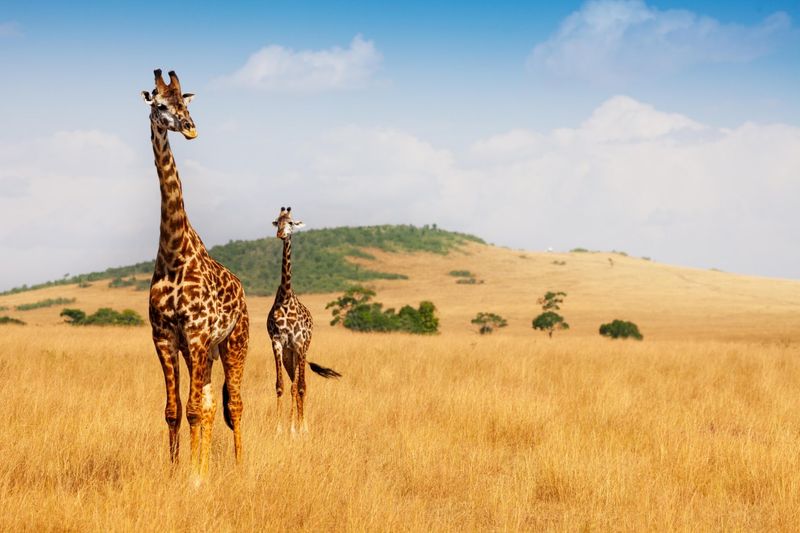
Just across the border from the Serengeti, Kenya’s Maasai Mara picks up where Tanzania leaves off. The two areas share an ecosystem, which is why the Great Migration flows between them.
Wildebeest and zebras cross the Mara River in dramatic fashion during peak migration months, creating one of the most photographed wildlife events anywhere in the world.
Predators are a serious attraction here. Lions, leopards, cheetahs, and spotted hyenas are regularly encountered, while elephants, giraffes, buffalo, and antelope spread across the broad grasslands.
Kenya’s tourism authority highlights balloon safaris as a popular way to experience the landscape from above.
The Mara is also the kind of place where the scenery itself becomes part of what you remember. Watching the sun rise over an open savanna dotted with flat-topped acacia trees is the sort of moment that stays with a traveler long after the trip ends.
Kruger National Park, South Africa
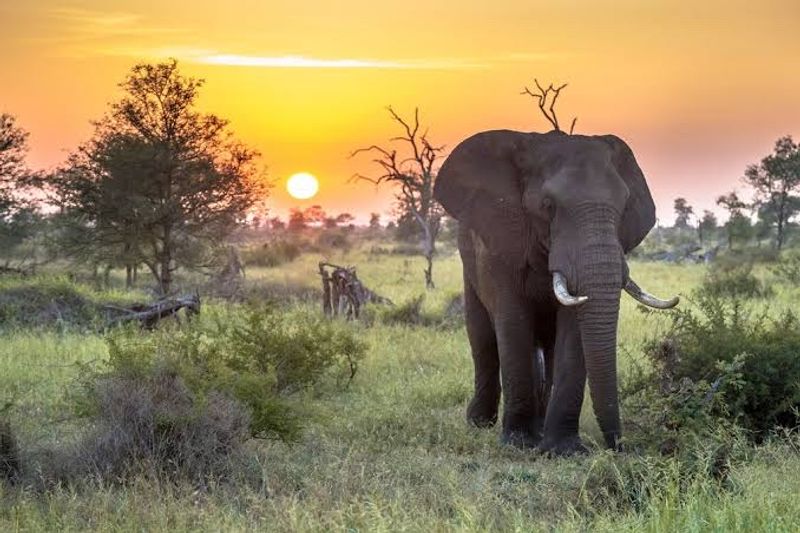
Kruger stands out among African parks because it combines world-class wildlife with genuinely accessible infrastructure. Independent travelers can explore large sections of the park in their own vehicles, which gives the experience a flexibility that guided-only destinations simply cannot offer.
SANParks confirms that day visitors are welcome and that the park maintains multiple rest camps, picnic areas, and visitor facilities.
The wildlife lineup includes the Big Five: lion, leopard, elephant, buffalo, and rhino. Beyond the headliners, the park supports an enormous variety of smaller mammals, reptiles, and birds that reward patient observers.
Nine main entrance gates provide access, with hours that shift throughout the year.
Travelers should check the latest SANParks notices before arriving, as certain routes and camps have experienced disruptions due to flooding in recent seasons. The park continued operating through those periods, with multiple gates and camps staying open.
Kruger rewards visitors who slow down and stay curious.
Okavango Delta, Botswana
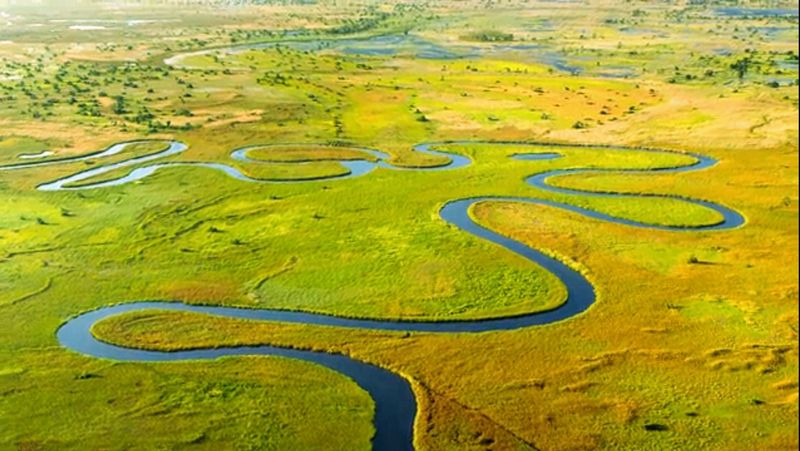
The Okavango Delta rewrites what a safari can look like. Instead of dusty roads and open vehicles, visitors here travel through channels, lagoons, and reed-lined waterways on traditional mokoro canoes or small boats.
The UNESCO-listed delta is one of the world’s largest inland water systems and supports an extraordinary diversity of life.
Botswana Tourism highlights boating, birdwatching, and game viewing as the core experiences. Elephants, hippos, crocodiles, antelope, buffalo, and big cats all inhabit the greater Okavango region.
The presence of water creates a completely different dynamic: animals interact with the wetland environment in ways that feel unlike anything on a standard land safari.
Watching an elephant wade between islands or spotting a sitatunga antelope moving through tall reeds from a low canoe is a perspective that stays with you. The delta also supports spectacular birdlife, making it a rewarding destination for serious birders and casual observers alike.
Chobe National Park, Botswana
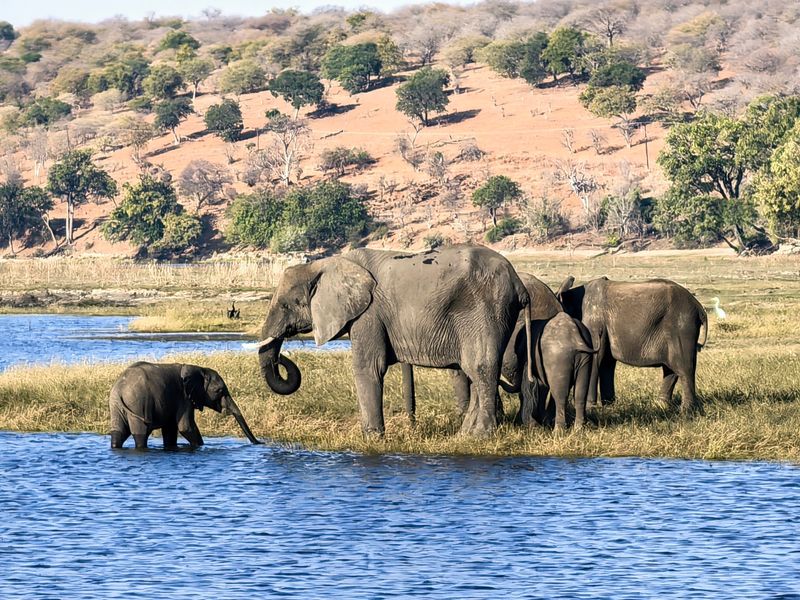
If elephants are the animal you most want to see, Chobe belongs near the top of your planning list. The park covers approximately 11,700 square kilometers and contains a mix of floodplains, woodland, swamps, and river frontage.
During the dry season, the Chobe Riverfront draws enormous concentrations of elephants and Cape buffalo, making it one of the most reliable spots in Africa for close elephant encounters.
Lions, leopards, hyenas, giraffes, sable antelope, waterbuck, and many other species also call the park home. One of Chobe’s practical advantages is the ability to combine conventional game drives with river safaris on the same day.
From a boat, visitors watch elephants drinking and bathing while hippos, crocodiles, and waterbirds occupy the water nearby.
More than 460 bird species have been recorded in Chobe, which adds real depth for birders. The park sits close to the town of Kasane, making it a manageable add-on to a broader Botswana itinerary.
Etosha National Park, Namibia
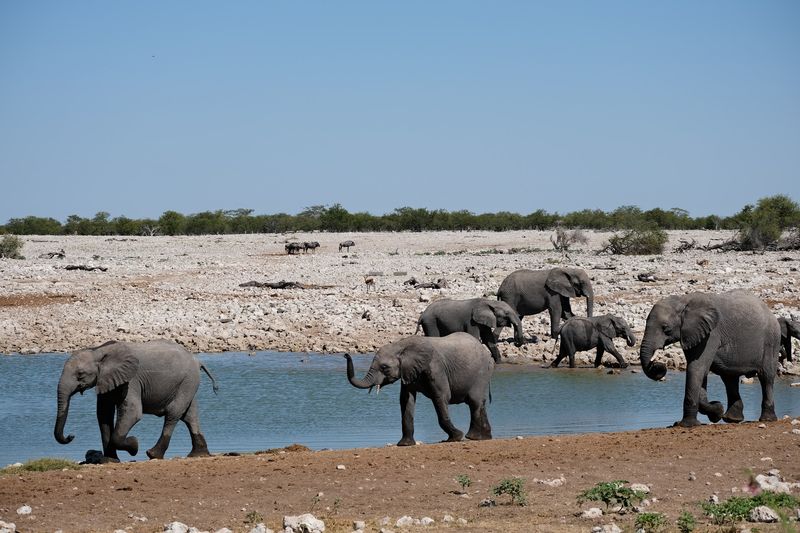
Etosha operates on a completely different logic from most African parks. Much of the park surrounds the vast Etosha salt pan, a shimmering white expanse that shapes how and where wildlife moves.
During dry periods, animals concentrate around permanent and artificial waterholes, sometimes creating extraordinary multi-species gatherings in a single location.
Namibia’s tourism authority lists 114 mammal species in the park along with hundreds of bird species. Elephants, lions, giraffes, antelope, and both black and white rhinos are among the major draws.
Several camps within the park have floodlit waterholes, allowing overnight visitors to watch wildlife well after dark.
Okaukuejo’s waterhole is particularly well known for nighttime sightings that can include black rhinos, elephants, and lions appearing within a short span of each other. Etosha’s open terrain also makes animals easier to spot than in thickly wooded parks.
For self-drive travelers, it is one of Africa’s most straightforward and rewarding park experiences.
South Luangwa National Park, Zambia
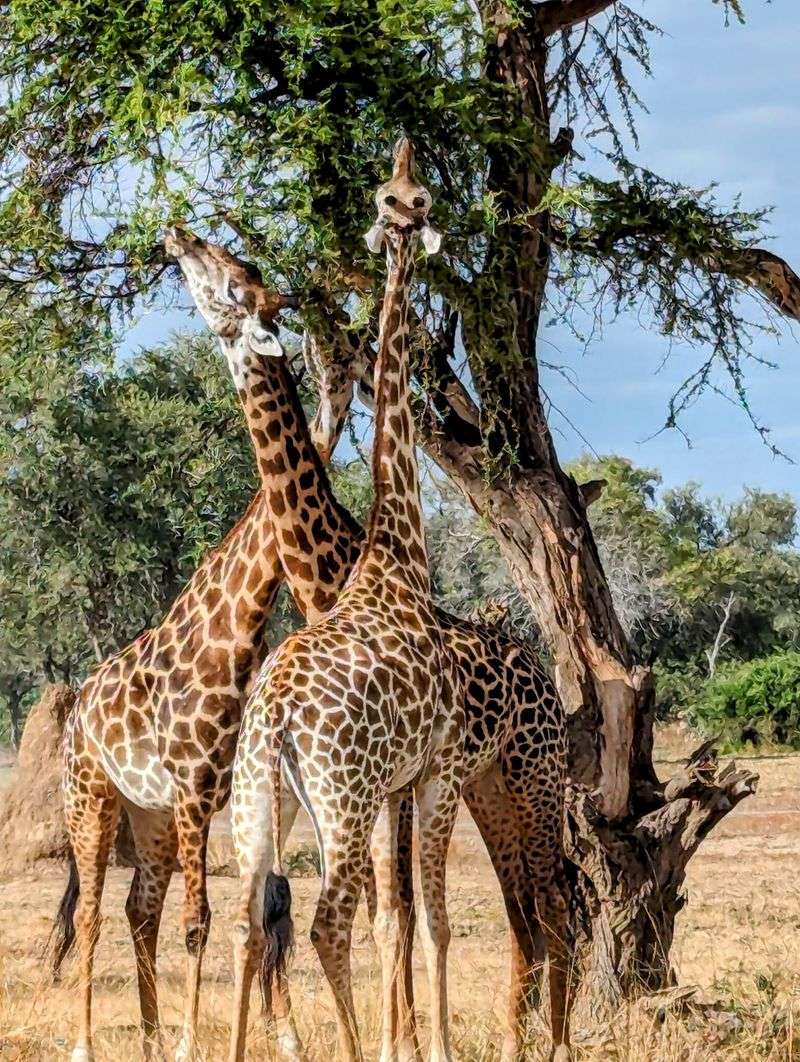
South Luangwa earned its international reputation the old-fashioned way: by consistently delivering intimate, up-close wildlife encounters in a setting that still feels genuinely wild. The Luangwa River and its oxbow lagoons create rich habitats that support dense animal populations throughout the park’s roughly 9,050 square kilometers.
Zambia Tourism notes that the park contains around 60 mammal species and more than 400 bird species. Elephants, hippos, crocodiles, giraffes, leopards, buffalo, and a wide range of antelope are among the animals visitors regularly encounter.
Leopard sightings here are considered particularly reliable.
South Luangwa is also the birthplace of the walking safari, and that tradition remains one of its defining features. Moving through the bush on foot with an experienced guide changes the experience entirely.
You notice tracks, sounds, and small details that a vehicle simply rolls past. For travelers who want a more grounded and immersive connection with the African landscape, South Luangwa delivers consistently.
Hwange National Park, Zimbabwe
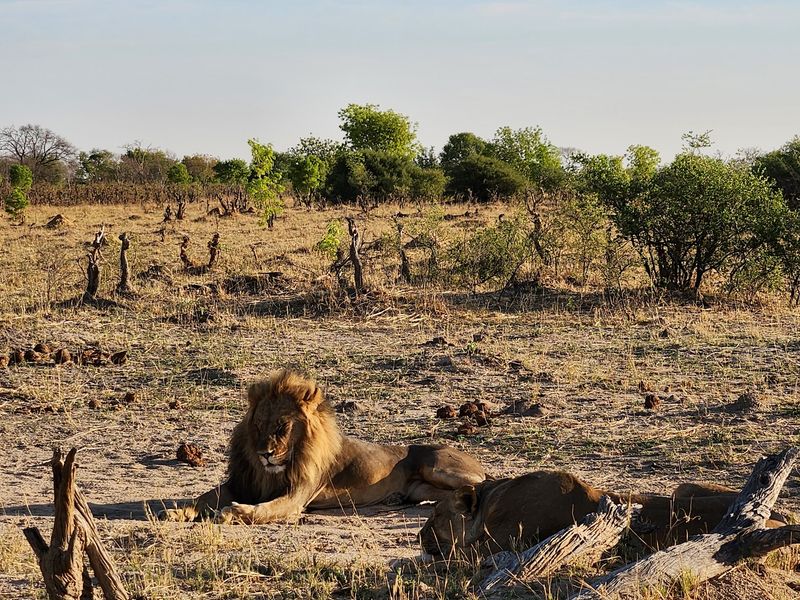
Zimbabwe’s largest national park is also one of southern Africa’s most important elephant strongholds. Hwange covers roughly 14,650 square kilometers of savanna, teak woodland, and mopane forest, creating a varied patchwork of habitats that supports around 100 mammal species and nearly 400 bird species according to Zimbabwe Parks and Wildlife Management Authority.
Elephants are the park’s signature attraction, but the wildlife list runs deep. Lions, leopards, buffalo, wild dogs, sable antelope, roan antelope, and many other species inhabit the different vegetation zones.
African wild dogs, in particular, are seen here more reliably than in many other parks across the continent.
Hwange’s infrastructure supports both self-drive visitors and guided experiences, with camps and accommodation options spread across the park. The varied terrain means that different sections offer noticeably different wildlife experiences.
Travelers with time to explore multiple areas of the park tend to come away with a much richer picture of what Hwange actually holds.
Bwindi Impenetrable National Park, Uganda
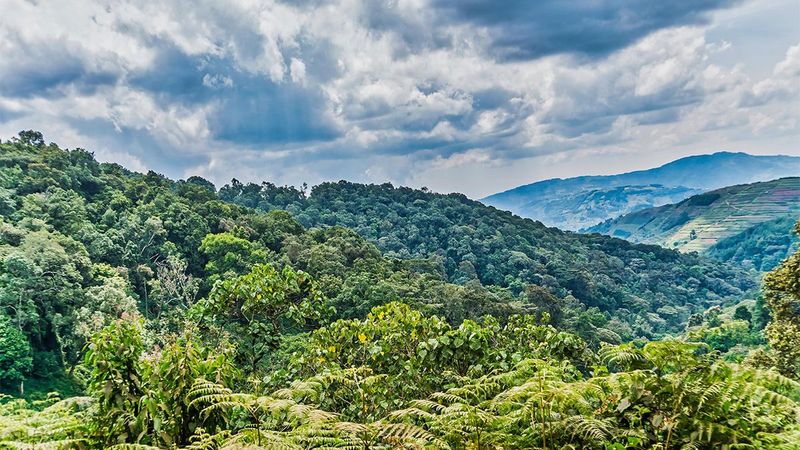
Not every great African wildlife experience involves a vehicle and open plains. Bwindi is a different kind of destination entirely, one where visitors lace up their boots and hike into dense, ancient forest in search of mountain gorillas.
Uganda Wildlife Authority confirms that gorilla trekking is actively offered across four sectors: Buhoma, Ruhija, Rushaga, and Nkuringo.
Treks can take anywhere from one to several hours depending on where the gorillas have moved, after which visitors spend a controlled period observing a habituated family group. The experience is physical, unpredictable, and genuinely moving in ways that are difficult to describe to someone who hasn’t done it.
Uganda’s ongoing Bwindi-Sarambwe mountain gorilla census in 2025 continued to support conservation monitoring across the region.
For wildlife lovers who want something more immersive than a standard game drive, Bwindi offers a rare opportunity to enter the natural habitat of one of the world’s most endangered great apes on their own terms.
Volcanoes National Park, Rwanda
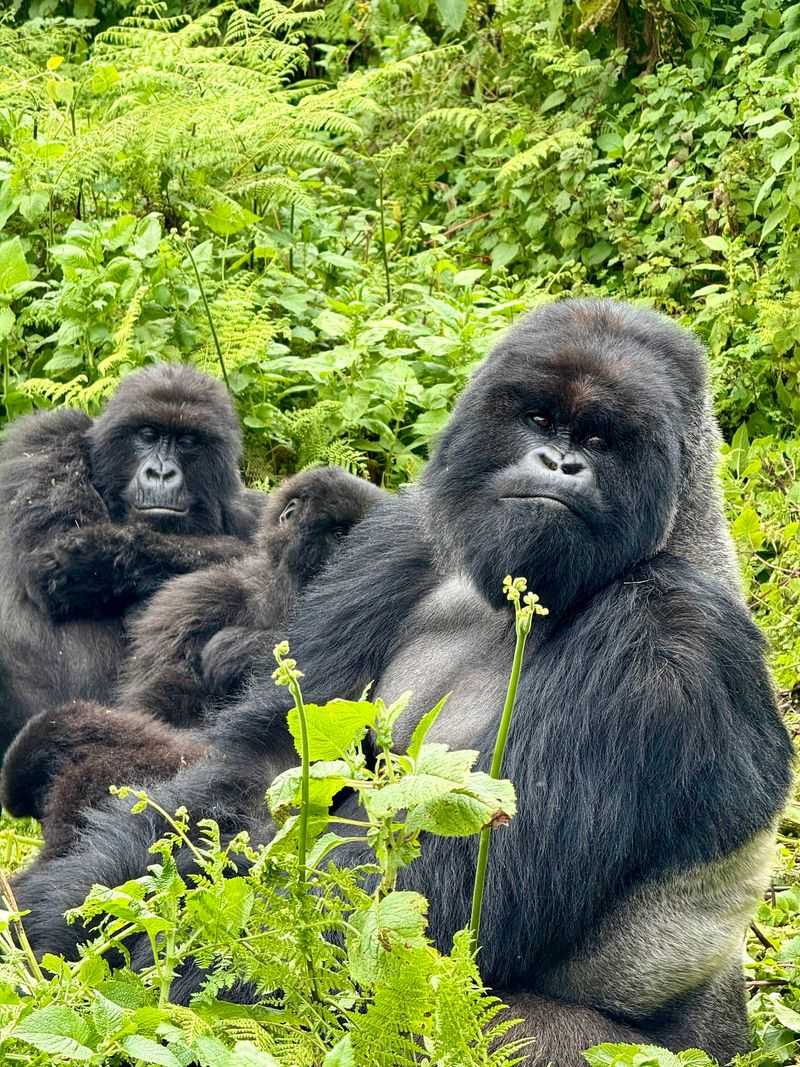
Rwanda’s Volcanoes National Park sits within the Virunga volcanic region and offers another rare chance to see mountain gorillas in their natural habitat. The setting here adds a dramatic layer to the experience: bamboo-covered slopes, volcanic peaks, and cool mountain air create scenery that feels almost cinematic even before the gorillas appear.
Rwanda’s official tourism authority actively promotes gorilla tracking in the park. Visitors report to the park headquarters at Kinigi before setting out with trained guides and trackers.
Strict limits on visitor numbers and time spent with each gorilla family help minimize disturbance and support the long-term health of the population.
Rwanda is also undertaking a significant restoration and expansion project designed to increase the total size of Volcanoes National Park and improve mountain gorilla habitat over time. The country’s approach to conservation tourism is widely regarded as a thoughtful model.
For travelers combining gorilla trekking with other Rwandan experiences, the park is a natural and rewarding centerpiece.
Amboseli National Park, Kenya
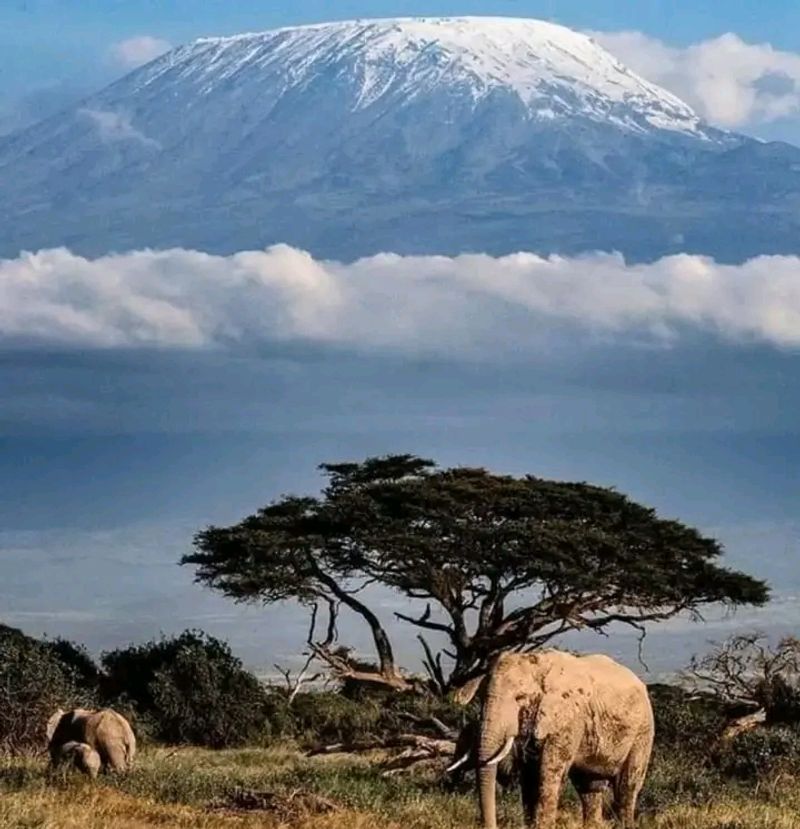
Few wildlife images are as instantly recognizable as elephants crossing open plains with Mount Kilimanjaro looming behind them. That is the signature view of Amboseli, and Kenya Wildlife Service actively promotes the park as one of Africa’s top destinations for close encounters with large elephant herds.
The combination of the mountain backdrop and the animals in the foreground makes Amboseli a photographer’s dream.
The park supports a range of habitats including open grasslands, acacia woodland, swamps, and marshes. Beyond elephants, visitors can encounter buffalo, big cats, antelope, giraffes, and extensive birdlife.
More than 400 bird species have been recorded within the park boundaries.
KWS currently provides visitor information, accommodation details, park-entry rates, and safety guidance on its official platform. Standard gate hours run from 6 a.m. to 6 p.m.
For travelers who want iconic African scenery paired with reliable wildlife sightings, Amboseli consistently delivers both in the same frame.
Ngorongoro Conservation Area, Tanzania
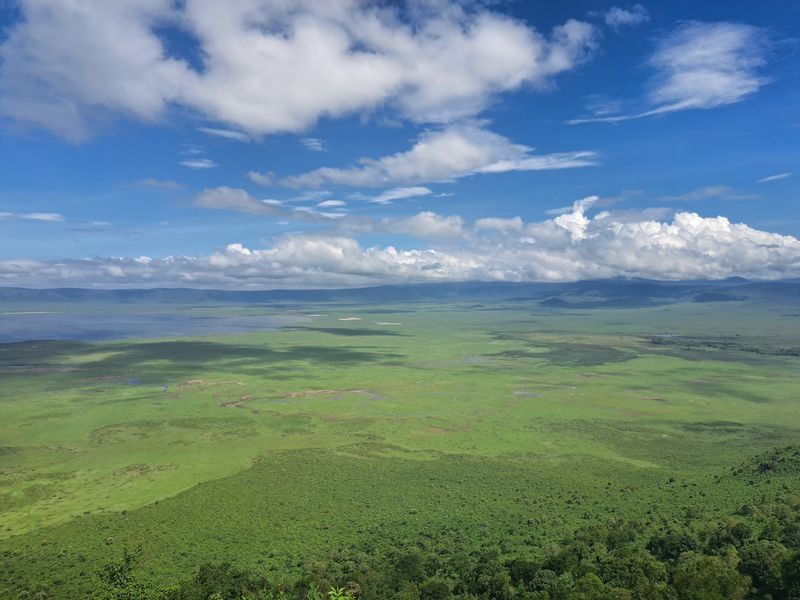
Ngorongoro operates on a geological scale that is hard to fully appreciate until you are standing on the crater rim looking down. The caldera measures roughly 20 kilometers across and drops about 600 meters to the floor below.
The Ngorongoro Conservation Area Authority describes it as the largest unbroken, unflooded volcanic caldera in the world, and the view supports that claim completely.
The crater floor contains grasslands, wetlands, and varied habitats that support substantial populations of large mammals. Visitors commonly encounter lions, buffalo, elephants, hippos, antelope, and rhinos during a single descent.
Flamingos and other waterbirds may appear around the wetland sections depending on seasonal conditions.
The conservation authority provides current tourist information, accommodation guidance, and visitor planning resources. Ngorongoro pairs naturally with the Serengeti, making the two together one of East Africa’s most satisfying wildlife itineraries.
The combination of unique geology and concentrated wildlife gives Ngorongoro a character unlike anywhere else on the continent.
Tsavo East National Park, Kenya
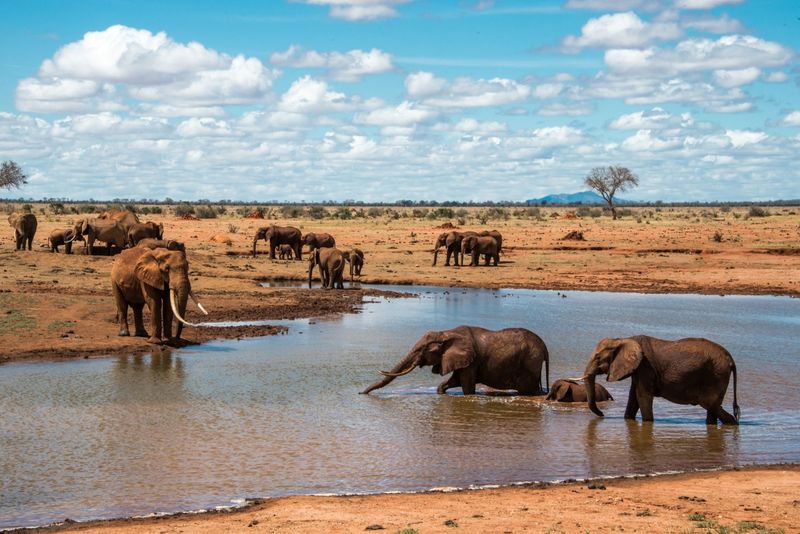
Tsavo East is Kenya’s largest national park, covering approximately 13,747 square kilometers of wide-open landscape that feels genuinely remote even by East African standards. Kenya Wildlife Service manages the park and provides current entry information, accommodation details, and access guidance, with standard gate hours running from 6 a.m. to 6 p.m.
The park is particularly associated with its famous red elephants, whose skin takes on a reddish tone from the area’s distinctive laterite soil. It is one of those small details that makes a Tsavo sighting feel unlike an elephant encounter anywhere else.
Lions, buffalo, giraffes, antelope, and a rich variety of smaller species also inhabit the park.
Tsavo East has exceptional bird diversity, with more than 500 recorded species. Landscape highlights include the Galana River, Mudanda Rock, Aruba Dam, and the sweeping Yatta Plateau.
For travelers who prefer space and scale over density, Tsavo East offers a safari experience that breathes in a way smaller parks simply cannot.
Addo Elephant National Park, South Africa
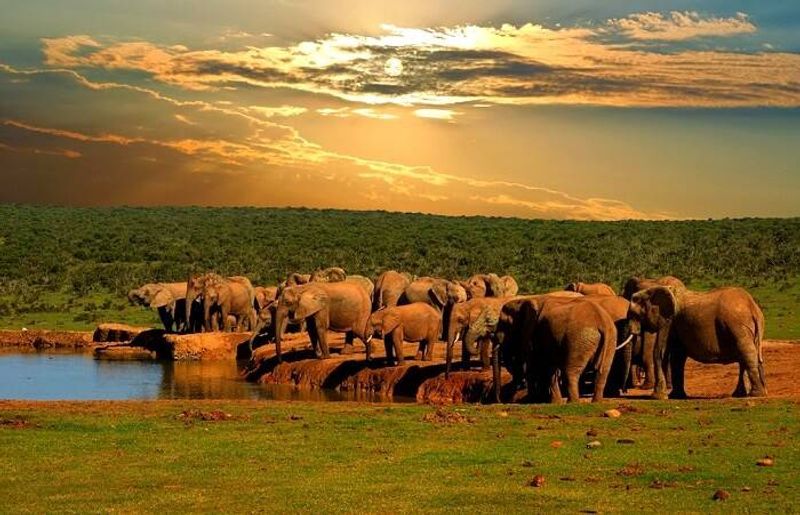
Addo started as a small refuge created to protect a shrinking elephant population in the Eastern Cape, but it has grown into something far more ambitious. Today it ranks as South Africa’s third-largest national park, with ecosystems that stretch from inland bush habitat toward the coast.
SANParks currently promotes self-drive wildlife viewing, guided game drives, hiking, birding, and 4×4 routes within the park.
The terrestrial sections support elephants, lions, buffalo, rhinos, and antelope alongside many smaller species. SANParks markets the wider park as offering the “Big 7,” adding southern right whales and great white sharks in the marine environment to the traditional Big Five lineup.
That coastal dimension sets Addo apart from most inland safari parks on the continent.
Day visitors are welcome without advance booking for standard visits, according to SANParks. The park’s accessibility from Port Elizabeth, now known as Gqeberha, makes it a practical stop for travelers exploring the Eastern Cape region without needing to commit to a long overland journey.
Akagera National Park, Rwanda
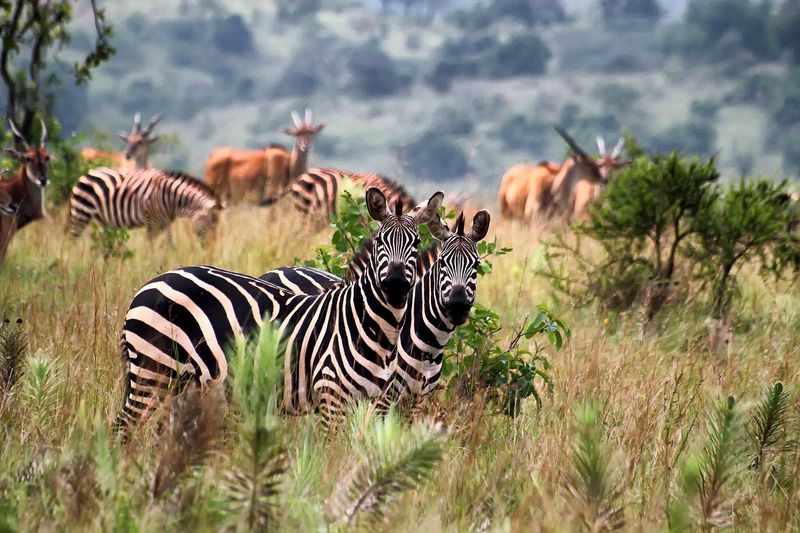
Akagera is one of Africa’s most compelling conservation comeback stories. Located in eastern Rwanda, the park once lost its lions and black rhinos entirely, but both species have since been successfully reintroduced.
Rwanda’s tourism authority confirms that Akagera now supports the full Big Five alongside elephants, buffalo, giraffes, zebras, antelope, hippos, crocodiles, monkeys, and hundreds of bird species.
The landscape here contrasts sharply with Rwanda’s mountainous gorilla country. Akagera offers savanna, woodland, wetlands, lakes, and rolling hills, creating a setting that feels closer to East African classic safari terrain.
Boat trips on Lake Ihema provide relaxed opportunities to observe hippos, Nile crocodiles, and waterbirds at close range.
The park currently offers self-drive and guided game drives, night drives, boat trips, camping, and lodge accommodation, making it a genuinely flexible destination. For travelers already visiting Rwanda for gorilla trekking, adding Akagera creates a safari experience that covers two completely different sides of the country’s wildlife heritage.
Share this story