Extinction stories don’t always end the way you’d expect. Around the world, species that were reduced to dangerously small numbers have begun returning, thanks to decades of conservation work, legal protections, captive breeding programs, and habitat restoration. Some of these recoveries happened quietly, without much fanfare, while scientists and field teams worked year after year to shift the odds. What follows is a look at 15 animals that came perilously close to vanishing and managed, against real odds, to move in the other direction.
Their stories share one clear lesson: when humans decide to protect what remains, nature sometimes gets a second chance.
1. California Condor
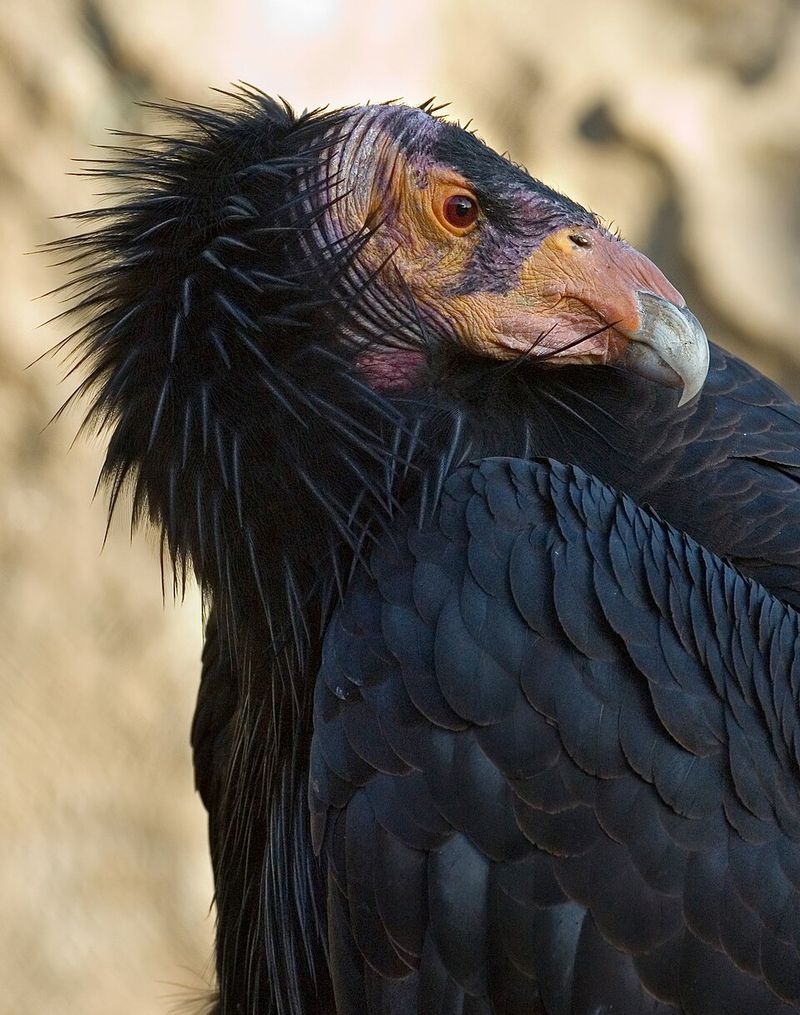
In 1982, only 22 California condors were known to exist anywhere on Earth. Conservationists made the difficult call to capture every surviving wild bird and place them into a captive-breeding program, with the last wild individual entering captivity in 1987.
The program worked better than many had dared to hope. Captive-bred birds began returning to the wild in 1992, and by 2025, the combined wild and captive population had grown to over 600 individuals. Reintroduction sites now span California, Arizona, Utah, and Baja California.
Lead poisoning from spent ammunition remains the most serious ongoing threat, requiring continued monitoring and intervention. Still, going from 22 birds to hundreds makes the condor one of conservation history’s most extraordinary turnarounds.
2. Black-Footed Ferret
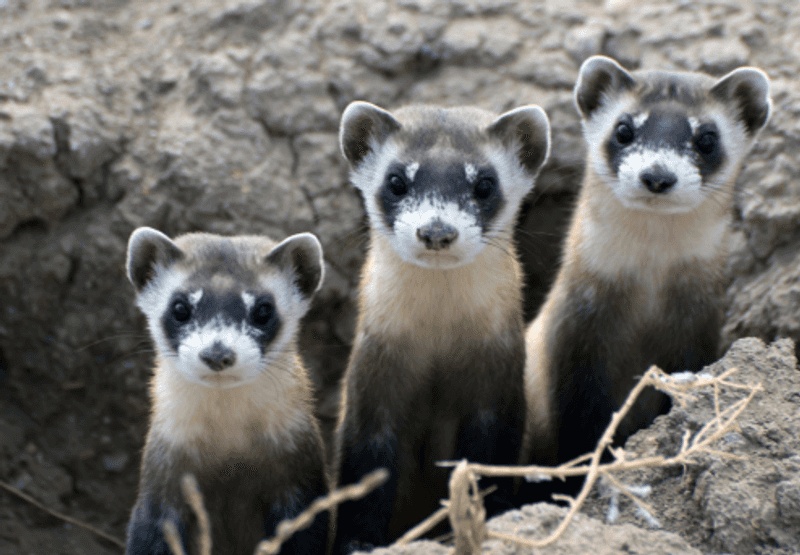
Scientists had largely written off the black-footed ferret as extinct when a small population turned up near Meeteetse, Wyoming, in 1981. That discovery changed everything, but the relief was short-lived.
Disease quickly threatened the newly found group, and conservationists moved fast. The remaining animals were brought into captivity, and just 18 ferrets became the genetic foundation of an ambitious breeding program. Their descendants have since been released at dozens of sites across eight U.S. states, Mexico, and Canada.
The species remains endangered, and prairie dog colony decline continues to create real challenges, since ferrets depend on prairie dogs for food and shelter. Sylvatic plague is another persistent threat. Even so, an animal once presumed gone is back living on the plains, which is no small thing.
3. Arabian Oryx
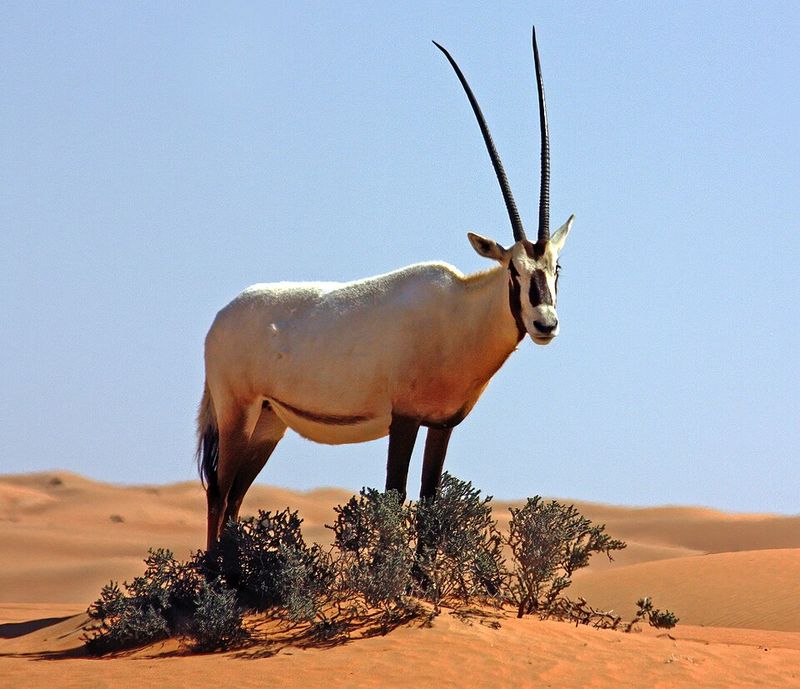
Hunting pressure and habitat loss pushed the Arabian oryx out of the wild entirely by the early 1970s. Fortunately, some animals had already been placed in zoos and breeding facilities before that final disappearance.
An international effort, often called Operation Oryx, expanded the captive population and eventually returned animals to protected areas across Oman, Saudi Arabia, the United Arab Emirates, and Jordan. The results were significant enough that the IUCN moved the species from Extinct in the Wild to Vulnerable in 2011.
That reclassification was historic. The Arabian oryx became the first animal ever to move from Extinct in the Wild to a less severe category on the IUCN Red List. The current wild population exceeds 1,200 mature individuals, though poaching and habitat pressures mean the work is far from finished.
4. Mauritius Kestrel
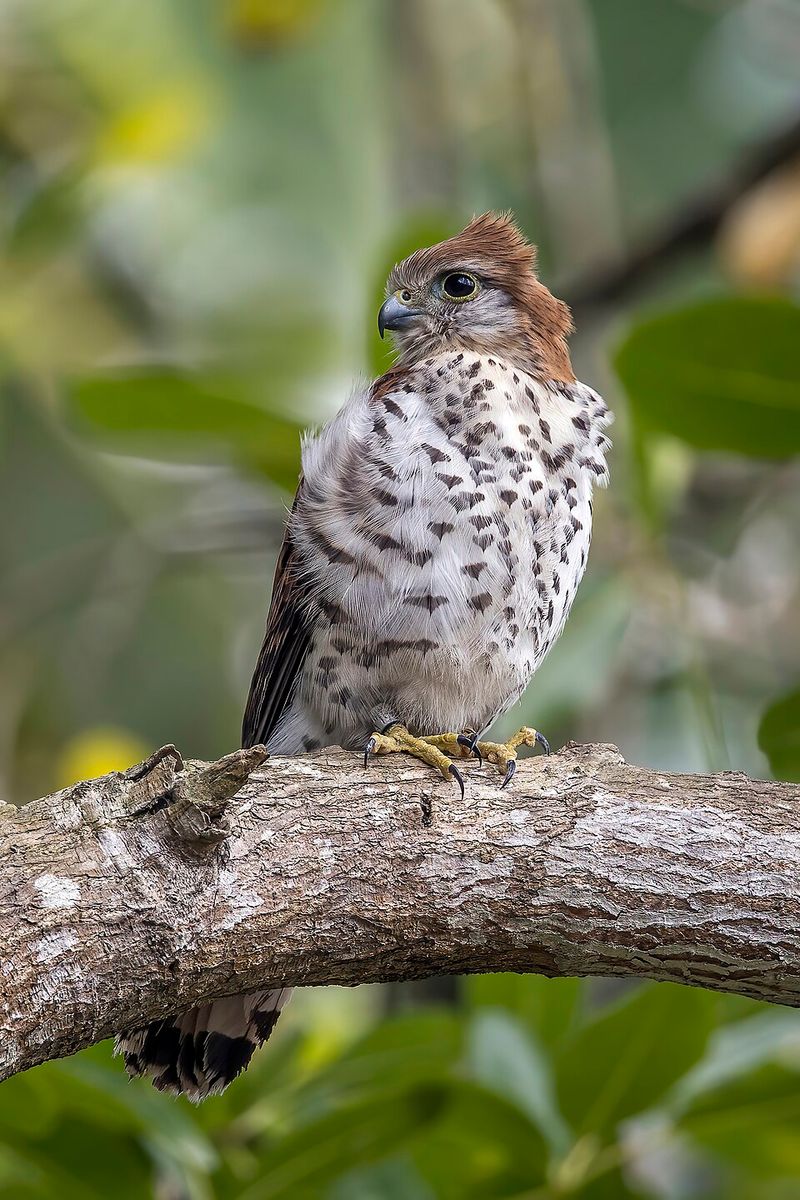
By 1974, the Mauritius kestrel population had fallen to just four known individuals, including a single breeding female. Habitat destruction, pesticide use, and introduced predators like rats and mongooses had pushed this small island falcon to the absolute edge.
Conservationists responded with an intensive hands-on program. Nests were protected from predators, birds were bred in captivity, and techniques like double-clutching encouraged females to produce more eggs than they would naturally. Field teams worked to establish new populations across suitable areas of the island.
Numbers eventually climbed into the hundreds, and the species was downlisted on the IUCN Red List multiple times before facing renewed pressure from habitat changes and cyclones. Its status has shifted over the decades, but the core achievement remains: a species that was down to four individuals managed to build a viable population.
5. Humpback Whale
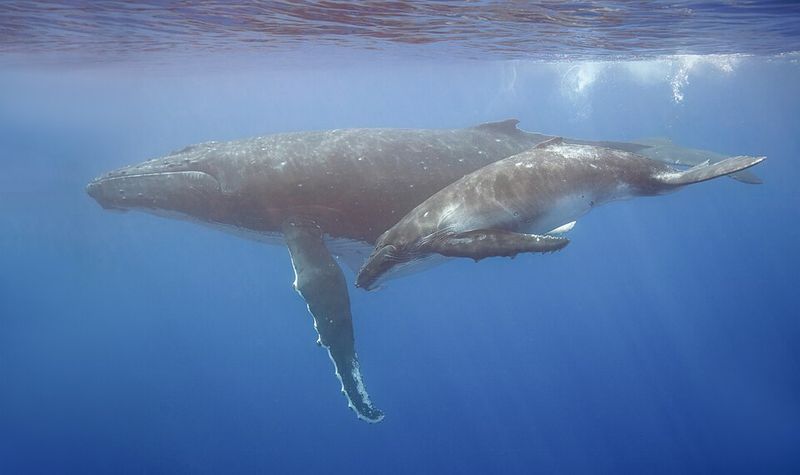
Commercial whaling reduced humpback whale populations to critically low levels across multiple ocean regions before international protections began changing the picture. The International Whaling Commission’s 1986 moratorium on commercial whaling was a turning point for many populations.
Several humpback groups responded with impressive recoveries. In the North Pacific, populations grew at roughly 6 to 7 percent per year after whaling pressure eased. The IUCN reclassified the species from Endangered to Least Concern in 2008, though regional differences remain significant.
Entanglement in fishing gear, ship strikes, and shifting food supplies due to climate change continue to affect populations globally. The recovery hasn’t been uniform, and some regional groups remain at risk. Still, the return of humpbacks to routes where they had become scarce represents one of the most celebrated large-animal conservation successes of recent decades.
6. Southern White Rhinoceros
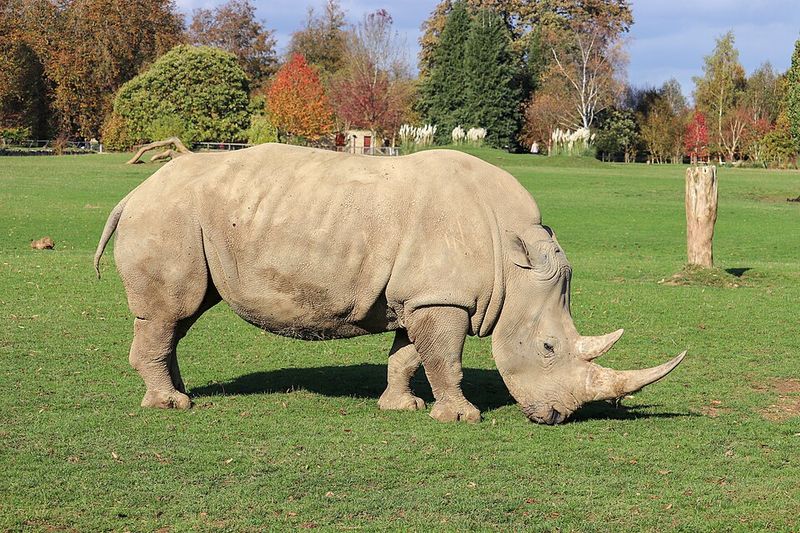
By the late 1800s, the southern white rhino had been reduced to somewhere between 20 and 50 individuals, all concentrated in what is now Hluhluwe-iMfolozi Park in South Africa. That tiny remnant population was all that stood between the subspecies and permanent disappearance.
Strict protection and active management allowed numbers to climb steadily through the 20th century. By the early 2010s, the population had grown to around 20,000 individuals, making the southern white rhino one of the most numerous rhino populations in the world. The IUCN reclassified it as Near Threatened in 2011.
Then poaching surged. Between 2012 and 2017, organized poaching for rhino horn caused significant population losses, demonstrating how quickly a hard-won recovery can be reversed. The subspecies remains a conservation priority, and its story is both an inspiring success and a cautionary reminder about sustained protection.
7. Iberian Lynx
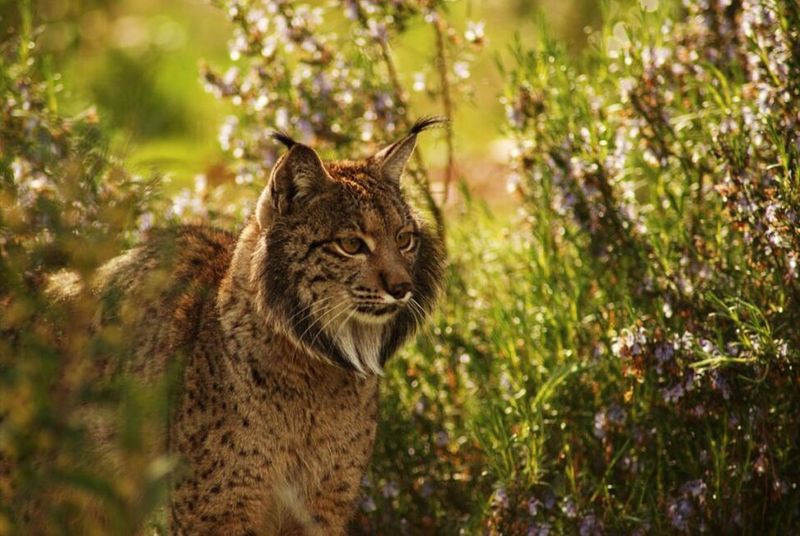
In 2002, the Iberian lynx held the grim title of world’s most endangered cat. Fewer than 100 individuals survived in isolated pockets of Andalusia, Spain. Habitat loss, a collapse in rabbit populations, and road collisions had brought the species to a genuine crisis point.
Conservation programs tackled each problem directly. Habitat was restored, rabbit populations were actively managed to ensure a reliable food supply, and captive breeding produced animals for reintroduction into suitable areas across Spain and Portugal.
The results have been dramatic by any measure. The population grew to over 2,000 animals by 2023, and in 2024 the IUCN upgraded the species from Endangered to Vulnerable. That is a remarkable shift for a cat that was once seriously considered a candidate for extinction within years. Continued management remains essential, but the trajectory has fundamentally changed.
8. Mountain Gorilla
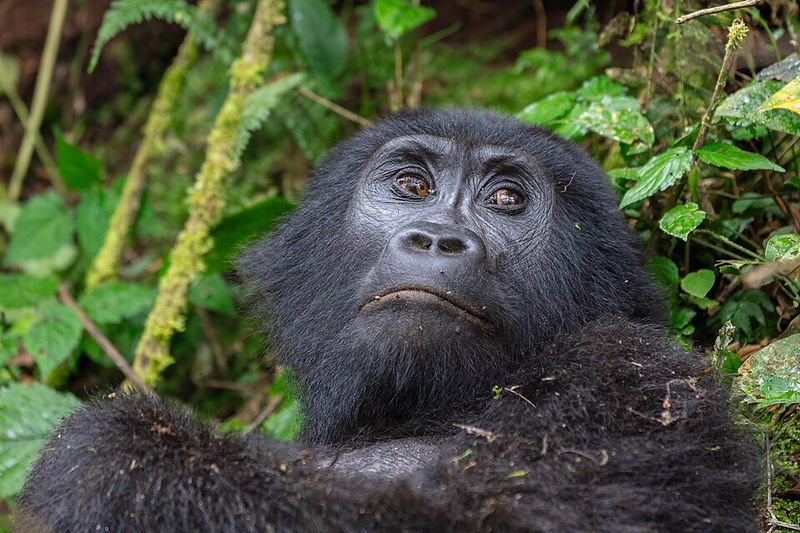
Habitat loss, poaching, political instability, and a naturally restricted range across the Virunga Volcanoes and Bwindi Impenetrable National Park created serious fears about the mountain gorilla’s long-term survival. For years, population counts showed numbers declining toward worrying thresholds.
Conservation programs changed course through sustained collaboration. Governments in Rwanda, Uganda, and the Democratic Republic of Congo, alongside local communities, researchers, and veterinary teams, built protection systems that included anti-poaching patrols, community education, and carefully managed tourism that generated income tied directly to gorilla survival.
The population now exceeds 1,000 individuals, a number that prompted the IUCN to move the species from Critically Endangered to Endangered in 2018. That is still a serious classification, but for an animal widely expected to keep declining, the reversal is genuinely significant. Mountain gorillas are now one of the few great ape populations that is actually growing.
9. Giant Panda
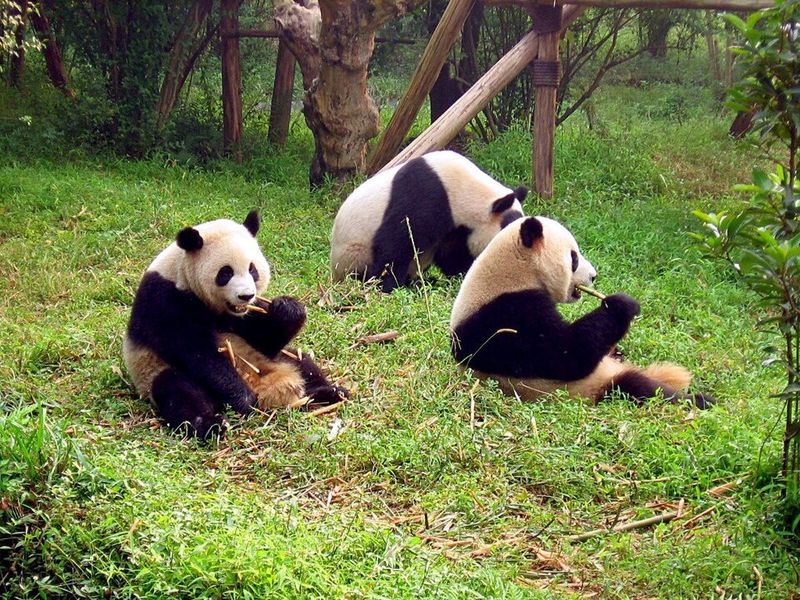
For decades, the giant panda functioned as conservation’s most recognizable symbol of crisis. Its image appeared on the WWF logo and countless awareness campaigns, representing the urgent problem of species loss driven by habitat destruction and human expansion.
China invested heavily in a response. Protected areas multiplied, bamboo habitats were restored, captive breeding programs expanded, and anti-poaching enforcement tightened. Reforestation efforts worked to reconnect fragmented habitat patches that had isolated panda populations from each other.
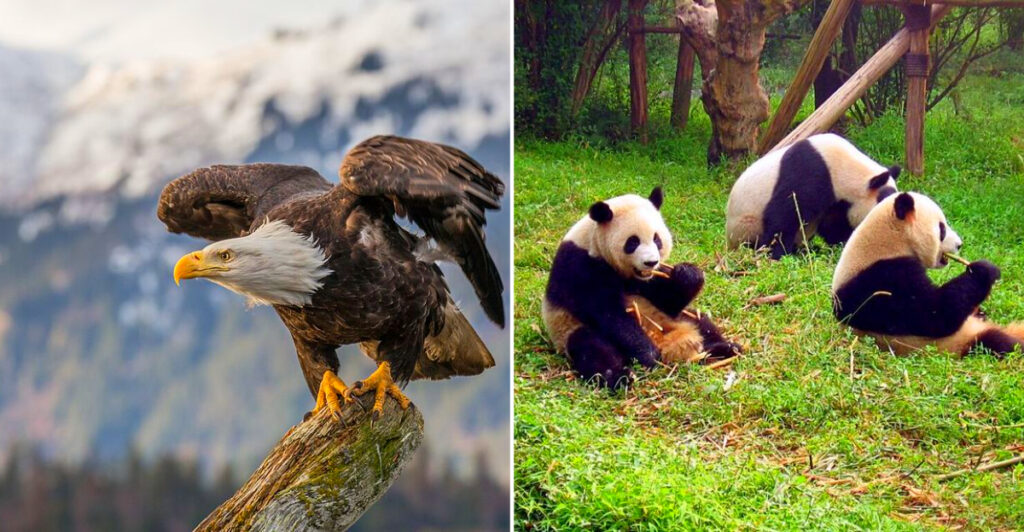
Wild panda numbers reached over 1,800 by 2015, enough for the IUCN to reclassify the species from Endangered to Vulnerable in 2016. China followed with its own national reclassification in 2021. Habitat fragmentation and climate change remain real long-term concerns, but the panda’s improved status shows that protecting the right land over enough time produces measurable results.
10. American Alligator
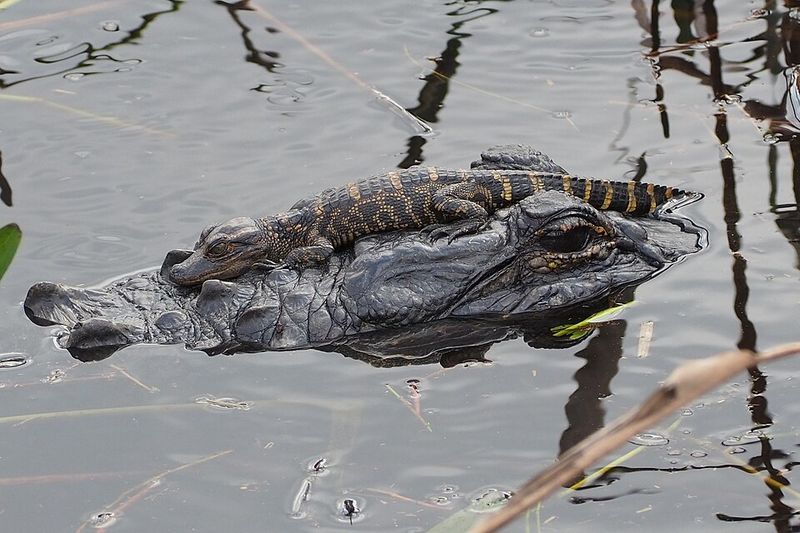
Unregulated hunting for hides and meat, combined with widespread wetland destruction, caused American alligator populations to drop sharply during the early and mid-20th century. What had once been an abundant species across the southeastern United States became genuinely threatened.
Federal listing under the Endangered Species Act in 1967 provided crucial legal protection. Habitat conservation followed, and regulated management programs gave populations the stability they needed to recover. The combination worked faster than many expected.
The alligator was officially removed from the endangered species list in 1987, one of the earliest and clearest examples of a species recovering well enough to be formally delisted. Some protections remain because alligators can be confused with the still-endangered American crocodile, but the recovery itself is complete. Few animals went from genuine concern to widespread abundance as cleanly as the American alligator did.
11. Bald Eagle
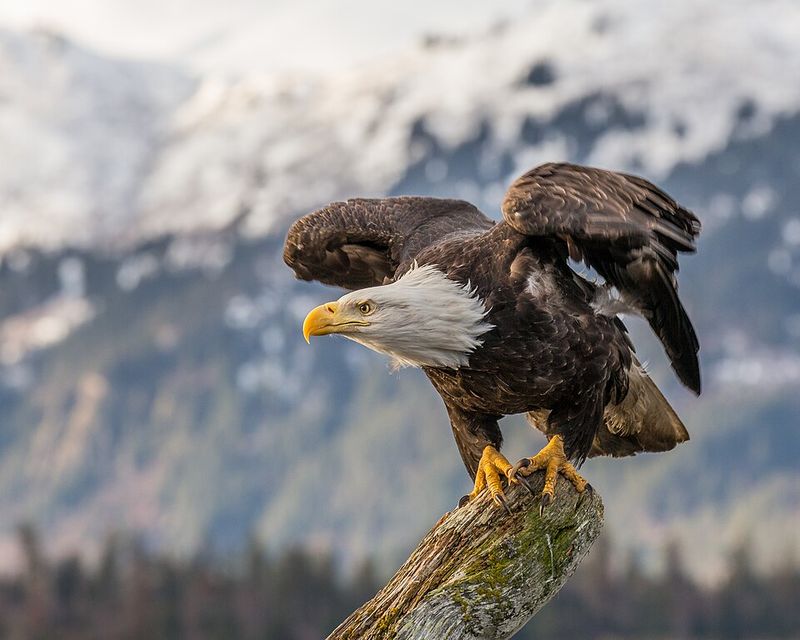
DDT nearly ended the bald eagle’s presence across much of the contiguous United States. The pesticide accumulated through the food chain and caused eggshell thinning, meaning eggs broke during incubation before chicks could develop. Breeding success collapsed in many regions through the 1950s and 1960s.
The U.S. banned DDT for most uses in 1972, and that single policy change allowed reproductive rates to recover almost immediately. Combined with Endangered Species Act protections enacted in 1973 and active habitat conservation, eagle populations began a steady climb back.
The bald eagle was removed from the federal endangered and threatened species list in 2007. Today, the species is a familiar presence near rivers, lakes, and coastlines across much of the country. That outcome would have seemed far from guaranteed when population counts were at their lowest in the mid-20th century.
12. Green Sea Turtle
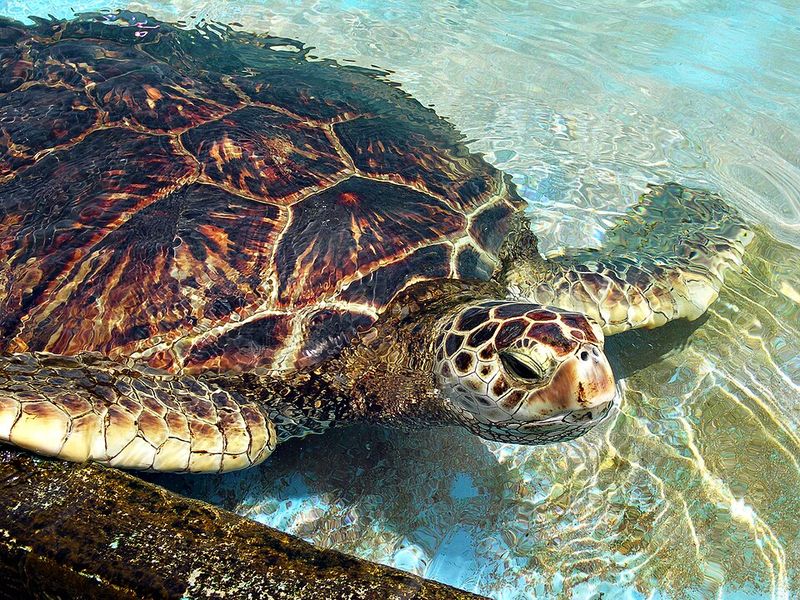
Green sea turtles were exploited heavily for generations. Their meat and eggs were harvested widely, and coastal development steadily degraded the nesting beaches that females return to year after year. Those combined pressures pushed many populations into serious decline.
Protection efforts changed the equation for some populations. Nesting beaches received legal protection, harvesting restrictions were enforced, and fishing reforms like mandatory Turtle Excluder Devices reduced bycatch in trawl nets. International conservation agreements helped coordinate efforts across the species’ wide range.
Specific nesting populations have rebounded impressively, with some beaches recording far more nests than they did just a few decades ago. The global picture remains uneven, and threats including climate change, pollution, and habitat loss continue. But those local success stories carry real weight, proving that consistent, long-term protection of nesting sites and adult turtles can produce measurable population gains over time.
13. Przewalski’s Horse
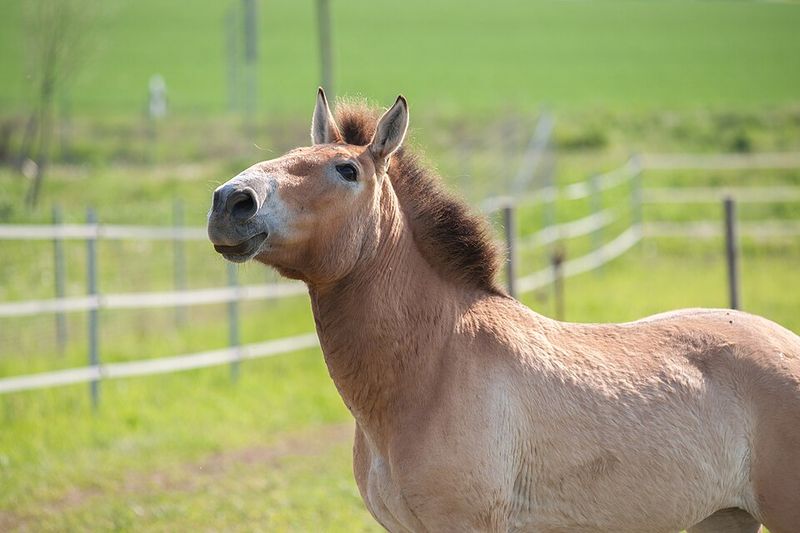
By the late 1960s, Przewalski’s horse had vanished from the wild entirely. The last confirmed wild sightings in Mongolia dated to around 1969. The species survived only because zoos around the world had maintained small captive populations, a foresight that would prove critical.
Those zoo animals became the genetic foundation for a reintroduction program launched in the early 1990s. The first significant releases returned horses to Mongolia, followed by additional populations in China and Kazakhstan. Free-ranging herds now exist on the Asian steppe again for the first time in over half a century.
The species remains Endangered on the IUCN Red List, partly due to genetic challenges from its very small founder population. The global population has grown to over 2,000 individuals, with more than 750 mature animals living in the wild. Few conservation outcomes match the improbability of this one.
14. Golden Lion Tamarin
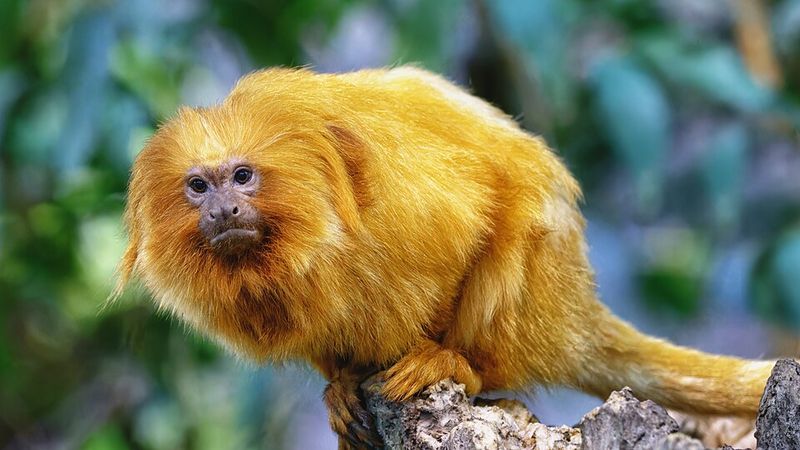
By the 1970s, deforestation had reduced Brazil’s Atlantic Forest to scattered fragments, and the golden lion tamarin population had dropped to an estimated 200 wild individuals. The species was heading toward extinction at a measurable pace, and the habitat driving that decline was still disappearing.
An international conservation campaign combined captive breeding in zoos worldwide with reintroduction programs, placing captive-born tamarins back into protected forest areas. Equally important was the work to reconnect fragmented forest patches through reforestation and wildlife corridors, giving released animals enough space to establish viable groups.
The wild population grew to over 3,000 individuals by 2014, and the IUCN downlisted the species from Critically Endangered to Endangered in 2003. A yellow fever outbreak beginning in 2017 caused serious losses, a reminder of how fragile recovering populations can remain. Even with that setback, the tamarin’s numbers are far higher today than when the recovery effort began.
15. Chatham Island Black Robin
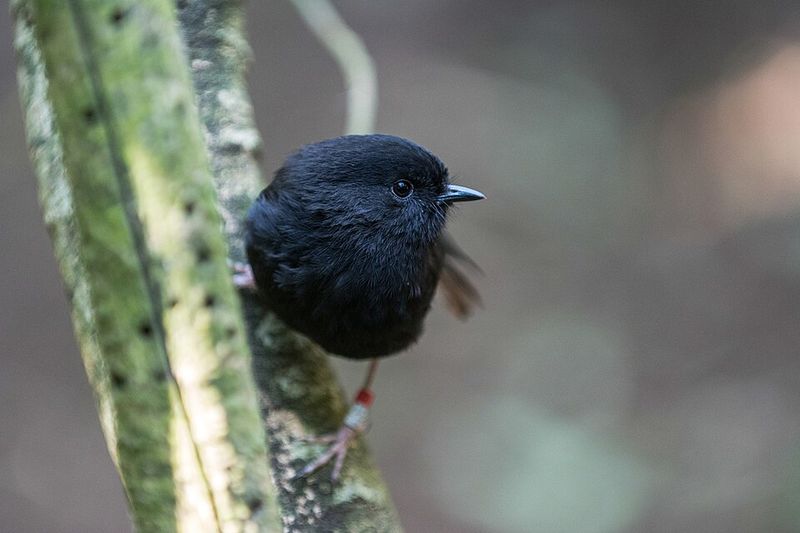
When New Zealand conservationists assessed the Chatham Island black robin in 1980, they found five birds. Just five. And only one of them, a female named Old Blue, was capable of breeding. The species had reached a population bottleneck with almost no margin for error.
Conservationists used a technique called cross-fostering, moving black robin eggs to the nests of Chatham Island tits so that breeding females could produce additional clutches. Rigorous predator control on the island sanctuary gave chicks a far better chance of surviving to adulthood. The program demanded precision and patience in equal measure.
It worked. Old Blue’s descendants gradually built a population that grew into the hundreds. By 2011, the count had passed 300 birds, and the IUCN moved the species from Critically Endangered to Vulnerable. Every living black robin today traces its lineage back to that one small group on two tiny islands.
Share this story