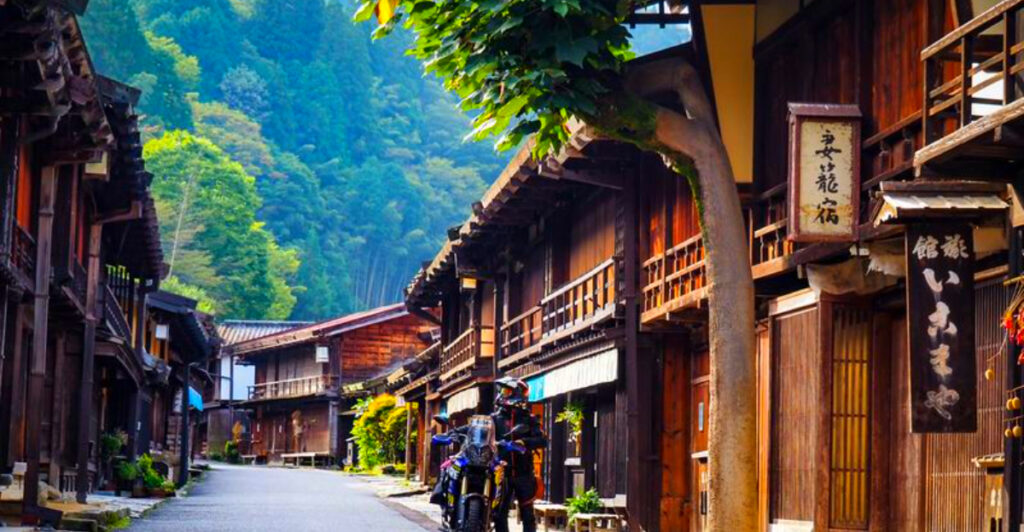
Japan has a remarkable talent for making the past feel like the present. Across its mountains, valleys, and coastlines, entire towns have held onto their old wooden architecture, narrow lanes, and historic traditions so firmly that visiting them can feel like wandering into a hand-drawn world. These are not theme parks or reconstructions but real, living communities where daily life unfolds against backdrops that could easily pass for animated film sets. One of them even has a cat-themed alley that practically writes its own screenplay.
Whether you are a lifelong Studio Ghibli fan or simply someone who appreciates places with genuine character and history, this list covers 15 Japanese towns that deliver that rare, almost unreal sense of stepping into another era. Each one has its own personality, its own quirks, and its own reasons to visit.
Shirakawa-go, Shirakawa, Gifu Prefecture
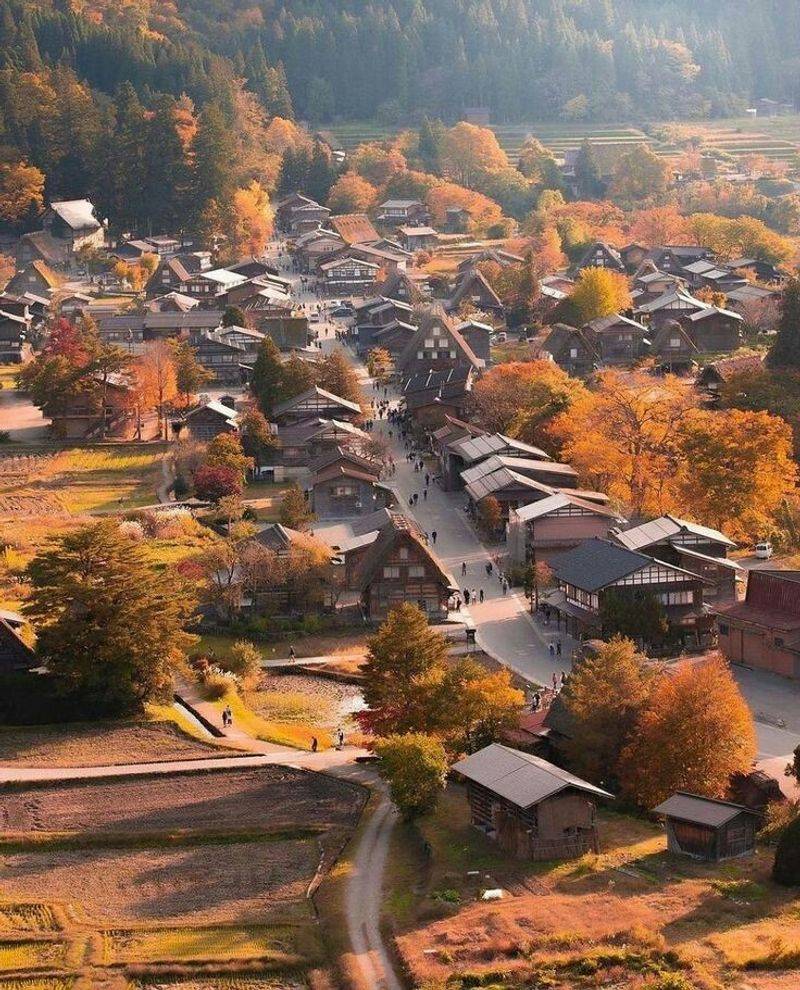
A mountain valley hiding an entire village of 300-year-old thatched farmhouses sounds like the opening scene of an animated feature, and Shirakawa-go delivers exactly that.
The gassho-zukuri farmhouses here are named after a praying-hands gesture because their steep roofs mimic clasped fingers. Those pitched roofs were engineered to handle heavy winter snowfall while providing attic space for silkworm cultivation, a traditional local industry.
Several homes, including the Wada House and Kanda House, open their doors to visitors who want to see the interiors and appreciate the remarkable nail-free carpentry used throughout.
Climbing to the viewpoints above Ogimachi reveals the clustered rooftops spread below in a layout that has barely changed in centuries. In winter, the snow-draped valley looks almost too composed to be real.
Ine Fishing Village, Ine, Kyoto Prefecture
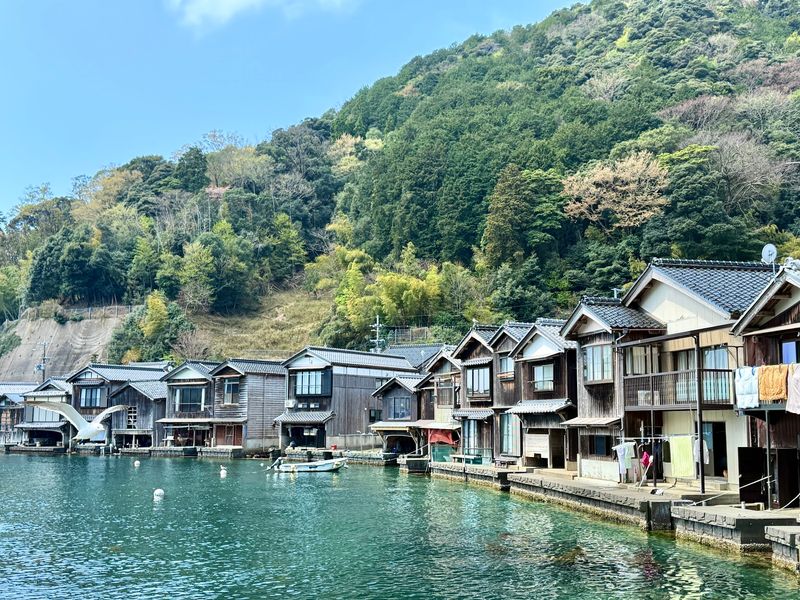
Most fishing villages keep their boats on the shore. Ine skipped that step entirely and built the garages directly into the water.
Over 230 funaya boathouses curve around the quiet bay here, each with a boat garage on the ground floor and living quarters above. The unbroken waterfront line they create is unlike anything else in Japan, and viewing them from a sightseeing boat gives the clearest sense of just how unusual the layout is.
Boat tours of the bay typically run 25 to 30 minutes and include a full loop past the funaya facades. Seagulls and kites tend to follow along, especially when visitors carry bird food purchased at the ferry terminal.
Some boathouses now operate as cafes or lodgings, but Ine remains an active fishing community, which keeps it grounded in genuine daily life rather than pure tourism.
Narai-juku, Shiojiri, Nagano Prefecture
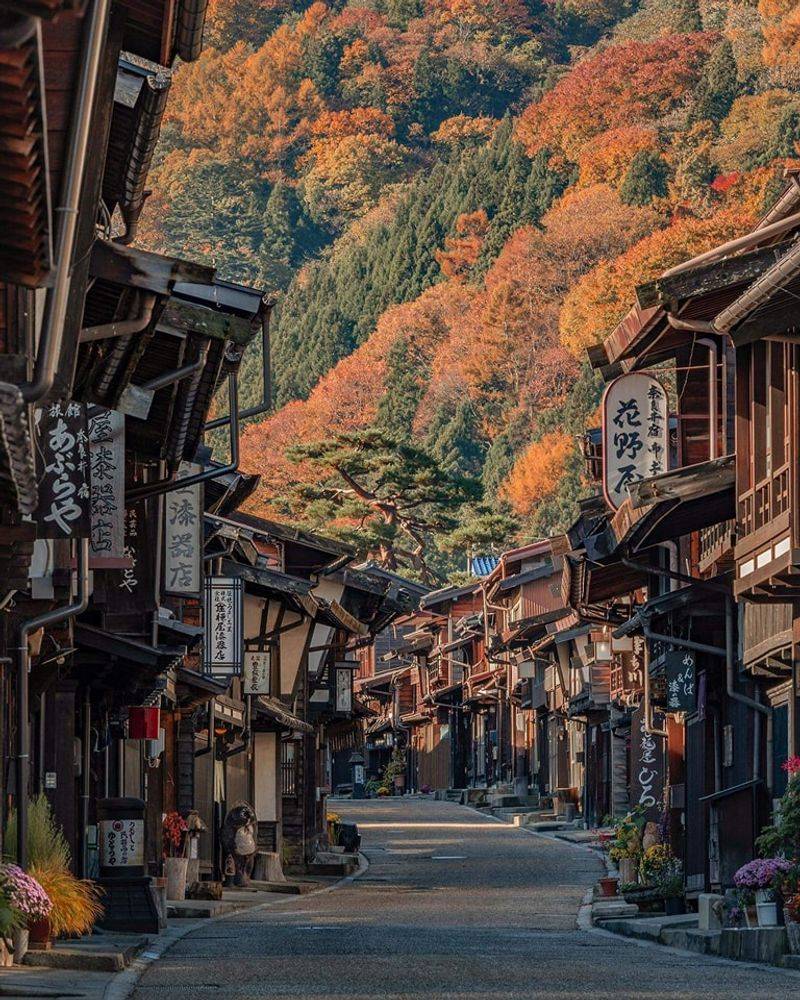
At its peak, Narai-juku was known as “Narai of a Thousand Houses,” a nickname that reflected just how prosperous this Nakasendo post town had become as a stopover for Edo-period travelers.
The main street stretches over one kilometer without a break in its traditional wooden facade, making it one of the longest preserved post-town streets in Japan. The two-story machiya buildings feature deep eaves and latticed windows that have been carefully maintained rather than reconstructed, a distinction that matters enormously to the authenticity of the experience.
Historic structures now house soba restaurants, lacquerware shops, and local craft businesses, keeping the street commercially active in a way that feels organic rather than staged.
Narai-juku holds official designation as an Important Preservation District for Groups of Historic Buildings, a status that protects its existing structures and limits the kind of modern development that has altered many similar towns.
Magome-juku, Nakatsugawa, Gifu Prefecture
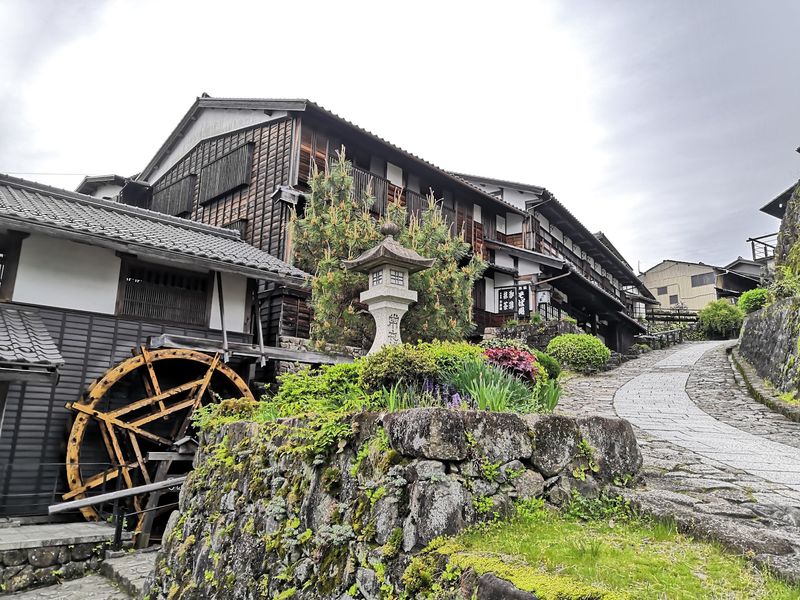
Magome-juku has a built-in advantage that most other post towns lack: it sits on a steep hillside, so every step up its stone-paved main street comes with an expanding view of the surrounding mountains.
The name itself reportedly traces back to a time when travelers had to leave their horses at the bottom because the incline was too challenging. Traditional water wheels are still visible along the route, turning steadily and serving as a reminder of the functional details that defined life here during the Edo period.
Old-fashioned storefronts, small restaurants, and restored buildings line both sides of the street, making the ascent a genuinely engaging walk rather than a quick photo stop.
Continuing uphill to the Magome Jinbakami Observatory opens the landscape into a broad mountain panorama. Magome also serves as the popular starting point for an 8-kilometer hike along the old Nakasendo to neighboring Tsumago-juku.
Takayama, Takayama, Gifu Prefecture
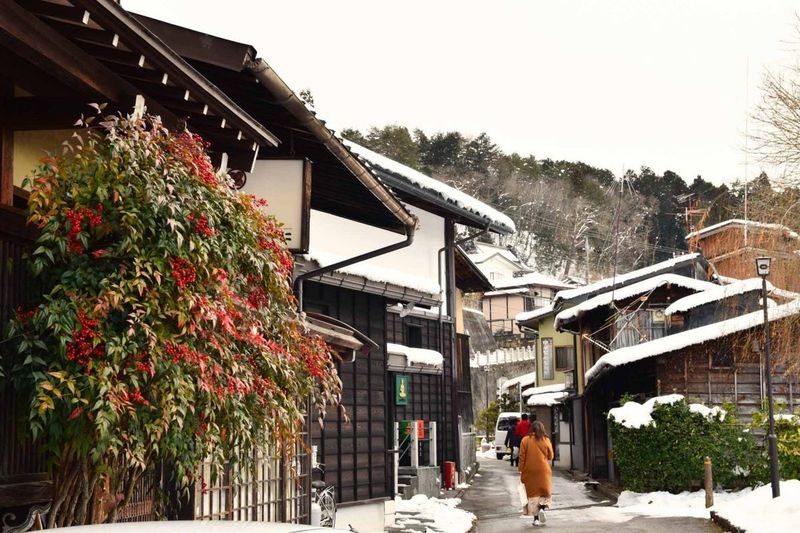
Sanmachi Suji in Takayama is the kind of historic district that rewards visitors who show up early, before the crowds arrive and the narrow streets fill with tour groups.
The area preserves Edo-period merchant architecture in remarkable detail, with dark timber facades, latticed shopfronts, and machiya-style townhouses lining three parallel lanes. Traditional businesses still operate here, including sake breweries, miso shops, and stores selling local crafts, giving the district commercial life that goes beyond simple preservation.
Rickshaw rides are available for those who want a different perspective on the streets, and morning markets along the nearby river add a lively, practical dimension to the visit.
The surrounding Hida mountains provide a constant backdrop, and the combination of well-maintained architecture and active daily commerce makes Takayama feel less like a museum and more like a town that simply never stopped being itself.
Kurashiki Bikan Historical Quarter, Kurashiki, Okayama Prefecture
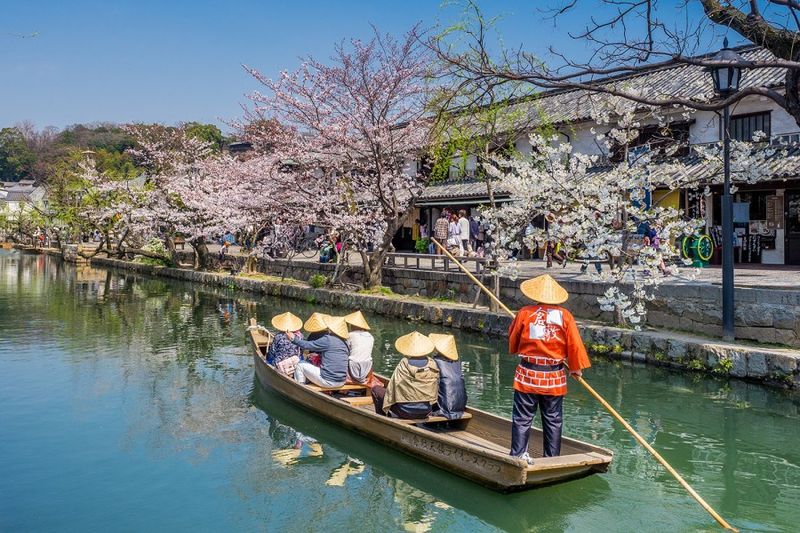
Kurashiki’s Bikan Historical Quarter was built on rice money. During the Edo period, the shogunate controlled this area directly and used it as a major rice trading hub, which led to the construction of the distinctive kura storehouses that still define the streetscape today.
The white walls of those storehouses feature namako-kabe, a decorative tile-and-plaster pattern that also served as fire protection. Willow branches hang over the central canal, and small bridges connect the two sides of the waterway at regular intervals.
Many buildings have been converted into museums, galleries, and cafes while keeping their historic exteriors intact. Traditional flat-bottomed boat rides along the canal run daily from March through November, with a boatman providing historical commentary during the 20-minute journey.
The entire quarter is car-free and walkable, which means the pace of a visit naturally slows down to match the unhurried character of the place.
Tsumago-juku, Nagiso, Nagano Prefecture
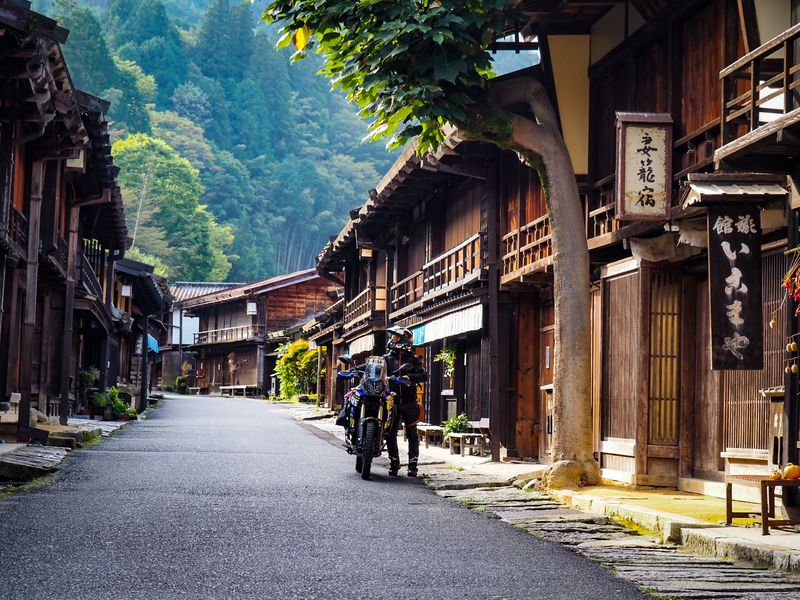
Residents of Tsumago-juku once voted to ban modern intrusions from their town entirely, including overhead power lines, vending machines, and new construction that clashed with the Edo-period aesthetic.
That commitment shows. The main street follows the old Nakasendo route with rows of dark timber buildings that once housed travelers moving between Kyoto and Edo. Samurai, merchants, and government officials all passed through, and the town’s layout has changed very little since those days.
Many historic structures now contain traditional inns, regional restaurants, and craft shops, all designed to blend with the streetscape rather than stand out from it.
Arriving via the old Nakasendo forest trail adds extra context to the visit. Emerging from the trees directly into the preserved street gives a sense of the journey that once defined this route and the community built around it.
Kakunodate, Semboku, Akita Prefecture
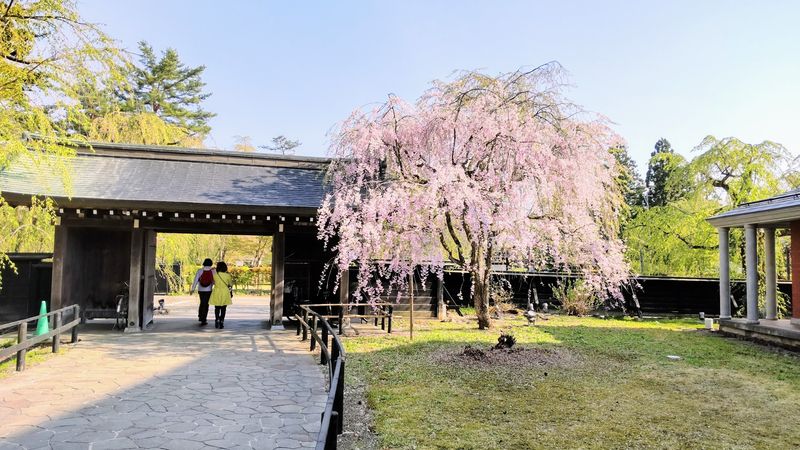
Kakunodate’s samurai district has a stateliness that most historic neighborhoods in Japan simply cannot match. Broad, tree-lined streets pass in front of walled samurai residences, and the scale of the layout signals that this was a place of genuine social standing.
Two of the most notable homes, the Ishiguro-ke and Aoyagi-ke residences, open their interiors to visitors, offering access to traditional armaments, garden spaces, and tea ceremony rooms that reflect the lifestyle of the warrior class.
Spring brings the weeping cherry trees into full display. These trees were originally brought from Kyoto and now form delicate floral tunnels over the samurai lanes, drawing visitors from across Japan. Autumn foliage and winter snow each transform the neighborhood in entirely different ways, but the underlying architectural character stays consistent through every season.
Few places in Japan offer such a clear, uninterrupted picture of samurai-era urban planning.
Gujo Hachiman, Gujo, Gifu Prefecture
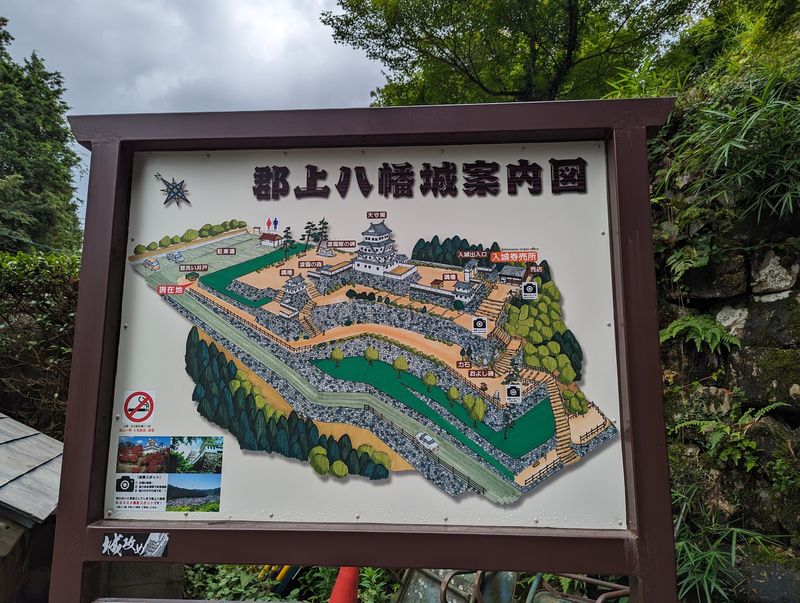
Gujo Hachiman takes its water supply seriously enough that it built an entire town around it. After a major fire in 1660, the town established an elaborate canal system for both fire protection and daily use, with strict rules still governing how residents use the tiered washing basins called mizu fune.
Igawa Lane, a 200-meter path alongside one of those waterways, is one of the town’s most photographed spots, partly because the water is clear enough to see the koi fish that gather there. Fish food is available nearby for a small fee.
Gujo Hachiman Castle, a wooden structure reconstructed in 1933, sits high above the rooftops and provides views across the valley that frame the town in a way that looks almost deliberately composed.
In summer, the Gujo Odori dance festival runs for 33 nights, drawing participants who dance through the lantern-lit streets until dawn on the most celebrated evenings.
Kinosaki Onsen, Toyooka, Hyogo Prefecture
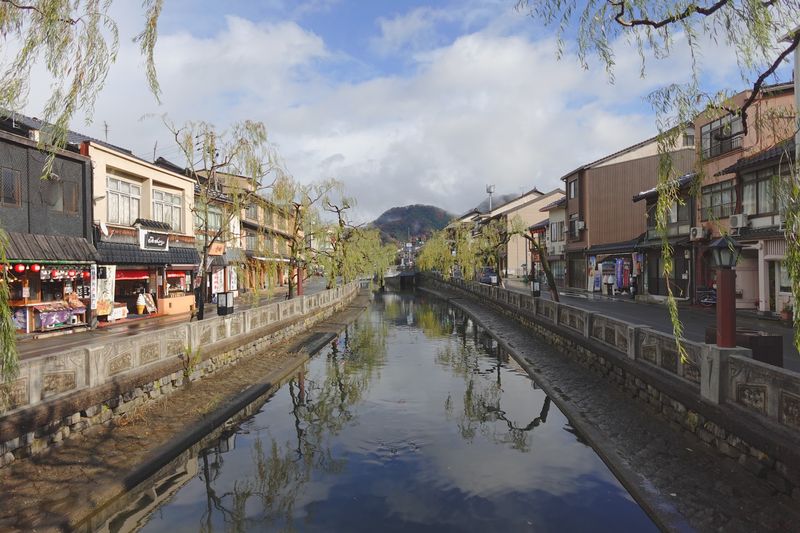
Kinosaki Onsen has been operating as a hot spring resort for roughly 1,300 years, which means it has had plenty of time to perfect the art of making visitors feel welcome.
Seven public bathhouses are spread through the town, each with a different architectural style and a different set of reputed benefits. Goshonoyu is modeled after the Kyoto Imperial Palace and includes an outdoor bath with a waterfall. Ichino-yu resembles a kabuki theater and features a cave bath. Yanagi-yu, the smallest of the seven, is known for its traditional cypress wood interior.
Guests typically receive a yumepa pass from their ryokan, allowing access to all seven bathhouses during their stay. After dark, visitors in yukata robes and wooden geta sandals move between baths on foot, creating a scene that has barely changed across generations.
Kinosaki is also notably tattoo-friendly, which is a rare and genuinely welcoming policy for a traditional Japanese resort town.
Otaru, Otaru, Hokkaido
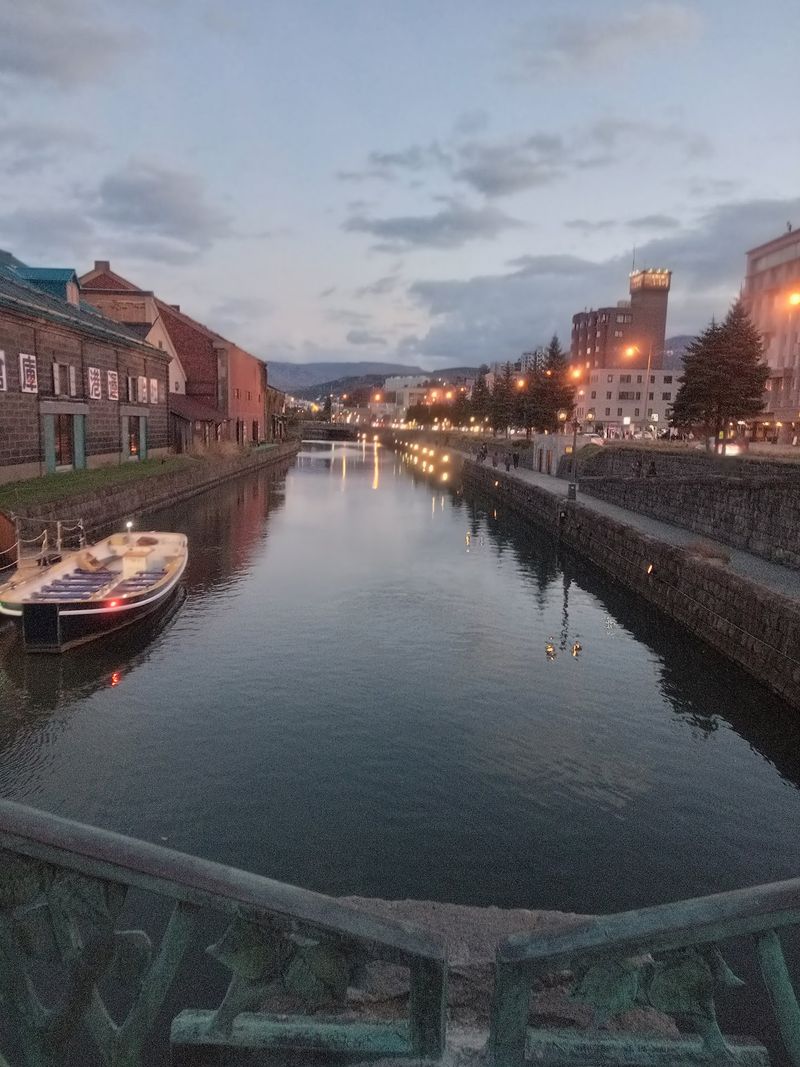
Otaru is the odd one out on this list in the best possible way. Rather than mountain post towns and thatched roofs, it offers a historic northern port with stone warehouses, a famous canal, and a faintly European silhouette that sets it apart from anywhere else in Japan.
The canal stretches 1,140 meters and was constructed between 1914 and 1923 to handle cargo transport. Many of the warehouses along its banks have been converted into cafes, restaurants, and shops while keeping their original stone and timber-framed exteriors.
Gas lamps line the canal path and reflect on the water after dark, creating an atmosphere that draws visitors year-round. In winter, the Snow Light Path festival in February fills the area with snow candles, and the broader Otaru Snow Story event runs illuminations along the canal from November through February.
Canal cruises operate during both day and night with narrated historical commentary.
Onomichi, Onomichi, Hiroshima Prefecture
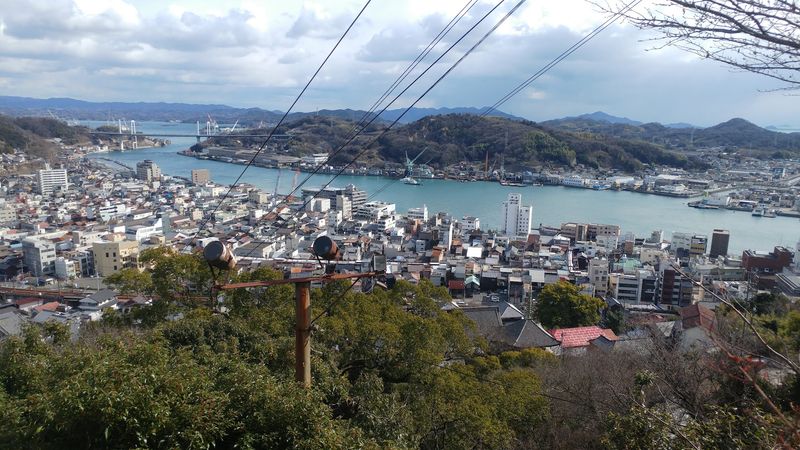
Onomichi is a city that rewards anyone willing to climb. The hillside above the town is a dense network of staircases, temples, narrow lanes, and old wooden houses that most visitors never fully map out in a single trip.
Senkoji Park at the top offers broad views across the rooftops and out over the Seto Inland Sea, framing the city between mountain and water in a way that is hard to photograph badly.
Neko no Hosomichi, or Cat Alley, runs through the hillside below and stretches about 200 meters. Artist Shunji Sonoyama began placing lucky stone cats there in 1998, and the lane has since accumulated cat sculptures, cat-themed cafes, a Maneki-Neko Museum holding over 3,000 lucky cats, and a rotating population of real feline residents.
The Temple Walk route connects several historic sites along the hillside, making Onomichi one of the few cities where getting slightly lost is genuinely part of the plan.
Kawagoe, Kawagoe, Saitama Prefecture
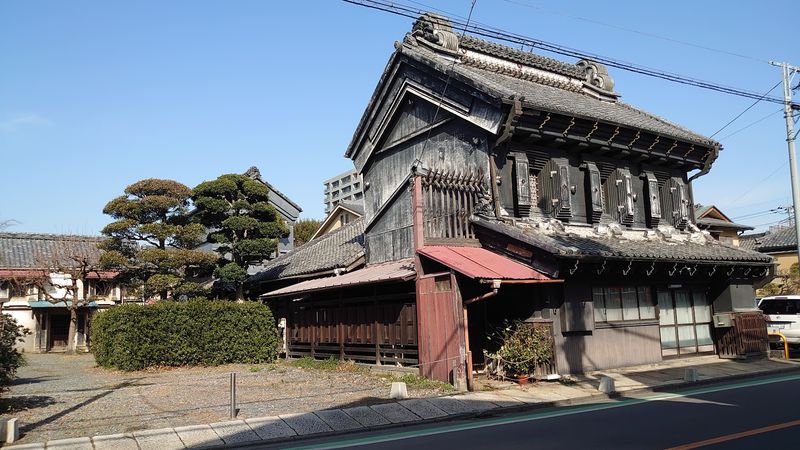
Kawagoe owes its remarkably preserved historic center to a disaster. The Great Kawagoe Fire of 1893 destroyed much of the wooden town, and merchants rebuilt using thick clay-walled kura construction specifically designed to resist future fires.
About 30 of those kurazukuri storehouses survive along Ichibangai, the main historic street, some featuring misegura designs that incorporated shop areas directly into the storehouse facade. The buildings are substantial and imposing in a way that smaller post towns rarely achieve.
The Toki no Kane bell tower stands about 16 meters tall and still chimes four times daily at 6 AM, noon, 3 PM, and 6 PM. First constructed during the Kan’ei era between 1624 and 1644, its tones have been designated one of Japan’s 100 Soundscapes.
Narrow side streets branch off from the main thoroughfare, lined with traditional sweets shops and smaller businesses that make Kawagoe easy to explore for an entire afternoon.
Yufuin, Yufu, Oita Prefecture
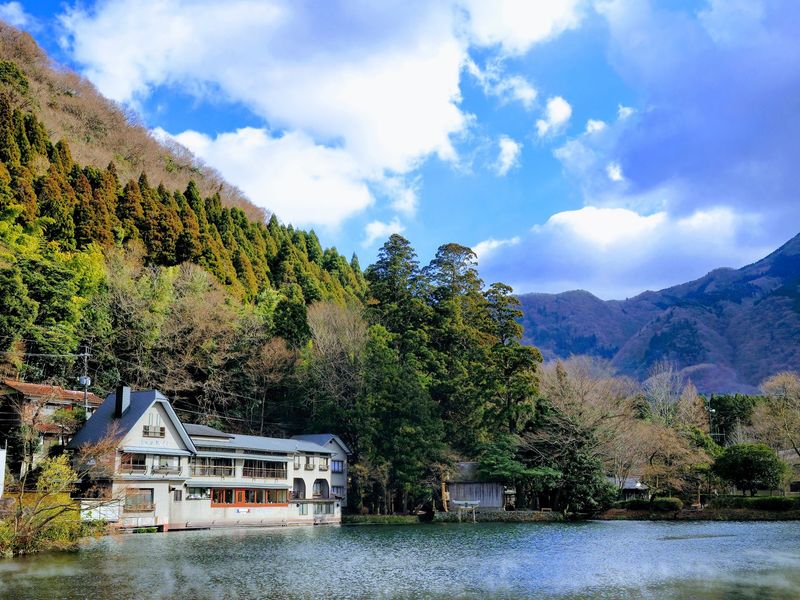
Kinrin Lake in Yufuin has a geological quirk that makes it worth visiting even before the rest of the town: both spring water and hot spring water bubble up naturally from its bottom, keeping the lake warm year-round.
On cold autumn and winter mornings between 5 AM and 8 AM, that warmth produces a rising mist across the lake’s surface that locals call kiribon. A Confucian scholar named the lake “Kinrin,” meaning golden scales, in 1884 after observing fish scales catching the light in the evening sun.
The broader Yufuin Onsen area holds the second-highest hot spring water flow volume in Japan, and many traditional inns open their baths to day visitors, often with direct views of Mount Yufu looming nearby.
Yunotsubo Kaido, a nearby street lined with shops and cafes, gives visitors a pleasant place to browse local crafts and regional treats between visits to the lake and the surrounding hillside.
Ouchi-juku, Shimogo, Fukushima Prefecture
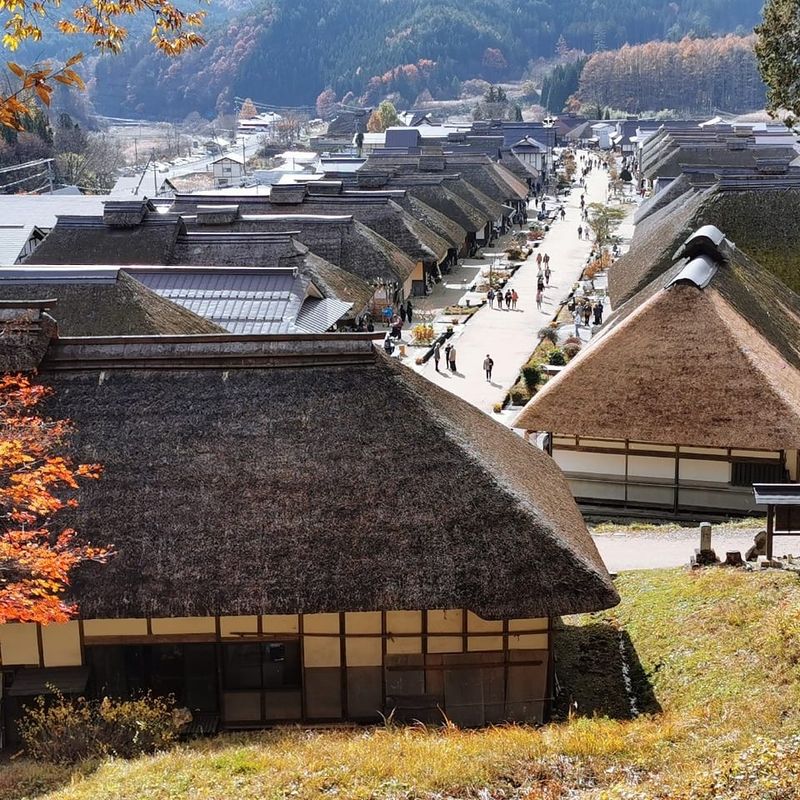
Ouchi-juku makes an immediate impression. A single broad street lined with approximately 30 thatched-roof buildings stretches 500 meters through a mountain valley, and the effect is dramatic enough that first-time visitors often stop walking just to take it in.
The former post town served the Shimotsuke Kaido route during the Edo period, providing rest stops for samurai and officials traveling between Aizu and Nikko. Some of the structures here are over 300 years old, and their thick thatched roofs require periodic communal re-thatching to maintain.
Many buildings now house restaurants and souvenir shops. One of the most memorable local dishes is Negi Soba, a noodle dish served with a whole leek that diners use in place of chopsticks, a genuinely playful culinary tradition.
In February, the Ouchi-juku Snow Festival fills the street with snow lanterns, flaming torches, taiko drumming, and fireworks, turning an already striking village into something even more memorable.
Share this story