Some places on Earth carry a heavy burden that most people never hear about. From rivers choked with industrial waste to towns surrounded by toxic smoke, pollution has left lasting damage in communities around the world.
These locations serve as powerful reminders of what happens when industry, negligence, and poor regulation go unchecked. Learning about them is the first step toward understanding why environmental protection matters so much.
1. Citarum River, Indonesia
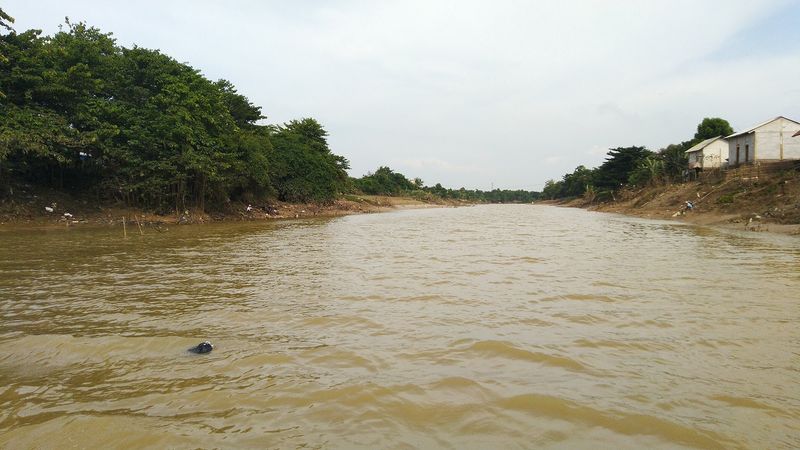
Once a vital water source for millions of people, the Citarum River in West Java, Indonesia, has earned the grim reputation of being one of the world’s most polluted rivers. Hundreds of textile factories line its banks, releasing untreated dyes, heavy metals, and industrial chemicals directly into the water.
Pesticides from nearby farms also drain into the river, making the water dangerous for both humans and wildlife. Fish populations have collapsed, and local residents who once depended on the river for drinking water and bathing now face serious health risks including skin disease and respiratory problems.
The Indonesian government launched a major cleanup effort in 2018, but progress has been slow. Millions of people still live along the river’s banks, and the road to recovery will take decades of sustained effort and strict enforcement of environmental laws.
2. Chernobyl Exclusion Zone, Ukraine
On April 26, 1986, the world witnessed the worst nuclear power plant accident in history. Reactor No. 4 at the Chernobyl plant exploded, releasing radioactive particles across much of Europe and forcing the evacuation of over 350,000 people from the surrounding region.
A 30-kilometer exclusion zone was established around the plant, and it remains largely off-limits to this day. Soil, water, and air in the zone still carry elevated levels of radioactive cesium, strontium, and plutonium.
Wildlife has returned to the area, but many animals show signs of genetic mutation and health problems.
Chernobyl has become a haunting symbol of nuclear disaster and the long reach of radiation. Scientists estimate some areas within the zone will remain unsafe for human habitation for thousands of years, making this one of the most enduring pollution crises in human history.
3. Lake Karachay, Russia
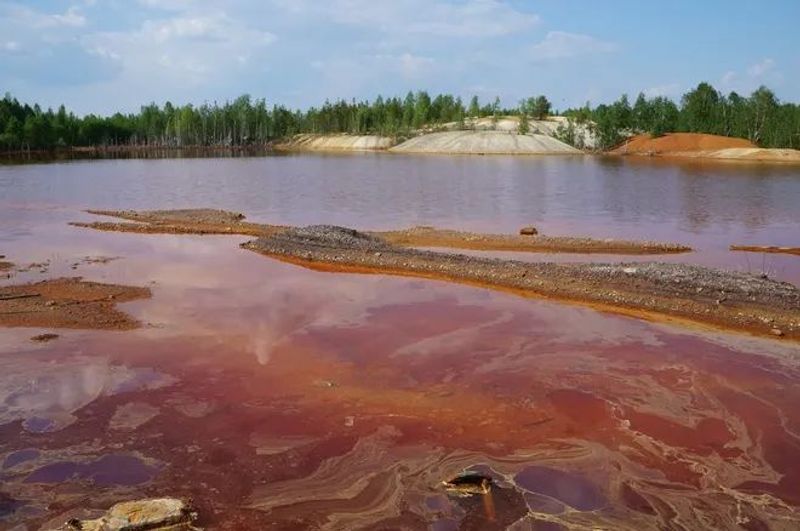
If you stood on the shore of Lake Karachay in Russia’s southern Ural Mountains for just one hour, you would receive a lethal dose of radiation. That chilling fact alone tells you everything you need to know about how dangerous this small lake truly is.
For decades, the Soviet Union used Lake Karachay as a dumping site for nuclear waste from the nearby Mayak nuclear facility. Beginning in the 1950s, massive amounts of radioactive material were poured directly into the lake, making it one of the most radioactively contaminated spots on the planet.
A drought in 1968 caused radioactive dust from the dried lake bed to spread across thousands of square kilometers, exposing nearly half a million people to radiation. Russian authorities have since begun filling the lake with concrete and rock to reduce the risk, but the contamination remains deeply embedded in the environment.
4. Kabwe, Zambia
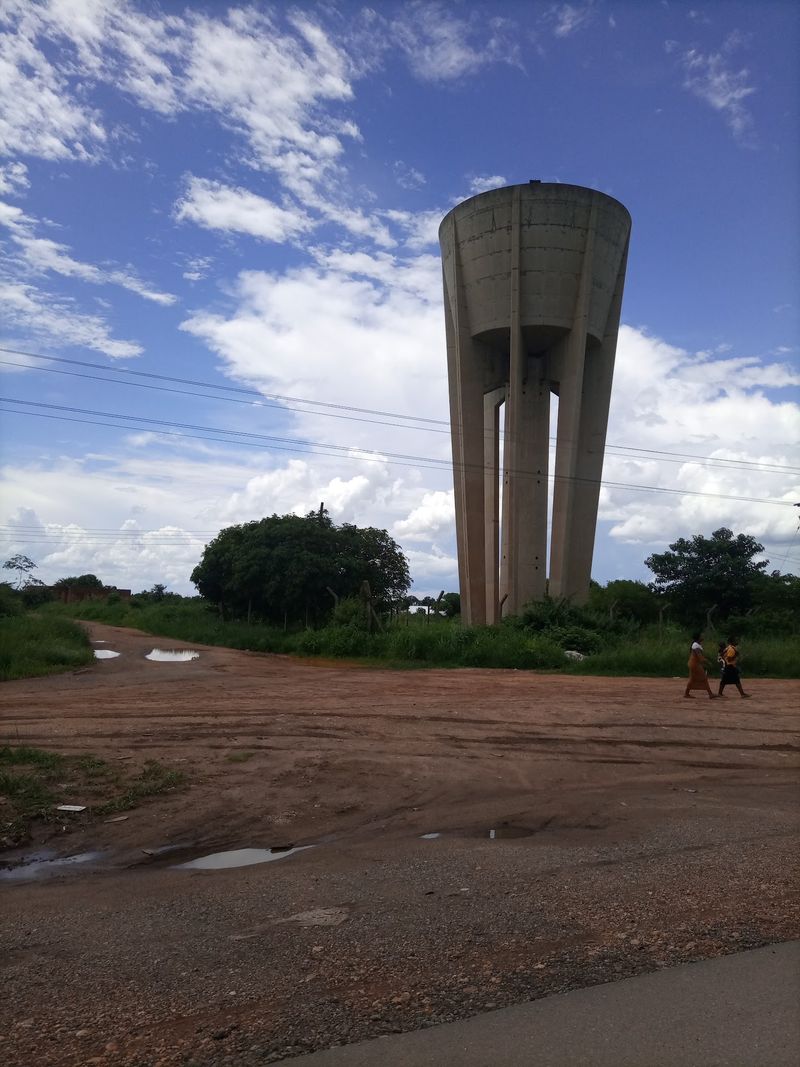
Lead poisoning is invisible, odorless, and devastating, and the people of Kabwe, Zambia, have lived with it for over a century. Once home to one of Africa’s largest lead and zinc mines, Kabwe became severely contaminated during decades of mining and smelting operations that left toxic metals throughout the soil, water, and air.
Studies have found that many children in Kabwe have blood lead levels far above the safe limit set by the World Health Organization. Lead damages the brain and nervous system, causing learning disabilities, behavioral problems, and developmental delays in young children who are most vulnerable.
The mine closed in 1994, but the damage was already done. Contaminated soil still surrounds homes and schools, and cleanup efforts have been limited by funding shortfalls.
International organizations continue to work with the Zambian government to reduce exposure, but full remediation remains a long and expensive challenge for this struggling community.
5. Norilsk, Russia
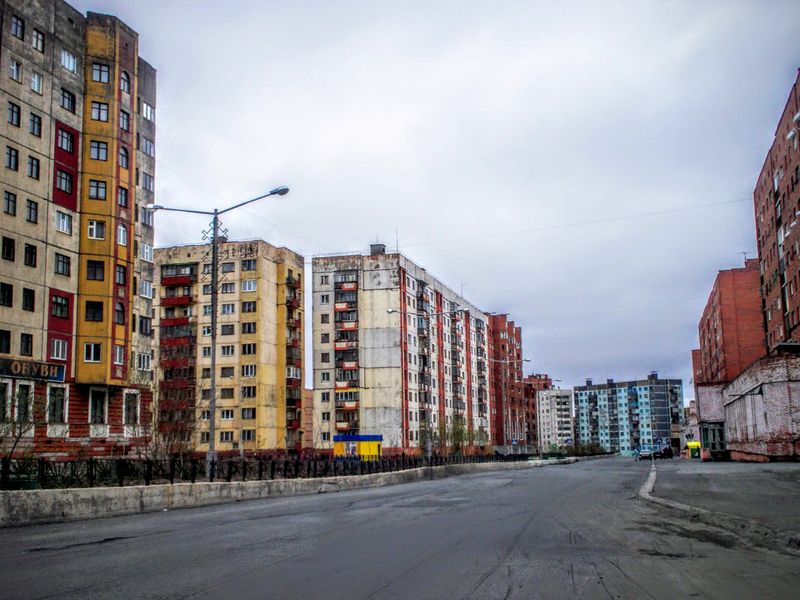
Built on permafrost above the Arctic Circle, Norilsk is one of the most remote and most polluted industrial cities in the world. It was constructed by Soviet-era forced laborers in the 1930s to extract and process enormous reserves of nickel, copper, and palladium.
Today, Norilsk Nickel operates massive smelting plants that release about two million tons of sulfur dioxide into the atmosphere every year. That is roughly the same amount as the entire country of Germany produces annually.
The air often smells of sulfur, and acid rain has killed vegetation across thousands of square kilometers surrounding the city.
Rivers near the city run red and orange from heavy metal runoff, and the life expectancy of residents is estimated to be roughly ten years lower than the Russian national average. Despite the health risks, hundreds of thousands of people still live and work in Norilsk, drawn by relatively high industrial wages.
6. Niger Delta, Nigeria
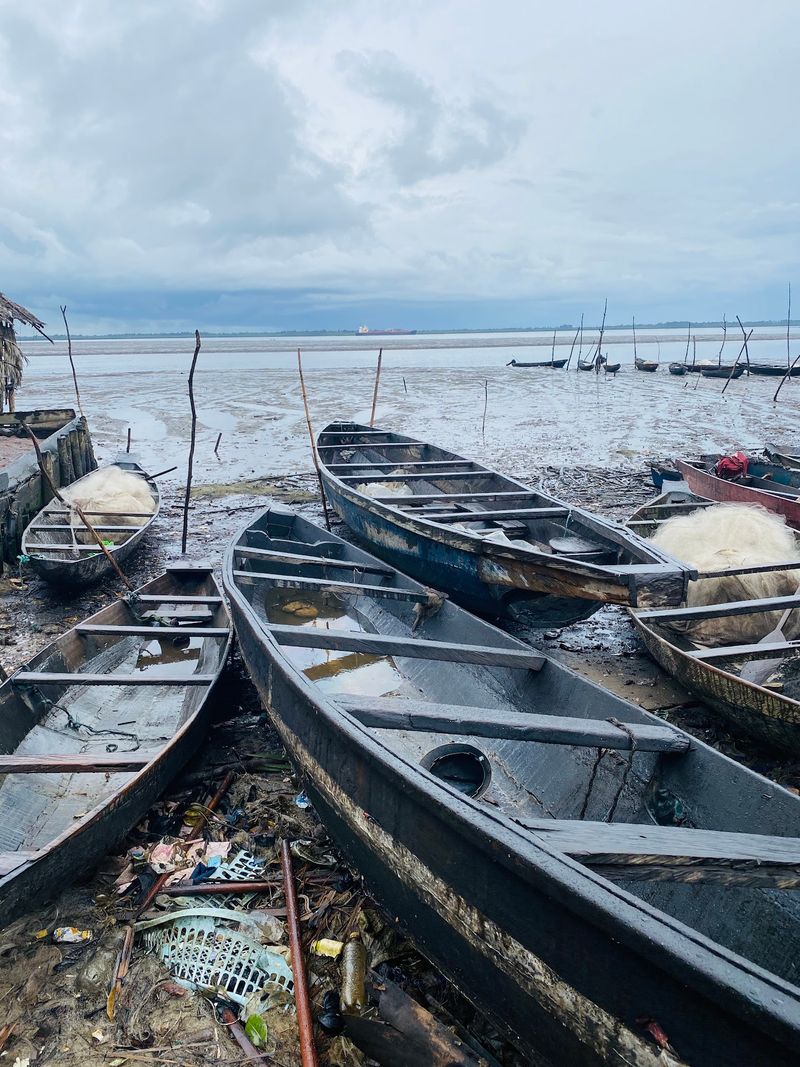
For more than 50 years, oil spills have been poisoning the Niger Delta, one of the world’s largest and most biologically diverse wetlands. Nigeria is a major oil producer, and petroleum extraction began in the region in the late 1950s.
Since then, an estimated 9 to 13 million barrels of oil have spilled into the delta’s rivers, soil, and coastal waters.
Fishing communities that once thrived on the delta’s rich aquatic life now struggle to find clean water or healthy fish. Many residents suffer from respiratory illnesses caused by gas flaring, a practice where excess natural gas is burned off at oil wells, releasing toxic fumes day and night.
A 2011 United Nations report on Ogoniland, one area within the delta, concluded that cleanup could take up to 30 years and cost over one billion dollars. Communities continue to advocate for accountability from both the Nigerian government and international oil companies operating in the region.
7. Matanza-Riachuelo River Basin, Argentina
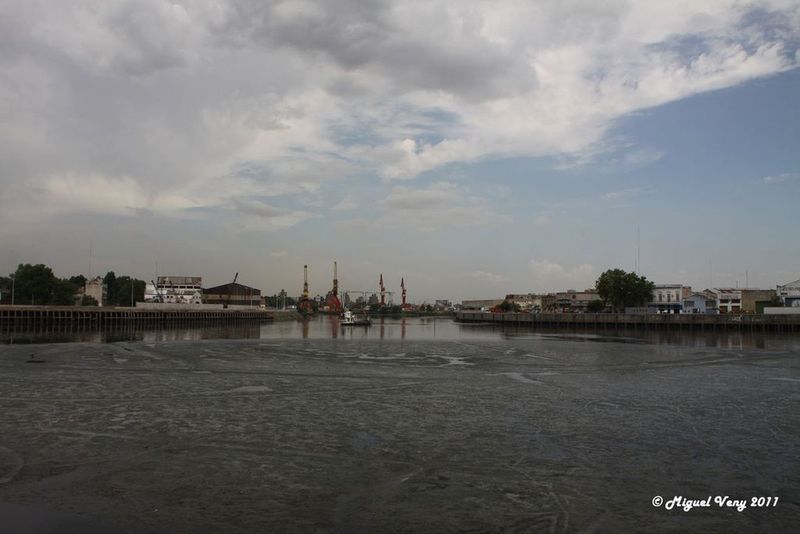
Flowing through the heart of Buenos Aires, the Matanza-Riachuelo River has been called one of the most polluted waterways in Latin America. More than 15,000 industries, including tanneries, chemical plants, and slaughterhouses, line its banks, many of which have historically discharged untreated waste directly into the water.
Around 8 million people live in the river basin, and many of the poorest communities are located closest to the contaminated water and soil. High rates of lead poisoning, gastrointestinal illness, and respiratory disease have been documented among residents in the area.
Children living near the riverbanks are among the most affected.
Argentina’s Supreme Court issued a landmark ruling in 2008 ordering authorities to clean up the river. Progress has been made, including improved waste treatment and relocation of some polluting industries, but the scale of contamination means full recovery will take many more years of coordinated effort and consistent investment.
8. Dzerzhinsk, Russia
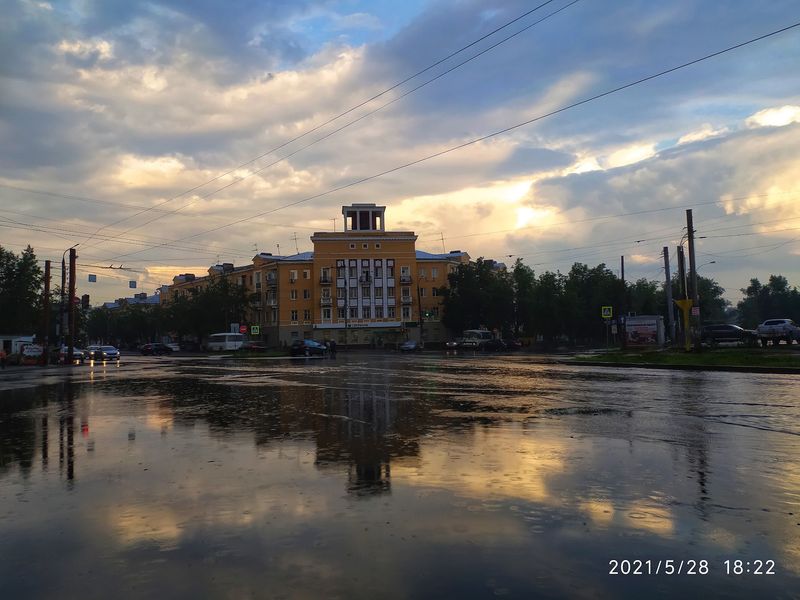
Named after a Soviet secret police chief, Dzerzhinsk was one of the Soviet Union’s most important centers for chemical weapons manufacturing. From the 1930s through the Cold War, the city produced massive quantities of nerve agents, mustard gas, and other deadly chemicals.
When production ended, the waste was not properly disposed of.
An estimated 300,000 tons of chemical waste were dumped near the city, contaminating groundwater and soil with compounds including dioxins, phenols, and heavy metals. At one point, the Guinness World Records listed Dzerzhinsk as the most chemically polluted city on Earth, with life expectancy for residents reportedly as low as 42 years for men.
Cleanup efforts have been undertaken in recent years, and some improvements in water quality have been reported. Yet the legacy of chemical contamination runs deep, and scientists warn that full remediation of the area could take generations given the sheer volume of toxic materials involved.
9. Agbogbloshie, Ghana
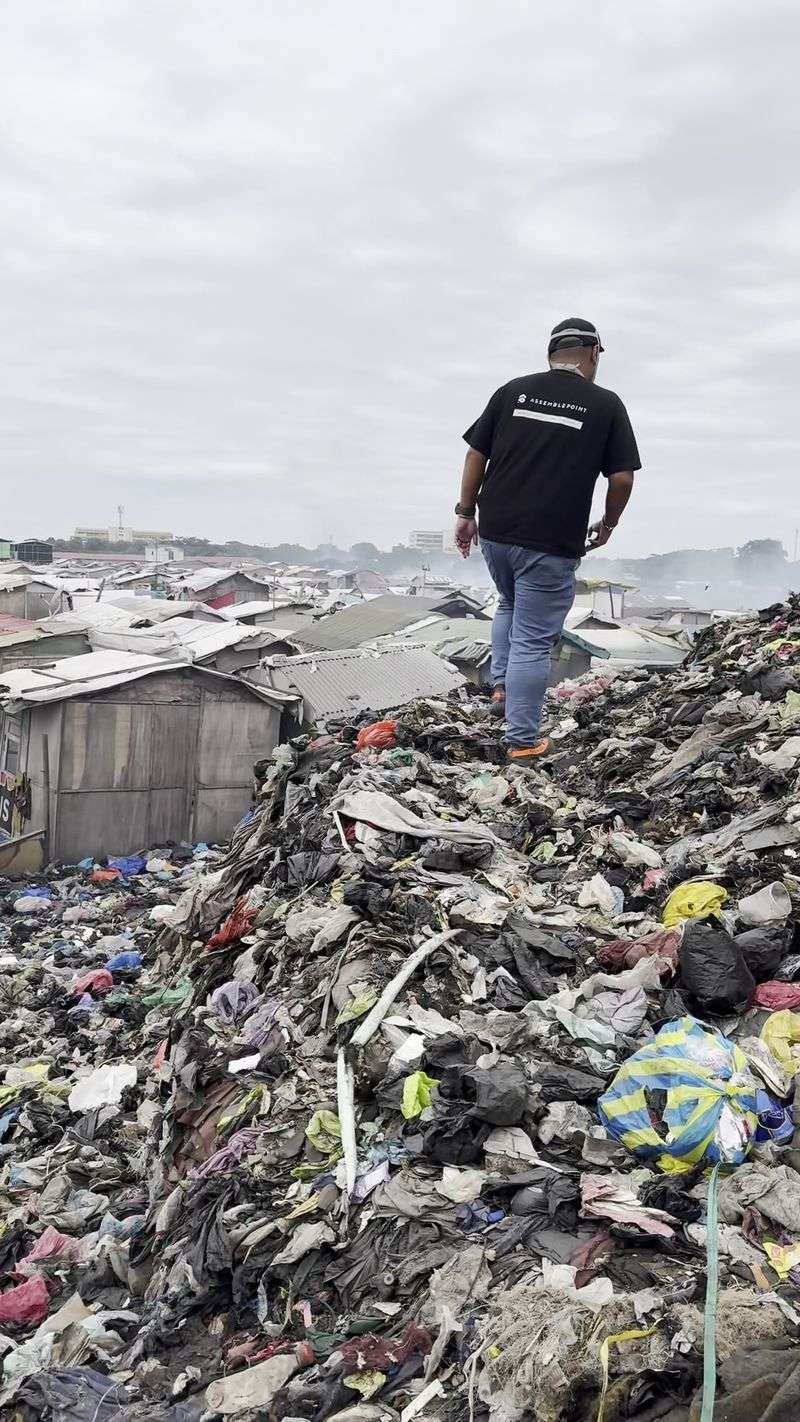
Every year, the world generates over 50 million metric tons of electronic waste, and a significant portion of it ends up in places like Agbogbloshie, a district on the edge of Accra, Ghana’s capital city. Workers, many of them young men and boys, burn circuit boards, cables, and old electronics to recover copper and other valuable metals.
The burning releases a toxic cocktail of lead, mercury, cadmium, and other harmful substances into the air, soil, and nearby water. Studies have found extremely high concentrations of toxic metals in the soil around Agbogbloshie, far exceeding safe levels.
Workers face daily exposure without protective equipment, leading to serious health problems including lung disease and neurological damage.
Agbogbloshie has become a symbol of the global e-waste crisis and the unequal burden that developing nations bear for the world’s growing appetite for electronics. Advocacy groups are pushing for stricter international regulations on e-waste exports.
10. Hazaribagh, Bangladesh
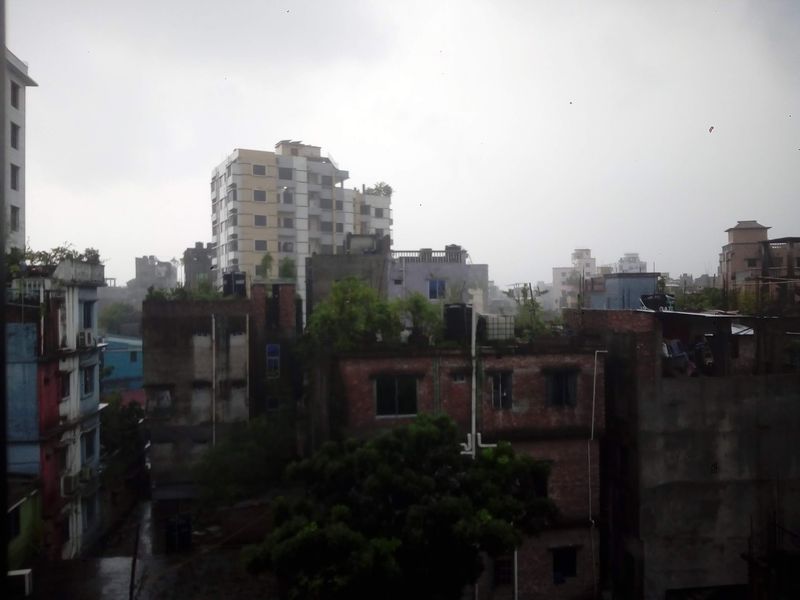
Leather is one of Bangladesh’s most valuable exports, and for decades much of it was produced in Hazaribagh, a densely packed neighborhood in Dhaka. Around 200 tanneries operated there, processing millions of animal hides each year using chromium sulfate and other harsh chemicals.
The tanneries discharged an estimated 22,000 cubic liters of toxic wastewater daily into the Buriganga River, one of Dhaka’s main waterways. Chromium, a heavy metal used in the tanning process, is highly toxic and can cause cancer, skin disease, and organ damage.
Workers, many of them children, labored without protective gear in conditions described by health experts as extremely hazardous.
Pressure from international buyers and environmental groups eventually led the Bangladesh government to relocate many tanneries to a new industrial zone in Savar. However, the damage to Hazaribagh’s soil and water remains significant, and the relocation itself raised new concerns about waste management at the new site.
11. Kalimantan, Indonesia
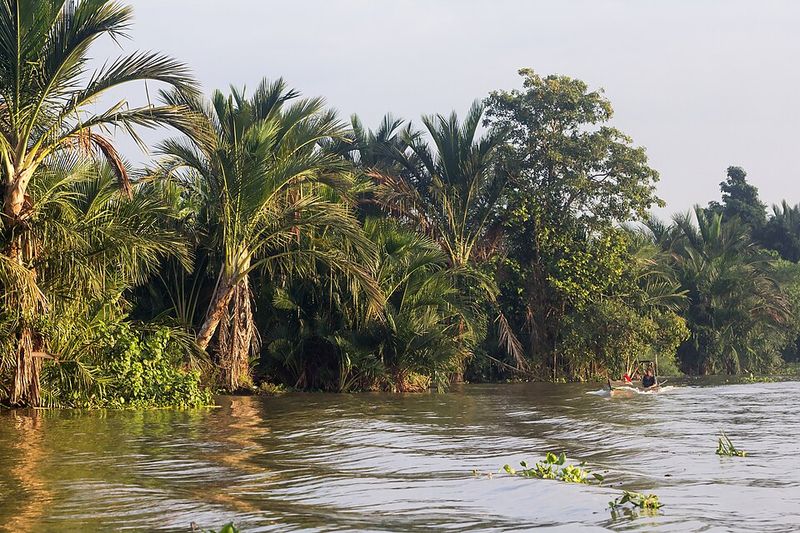
Gold has been mined in Kalimantan, the Indonesian portion of the island of Borneo, for hundreds of years. But the rise of artisanal and small-scale gold mining in recent decades has brought a serious and largely invisible threat: mercury contamination spreading through the region’s rivers and forests.
Miners use liquid mercury to bind with gold particles and separate them from sediment. When the mercury is burned off, toxic vapor is released into the air.
Leftover mercury also washes into rivers, where it converts into methylmercury, a form that builds up in fish and can severely damage the human nervous system when consumed.
Indigenous and rural communities who rely on river fish as a primary food source are at the greatest risk. Studies have found elevated mercury levels in both fish and local residents.
Addressing the problem requires balancing economic needs with environmental protection in a region where many families depend on gold mining for survival.
12. La Oroya, Peru
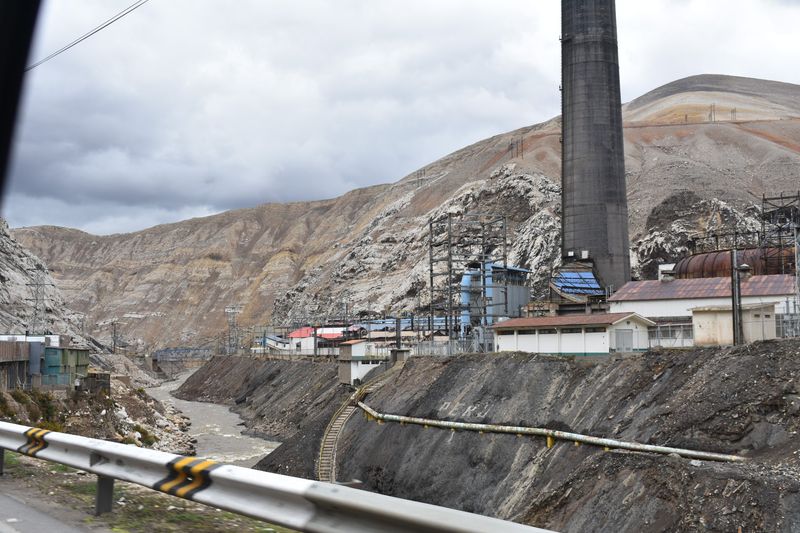
Perched high in the Peruvian Andes at nearly 3,750 meters above sea level, La Oroya has been home to a massive metal smelting complex since 1922. For most of the 20th century, the facility processed lead, copper, zinc, and silver, releasing heavy metals and sulfur dioxide into the air with little regulation.
By the early 2000s, studies found that nearly all children in La Oroya had blood lead levels above the threshold considered dangerous by international health standards. Lead exposure at those levels causes irreversible brain damage, reduced IQ, and behavioral disorders.
The town’s vegetation had largely died off, and the surrounding hills were stripped bare by acid rain.
The smelter was acquired by a U.S.-based company in 1997, which agreed to environmental improvements that were never fully implemented. Community members have fought for years to hold polluters accountable while also protecting the jobs that the smelter provides to thousands of local families.
13. Sukinda Valley, India
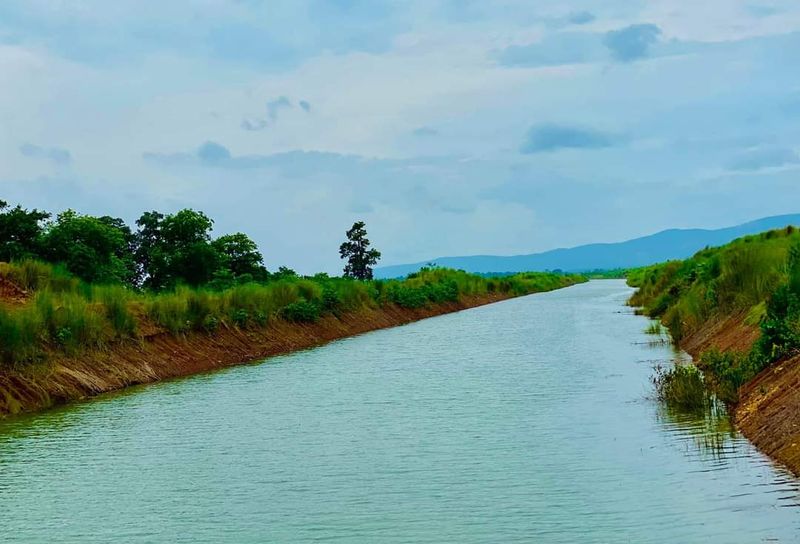
Tucked into the state of Odisha in eastern India, Sukinda Valley holds one of the world’s largest deposits of chromite ore. The valley is home to dozens of open-cast mines that have been operating for decades, making it a major supplier of chromium used in stainless steel manufacturing around the world.
The problem is that hexavalent chromium, a toxic form of the metal, leaches from mine waste into local water sources. Studies have found that over 60 percent of the drinking water in the area contains hexavalent chromium at levels above safe limits.
This form of chromium is a known carcinogen linked to cancer, skin ulcers, and kidney damage.
Residents living near the mines report unusually high rates of illness, and local environmental groups have documented widespread contamination of rivers and groundwater. Sukinda was included in a 2007 report by the Blacksmith Institute as one of the world’s ten most polluted places, drawing international attention to the crisis.
14. Sumgayit, Azerbaijan
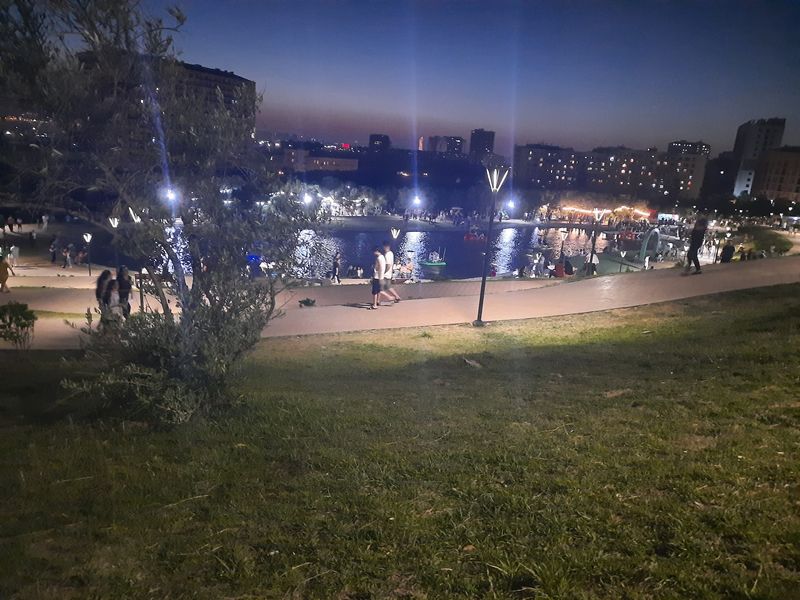
During the Soviet era, Sumgayit was one of the most important industrial cities in the Caucasus region. Factories produced synthetic rubber, chlorine, pesticides, and various petrochemicals, making the city an economic powerhouse.
But when the Soviet Union collapsed, the factories shut down and left behind an enormous legacy of chemical contamination.
Soil and groundwater in and around Sumgayit are laced with mercury, oil residues, chlorinated compounds, and other toxic chemicals. Cancer rates and birth defect rates in the city have historically been reported as significantly higher than national averages, though data collection has been inconsistent.
The contamination also threatens the nearby Caspian Sea, one of the world’s largest inland bodies of water.
Remediation efforts have been slow due to limited funding and the sheer complexity of the contamination left behind. Sumgayit serves as a cautionary example of how rapid industrial development without environmental safeguards can leave communities paying the price for generations after the factories go silent.
15. Vapi, India
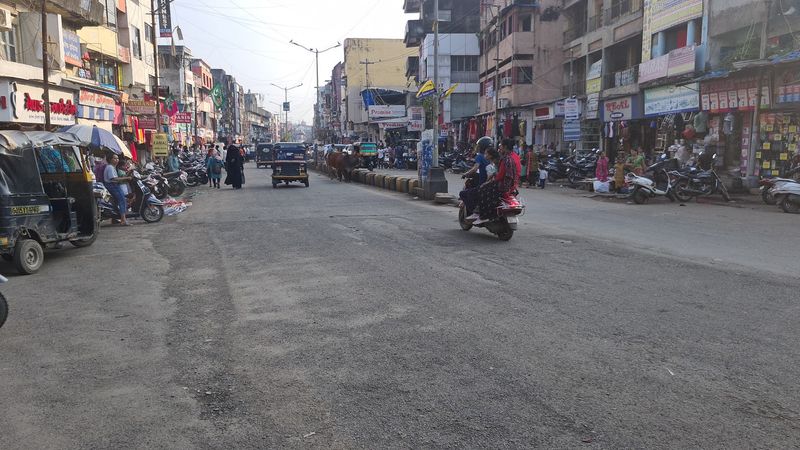
Located at the southern tip of Gujarat’s Golden Corridor, one of India’s most industrialized stretches of land, Vapi hosts over 1,000 industrial units producing chemicals, pesticides, pharmaceuticals, and dyes. The economic output is impressive, but so is the environmental toll the city has accumulated over decades of rapid industrial growth.
Groundwater in Vapi has been found to contain mercury at levels nearly 96 times higher than World Health Organization guidelines. Industrial effluents have contaminated local rivers and farmland, affecting both drinking water supplies and agricultural soil.
Residents have reported elevated rates of illness, and the local ecosystem has suffered significant damage.
Vapi was included in the Blacksmith Institute’s list of the world’s most polluted places in 2007, putting it in the global spotlight. Since then, some industries have adopted cleaner practices and authorities have tightened regulations, but enforcement remains inconsistent.
Vapi’s story reflects a broader challenge faced by many rapidly industrializing cities trying to balance economic growth with environmental responsibility.
Share this story