Scattered across dense rainforests, remote islands, and vast wilderness, some groups of people have chosen to live completely apart from the modern world. These communities have little to no contact with outside societies, and many actively resist any attempts at connection.
Their existence raises deep questions about human rights, land protection, and what it truly means to respect another culture’s way of life. Learning about them helps us understand just how diverse and complex human civilization really is.
Sentinelese – North Sentinel Island, India
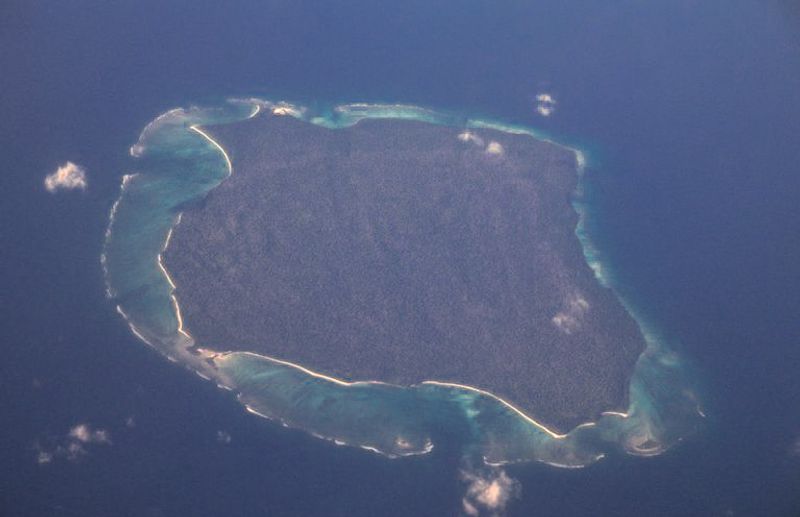
No group on Earth has made their wish for isolation clearer than the Sentinelese. Living on North Sentinel Island in the Bay of Bengal, they have turned away every attempt at outside contact for thousands of years.
Their island sits within Indian waters, and the Indian government has made it illegal to approach within five nautical miles.
Estimates place their population somewhere between 50 and 200 people, though no one can say for certain. They live by hunting, fishing, and gathering food from their island’s forests.
Outsiders who have attempted contact have been met with arrows and hostility.
Most experts and human rights organizations agree that the best approach is to leave them alone entirely. Their choice to remain isolated is considered a right worth protecting.
Survival International, a leading advocacy group, consistently calls for their territory to be respected and legally defended.
Mashco Piro – Peru
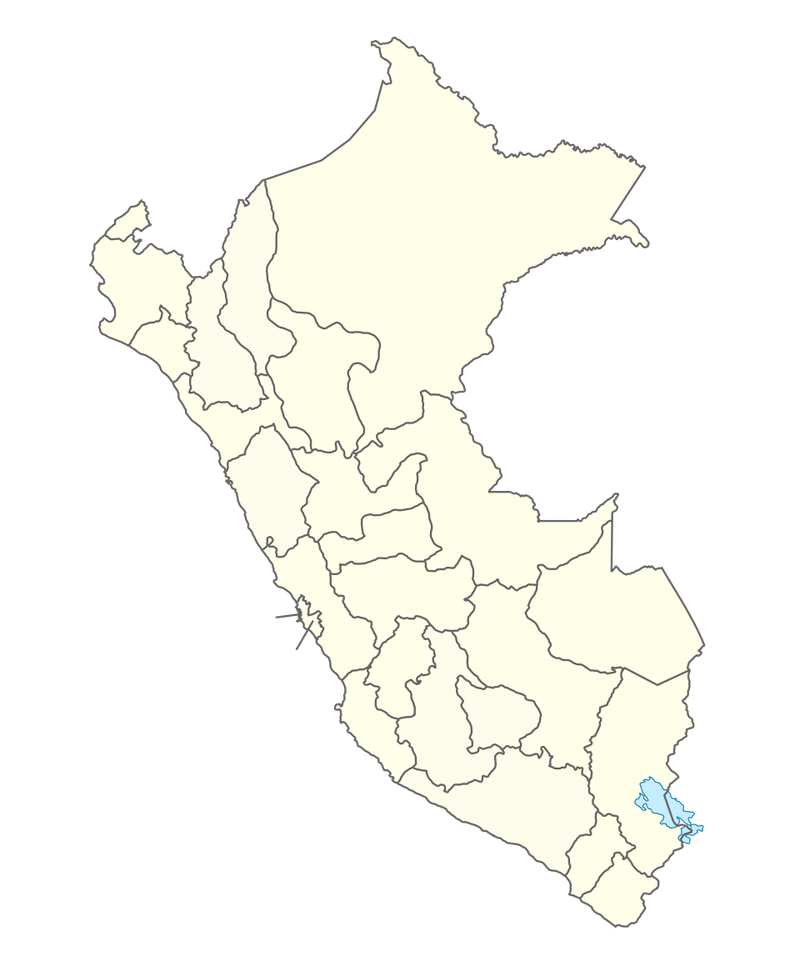
Believed to be the largest uncontacted group in the world, the Mashco Piro number more than 750 people living deep in the forests of southeastern Peru. That number alone makes them remarkable, but their story carries additional layers of complexity that set them apart from other isolated communities.
Unlike some groups who remain entirely hidden, the Mashco Piro have occasionally appeared at the edges of rivers or near neighboring Indigenous villages. These encounters are rarely peaceful and often create tension, since outside contact can introduce diseases to which they have no immunity.
Peru has established protected reserves to help shield them from loggers, missionaries, and outside developers. However, illegal activity in the Amazon continues to push closer to their territory each year.
Advocates argue that stronger enforcement of existing protections is urgently needed to preserve both their safety and their way of life.
Kawahiva – Brazil
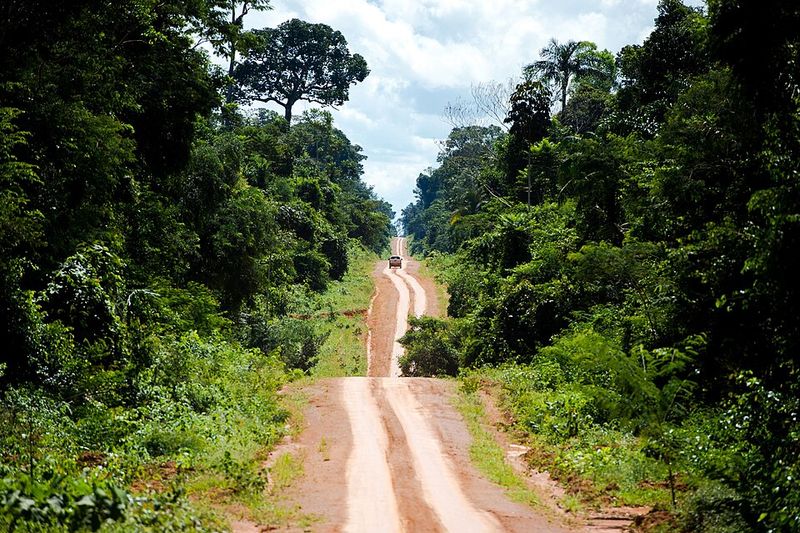
Wandering through the Brazilian Amazon without a fixed home, the Kawahiva are a nomadic people whose very existence was only officially confirmed in 1999. They move constantly through the forest, leaving behind temporary shelters, hammocks, and traces of daily life that researchers have used to document their presence.
What makes the Kawahiva especially urgent is how seriously threatened they are. Illegal logging and agricultural expansion have pushed steadily into their territory in the state of Mato Grosso.
There have been credible reports of violent attacks against them by people seeking to clear the land.
Brazil’s Indigenous affairs agency, FUNAI, has worked to protect their territory by establishing exclusion zones and monitoring the area. Despite these efforts, enforcement remains inconsistent.
Human rights groups have described the Kawahiva as being on the edge of extinction, making their protection one of the most pressing Indigenous rights issues in South America today.
Ayoreo-Totobiegosode – Paraguay
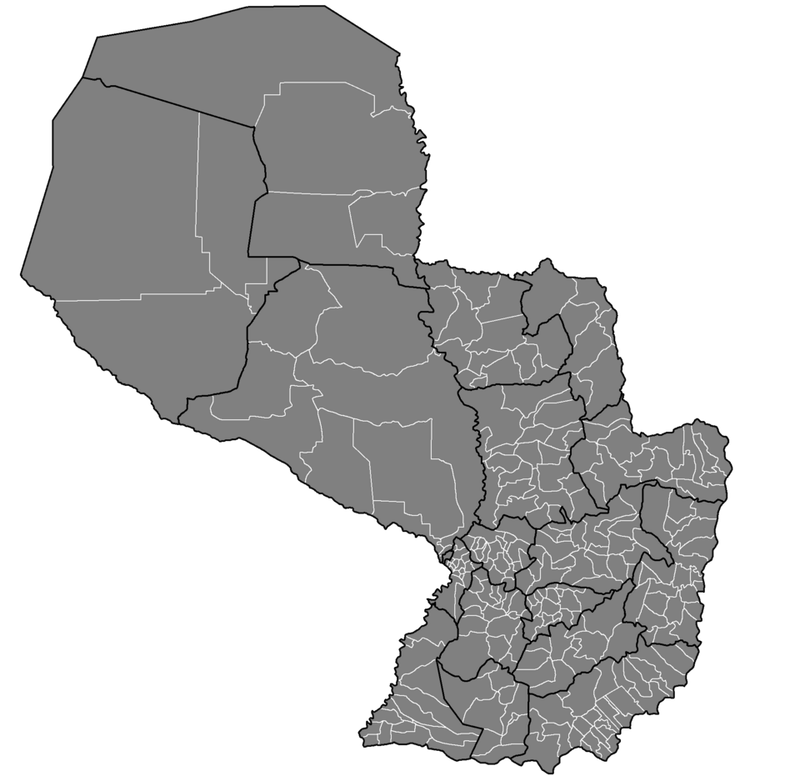
Straddling the line between contacted and uncontacted worlds, the Ayoreo-Totobiegosode present a uniquely layered story. Many members of the broader Ayoreo people have already made contact with outside society.
However, certain groups within the Totobiegosode subgroup continue living in voluntary isolation in the Gran Chaco, one of South America’s most forbidding environments.
The Gran Chaco is a vast dry forest covering parts of Paraguay, Bolivia, and Argentina. It is hot, thorny, and difficult to navigate, which has historically provided some natural protection for those living within it.
But that protection is eroding fast as cattle ranching and road construction eat into the forest.
Land rights organizations, including Survival International and Iniciativa Amotocodie, have fought legal battles to secure territory for isolated Ayoreo groups. Some victories have been won in court, but illegal encroachment continues.
Their situation highlights how voluntary isolation can be fragile without firm legal and physical land protection.
Hongana Manyawa – Indonesia
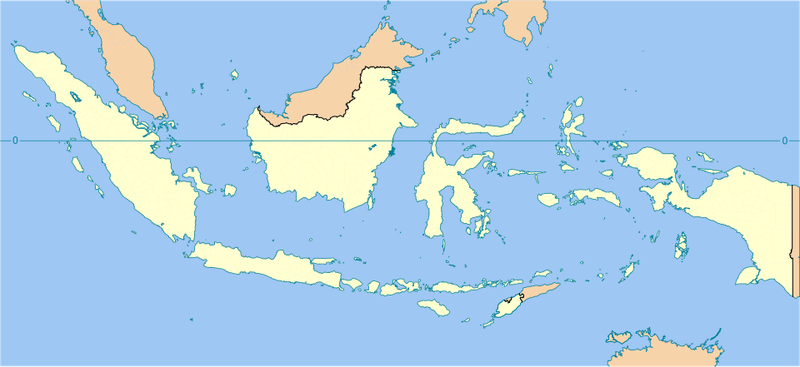
On the island of Halmahera in eastern Indonesia, the Hongana Manyawa have lived in the forest for generations, largely out of sight from the outside world. Of a total population estimated at around 3,500, roughly 500 are believed to remain genuinely uncontacted, moving through the forest interior and avoiding any interaction with outsiders.
Their situation is made more complicated by nickel mining operations that have expanded aggressively across Halmahera in recent years. Mining companies have cleared large sections of forest that the Hongana Manyawa depend on for food, shelter, and spiritual practice.
Encounters with outsiders, when they do occur, are described as extremely rare and often alarming for both sides.
Survival International has called attention to their plight, describing the mining expansion as a direct threat to their survival. Indonesia’s government has faced growing pressure to recognize and legally protect their land rights before irreversible damage is done to their territory and way of life.
Shompen – Great Nicobar Island, India
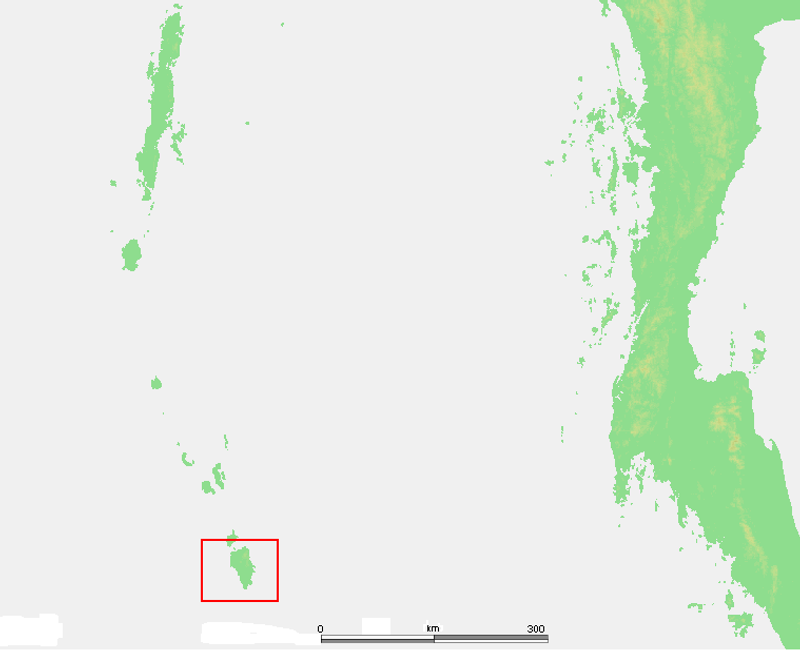
Tucked away in the rainforests of Great Nicobar Island at the southern tip of India’s Andaman and Nicobar archipelago, the Shompen are hunter-gatherers who have called this island home for thousands of years. Their total population is estimated at just a few hundred people, making them one of the smallest and most vulnerable groups in Asia.
Some Shompen have had limited contact with outside researchers and government officials over the decades. However, the majority reportedly reject outside interaction and prefer to remain within the forest interior.
This puts them in a complicated middle ground, neither fully isolated nor fully engaged with modern society.
A major infrastructure project announced by the Indian government in recent years has raised serious alarms among anthropologists and rights advocates. The planned development of Great Nicobar Island includes a port, an airport, and a township, all of which could permanently alter the forest environment the Shompen depend on.
Isconahua – Peru
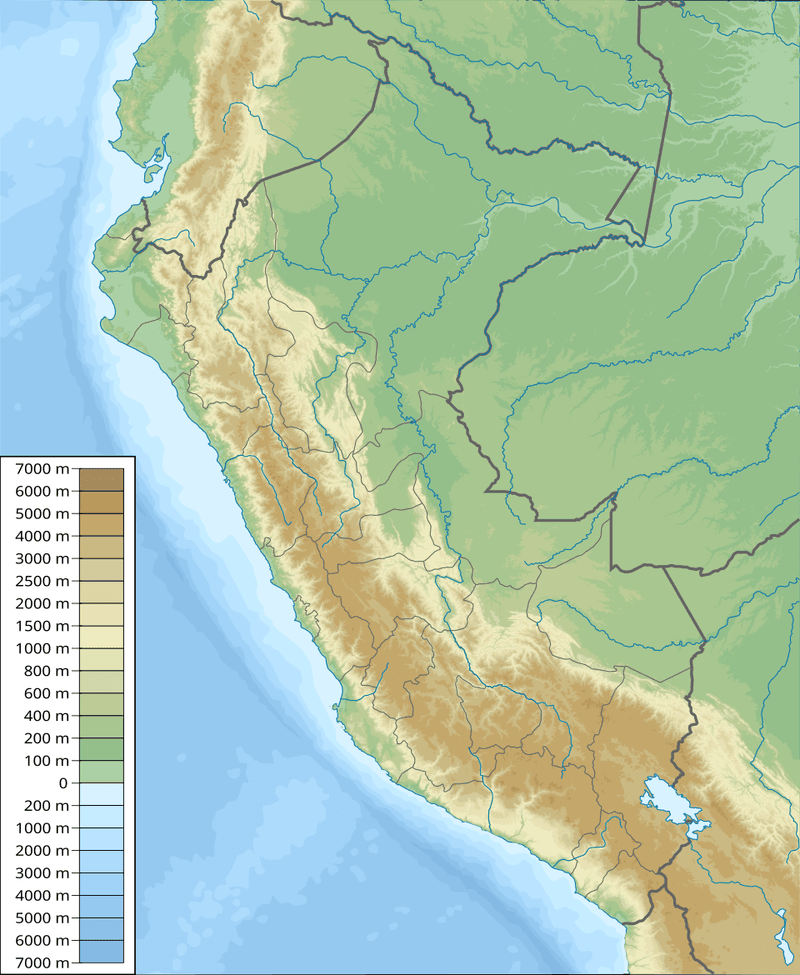
Peru is home to more uncontacted peoples than almost any other country, with at least 20 identified groups living in various degrees of isolation. The Isconahua are among those recognized by Peruvian authorities as an isolated population, living in the western Amazon basin far from roads or towns.
Very little is known about the Isconahua specifically, which is itself a telling detail. The limited information that exists comes largely from aerial surveys, footprints, and traces of camps left in the forest.
This scarcity of data is common with isolated groups, since direct observation risks the very contact researchers are trying to avoid.
Peru has created territorial reserves designed to protect isolated peoples from outside intrusion. These reserves prohibit logging, oil extraction, and unauthorized entry.
Whether these protections hold in practice depends heavily on government enforcement and the political will to prioritize Indigenous rights over economic development in the Amazon region.
Matsigenka Groups in Isolation – Peru
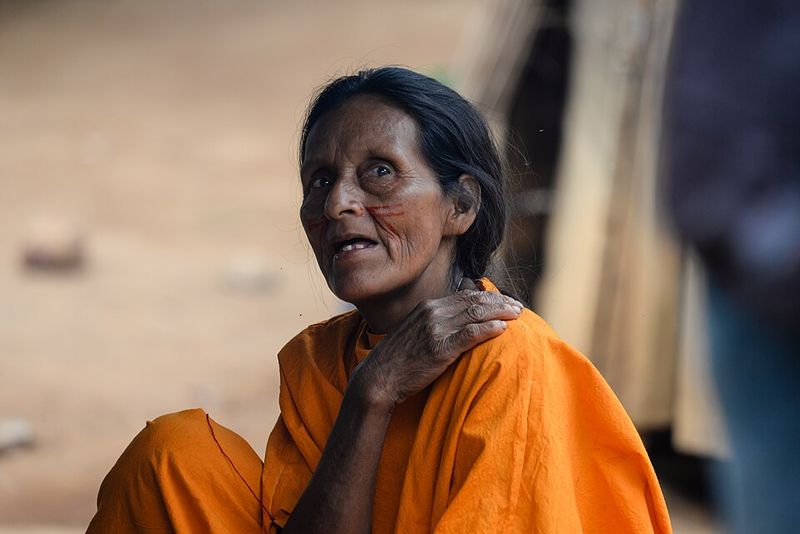
Among Peru’s better-known Indigenous peoples, the Matsigenka have a long and documented history in the Amazon. Yet not all Matsigenka communities have chosen to engage with the outside world.
Some groups remain in deliberate isolation or extremely limited contact within remote areas of the Peruvian Amazon, including inside protected territorial reserves.
What makes their situation particularly interesting is the contrast within a single ethnic group. Some Matsigenka communities have schools, health clinics, and regular contact with missionaries or government workers.
Others actively avoid all of this, preferring the rhythms of traditional forest life. This internal divide reflects the complexity of how Indigenous peoples navigate modernity on their own terms.
The areas where isolated Matsigenka groups live overlap with regions rich in natural gas and timber, making land protection a constant challenge. Organizations working in the region stress that outside development pressure, not cultural preference, is the biggest threat to their continued isolation and survival.
Nanti Groups in Isolation – Peru
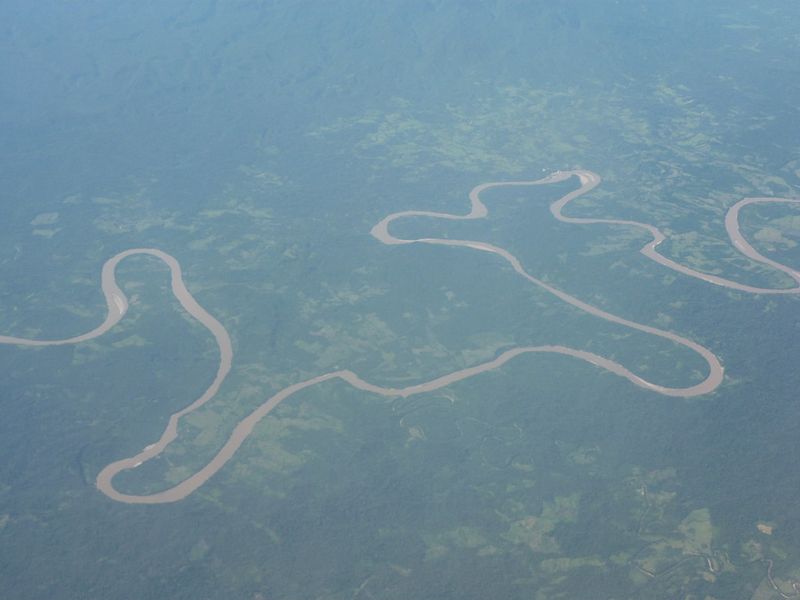
Living within some of the most strictly protected areas of the Peruvian Amazon, Nanti communities in isolation represent a group that has managed to maintain distance from the outside world partly because of where they live. Their territory overlaps with reserves established specifically to shield isolated peoples from contact.
The Nanti who have been contacted speak a language related to other Amazonian groups, giving linguists and anthropologists some insight into their broader cultural connections. But the isolated Nanti populations remain largely unknown, observed only through indirect evidence such as cleared garden areas spotted from aircraft.
Outside development poses a serious and ongoing threat. Gas extraction projects in the region have historically brought workers, roads, and machinery close to sensitive Indigenous territories.
Advocacy groups argue that even legal development projects can create ripple effects that disturb isolated communities far from the actual construction zones, making buffer zones and strict monitoring essential.
Unidentified Isolated Peoples – West Papua
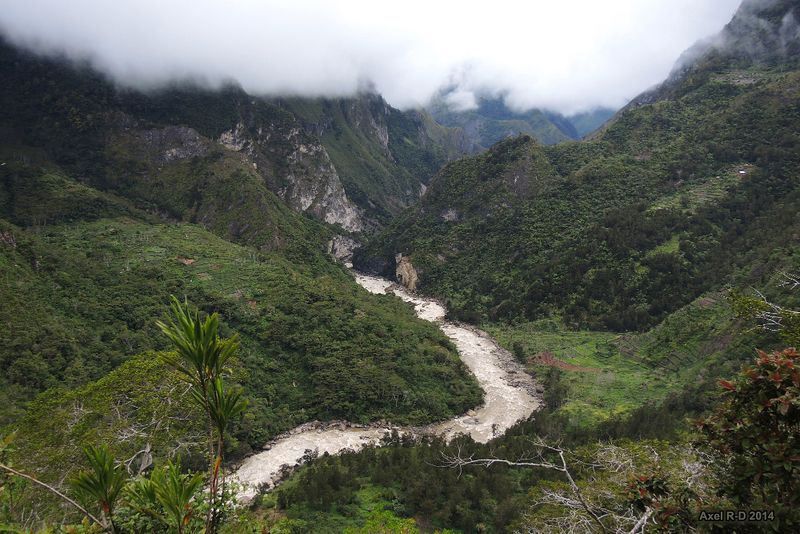
Some of the most mysterious isolated communities on Earth live in West Papua, the Indonesian-administered western half of the island of New Guinea. What makes them especially hard to discuss is that researchers cannot confidently attach names to all of them.
Survival International has cited estimates suggesting at least two and possibly as many as 10 uncontacted peoples or groups live somewhere in West Papua’s forests.
West Papua is one of the world’s most biodiverse regions, with highlands, rainforests, and river systems that remain largely unexplored by scientists. Its political situation adds another layer of difficulty.
The territory has been under Indonesian administration since the 1960s, and access for outside researchers and journalists has historically been restricted.
The combination of political limits, geographic barriers, and deliberate avoidance by the peoples themselves makes West Papua’s uncontacted groups among the hardest to study or protect. Their anonymity, in a sense, may be their greatest shield against a world that has not always treated Indigenous peoples well.
Share this story