The world map has changed more than most people realize, especially over the past few decades. New countries have formed through peaceful agreements, declarations of independence, and the breakup of larger nations.
Some of these countries are so young that students in middle school are actually older than the nation itself. Here is a look at 15 of the youngest countries in the world and the fascinating stories behind how they came to be.
1. South Sudan (2011)
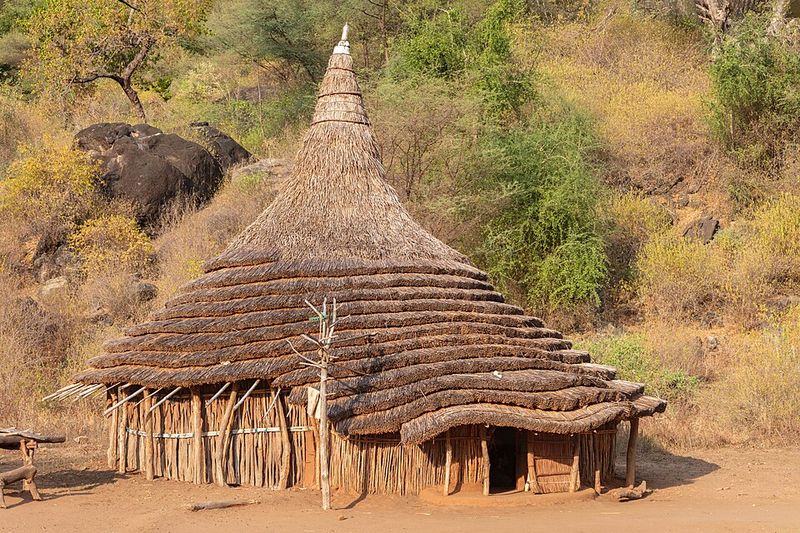
Born from decades of civil war and struggle, South Sudan became the world’s newest country on July 9, 2011. It separated from Sudan after a historic referendum in which nearly 99% of voters chose independence.
That level of public support made the moment truly remarkable.
Located in East-Central Africa, South Sudan is home to over 60 ethnic groups and rich natural resources, including oil. The capital city, Juba, sits along the Nile River and has grown rapidly since independence.
Despite early hopes, the country has faced serious challenges including internal conflict and food insecurity.
Still, South Sudan’s people continue to rebuild and work toward a more stable future. The country remains one of the most closely watched young nations in the world.
Its journey shows just how hard nation-building can truly be.
2. Kosovo (2008)
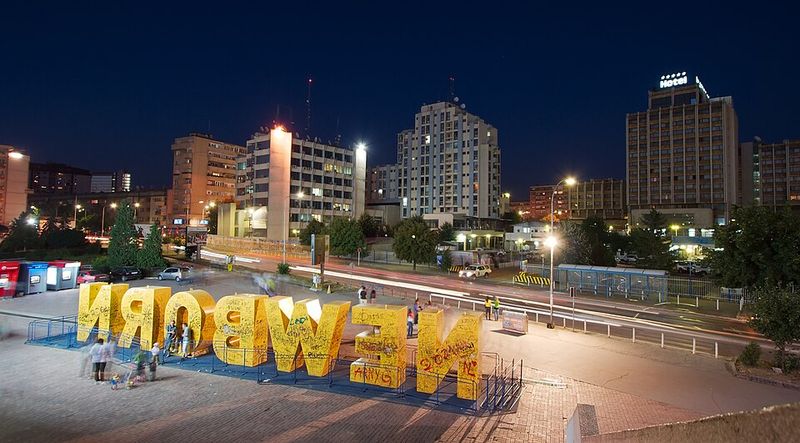
When Kosovo declared independence from Serbia on February 17, 2008, crowds filled the streets of the capital, Pristina, in celebration. A giant sculpture spelling out “NEWBORN” was unveiled that day and has become a lasting symbol of the new nation.
It still stands today as a reminder of that historic moment.
Kosovo is a small landlocked country in southeastern Europe with a population of about 1.8 million people. It was formerly a province of Serbia and had a long history of ethnic tension between Albanian and Serbian communities.
The declaration came after years of conflict and international negotiations.
More than 100 countries recognize Kosovo as an independent state, though Serbia and several others still do not. Kosovo continues to build its institutions and push for wider international recognition.
It remains one of Europe’s youngest and most fascinating nations.
3. Montenegro (2006)
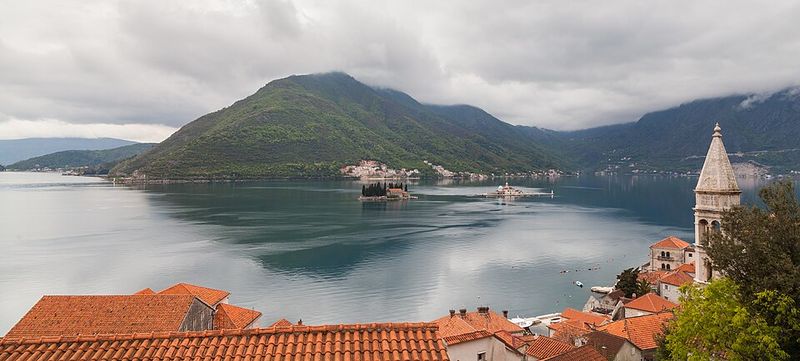
Tucked along the Adriatic Sea with jaw-dropping mountain scenery, Montenegro officially became an independent nation on June 3, 2006. A slim but decisive majority of voters chose independence from the State Union of Serbia and Montenegro in a referendum held just weeks earlier.
The margin was close, just barely crossing the required 55% threshold.
Despite its small size, Montenegro packs a lot in. The country has ancient walled cities, crystal-clear waters, and a booming tourism industry.
Its name literally means “Black Mountain” in Italian, a nod to the dark peaks of Mount Lovcen that have defined the region for centuries.
Montenegro joined NATO in 2017 and has been working toward European Union membership. It is one of the most popular travel destinations in the Balkans.
For such a young country, it has already made a strong impression on the world stage.
4. Serbia (2006)
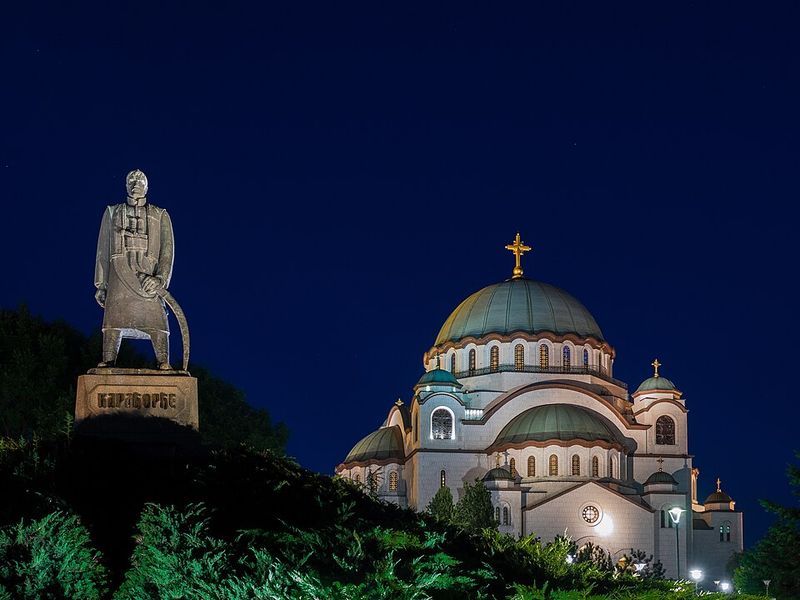
Serbia became a fully independent country in 2006 after Montenegro voted to leave their shared union. Though Serbia had existed as a political entity for centuries, this moment marked a fresh start as a standalone sovereign state.
The country officially declared independence on June 5, 2006.
Located at the crossroads of Central and Southeast Europe, Serbia has a rich cultural heritage stretching back to medieval kingdoms. Belgrade, the capital, is one of the oldest continuously inhabited cities in Europe.
The city sits at the meeting point of the Sava and Danube rivers, giving it a dramatic and historically significant location.
Serbia has applied for European Union membership and continues to develop its economy and democratic institutions. It is known for its vibrant music scene, delicious food, and warm hospitality.
Serbia may be a young country officially, but its roots run very deep.
5. Timor-Leste (2002)
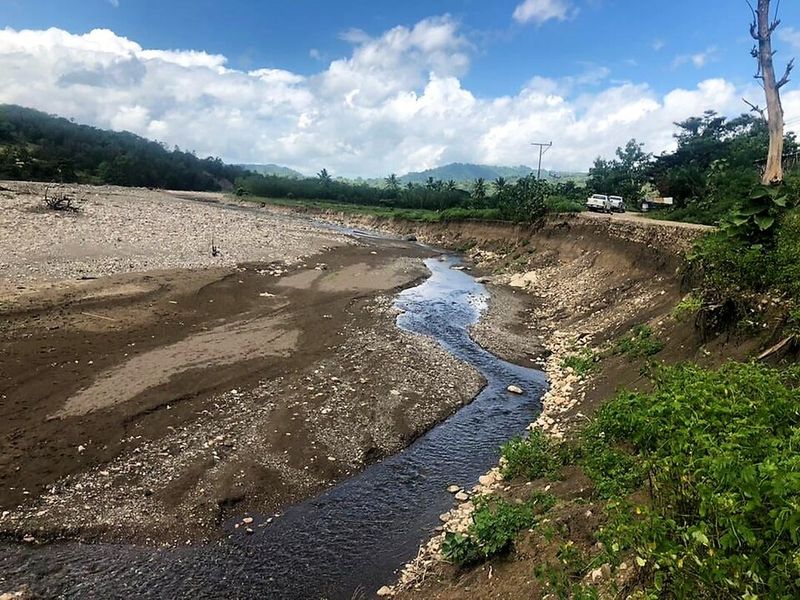
Timor-Leste, also known as East Timor, officially gained independence on May 20, 2002, becoming one of the first new countries of the 21st century. The road to freedom was painful.
The country endured 24 years of Indonesian occupation after Portugal ended its colonial rule in 1975.
A 1999 United Nations-backed referendum showed that nearly 80% of the population wanted independence. What followed was devastating violence before international peacekeeping forces restored order.
The resilience shown by the Timorese people during that period is nothing short of extraordinary.
Today, Timor-Leste is a small island nation in Southeast Asia with a population of about 1.3 million. The country has significant offshore oil and gas reserves, which are central to its economy.
Dili, the capital, sits on the northern coast and offers a unique blend of Portuguese, Indonesian, and local Timorese culture.
6. Palau (1994)
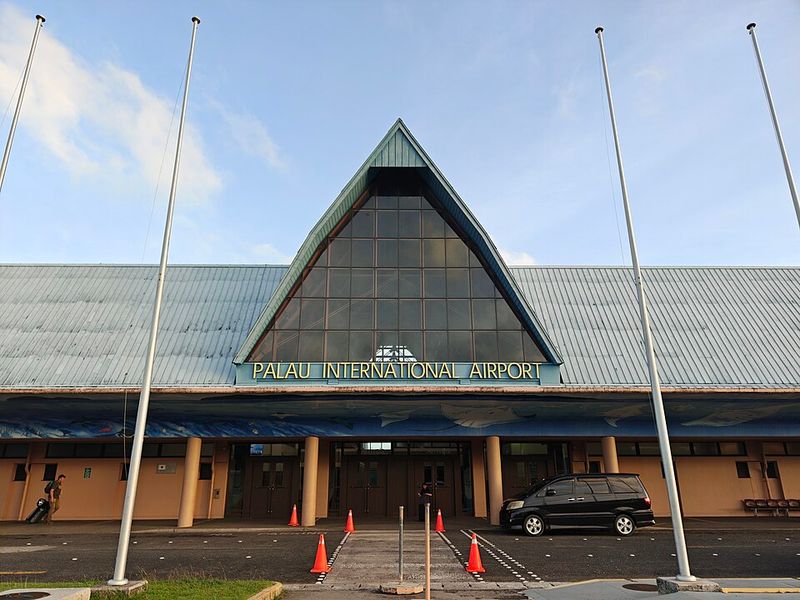
Palau is one of those places that looks almost too beautiful to be real. This island nation in the western Pacific Ocean became fully independent on October 1, 1994, after years under a United States-administered trusteeship.
It was the last territory to gain independence under the UN Trust Territory of the Pacific Islands.
With a population of just around 18,000 people, Palau is one of the smallest countries in the world. What it lacks in size, it more than makes up for in natural wonder.
The Rock Islands, a UNESCO World Heritage Site, attract divers and nature lovers from across the globe.
Palau has also become a global leader in ocean conservation. In 2009, it created the world’s first shark sanctuary, banning commercial shark fishing entirely.
For a young nation, Palau’s commitment to protecting the environment sets a powerful example for the rest of the world.
7. Eritrea (1993)
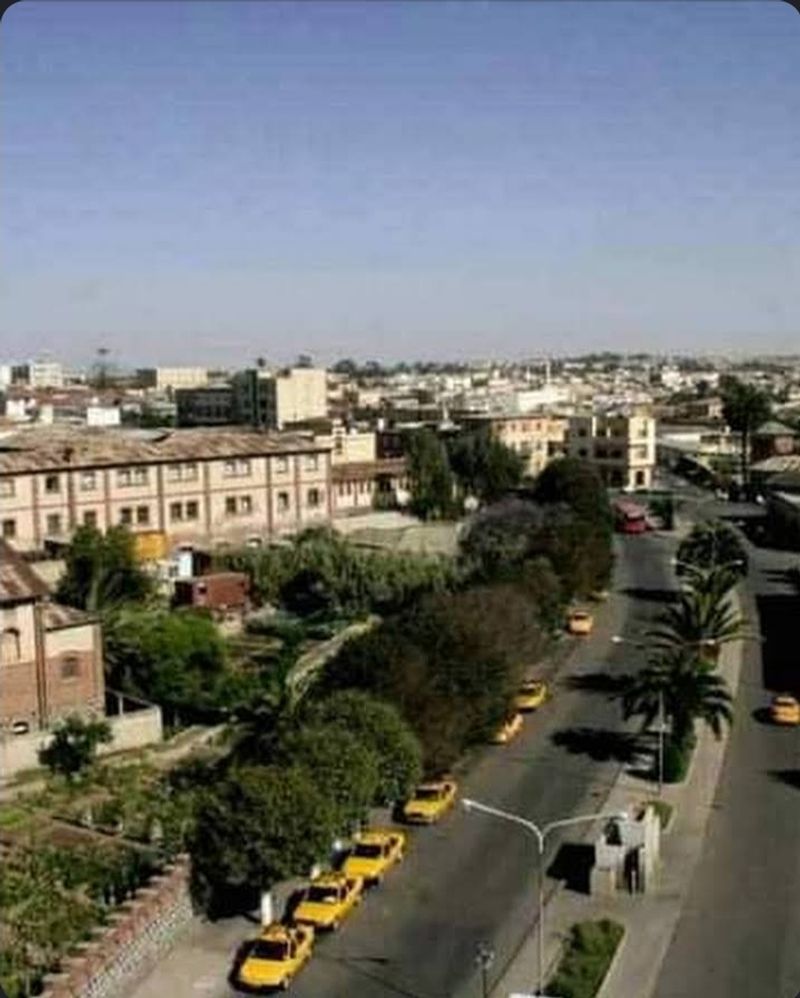
After a 30-year armed struggle, Eritrea officially became an independent nation on May 24, 1993, following a UN-monitored referendum in which over 99% of voters chose independence from Ethiopia. It was one of the longest independence wars in African history, and the victory was deeply felt across the country.
Eritrea sits along the Red Sea coast in the Horn of Africa, giving it a strategically important location. Its capital, Asmara, is known for its stunning Italian colonial architecture and was designated a UNESCO World Heritage Site in 2017.
Walking through Asmara feels like stepping into a 1930s Italian city transplanted to Africa.
Despite the excitement of independence, Eritrea has faced ongoing political and human rights challenges. The country remains largely closed to outside media.
However, its culture, cuisine, and history make it one of Africa’s most intriguing and underexplored nations.
8. Czechia (1993)
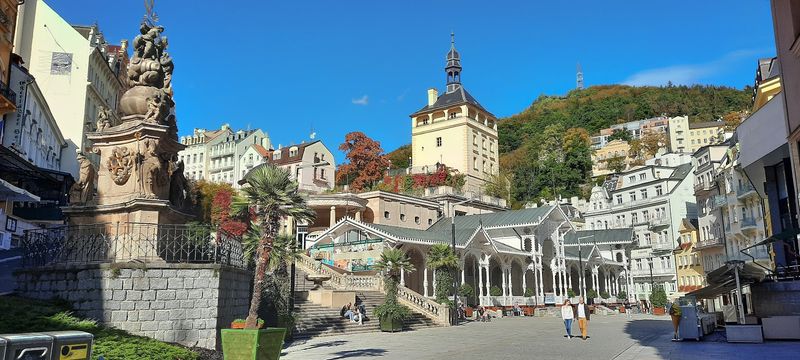
On January 1, 1993, Czechoslovakia peacefully split into two separate countries: Czechia (also called the Czech Republic) and Slovakia. This event, often called the Velvet Divorce, was a remarkably calm and orderly separation compared to many other national breakups happening in Europe at the same time.
Czechia is a landlocked country in Central Europe with a population of about 10.9 million people. Its capital, Prague, is considered one of the most beautiful cities in the world, famous for its medieval architecture, Gothic cathedrals, and the iconic Charles Bridge.
Tourists flock there year-round.
Since independence, Czechia has become a strong, stable democracy and a member of both NATO and the European Union. It has one of the highest standards of living in Central Europe.
The Velvet Divorce proved that countries can part ways maturely, making Czechia’s story a genuinely inspiring one.
9. Slovakia (1993)
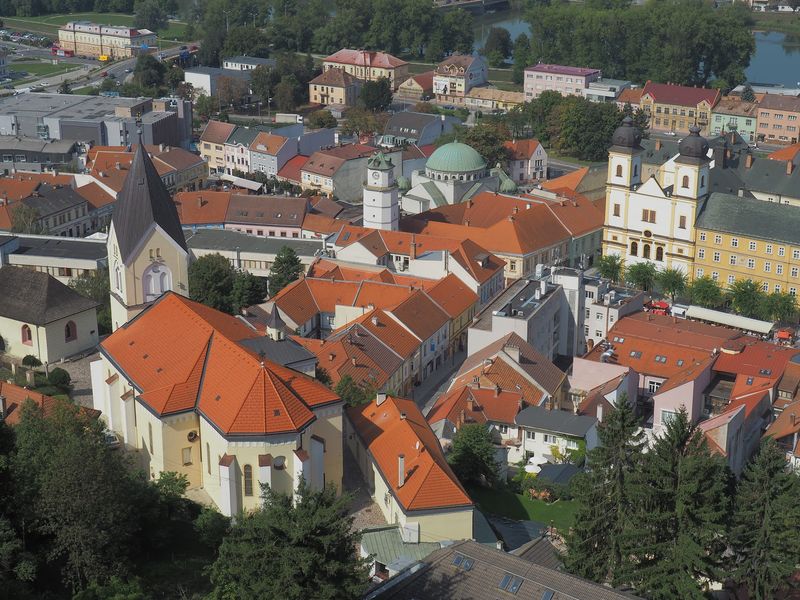
Slovakia shares its birthday with Czechia. Both countries were born on January 1, 1993, when Czechoslovakia officially dissolved in the peaceful Velvet Divorce.
For Slovakia, it was the realization of a long-held national identity that had often been overshadowed by its Czech neighbors during decades of shared governance.
Nestled in the heart of Central Europe, Slovakia is known for its dramatic landscapes, including the High Tatras mountain range, medieval castles, and charming old towns. Bratislava, the capital, sits right on the Danube River and borders both Austria and Hungary, making it one of the few capitals in the world adjacent to two other countries.
Slovakia joined NATO and the European Union in 2004 and adopted the euro in 2009. The country has developed a strong automotive manufacturing sector and growing tourism industry.
Compact in size but rich in character, Slovakia has carved out a distinct and confident identity of its own.
10. Bosnia and Herzegovina (1992)
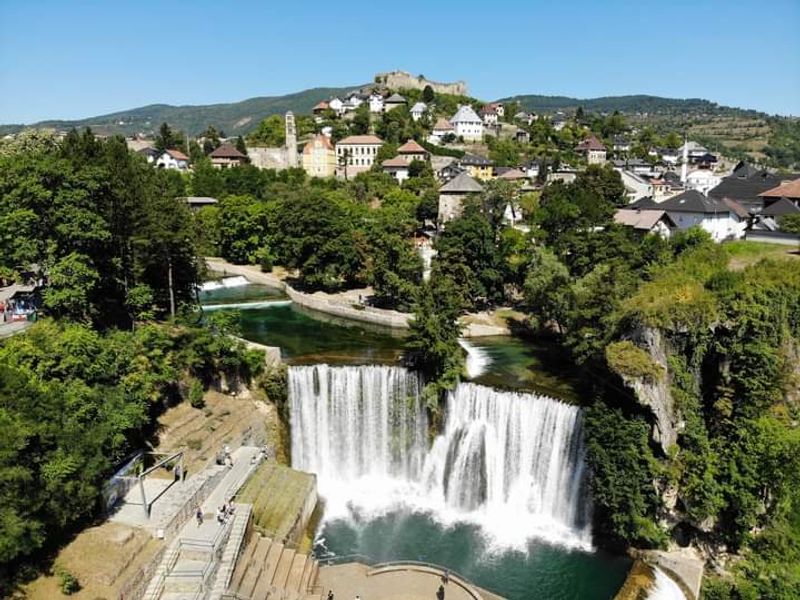
Bosnia and Herzegovina declared independence from Yugoslavia on March 3, 1992, but the months that followed were among the darkest in modern European history. A brutal war broke out almost immediately, lasting until 1995 and leaving deep scars across the country.
The Siege of Sarajevo became one of the longest sieges of a capital city in the history of modern warfare.
Today, Bosnia and Herzegovina is a complex country with a unique political structure shaped by the 1995 Dayton Agreement that ended the war. It is home to three main ethnic groups: Bosniaks, Serbs, and Croats.
The country balances multiple governments and institutions as part of its peace arrangement.
Despite its complicated past, Bosnia and Herzegovina has a lot to offer visitors. The rebuilt Stari Most bridge in Mostar is a symbol of reconciliation and resilience.
The country’s natural beauty and rich cultural mix make it quietly captivating.
11. Kazakhstan (1991)
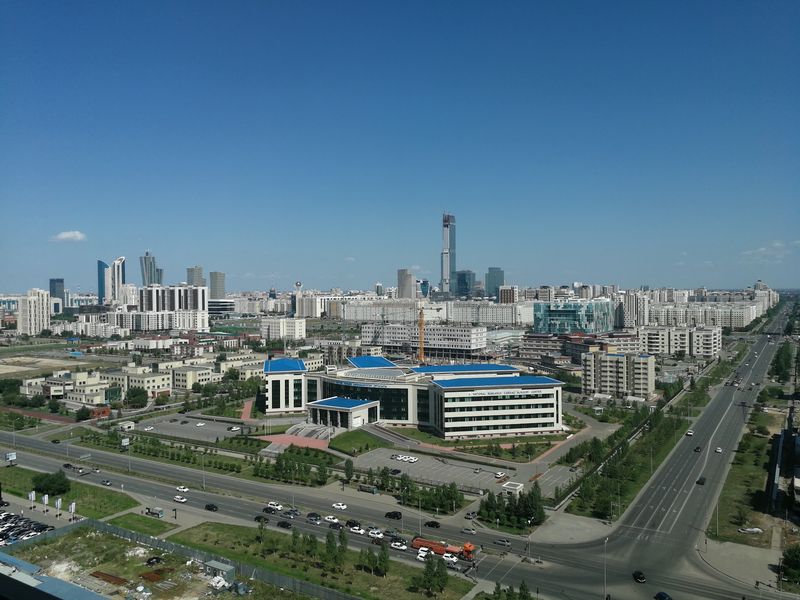
Kazakhstan declared independence from the Soviet Union on December 16, 1991, becoming the last of the Soviet republics to do so. Stretching across Central Asia, it is the world’s largest landlocked country and the ninth-largest country overall by total area.
The sheer scale of Kazakhstan is hard to wrap your head around.
The country sits on enormous reserves of oil, natural gas, and minerals, which have driven significant economic growth since independence. Its capital, Nur-Sultan (formerly Astana), is a showcase of futuristic architecture rising dramatically from the flat steppe.
The city was essentially built from scratch and reflects the country’s ambitious vision for its future.
Kazakhstan has also gained international attention as the launch site for many of the world’s space missions, including those to the International Space Station. The Baikonur Cosmodrome, located in southern Kazakhstan, has a legendary place in space exploration history.
This is a country that thinks big in every sense.
12. Turkmenistan (1991)
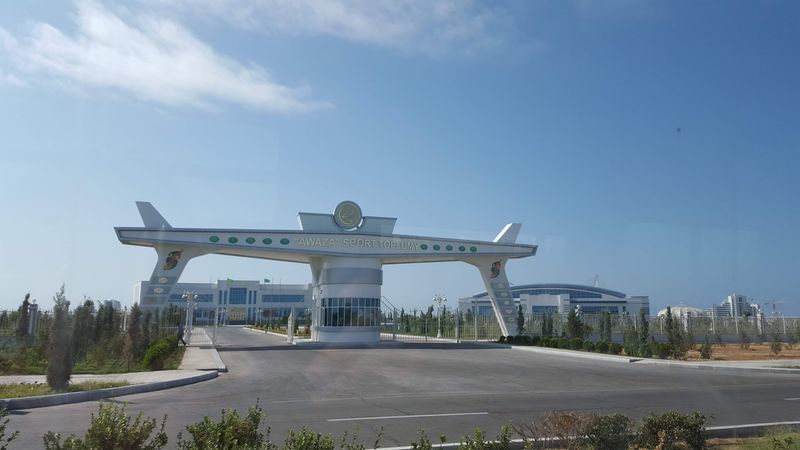
Turkmenistan quietly declared independence from the Soviet Union on October 27, 1991. The country sits in Central Asia, largely covered by the vast Karakum Desert.
One of its most bizarre and famous features is the Darvaza gas crater, a giant burning pit in the desert that has been on fire since 1971 and is nicknamed the Door to Hell.
With a population of about 6 million people, Turkmenistan is one of the most isolated countries in the world. The government tightly controls information, media, and movement, making it one of the least visited nations on Earth.
Travelers who do get in describe a surreal experience of wide, empty boulevards and towering white marble buildings.
Ashgabat, the capital, holds a Guinness World Record for having the highest density of white marble buildings in the world. Despite its oddities, Turkmenistan sits on some of the largest natural gas reserves on the planet.
It is, without question, one of the world’s most mysterious young countries.
13. Armenia (1991)
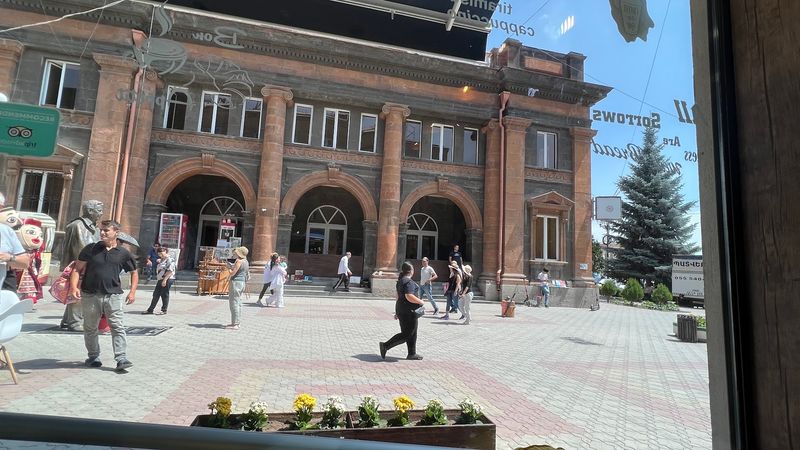
Armenia has one of the oldest cultures in the world, but as a modern independent state, it is still quite young. The country declared independence from the Soviet Union on September 21, 1991.
That date is now celebrated as Armenian Independence Day and is a source of immense national pride.
Situated in the South Caucasus region, Armenia is a landlocked country bordered by Turkey, Georgia, Azerbaijan, and Iran. The iconic Mount Ararat, a snow-capped volcano deeply sacred to Armenian identity, is actually located just across the border in Turkey but dominates the view from Yerevan, the capital.
It is a powerful and bittersweet symbol for Armenians.
Armenia is known for its ancient monasteries, rich traditions in music and art, and a strong global diaspora that has helped support the country since independence. The country has faced geopolitical challenges, but its cultural spirit remains remarkably strong and enduring.
14. Tajikistan (1991)
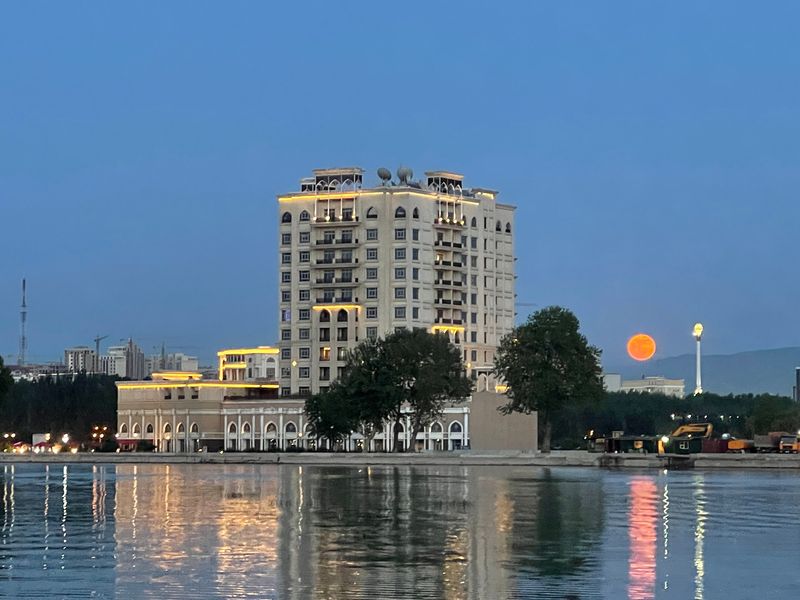
Tajikistan declared independence from the Soviet Union on September 9, 1991, but the years that followed were far from peaceful. A devastating civil war broke out in 1992 and lasted until 1997, making the early years of independence especially difficult for the Tajik people.
Rebuilding after that conflict required enormous effort and resilience.
Located in Central Asia, Tajikistan is a mountainous country with over 90% of its territory covered by mountains. The Pamir Mountains, often called the Roof of the World, run through the country and reach heights of over 7,000 meters.
The landscape is absolutely breathtaking, though also very challenging to live and travel through.
Tajikistan is one of the poorest countries in the former Soviet region, but it is rich in water resources and has significant potential for hydroelectric power. The country’s culture, food, and traditions are deeply rooted in Persian heritage.
Slowly but steadily, Tajikistan is finding its footing.
15. North Macedonia (1991)
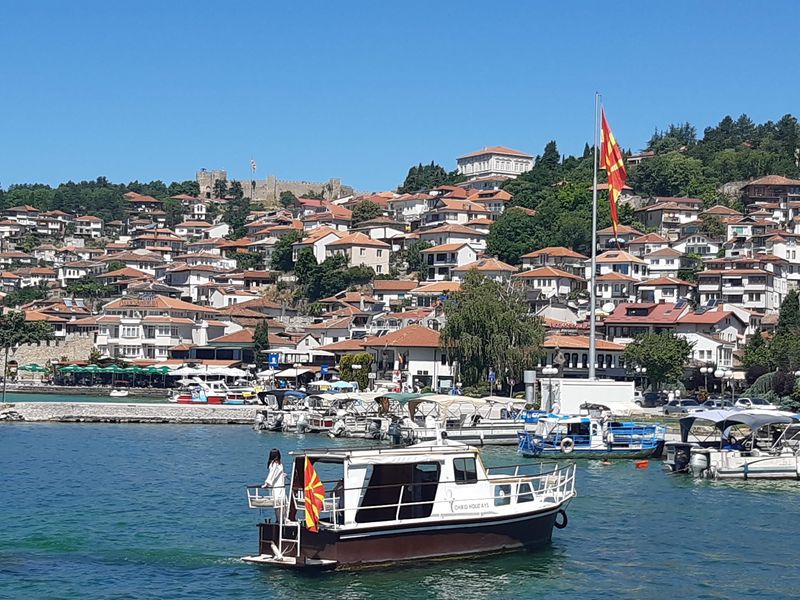
North Macedonia declared independence from Yugoslavia on September 8, 1991, becoming one of the few republics to do so without immediate armed conflict. However, the country’s path forward was complicated by a long dispute with Greece over its name.
For nearly three decades, it was officially referred to internationally as the Former Yugoslav Republic of Macedonia.
That dispute was finally resolved in 2019 through the Prespa Agreement, when the country officially adopted the name North Macedonia. The resolution allowed the country to join NATO in 2020, a major milestone.
The name change was controversial domestically, but it opened important doors on the world stage.
North Macedonia is home to Lake Ohrid, one of Europe’s oldest and deepest lakes and a UNESCO World Heritage Site. The ancient city of Ohrid along its shores is filled with Byzantine churches and medieval history.
Small in size but layered with history, North Macedonia continues to grow into its identity with quiet determination.
Share this story