History is full of objects so hazardous that they cannot simply be placed on a museum shelf for the public to see. Some are radioactive, some carry deadly diseases, and others could cause massive destruction if mishandled.
Museums, laboratories, and military facilities around the world go to great lengths to keep these items contained and safe. Here is a look at 14 of the most dangerous historical objects that remain carefully guarded to this day.
1. The Elephant’s Foot at Chernobyl Nuclear Power Plant
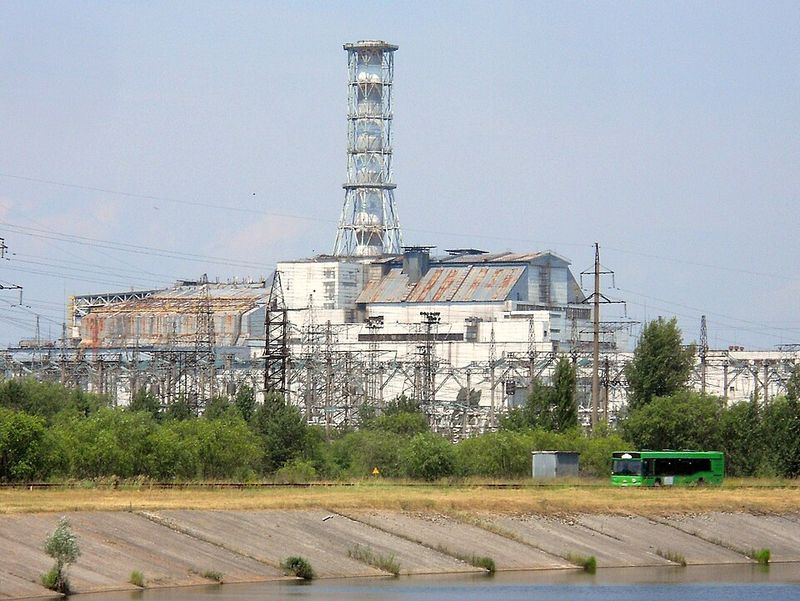
When the Chernobyl Nuclear Power Plant exploded in April 1986, it created one of the most radioactive objects ever recorded. Deep in the basement of the destroyed reactor building sits a massive lava-like mass of melted nuclear fuel and concrete, nicknamed “the Elephant’s Foot” because of its wrinkled, gray appearance.
In the early days after the disaster, standing near this object for just a few minutes was enough to receive a lethal radiation dose. Even today, decades later, it remains dangerously radioactive and is kept behind thick concrete barriers inside the ruined plant.
Scientists who have studied it say its radiation levels have dropped over time, but it is still far too dangerous for any person to approach safely without heavy shielding. The Elephant’s Foot stands as one of the most powerful physical symbols of the Chernobyl catastrophe.
2. Chernobyl Reactor No. 4 Nuclear Fuel and Debris
Scattered throughout the wreckage of Chernobyl Reactor No. 4 are fragments of nuclear fuel and highly radioactive debris that have never been fully removed. The 1986 explosion scattered these materials across the reactor building and the surrounding area, making cleanup an enormous and ongoing challenge.
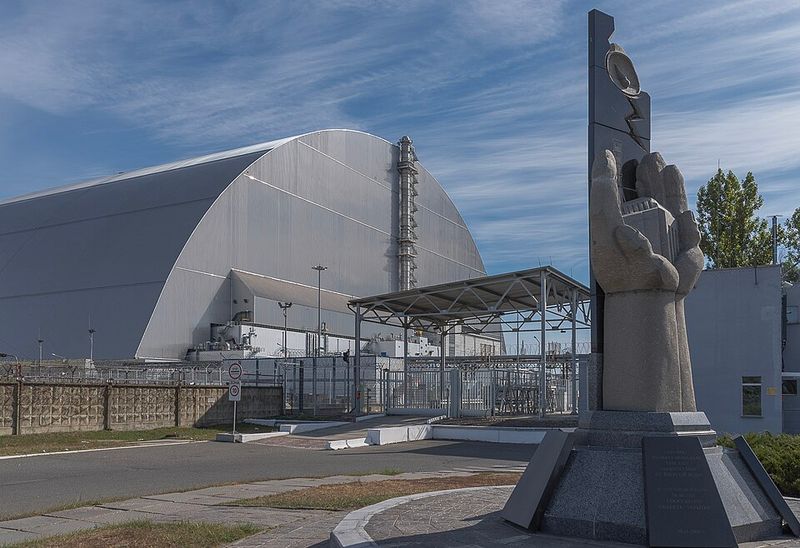
To contain the danger, a giant steel structure called the New Safe Confinement was built over the reactor in 2016. This massive arch-shaped dome was designed to prevent radioactive dust and particles from escaping into the environment for the next 100 years.
Even with this protection in place, the nuclear fuel and debris inside remain intensely radioactive. Workers who enter the confinement structure wear full protective gear and are allowed only limited exposure time.
The site is a stark reminder that nuclear accidents can leave behind dangers that last for generations.
3. The Demon Core at Los Alamos National Laboratory
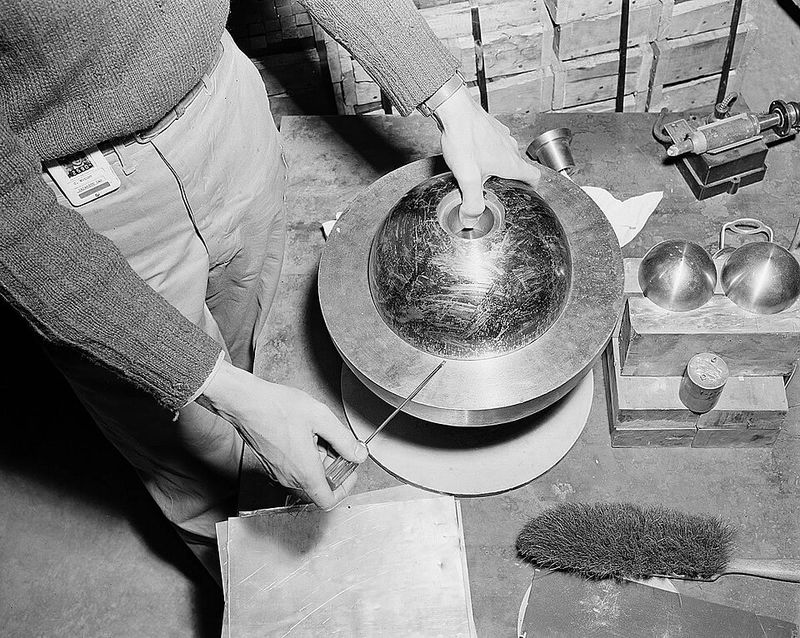
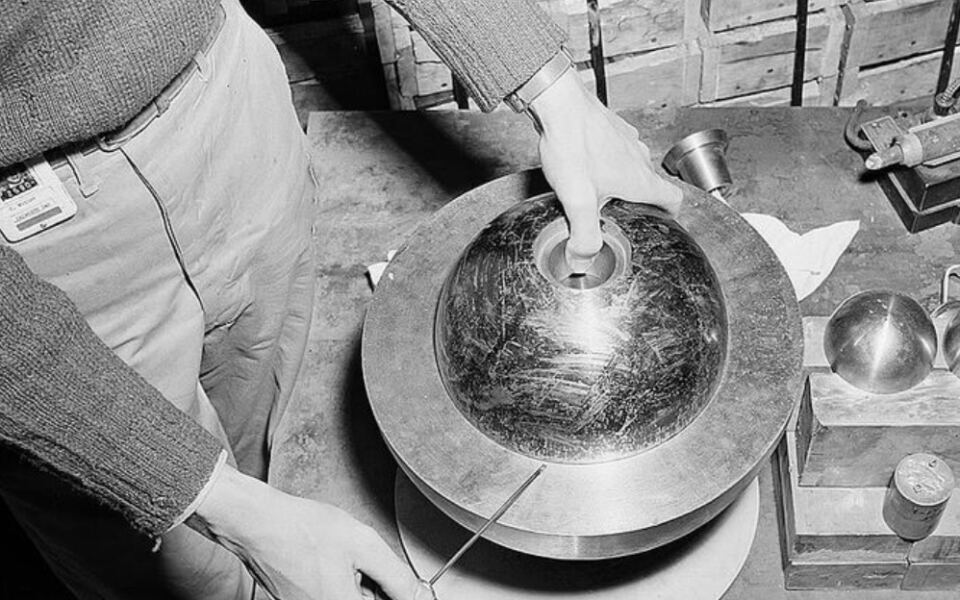
Few objects in scientific history carry a nickname as chilling as “the Demon Core.” This baseball-sized sphere of plutonium was created during the Manhattan Project and was involved in two separate criticality accidents in 1945 and 1946, both of which killed the scientists working with it.
The core earned its grim name after those deadly incidents. It had originally been intended for use in a third nuclear bomb, but after the accidents, it was melted down and repurposed.
Still, its story serves as a sobering reminder of how unforgiving nuclear materials can be.
Los Alamos National Laboratory continues to handle similarly dangerous nuclear materials today. Safety protocols have improved dramatically since the 1940s, but the legend of the Demon Core is still taught to scientists as a cautionary tale about the real risks of nuclear research.
4. Highly Radioactive Items from the Manhattan Project
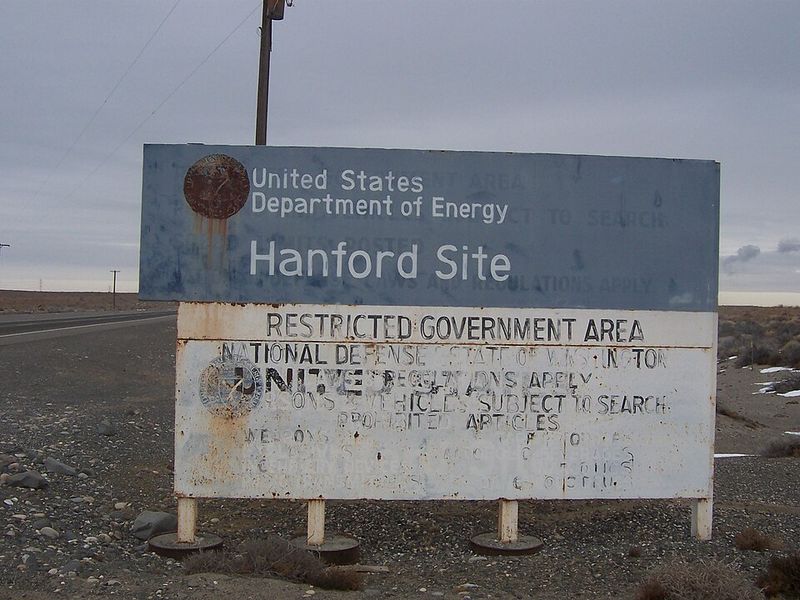
The Manhattan Project, which produced the first nuclear weapons during World War II, left behind a complicated legacy. Along with the bombs themselves, the project generated a large amount of radioactive waste, contaminated equipment, and experimental materials that are still being managed today.
Sites like Hanford in Washington State and Oak Ridge in Tennessee hold some of the most radioactive leftover materials from that era. Cleaning up these sites has taken decades and billions of dollars, and the work is still not finished.
Some of the most hazardous items are stored in reinforced containers deep underground.
The long-term storage of Manhattan Project materials is one of the biggest environmental challenges the United States faces. Scientists and engineers continue to develop new methods to safely contain these materials, ensuring they do not leak into the surrounding soil or groundwater for future generations.
5. Smallpox Virus Samples at the CDC
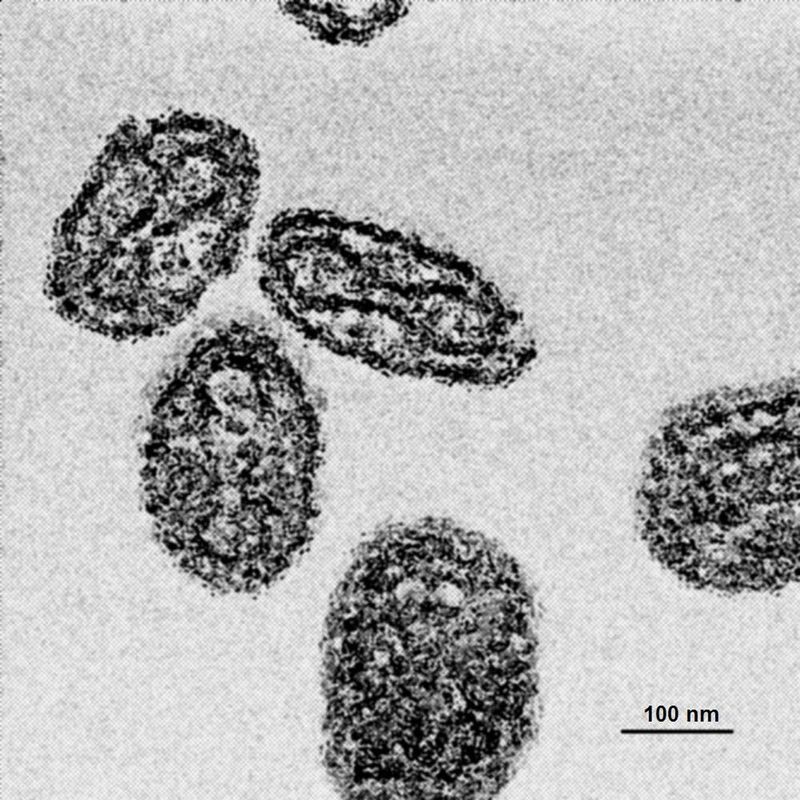
Smallpox was officially declared eradicated in 1980 after a global vaccination campaign, but the virus itself was not completely destroyed. Two official repositories were allowed to keep live samples: one at the Centers for Disease Control and Prevention in Atlanta, Georgia, and one in Russia.
The CDC stores its samples in a maximum-security Biosafety Level 4 laboratory, the highest level of biological containment available. Only a small number of specially trained scientists are permitted to work with the virus, and every step is monitored carefully.
The samples are kept for research purposes, including the development of better vaccines and antiviral treatments.
Many scientists and public health experts have debated whether these remaining samples should be destroyed entirely. Supporters of keeping them argue that the samples are essential for research.
Those who want them destroyed worry about the risk of an accidental release or theft.
6. Smallpox Virus Samples at VECTOR Institute in Russia
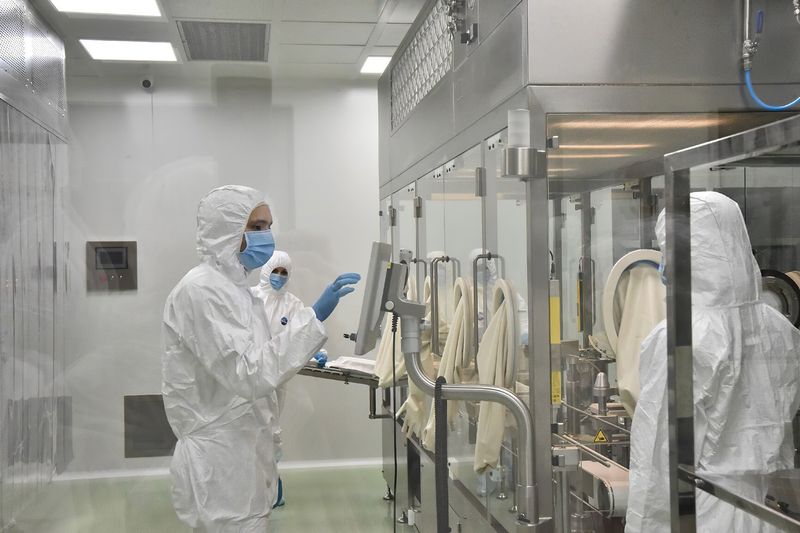
Russia’s official repository of live smallpox virus is held at the VECTOR State Research Center of Virology and Biotechnology, located in Koltsovo, Siberia. Like the CDC facility in the United States, VECTOR operates under strict international oversight and maintains the virus under maximum biosafety conditions.
The facility gained international attention in 2019 when a gas explosion occurred in one of its buildings. Fortunately, the blast did not affect the areas where the smallpox samples were stored, and no contamination was reported.
Still, the incident raised serious questions about the safety and security of storing such a deadly pathogen.
Both the United States and Russia are required to report their smallpox research activities to the World Health Organization. The international community continues to monitor both sites closely, balancing the scientific value of the samples against the very real risks of keeping the world’s deadliest virus alive.
7. 1918 Influenza Virus Samples in High-Security Laboratories
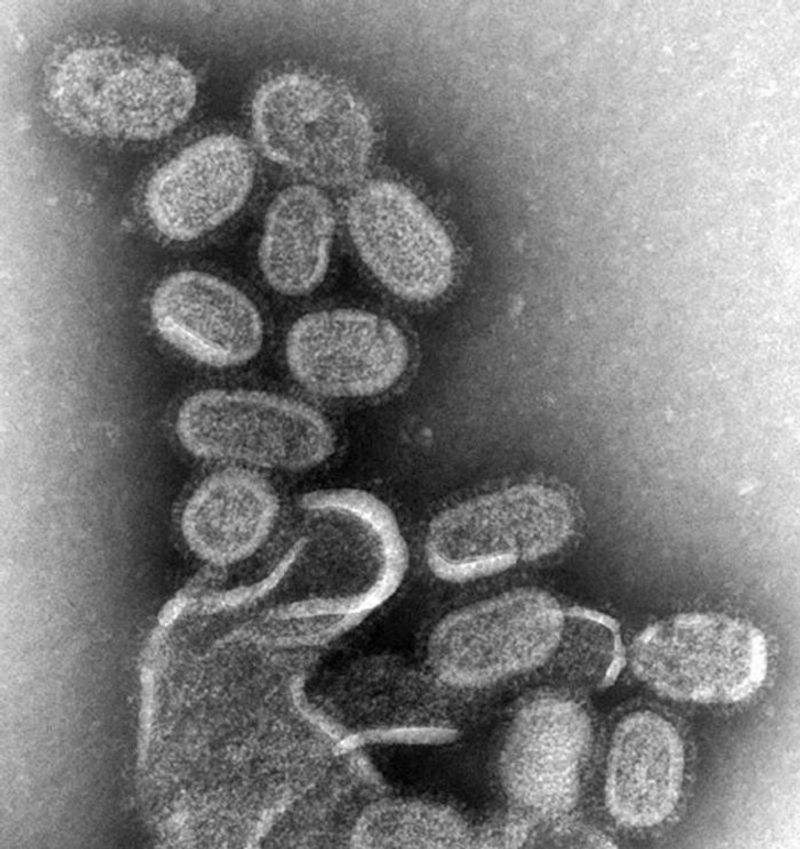
The 1918 influenza pandemic killed an estimated 50 to 100 million people worldwide, making it one of the deadliest disease outbreaks in human history. Scientists managed to reconstruct the virus in 2005 using genetic material recovered from preserved tissue samples, including bodies buried in Alaskan permafrost.
The reconstructed virus is now stored in high-security laboratories under strict Biosafety Level 4 conditions. Researchers study it to better understand how pandemic influenza viruses work and to develop more effective vaccines and treatments for future outbreaks.
Access to these samples is tightly restricted, and any research involving the virus requires approval from multiple government agencies. Critics have raised concerns about the risks of reconstructing such a lethal pathogen, arguing that the potential for a lab accident or deliberate misuse is too great.
Supporters say the research is essential for pandemic preparedness.
8. Anthrax Samples in High-Containment Laboratories Worldwide
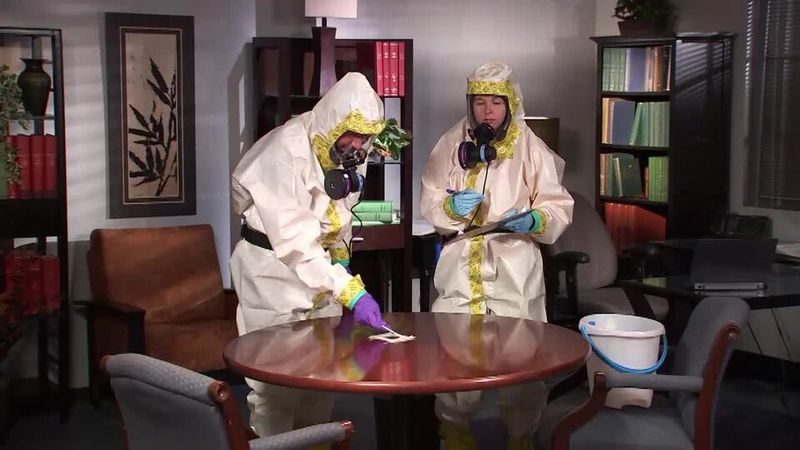
Anthrax, caused by the bacterium Bacillus anthracis, has been feared as a biological weapon for decades. The 2001 anthrax letter attacks in the United States, which killed five people and infected 17 others, showed just how dangerous this pathogen can be even in small amounts.
High-containment laboratories around the world keep anthrax samples for legitimate research purposes, including the development of vaccines and treatments. These facilities operate under strict biosafety protocols, with multiple layers of security to prevent unauthorized access or accidental release.
A 2014 incident at the CDC highlighted the ongoing risks, when live anthrax was accidentally sent to a lower-security laboratory. No one was infected, but the incident led to major reviews of laboratory safety procedures.
Anthrax remains one of the most closely monitored biological agents in the world because of its potential to cause mass harm.
9. Radioactive Debris from the Trinity Nuclear Test Site
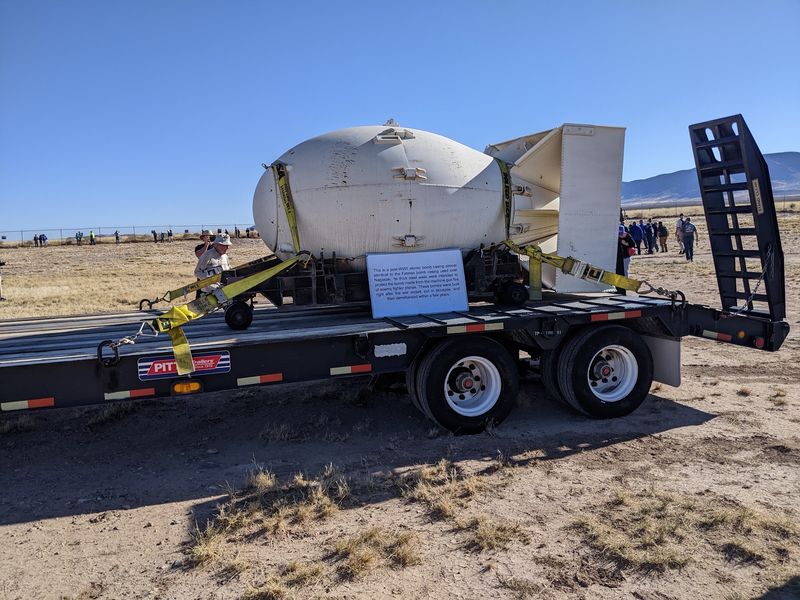
On July 16, 1945, the United States detonated the world’s first nuclear bomb at a remote site in New Mexico called Trinity. The explosion was so intense that it melted the desert sand into a glassy, radioactive substance now called trinitite.
Fragments of this material are still scattered across the test site today.
Trinitite is mildly radioactive, and while small pieces have ended up in the hands of collectors over the years, removing it from the site is technically illegal under federal law. The Trinity site is now a National Historic Landmark, open to visitors twice a year, but the radioactive debris remains in place.
Scientists continue to study trinitite to learn more about the conditions of the original blast. Each sample carries traces of the first nuclear explosion ever set off, making the debris both a scientific resource and a sobering piece of history that requires careful management.
10. Radioactive Material Recovered from Hiroshima
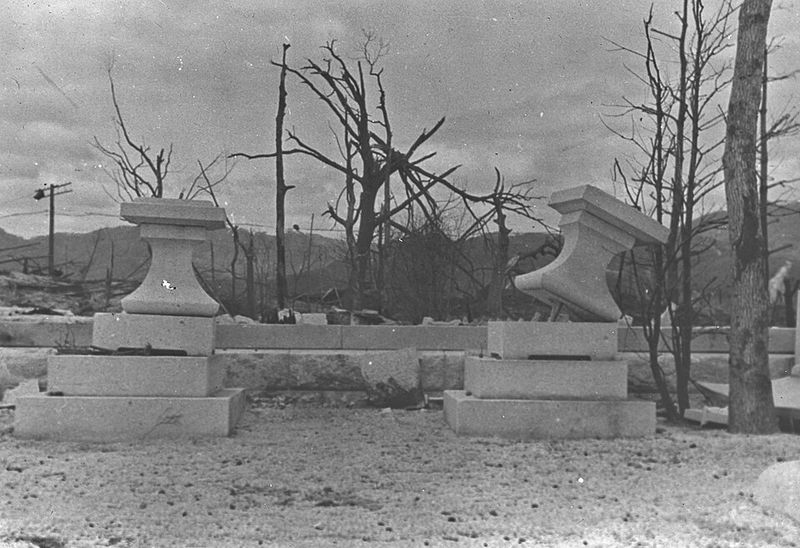
When the United States dropped an atomic bomb on Hiroshima, Japan, on August 6, 1945, the explosion left behind heavily contaminated debris, soil, and personal belongings. Some of this material was collected for research purposes and is now stored in secured museum and laboratory collections in Japan and elsewhere.
The Hiroshima Peace Memorial Museum holds many artifacts from the bombing, some of which retain trace levels of radioactivity. Curators and conservators handle these items with great care, using protective equipment and monitoring radiation levels regularly to ensure the safety of staff and visitors.
Studying materials from Hiroshima has helped scientists understand the long-term effects of nuclear fallout on human health and the environment. At the same time, these objects carry enormous emotional and historical weight.
Preserving them safely is both a scientific responsibility and a deeply human act of remembrance for the victims of the bombing.
11. Radioactive Material Recovered from Nagasaki
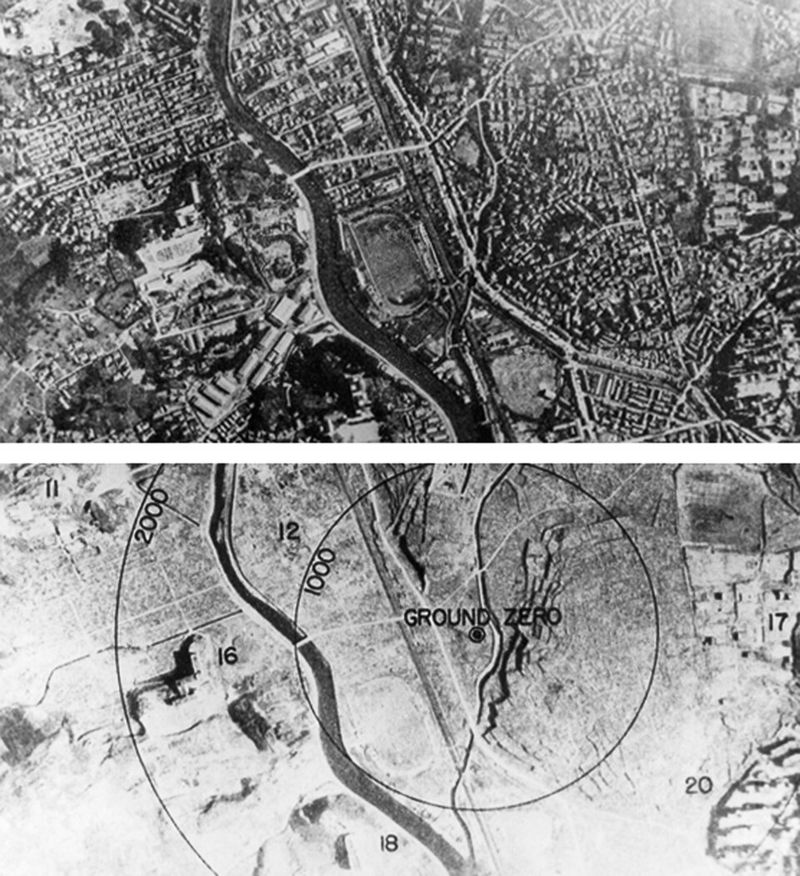
Three days after Hiroshima, a second atomic bomb was dropped on Nagasaki, Japan, on August 9, 1945. Like Hiroshima, the blast left behind radioactive debris, contaminated soil, and destroyed personal items that have since been carefully collected and preserved.
The Nagasaki Atomic Bomb Museum holds many of these artifacts.
Handling materials from Nagasaki requires the same level of care as those from Hiroshima. Museum staff routinely check radiation levels and store the most sensitive items in controlled environments.
Some pieces are too fragile or too radioactive to be displayed publicly and are kept in secure back-of-house storage areas.
Research on Nagasaki materials has contributed to the world’s understanding of plutonium bomb effects, since the Nagasaki bomb used a different design from the Hiroshima bomb. Each artifact tells part of a larger story about the devastating power of nuclear weapons and the urgent importance of preventing their use again.
12. Radium-Contaminated Objects from the Radium Girls Era
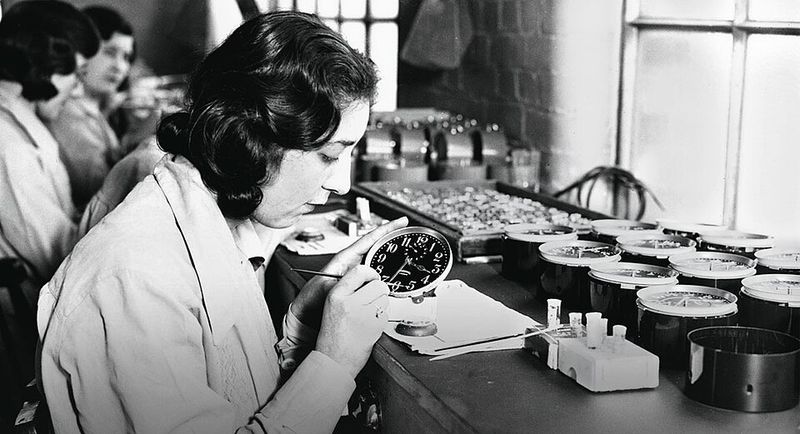
In the early 1900s, radium was considered almost magical. Companies used radium-based paint to make watch dials and instrument panels glow in the dark, and young women called the “Radium Girls” were hired to hand-paint these dials.
They were told the paint was safe and even encouraged to point their brushes with their lips.
The result was catastrophic. Many of these workers developed radiation poisoning, bone cancer, and other severe health conditions.
The Radium Girls became central figures in the fight for workplace safety laws in the United States. Their story helped establish that employers have a legal duty to protect workers from known hazards.
Objects from that era, including old radium dial clocks and watches, are still mildly radioactive today. Museums that hold these items keep them in secure storage and handle them with proper protective equipment.
Owning old radium dials without proper precautions can still pose a genuine health risk.
13. Historical Chemical-Warfare Munitions in Military Storage Facilities
World War I introduced the world to chemical warfare on a massive scale, with agents like mustard gas, chlorine, and phosgene causing horrific casualties. Decades later, stockpiles of these weapons and their components still exist in military storage and disposal facilities around the world, posing ongoing safety and environmental challenges.
The United States has been working to destroy its chemical weapons stockpile under the Chemical Weapons Convention, an international treaty that bans the production and use of these agents. Specialized facilities use incineration and chemical neutralization to safely destroy old munitions, but the process is slow and technically demanding.
Some of the most dangerous items in these stockpiles are aging and corroding, which increases the risk of accidental leaks. Military teams handle them with extreme caution, using full protective gear.
The global effort to eliminate chemical weapons is one of the most important disarmament projects in modern history.
14. Unexploded World War II Bombs Secured by Disposal Teams
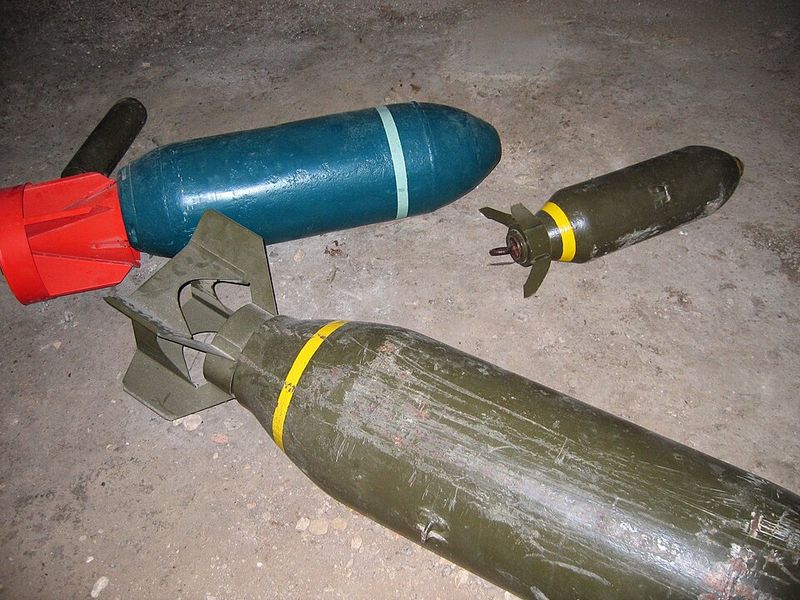
Decades after World War II ended, unexploded bombs from that conflict are still being discovered across Europe and Asia. Germany alone finds roughly 2,000 tons of unexploded ordnance every year, buried beneath fields, construction sites, and city streets.
Each discovery triggers an immediate emergency response.
These old bombs are particularly dangerous because their fuses can become unstable over time. A bomb that sat quietly underground for 80 years can still detonate with full force if disturbed incorrectly.
Thousands of people have been evacuated from their homes in European cities while bomb disposal teams worked to safely defuse or remove the devices.
Trained explosive ordnance disposal teams use a combination of X-ray technology, remote-controlled robots, and careful manual techniques to neutralize these weapons. The work is painstaking and risky.
As long as old bombs remain buried underground, disposal teams around the world will continue to be called upon to make communities safe.
Share this story