Some countries around the world are shrinking at a pace that surprises even demographers and policy experts. A mix of low birth rates, emigration, and aging populations is driving this trend across several regions.
From Eastern Europe to the Caribbean, entire nations are watching their populations decline year after year. Understanding which countries are affected most, and why, can help us think more clearly about global challenges like labor shortages, economic pressure, and community change.
1. Ukraine
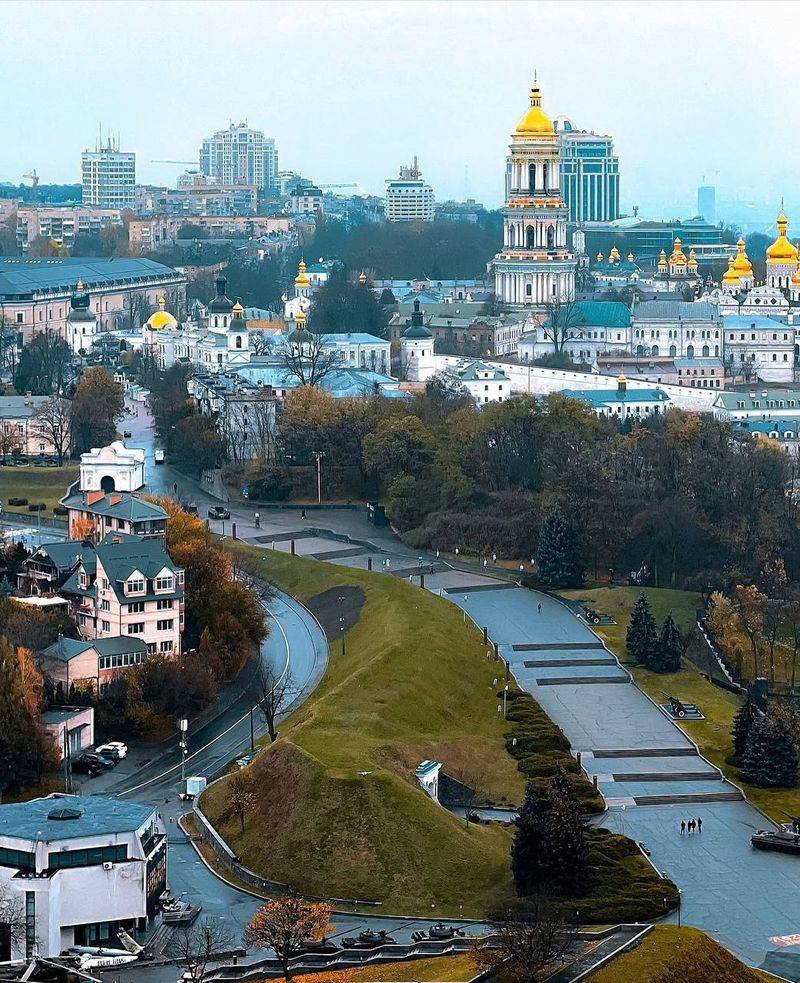
Few countries in modern history have experienced population loss as dramatic as Ukraine. Even before the full-scale war that began in 2022, the country was already losing people steadily through emigration and low birth rates.
Millions of Ukrainians had moved to Poland, Germany, and other European countries in search of better economic opportunities.
The war accelerated everything. Millions more fled as refugees, and birth rates dropped sharply as families faced uncertainty and danger.
The United Nations estimated Ukraine lost tens of millions of residents in just a few years.
Rebuilding the population will take generations, even if peace returns. Ukraine’s situation is a stark reminder of how war, economic hardship, and political instability can combine to hollow out a nation’s most valuable resource: its people.
2. Moldova
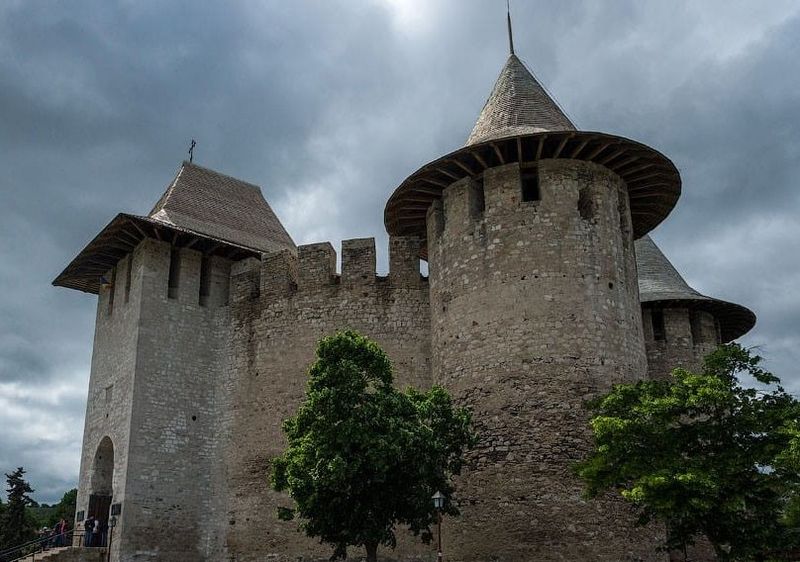
Moldova holds the grim distinction of being one of the fastest-shrinking countries in the world, and it has been that way for decades. Sandwiched between Romania and Ukraine, this small Eastern European nation has seen waves of young people leave in search of jobs and better living standards abroad.
Remittances from Moldovans working in Western Europe now make up a huge share of the national economy. That tells you something powerful: staying home often does not pay enough to build a stable life.
The country’s fertility rate has fallen well below the replacement level of 2.1 children per woman.
Villages across Moldova are aging rapidly, with schools closing and local services disappearing as communities shrink. Without major economic reform and real job creation at home, the trend shows little sign of reversing anytime soon.
3. Bulgaria
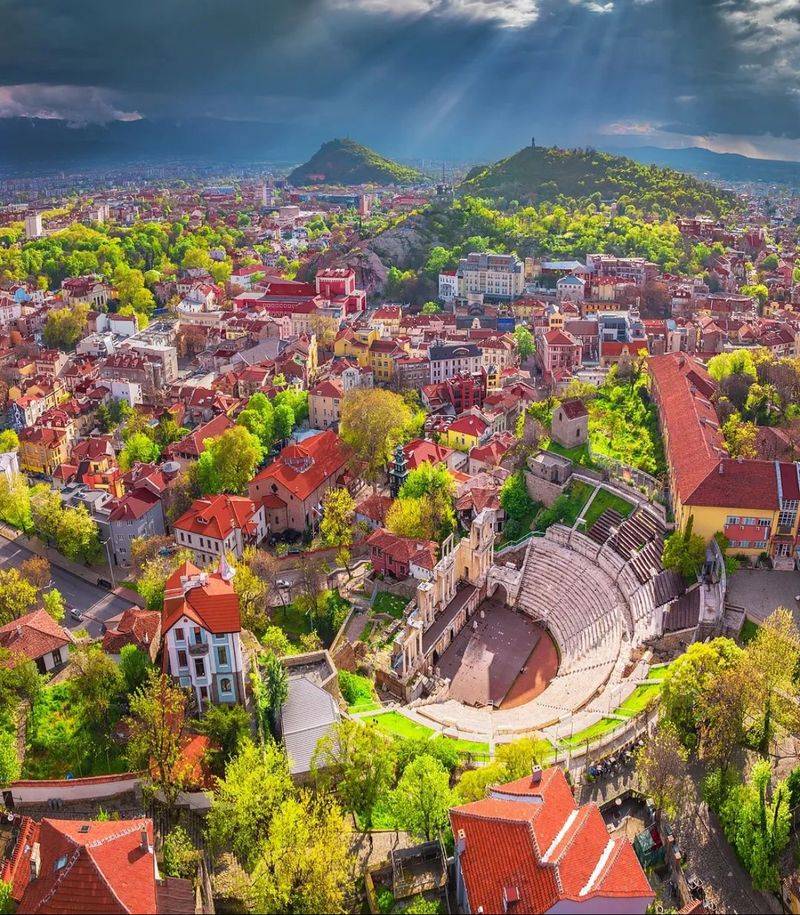
Bulgaria has been losing people at one of the fastest rates in the European Union for years. Since the fall of communism in 1989, millions of Bulgarians have moved westward, drawn by higher wages and better opportunities in countries like Germany, Spain, and the United Kingdom.
The World Bank has flagged Bulgaria as one of the world’s fastest-shrinking populations. The country’s population has dropped from roughly nine million in the late 1980s to under seven million today.
That is a staggering decline for a nation of its size.
Low birth rates compound the problem. Many young Bulgarians who stay home delay having children due to financial pressures and housing costs.
Rural areas are especially hard hit, with entire villages becoming ghost towns as younger generations move to cities or abroad. Reversing this trend is one of Bulgaria’s biggest policy challenges.
4. Bosnia and Herzegovina
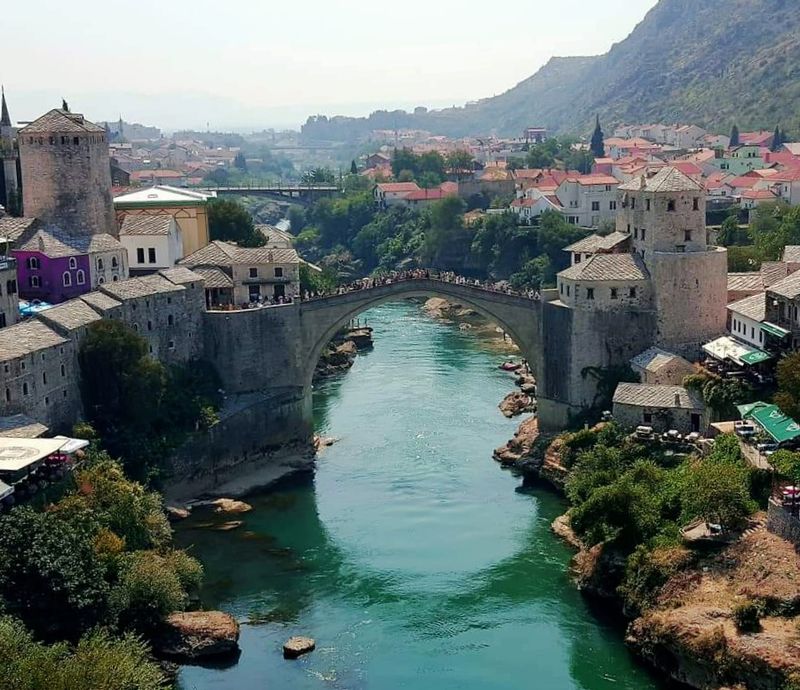
Bosnia and Herzegovina carries deep scars from the 1990s war, and those scars still shape its demographics today. Hundreds of thousands of people fled during the conflict and never returned.
That initial wave of emigration set a pattern that has continued ever since.
Young, educated Bosnians are leaving in large numbers, drawn to Germany, Austria, and Slovenia where wages are significantly higher. The country’s complex political structure makes economic reform slow and frustrating, giving young people fewer reasons to stay.
Some estimates suggest Bosnia could lose a third of its population by mid-century.
The fertility rate has also dropped below replacement level, meaning there are not enough births to offset the losses from emigration and an aging population. Communities in rural areas are shrinking especially fast, with some villages now home to only a handful of elderly residents and very few children.
5. Serbia
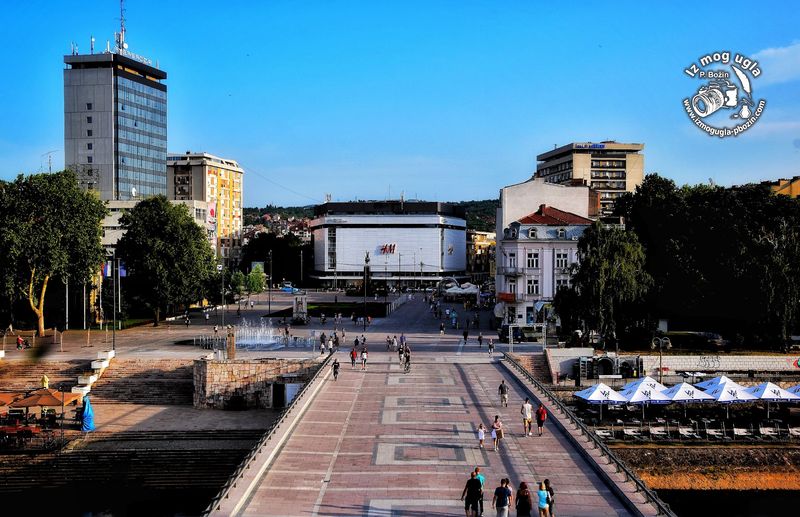
Serbia has been watching its population shrink for decades, and the pace has picked up in recent years. The combination of a low birth rate, an aging population, and steady emigration creates a cycle that is difficult to break.
Many young Serbs are heading to Western Europe and beyond, looking for higher salaries and more stable futures.
Germany has been a particularly popular destination, partly because Serbia has formal agreements that make it easier for Serbian workers to move there legally. While remittances help families back home, the economic activity and talent that leave with those workers are hard to replace.
Serbia’s government has introduced various incentive programs to encourage people to stay or return, but results have been limited. With a fertility rate well below replacement level and emigration continuing, Serbia faces a long road ahead in stabilizing its population numbers.
6. Croatia
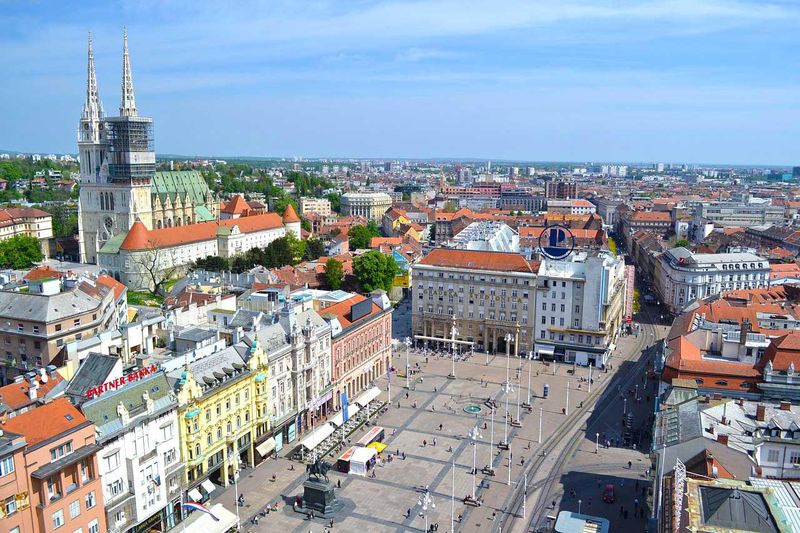
When Croatia joined the European Union in 2013, it opened a door that millions of its citizens walked right through. Freedom of movement meant Croatian workers could legally seek employment across the EU, and many did exactly that.
Germany, Ireland, and Austria became popular destinations almost overnight.
The emigration wave hit younger generations hardest. Towns in Croatia’s interior and rural regions have aged dramatically, with some areas losing a quarter or more of their population within a decade.
This has strained public services and left local economies struggling to find workers.
Croatia’s birth rate has also fallen steadily, making natural population growth impossible to rely on. The government has tried various family support programs to encourage more births, but cultural and economic pressures continue to push the birth rate down.
Croatia’s story reflects a broader EU pattern where smaller, poorer member states lose talent to wealthier ones.
7. Albania
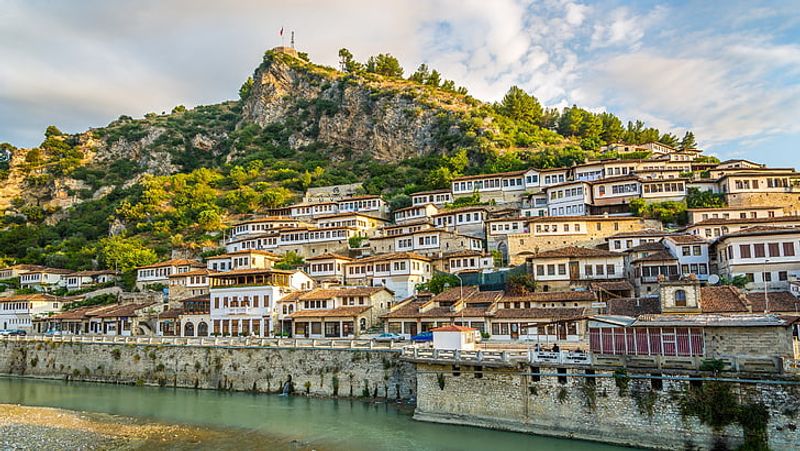
Albania’s population story is one of the most dramatic in Europe. After decades of strict communist isolation, the country opened its borders in the early 1990s and people left in enormous numbers.
Italy and Greece became home to large Albanian communities almost immediately, and the flow never really stopped.
Today, some estimates suggest that more Albanians live outside the country than inside it. That is an extraordinary statistic for any nation.
The communities left behind are often older, with fewer services and less economic activity. Young Albanians with education and ambition frequently see emigration as the most logical career move.
Albania has made significant economic progress in recent years, which has slowed emigration somewhat. Tourism has grown, and foreign investment has increased.
But the population remains well below what it was in the early 1990s, and the long-term demographic outlook remains challenging without sustained economic growth.
8. Poland
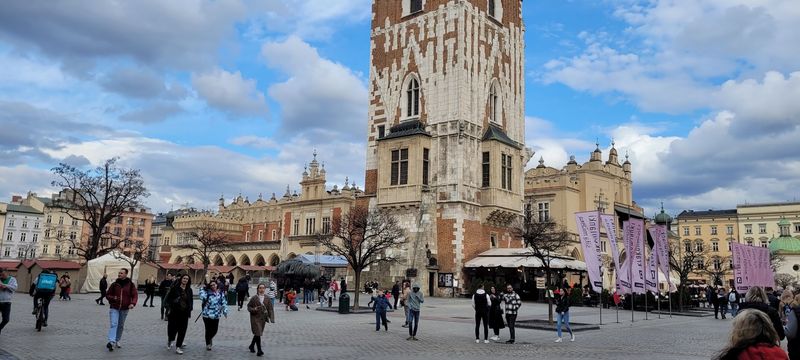
Poland is a somewhat surprising entry on this list, given its relatively large economy and EU membership. But the numbers tell a clear story.
Poland’s population has been declining, driven by a very low birth rate and significant emigration, particularly to the United Kingdom and Germany before and after EU accession.
The Polish fertility rate has hovered well below replacement level for years. Cultural shifts, high housing costs in cities, and economic pressure on young families all play a role.
Poland has one of the lowest birth rates in the entire European Union, which is a striking fact for such a large country.
Immigration has partially offset losses, with large numbers of Ukrainians arriving in Poland in recent years. However, long-term demographic projections still show Poland’s population shrinking significantly over coming decades without major policy changes around family support and immigration integration.
9. Cuba
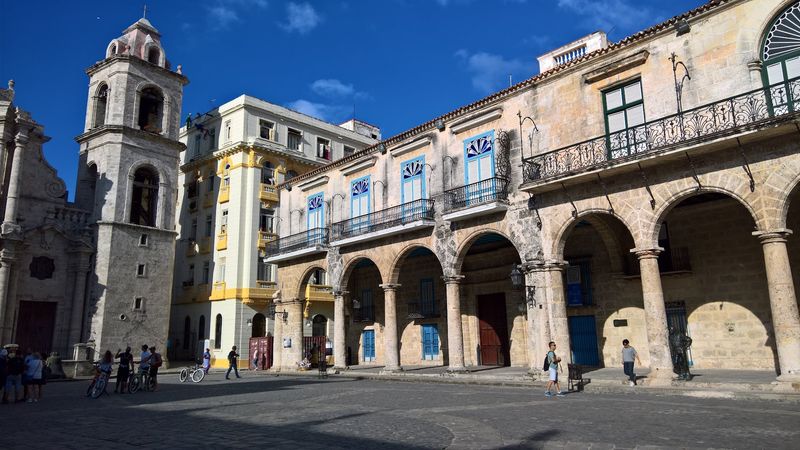
Cuba’s population decline stands out because it is happening in the Caribbean, far from the Eastern European pattern most people associate with this trend. The island has seen one of its largest emigration waves in history over the past few years, with hundreds of thousands of Cubans leaving for the United States and other countries.
Economic hardship, fuel shortages, food scarcity, and political frustration have pushed people to leave at rates not seen since the Mariel boatlift of 1980. Cuba’s birth rate has also fallen sharply, reaching historic lows.
A growing elderly population and shrinking youth cohort are straining the country’s healthcare and pension systems.
Cuba’s situation is unique because its population loss is driven as much by political factors as economic ones. Without significant political and economic reform, demographers expect the trend to continue, further aging a country that was already facing serious long-term demographic pressure.
10. Belarus
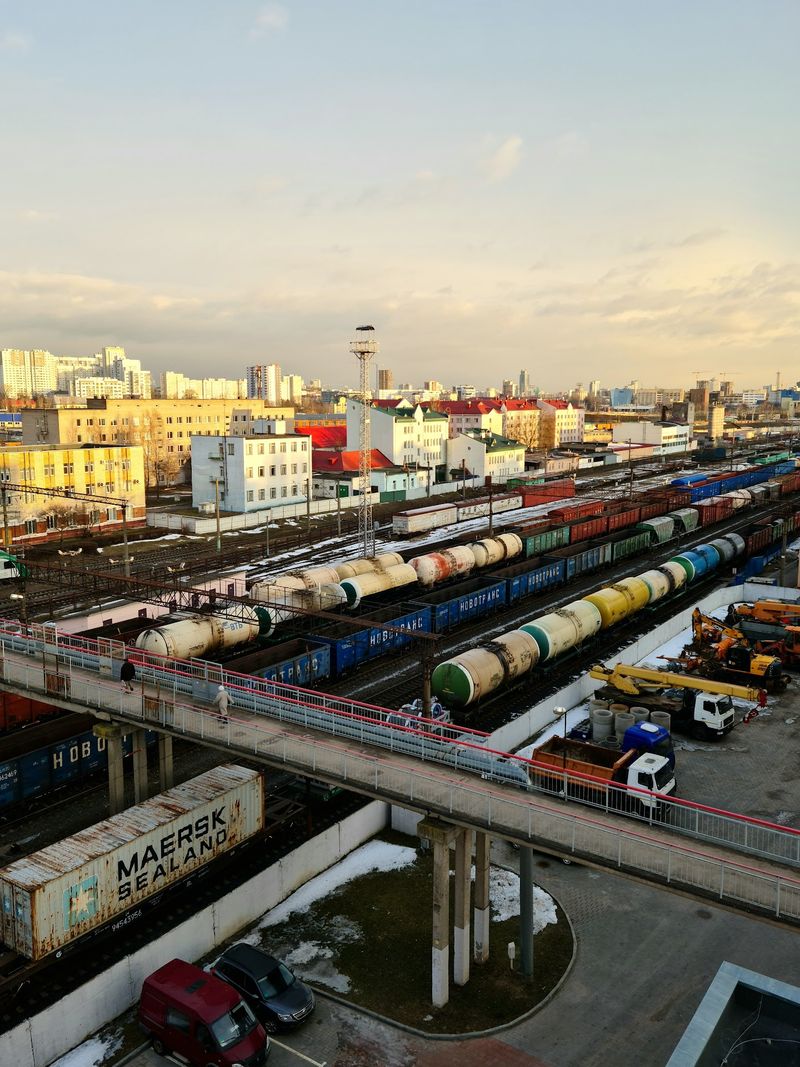
Belarus has faced significant population pressures for years, but the political crisis that erupted after the disputed 2020 presidential election accelerated emigration dramatically. Hundreds of thousands of Belarusians, many of them educated, young, and professionally skilled, left the country in the years that followed.
This kind of talent drain is particularly damaging for an economy that depends on skilled workers in manufacturing and technology. The people who leave tend to be exactly the ones a country needs most to drive growth and innovation.
Belarus has also maintained a below-replacement birth rate for an extended period.
International sanctions following the political crackdown have added economic pressure, making life harder for those who stayed. Belarus finds itself in a difficult position: political isolation has limited its options for attracting foreign investment or skilled immigrants to replace those who have left.
The demographic outlook remains concerning.
11. Armenia
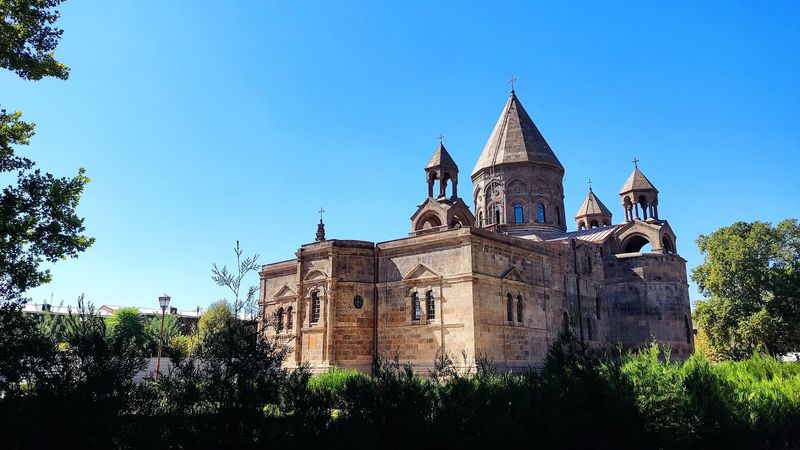
Armenia has struggled with population decline since the collapse of the Soviet Union, but recent events have added new urgency to the problem. The conflicts over Nagorno-Karabakh brought waves of displacement and uncertainty, pushing more Armenians to consider building their lives elsewhere.
Russia has historically been the top destination for Armenian emigrants, given the large Armenian diaspora already living there and the relatively easy migration pathways. However, Russia’s own economic difficulties and the fallout from its war in Ukraine have complicated that route.
Some Armenians are now looking toward Europe and North America instead.
Armenia’s birth rate has also declined steadily, reflecting broader regional trends around delayed marriage, urbanization, and economic anxiety. Yerevan is growing as a city, but rural Armenia is emptying out.
Balancing urban concentration with rural depopulation is one of the country’s most pressing long-term challenges.
12. Greece

Greece’s population decline has a very specific origin story: the debt crisis that began around 2010. Years of austerity, high unemployment, and economic uncertainty sent a generation of educated young Greeks abroad.
This phenomenon, sometimes called the Greek brain drain, reshaped the country’s demographics in lasting ways.
Doctors, engineers, scientists, and teachers left in large numbers for Germany, the United Kingdom, Australia, and the United States. Many built careers and families abroad and have shown little sign of returning.
Greece’s birth rate was already low before the crisis and has continued falling since.
Greece has also faced challenges integrating large numbers of migrants and refugees, which has complicated its demographic picture further. While immigration has added some population, it has not fully offset the losses from emigration and low birth rates.
Greece’s islands and rural regions have aged noticeably, with some communities struggling to maintain basic services.
13. Latvia
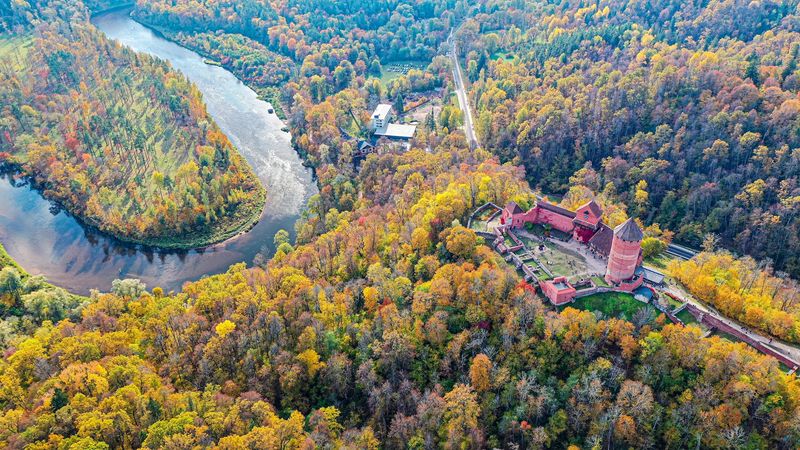
Latvia holds the record among EU member states for one of the steepest population declines since joining the union in 2004. When EU membership opened up free movement, a large share of Latvia’s working-age population headed west.
The United Kingdom and Ireland were especially popular destinations in those early years.
Latvia’s population dropped from about 2.3 million in the early 2000s to well under 2 million in recent years. That kind of decline reshapes everything: schools close, towns shrink, and public budgets come under strain.
Latvia’s birth rate is also among the lowest in Europe, making natural population recovery unlikely without major change.
The Latvian government has worked to attract emigrants back home and has invested in family support programs. Some return migration has occurred, especially among those who built savings abroad.
But the overall trend remains downward, and Latvia faces a long and difficult road toward demographic stabilization.
Share this story