Europe is home to some of the most economically powerful cities on the planet, but wealth is not shared equally across the continent. A handful of cities punch far above their weight, concentrating finance, technology, corporate headquarters, and high-paying jobs in ways that shape entire national economies.
Some are massive global capitals, while others are surprisingly small cities whose financial output per person is almost hard to believe. From the tech corridors of Dublin to the trading floors of Geneva, these are the cities driving Europe’s economic engine.
Dublin, Ireland
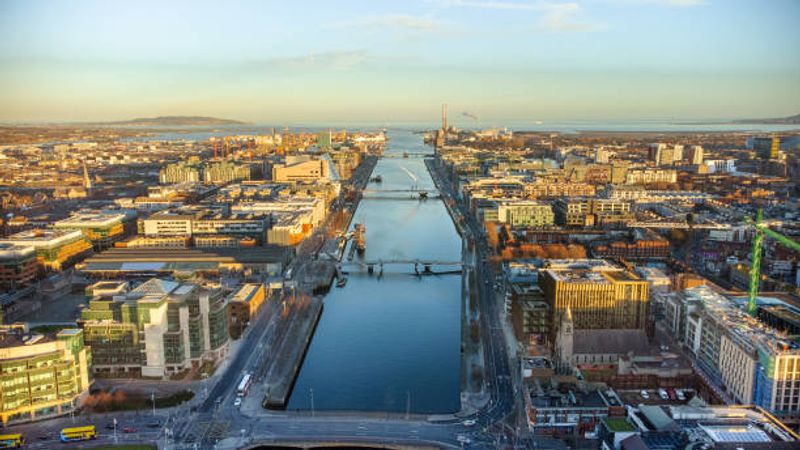
Few cities have pulled off an economic transformation quite as dramatic as Dublin’s. Once known primarily for pubs and literary history, the Irish capital has quietly become one of the most economically productive urban regions on the entire planet.
Eurostat’s 2024 figures place Ireland’s Eastern and Midland region at 268.3% of the EU average GDP per capita, the highest among all EU regions.
The secret? Multinationals love Dublin.
Nine of the world’s top ten technology companies have operations here, alongside massive clusters in finance, pharmaceuticals, aircraft leasing, and fund administration. More than half of the world’s top 50 banks have offices in the Docklands area alone.
That corporate concentration does inflate GDP figures, since multinational profits don’t always flow directly into local pockets. But Dublin’s real economic strength is undeniable.
In early 2026, it retained its position as Europe’s leading city for foreign direct investment per capita. The Georgian squares still look charmingly traditional.
The economy humming behind them is thoroughly, unapologetically global.
Luxembourg City, Luxembourg
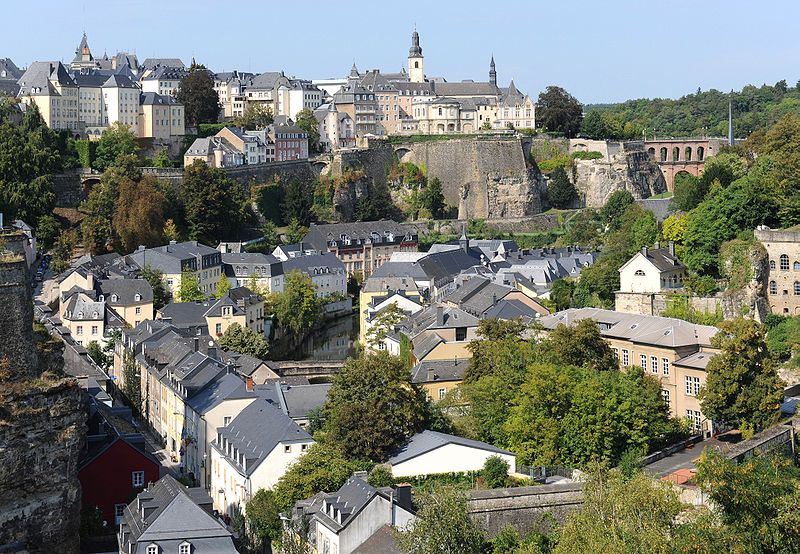
You can walk across Luxembourg City in a surprisingly short time. What you cannot do in a short time is count the money being managed inside it.
Luxembourg reached 244.6% of the EU average GDP per capita in 2024, placing it just behind Ireland in Eurostat’s rankings and ahead of virtually every other region in Europe.
Part of that figure comes from cross-border commuters. Tens of thousands of workers arrive daily from France, Belgium, and Germany, generating output that is divided by a relatively small resident population.
Eurostat flags this effect openly. But the financial industry here is genuinely, spectacularly large.
Assets in Luxembourg-domiciled investment funds exceeded 8.2 trillion euros at the end of 2025, making it the world’s leading center for cross-border investment funds. Private banking, insurance, capital markets, and sustainable finance add further depth.
Medieval fortifications and cobblestone streets overlook a modern business district managing a sum of money that would make most countries blush. The contrast is quietly extraordinary.
Paris, France

Paris is the rare city that wins on both volume and intensity. It is enormously productive per person and enormous in total output, a combination that most wealthy cities simply cannot match.
Eurostat reports that the Paris NUTS 3 region generated 126,900 PPS per inhabitant in 2023, placing it among the highest-output urban areas in the EU.
Pull back to the full Ile-de-France region and the scale becomes staggering. The French capital region produced approximately 860 billion euros in GDP in 2023, the single largest regional economy in the entire European Union.
Finance, luxury goods, aerospace, technology, media, tourism, and professional services all feed that number.
La Defense, just west of the city center, hosts more than 1,500 companies and some of the most recognizable corporate names in European business. Avenue Montaigne boutiques and the towers of La Defense might seem like opposites, but they represent the same underlying reality: Paris generates wealth at a scale that most countries would envy.
Smaller cities may beat it on per-capita measures. None come close on raw economic firepower.
Munich, Germany
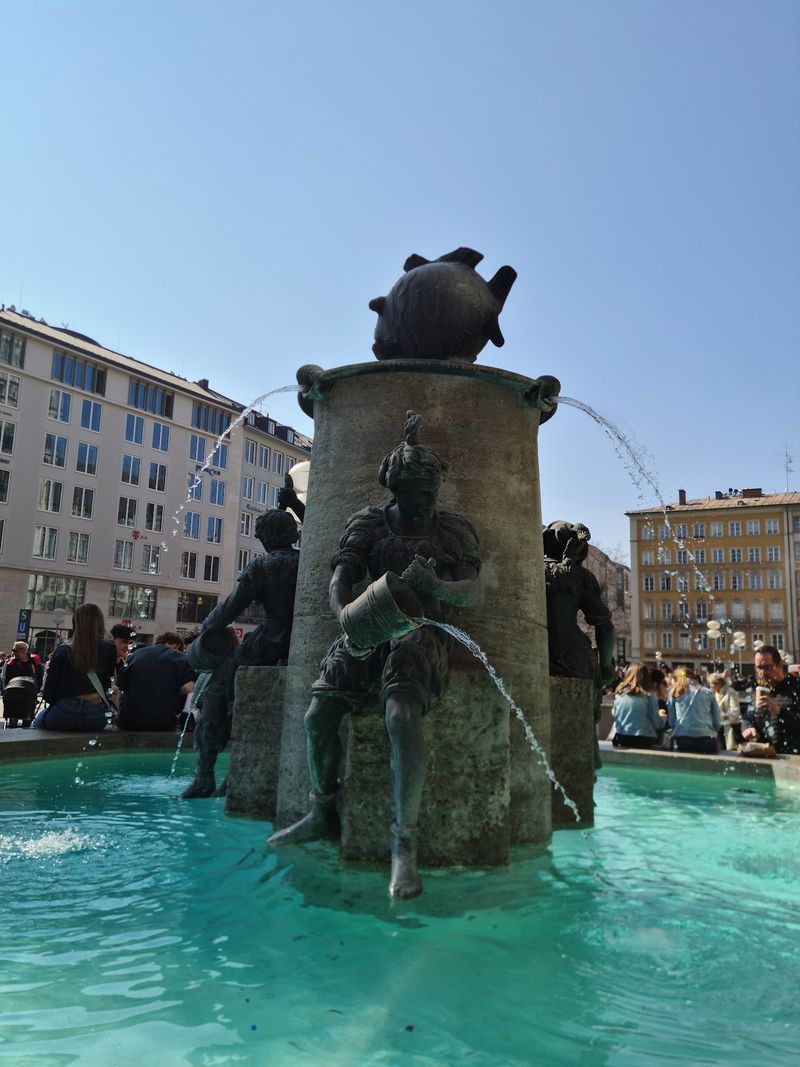
Bavaria’s capital has a rare talent for making prosperity look effortless. Munich blends old-world charm with serious corporate muscle in a way that few European cities manage to pull off.
The city’s statistical office reported GDP per resident of 92,347 euros in 2022, already far above Germany’s national average, and newer Bavarian data show several districts now surpassing 100,000 euros per inhabitant.
BMW calls Munich home, and so do major insurance groups, technology firms, engineering companies, software businesses, and biotechnology operations. The city’s 2026 economic report describes it as one of Germany’s strongest and most innovative business locations, even acknowledging a tricky wider economic environment across the country.
That underlying strength shows up in daily life. Munich has premium shopping streets, expensive residential neighborhoods, world-class museums, and one of Germany’s tightest housing markets – a reliable sign that people really, really want to live there.
Then Oktoberfest rolls around and the city briefly convinces the world its economy runs on lederhosen and beer steins. It absolutely does not.
The corporate towers are right there, just slightly harder to photograph than a liter of Weissbier.
Prague, Czechia
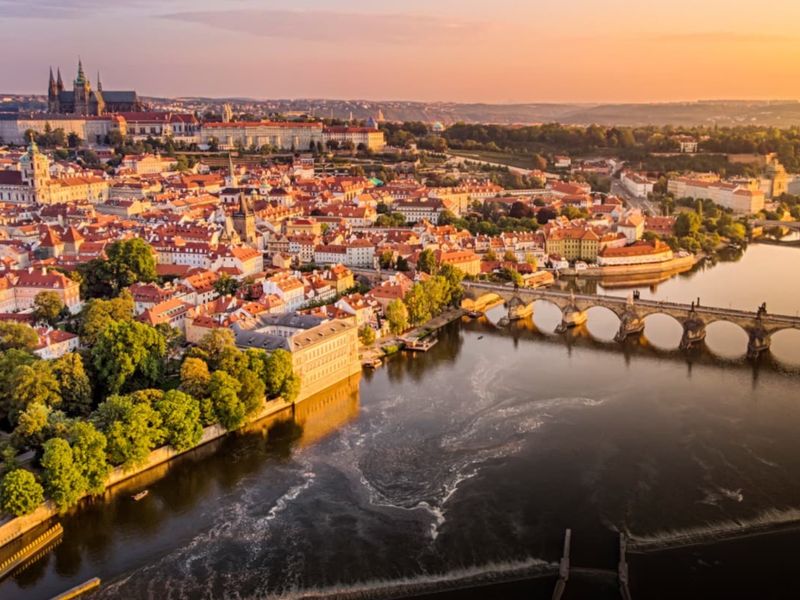
Prague might be the biggest economic surprise on this list. Visitors often associate Czechia with affordable beer and cheap city breaks, which makes the statistical reality genuinely startling.
The Czech Statistical Office reports that Prague’s GDP per person reached 192% of the EU average in 2024, more than double the Czech national average and squarely among Europe’s most productive capital regions.
Eurostat’s EU-wide comparison puts Prague at 191.8% of the EU average, placing it just behind Hamburg among large European city regions. The economy driving those numbers has changed dramatically over recent decades.
Information and communications activities generated 16.6% of Prague’s gross value added in 2024, reflecting a city that has become a genuine technology and digital-business hub.
Trade, transportation, and professional services round out the economic picture. Prague attracts multinational regional headquarters, skilled international workers, and growing startup activity.
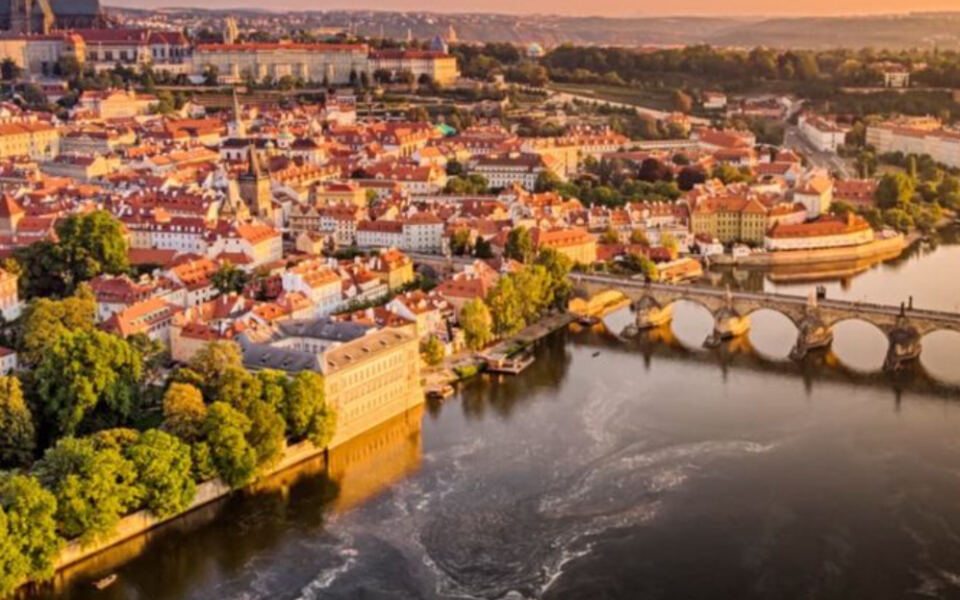
Charles Bridge and the astronomical clock make the city look frozen in a medieval postcard. The economy surrounding those landmarks is increasingly digital, international, and high-value.
Central Europe’s economic map has shifted considerably, and Prague sits near the top of the new version.
Zurich, Switzerland
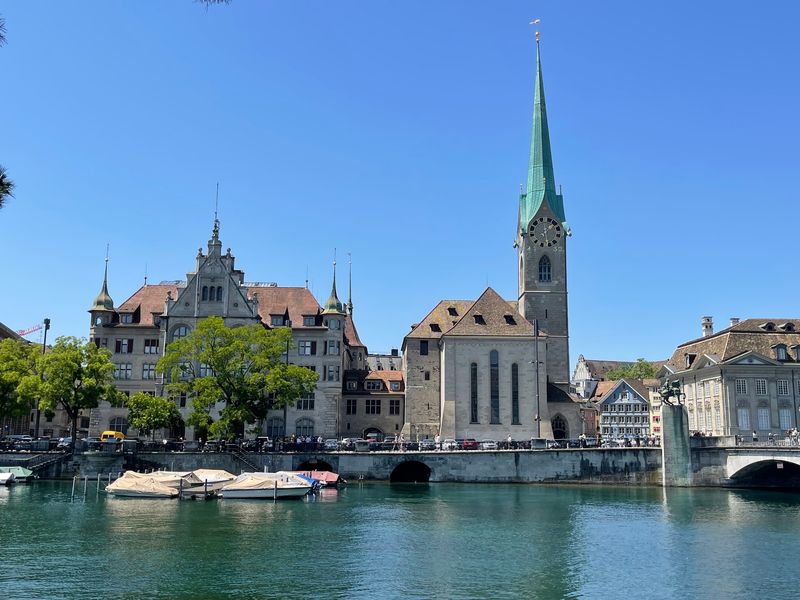
Ask anyone to name a city associated with banking and serious money, and Zurich comes up almost instantly. That reputation is not a stereotype.
The City of Zurich describes finance as generating roughly one-third of the wealth created within its boundaries and about one-quarter of all city jobs. Banks, insurers, and asset managers have operated here for centuries.
What has changed is the range. Life sciences, biotechnology, fintech, software, and aerospace-related industries have broadened Zurich’s economic base considerably.
ETH Zurich, one of the world’s top technical universities, adds an innovation ecosystem that keeps the city competitive well beyond traditional banking. Switzerland’s high national wages and productivity reinforce everything.
The result appears in daily life without much fanfare. Infrastructure is immaculate.
Housing is expensive. The waterfront is beautiful and the trams run with almost suspicious punctuality.
Zurich does not announce its wealth through a dramatic skyline of glass towers. Old guild houses, quiet banking offices, lakeside promenades, and distant Alpine peaks coexist in a city whose economic influence is substantially larger than its modest population would suggest.
Understated is the right word. Financially formidable is also accurate.
London, United Kingdom
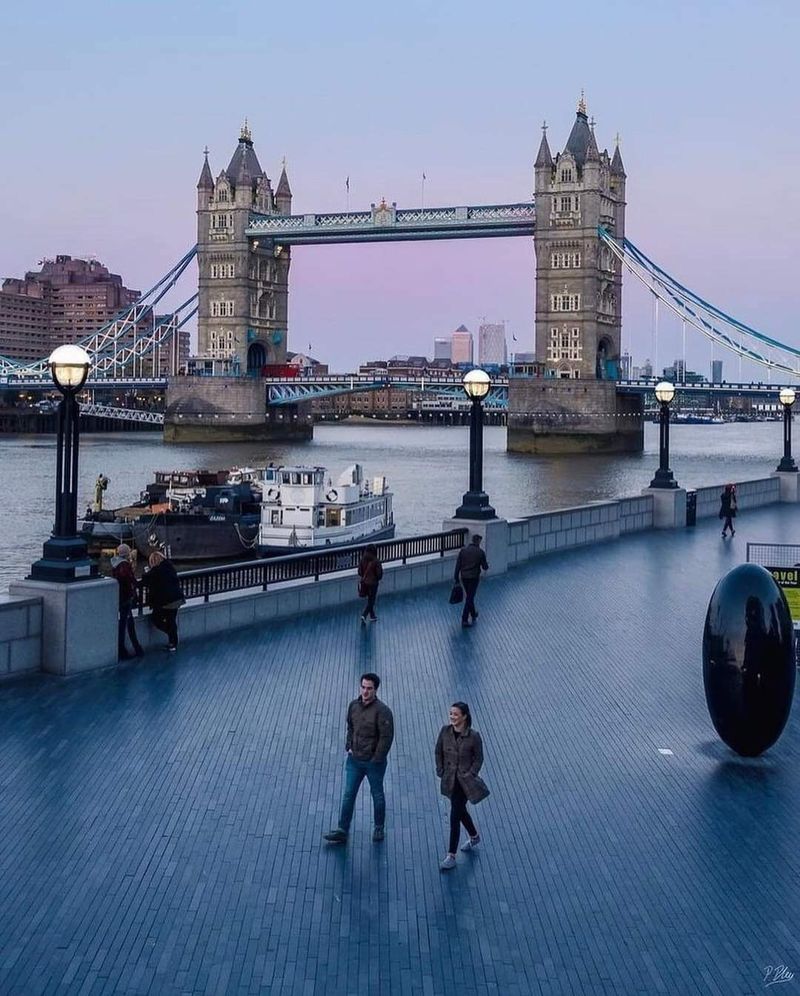
No honest conversation about European wealth can sidestep London. The UK Office for National Statistics places London’s GDP per head at 69,077 pounds in 2023, the highest of any UK region and nearly double the national figure of 39,403 pounds.
At the hyper-local level, Westminster and the City of London recorded gross disposable household income of 79,555 pounds per resident, a number that belongs in a different category entirely.
The capital’s economy is vast and deliberately diverse. Finance anchors it, but technology, law, consulting, media, life sciences, real estate, tourism, and creative industries all contribute meaningfully.
City Hall’s analysis confirms London as the UK’s most productive region, with output per hour well above the national average. Post-Brexit, the city has worked hard to retain its position as a global financial center.
London also demonstrates why headline statistics deserve careful reading. Extraordinary wealth exists alongside severe housing costs and significant inequality.
The gleaming towers of Canary Wharf and the City represent one version of London’s economy. Not every resident experiences that prosperity directly.
Both things are true simultaneously, which makes London one of the most complex and fascinating economic stories anywhere in Europe.
Hamburg, Germany
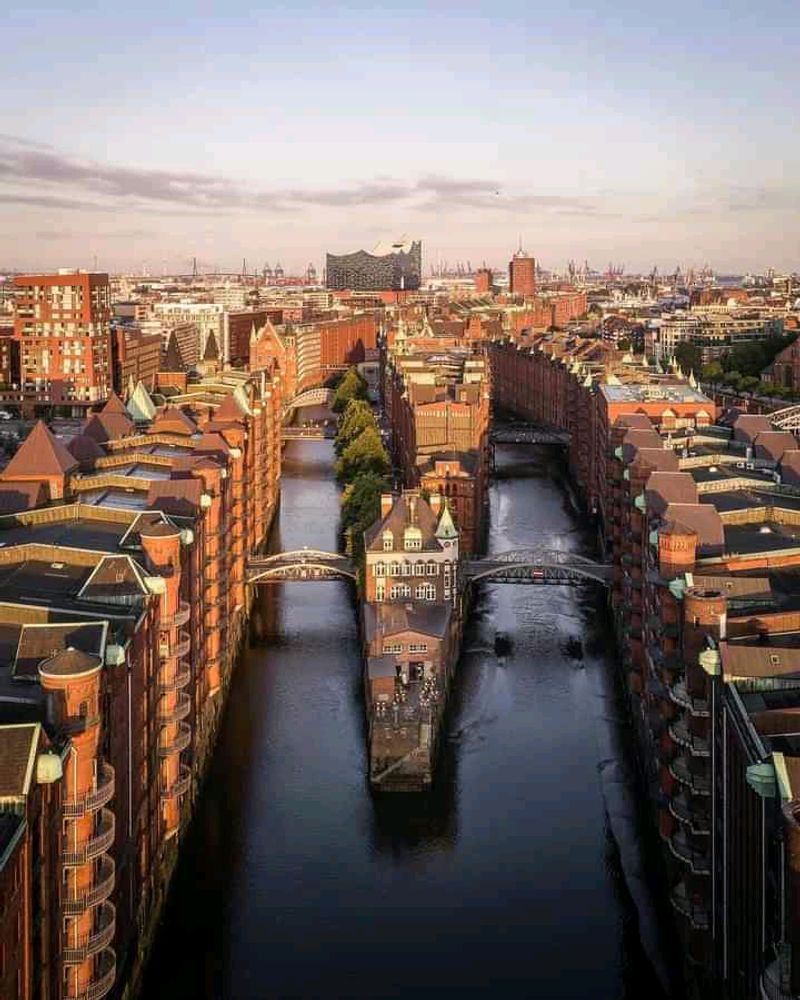
Hamburg built its fortune by moving things, and it never really stopped. The port made this city one of northern Europe’s great commercial centers centuries ago, and the modern economy has expanded outward from that maritime core into logistics, aviation, media, manufacturing, renewable energy, and professional services.
Eurostat places Hamburg at 196.1% of the EU average GDP per capita in 2024, one of the highest figures recorded by any large region in the Union.
Recent performance has also been quietly impressive. Statistics Nord reported that Hamburg’s economy expanded 1.7% in real terms in 2024, while Germany’s overall economy actually contracted slightly.
Vehicle construction and related industrial activity helped drive that manufacturing growth. Not bad for a city that many outsiders associate mainly with fish markets and harbor tours.
Hamburg’s wealth has a distinctive visual character. Instead of mountain backdrops or glass corporate campuses, there are historic red-brick merchant warehouses, elegant neighborhoods surrounding the Alster lakes, and the ambitious HafenCity waterfront redevelopment project.
It is a city whose prosperity arrived by ship for centuries and has since diversified smartly into industries that will carry it well into the next century. The cranes still dominate the skyline, though.
Brussels, Belgium
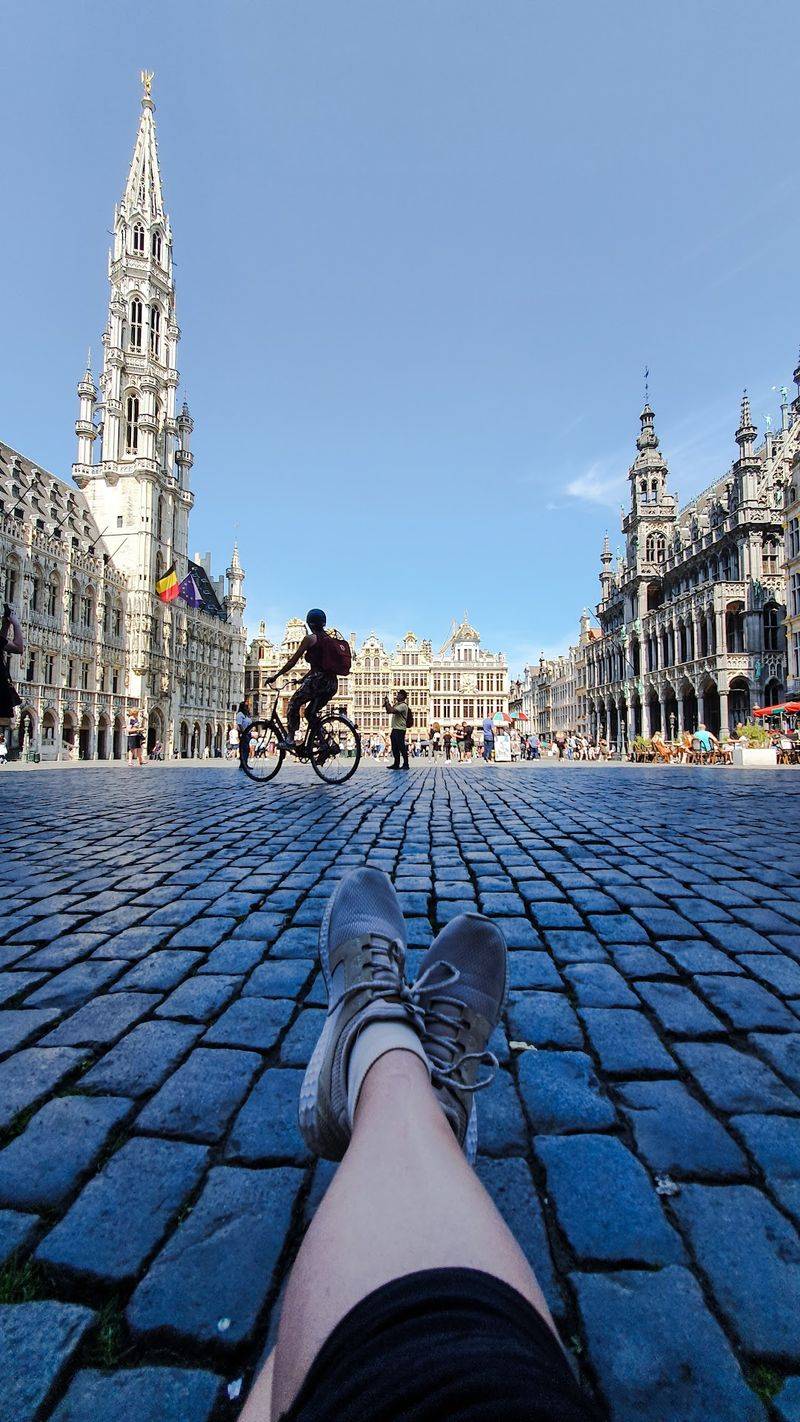
Brussels is a city where GDP numbers require a little explanation before they start making sense. In 2023, the Brussels Capital Region reached 190.6% of the EU average GDP per capita, placing it among Europe’s most productive capitals.
A significant part of that figure comes from commuting: large numbers of people who work in Brussels live in other parts of Belgium, so their output is counted in the city while they are not included in its population. Eurostat flags this directly.
That statistical nuance does not diminish what Brussels actually contains. EU institutions, NATO headquarters, multinational companies, lobbying organizations, international law firms, consulting businesses, finance, and professional services create an economic ecosystem that is genuinely unlike almost anywhere else on Earth.
The concentration of decision-making power here is extraordinary.
Brussels has a curious dual personality that visitors notice immediately. One street features Art Nouveau townhouses and neighborhood cafes serving excellent frites.
A few Metro stops away, policies affecting hundreds of millions of Europeans are being debated inside glass office buildings. Both versions are authentic, and both contribute to an economic environment that consistently punches well above what the city’s modest population size might suggest.
The waffles are also genuinely excellent.
Amsterdam, Netherlands
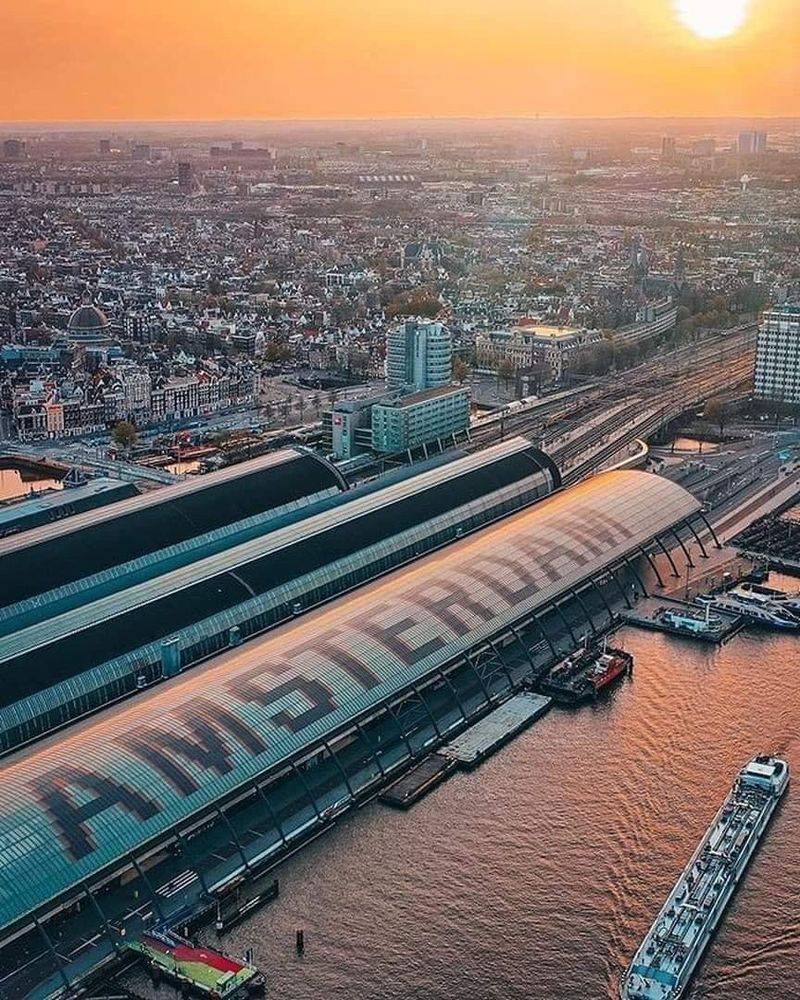
Amsterdam has been experimenting with capitalism longer than almost any other modern financial center, and the results have been interesting. The city established the world’s first modern stock exchange in the early 17th century alongside the Dutch East India Company, and that financial DNA has never really faded.
Today it remains the center of Dutch banking and a major European fintech hub.
ING and ABN AMRO are headquartered here. More than 50 international banks have offices in the city.
Euronext Amsterdam, pension funds, insurers, and fast-growing fintech companies including Adyen and Mollie add further financial depth. Technology has become equally central to the city’s identity, with more than 3,500 international companies and nearly 2,000 startups and scale-ups operating in the broader Amsterdam region.
The deep-tech ecosystem alone was valued at 8.8 billion dollars in 2026, more than double its value from five years earlier. That growth trajectory is striking for a city better known internationally for its canals and bicycle culture than for venture capital rounds.
The Golden Age architecture still lines the waterways. The companies occupying offices behind those historic facades are building products used by millions of people worldwide.
Old city, very new economy.
Copenhagen, Denmark
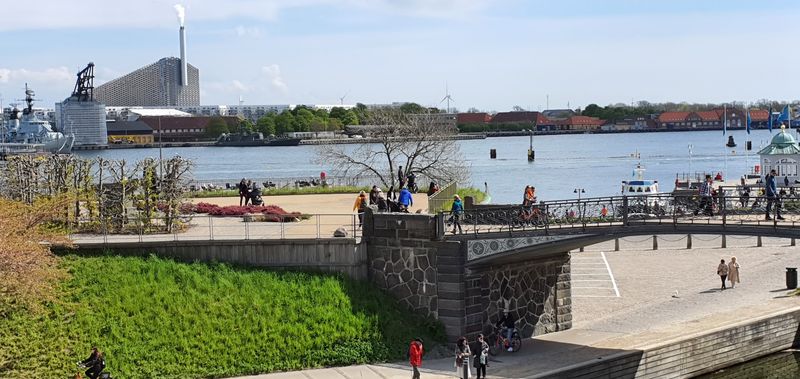
Copenhagen gets a lot of attention for its design scene, its cycling infrastructure, and its restaurants. The economic story behind the lifestyle reputation is equally compelling.
Greater Copenhagen has developed one of Europe’s most significant life-sciences clusters, with more than 580 life-science companies operating across the ecosystem. Pharmaceutical giants, biotechnology firms, university research hospitals, and specialized suppliers all cluster in the same region.
The University of Copenhagen describes Greater Copenhagen as Scandinavia’s most knowledge-intensive research and business environment, with tens of thousands of active researchers and around 190,000 students across the wider area. Shipping, logistics, finance, clean technology, engineering, and digital businesses add considerable economic weight alongside the life-sciences pillar.
The city government’s current strategy prioritizes life sciences, international talent attraction, green exports, and entrepreneurship as key growth areas for the coming years. Copenhagen manages to make prosperity look remarkably relaxed.
Office workers cycle to headquarters. The harbor doubles as a public swimming spot in summer.
Behind that famously easygoing surface is one of northern Europe’s most sophisticated knowledge economies, quietly producing some of the most valuable research and commercial output on the continent. Hygge and high GDP turn out to be compatible.
Stockholm, Sweden
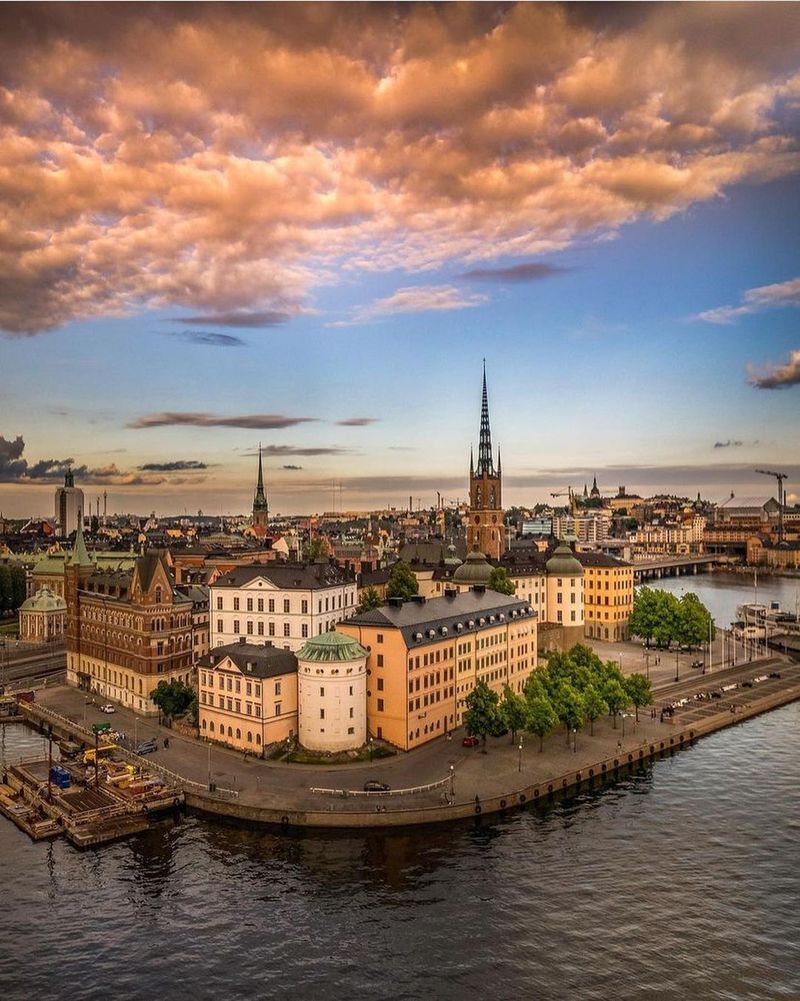
Stockholm has a remarkable habit of producing companies that become famous worldwide despite emerging from a relatively small city. Spotify, Klarna, King, and Mojang all grew from the Swedish capital’s technology ecosystem, and that pattern has continued.
Stockholm Business Region currently describes the region as Europe’s top innovation hub under the EU Regional Innovation Scoreboard 2025 and one of the world’s most unicorn-dense startup ecosystems measured per capita.
The economy runs deeper than headline startup names. Life sciences, financial technology, gaming, communications, engineering, and clean technology all contribute to a labor market that is heavily weighted toward high-skill, high-value work.
Sweden’s strong digital infrastructure, educated workforce, and access to venture capital give Stockholm structural advantages that are genuinely difficult to replicate quickly.
The city itself looks almost paradoxically calm for a major business center. Water fills much of the view.
Historic buildings dominate the central islands. Ferries and bicycles connect neighborhoods spread across an archipelago.
Somewhere behind those serene facades, another technology company is almost certainly preparing to raise a funding round that will make international headlines. Stockholm has turned quiet Nordic competence into a repeatable formula for producing globally significant businesses.
The formula keeps working.
Frankfurt, Germany
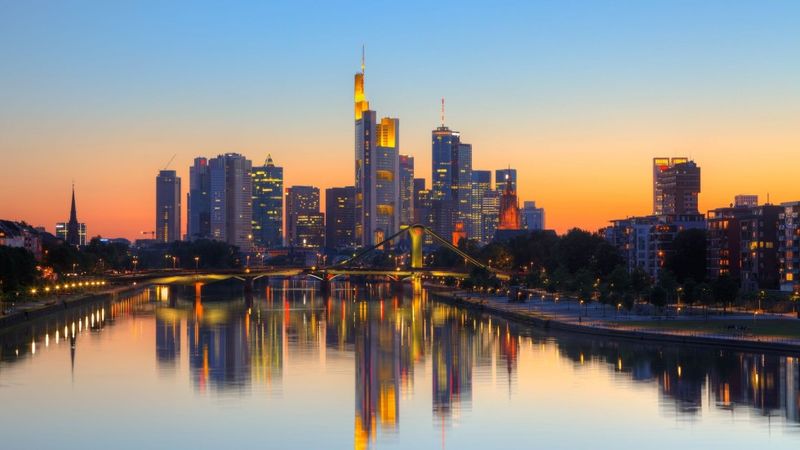
Frankfurt is the city where European finance becomes physically visible in a way it rarely does elsewhere on the continent. The skyline is genuinely unusual by European standards, packed with bank towers that earned the city its affectionate nickname, Mainhattan.
That nickname is only half a joke. The financial concentration here is among the densest anywhere in Europe.
The European Central Bank is headquartered in Frankfurt, setting monetary policy for the entire eurozone. Deutsche Bundesbank, Germany’s central bank, is also based here.
Commercial banks, asset managers, insurers, accounting firms, and law firms cluster around both institutions. The ECB itself describes Frankfurt as an international center of business and finance, which is about as official an endorsement as a city can receive.
Frankfurt also benefits from one of Europe’s most important airports and a central geographic position inside Germany and the broader EU. That combination of financial infrastructure and physical connectivity allows an extraordinary volume of economic activity to flow through a city that is, by European standards, relatively compact.
Frankfurt does not need to be the largest city in Germany to matter enormously. It handles a disproportionate share of the continent’s money regardless of its size, and the skyline makes sure everyone knows it.
Oslo, Norway
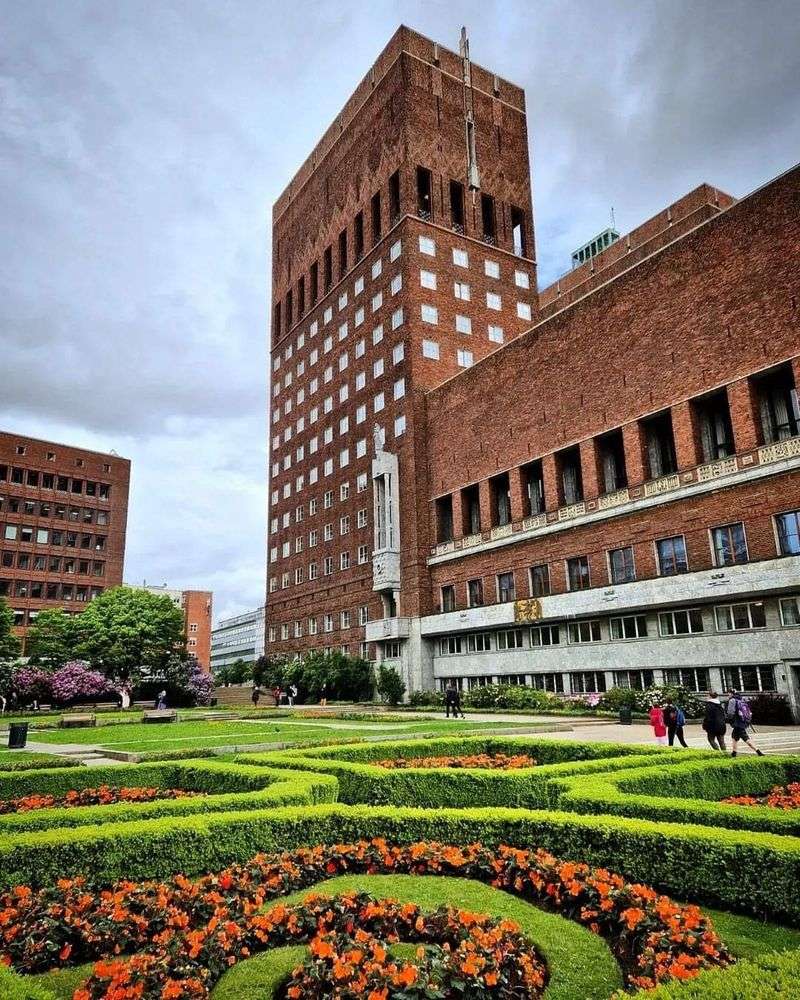
Oslo sits outside the European Union, but leaving it off a list of Europe’s wealthiest cities would be a genuine oversight. The City of Oslo describes the wider Oslo region as one of the most prosperous areas in Europe and Norway’s principal center for knowledge-based industries and services.
That description is backed by economic data that consistently place the Norwegian capital at or near the top of European prosperity comparisons.
The city’s strengths extend well beyond oil, which is a common misconception about Norwegian wealth. Oslo is one of the world’s leading maritime capitals, with deep expertise in shipping and specialized maritime services.
Life sciences, information and communications technology, energy technology, environmental services, finance, and creative businesses provide additional economic depth. The city government highlights growing innovation ecosystems in health technology, fintech, mobility, and cleantech as key areas of current development.
What makes Oslo particularly striking is how that prosperity is deployed. Waterfront redevelopment, public transportation, cultural institutions, electric vehicle infrastructure, and accessible public spaces give the city a remarkably polished and livable character.
The Oslofjord and surrounding forests make the wealth feel almost organic. It is a city that has figured out how to be both very rich and very pleasant to actually live in, which is harder than it sounds.
Geneva, Switzerland
Geneva is probably better known for diplomacy, watches, and the Large Hadron Collider than for raw financial muscle. That reputation undersells it considerably.
The city is one of the world’s premier private-banking and wealth-management centers, handling assets that represent a significant fraction of global private wealth. It is also a key global hub for commodity trading, trade finance, philanthropy, and international organizations.
Geneva’s official economic data identify 331 commodity-trading companies operating in the canton and more than 4,400 jobs directly tied to the sector. The canton ranks first globally in trade finance according to its own current business profile, a claim supported by the extraordinary concentration of trading houses operating from its relatively small territory.
Philanthropic capital adds another unusually large layer, with 1,367 foundations holding approximately 25 billion Swiss francs in assets.
Then there is the international dimension. The United Nations and dozens of global organizations bring diplomats, specialists, NGOs, conferences, and associated businesses into a city already supported by Swiss banking and very high national productivity.
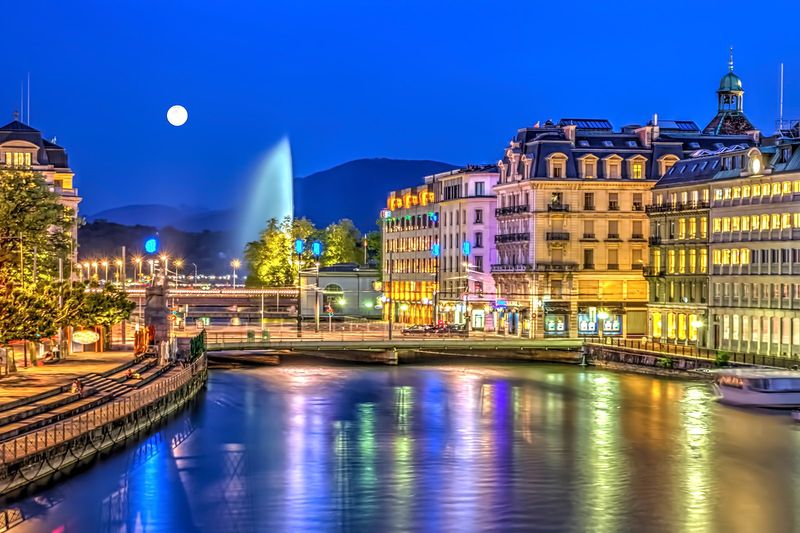
The waterfront looks serene, with the Jet d’Eau arcing over the lake and sailboats moving quietly in the background. Economically, Geneva is connected to nearly every corner of the world simultaneously.
The calm exterior is very much a stylistic choice.
Share this story