Flight delays are one of the most frustrating parts of air travel, and some airports seem to struggle with them more than others. Whether it is heavy traffic, bad weather, or outdated infrastructure, certain airports around the world have built a reputation for keeping passengers waiting.
Knowing which airports are prone to delays can help you plan smarter and stress less on your next trip. Here is a look at 12 major airports that travelers frequently experience delays at, and what makes each one so challenging.
1. London Gatwick Airport (LGW), United Kingdom
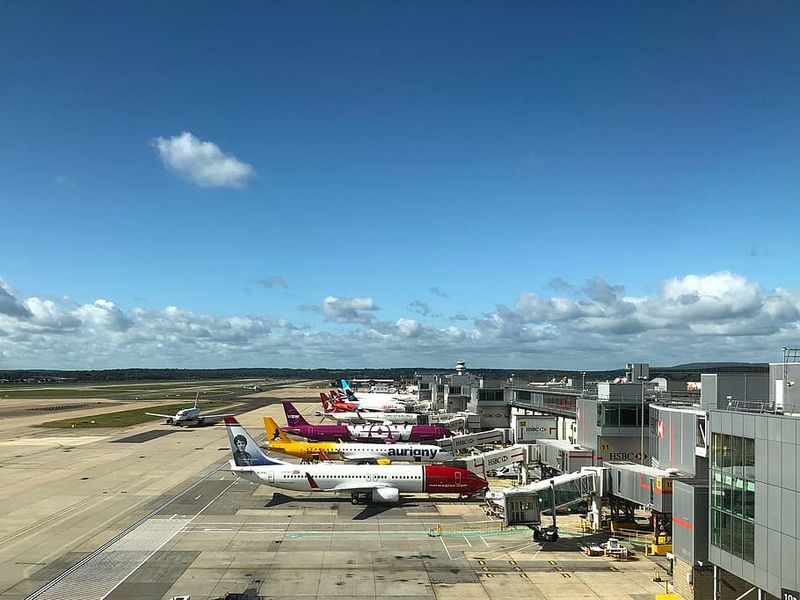
Gatwick is the second-busiest airport in the United Kingdom, and that busyness comes with a serious downside. The airport operates with just one runway, which makes it incredibly sensitive to any disruption.
A single delayed aircraft can cause a ripple effect that backs up dozens of flights.
Weather is another major factor. The United Kingdom is known for fog, rain, and wind, all of which can slow operations significantly.
During peak summer travel season, Gatwick handles enormous passenger volumes that push its systems to the limit.
Staffing shortages have also caused problems in recent years, particularly after the COVID-19 pandemic disrupted the aviation workforce. Travelers flying through Gatwick are advised to book early morning flights when possible and allow extra time for connections.
Checking your flight status the night before departure is always a smart move here.
2. Lisbon Humberto Delgado Airport (LIS), Portugal
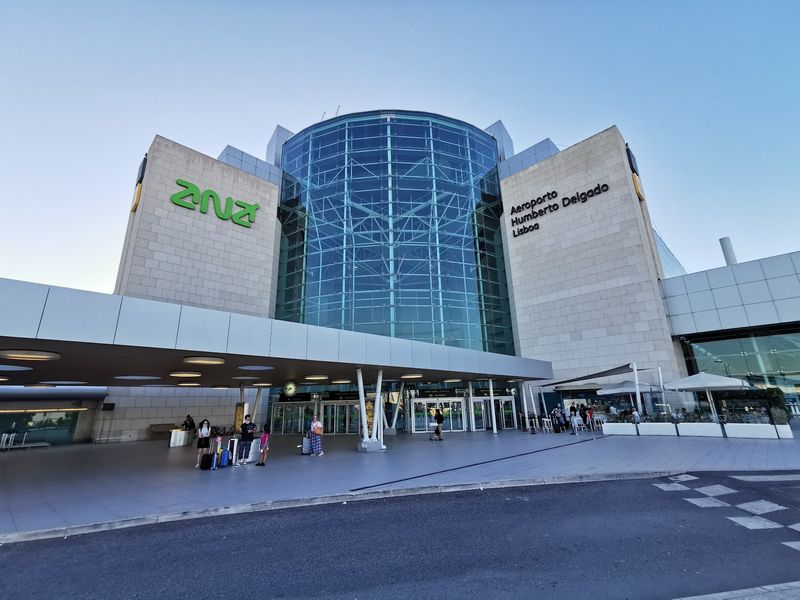
Lisbon’s main airport has become one of Europe’s most talked-about delay hotspots, largely because it was never built to handle today’s passenger numbers. Tourism in Portugal has exploded over the past decade, and the airport has struggled to keep up.
Long queues at security and passport control are a daily reality.
The airport has only two runways, and the airspace around Lisbon can get congested quickly during busy periods. Ground handling delays, where aircraft sit waiting for crews or equipment, are also a frequent complaint from airlines and passengers alike.
A new airport for Lisbon has been discussed for years, but construction has faced political and logistical hurdles. Until a solution is in place, travelers should expect delays, especially during summer months and holiday weekends.
Arriving at the airport well ahead of your scheduled departure time is strongly recommended.
3. Istanbul Airport (IST), Türkiye
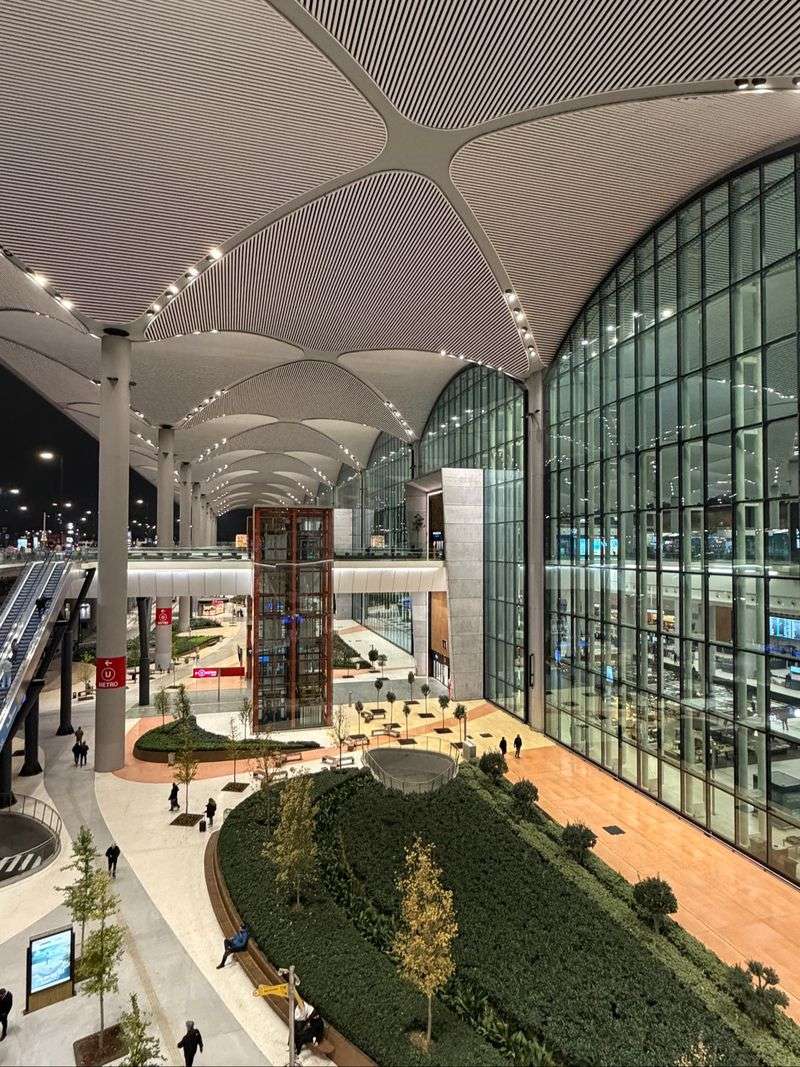
Istanbul Airport is one of the largest and most ambitious aviation projects ever built, designed to handle up to 200 million passengers per year. But sheer size does not always mean smooth operations.
The airport’s rapid growth has brought growing pains that affect thousands of travelers daily.
Istanbul sits at a unique crossroads between Europe and Asia, making it a major hub for connecting flights. That heavy transit traffic means any delay at one end of the network can cascade through dozens of other routes.
Weather, including strong winds and winter storms, adds further unpredictability.
Turkish airspace is among the busiest in the world, and air traffic control delays are not uncommon. Passengers connecting through Istanbul should build in generous layover time.
Tight connections of under 90 minutes are risky, even when flights arrive on schedule. Planning ahead here pays off.
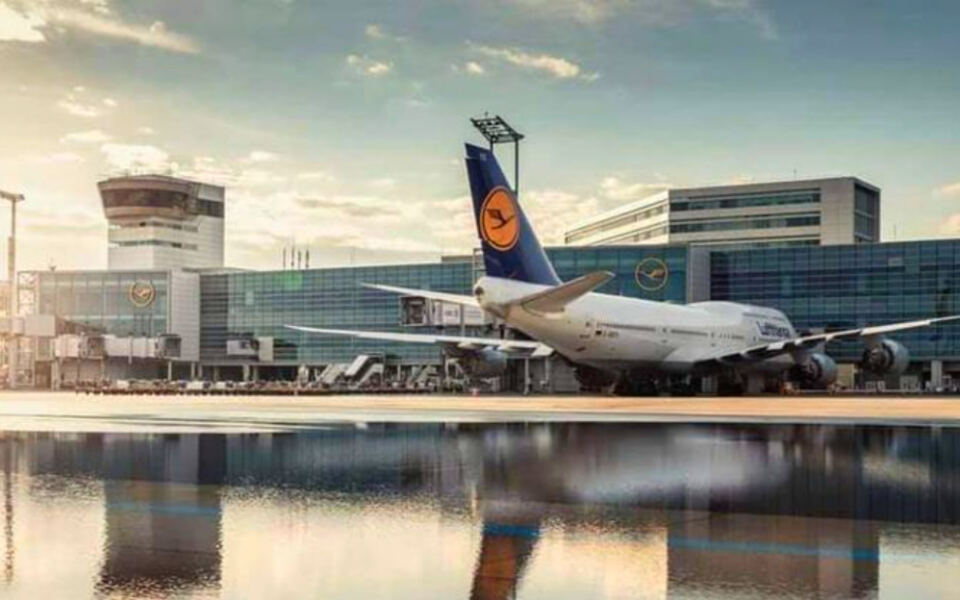
4. Frankfurt Airport (FRA), Germany
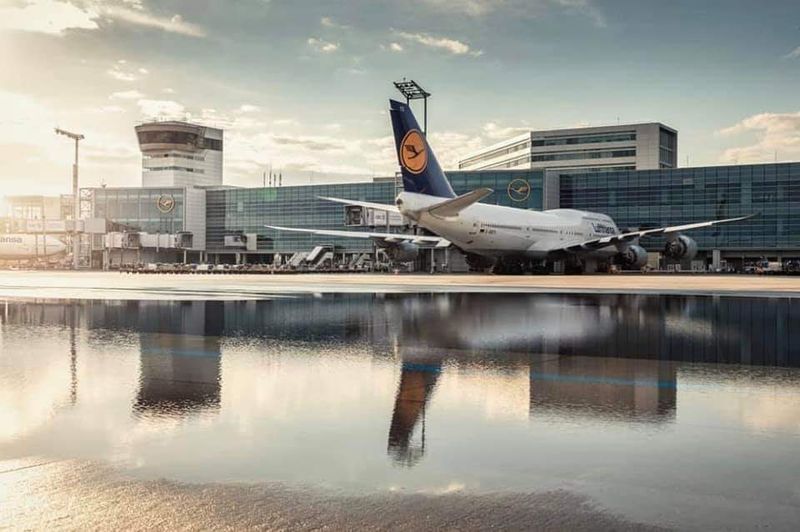
Frankfurt Airport is Germany’s largest and Europe’s third-busiest, serving as a critical hub for Lufthansa and Star Alliance flights. With that level of importance comes enormous pressure to keep things moving, and the airport does not always succeed.
Delays at Frankfurt can affect connecting passengers across multiple continents.
Labor strikes have been a recurring issue at Frankfurt, with ground crews, security staff, and air traffic controllers all going on strike at various points in recent years. Each strike can cancel or delay hundreds of flights in a single day.
The airport’s aging infrastructure in some terminals also contributes to bottlenecks.
Despite its reputation, Frankfurt remains a well-organized airport by global standards. Travelers can reduce their risk by avoiding peak travel days, choosing direct flights where possible, and signing up for real-time flight alerts.
Terminal navigation can also be confusing, so allow extra walking time between gates.
5. Amsterdam Airport Schiphol (AMS), Netherlands
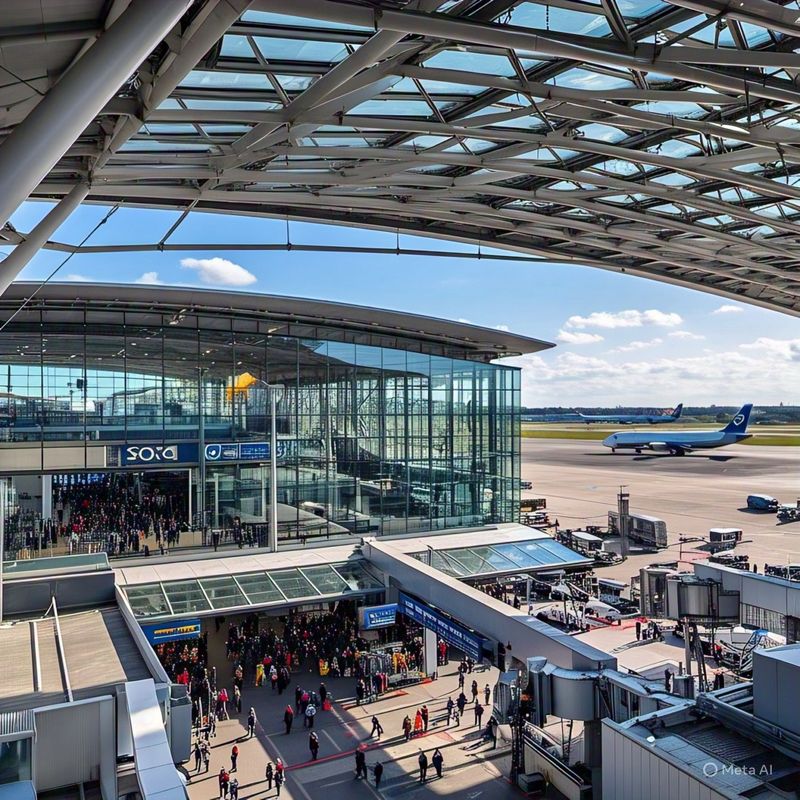
Schiphol has long been considered one of Europe’s most efficient airports, but recent years have painted a different picture. Staff shortages, particularly in security and ground handling, led to chaos during the 2022 summer travel season, with passengers waiting hours just to get through the terminal.
The scenes made international headlines.
The Dutch government has also placed restrictions on the number of flights Schiphol can operate annually, citing noise and environmental concerns. Those caps create scheduling pressure that ripples across the entire network.
Airlines have had to cut routes and reduce frequencies as a result.
Schiphol is also built below sea level, and extreme weather events, increasingly common due to climate change, can disrupt operations. Travelers should monitor news about Schiphol before flying, especially during summer.
Arriving early and packing patience are the best tools for navigating this historically well-regarded but currently strained airport.
6. Paris Charles de Gaulle Airport (CDG), France
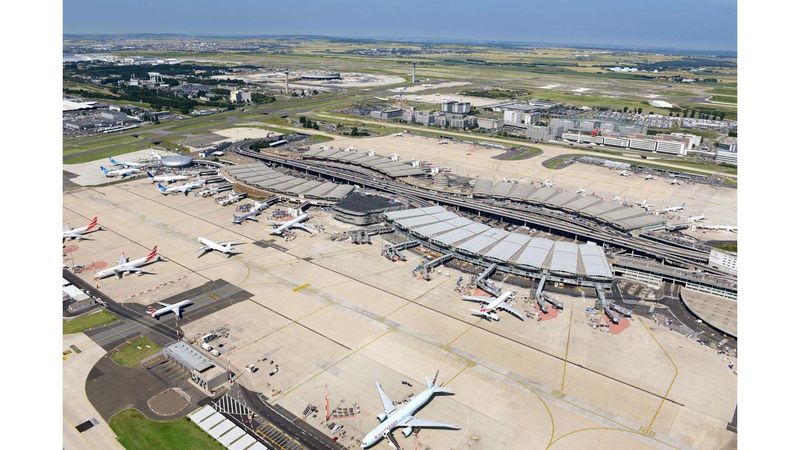
Charles de Gaulle, commonly known as CDG, is France’s busiest airport and one of the top five in the world by passenger volume. Its size is both its strength and its weakness.
The airport’s multiple terminals, spread across a large campus, make navigation confusing and transfers time-consuming for connecting passengers.
France has a strong tradition of labor action, and CDG has experienced its fair share of strikes involving air traffic controllers, baggage handlers, and airport staff. These strikes can cause massive disruption with little warning.
Air traffic control delays are also frequent, as French airspace is among the most congested in Europe.
Runway capacity and gate availability are constant challenges during peak periods. Travelers passing through CDG should allow at least 90 minutes for connections and keep their boarding passes and documents easily accessible.
Familiarizing yourself with the terminal layout before arrival can save considerable time and stress.
7. Toronto Pearson International Airport (YYZ), Canada
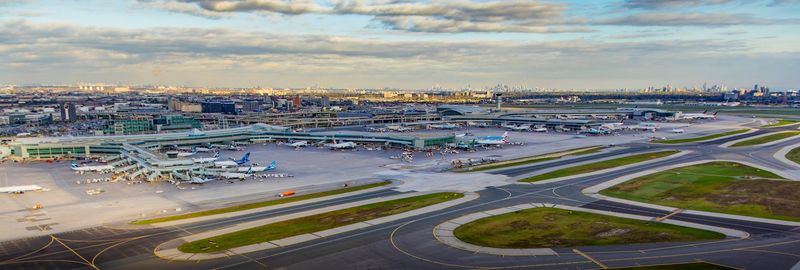
Toronto Pearson holds an unfortunate record as one of the most delay-prone major airports in North America, and sometimes the world. A 2022 report ranked it among the worst globally for on-time performance, a distinction that surprised few frequent flyers who use it regularly.
The airport handles the bulk of Canada’s international air traffic, which puts enormous strain on its facilities. Long lines at customs and immigration, particularly for international arrivals, are a well-known frustration.
Ground delays caused by aircraft congestion on taxiways are also common, especially during morning and evening rush periods.
Winter weather in Toronto adds another unpredictable layer. Snowstorms and ice can ground flights or slow de-icing operations, creating cascading delays across the entire schedule.
Travelers are advised to check weather forecasts, confirm flights the night before, and budget extra time for check-in, security, and boarding at this notoriously busy hub.
8. Montreal-Trudeau International Airport (YUL), Canada
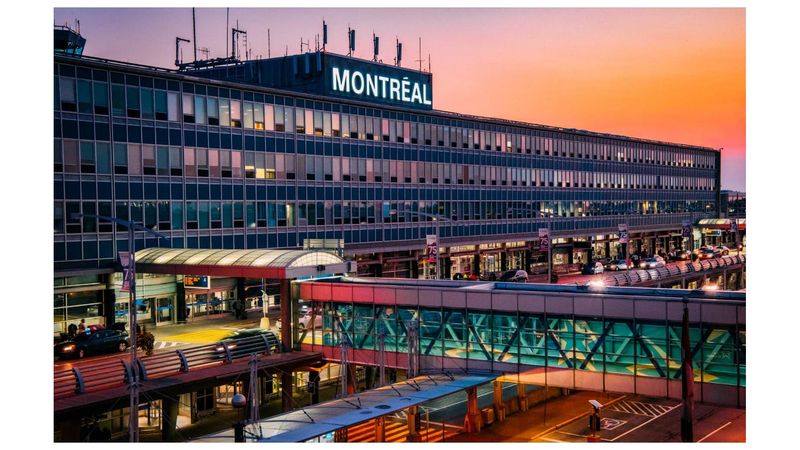
Montreal-Trudeau may not have the same name recognition as Toronto Pearson, but it shares many of the same delay challenges. As Quebec’s primary international gateway, it handles millions of passengers each year while operating under the constant threat of harsh winter weather that can disrupt schedules for days at a time.
The airport has faced criticism for its infrastructure, which many travelers and aviation experts describe as aging and under-resourced relative to demand. Security lineups can stretch significantly during busy periods, and baggage handling delays have drawn complaints from passengers on numerous occasions.
Staffing issues, similar to those seen at airports across Canada and around the world post-pandemic, have not helped matters. For travelers flying through YUL, arriving at least two hours before domestic flights and three hours before international departures is a practical guideline.
Flexible booking options and travel insurance are also worth considering.
9. Dallas/Fort Worth International Airport (DFW), United States
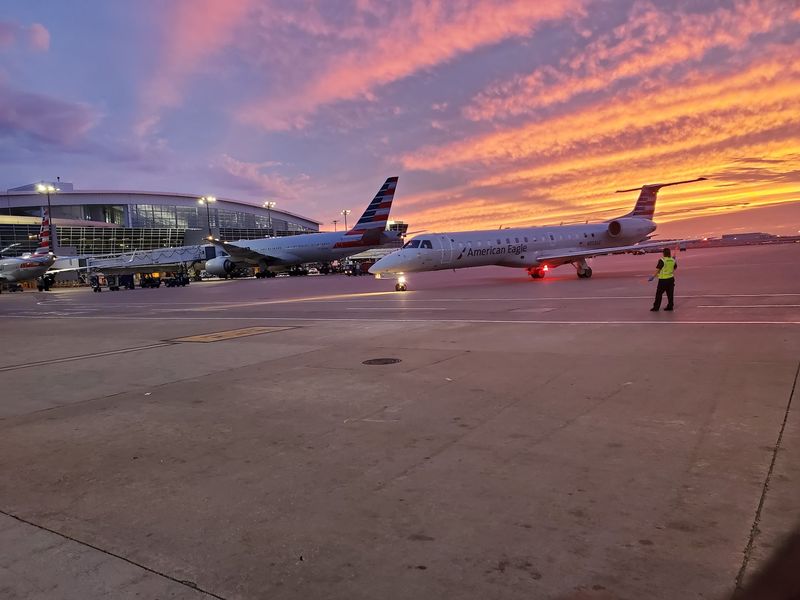
Everything is bigger in Texas, including the flight delays at Dallas/Fort Worth. DFW is one of the busiest airports in the world by aircraft movements, serving as the primary hub for American Airlines.
That hub status means that when something goes wrong at DFW, passengers across the entire American Airlines network feel it.
Thunderstorms are the airport’s most persistent enemy. The Dallas-Fort Worth region experiences intense spring and summer storm systems that can shut down runways and halt departures for hours.
High winds are also a regular challenge, particularly during storm season.
The sheer volume of daily operations, often exceeding 900 flights per day, means there is very little buffer when disruptions occur. Travelers connecting through DFW should aim for layovers of at least an hour and a half.
Monitoring the National Weather Service forecast for the Dallas area before flying can provide useful advance warning.
10. Orlando International Airport (MCO), United States

Orlando International Airport sits at the heart of one of the world’s most visited tourist destinations, and that popularity creates year-round congestion unlike almost any other airport in the United States. Families heading to theme parks, cruise ships, and beach resorts flood the terminals constantly, pushing capacity to its limits.
Florida’s famous afternoon thunderstorms are a major source of delays, particularly from June through September. These storms can develop rapidly and shut down flight operations with very little notice, backing up departures for hours.
The ripple effect spreads to airports across the country connected to MCO.
The airport has been undergoing significant expansion to address its growing passenger load, but construction itself adds to the confusion and congestion on the ground. Travelers visiting Orlando should build extra time into their itineraries, avoid tight connections, and consider booking early morning flights before the afternoon storm season kicks into gear.
11. Mumbai Chhatrapati Shivaji Maharaj International Airport (BOM), India
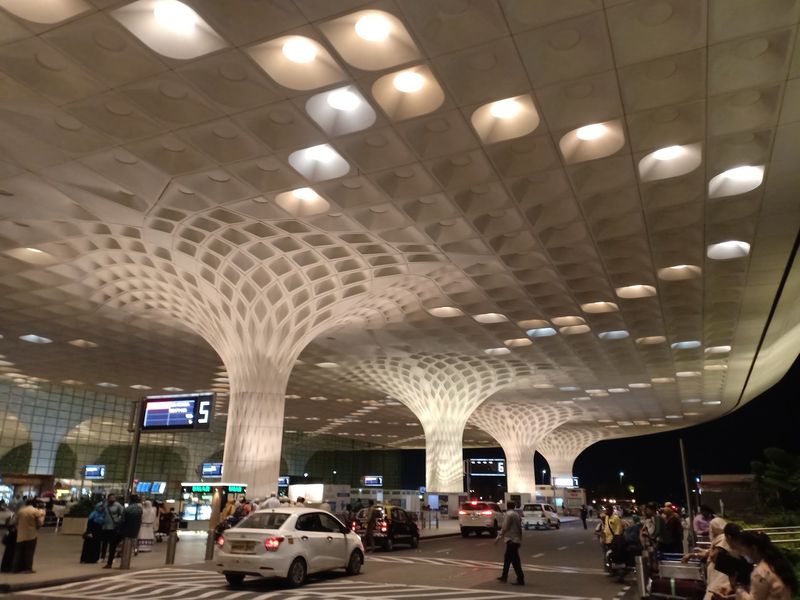
Mumbai’s main airport is squeezed into one of the most densely populated cities on the planet, and that geographic reality shapes almost every operational challenge it faces. With limited land for expansion, the airport operates two runways that cross each other, a configuration that severely restricts the number of aircraft that can take off and land simultaneously.
The crossing runway layout means that only one runway can be active at a time in many weather conditions, creating natural bottlenecks during peak hours. Monsoon season, which runs roughly from June to September, brings heavy rain and reduced visibility that further slows operations.
Fog during winter months causes additional disruption.
India’s rapidly growing aviation market has also increased demand at BOM faster than infrastructure can keep pace. Passengers are advised to arrive at least three hours before international flights and to monitor airline apps closely for real-time updates during monsoon season.
12. Manila Ninoy Aquino International Airport (MNL), Philippines
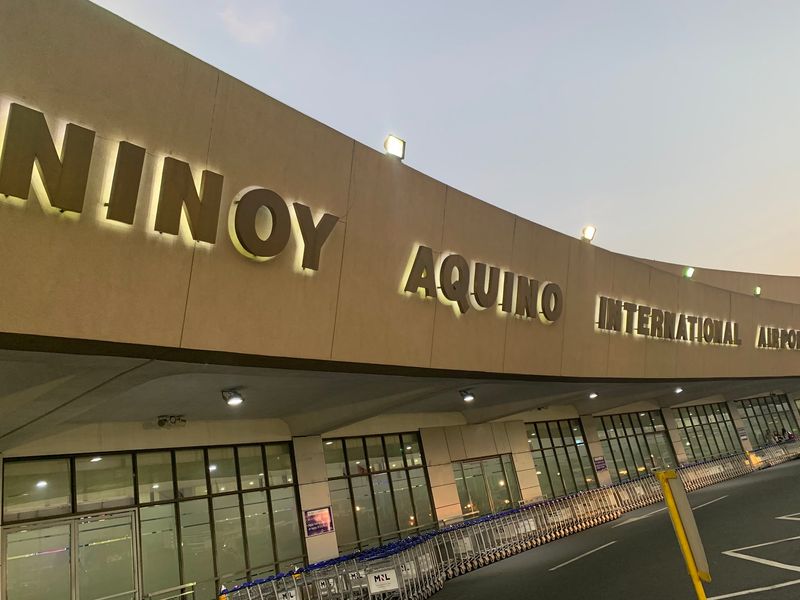
Manila’s main airport has earned a reputation that few airports would want. Ninoy Aquino International Airport has been ranked among the worst airports in Asia on multiple occasions, with flight delays being one of the most consistent complaints from both local and international travelers.
The airport’s aging facilities are a central part of the problem.
The Philippines is located in one of the most typhoon-prone regions on Earth. Tropical storms can arrive with significant force and shut down the airport entirely, sometimes for extended periods.
Even moderate rain can slow operations, as the airport’s drainage and ground infrastructure struggle under heavy weather conditions.
Air traffic control capacity and coordination have also been cited as areas needing improvement. A new international airport near Manila is under development, which may eventually ease the burden on MNL.
Until then, travelers should expect irregular schedules and plan generous buffers, especially during typhoon season from June through November.
Share this story