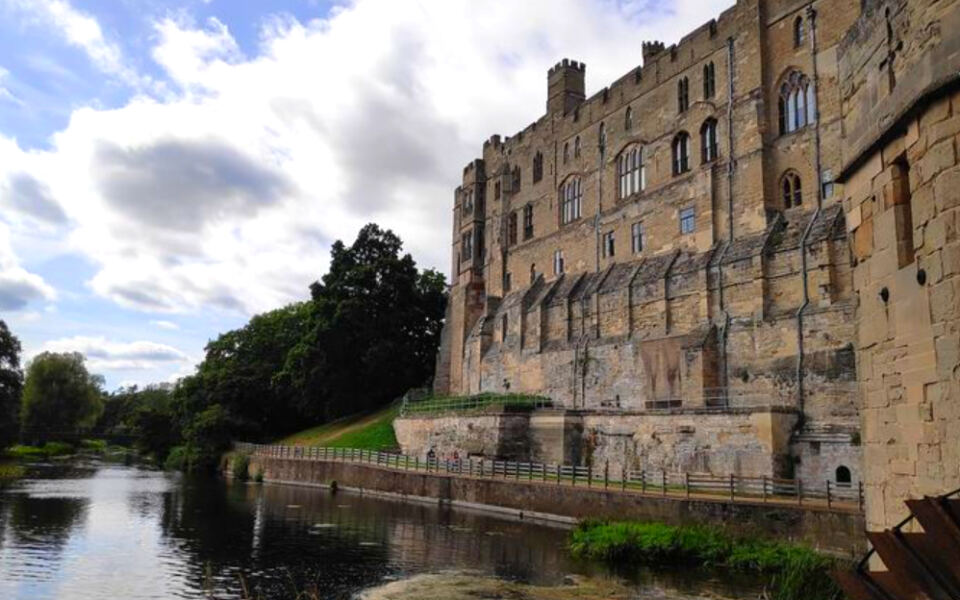
Warwick Castle has been standing in one form or another for more than 1,100 years, which has given it plenty of time to collect stories that sound more like historical fiction than fact. An earl was kidnapped from his own poorly defended castle.
A royal favorite was dragged here before being executed nearby. One owner was stabbed by his own servant, another tried to become a Hollywood actor, and a nineteenth-century earl opened the gates to tourists partly because he desperately needed money.
The stranger part is that these are not simply legends invented to entertain modern visitors. Much of Warwick’s most unbelievable history is documented across centuries of records, chronicles, and castle accounts.
Each story peels back another layer of a place that has witnessed political upheaval, personal ambition, architectural ambition, and some genuinely bizarre twists of fate. Read on for 13 stories from the castle’s past that really do sound too strange to be true.
1. Warwick Began With a Warrior Princess
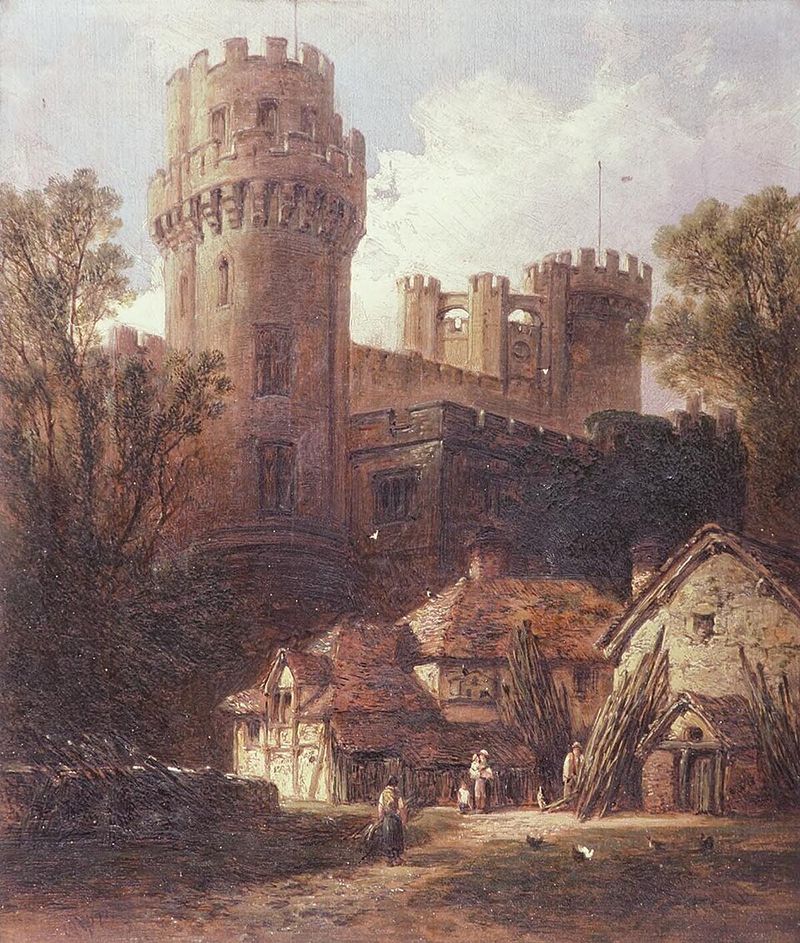
Few people expect a medieval English castle’s origin story to center on a woman who commanded military strategy across an entire kingdom. Aethelflad, daughter of Alfred the Great and ruler of Mercia, ordered a fortified burh to be built at Warwick in 914.
Her goal was practical: create a network of defended settlements capable of resisting Viking attacks from the north.
She was not acting as a symbolic figurehead. Aethelflad directed military operations and expanded fortified positions across Mercia with measurable results.
The foundations she ordered at Warwick were specifically designed to protect the region from invading Danes.
The Norman stone castle that visitors recognize today came much later, but the site’s documented history begins with a woman issuing military orders more than a century before William the Conqueror arrived. Warwick Castle traces its origins to that 914 fortification, giving the location well over 1,100 years of continuous defensive history.
2. William the Conqueror Built a Castle Here Just Two Years After Hastings
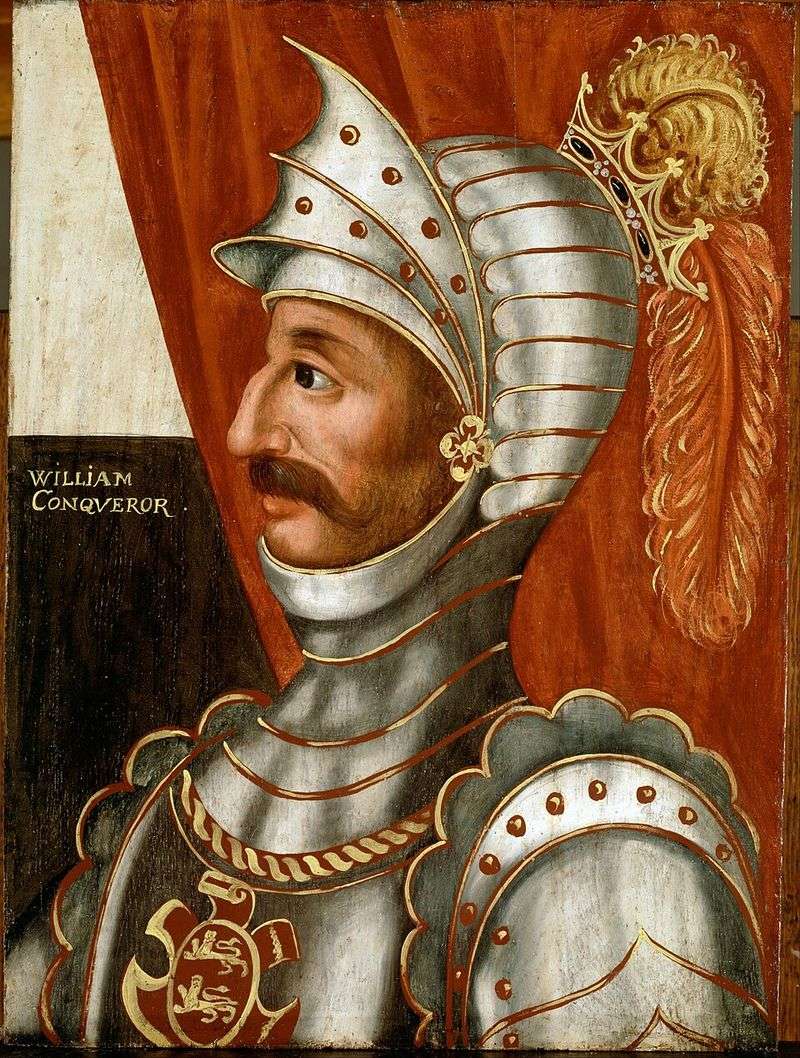
Winning the Battle of Hastings in 1066 gave William the Conqueror a claim to England’s throne, but it did not hand him actual control of the country. Territory still had to be held, and castles were the primary tool for doing that.
In 1068, William ordered a motte-and-bailey castle to be built at Warwick. The site was strategically valuable because of its central location and its position controlling a key section of the Fosse Way, one of Britain’s longest Roman roads.
The original structure was wooden, built around an artificial mound, and looked nothing like the stone fortress standing today.
William entrusted the castle to Henry de Beaumont, who became the first Earl of Warwick in 1088 and adopted the surname de Newburgh. Five of his descendants followed as earls.
Warwick Castle was not originally conceived as a residence or a showpiece. It was built as an instrument of Norman conquest and territorial control.
3. An Earl Failed to Prepare for an Attack and Was Kidnapped From His Own Castle
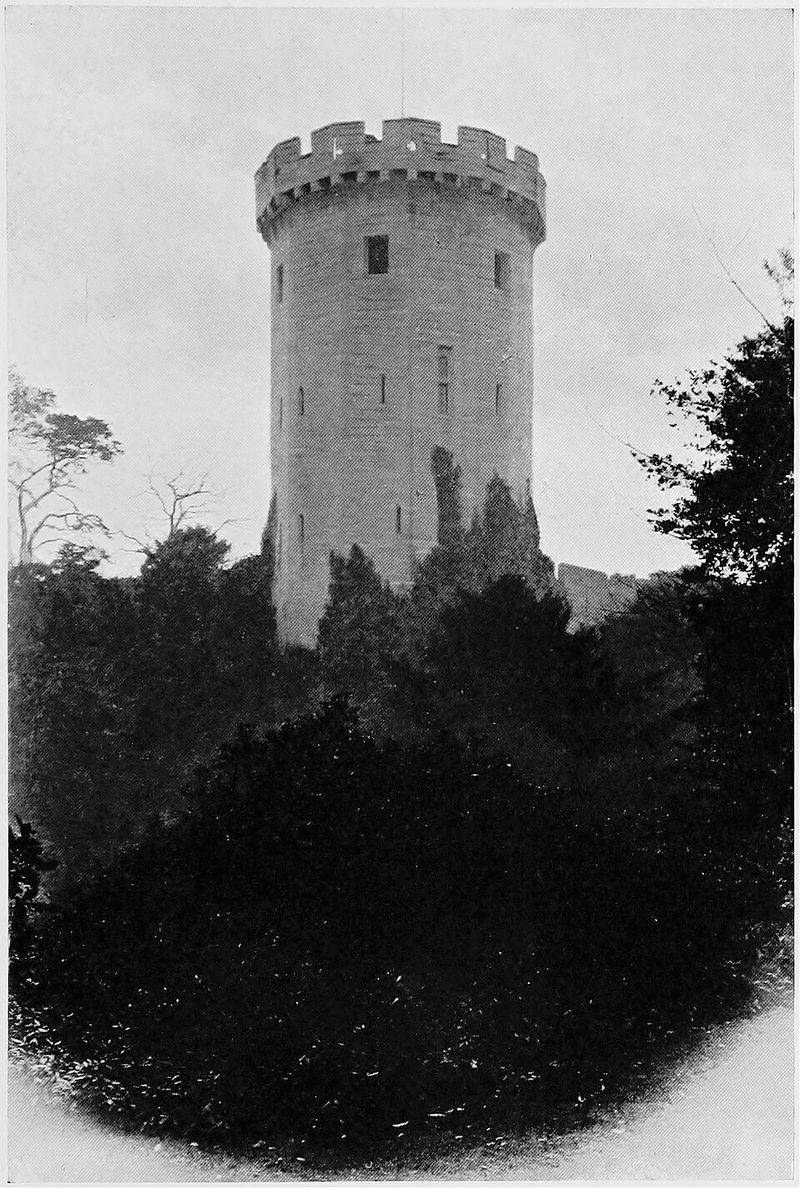
William Mauduit became Earl of Warwick in 1263, just as England was sliding into the Second Barons’ War. Siding with King Henry III during that conflict put him directly in the path of rebel forces based at nearby Kenilworth Castle.
According to chronicler John Rous, Mauduit did very little to strengthen Warwick’s defenses despite the obvious threat.
In 1264, John Giffard, governor of Kenilworth, launched an attack. The castle’s northeastern defenses were breached.
Mauduit and his wife were captured and taken as prisoners to Kenilworth, where they were held until a ransom of nineteen hundred marks was paid.
Castles exist in popular imagination as places where powerful lords imprisoned other people. Here, the Earl of Warwick became the prisoner, removed from his own inadequately defended home by a neighboring rival.
Upon William’s passing in 1268, the castle passed to his nephew, William de Beauchamp, beginning yet another chapter in the property’s complicated ownership history.
4. A Royal Favorite Was Brought Here and Condemned to Death
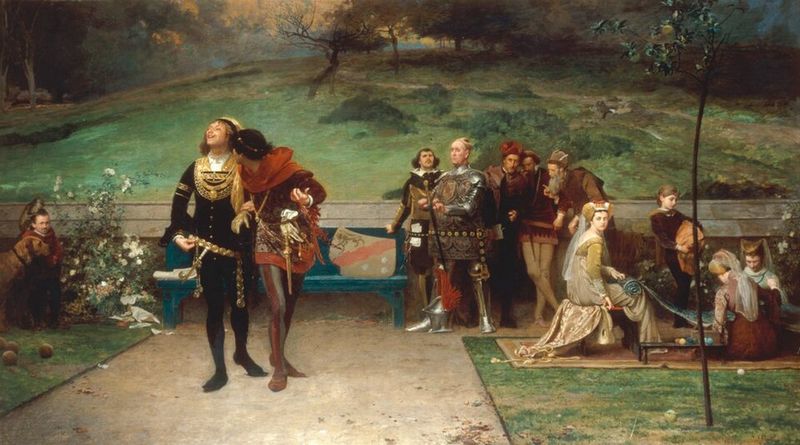
Piers Gaveston was one of the most polarizing figures in the court of Edward II. The king’s extraordinary attachment to the Gascon nobleman infuriated powerful English barons, none more so than Guy de Beauchamp, the 10th Earl of Warwick.
Gaveston surrendered to his enemies in 1312 after being promised that his life would be spared.
Those assurances proved worthless. Guy de Beauchamp captured Gaveston and brought him to Warwick Castle.
A group of magnates, led by the Earl of Warwick and Thomas, 2nd Earl of Lancaster, accused Gaveston of stealing royal treasure and condemned him in a proceeding held within the castle.
Gaveston was then taken from Warwick to Blacklow Hill, where he was beheaded on June 19, 1312. A man who had stood at the very center of royal power entered Warwick Castle as a prisoner and never left it alive.
The episode remains one of the most dramatic and consequential events in the castle’s long history.
5. Warwick’s Most Famous Earl Was Known as the Kingmaker
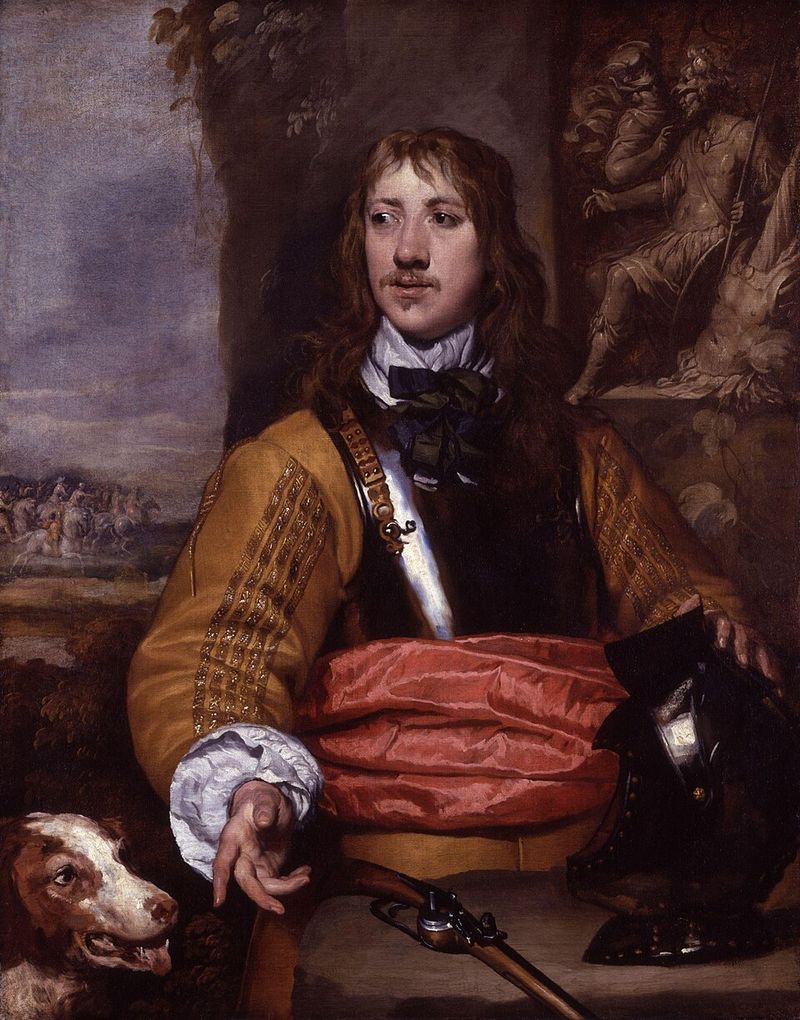
Richard Neville acquired the earldom of Warwick in the fifteenth century and accumulated political influence on a scale that few English nobles ever matched. History eventually gave him a nickname that required no further explanation: the Kingmaker.
During the Wars of the Roses, Neville helped the Yorkist Edward IV take the crown from Henry VI in 1461.
He later broke with Edward entirely and switched sides, backing the restoration of the deposed Lancastrian king Henry VI between 1470 and 1471. Richard Neville was a first cousin to both Edward IV and Richard III through his aunt, Cecily Neville, which made his political maneuvering all the more remarkable.
The gamble destroyed him. Edward IV returned to England and defeated Neville at the Battle of Barnet on April 14, 1471.
Warwick Castle then passed through a complicated series of hands. Richard III, who married Neville’s daughter Anne, also spent time at Warwick and made alterations to the buildings before his own reign ended violently.
6. Queen Elizabeth I Visited Warwick Castle
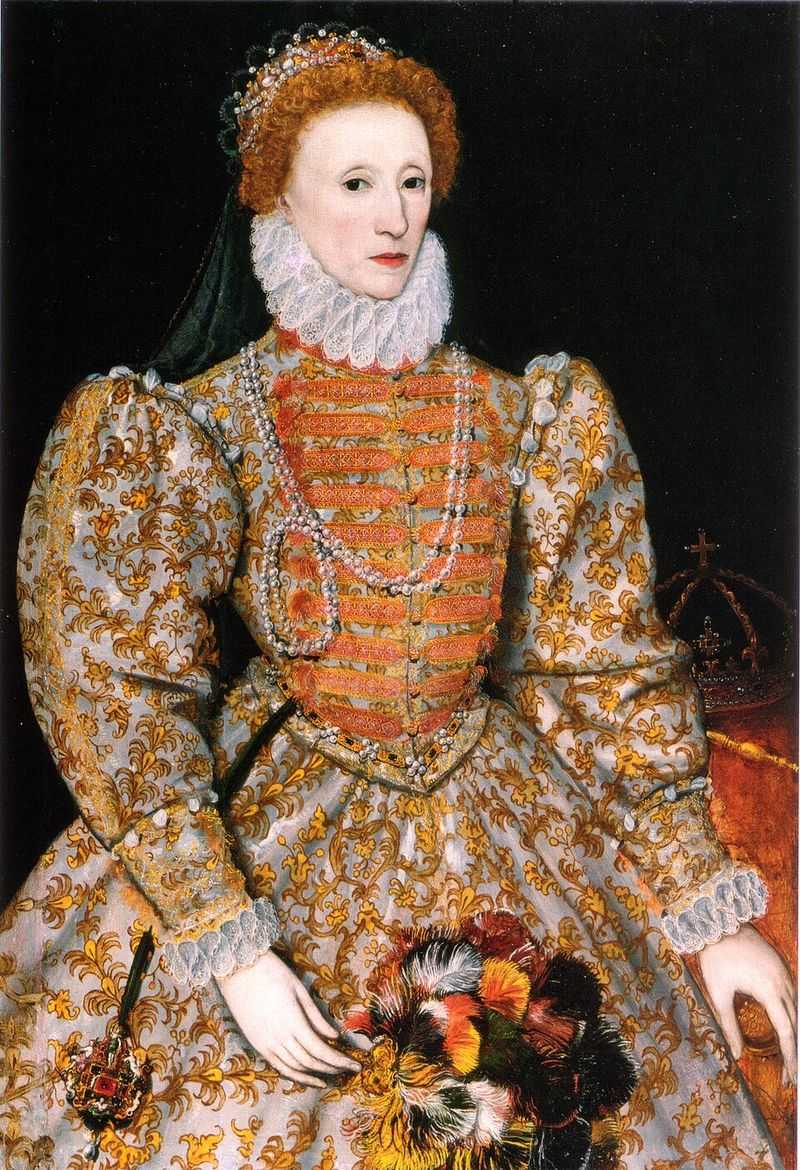
Warwick’s connection to Tudor politics was not limited to distant court intrigues. Queen Elizabeth I visited Warwick Castle in 1572 during a royal progress that also took her to nearby Kenilworth Castle.
A second visit had occurred in 1566. At the time, Warwick was associated with Ambrose Dudley, Earl of Warwick and brother of Robert Dudley, the queen’s well-known favorite.
A royal progress was a logistical undertaking of considerable complexity. The queen traveled with a large court, and hosting the monarch placed enormous financial and organizational demands on the receiving household.
Her 1572 arrival at Warwick reportedly came during a heavy downpour, with her carriage forced to detour around muddy roads.
The visits also reflected a complicated period in the castle’s ownership history. Warwick had repeatedly reverted to Crown control across the Tudor period, granted and recalled more than once.
When Ambrose Dudley passed away without a surviving heir in 1590, the castle returned to the Crown for yet another time.
7. One Owner Was Stabbed by His Own Servant
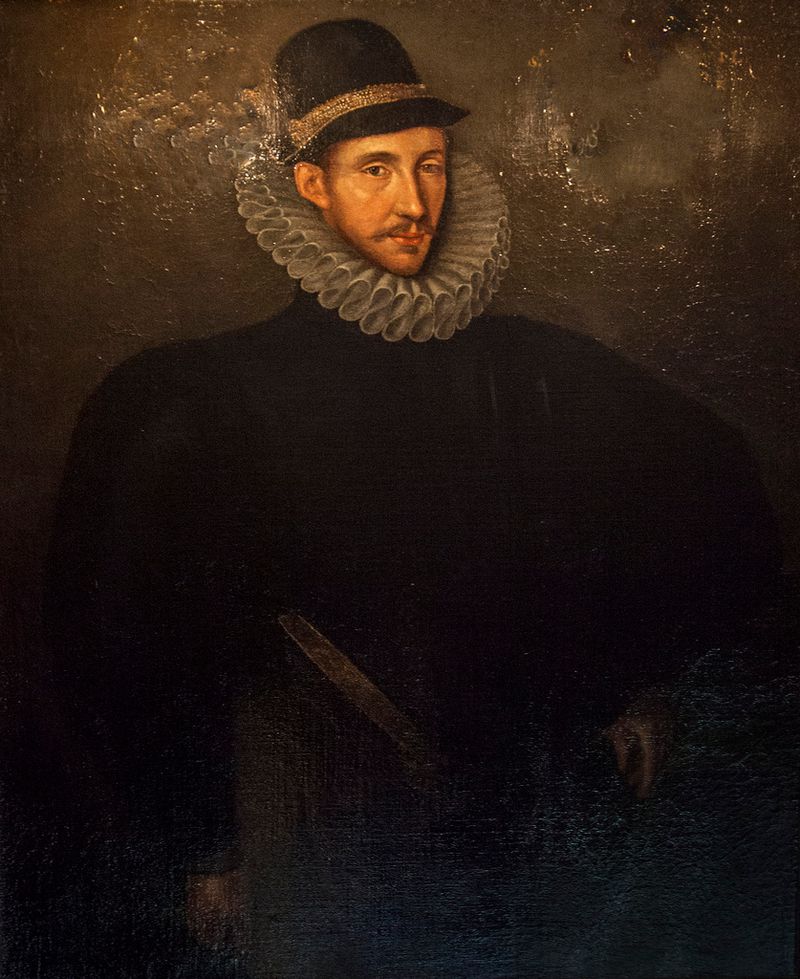
Sir Fulke Greville received Warwick Castle as a grant from James I in 1604 and invested heavily in restoring a property that had deteriorated significantly during the previous decades. His arrival at Warwick was relatively quiet.
His departure from life was anything but.
In 1628, Greville’s servant Ralph Haywood stabbed him following a dispute rooted in Haywood’s belief that he had been cheated in his master’s will. Greville did not pass away immediately.
He survived for weeks after the attack before succumbing to his wounds on September 30, 1628. Haywood took his own life using the same knife shortly after the attack.
Greville was buried at St Mary’s Church in Warwick, where his tomb can still be visited today. His epitaph identifies him as servant to Queen Elizabeth, counselor to King James, and friend to Sir Philip Sidney.
The story later became the foundation for persistent ghost legends at the castle, though the underlying event is thoroughly documented history rather than folklore.
8. One Tower Was Basically a Medieval Status Ladder
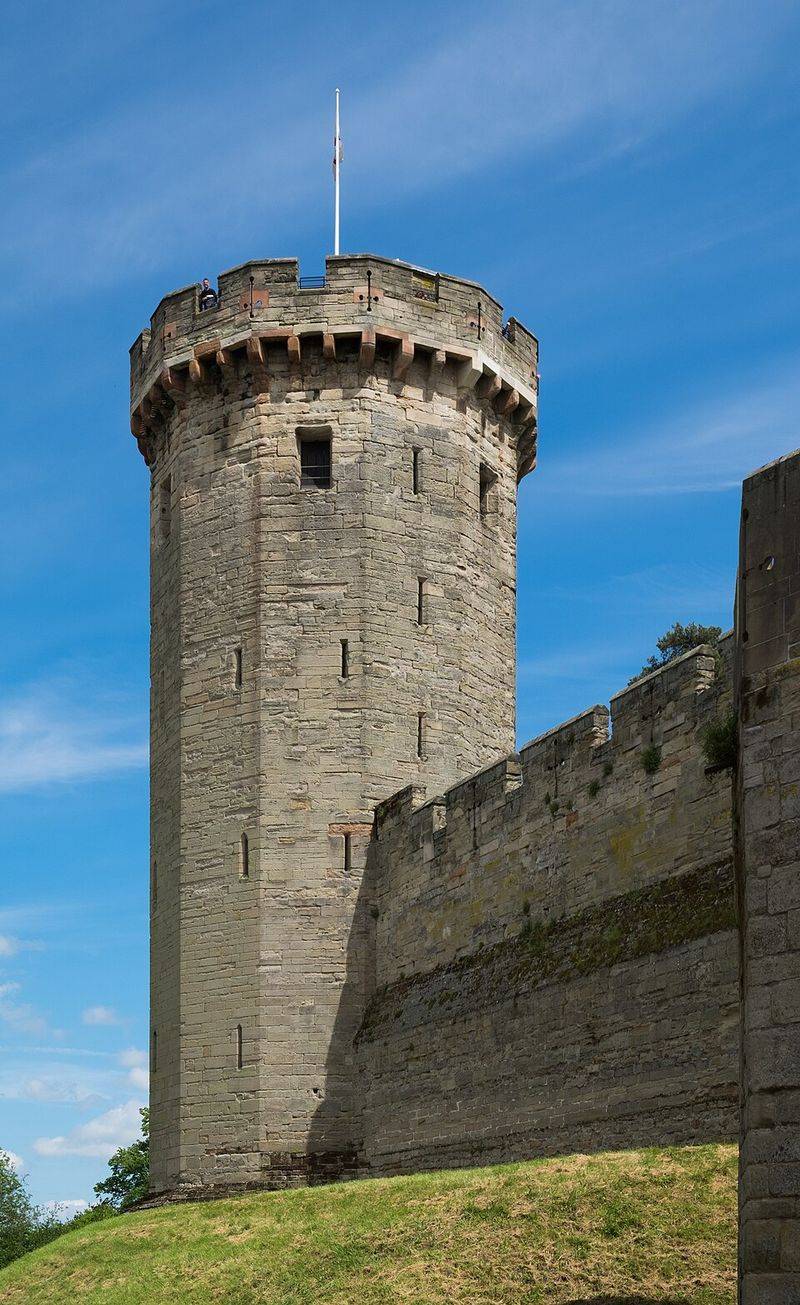
Guy’s Tower at Warwick Castle rises approximately 29 meters and was constructed during the fourteenth century. Most visitors admire it from the outside.
The more interesting story is what happened on the inside, specifically how the tower’s floors were allocated to guests.
According to the castle’s own historical accounts, important visitors were housed within Guy’s Tower, and the higher a guest’s social rank, the higher they were placed in the building. Social hierarchy was literally expressed through altitude.
The most prestigious guests climbed the most stairs.
The tower’s relationship to height gets stranger. Guy’s Tower appears to be Warwick’s tallest structure from certain viewpoints, but Caesar’s Tower, which begins at a lower ground level, actually rises to approximately 40 meters overall.
Caesar’s Tower is also one of only two quatrefoil towers remaining in England. Modern hotels use room categories and floor designations to signal guest status.
Medieval Warwick used staircases and stone walls to communicate the same message with considerably less subtlety.
9. Attackers Below the Walls Could Have Sewage Thrown at Them
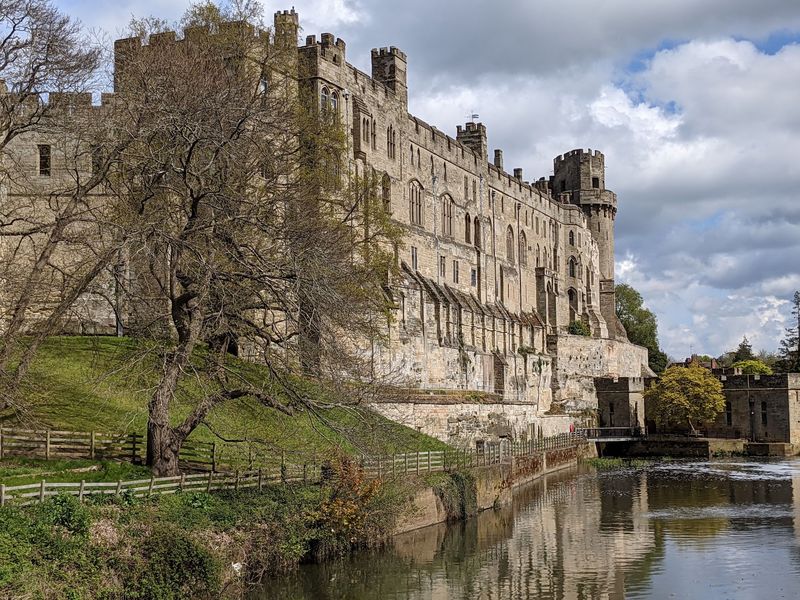
The polished State Rooms and carefully restored interiors of Warwick Castle make it easy to forget the building’s original function. Every design feature of a medieval castle was intended to make attacking it as difficult and unpleasant as possible, and Warwick was no exception.
The castle’s position on a natural hill above the River Avon already created serious problems for any approaching army. Troops could exhaust themselves simply reaching the walls, and the terrain made deploying heavy siege equipment significantly harder.
Arrow openings in the walls allowed defenders to fire at attackers while remaining partially sheltered.
Warwick Castle’s own descriptions of its ramparts note that sewage could be thrown down onto attackers attempting to breach the walls below. Medieval siege defense was not a clean or genteel business.
For any force attempting to storm the castle, reaching the base of the walls was not the end of the challenge. Getting past the defenders standing above them was an entirely separate problem.
10. An Earl Went Bankrupt and Eventually Opened the Castle to Tourists
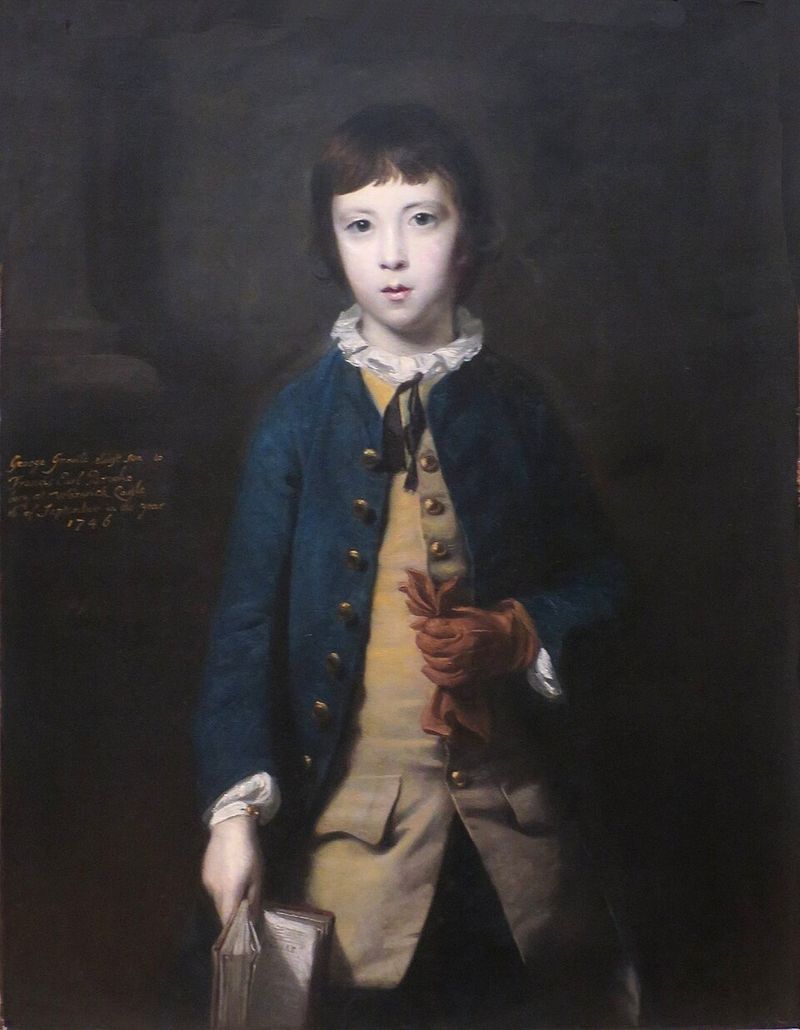
George Greville, 2nd Earl of Warwick, discovered the financial reality of maintaining a medieval castle with particular severity. He declared bankruptcy in 1803 and was forced to sell portions of the family’s outlying estates to manage the resulting debts.
The castle itself, however, presented an opportunity that sounds remarkably contemporary.
In 1815, Warwick Castle was opened to paying tourists as a way of generating income to offset the property’s enormous running costs. Visitors were arriving at the castle more than two centuries ago, long before heritage tourism became the organized industry it is today.
By 1900, the castle already operated a ticket office and employed a permanent guide for visitors.
The decision marks a significant turning point in the history of great British houses and estates. A fortification that had once served medieval nobles as a seat of military and political power was now justifying its maintenance costs by welcoming the public through its gates.
Warwick’s transition from private aristocratic residence to visitor attraction had officially begun.
11. A Huge Fire Tore Through the Castle in 1871
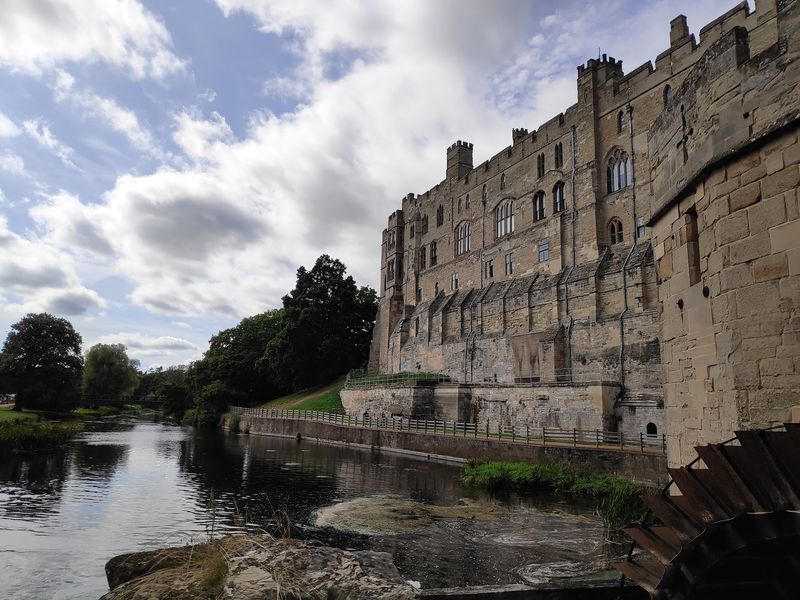
By the nineteenth century, Warwick Castle had outlasted sieges, civil conflict, political upheaval, and centuries of shifting ownership. The threat that came closest to devastating its grandest interiors arrived not from outside the walls but from within them.
On Sunday, December 3, 1871, a major fire broke out in Lady Warwick’s apartments, located east of the Great Hall. The blaze spread and caused serious structural damage, including the collapse of the roof.
A public restoration fund was established to finance the rebuilding effort, and reconstruction work continued between 1872 and 1875. The fire was later determined to have been deliberately started by an under-butler who had stolen valuables and set the blaze to conceal the theft.
The Great Hall that visitors walk through today reflects that post-fire restoration rather than its medieval original. The earlier version had featured a central fire with a roof opening to release smoke, a detail that later generations had already replaced before 1871 forced another complete rebuilding of the space.
12. One Earl Tried to Become a Hollywood Actor
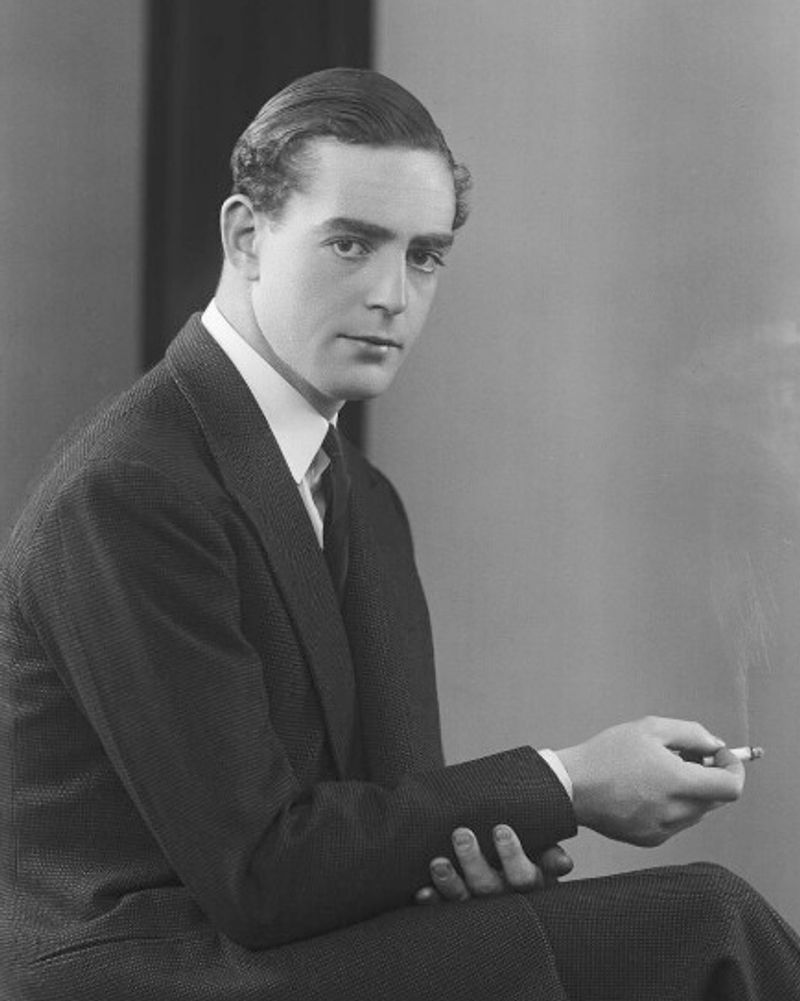
Charles Guy Greville, the 7th Earl of Warwick, inherited a family lineage packed with soldiers, politicians, and courtiers who had shaped English history across several centuries. He took a notably different path before the earldom came to him, pursuing an acting career under the stage name Michael Brooke.
His most recognized screen appearance came in the 1938 film The Dawn Patrol, which starred Errol Flynn and David Niven. Warwick Castle’s official history is not especially generous in its assessment of his performance, describing it as wooden and noting that the film effectively ended his Hollywood ambitions.
He returned to England and to Warwick, but he brought one piece of cinema culture back with him. After returning to the castle, he had a cinema screen installed on the roof.
According to the castle, that screen is still there today. A medieval fortress with a forgotten rooftop cinema, installed by an aristocrat after a short and unsuccessful Hollywood career, qualifies as one of Warwick’s more unexpected twentieth-century footnotes.
13. Warwick Now Has a 22-Ton Medieval Siege Machine
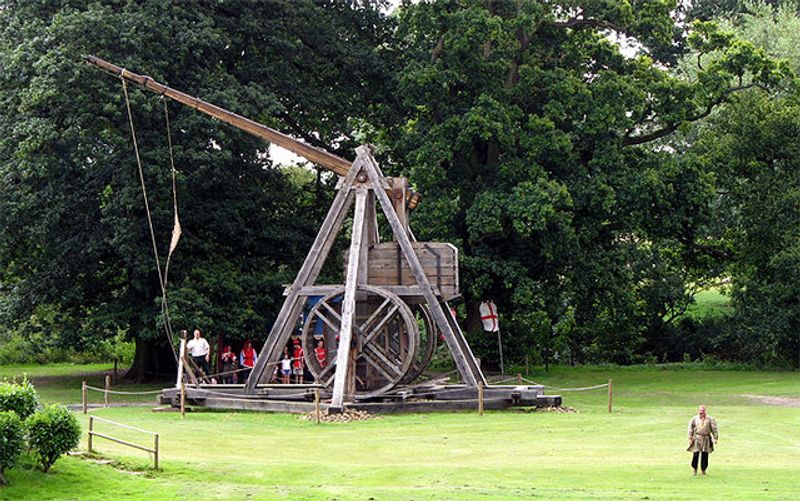
On the banks of the River Avon, beside a castle that has stood for more than nine centuries, there is a working recreation of a medieval trebuchet weighing approximately 22 tonnes and standing nearly 60 feet tall. Warwick describes it as Britain’s largest working siege machine.
The original version was built in 2005, and a replacement built to the same specifications was constructed between 2022 and 2023 after years of operational wear.
The machine operates on a counterweight system and can launch projectiles weighing up to 36 kilograms a distance of around 300 meters. It is capable of firing even heavier rounds under the right conditions.
During demonstrations, fireballs are often used as ammunition to make the projectiles easier to track across the lake.
Medieval trebuchets were historically used to hurl large stones at fortifications. Armies of that period also employed considerably less pleasant ammunition, including dead animals and manure, launched into besieged positions to spread disease among defenders.
The castle’s current machine is reserved strictly for controlled demonstrations, which is probably for the best.
Share this story