History remembers many leaders for their strategies, their policies, or their wars. But a smaller group of figures left a different kind of mark, one built on personality, presence, and the extraordinary ability to make people believe.
Charisma has toppled governments, launched revolutions, and held nations together during their worst moments. This list looks at 15 leaders across different centuries and continents who turned personal magnetism into genuine historical force, and ranks them by just how far that force reached.
1. Theodore Roosevelt
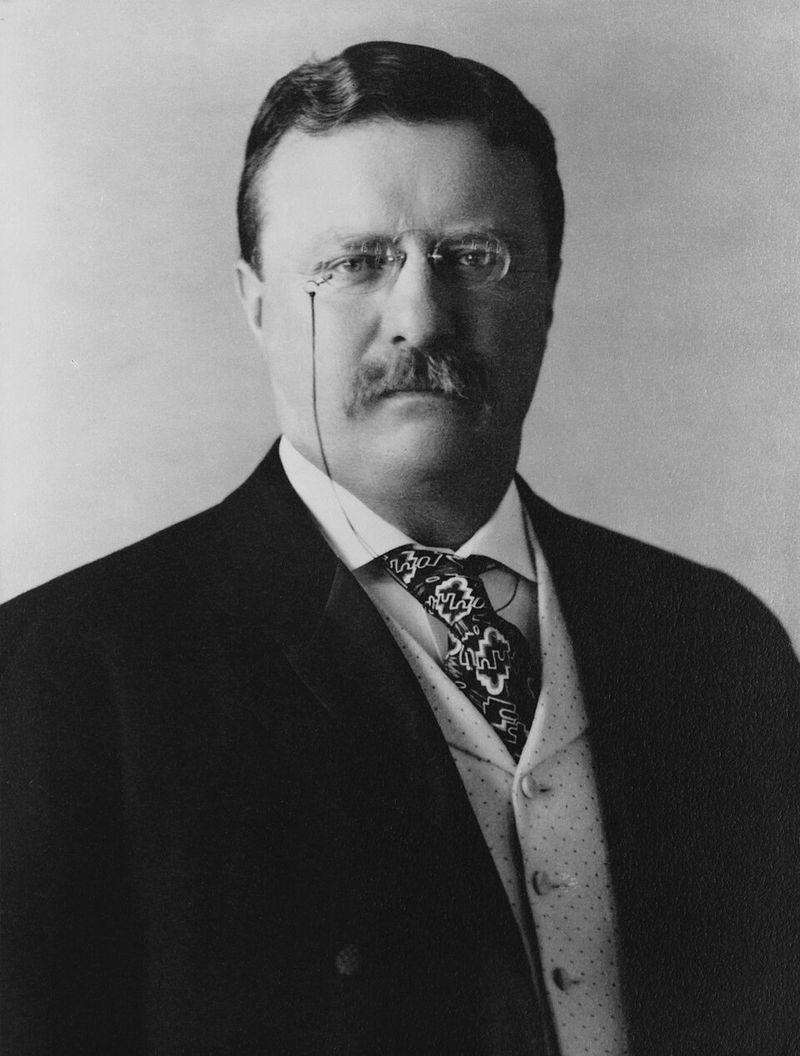
Not many politicians could claim to be a published author, a decorated soldier, a wildlife conservationist, and a boxing enthusiast all at once, but Theodore Roosevelt somehow made it look routine.
Before reaching the White House, Roosevelt had already served as a New York City police commissioner, a rancher in the Dakotas, and a colonel leading the Rough Riders during the Spanish-American War in 1898. His charge at San Juan Heights turned him into a national celebrity before he was even 40 years old.
As president, he used the office as what he called a “bully pulpit,” a platform for pushing public opinion on issues ranging from corporate monopolies to national parks.
Even after leaving the presidency, his pull remained strong enough to launch the Progressive Party in 1912 and mount a credible third-party presidential run.
2. Cleopatra VII
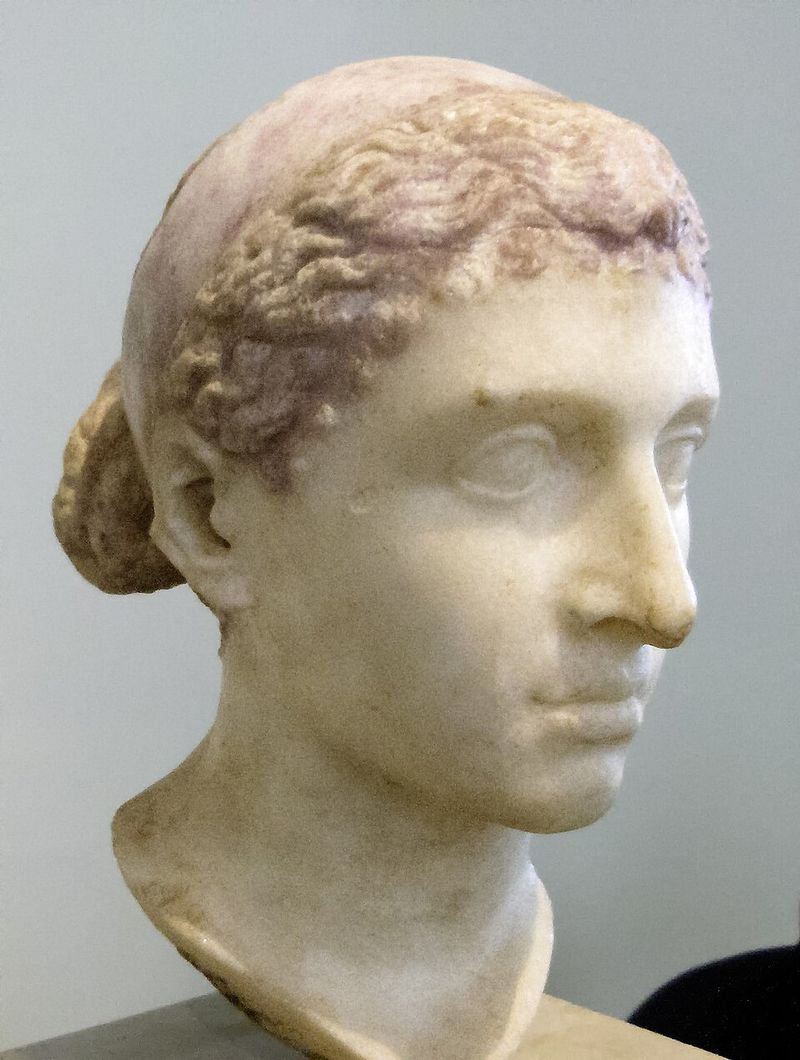
Two thousand years of myths, paintings, and films have made it genuinely difficult to see Cleopatra VII clearly, which is itself a testament to how powerful her reputation became.
Ancient sources describe a ruler who was highly educated, politically sharp, and fluent in multiple languages including Egyptian, Greek, and Latin. She governed Egypt during a period when Rome was steadily absorbing the Mediterranean world, and her alliances with Julius Caesar and Mark Antony were as much diplomatic strategy as personal connection.
Roman propaganda after her death worked hard to reduce her to a dangerous seductress, which ironically kept her name alive for centuries longer than most rulers of her era.
The fact that historians, filmmakers, and scholars are still arguing about who she really was, more than two millennia later, is its own kind of charisma.
3. Simon Bolivar
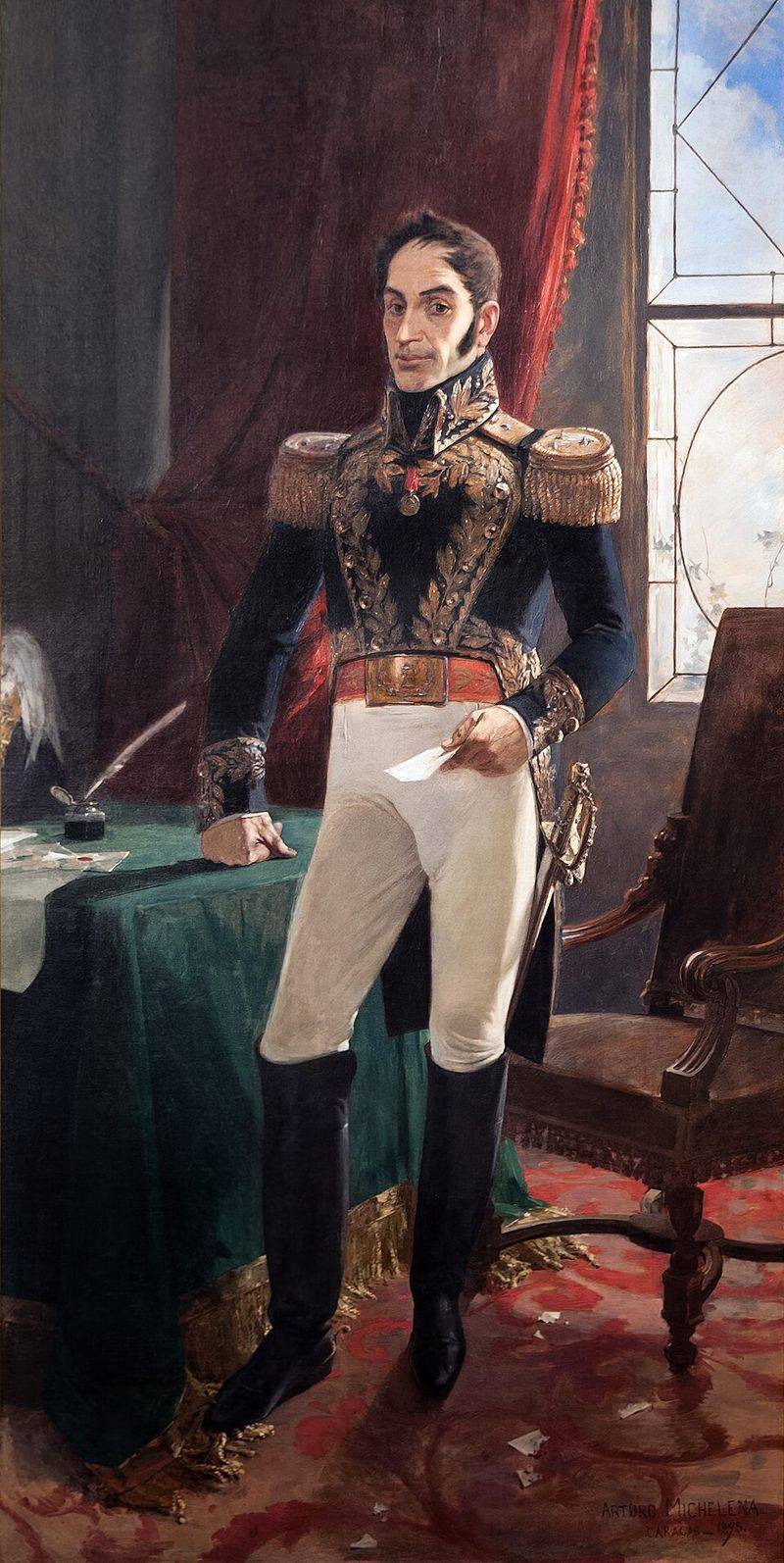
Earning the title El Libertador requires considerably more than battlefield success, and Simon Bolivar earned it through a combination of military persistence, political vision, and an ability to inspire loyalty through years of setbacks.
His campaigns helped liberate territories that became Venezuela, Colombia, Ecuador, Peru, Bolivia, and Panama from Spanish colonial rule. Bolivia was even named after him in 1825, a rare honor for a living person.
What made Bolivar particularly compelling was his ability to keep soldiers and supporters committed through defeats, exile, and internal disputes. His political writings, including the Cartagena Manifesto and the Letter from Jamaica, framed independence as a historical transformation rather than just a military conflict.
His dream of a unified Gran Colombia ultimately fell apart, but his name has continued to anchor political movements and national identities across South America for nearly two centuries.
4. Queen Elizabeth I
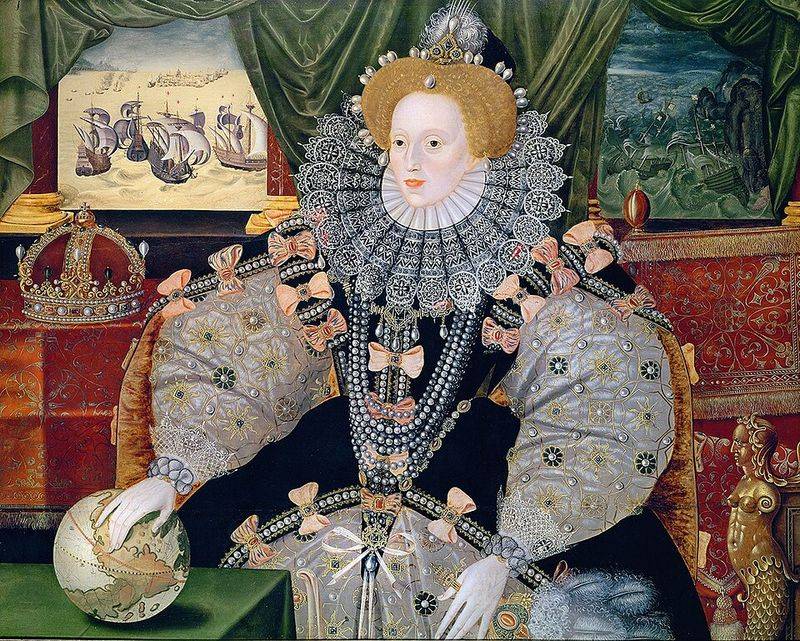
Elizabeth I approached the English throne in 1558 understanding something many rulers missed: public image was not decoration, it was governance.
She inherited a country divided by religion, short on funds, and uncertain about whether a queen could hold authority on her own terms. Her response was to build a carefully managed persona around ideas of strength, devotion to England, and what became known as the Virgin Queen identity, using her unmarried status as political leverage rather than a weakness.
Portraits, elaborate public progresses through the country, and theatrical ceremonies all reinforced the image of a monarch who was inseparable from the nation itself.
Her 1588 speech to troops at Tilbury during the Spanish Armada threat became one of the most quoted examples of royal leadership in English history, studied and referenced for centuries after her reign ended.
5. John F. Kennedy
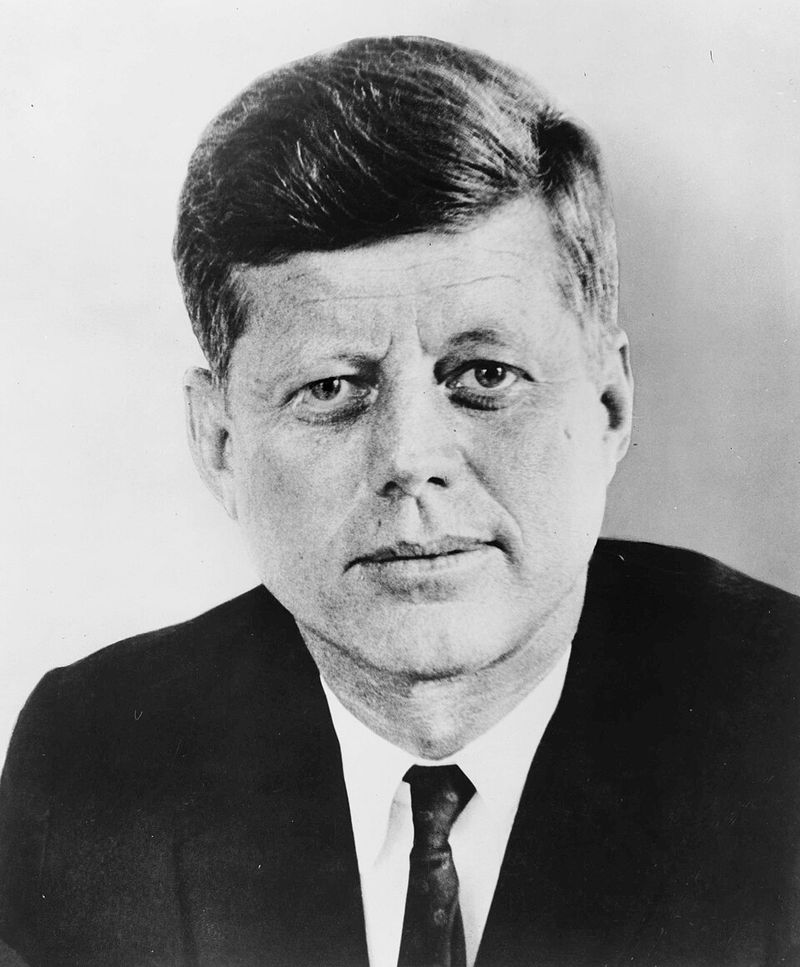
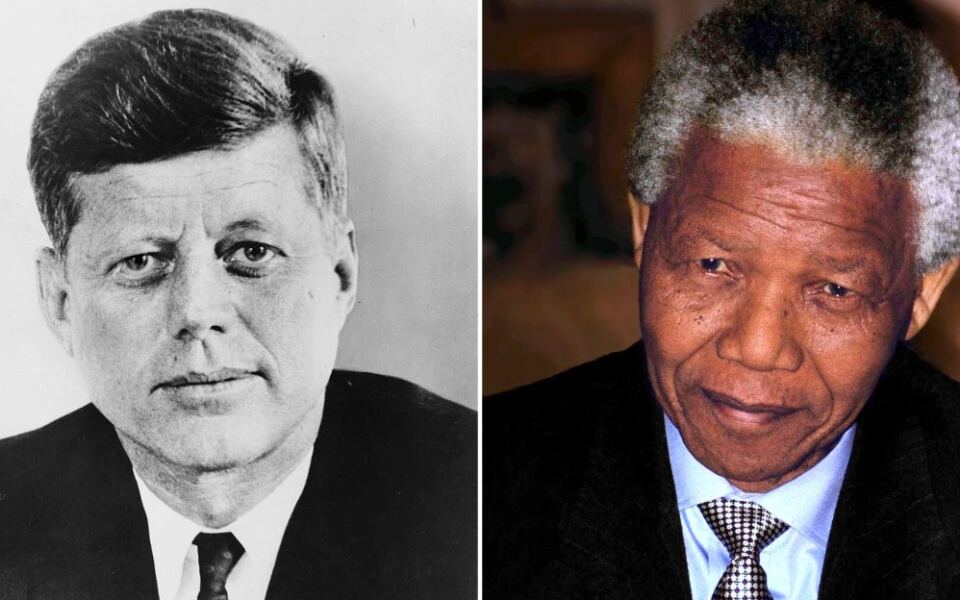
Kennedy’s presidency lasted just under three years, yet his hold on American political memory has outlasted administrations that ran far longer.
Youth was central to his appeal. When he entered the White House in January 1961, he represented a visible generational break from the older figures who had shaped postwar American politics.
His ease with television became politically significant almost immediately.
The 1960 presidential debates against Richard Nixon demonstrated how much the medium now mattered. Kennedy appeared composed and confident on screen, setting a template that future candidates would study for decades.
His inaugural address, with its call to ask what you could do for your country rather than what your country could do for you, became one of the most quoted passages in American political speech.
His historical record remains contested, but his ability to embody a political moment was genuinely rare.
6. Alexander the Great
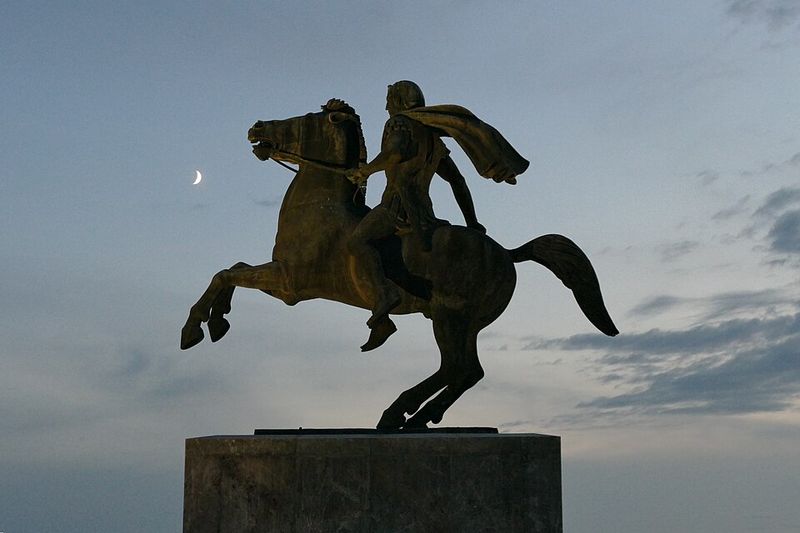
Becoming king at around 20 years old is unusual enough. Building an empire stretching from Greece and Egypt deep into Asia by age 32, while keeping your army willing to follow you across thousands of miles, is something else entirely.
Alexander cultivated loyalty through visible personal courage. Ancient accounts consistently describe him leading charges, sustaining wounds, and enduring the same difficult conditions as his troops rather than commanding from a safe distance.
He also carefully constructed an image that connected him to heroic and divine figures, incorporating elements from Persian, Egyptian, and other cultures as he conquered them.
His advance finally stopped in 326 BC when exhausted troops refused to march further into India. Even Alexander’s extraordinary authority had geographic limits.
Stories about him spread across cultures and languages almost immediately after his death, producing one of history’s most durable mythological legacies.
7. Franklin D. Roosevelt
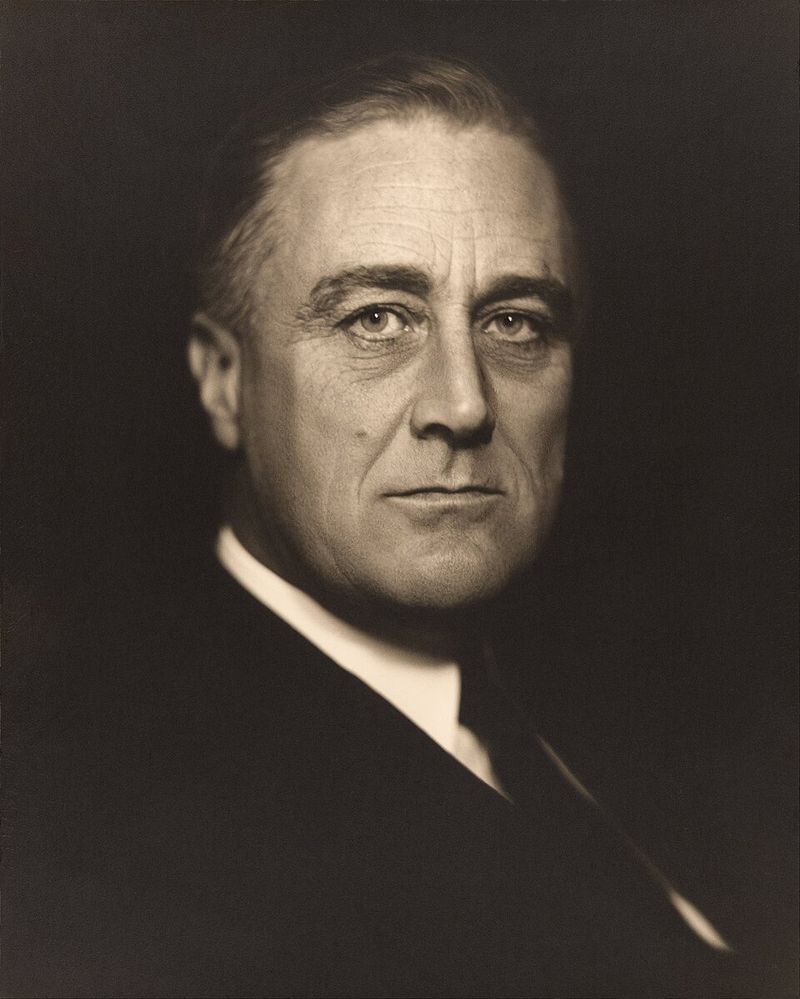
Roosevelt’s most powerful political tool was not a speech from a grand stage. It was a radio broadcast delivered as if he were sitting in your living room.
His fireside chats, a series of 31 evening radio addresses delivered between 1933 and 1944, brought the president’s voice directly into American homes during the Great Depression and World War II. The tone was deliberate: conversational, reassuring, and designed to explain complex policies in accessible language.
Millions of Americans developed a personal connection to a president they had never met, which translated into extraordinary electoral results. Roosevelt won the presidency four times, a record no other American president has approached.
His policies generated fierce opposition as well as loyalty, and historians continue to debate their long-term effects. But his ability to make national crisis feel personally manageable through the power of his voice alone remains one of history’s more remarkable political achievements.
8. Nelson Mandela
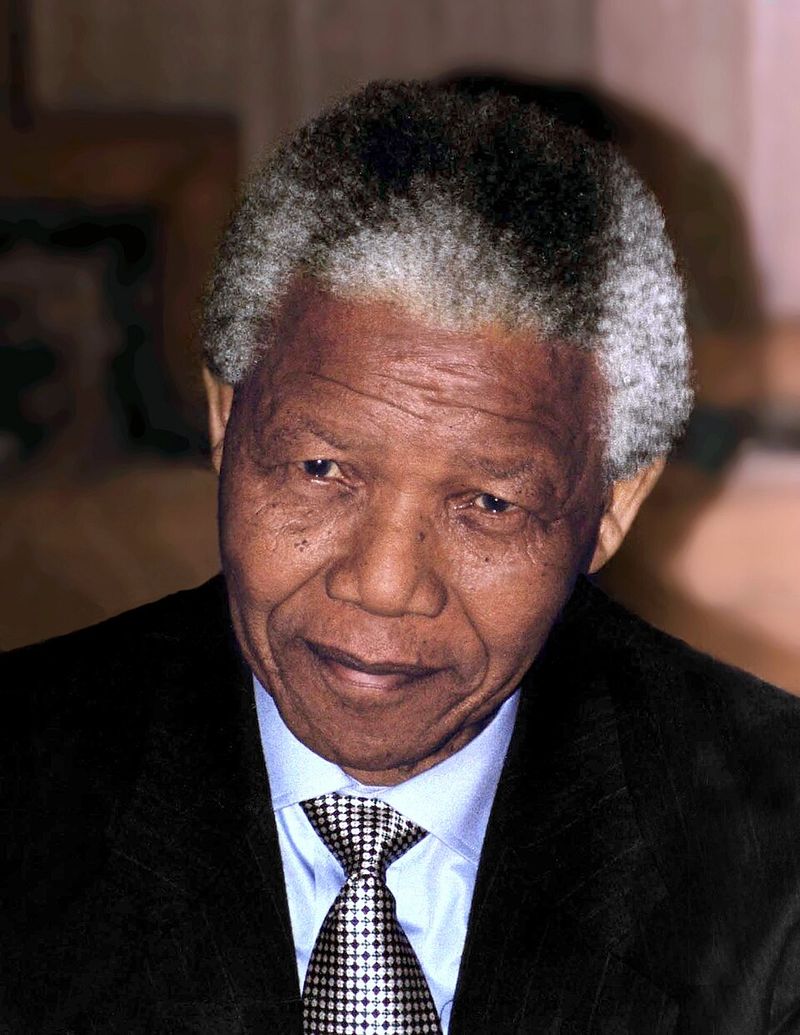
Most political figures need to be present to build their public following. Mandela built much of his global stature while locked away from public life for 27 years.
His imprisonment by South Africa’s apartheid government turned him into an international symbol of resistance, and when he was released in 1990, the expectations surrounding him were enormous. What followed was arguably more impressive than surviving imprisonment.
Mandela combined personal warmth with disciplined symbolic politics during a genuinely dangerous national transition. He negotiated with former adversaries, won the presidency in South Africa’s first multiracial democratic election in 1994, and publicly centered reconciliation over retaliation.
His appearance at the 1995 Rugby World Cup wearing the Springbok jersey, a symbol previously associated with white South Africa, became one of the most analyzed examples of political symbolism in modern history.
Few leaders have managed to inspire affection across such different audiences simultaneously.
9. Winston Churchill
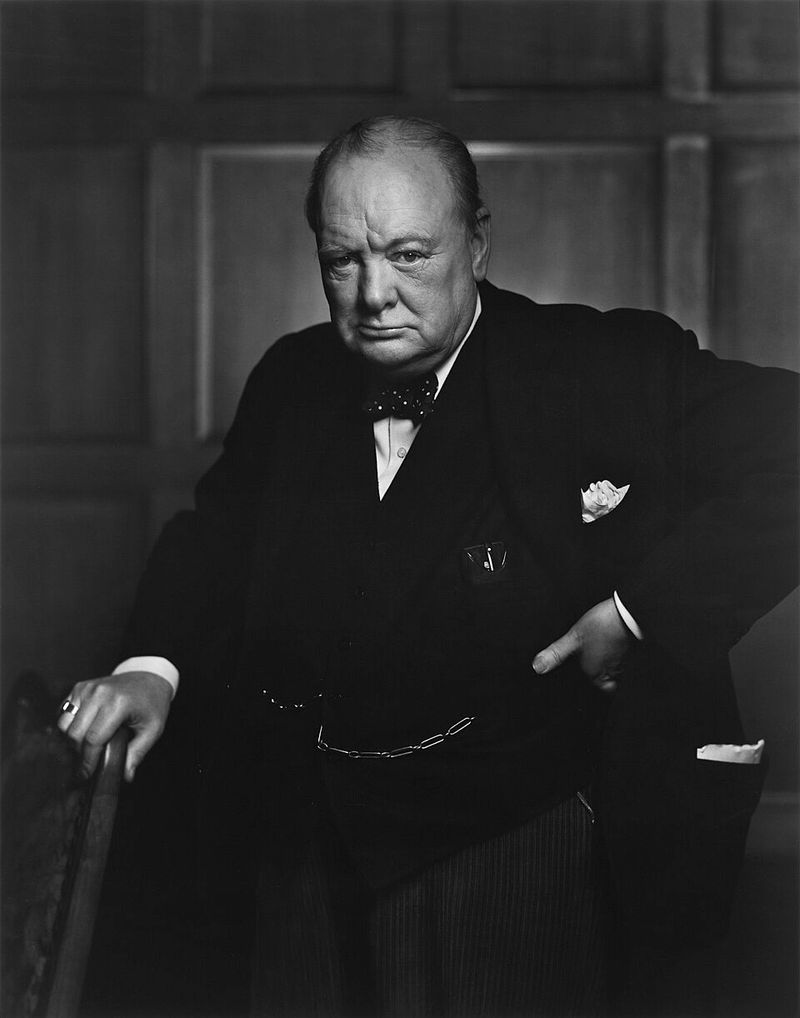
Churchill’s political career before 1940 included genuine triumphs, serious controversies, and years of relative isolation that left many observers doubtful about his judgment. Then Britain entered its most dangerous moment, and his particular skills suddenly fit the moment precisely.
As prime minister from May 1940, he delivered speeches that did not promise easy victories. They acknowledged the severity of the threat while framing resistance as both necessary and historically significant.
Phrases from his 1940 addresses, delivered as France fell and Britain faced Nazi Germany largely without major European allies, became part of British collective memory in ways that few political speeches achieve.
His public persona extended beyond words. The cigar, the V-sign, the visits to bomb-damaged neighborhoods, and the recognizable expression all contributed to an image of defiance that was carefully maintained and instantly readable.
His broader political career and imperial record remain subjects of serious historical debate.
10. Napoleon Bonaparte
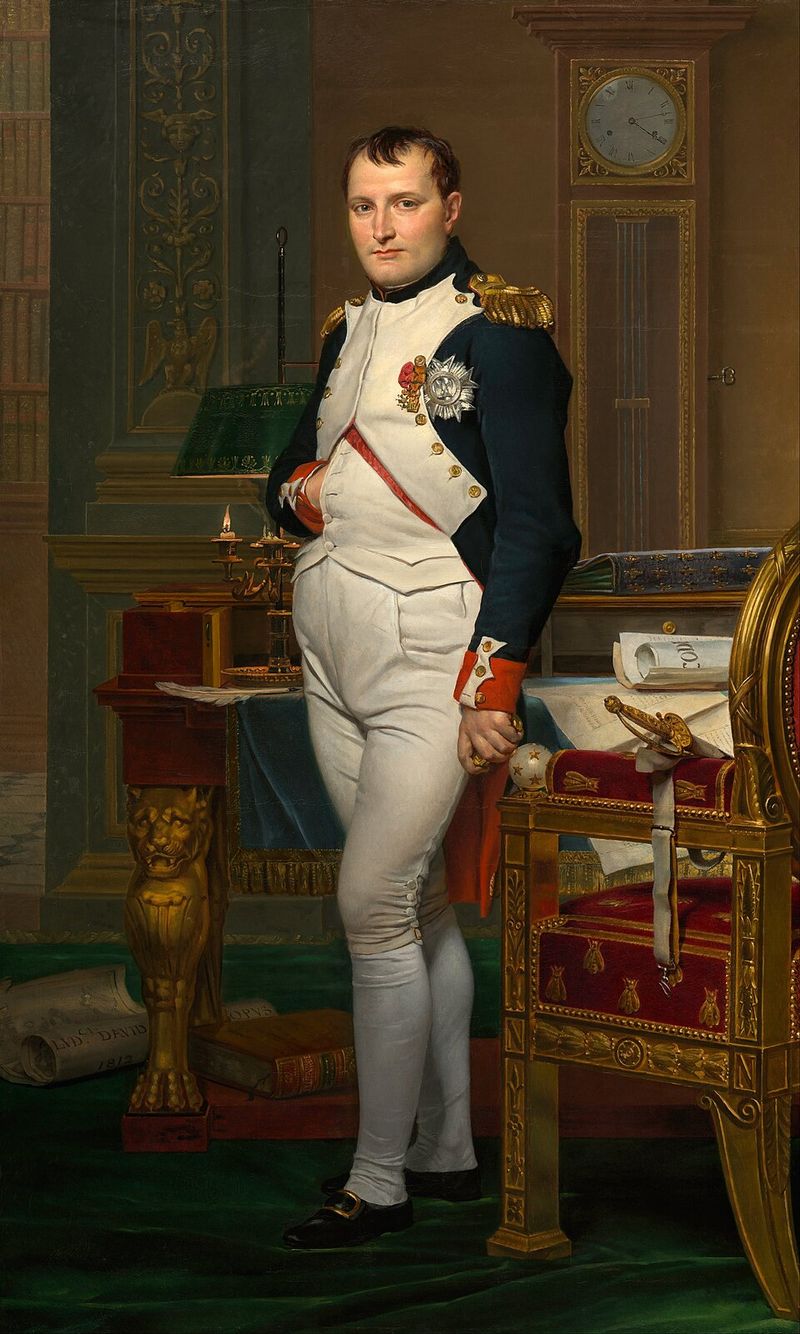
Napoleon grasped something that many military commanders missed: winning battles was only part of the work. Managing how those victories were understood, remembered, and celebrated was equally important.
His rise from artillery officer to general, First Consul, and Emperor was extraordinarily rapid. Along the way, he used bulletins, newspapers, paintings, and public ceremonies to shape his image as carefully as he shaped his battlefield tactics.
Soldiers developed a fierce personal attachment to him. He cultivated this through visible presence, remembered individual units, and linked their achievements to his own legend.
The clearest demonstration of his personal authority came in 1815. After escaping exile on Elba, he marched back toward Paris while troops were sent to stop him.
They joined him instead, and he entered the capital without military resistance.
His restored rule lasted only until Waterloo, but that episode alone revealed just how far pure personal authority could reach.
11. Julius Caesar
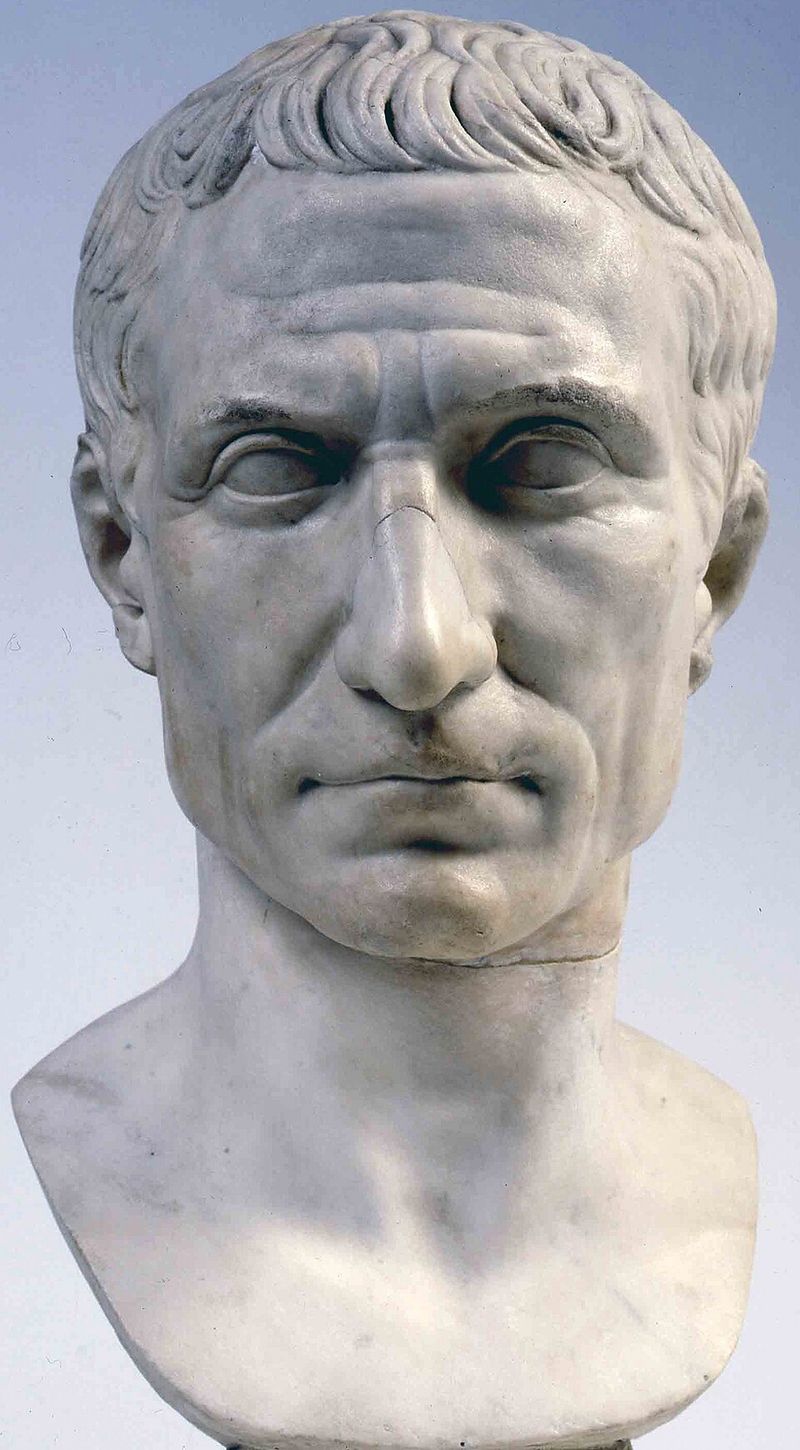
Caesar combined four qualities that rarely appear together: military authority, political instinct, literary skill, and a willingness to take audacious risks at moments that mattered.
During his campaigns in Gaul, he built fierce loyalty among his legions by sharing their dangers and rewarding their achievements generously. He simultaneously documented those campaigns in his Commentarii de Bello Gallico, written accounts that served as both historical record and carefully constructed propaganda.
Back in Rome, he navigated popular politics through public spectacles, strategic alliances, and calculated displays of clemency toward defeated opponents.
His decision to cross the Rubicon River in 49 BC with his army set off a civil war that ended the Roman Republic. He became dictator, accumulated power on a scale that alarmed the Roman elite, and was assassinated on the Ides of March in 44 BC.
His name eventually produced the titles Kaiser and Tsar, a remarkable linguistic legacy.
12. Martin Luther King Jr.
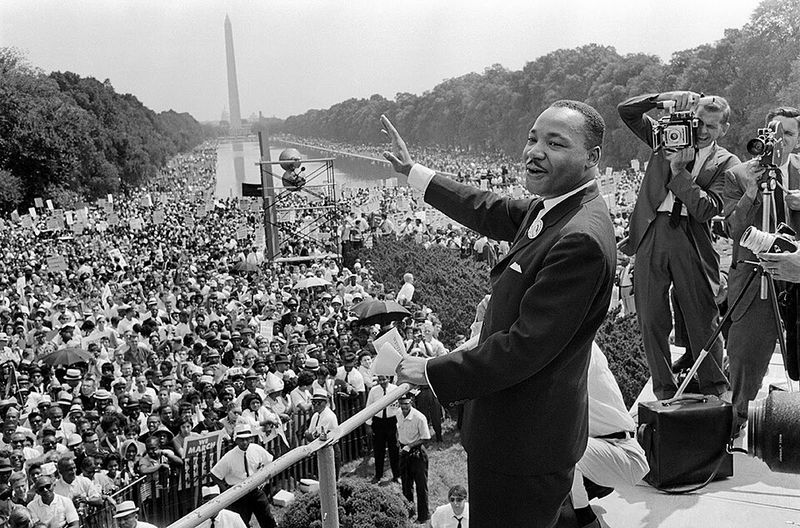
King’s oratory drew from multiple traditions simultaneously, combining the rhetorical power of the Black church with constitutional ideals, biblical imagery, and direct appeals to the country’s stated democratic values.
That combination made his speeches both emotionally forceful and intellectually coherent, accessible to audiences who had never engaged with activism before while also persuasive to those already familiar with the political arguments.
The 1963 March on Washington provided his most famous moment. His address from the steps of the Lincoln Memorial became one of the most analyzed speeches in American political history, but his influence was never limited to a single occasion.
King spoke, organized, traveled, endured imprisonment, and faced serious personal threats throughout a career focused on segregation and voting rights.
His particular gift was making a political cause feel both morally urgent and personally relevant to enormous, varied audiences, which is considerably harder than it sounds.
13. Joan of Arc
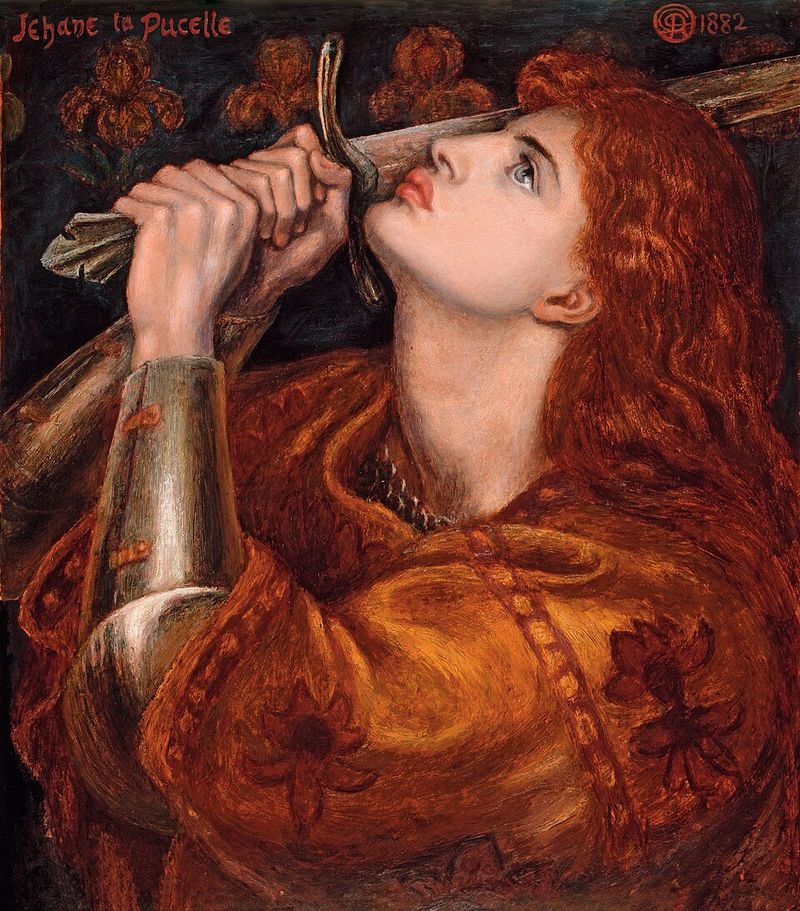
A teenage peasant girl convincing medieval military commanders to let her lead troops into battle is already remarkable. Succeeding, and becoming a national legend within a year of doing it, moves into genuinely extraordinary territory.
Joan of Arc emerged during the Hundred Years’ War claiming divine guidance, gained access to Charles VII against considerable odds, and became associated with the French military effort at a critical moment. Her presence at the lifting of the Siege of Orleans in 1429 transformed her reputation almost overnight.
Charles was eventually crowned at Reims, partly due to the momentum she helped generate. Her military career was brief; she was captured in 1430, tried for heresy, and burned at the stake in Rouen in 1431 at approximately 19 years old.
Her influence grew rather than faded after her death. Centuries later, her story became central to French national identity in ways that few historical figures from any country have managed.
14. Mahatma Gandhi
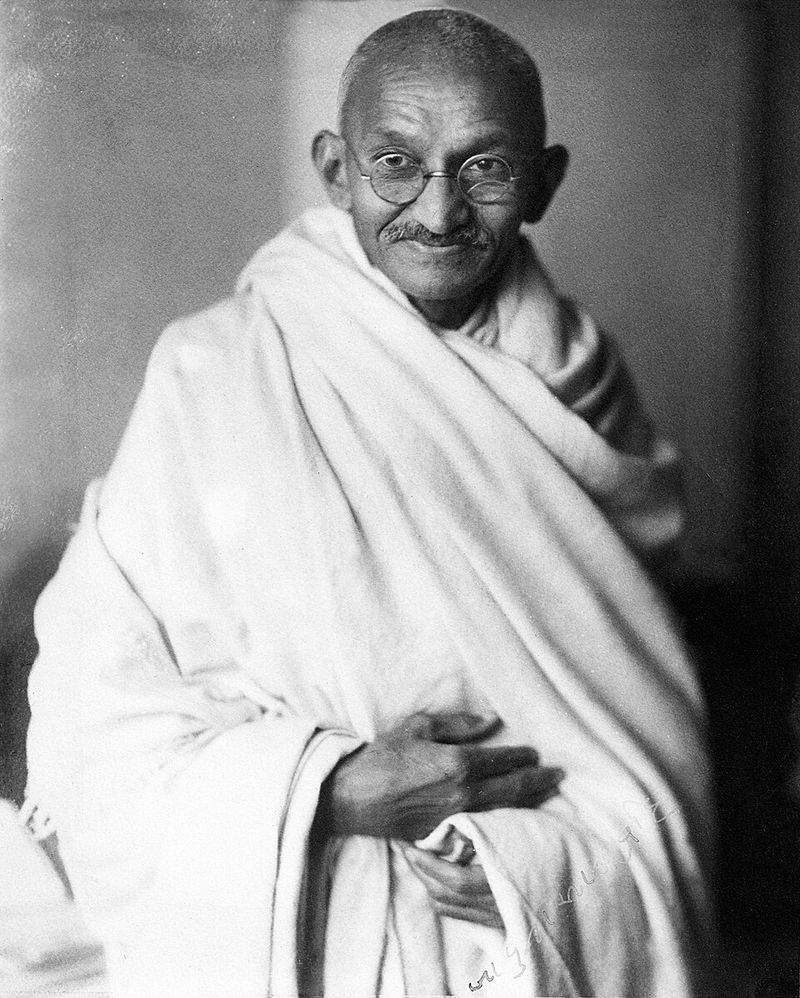
Gandhi built one of history’s most recognizable political identities out of deliberate simplicity, which was itself a sophisticated political choice in the context of India’s independence struggle against British colonial rule.
His simple clothing, public fasting, and commitment to nonviolent resistance, a practice he called Satyagraha, were not incidental personal habits. They were central to the political message that moral authority and disciplined collective action could challenge imperial power without replicating its methods.
The 1930 Salt March made this visible on a global scale. His 240-mile trek to protest the British salt monopoly drew thousands of participants and attracted international press attention, turning a specific act of civil disobedience into a widely understood political symbol.
Historians continue to examine controversial aspects of his views and decisions, and his legacy within India is genuinely complex. His methods, however, directly influenced civil rights movements far beyond his own country, including those led by King and Mandela.
15. Mustafa Kemal Ataturk
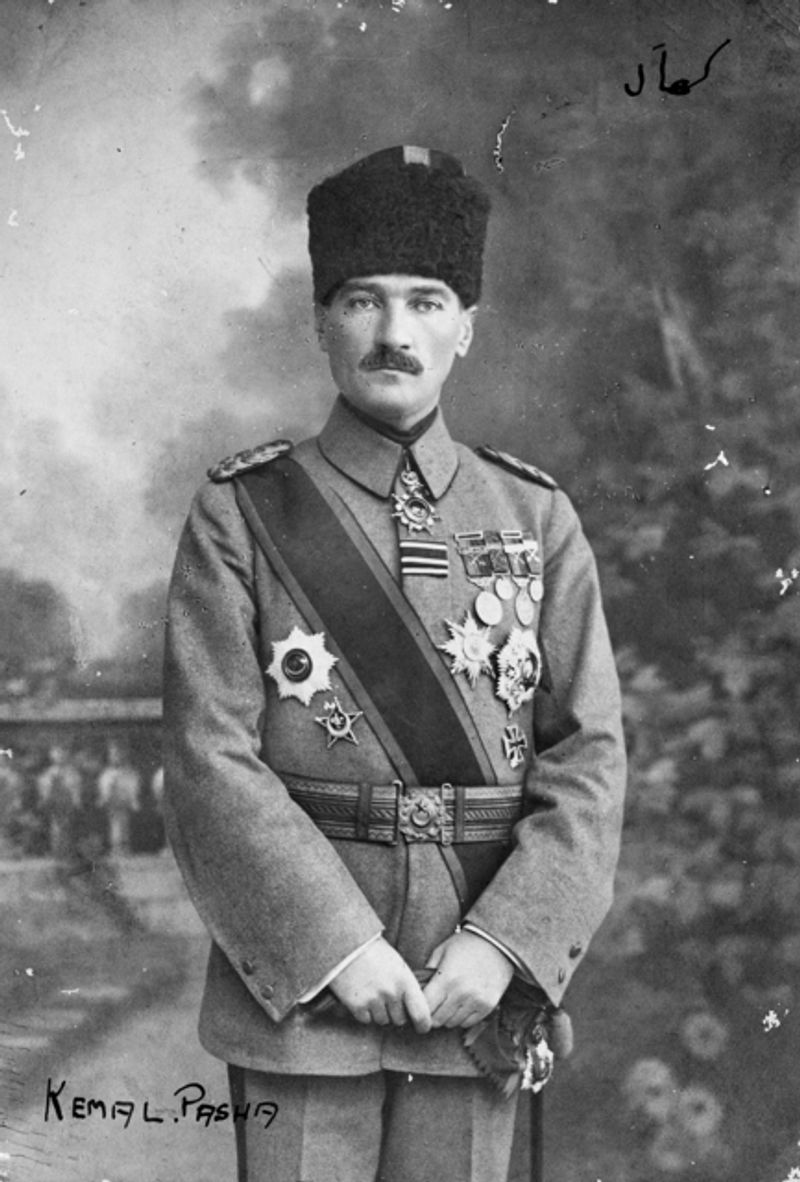
Building a new country from the remains of a collapsed empire requires a specific combination of military credibility, political vision, and personal authority. Mustafa Kemal Ataturk had all three, which is part of why he occupies the top position on this list.
Already recognized for his military leadership during the Gallipoli campaign in World War I, he led the Turkish National Movement through the Turkish War of Independence and helped establish the Republic of Turkey in 1923, becoming its first president.
What followed was a sweeping transformation. Ataturk replaced the Ottoman Turkish alphabet with a Latin-based system, restructured education and law, promoted secular governance, and expanded women’s political rights, all within a relatively short period.
His supporters regarded him as the embodiment of national independence and modernization. Aspects of his rule were authoritarian, and political opposition was tightly constrained.
His name, image, and speeches became so intertwined with Turkish national identity that they remain legally protected in Turkey today.
Share this story