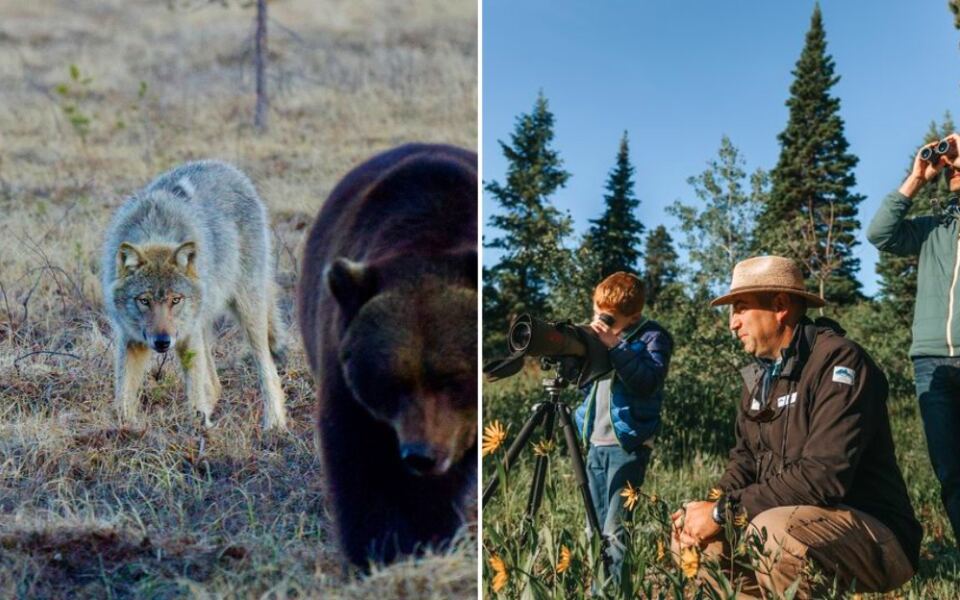
Wolves are one of the few wild animals that can stop a person completely in their tracks. Catching sight of a pack moving across a snow-covered valley, or finding fresh tracks pressed into frozen ground, is the kind of experience that stays with you for years.
Guided wolf-watching adventures exist all over the world, from the wide-open ranges of Wyoming and Montana to the ancient forests of Scandinavia and the mountain landscapes of southern Europe. Some tours use spotting scopes at dawn, others rely on wildlife hides, and a few even involve spending a night in the forest listening for howls.
What they all have in common is a genuine focus on wolves in their natural environment, led by guides who know the terrain and the animals well. This list covers 15 destinations where you can book exactly that kind of adventure.
1. Yellowstone Wolf Tracker, Gardiner, Montana
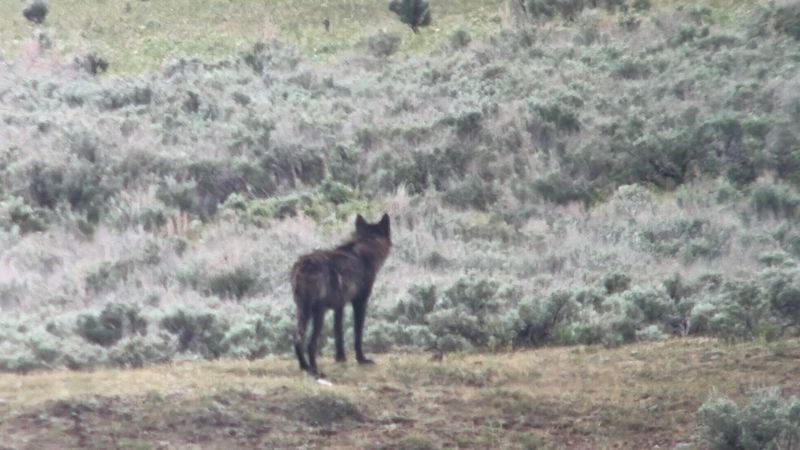
Founded by actual wolf biologists who worked on Yellowstone’s original wolf reintroduction project in the 1990s, this company brings a level of scientific credibility that few wildlife tours can match.
Outings begin before sunrise, when packs are most active across the Northern Range. Guides stay connected with a network of field trackers each day, giving guests a real advantage when locating animals.
High-quality spotting scopes are provided, and guides can record distant sightings so guests can revisit the moment later. Multi-day packages run in autumn, winter, and spring, each season offering different wolf behaviors to observe.
Autumn trips follow packs as they trail elk and bison herds. Winter outings often coincide with courtship activity, when howling is especially frequent across the valleys.
2. Yellowstone Wild Tours, Gardiner, Montana
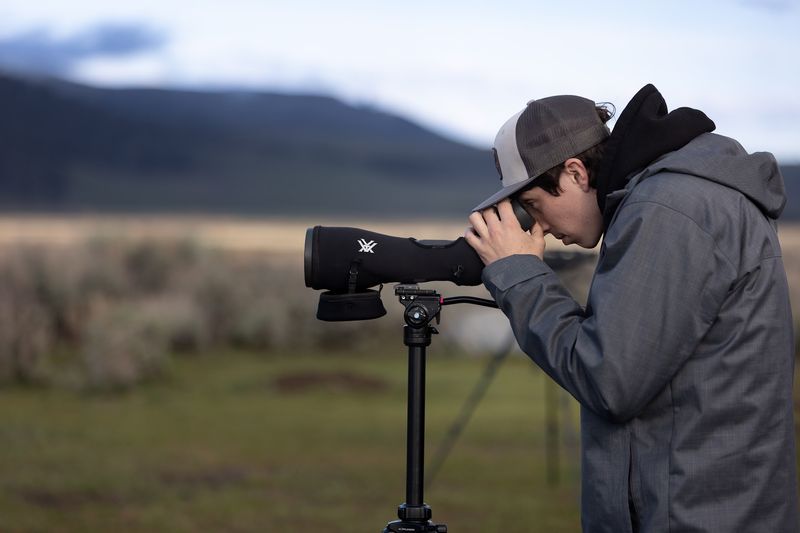
Winter is widely considered prime wolf season in Yellowstone, and this tour company has built its reputation entirely around that fact. Their wolf-focused winter excursions concentrate on the Northern Range and Lamar Valley, two areas consistently regarded as among the best wolf-watching terrain on the planet.
Every outing starts well before sunrise to catch peak wolf activity. Binoculars and spotting scopes are provided for every participant, turning distant specks on a hillside into recognizable animals with clear behavior to observe.
The multi-day “Wolves and Winter Wonders” package adds a private snowcoach journey to the Old Faithful region, covering geothermal features alongside the wildlife search. Evening sessions with local biologists give context to the day’s sightings.
Elk, bison, foxes, and river otters regularly appear on the same outings, keeping the experience varied even on slower wolf days.
3. BrushBuck Wildlife Tours, Jackson, Wyoming
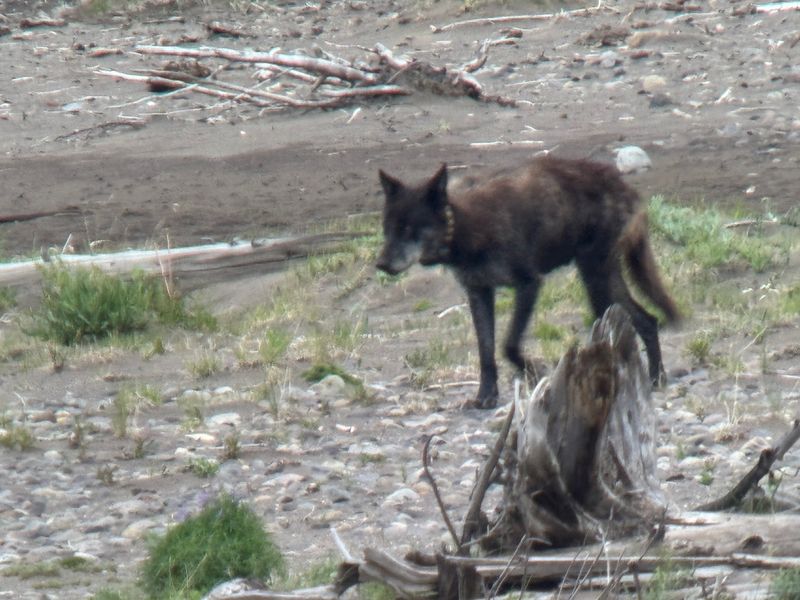
Owned and operated by military veterans, BrushBuck Wildlife Tours runs a four-day Yellowstone Winter Wolf Tour that starts in Bozeman and works its way through the park’s northern reaches, where wolf packs have roamed since their reintroduction in 1995.
Guides maintain close connections with National Park Service rangers, which gives the team reliable, current information on pack locations. Snow-covered terrain makes wolves noticeably easier to spot against the white landscape, and the guides know exactly where to look.
The itinerary includes more than wolf tracking. A horse-drawn sleigh ride through the National Elk Refuge, home to over 5,000 elk, is a standout addition.
A snowcoach excursion to Old Faithful and the Fountain Paint Pots rounds out the four-day experience.
Bison, coyotes, bighorn sheep, and foxes are regular sightings throughout the tour.
4. Yellowstone Safari Company, Bozeman, Montana
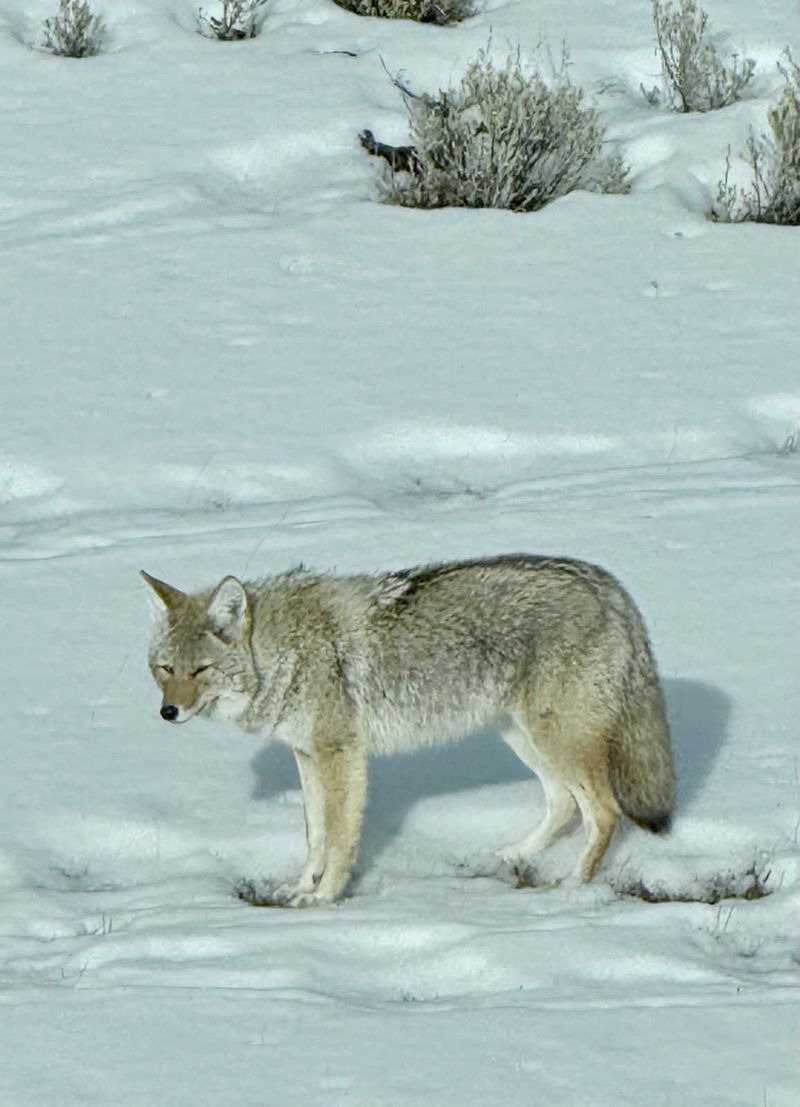
Based in Bozeman, Yellowstone Safari Company takes a broader approach to wildlife touring, treating wolf searches as part of a larger and equally rewarding ecosystem experience. Guides head toward Yellowstone’s northern wildlife corridors, where wolves, bears, bison, elk, and coyotes share the same landscape.
A morning spent glassing ridges for wolves can easily shift into extended observations of a bison herd or a hunting coyote, making the outing feel full regardless of what the wolves decide to do that day.
Guides bring deep knowledge of the park’s ecology, explaining predator-prey relationships and the geological forces that shaped the region. This interpretive approach turns every sighting, large or small, into a meaningful piece of the overall story.
Raptors, bighorn sheep, and pronghorn add further variety to the wildlife roster, keeping the experience consistently engaging throughout each excursion.
5. Wildlife Expeditions of Teton Science Schools, Jackson, Wyoming
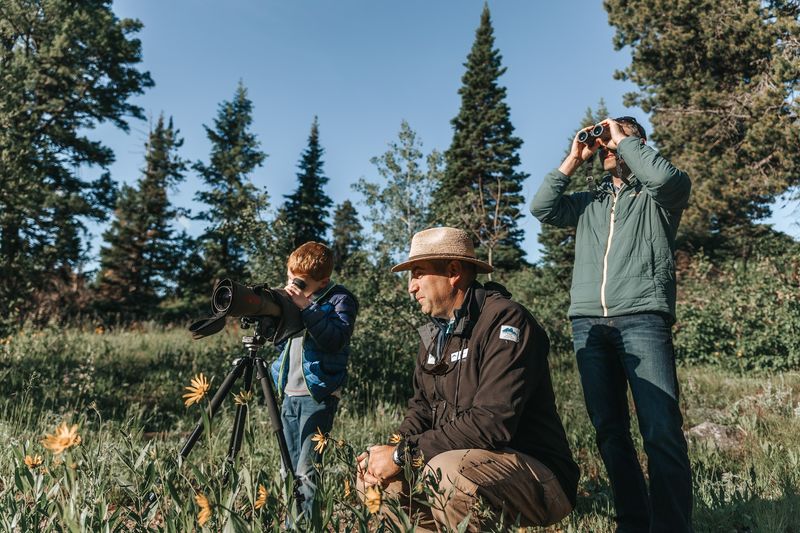
Running naturalist-led wildlife trips in the Greater Yellowstone Ecosystem since 1999, Wildlife Expeditions of Teton Science Schools brings a strong educational focus to every outing. Winter Grand Teton excursions specifically include wolves among the target species, alongside elk, moose, bighorn sheep, and birds of prey.
What separates these tours from a standard wildlife drive is the interpretation. Guides connect wolf behavior to the broader ecology of the region, weaving in geology and natural history so that even a distant track in the snow carries real meaning.
Participants are encouraged to look carefully at the landscape rather than simply waiting for an animal to appear. That active observational approach tends to make the experience more satisfying, whether or not a wolf steps into view.
The educational depth here appeals particularly to travelers who want to understand an ecosystem, not just photograph it.
6. Jackson Hole EcoTour Adventures, Jackson, Wyoming
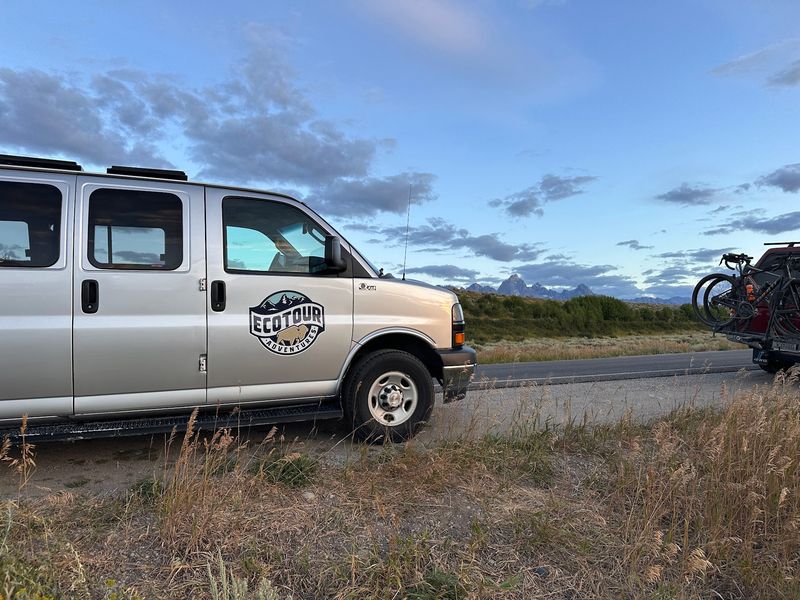
Winner of multiple Best of Jackson Hole awards, including Best Wildlife Tour Company and Best Eco-Friendly Business, this operator has earned its reputation through consistent, high-quality outings into the Greater Yellowstone Ecosystem. Wolves are a primary target, but moose, elk, bison, and coyotes fill out the wildlife list on most trips.
Tours run in customized safari vehicles fitted with roof hatch windows and sliding side windows, giving every guest an unobstructed view. Group sizes are capped at seven, and each participant receives binoculars and access to professional spotting scopes.
Guides often carry naturalist kits containing pelts, antlers, and skulls, plus iPads with interactive maps for a hands-on educational angle. The company donates 2.5 percent of all proceeds to local conservation groups.
Tours begin at sunrise for peak wildlife activity, and the snowy Teton backdrop in winter adds considerable visual drama to the experience.
7. Wildwatching Spain, Riaño, León, Spain
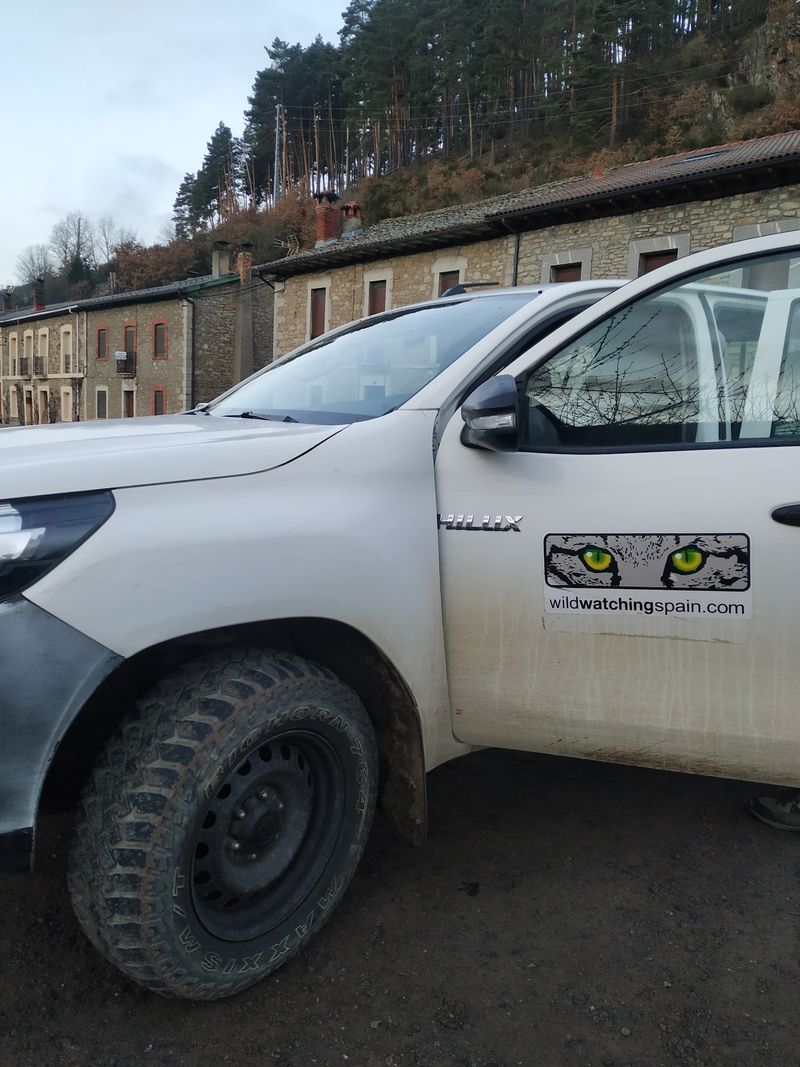
The Riaño Mountain range in northern Spain holds one of Europe’s highest concentrations of Iberian wolf packs, and Wildwatching Spain has built its entire program around that fact. Scheduled wolf weekends run with groups as small as four people, keeping the atmosphere quiet and deliberate rather than rushed.
Guides track local wolf family groups throughout the year, adjusting observation points based on seasonal movement. Two daily sessions, one in the morning and one in the afternoon, each run approximately four hours, with 4×4 vehicles and shared optical equipment provided.
August tends to be particularly productive, when family groups are often visible near denning areas while feeding their young. The surrounding landscape of rugged peaks, wooded slopes, and open viewpoints is classic wolf country by any measure.
Chamois, ibex, wild boar, red deer, and roe deer regularly appear during the same outings.
8. Llobu Ecoturismo, Villardeciervos, Zamora, Spain
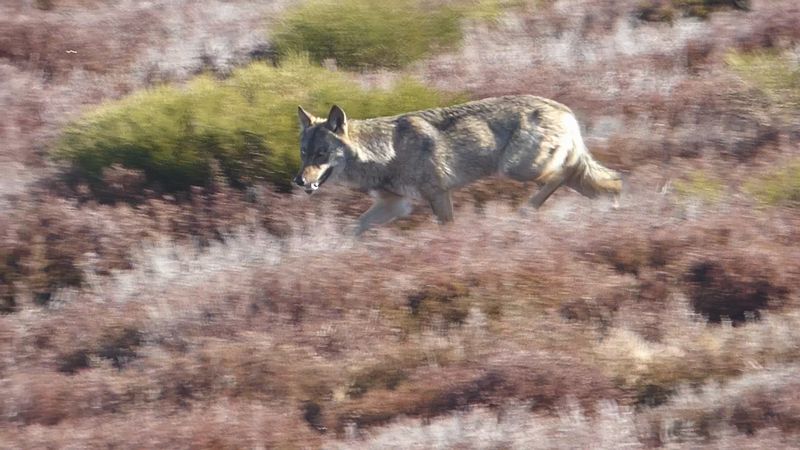
Sierra de la Culebra in Zamora is one of Spain’s most historically significant wolf landscapes, and Llobu Ecoturismo has made it their base for a style of wolf observation that prioritizes understanding over speed. The experience is built around patience and education rather than a guaranteed close-up sighting.
Guests learn to read wolf signs, including tracks, scent marks, and territorial indicators, turning the search itself into a rewarding activity. Quiet observation of distant ridges becomes less about waiting and more about actively understanding how wolves use the terrain.
Environmental education is woven throughout, covering wolf conservation history in Spain, the pressures the Iberian wolf faces, and the role it plays in the local ecosystem. Groups are kept small to preserve the calm, unhurried character of each outing.
The Zamora countryside provides an atmospheric and largely undisturbed backdrop for an experience that rewards attentive participants most.
9. WildSweden, Skinnskatteberg, Sweden
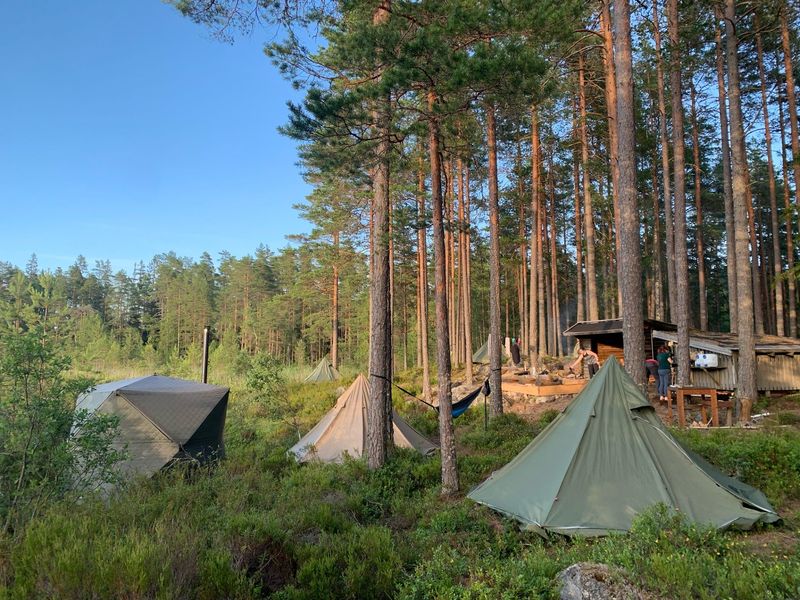
Central Sweden’s forests are home to a recovering wolf population, and WildSweden has designed multi-day itineraries specifically around tracking and listening for them. One standout option involves spending a night in wolf territory after dark, sitting quietly in the forest and waiting for howling to begin.
The “Wolf Howling Experience with Hammock Nights” takes that concept further, with guests wild camping for two nights in hammocks suspended between trees, far from roads and artificial light. Guides teach participants to read tracks and interpret signs of wolf movement through the forest.
Moose and beaver searches are built into the same itineraries, including quiet evening boat trips on an electric-motor craft. Group sizes are capped at seven guests, keeping the experience intimate and focused.
Direct wolf sightings are genuinely rare in Sweden’s dense forests, but the anticipation and the howling make the nights particularly memorable.
10. Wildlife Adventures, Pescasseroli, Abruzzo, Italy
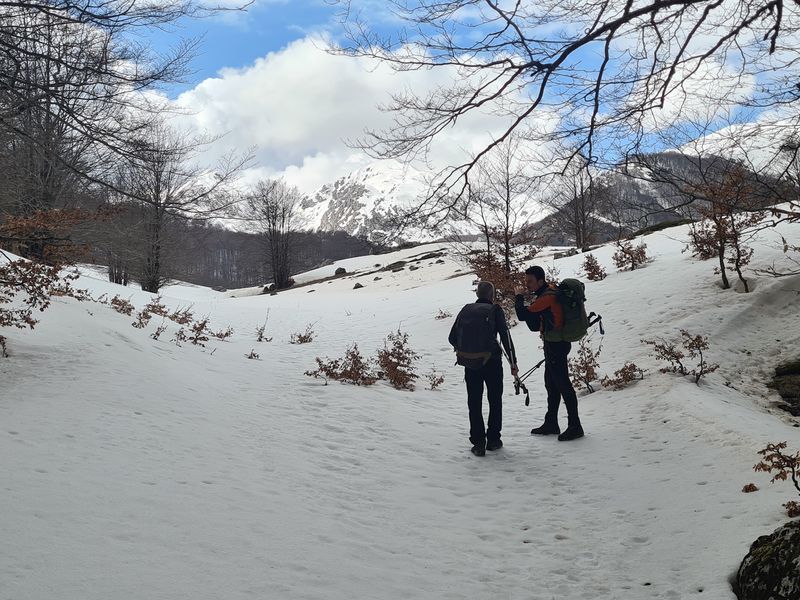
Abruzzo, Lazio and Molise National Park in central Italy is one of the few places in Europe where the Apennine wolf has maintained a continuous presence for centuries. Wildlife Adventures runs guided winter programs from Pescasseroli that combine observation sessions with active hikes in search of wolf signs.
Fresh snow transforms the mountain landscape into a tracking ground, making it considerably easier to find and read wolf prints, scent marks, and territorial boundaries. Expert naturalists accompany every outing, interpreting each discovery within the broader context of the park’s ecology.
Direct sightings remain unpredictable, as Apennine wolves are notably wary of humans. The combination of ancient beech forests, snowy ridgelines, and detailed wildlife interpretation gives the experience real depth even when the wolves stay hidden.
The national park setting also brings chances to observe deer, chamois, and occasionally Marsican brown bears during the same winter excursions.
11. Wildlife Safaris Finland, Kuhmo, Finland
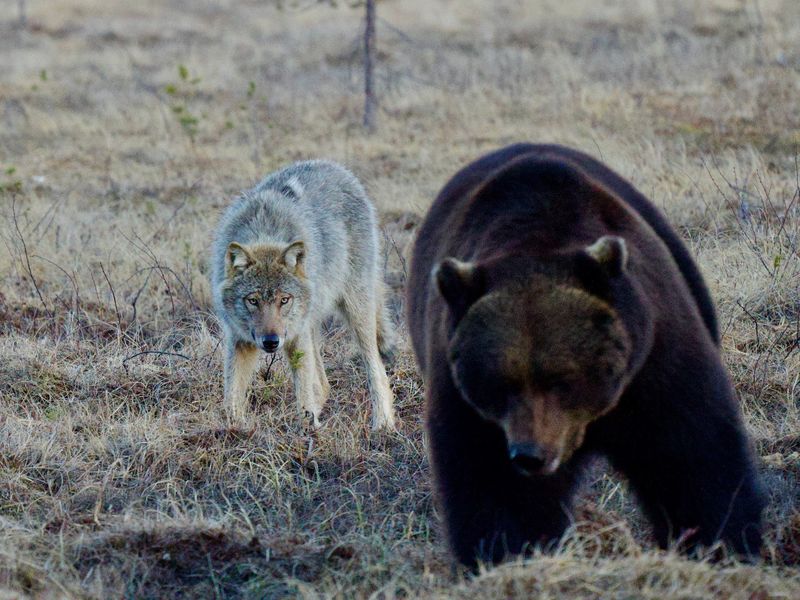
Eastern Finland’s taiga is one of the last places in Europe where wolves, brown bears, wolverines, and eagles share the same landscape in meaningful numbers. Wildlife Safaris Finland uses this terrain to run guided wolf photography experiences from Kuhmo, centered on carefully positioned wildlife hides.
Visitors spend extended time inside the hides, which are placed in areas where wolves regularly pass through the surrounding forest. The all-inclusive program covers accommodation, meals, hide access, and expert guiding throughout the stay.
Depending on the season, the same hide sessions can produce sightings of brown bears, wolverines, and various large birds of prey. Long stretches of quiet observation are a fundamental part of the experience, building anticipation before any animal appears at the forest edge.
This format suits patient travelers and photographers who prefer a stationary, focused approach over vehicle-based wildlife searching.
12. Boreal Wildlife Centre, Kuhmo, Finland
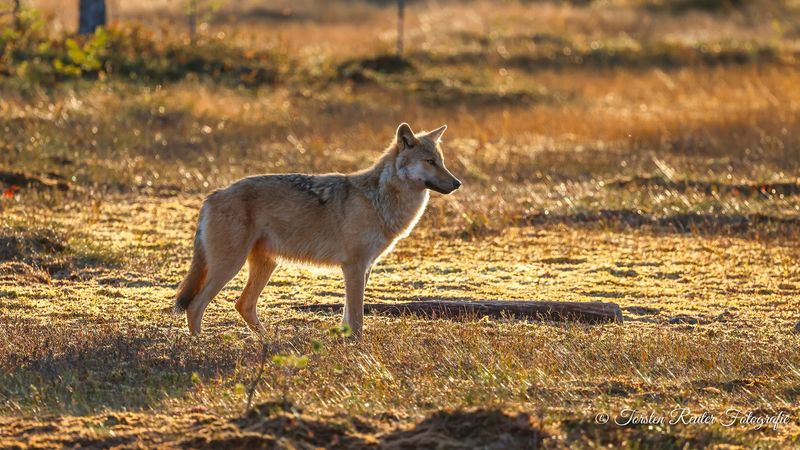
Near Finland’s eastern border in the remote forests around Viiksimo, the Boreal Wildlife Centre operates a professional system of wildlife hides designed specifically for predator observation and photography. Wolves, brown bears, and wolverines can all be observed from the same hide positions, making this one of the more versatile predator-watching setups in Europe.
Visitors typically arrive at the hides as evening approaches and settle in for several hours of patient watching. The boreal forest can appear completely still for long periods before the scene shifts without warning.
The long northern twilight of the Finnish summer creates a particular quality of light that photographers specifically seek out. Expert guides share behavioral and ecological insights before and after hide sessions, adding context to whatever was observed.
The combination of multiple apex predator species in a single location, within a remote and largely undisturbed forest, makes this an unusually productive destination for serious wildlife watchers.
13. Taiga Spirit, Lentiira, Finland
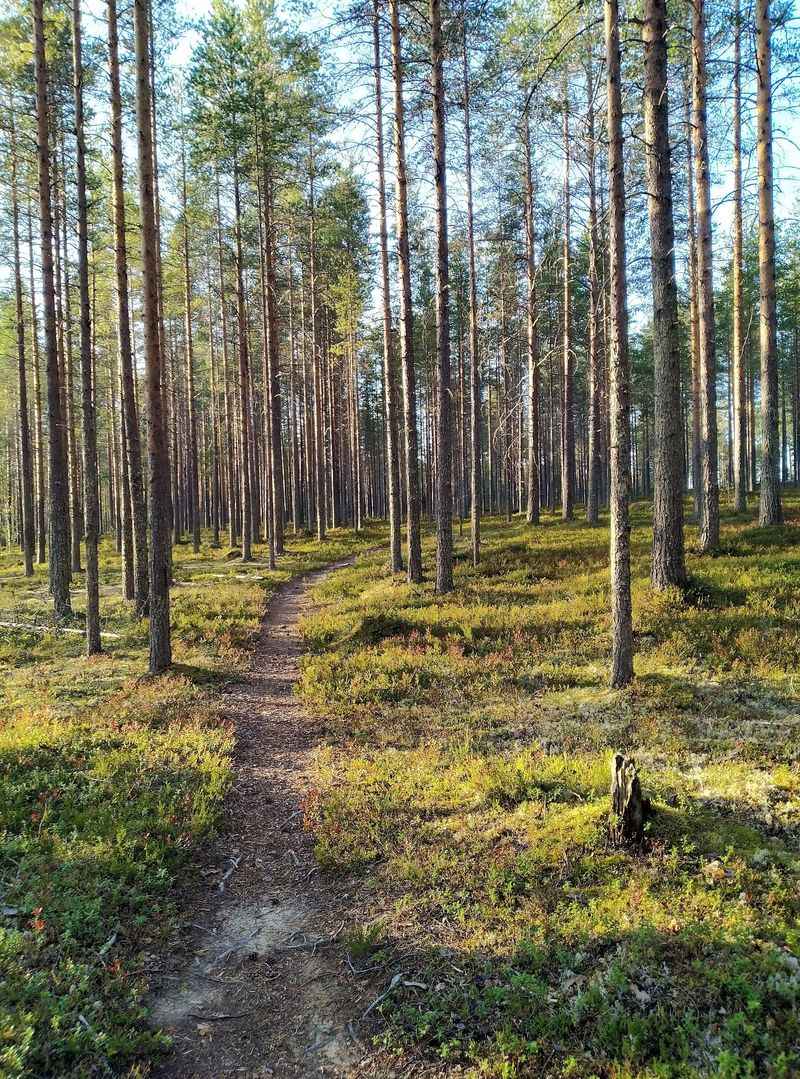
Taiga Spirit operates in the Lentiira area of eastern Finland, a stretch of boreal forest that supports wolves, brown bears, wolverines, lynx, and moose within the same connected landscape. Their wildlife programs use predator hides where wolves appear as occasional visitors, making each session genuinely unpredictable.
What distinguishes this company is the broader immersion it provides. Forest walks focused on tracking, nights spent in hides, and vehicle excursions for other species combine to create a varied and multi-layered experience rather than a single-species pursuit.
Professional guides introduce travelers to the ecology of the eastern taiga, explaining how predators and prey interact across the seasons and what drives animal movement through the forest. This approach suits travelers who find the process of searching as satisfying as a sighting itself.
Finland’s eastern borderlands remain one of Europe’s genuinely wild corners, and Taiga Spirit makes that wildness accessible without oversimplifying it.
14. Northern Lights Wildlife Wolf Centre, Golden, British Columbia
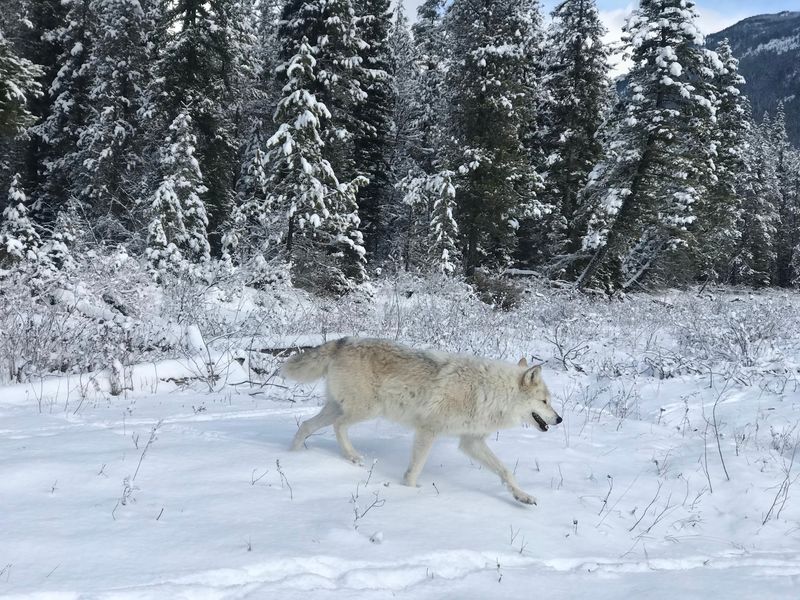
Not every wolf encounter requires scanning a distant ridge for hours. The Northern Lights Wildlife Wolf Centre in Golden offers something genuinely different, combining educational programs about wild wolves with a rare opportunity to walk alongside one in a mountain forest setting.
The centre’s ambassador wolves are the focus of 25-minute interpretive presentations that run throughout the day without requiring advance booking. These sessions cover wolf behavior, ecology, and the ongoing challenges wolves face in the wild.
The reservation-only Blackwolf Photography outing takes things considerably further. Guests aged 16 and older join a 1.5-hour wilderness walk in the Blaeberry Valley with an off-leash wolf, accompanied by qualified handlers at all times.
The Rocky Mountain backdrop adds impressive scenery to what is already an unusual and memorable experience.
This centre works particularly well for travelers who want a close, informed encounter rather than a long-distance search across open terrain.
15. International Wolf Center, Ely, Minnesota
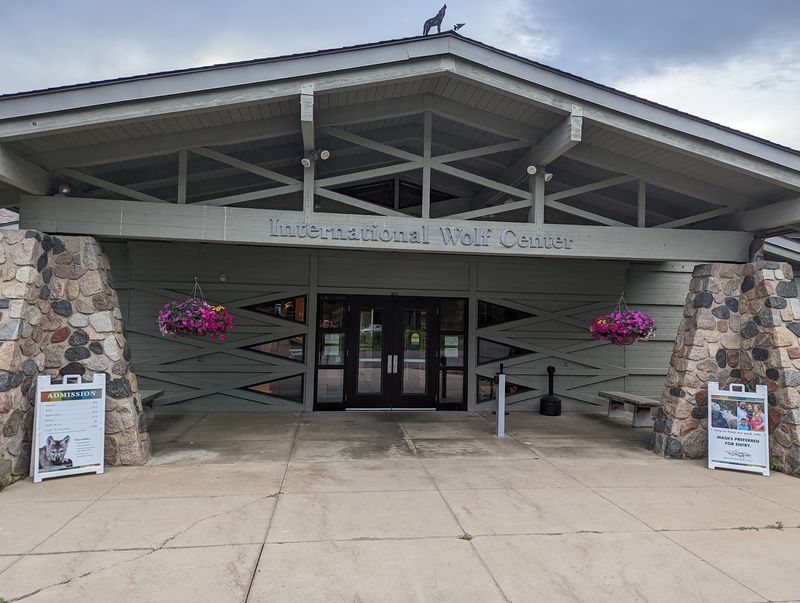
Minnesota’s Northwoods provide an appropriate setting for a facility entirely dedicated to wolf education and conservation. The International Wolf Center in Ely houses a pack of ambassador wolves in a wooded 1.25-acre enclosure designed to reflect the animals’ natural habitat as closely as a managed environment allows.
Educator-led presentations form the core of the visitor experience, covering pack structure, communication methods, feeding behavior, and the realities of wolf life in the wild. These sessions are detailed enough to satisfy genuinely curious visitors rather than offering only surface-level information.
Specialty programs extend the experience further, with scheduled public feeding demonstrations and seasonal behind-the-scenes access providing additional insight into the daily lives of the ambassador wolves. The center actively bridges the gap between captive observation and understanding wild population dynamics.
For travelers who find a remote tracking expedition logistically difficult, this is a thorough and accessible introduction to wolf biology and conservation history.
Share this story