Stretching a travel budget across months instead of weeks is one of the smartest moves any traveler can make. Once you stop paying for nightly hotels and start renting apartments, eating at local spots, and riding public buses, the daily cost can drop dramatically.
Some countries make this lifestyle genuinely easy, offering rich culture, great food, and beautiful landscapes without draining your wallet. The 17 countries below are proof that long-term travel can cost far less than most people expect.
Vietnam
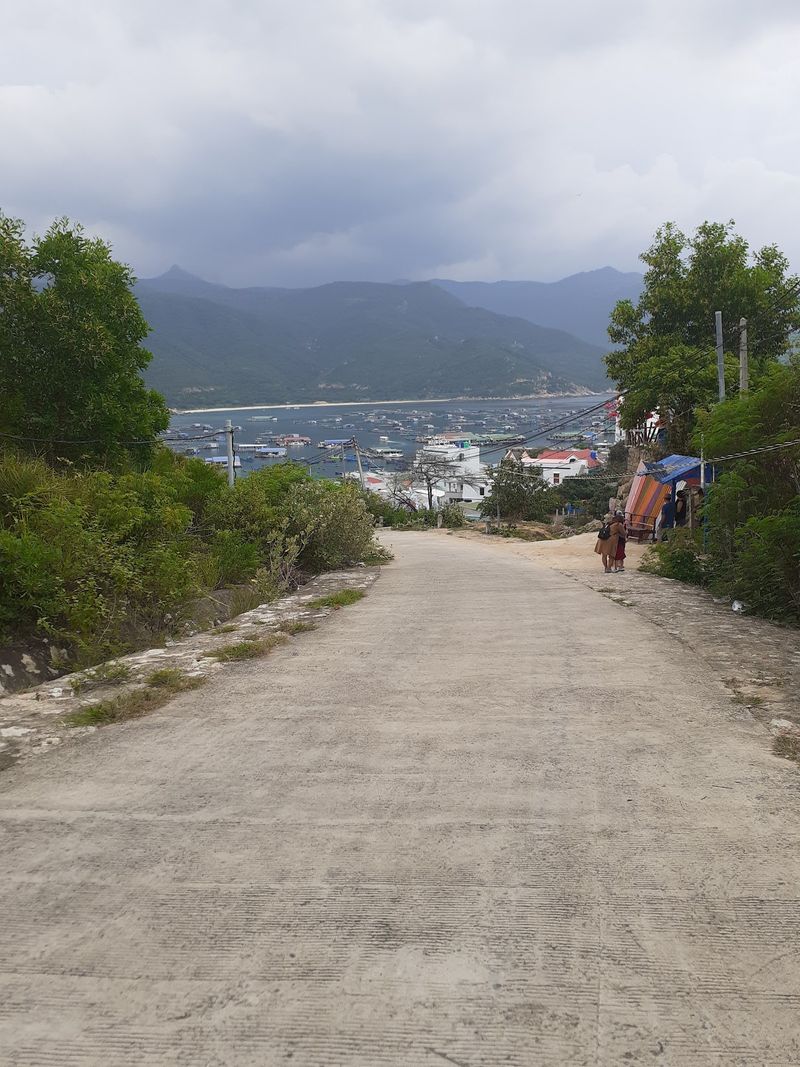
Street food that costs less than a dollar, coffee shops on every corner, and a train line that connects the whole country from north to south – Vietnam is practically built for long-term travelers. Numbeo’s 2026 figures give it a Cost of Living Plus Rent Index of just 19.1, making it one of Asia’s most affordable destinations.
Restaurant prices score an especially low 15.6 on the same scale.
Moving between Hanoi, Hue, Hoi An, Da Nang, Ho Chi Minh City, and the Mekong Delta is easy without booking a single domestic flight. Overnight sleeper trains and budget buses cover most of the route at a fraction of air travel costs.
Local markets and neighborhood pho shops keep daily food spending minimal.
Renting a monthly apartment in most Vietnamese cities costs far less than stringing together short hotel stays. Staying longer also gives travelers time to find the quieter neighborhoods, the best banh mi carts, and the cafes where locals actually hang out.
Vietnam rewards patience with some of the best value on the planet.
Indonesia
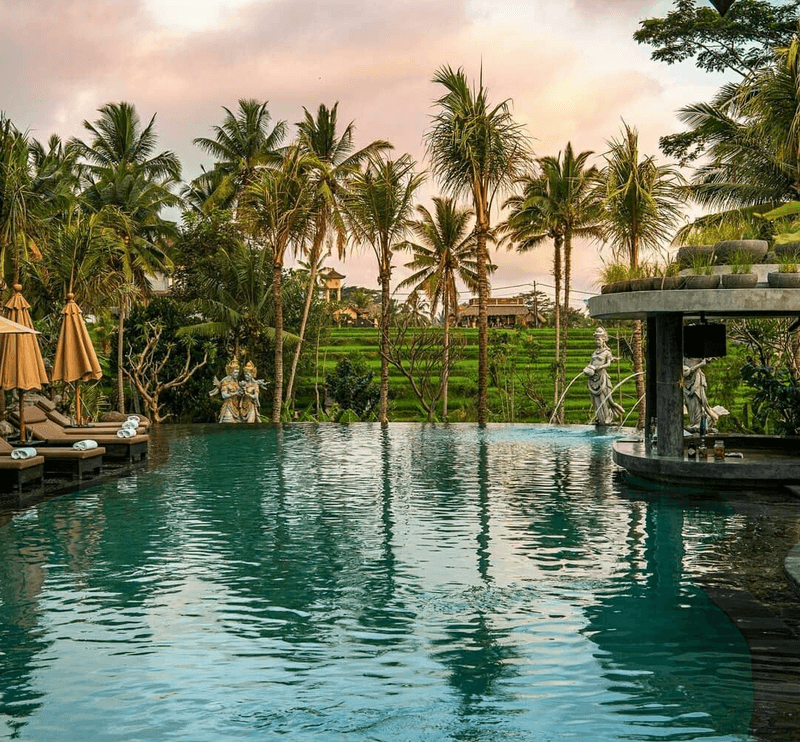
Bali gets all the headlines, but the expensive villas and trendy beach clubs of Seminyak tell only part of Indonesia’s story. The country’s 2026 Cost of Living Plus Rent Index sits at just 18.5, and restaurant prices score 15.3 on Numbeo’s comparative scale.
Java, Lombok, Sumatra, and dozens of smaller islands offer a very different price reality than southern Bali.
Yogyakarta is one of the best long-stay bases in all of Southeast Asia. Cheap warungs serve rice dishes for under a dollar, guesthouse rooms run a fraction of Bali resort prices, and Borobudur and Prambanan are right on the doorstep.
The city has a laid-back creative energy that makes weeks feel short.
Indonesia’s enormous size actually works in favor of slow travelers. Racing through an archipelago of 17,000 islands in two weeks is a recipe for stress and expensive flights.
Picking one or two islands and settling in gives travelers time to find local rhythms, cheaper transport options, and the kind of hidden beaches that never appear in weekend travel guides.
India
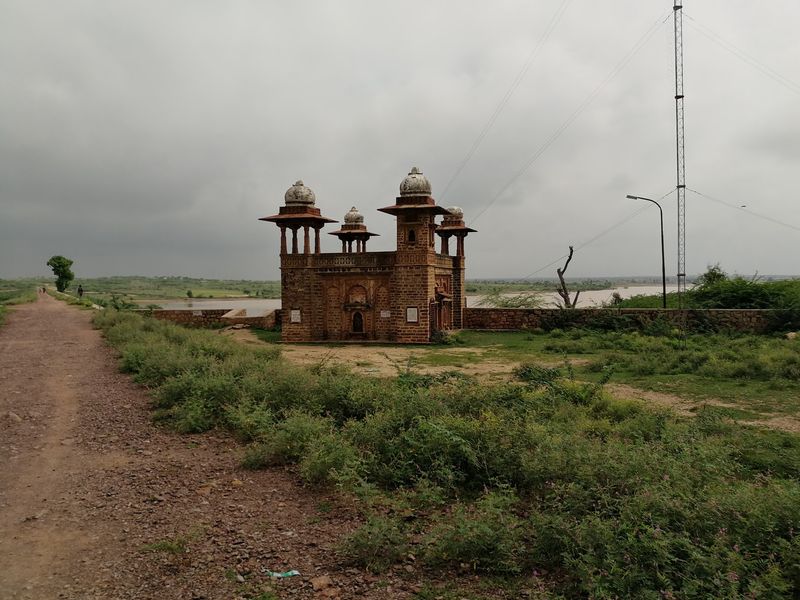
No other country on Earth packs this much variety into a single budget. Numbeo places India’s 2026 Cost of Living Plus Rent Index at just 12.4, one of the lowest figures anywhere in Asia.
Restaurant prices are equally remarkable, making three meals a day a genuinely minor line item in a daily budget.
The country’s sheer size is actually a gift for long-term travelers. Rajasthan’s forts, Himalayan hill stations, Kerala’s backwaters, Goa’s beaches, and Varanasi’s ghats are all radically different experiences that can fill months without any sense of repetition.
Train travel between regions is inexpensive and connects even remote destinations.
Booking longer stays at guesthouses or apartment rentals almost always unlocks lower rates than paying nightly prices. Local thali restaurants, chai stalls, and vegetable markets help keep food costs extremely low.
India does require some patience with logistics and occasional chaos, but travelers who embrace that reality often find it becomes one of the most rewarding and affordable long-term destinations anywhere in the world.
Nepal
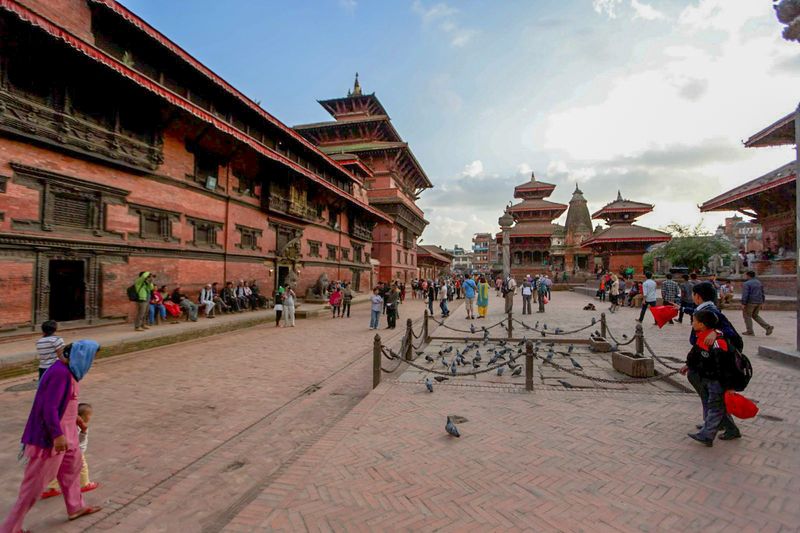
Nepal has a reputation for expensive trekking expeditions, but that image only applies to a narrow slice of what the country actually offers. Its 2026 Cost of Living Plus Rent Index is 13.8, and the Rent Index is an almost unbelievably low 2.9.
Day-to-day life in Kathmandu or Pokhara can be remarkably affordable once you step away from the gear shops and guided tour agencies.
Pokhara is one of those rare places where travelers arrive planning to stay three days and somehow end up staying three weeks. The lakeside setting, mountain views, inexpensive guesthouses, and relaxed pace make it easy to lose track of time.
Local dal bhat restaurants charge very little for a filling, unlimited meal.
The Kathmandu Valley alone contains enough temples, historic squares, and ancient cities to fill a full month of exploration. Shorter hikes around the valley and lower elevation areas are possible without hiring guides or paying peak-season trekking costs.
Nepal rewards travelers who slow down enough to notice that the country is far more than just a gateway to the Himalayas.
Thailand
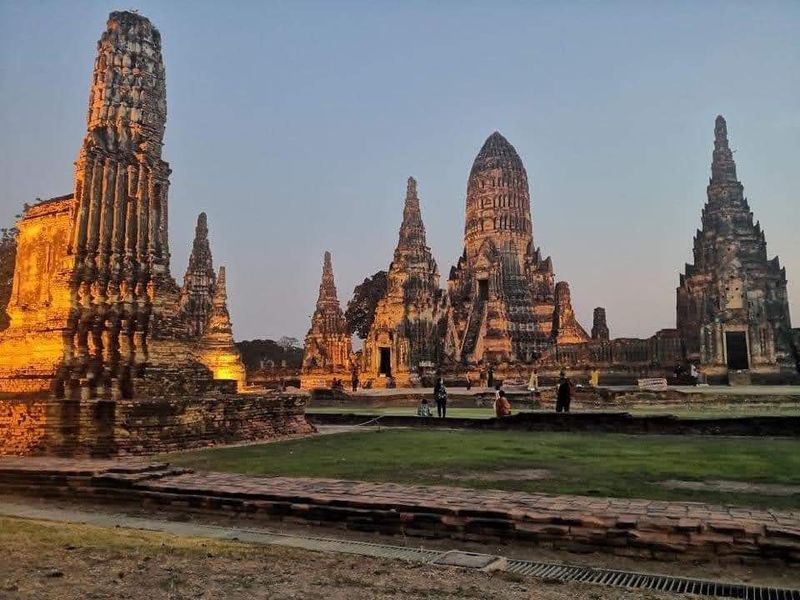
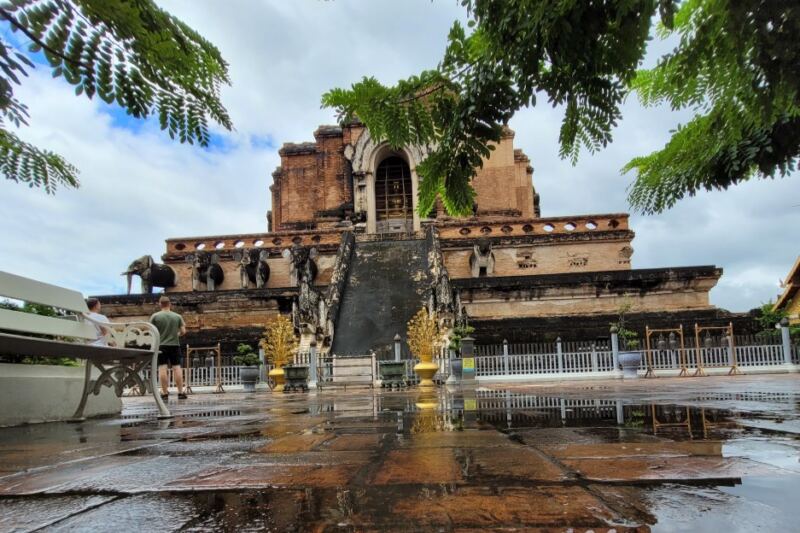
Chiang Mai quietly beats Bangkok and Phuket on almost every cost metric, and that gap explains why northern Thailand has been a magnet for long-term travelers for decades. Numbeo’s June 2026 data put Chiang Mai’s Cost of Living Plus Rent Index at 22.7, compared with 32.8 in Bangkok.
The Rent Index in Chiang Mai is just 10.5, making monthly apartments genuinely affordable.
Living like a local in Chiang Mai means eating at covered market stalls for a couple of dollars a meal, riding red songthaew trucks instead of taxis, and shopping at the Saturday and Sunday walking markets. The city has a huge expat and long-term traveler community, which means plenty of practical advice about the cheapest neighborhoods and best monthly rental deals.
Using Chiang Mai as a base also makes sense geographically. Day trips and overnight journeys into the surrounding mountains, hill tribe villages, and northern provinces are easy and inexpensive.
Travelers can save Bangkok and the southern islands for shorter, more expensive segments while spending the bulk of their time in the north, where the baht stretches much further.
Malaysia
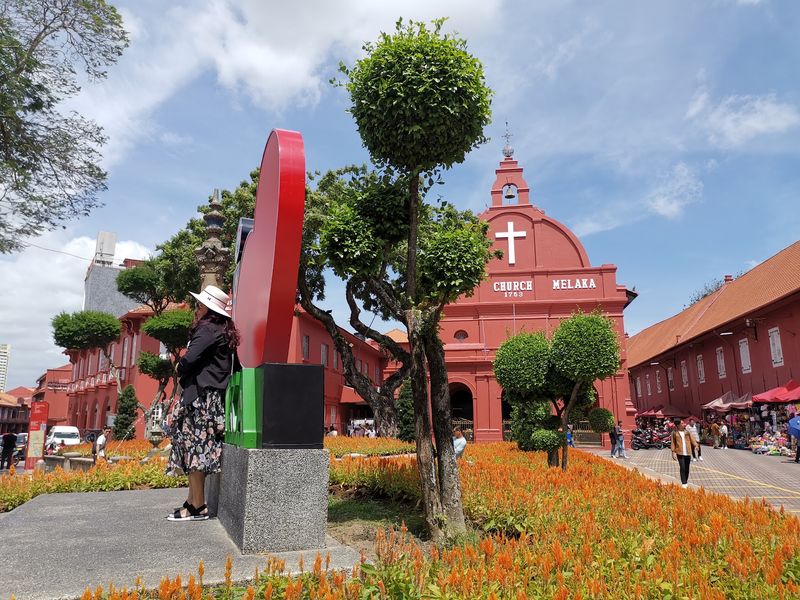
Malaysia tends to get overlooked in conversations about Southeast Asia’s cheapest destinations, which makes its value all the more pleasant to discover. Numbeo’s 2026 data give it a Cost of Living Plus Rent Index of 22.9 and a Rent Index of just 9.2.
Those numbers become even more impressive when you consider what the country actually offers for that price.
Penang’s hawker food scene is legendary for a reason. Char kway teow, asam laksa, and nasi kandar are available at hawker centers that charge a fraction of what a sit-down restaurant in Europe or North America would cost.
George Town also has enough street art, heritage buildings, and cultural neighborhoods to keep a curious traveler busy for weeks.
Kuala Lumpur adds urban convenience to the equation with an efficient metro system, modern shopping malls, and a food scene that spans Malay, Chinese, and Indian cuisines. Long-term travelers can also branch out to Melaka, the Cameron Highlands, and Malaysian Borneo without needing expensive flights for every transfer.
Malaysia is the kind of place where comfort and affordability genuinely coexist.
Cambodia

Most travelers see Cambodia as a three-day Angkor Wat stop, but the country has a lot more going on once you stop rushing. Numbeo places its 2026 Cost of Living Plus Rent Index at 23.7, which is comfortably below most Western destinations.
Siem Reap’s established tourism infrastructure means accommodation and restaurants exist at every price point, but budget options are plentiful.
Phnom Penh adds a different layer to a longer Cambodia stay. The capital has riverside cafes, busy markets, excellent museums, and a growing food scene that rewards exploration over several weeks.
Local Khmer meals at small restaurants cost very little, and the city’s flat layout makes cycling a practical and cheap way to get around.
Heading beyond the two main cities reveals even more of Cambodia’s value. Kampot is a riverside town with a famously slow pace and inexpensive guesthouses.
Kep offers fresh seafood and quiet beaches. Battambang has a charming French colonial center and a bamboo train that has become one of the country’s quirkiest attractions.
Overland buses between all of these destinations cost only a few dollars.
Philippines
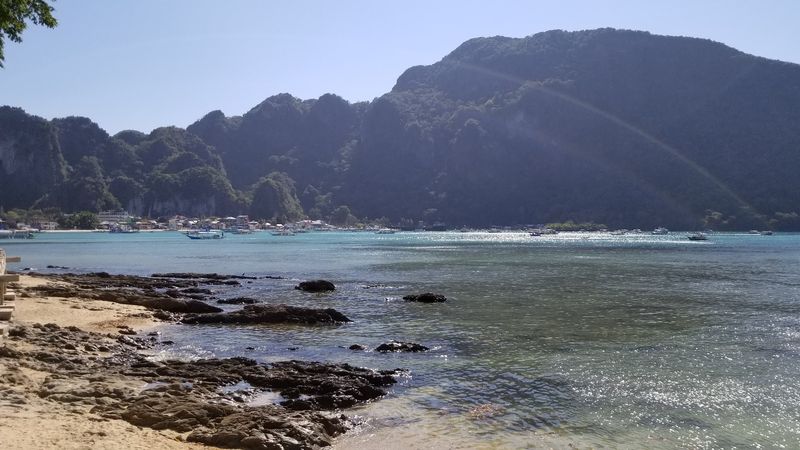
Pick a spot and stay a while – that is the secret to affordable travel in the Philippines. Numbeo’s 2026 Cost of Living Plus Rent Index is 20.2, with a Rent Index of 7.8 and a Restaurant Price Index of just 19.7.
The moment travelers stop paying for ferries and domestic flights between islands every few days, the daily budget drops significantly.
Dumaguete has earned a strong reputation among long-term travelers for its university-town atmosphere, inexpensive restaurants, and relaxed pace. Iloilo on Panay island offers a similar experience with excellent local food and a less tourist-heavy environment.
Both cities provide easy access to nearby beaches and diving sites without the premium pricing of the most famous resort islands.
Settling into one region also means discovering the Philippines that most short-term visitors never see. Local talipapa markets sell fresh fish and produce at very low prices.
Tricycles and jeepneys handle local transportation for just a few pesos. Renting a monthly apartment in a smaller city can cost surprisingly little, leaving more budget for the occasional island-hopping trip or splurge on a dive boat.
Sri Lanka

Sri Lanka might be small, but it manages to pack beaches, tea hills, wildlife parks, ancient ruins, and colonial cities into one compact island. Numbeo’s 2026 data show a Cost of Living Plus Rent Index of 22.0 and a Rent Index of only 7.2.
Those figures make a longer stay genuinely practical for budget-conscious travelers.
The train from Kandy to Ella is one of the most scenic rail journeys in Asia, and it costs only a few dollars for a second-class ticket. Traveling slowly between Colombo, Kandy, Ella, Sigiriya, and the southern beaches by train and bus keeps transportation costs low while turning the journey itself into an attraction.
Guesthouses along these routes are plentiful and reasonably priced.
Eating away from beachfront tourist restaurants makes a noticeable difference to the daily budget. Local rice and curry spots charge a fraction of what the same meal costs at a hotel restaurant.
Spending three or four weeks in Sri Lanka also allows travelers to time visits to wildlife parks around less crowded periods, potentially reducing safari costs and avoiding the premium pricing that comes with peak-season demand.
Uzbekistan
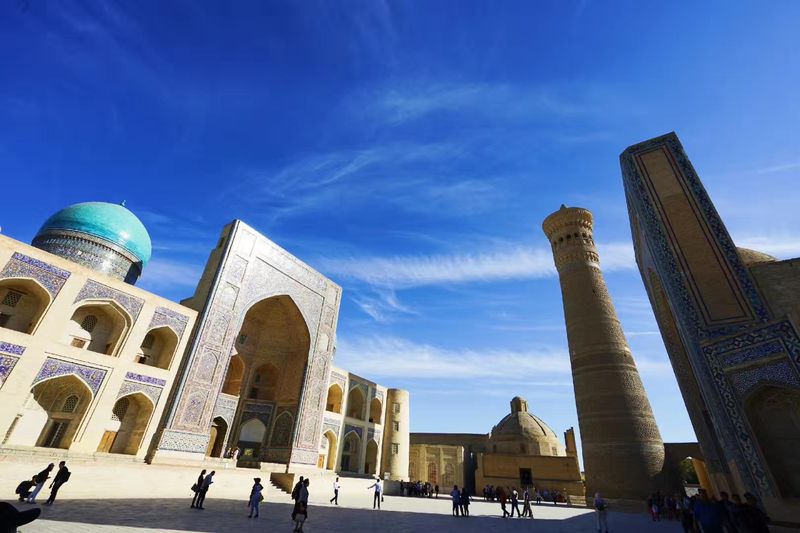
Uzbekistan sits at the crossroads of ancient Silk Road history and surprisingly modern infrastructure, and it does all of this at a cost that shocks most first-time visitors. Its 2026 Cost of Living Plus Rent Index is 20.6, with restaurant and grocery prices far below Western European levels.
The country has become significantly easier to visit in recent years, with visa processes simplified and rail connections improved.
The high-speed Afrosiyob train connects Tashkent, Samarkand, and Bukhara in just a few hours, making it easy to move between the country’s most famous cities without expensive flights or long bus journeys. Each city rewards more than a single day of exploration.
Samarkand’s Registan, Bukhara’s old city, and Khiva’s walled inner town are all UNESCO-listed sites that take time to fully appreciate.
Guesthouses in Uzbekistan often include breakfast and provide a warm, family-run experience at prices that seem almost too good to be true. Local plov, samsa, and lagman noodles at bazaar restaurants cost very little.
Extended travelers can also venture into the Fergana Valley and remote desert fortresses, areas where Western tourists remain rare and prices reflect local rather than tourist-market economics.
Georgia
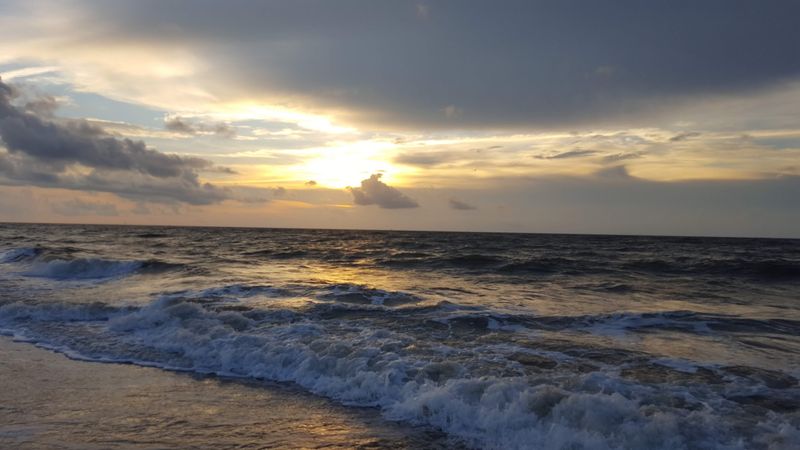
Georgia has a way of making travelers feel like they discovered something the rest of the world hasn’t caught up with yet. Tbilisi’s sulfur bath district, rooftop wine bars, and crumbling-beautiful old town create an atmosphere unlike anywhere else in Europe or Asia.
An inexpensive restaurant meal averages around 26 Georgian lari in 2026, and a one-bedroom apartment outside city centers runs roughly 934 lari per month nationwide.
The food alone could justify a long stay. Georgian cuisine is genuinely extraordinary – khinkali dumplings, khachapuri cheese bread, and slow-cooked meat stews are available everywhere at prices that feel almost unfairly low.
Wine from the Kakheti region, made using ancient qvevri clay jar methods, is sold directly from family cellars for next to nothing.
Long-term travelers can use Tbilisi as a base and branch out regularly without spending much. Kutaisi offers cheaper accommodation and a gateway to western Georgia.
The Caucasus mountains provide serious hiking terrain. Black Sea towns like Batumi add a beach dimension to the trip.
Georgia rewards travelers who stay long enough to understand that every region has its own distinct character, food traditions, and landscape.
Bosnia and Herzegovina
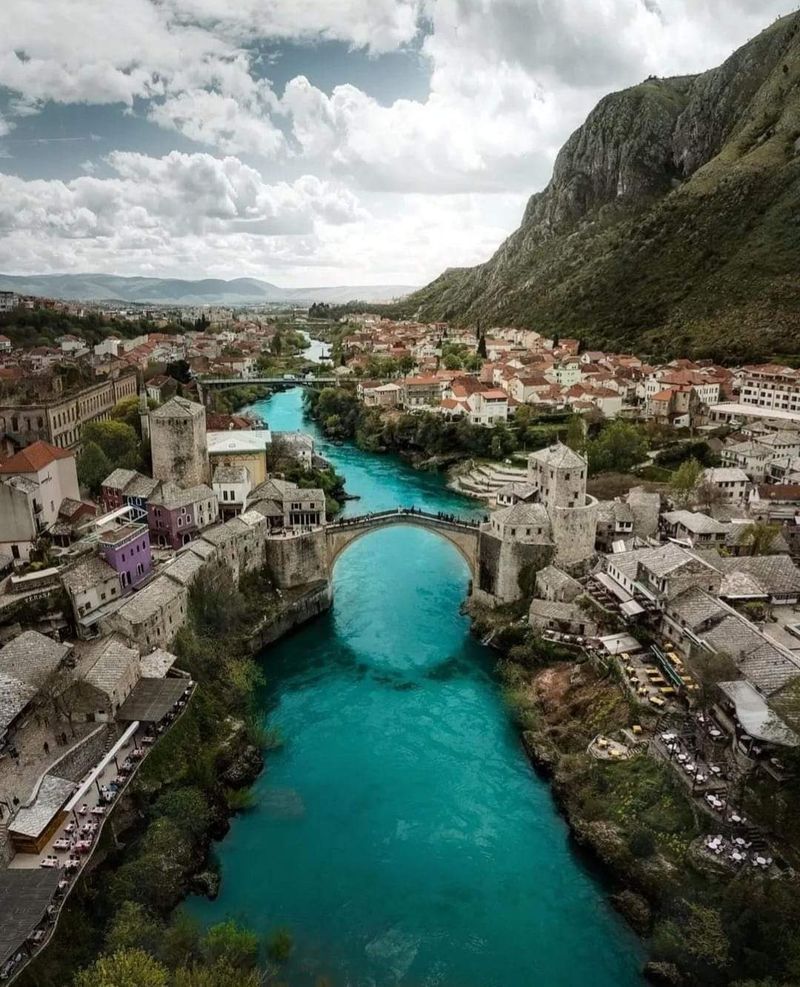
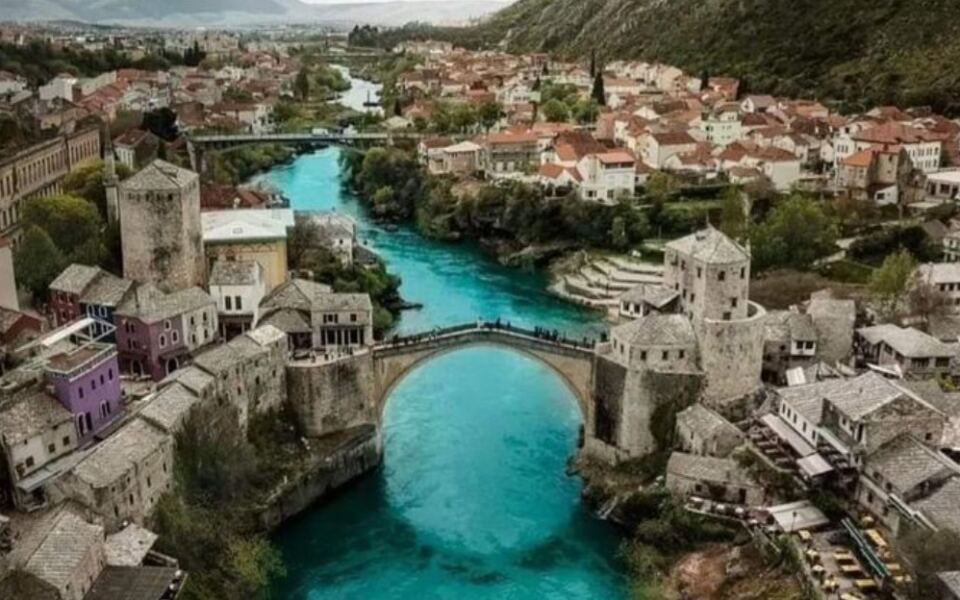
Bosnia and Herzegovina is the kind of place that stops travelers in their tracks, literally. The Old Bridge in Mostar, the Ottoman bazaars of Sarajevo, and the waterfalls of Kravice are all genuinely stunning, and yet the country remains one of Europe’s most affordable destinations.
Its 2026 Cost of Living Plus Rent Index is 25.0, compared with 47.5 in France and 49.0 in Germany.
Sarajevo has a coffee culture that rivals Vienna and Istanbul combined, and a cup of Bosnian coffee at a local kafana costs almost nothing. Cevapi grilled sausages with flatbread and fresh onion are the national fast food, available at burek bakeries and small grill restaurants for just a few convertible marks.
Eating well here rarely requires spending much.
Staying longer opens up Bosnia beyond its two main cities. Jajce has a waterfall that drops right into the town center.
Una National Park offers spectacular river landscapes and kayaking. Trebinje in the south has a Mediterranean feel with vineyards and old town walls.
Intercity buses are cheap and reliable, making it easy to explore a country that most European travelers still dramatically underestimate.
North Macedonia
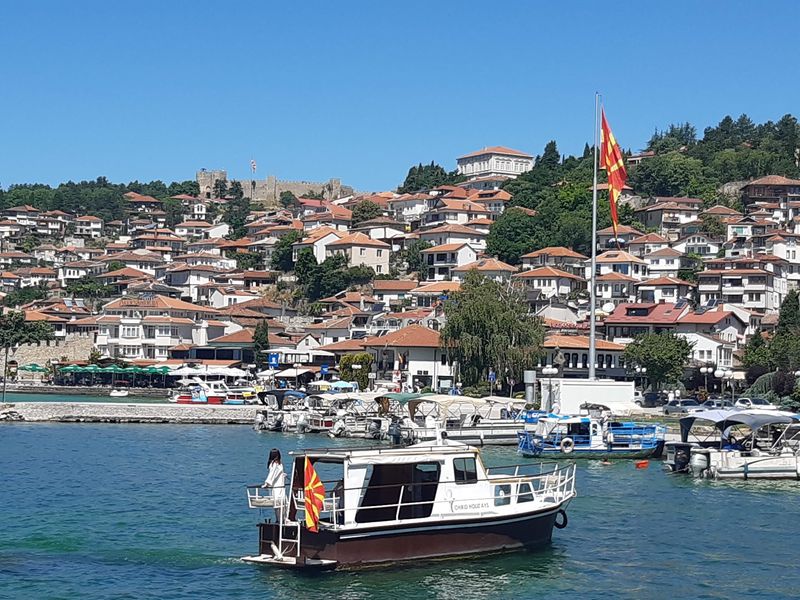
Tucked between more-visited neighbors like Greece, Serbia, and Bulgaria, North Macedonia quietly offers some of the best value in the entire European region. Its 2026 Cost of Living Plus Rent Index is just 23.2, less than half of Switzerland’s figure and considerably below Spain, Portugal, or Croatia.
For travelers who want a European experience without European prices, this small Balkan country delivers.
Ohrid is the star attraction, and it earns that status completely. The lake is one of the oldest and deepest in Europe, the old town is UNESCO-listed, and Byzantine churches cling to hillsides above the water.
Guesthouses here are inexpensive by any standard, and local restaurants serve fresh lake trout and Macedonian salads at prices that feel generous.
Skopje, the capital, surprises many visitors with its enormous main square, eclectic statues, Ottoman bazaar, and lively cafe scene. Coffee culture is serious here, and sitting at a cafe for two hours over a single espresso is considered perfectly normal.
Buses connect Skopje, Ohrid, Bitola, and Mavrovo National Park without costing much, making it easy to cover the country thoroughly over several comfortable weeks.
Bulgaria
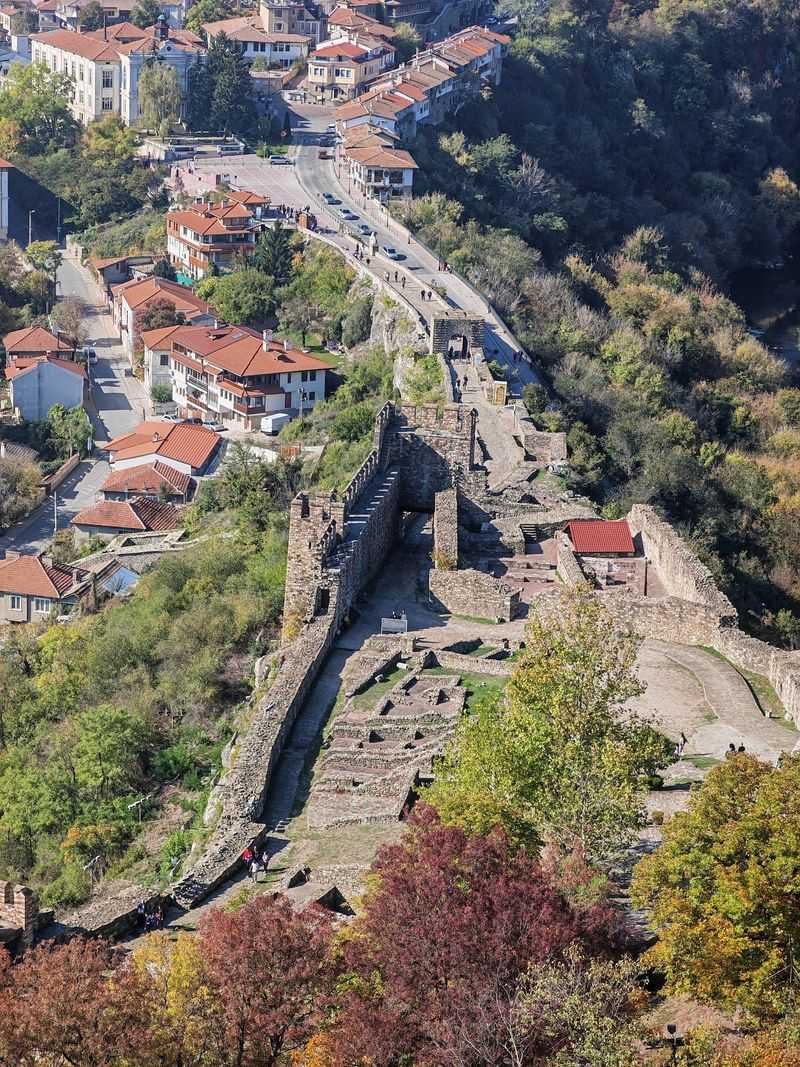
Bulgaria is one of those EU member states that somehow managed to keep its prices from following the Western European trend. Its 2026 Cost of Living Plus Rent Index is 28.0, making it considerably cheaper than most of its neighbors in Southern and Western Europe.
The country also has the infrastructure advantages that come with EU membership, including decent roads, reliable banking, and accessible healthcare.
Plovdiv is the sleeper hit of Bulgarian tourism. The old town sits on three hills above the Maritsa river, lined with painted Revival-era mansions that have been converted into galleries, restaurants, and guesthouses.
The city also has a thriving arts scene and a pedestrian main street filled with cafes that charge very little for a full meal.
Long-term travelers can combine Plovdiv with Veliko Tarnovo’s medieval fortress, Rila Monastery’s frescoed walls, the Valley of the Roses, and hiking trails in the Rhodope and Balkan mountains. The Black Sea coast is an option in summer, though peak-season resort towns push prices higher.
Inexpensive bakeries selling banitsa pastry and local wines from Thracian vineyards add daily pleasures that make stretching a budget feel less like sacrifice and more like good taste.
Bolivia
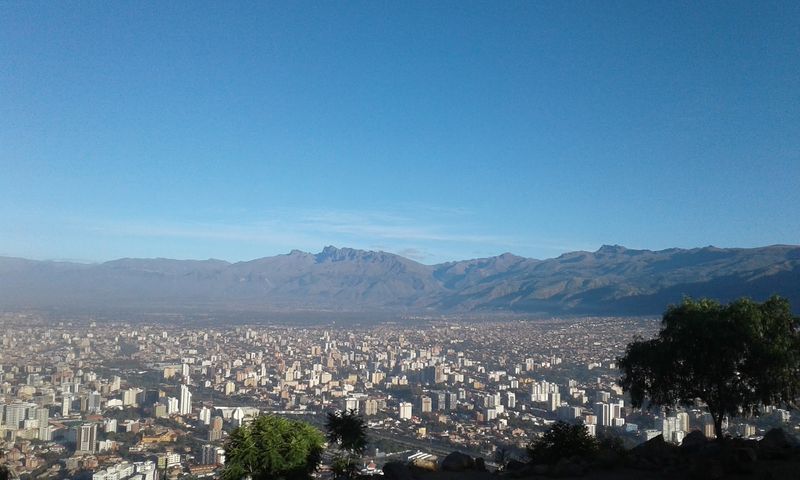
Bolivia is the kind of destination where altitude slows everything down, and that turns out to be a perfect match for long-term travel. Its 2026 Cost of Living Plus Rent Index is 19.0, the lowest in South America among commonly visited countries, with a Rent Index of 8.6 and restaurant prices scoring 22.2.
The country is genuinely inexpensive in ways that go beyond just cheap hostels.
La Paz is one of the world’s most dramatic capital cities, built into a canyon at over 3,600 meters above sea level with cable cars connecting neighborhoods across the cliffs. The witches market, the Cholita wrestling shows, and the surrounding altiplano landscape can easily occupy a full week.
Sucre, the constitutional capital, offers a calmer colonial alternative with whitewashed buildings and a slightly lower elevation that many travelers find easier to adjust to.
Set lunch menus at local restaurants, called almuerzos, cost only a dollar or two and typically include soup, a main course, and a drink. Markets in every city sell fresh produce, bread, and prepared food at prices that make self-catering extremely economical.
Bolivia rewards travelers who accept its slower pace and occasional logistical challenges with some of the most striking scenery and lowest daily costs in all of South America.
Ecuador
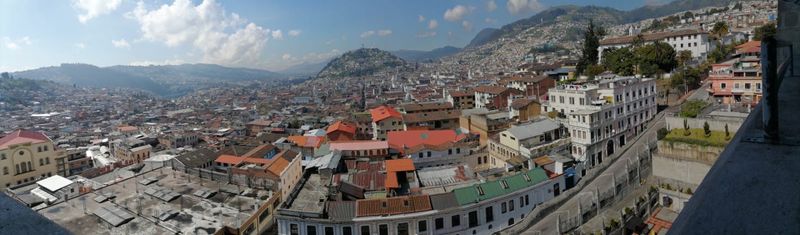
Ecuador packs four completely different worlds into one relatively compact country: the Andes highlands, the Amazon basin, the Pacific coast, and the Galapagos Islands. Its 2026 Cost of Living Plus Rent Index is 21.0, with rent sitting at 8.7 on Numbeo’s comparative scale.
For mainland travel, that makes Ecuador one of South America’s stronger long-term values.
Cuenca is the quiet favorite among long-term travelers and expats. The city has a well-preserved colonial center, a comfortable climate year-round thanks to its elevation, and a cost of living that is noticeably lower than Quito.
Monthly apartment rentals in residential neighborhoods are affordable, and local markets sell enormous quantities of fresh produce for very little money.
The Galapagos does require a serious budget conversation. Flights, park fees, and guided tours can easily cost more than several weeks of mainland travel combined.
The smart approach is to spend the majority of a longer stay exploring Ecuador’s highland towns, Indigenous markets like Otavalo, cloud forest reserves, and Pacific beach towns, then allocate a specific portion of the budget for a carefully planned Galapagos visit. Ecuador’s compact size makes all of this doable by bus without expensive domestic flights.
Colombia
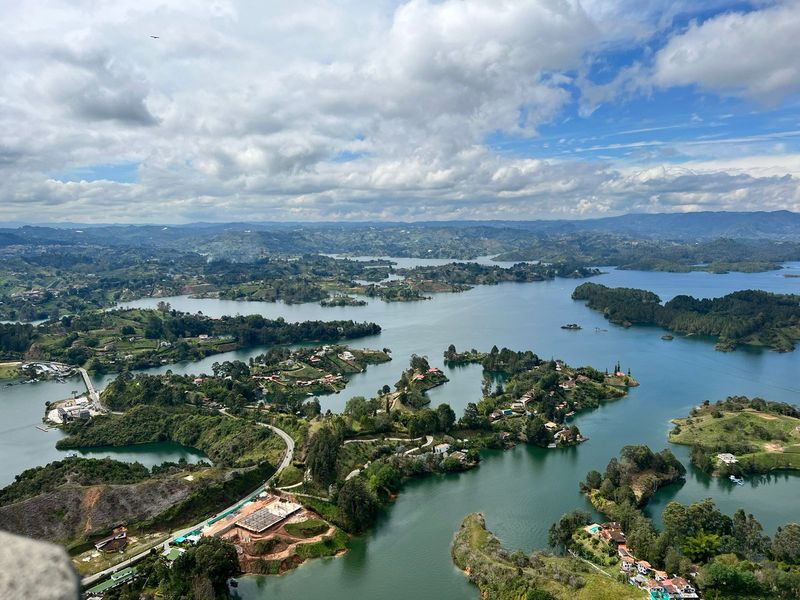
Colombia’s glow-up over the past decade has been remarkable, but rising popularity in certain neighborhoods hasn’t erased the country’s fundamentally affordable character. Numbeo’s 2026 country-level data give Colombia a Cost of Living Plus Rent Index of 22.4.
City-level figures range from 29.4 in Medellin to 23.6 in Cali, which shows how much a simple change of location can affect a monthly budget.
The coffee region around Salento and the Cocora Valley is one of the most beautiful and underrated long-stay areas in South America. Colorful towns, wax palm forests, finca guesthouses, and fresh-brewed coffee at the source create an environment that is easy to linger in.
Prices here are noticeably lower than in Medellin’s trendy El Poblado neighborhood.
Cali offers a completely different energy with its salsa culture, warm climate, and lower costs than the country’s two most visited cities. Cartagena on the Caribbean coast is pricier in its walled old city but becomes more affordable a few blocks away.
Long-term travelers who rotate between Bogota, the coffee region, Cali, and smaller mountain towns can experience Colombia’s enormous geographic and cultural variety while keeping overall costs manageable throughout an extended stay.
Share this story