Mexico has some of the most exciting street food in the world, and the best part is that you do not need a fancy restaurant reservation to experience it. From the bustling markets of Mexico City to the colorful squares of Oaxaca, street vendors and small food stalls serve up dishes that have been perfected over generations.
The variety is staggering, whether you are after smoky tacos, stuffed sandwiches, or fruit cups loaded with chili and lime. This list covers 15 Mexican cities where the street food scene is strong enough to fill an entire day of eating, exploring, and going back for seconds.
If you are planning a trip or just dreaming about one, these are the stops worth building your itinerary around.
El Vilsito, Mexico City
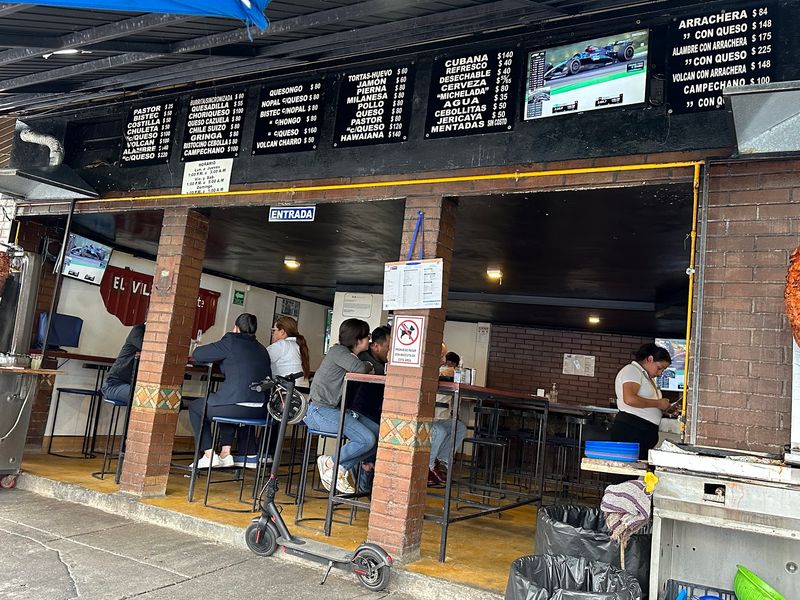
By day, El Vilsito is an auto repair shop in the Narvarte neighborhood of Mexico City. By night, it transforms into one of the most talked-about taco spots in the entire capital.
The setup is simple: plastic chairs, folding tables, and a trompo of al pastor spinning near the entrance.
Al pastor is the star here, and the tacos are assembled quickly with pineapple, onion, and cilantro on small corn tortillas. The spot stays open through the early morning hours, which makes it a go-to for night owls and late diners.
There is no elaborate decor or reservation system, just straightforward taco service in a setting that feels completely authentic to Mexico City street food culture.
Getting there is easy via public transit or rideshare. Arriving after 10 p.m. means shorter lines, though the crowd is part of the experience.
This is Mexico City street food at its most honest.
La Torta Loca, Guadalajara
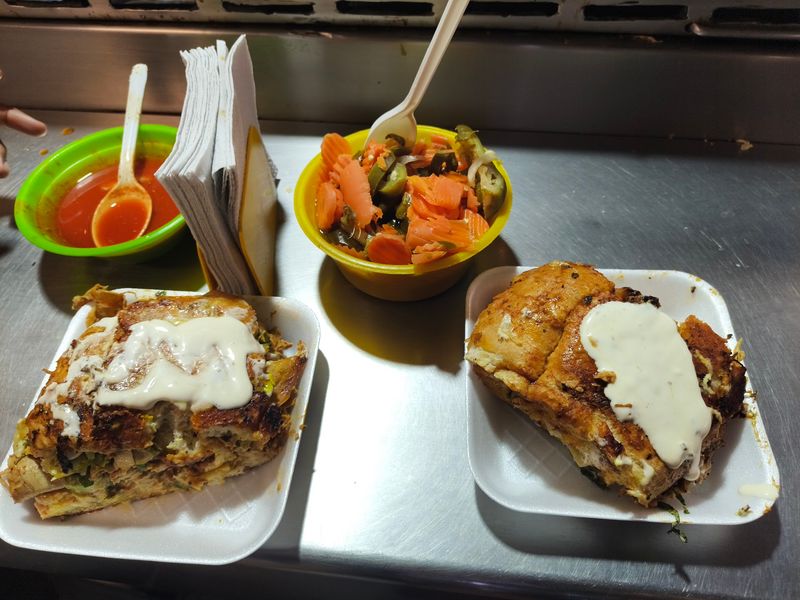
Guadalajara has a proud torta tradition, and La Torta Loca is one of the city’s most recognized names in the sandwich game. The tortas here are generously stuffed, built on crusty telera rolls with layers of meat, beans, avocado, and jalapeños.
Nothing about the portion sizes is shy.
The stall draws a steady crowd of locals during lunch hours, which is generally the best time to visit if you want the freshest ingredients and the most activity around the counter. Guadalajara’s street food culture leans toward bold flavors and filling portions, and La Torta Loca fits that profile well.
Tortas are one of those dishes that vary dramatically from city to city across Mexico, and the Guadalajara version tends to be heartier and more loaded than what you might find in other regions. Trying one here gives travelers a genuine taste of how the city approaches its street food identity.
Cemitas y Tortas La Poblanita, Puebla
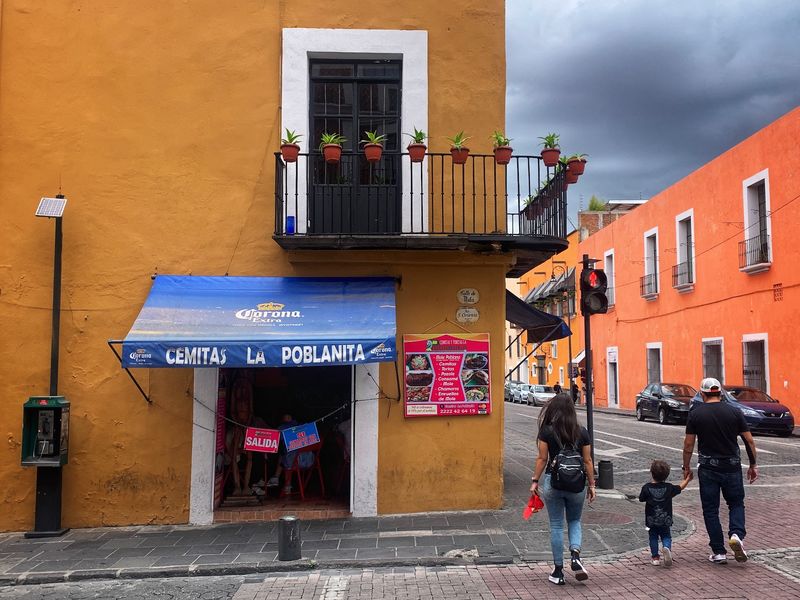
Puebla is the birthplace of the cemita, and Cemitas y Tortas La Poblanita is one of the city’s well-known spots for trying this regional specialty. A cemita is not a regular sandwich.
It uses a sesame-seed bun that is slightly sweet, and the fillings typically include milanesa, avocado, chipotle peppers, and Oaxacan string cheese.
The combination of textures and flavors makes the cemita one of Mexico’s most satisfying street foods. La Poblanita has built a reputation around getting the details right, from the bread quality to the layering of ingredients.
Puebla locals take their cemitas seriously, so competition among vendors keeps the standard high.
Visiting Puebla without trying a cemita would be like skipping the mole. The two dishes define the city’s food identity.
Stopping at La Poblanita gives travelers a reliable entry point into one of Mexico’s most distinctive regional sandwiches, made the way Poblanos actually eat it.
Tlayudas Doña Flavia, Oaxaca City
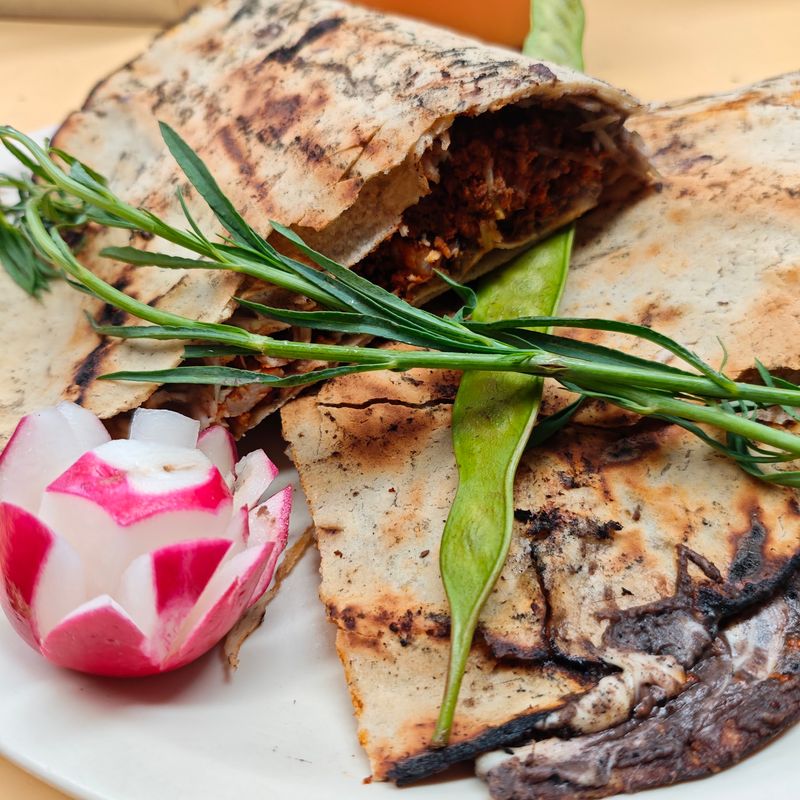
The tlayuda is Oaxaca’s most iconic street food, and Doña Flavia has become a well-known name among locals and visitors looking for an authentic version. A tlayuda starts with a large, partially dried corn tortilla that is grilled until crisp, then topped with bean paste, Oaxacan cheese, avocado, and your choice of meat, often tasajo or chorizo.
The result is something between a flatbread and an open-faced taco, and eating one feels like a proper meal rather than a quick snack. Oaxaca City’s food scene is rich and layered, but the tlayuda is the dish that gives visitors the clearest picture of local culinary tradition.
Doña Flavia’s stall operates in the evening, which is typical for tlayuda vendors in the city. Pairing the experience with a walk through the nearby streets and markets makes for a full and satisfying night of eating in one of Mexico’s most food-forward cities.
Amor por los Antojitos, Mérida
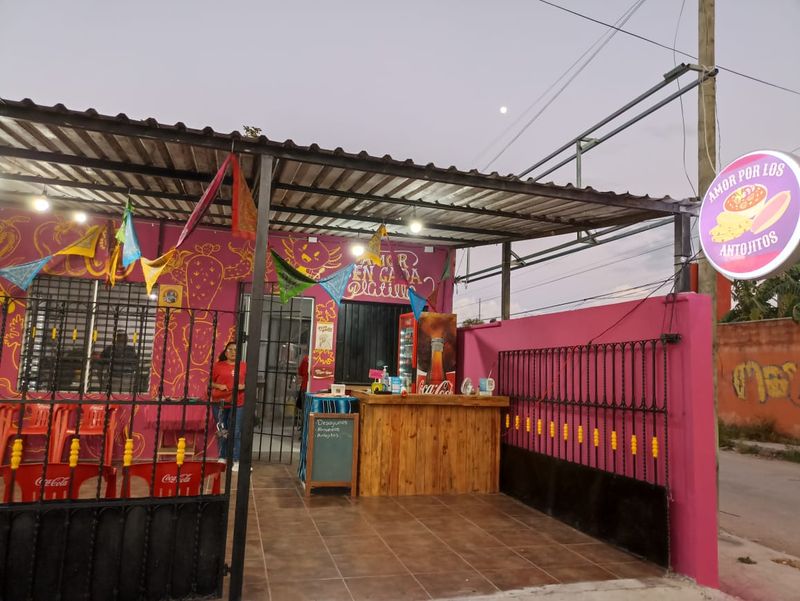
Mérida has a street food culture that is distinctly Yucatecan, and Amor por los Antojitos captures that regional character well. The menu centers on antojitos, which are small savory snacks that serve as the foundation of Yucatan street eating.
Panuchos and salbutes are two of the most popular options, both built on fried tortilla bases with toppings like turkey, pickled red onion, and avocado.
The Yucatan Peninsula uses ingredients and flavor profiles that differ noticeably from central Mexico. Achiote seasoning, habanero chili, and citrus show up frequently, giving the food a brightness and heat that is uniquely regional.
Amor por los Antojitos keeps the menu focused and the preparation traditional.
Mérida is a walkable city with a strong food market culture, so pairing a stop at this stall with a broader market visit makes sense. The city rewards food travelers who slow down and try multiple small dishes rather than committing to a single sit-down meal.
Guacamayas el Güero, Guanajuato
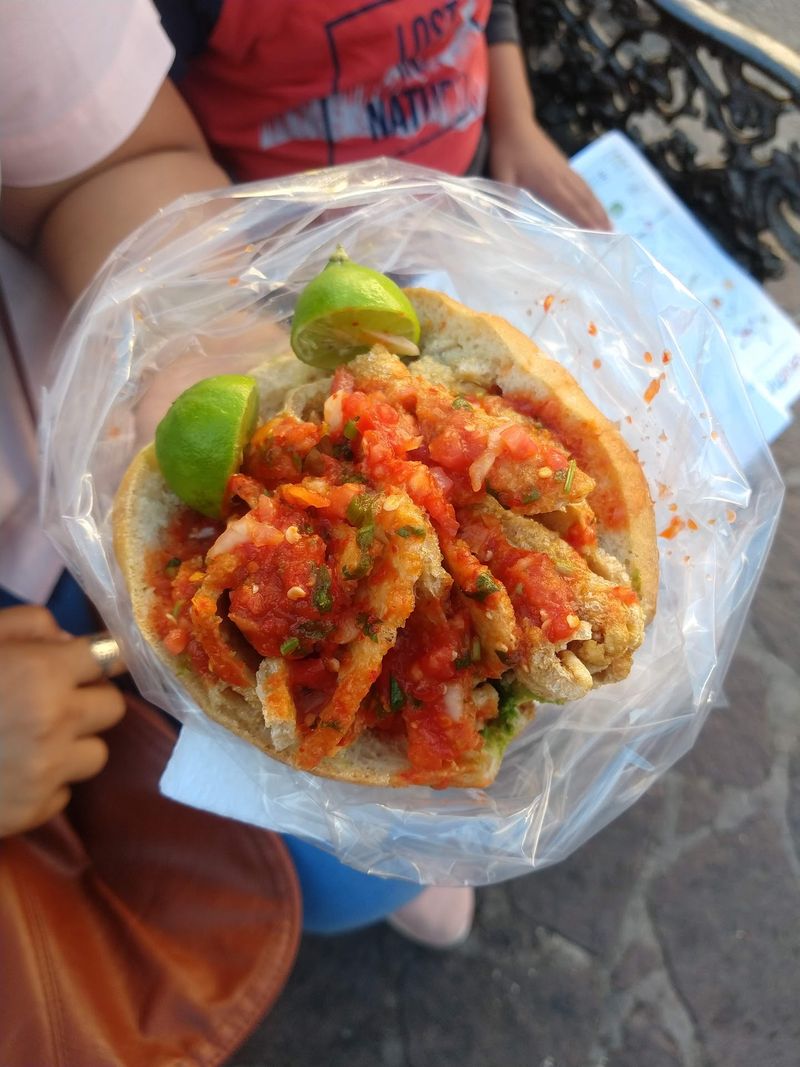
Guanajuato has its own street food specialty that most travelers outside Mexico have never heard of: the guacamaya. This regional snack is a bolillo roll filled with chicharron, salsa, and sometimes pickled vegetables, and it is the kind of food that defines a city’s street identity.
Guacamayas el Güero is one of the most established vendors serving this Guanajuato classic.
The combination of crunchy pork skin and spicy salsa packed into soft bread is simple but deeply satisfying. It is the kind of snack that locals have been eating for decades, often as a midmorning bite between errands or work.
Visiting Guanajuato without trying a guacamaya would mean missing one of the city’s most genuine food traditions.
The city itself is visually stunning, with narrow alleyways and colorful buildings built into hillsides. Eating a guacamaya while wandering those streets connects the food experience directly to the place, which is exactly what good street food travel should feel like.
Taquería San Francisco, San Miguel de Allende
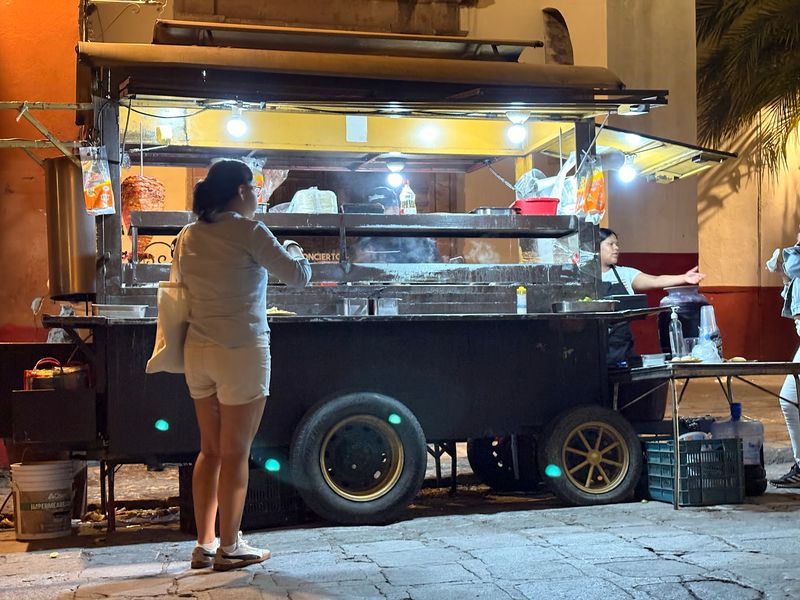
San Miguel de Allende is known internationally for its art scene and colonial architecture, but the city also has a solid street taco culture that does not always make the travel brochures. Taquería San Francisco is a local favorite that keeps things straightforward, serving tacos on handmade corn tortillas with fresh salsas and traditional toppings.
The clientele is a mix of locals and visitors, and the menu does not try to reinvent anything. Good tortillas, properly seasoned meat, and house-made salsa are the formula, and when those three things are done well, nothing else is needed.
San Miguel’s food scene can skew toward upscale dining, which makes a reliable taqueria like this a welcome counterpoint.
The neighborhood surrounding the taqueria gives travelers a chance to see a more everyday side of the city. San Miguel is beautiful on any street, but exploring it on foot with a taco in hand gives the visit a more grounded and local feel.
Mercado La Cruz, Querétaro
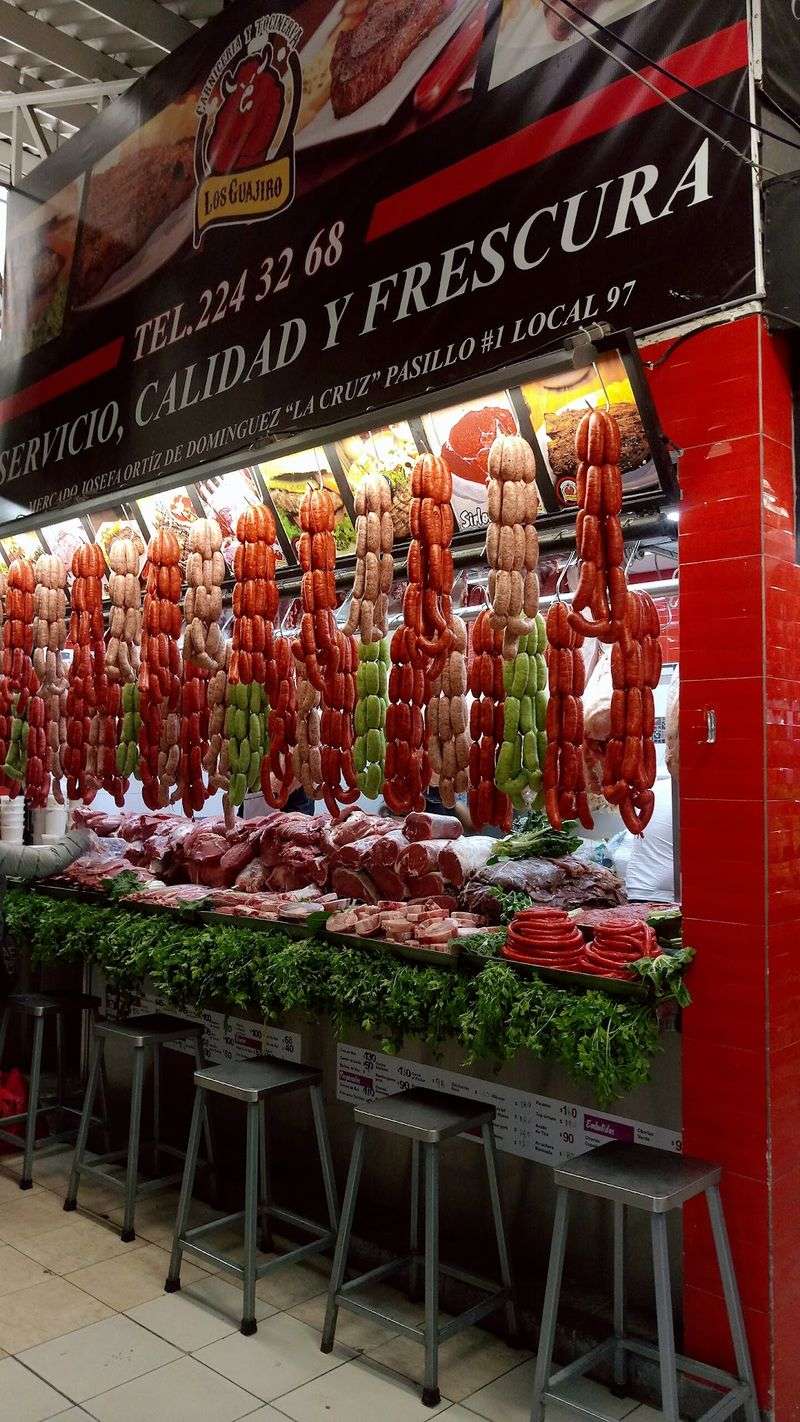
Mercado La Cruz is one of Querétaro’s most active public markets and a reliable destination for anyone who wants to build a full morning around street eating. The market brings together vendors selling everything from carnitas and gorditas to fresh fruit and tamales, all under one roof with the energy of a working neighborhood market.
Querétaro is sometimes overlooked by travelers who focus on Mexico City or Guadalajara, but the city has a well-developed food culture with strong regional roots. The market format means visitors can sample across multiple vendors without committing to a single dish or style, which is ideal for first-time visitors trying to understand the local food landscape.
Gorditas, which are thick stuffed corn cakes, are a particular highlight at markets like this one. The fillings vary by vendor but often include beans, cheese, and chicharron.
Arriving in the morning gives travelers the best selection and the most activity, making it worth an early start.
Tacos El Compadre Alias del Muerto, Monterrey
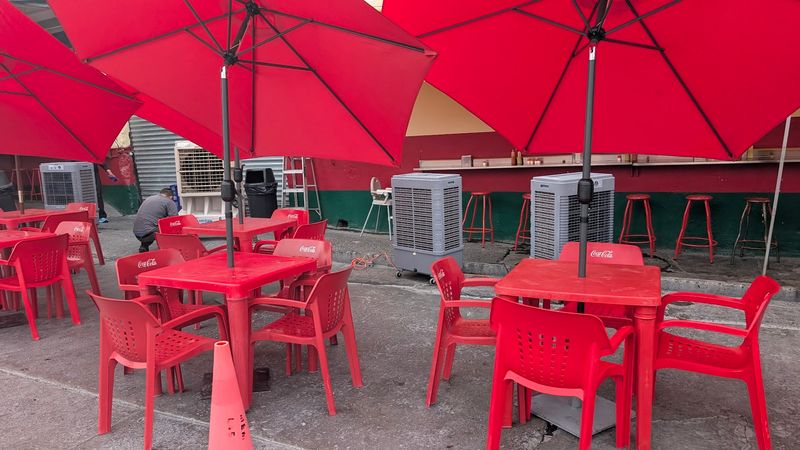
Monterrey has a reputation for serious grilled meat, and Tacos El Compadre Alias del Muerto is one of the city’s recognized taco spots that leans into that tradition. The name is memorable, and so is the food.
Carne asada tacos are the centerpiece, grilled over high heat and served with the salsas and condiments that Monterrey taqueros have been perfecting for years.
The city’s street taco culture differs from central Mexico in meaningful ways. Flour tortillas appear more frequently here, and the emphasis on beef rather than pork or chicken reflects the northern Mexican food identity.
Trying tacos in Monterrey gives travelers a clear sense of how geography shapes what ends up on the plate.
El Compadre operates during evening and late-night hours, which aligns with how Monterrey residents tend to eat. The city runs late, and the taco scene follows that rhythm.
Showing up after dinner time means finding the stall at its busiest and most energetic.
Las Ahumaderas Tacos El Paisa, Tijuana
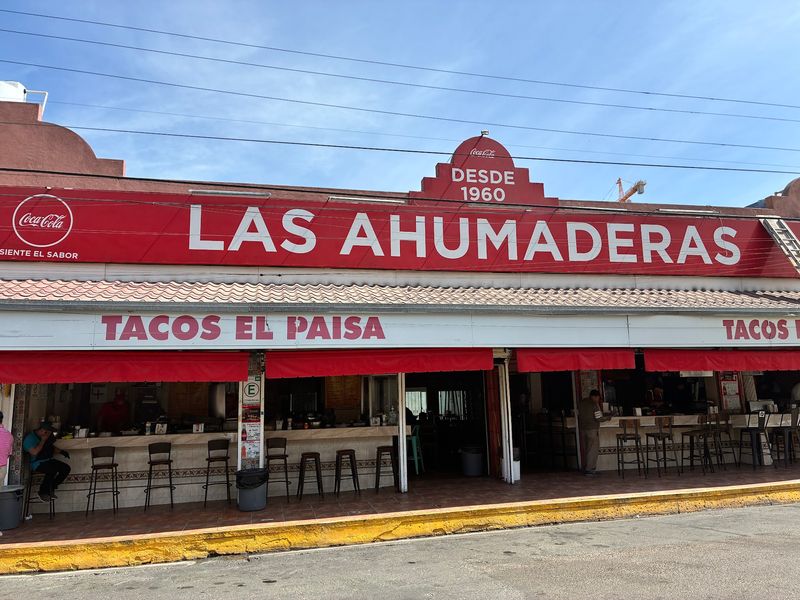
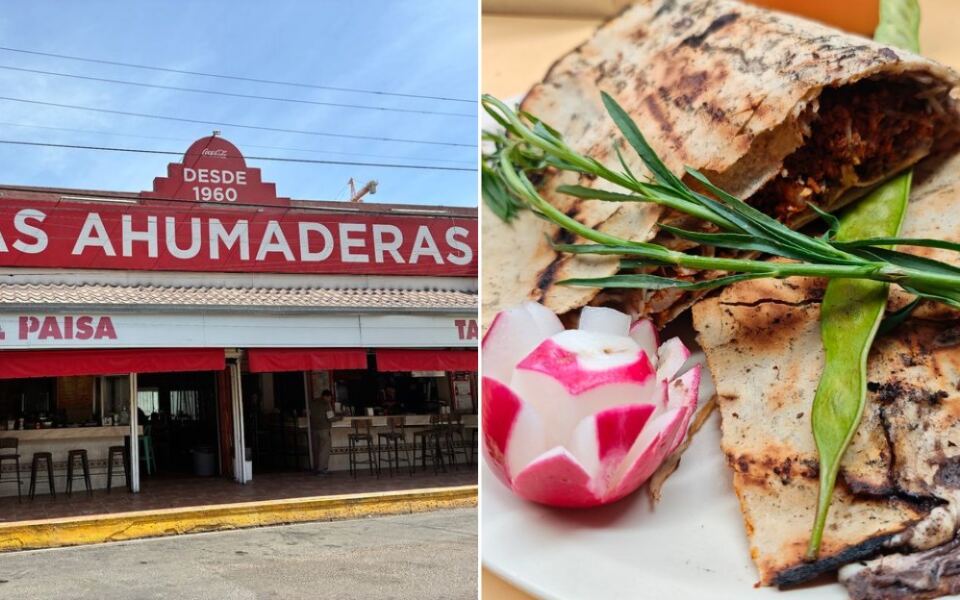
Tijuana has built a serious food reputation over the past decade, and Las Ahumaderas Tacos El Paisa represents one of the city’s most distinctive taco styles. Ahumaderas refers to smoked or charcoal-grilled meats, and the preparation gives the tacos a depth of flavor that separates them from standard grilled options.
The setup is straightforward, but the technique is the point.
Tijuana sits on the US-Mexico border, and its food culture reflects that position. The city absorbs influences from both sides while maintaining a strong northern Mexican identity.
Street food here tends to be bold, filling, and built for people who are serious about eating well.
El Paisa draws a crowd that includes both locals and visitors crossing from California, which speaks to its standing in the neighborhood. Tijuana’s street food scene rewards exploration, and this spot gives travelers a specific reason to stop rather than just passing through on the way somewhere else.
Tacos Floresta, Ensenada
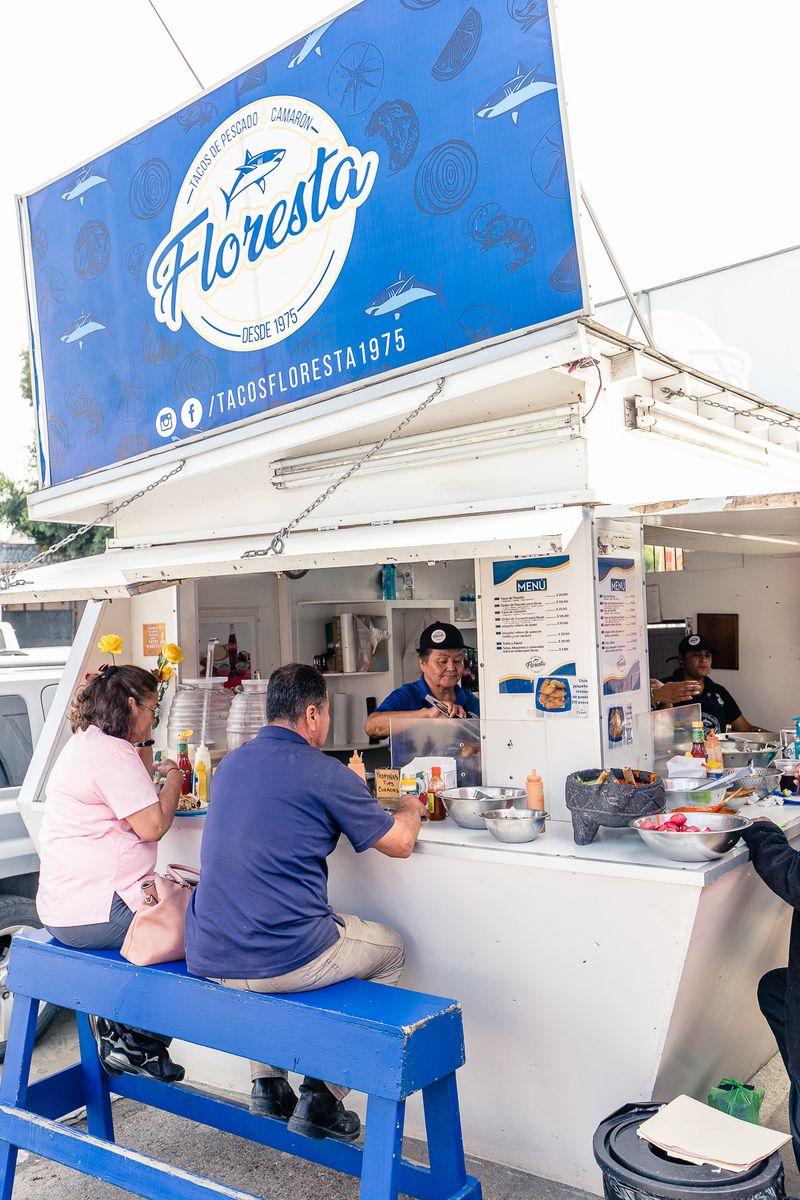
Ensenada is a coastal city in Baja California where seafood tacos are the undisputed street food priority. Tacos Floresta is a local spot known for serving the kind of fish and shrimp tacos that the region has become famous for, built on corn tortillas with cabbage, crema, and fresh salsa.
The simplicity is intentional and effective.
Baja-style fish tacos have gained fans internationally, but eating them in Ensenada gives the dish its proper context. The fish is typically battered and fried, and the freshness of the ingredients reflects the city’s proximity to the ocean.
There is a reason this style of taco spread far beyond its home region.
Ensenada is a manageable day trip from the US border, which means it attracts a steady flow of visitors who come specifically to eat. Tacos Floresta offers a reliable version of the local specialty without the tourist markup that some waterfront spots carry.
It is a practical and genuinely satisfying stop.
Gaspachos el Boulevard, Morelia
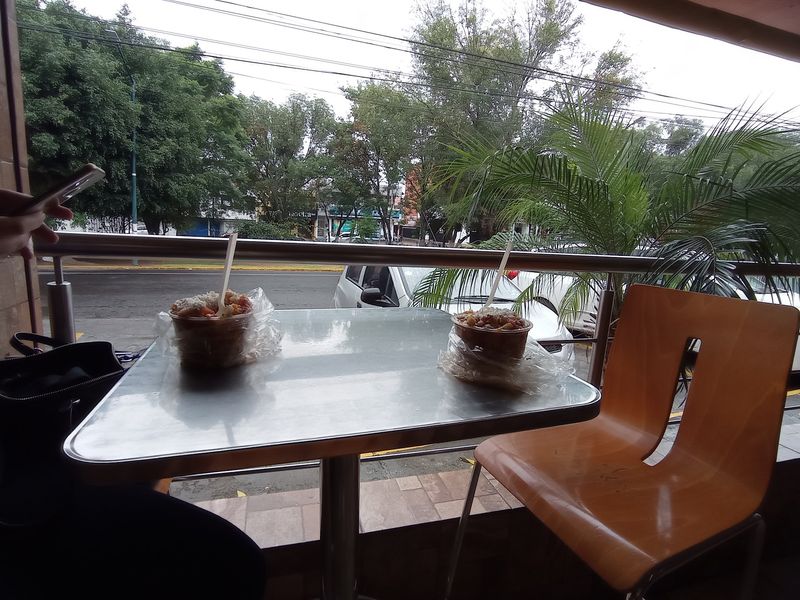
Morelia’s version of gaspacho is nothing like the Spanish cold soup most people know. In Michoacan, gaspacho is a fruit cup typically made with mango, jicama, and orange, topped with cotija cheese, chili powder, lime juice, and hot sauce.
It is refreshing, layered with contrasting flavors, and entirely its own thing. Gaspachos el Boulevard is one of the city’s go-to vendors for this regional specialty.
The dish is a perfect example of how Mexican street food creates something unique by combining ingredients that might seem unexpected together. Sweet, salty, sour, and spicy all show up in a single cup, and the balance is the point.
Morelia locals eat gaspacho as a snack at almost any time of day.
Visiting the Boulevard area in Morelia means walking through one of the city’s more lively public spaces, where vendors, foot traffic, and outdoor seating create a genuinely pleasant eating environment. The gaspacho is the reason to stop, but the setting makes it worth lingering.
Antojitos Veracruzanos Samborcito, Veracruz
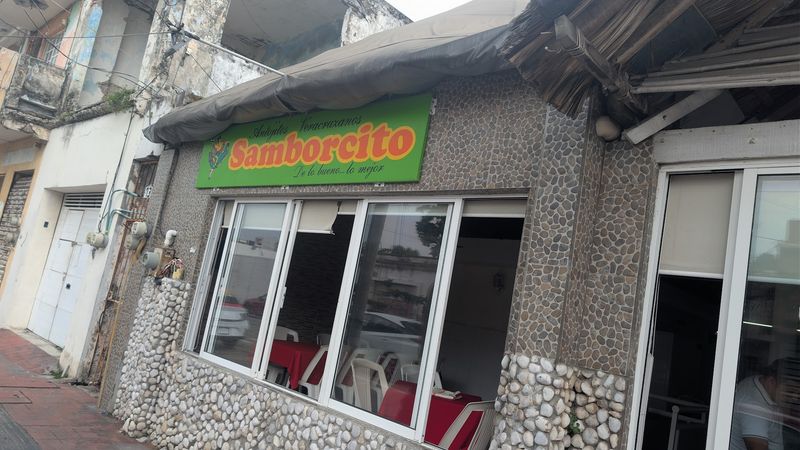
Veracruz has one of Mexico’s most distinctive regional food identities, shaped by its port history and Caribbean influences. Antojitos Veracruzanos Samborcito focuses on the small savory dishes that define local street eating, including picadas and garnachas.
These are thick masa snacks topped with salsa, beans, and crumbled cheese, and they are as tied to Veracruz as the waterfront itself.
Picadas are a specifically Veracruz creation, made from a small oval of masa with pinched edges that hold the toppings in place. The garnachas are fried and slightly crispier, offering a different texture with similar toppings.
Trying both gives visitors a clear picture of how the region builds flavor from simple corn-based foundations.
Veracruz as a city moves at a warm, unhurried pace, and eating at a spot like Samborcito fits that rhythm. The food is affordable, filling, and deeply regional.
For travelers looking to understand Gulf Coast Mexican cuisine, this kind of antojito stall is the right starting point.
Enchiladas Potosinas Caseras, San Luis Potosí
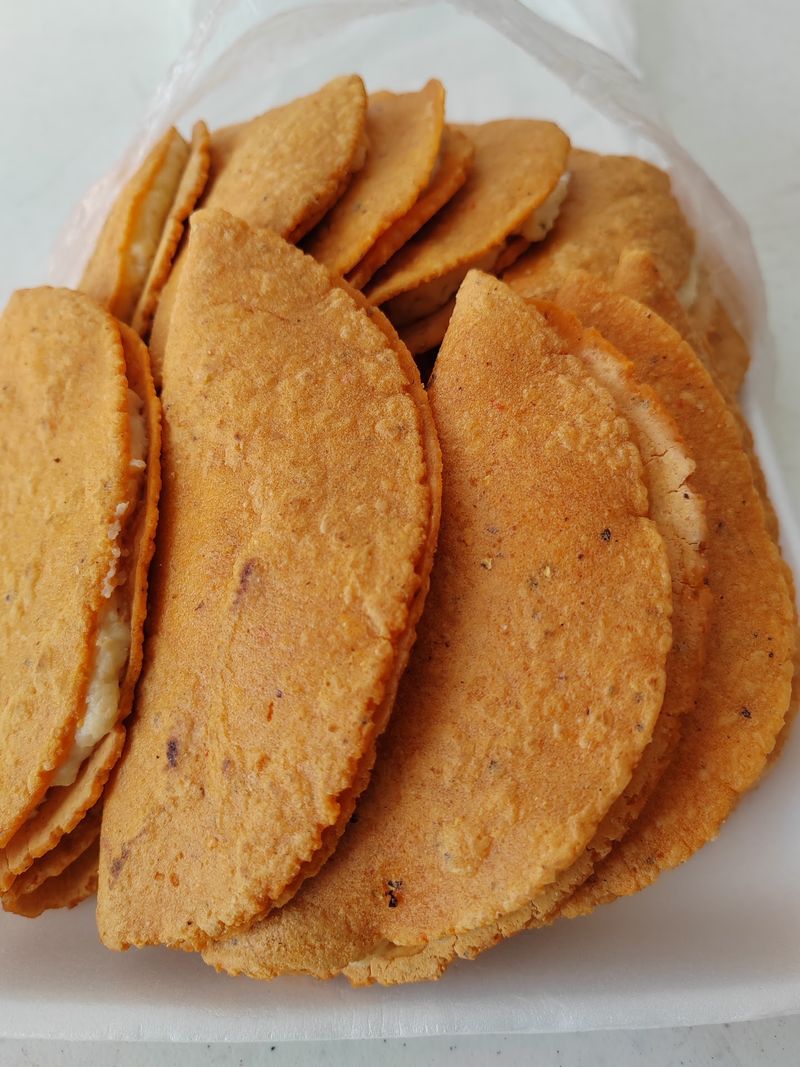
Enchiladas potosinas are not like the enchiladas you find in most Mexican restaurants. In San Luis Potosí, the chili is worked directly into the masa dough itself, giving the tortilla a reddish color and a mild heat before any filling is added.
The filling is typically fresh cheese, and the whole thing is pan-fried and served with beans and salsa. Enchiladas Potosinas Caseras specializes in this local version.
The dish is a point of regional pride in San Luis Potosí, and locals are quick to distinguish it from the enchiladas served elsewhere in the country. The technique of incorporating dried chili into the dough is specific to this region and gives the food a flavor profile that cannot be replicated by simply adding sauce on top.
San Luis Potosí is a colonial city with a strong food culture that does not always receive the attention it deserves from international travelers. This stall offers one of the clearest reasons to add the city to a Mexico food itinerary.
Antojitos Doña Thomasa, Campeche
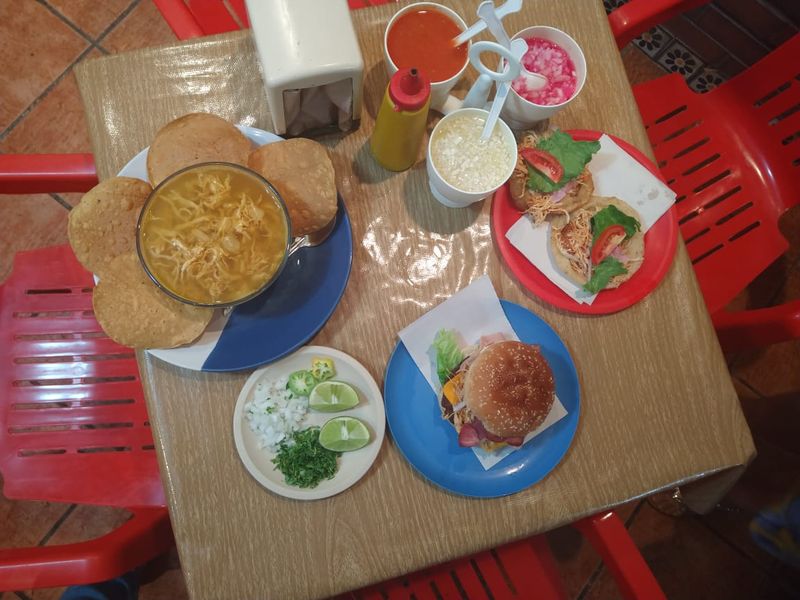
Campeche is one of Mexico’s lesser-visited colonial cities, but it has a food culture that reflects its Maya heritage and coastal location. Antojitos Doña Thomasa serves traditional Campeche-style snacks that draw from the same Yucatecan pantry found across the peninsula, including dishes like panuchos and papadzules.
The ingredients lean heavily on local chili varieties, citrus, and recado seasoning pastes.
Papadzules are a particularly interesting dish to try in this region. They consist of corn tortillas filled with hard-boiled egg and topped with a pumpkin seed sauce and tomato salsa.
The flavor is earthy and mild, and the dish has roots that go back to pre-Hispanic cooking traditions in the Yucatan Peninsula.
Campeche’s historic center is a UNESCO World Heritage Site, and eating street food near the colorful walls of the old city adds a layer of context to the experience. Doña Thomasa gives travelers a genuine taste of a city that rewards those who take the time to visit it properly.
Share this story