The 1990s were one of the most creative decades in American pop culture history, and Black artists, designers, and communities were at the center of nearly every major shift. From the clothes people wore to the words they used every day, Black culture shaped the look, sound, and language of an entire generation.
Hip-hop was rising fast, R&B was dominating the charts, and television was finally showing Black life in full color. The trends that came out of that era did not just fade away quietly.
Many of them keep coming back because they were built on something real, something rooted in identity, creativity, and pride. This list celebrates 16 of the most iconic trends that Black culture either created or completely transformed during the 1990s.
Baggy Clothing
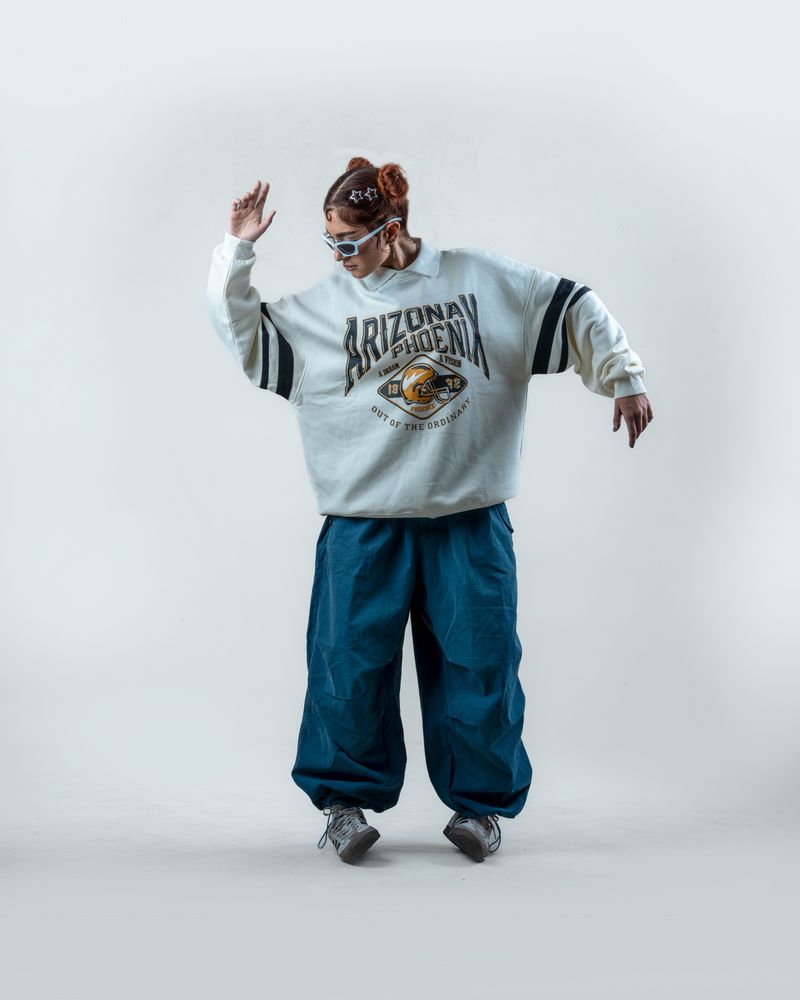
Walk through any old photo album from the early 1990s and baggy clothing shows up everywhere. Oversized jeans, loose shirts, and dramatically roomy hoodies were not accidental fashion choices.
They were a statement, and hip-hop made that statement loud.
Artists like Tupac Shakur, The Notorious B.I.G., and TLC wore roomy silhouettes with a kind of confidence that made the style feel intentional rather than sloppy. The look communicated something about freedom, personality, and belonging to a culture that was growing fast.
What made baggy clothing especially powerful was how it crossed gender lines without hesitation. Smithsonian research notes that women in hip-hop, including MC Lyte, Queen Latifah, and Da Brat, embraced the oversized aesthetic while building their own identities.
By the mid-1990s, baggy pieces had moved far beyond hip-hop audiences and become one of the defining silhouettes of the entire decade’s youth fashion scene.
Timberland Boots
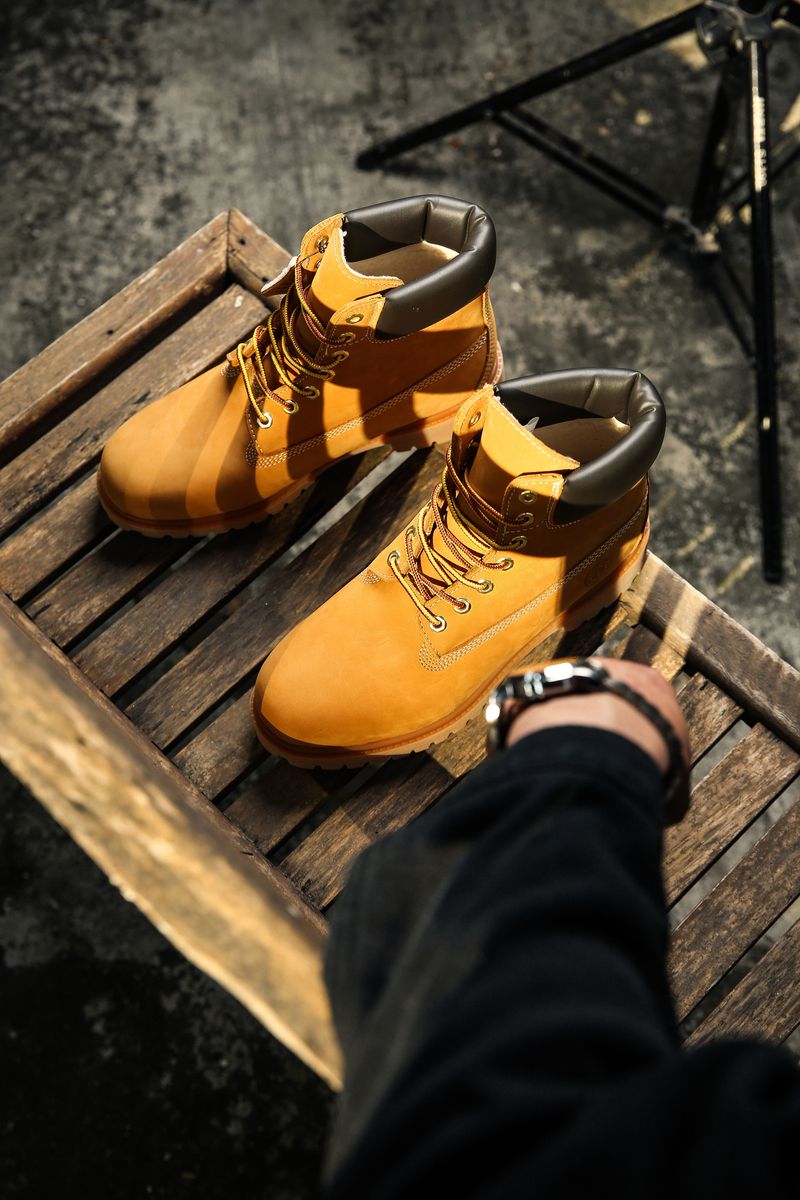
Timberland originally built its brand around rugged outdoor work boots, designed for people who needed serious footwear for serious jobs. Then hip-hop got hold of them, and everything changed.
By the early 1990s, wheat-colored Timbs had become inseparable from East Coast street style, especially in New York. Rappers wore them with oversized jeans, heavy jackets, and hoodies, turning a practical work boot into one of the decade’s most recognizable fashion symbols.
The combination of durability, that unmistakable tan color, and hip-hop credibility created something no marketing campaign could have manufactured on its own.
The shift happened organically, driven by community adoption rather than advertising. Artists wore what felt authentic, and fans followed.
That grassroots power is exactly what made the Timberland story so significant. Decades later, the boots remain closely linked to hip-hop fashion history, proof that cultural adoption can rewrite a brand’s entire identity from the ground up.
Gold Chains and Nameplate Necklaces
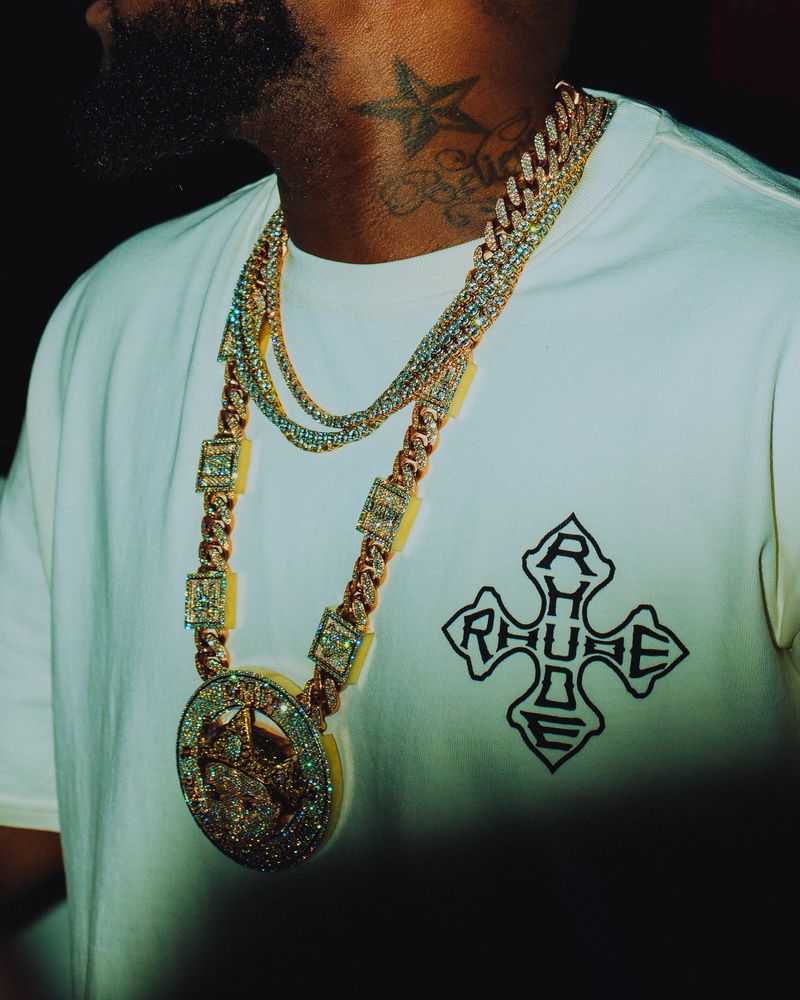
Gold jewelry was already part of hip-hop’s visual language before the 1990s arrived, but the decade pushed it into an entirely different level of mainstream visibility. Thick chains, heavy pendants, bold rings, and personalized nameplate necklaces became more than accessories.
They were declarations.
Wearing gold communicated identity, success, and pride at a time when Black artists were building massive cultural influence. Jewelry appeared constantly in rap videos, album covers, and live performances, making it as much a part of the message as the music itself.
Smithsonian collections documenting hip-hop fashion specifically highlight gold chains and large earrings as central elements of the culture’s visual vocabulary. As hip-hop grew into a dominant commercial force throughout the decade, styles that had flourished within Black communities began appearing in mainstream jewelry stores and fashion magazines.
The nameplate necklace, in particular, became a way to wear your identity literally, a trend that keeps cycling back into fashion every few years.
Box Braids and Cornrows
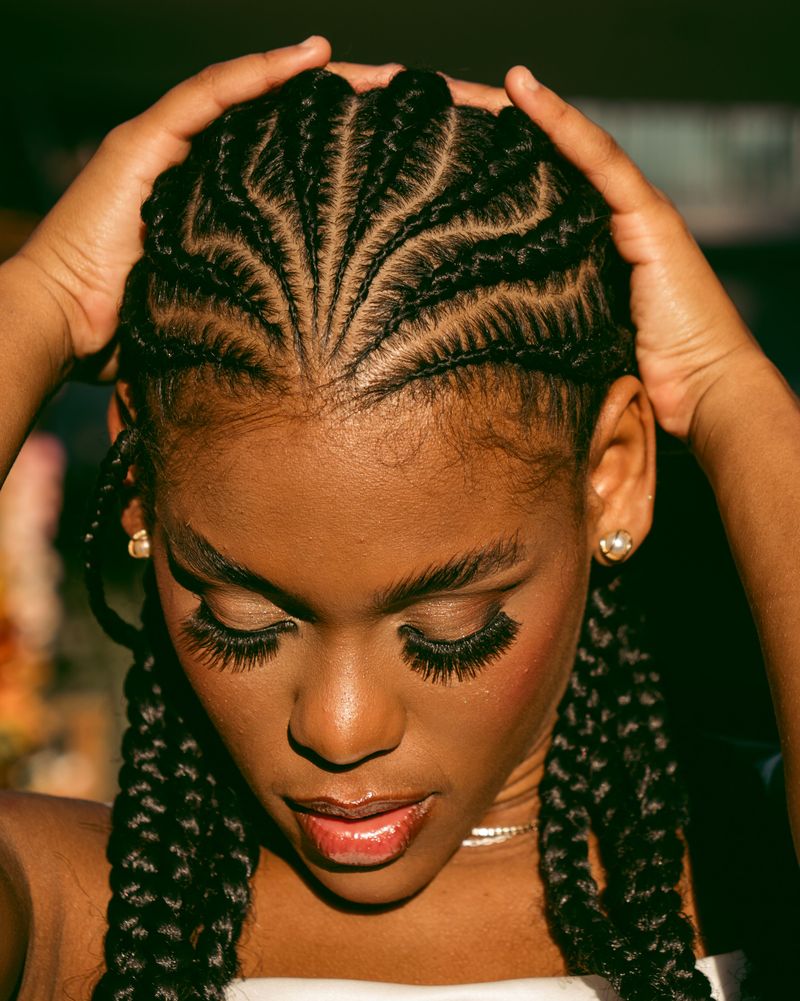
Box braids and cornrows carry histories stretching back centuries, rooted in African and African American traditions long before the 1990s gave them a new spotlight. What the decade delivered was enormous mainstream visibility for styles that had always been meaningful within Black communities.
Janet Jackson’s box braids in Poetic Justice became one of the most photographed hairstyle moments of the era. Brandy, Lauryn Hill, and countless other performers wore braided styles regularly, making them part of the decade’s most enduring visual memories.
At a time when mainstream beauty standards often pushed toward straightened hair, seeing prominent Black women wear braids publicly carried real cultural weight. These hairstyles combined practicality, creativity, personal expression, and deep tradition all at once.
They also challenged narrow ideas about what glamorous or professional hair was supposed to look like, a conversation that is still very much alive today. The 1990s did not create box braids, but it gave them a global stage.
High-Top Fade
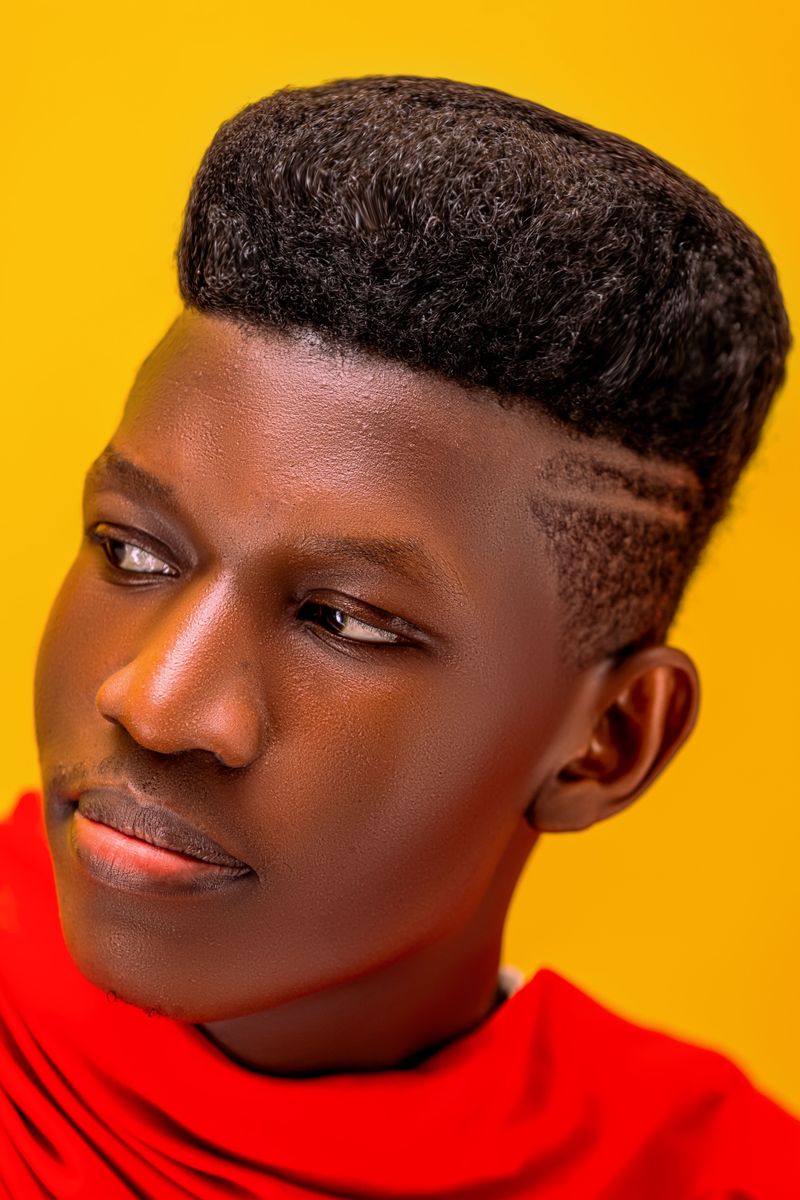
No haircut says “early 1990s” quite as quickly as the high-top fade. Closely cut on the sides with a dramatically sculpted flat top, the style turned a haircut into a canvas for individual expression.
Kid ‘n Play became the faces most associated with the high-top fade’s most theatrical versions, while a young Will Smith helped carry similar styles into millions of living rooms through television. Barbers across the country added sharp geometric lines, personalized shapes, and creative details that made each cut unique to the person wearing it.
The high-top fade’s peak was relatively short compared to some other trends on this list, but its visual impact was enormous. It became so closely tied to early Black pop culture of the period that its silhouette is now instantly recognizable to anyone who lived through the era.
Even people who never had the haircut remember exactly what it looked like, which is its own kind of cultural staying power.
Jheri Curl Revival
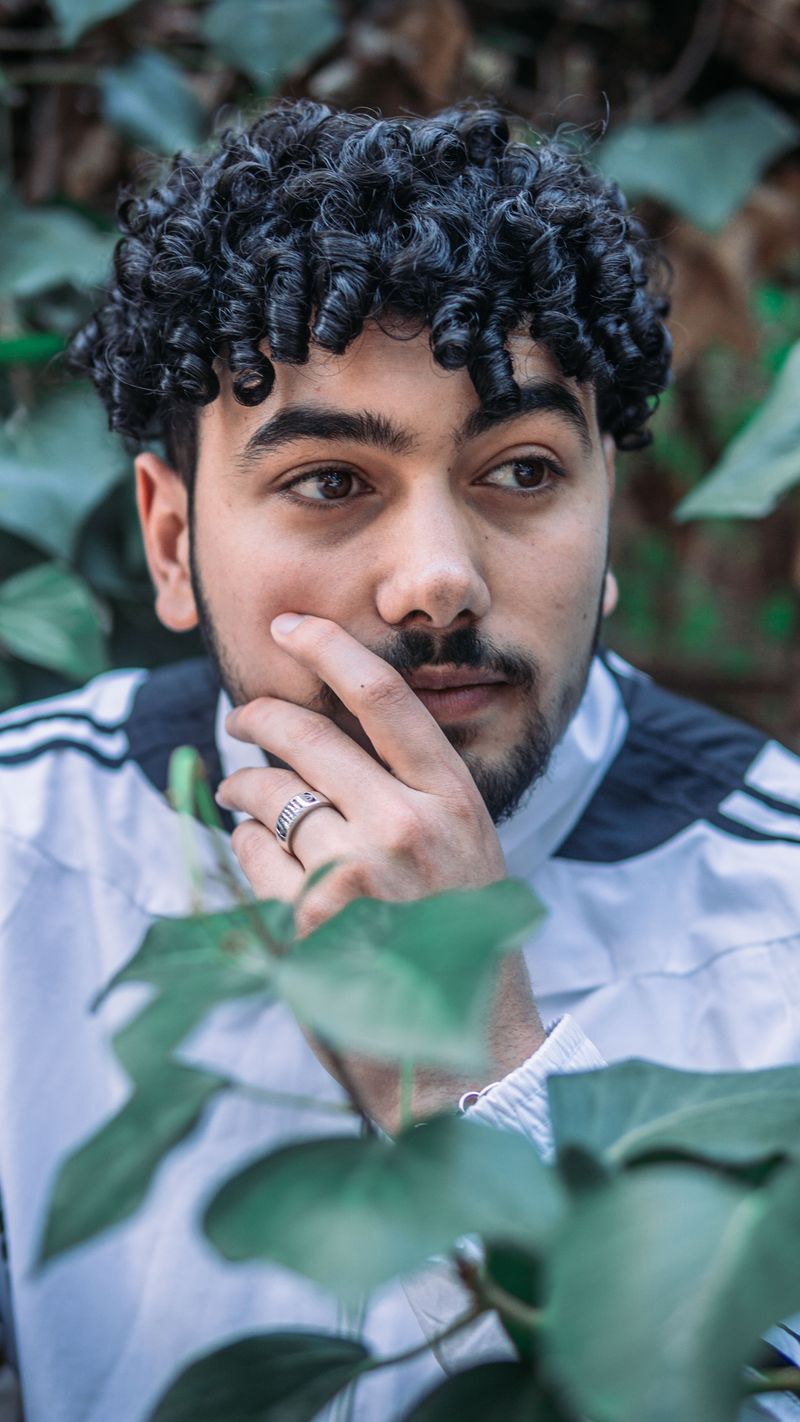
The Jheri curl belongs mostly to the 1980s, but calling it irrelevant to the 1990s would miss part of the story. The glossy, moisturized style extended into the early part of the following decade, carried along partly by West Coast rap culture and the performers associated with it.
Late-1980s and early-1990s hip-hop kept the look visible at a time when other hairstyle trends were already pulling attention in different directions. Fades, braids, close cuts, and locs were all gaining ground, and the Jheri curl gradually gave way to those newer aesthetics as the decade moved forward.
What makes the Jheri curl worth including here is what it represents rather than how long it dominated. It was part of the visual handoff between two decades, a style that helped define the transition period when Black popular culture was evolving rapidly.
Its presence in music and on screen during those early years made it part of the decade’s opening chapter, even if it did not write the whole story.
Hip-Hop and R&B Dominance
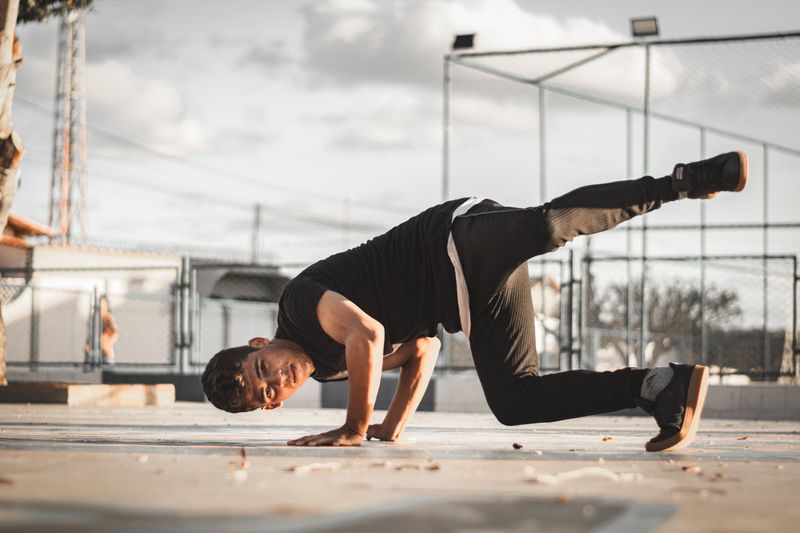
The biggest cultural shift of the entire decade might be the simplest one to describe. Hip-hop and R&B stopped being genres at the edges of mainstream American music and moved directly to its center, and they have not really left since.
The 1990s produced an extraordinary concentration of influential artists: TLC, Mary J. Blige, Boyz II Men, Aaliyah, Tupac, The Notorious B.I.G., OutKast, Wu-Tang Clan, Nas, Lauryn Hill, and many more.
Each of them shaped not just what was on the charts but what people wore, how they talked, and what they valued culturally.
Music videos turned fashion choices into national trends almost overnight. Lyrics introduced new language to listeners across every background.
Artists launched clothing lines, cologne brands, and production companies. By the late 1990s, hip-hop and R&B were not competing with mainstream culture for attention.
They were defining what mainstream culture actually was, a shift that began with Black creativity and changed everything around it.
Iconic 90s Dances
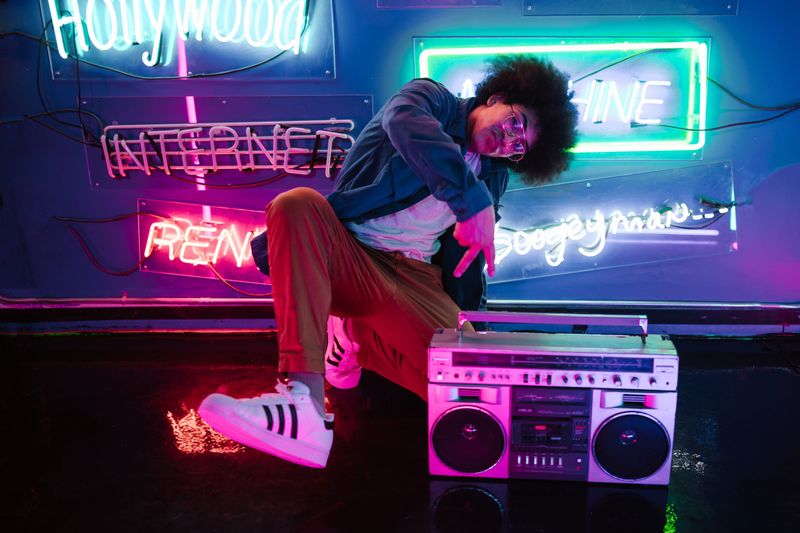
Long before social media turned dance challenges into a daily occurrence, hip-hop was already demonstrating how quickly Black social dances could travel from local communities into mainstream popular culture. The 1990s dance floor owed an enormous amount to that tradition.
Moves like the Running Man and the Cabbage Patch had roots in the previous decade but remained highly visible during the early 1990s. As new hip-hop tracks dropped throughout the decade, new dances followed, spreading through clubs, school hallways, house parties, and television appearances faster than any previous generation could have managed.
Music television accelerated everything. A move performed in a rap or R&B video could be replicated across the country within days.
That speed of cultural transmission was genuinely new, and Black dance culture was the engine driving it. The dances themselves were creative, communal, and often deeply tied to specific songs, making them a living part of how people experienced the music rather than just something happening around it.
The Fresh Prince of Bel-Air
The Fresh Prince of Bel-Air ran from 1990 to 1996 and became one of the most watched sitcoms of the decade. But beyond the laughs, it functioned as a weekly fashion showcase that brought Black youth style directly into mainstream American living rooms.
Will Smith wore bright prints, oversized shirts, colorful jackets, backwards baseball caps, and sneakers throughout the series. The clothing reflected the growing relationship between Black youth culture and mainstream fashion in a way that felt natural rather than calculated.
Cross Colours gained significant exposure after Smith wore the brand on screen, demonstrating how powerful television placement could be for emerging streetwear labels.
Smithsonian research specifically identifies the show among the hip-hop-influenced television programs that helped normalize streetwear for a broad national audience. The series also showed a young Black man navigating different social worlds with humor and confidence, which made its fashion feel like an extension of the character rather than just a costume.
That authenticity is part of why the style still resonates today.
Air Jordans and Nike Air Force 1s
Sneakers had always mattered in basketball, but Black culture transformed certain models into something far beyond athletic equipment. They became status symbols, cultural identifiers, and fashion statements that communicated taste, neighborhood, and musical allegiance all at once.
Michael Jordan’s signature Nike line created a level of excitement around basketball shoes that the industry had never seen before. Air Jordans generated lines, resale markets, and genuine cultural conversations about which colorways were worth having.
The sneaker release became a cultural event rather than just a retail transaction.
Nike Air Force 1s followed a different but equally powerful path. Their deep roots in Black urban communities and hip-hop culture turned a basketball shoe originally released in the early 1980s into a decades-long streetwear staple.
During the 1990s, sneakers increasingly communicated identity in ways that other clothing items simply could not match. The sneaker culture that dominates fashion, resale markets, and collector communities today was built on the foundation that era created, and Black culture was the architect.
Sports Jerseys as Streetwear
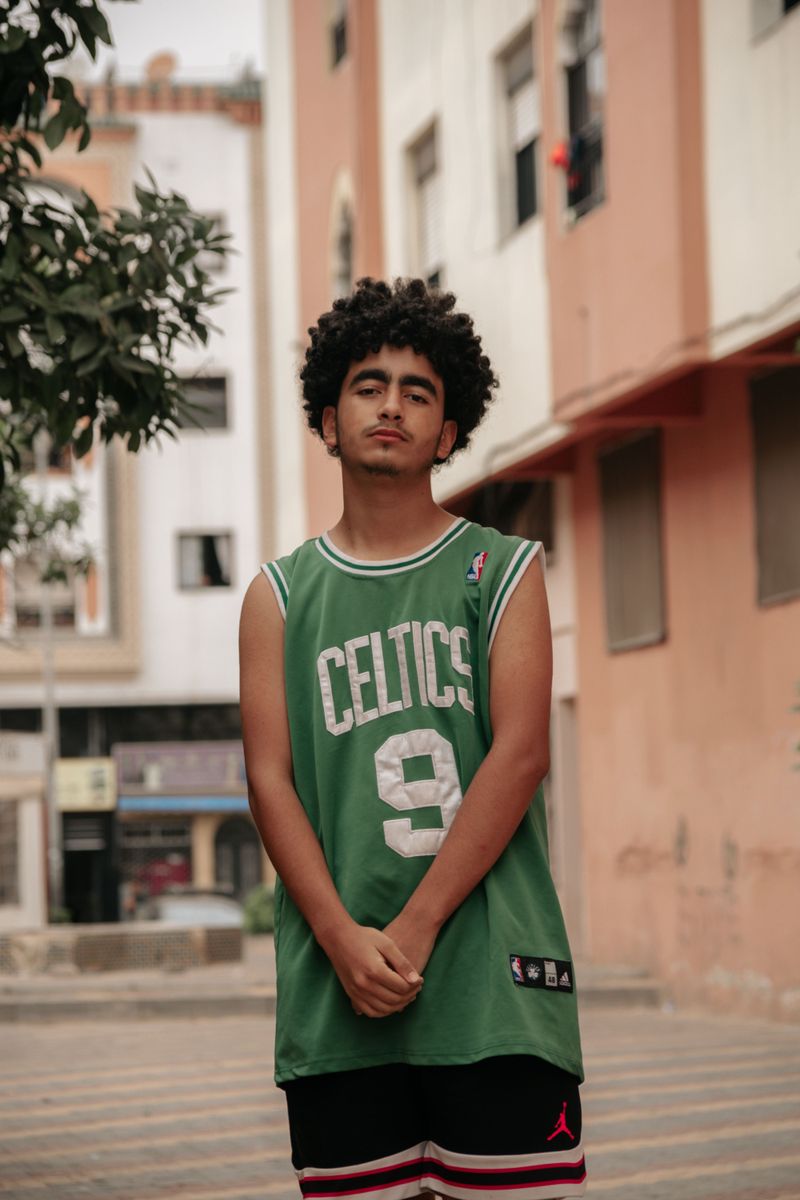
At some point during the 1990s, sports jerseys left the stadium and became everyday clothing, and hip-hop was the main reason why. Performers wore oversized NBA, NFL, MLB, and NHL jerseys in music videos, at award shows, and in publicity photographs, giving athletic apparel a new cultural context entirely.
The appeal fit naturally with the decade’s preference for loose, roomy silhouettes. Jerseys were colorful, immediately recognizable, and offered an easy way to represent a favorite city or team without saying a single word.
That combination of visual identity and wearable style made them irresistible to a generation that cared deeply about both music and self-expression.
Soon, people who had little interest in the actual sport were wearing jerseys simply because the look worked. That crossover between athletics, music, and street fashion became one of the most defining style combinations of the decade.
Sports brands noticed quickly, and the relationship between professional leagues and hip-hop culture has only grown stronger in the years since.
Bucket Hats
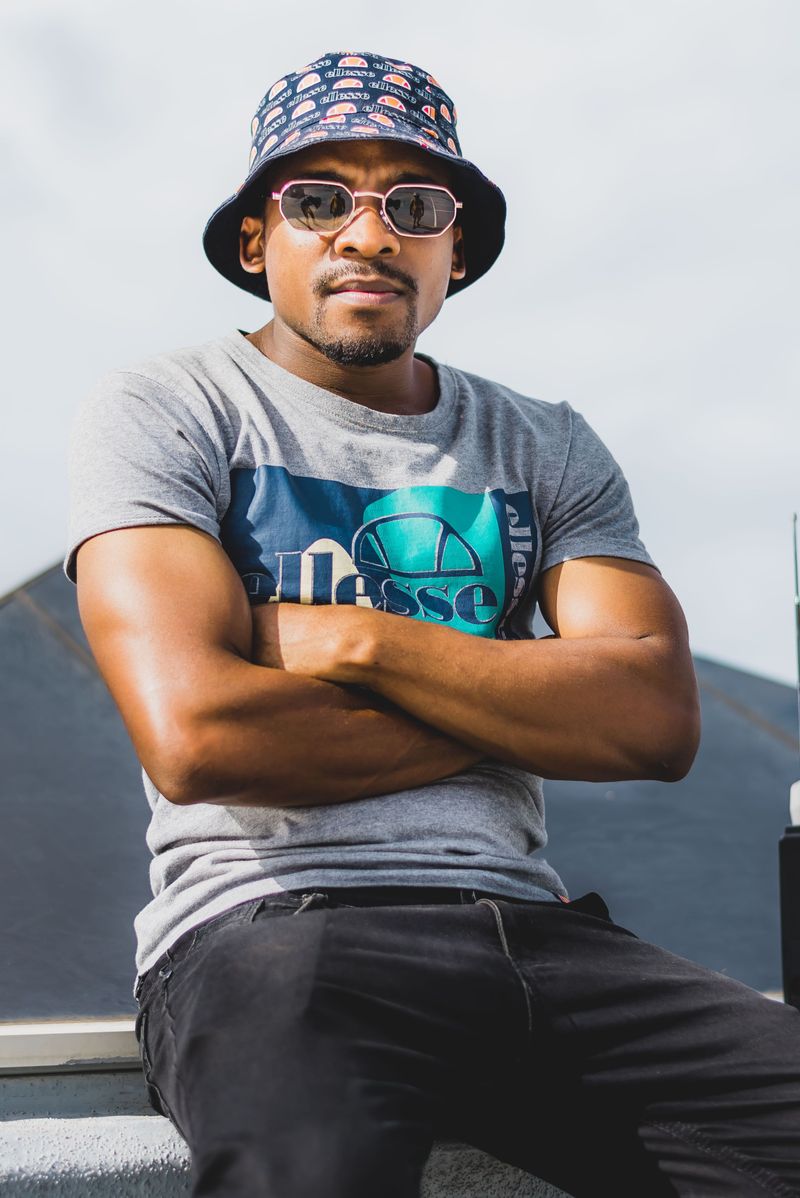
Bucket hats existed long before hip-hop discovered them, but the genre gave them a completely new cultural identity and a much wider audience. What had been a functional, unremarkable piece of headwear became a statement accessory almost entirely because of how hip-hop artists incorporated it into their look.
LL Cool J became one of the artists most closely associated with brimmed hats and hip-hop headwear during the era, helping establish the idea that a hat choice could communicate as much as any other part of an outfit. The broader relationship between hip-hop performers and headwear brands is well documented, with Smithsonian historians noting how artists could dramatically increase a brand’s visibility simply by making distinctive hats part of their public identity.
By the mid-1990s, bucket hats had moved through streetwear and music culture into general youth fashion. Their revival cycles have continued steadily in the decades since, with each new generation rediscovering the style and often not realizing just how deep its hip-hop roots actually run.
“Fo’ Shizzle” and Izzle Slang
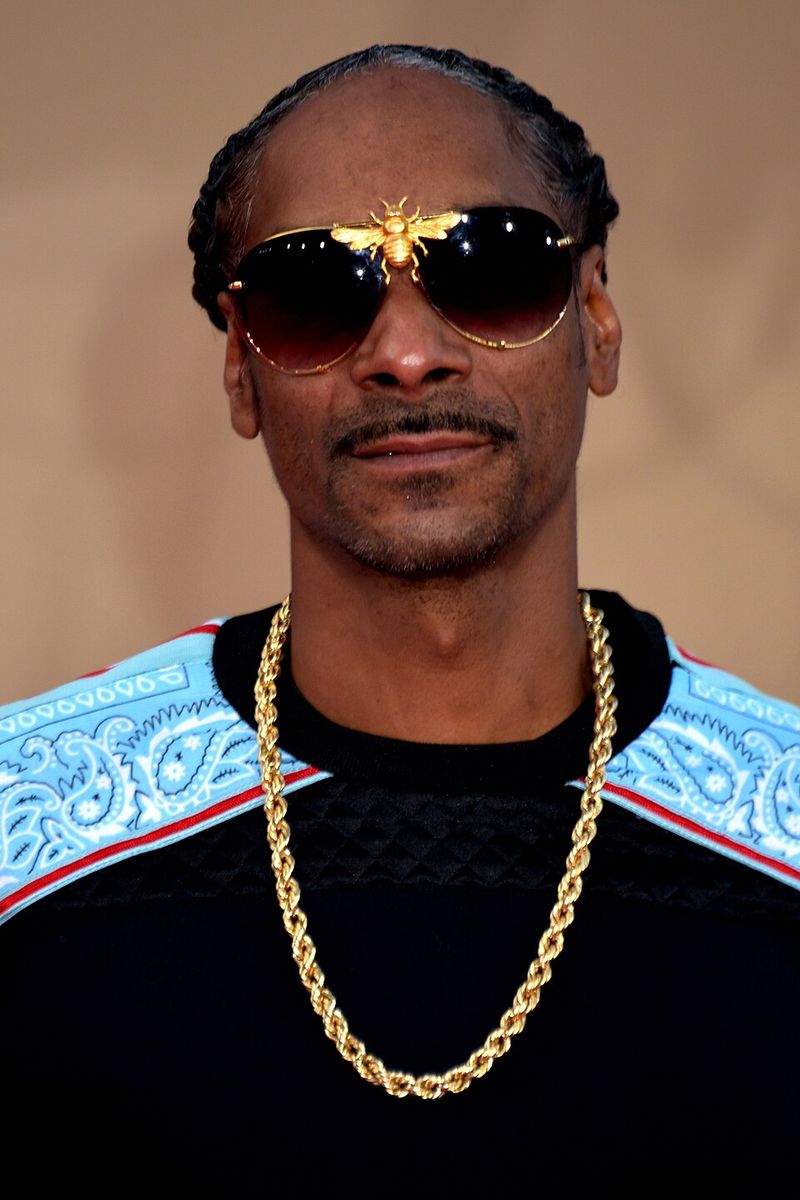
Snoop Dogg became so closely associated with “-izzle” slang that the connection is now part of hip-hop history. Words like “fo’ shizzle” added playful linguistic creativity to everyday speech in a way that felt uniquely tied to West Coast rap culture and Snoop’s particular personality and delivery.
Calling it strictly a 1990s phenomenon needs some honesty. While Snoop was already experimenting with related language during his career in the decade, “fo’ shizzle” and similar expressions reached their peak mainstream visibility during the early 2000s.
Contemporary coverage from that period specifically credited Snoop with popularizing the trend widely.
Still, its inclusion here reflects something important about the entire era. Rap continually introduced Black linguistic creativity to audiences who encountered it through songs, interviews, television appearances, and eventually advertising campaigns.
The “-izzle” phenomenon was a particularly vivid example of how hip-hop language could travel from a specific cultural context into the broadest possible mainstream conversation, often carried there by sheer entertainment value and Snoop’s undeniable charisma.
Brown Lip Liner and Gloss
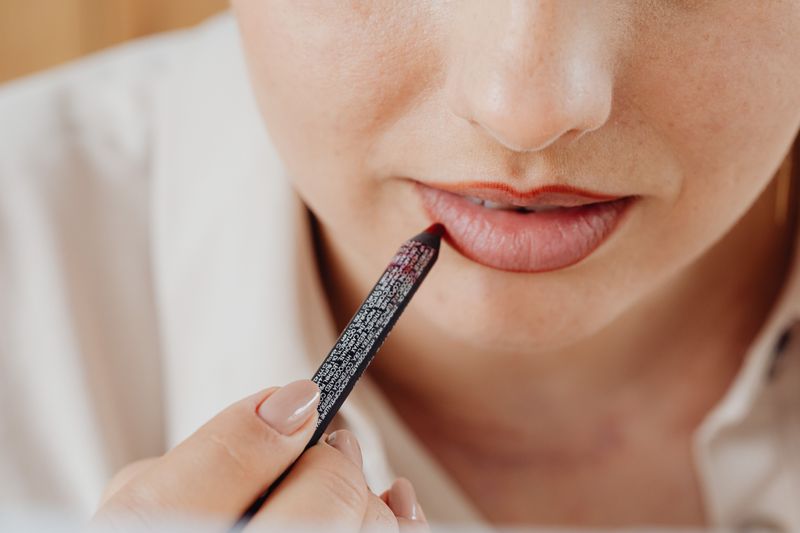
Deep brown lip liner paired with a lighter lipstick or shiny gloss became one of the most recognizable beauty looks of the entire decade. The combination showed up everywhere, from music videos to school hallways, and its origins were rooted in Black and Latina beauty communities long before mainstream magazines picked it up.
Celebrities and R&B performers gave the look enormous visibility throughout the decade. Aaliyah, Monica, and Mary J.
Blige all wore versions of darker liner with glossy lips regularly, making the style part of the visual vocabulary of 1990s R&B in a way that felt inseparable from the music itself.
Decades later, the brown liner and gloss combination keeps returning as a beauty trend, often introduced to younger audiences as “90s makeup” without much context about who shaped its original popularity. Women of color played a central role in establishing the look as something glamorous and desirable, and that history deserves to be part of the conversation every time the trend cycles back into style.
Hoops and Bamboo Earrings
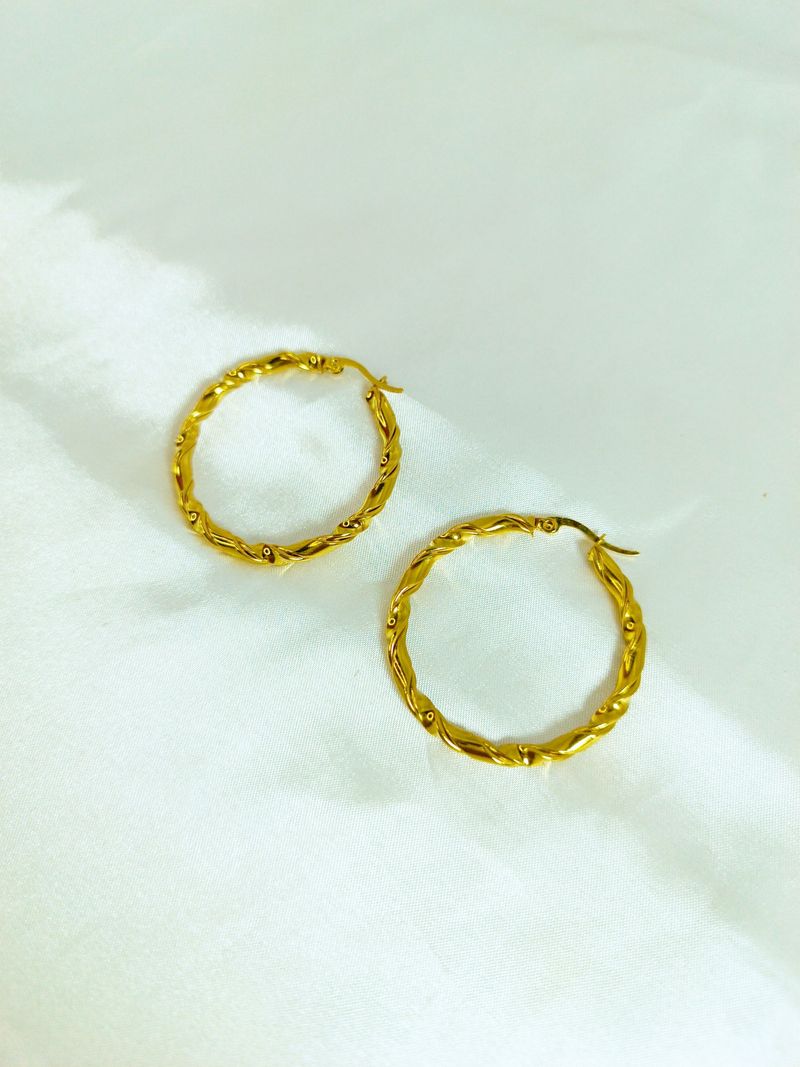
Large hoop earrings and bamboo styles became powerful symbols of Black and Latina urban fashion during the 1990s, worn with a confidence that made them feel like far more than accessories. They communicated identity, neighborhood style, and cultural pride all at once.
Hip-hop performers including Salt-N-Pepa made dramatic earrings a core part of their public image, and Smithsonian photography from the period documents gold hoops as a consistent element of classic hip-hop street style. The earrings appeared in music videos, on album covers, and at performances throughout the decade, making them visually tied to some of the era’s most memorable artists.
As the decade progressed, bamboo styles, oversized hoops, and personalized earring designs spread into mainstream fashion well beyond the communities that had been wearing them for years. The look eventually showed up in department stores and fashion spreads, often without much acknowledgment of where the trend had actually come from.
The association with Black and Latina communities remains central to understanding why these earrings carried so much cultural meaning in the first place.
Dark Nail Polish
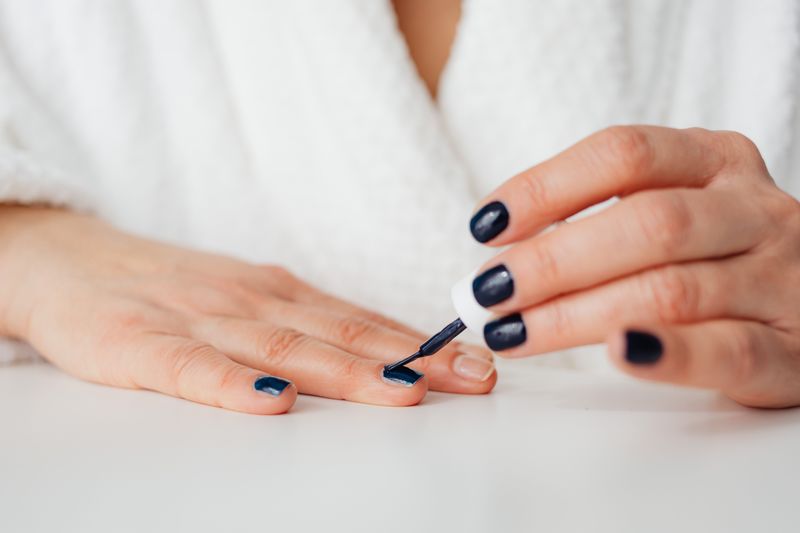
Deep burgundy, plum, rich brown, and nearly black nail shades became highly visible throughout the 1990s, appearing on runways, in music videos, and in everyday life. The darker palette felt bold and deliberate at a time when softer, lighter shades had long dominated mainstream beauty marketing.
Unlike some other trends on this list, dark nail polish cannot be credited exclusively to Black culture. Gothic and alternative fashion, high-fashion runway beauty, and cosmetics companies all contributed to the broader shift toward dramatic shades during the decade.
Honesty about that shared history matters.
Black women nevertheless played an important role in the decade’s wider embrace of rich brown, plum, and earth-toned beauty choices, particularly as part of the same aesthetic that included brown lip liner and darker lipstick. The overall movement toward bolder, deeper color palettes in beauty was shaped by many communities at once, and Black women’s contributions to that shift deserve recognition alongside the broader cultural context.
The look still resonates today for the same reason it worked then: it was confident, specific, and unapologetically bold.
Share this story