Appalachian cooking is one of America’s most honest and overlooked food traditions. Born from the mountains of Kentucky, West Virginia, Tennessee, and beyond, these dishes were built on resourcefulness, community, and deep flavor.
From slow-cooked beans to hand-rolled dumplings, every recipe tells a story of the people who made it. Get ready to discover nine incredible dishes that have fed generations and are finally getting the recognition they deserve.
1. Soup Beans and Cornbread
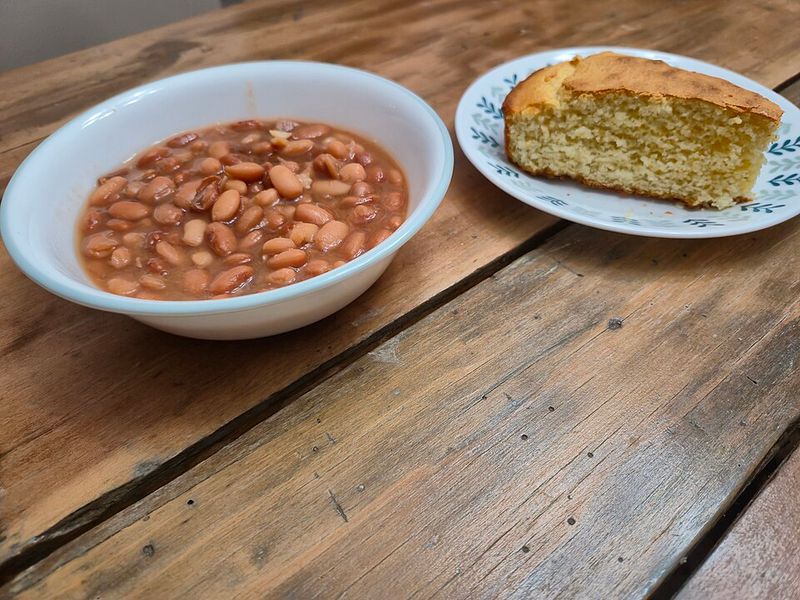
Few meals in American history are as quietly powerful as a pot of soup beans simmered low and slow on the stove. Pinto beans cooked with a ham hock or fatback until they are creamy and rich have kept mountain families warm and full for centuries.
The broth alone is something worth writing home about.
Cornbread is the perfect companion here, not sweet like the Northern kind, but crumbly and savory, baked in a cast-iron skillet. You crumble it right into the bowl and let it soak up all that smoky bean broth.
Some folks add a slice of raw onion on the side for a little sharpness.
This is Appalachian comfort food at its most sincere. Simple ingredients, long cooking time, and a whole lot of soul make soup beans a dish that every American should try at least once.
2. Chicken and Dumplings
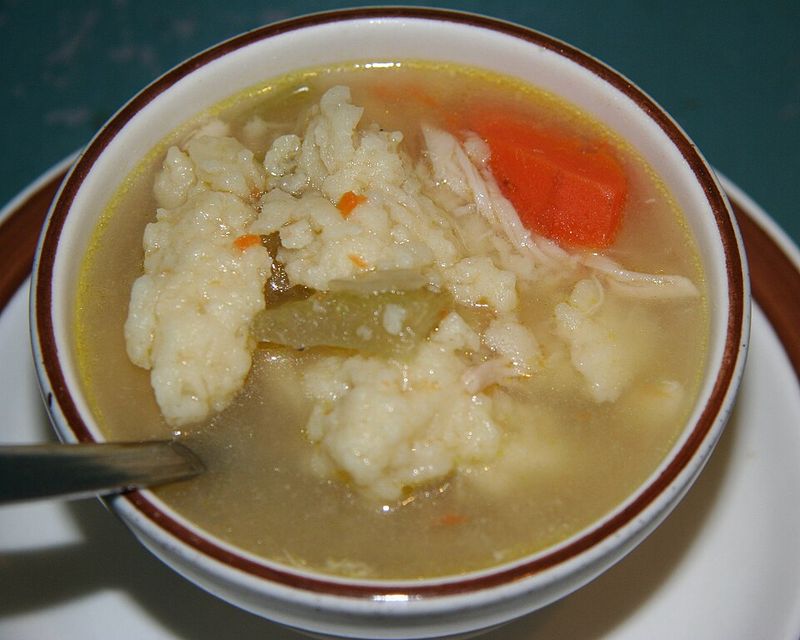
There is something almost magical about the way chicken and dumplings come together in a single pot. Tender shredded chicken floats in a thick, creamy broth alongside soft dough dumplings that soak up every bit of flavor.
Appalachian-style dumplings are flat and rolled, not the fluffy drop kind you might find elsewhere.
This dish dates back to times when nothing went to waste. An old hen past her laying days would go straight into the pot, and the cooking liquid became the base for everything.
Even the simplest pantry staples turned into something deeply satisfying.
Making chicken and dumplings from scratch takes patience, but the payoff is enormous. Families across the mountains have passed down their own versions for generations.
Once you taste the real thing, made with love and a good long simmer, it is hard to go back to anything else.
3. Appalachian Stack Cake
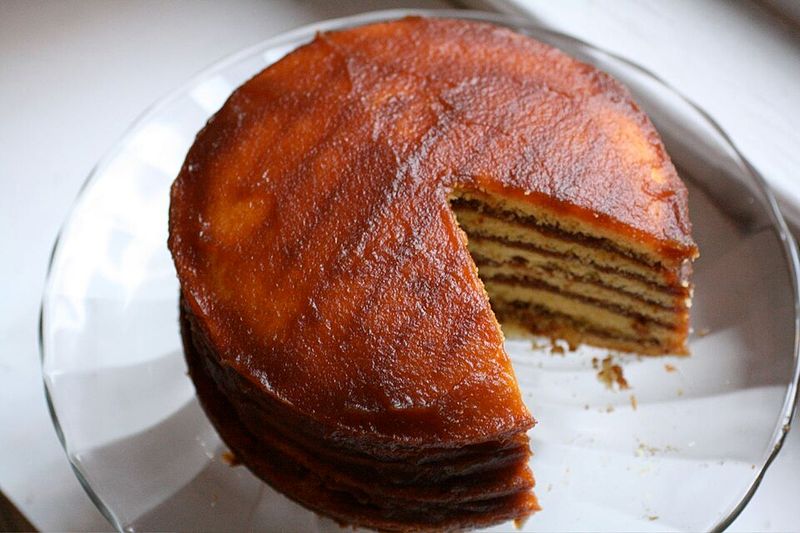
Stack cake is one of the most fascinating desserts in all of American food history. Thin, gingerbread-spiced cake layers are stacked with sweetened dried apple filling in between, and the whole thing is left to sit overnight so the moisture can spread evenly.
The result is a dense, moist cake unlike anything else.
Legend says that at old-time Appalachian weddings, neighbors each brought a layer of cake as their gift. The more layers the bride had, the more popular she was in the community.
Whether or not that story is completely true, it paints a beautiful picture of mountain hospitality.
Stack cake is not overly sweet, and that is part of its charm. The spiced apple filling does most of the flavor work.
If you have never tried it, seek out a recipe from eastern Kentucky or western North Carolina and give this heritage dessert the attention it deserves.
4. Cornbread and Milk
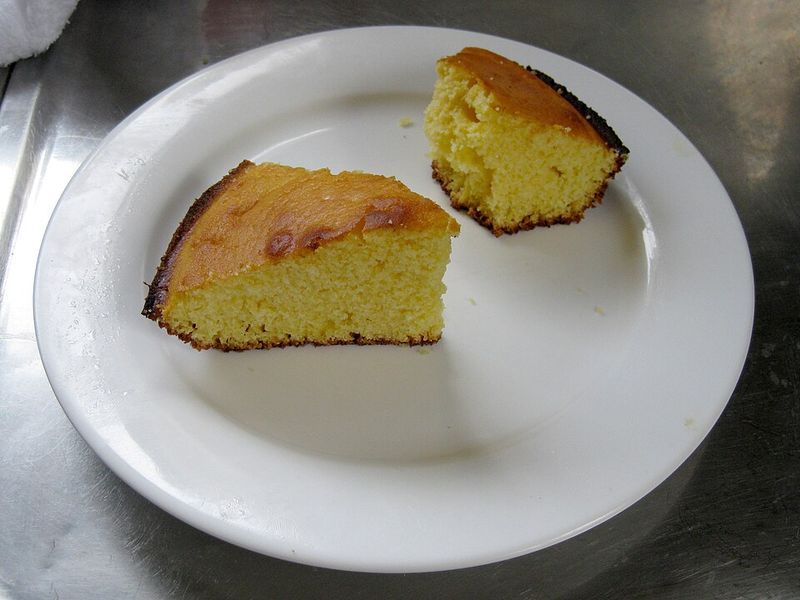
Cornbread and milk is not a recipe so much as a ritual. You crumble leftover cornbread into a tall glass of cold milk, grab a spoon, and eat it like cereal.
To people outside Appalachia, this might sound unusual. To those who grew up in the mountains, it is pure comfort.
This simple combination was especially common during lean times when a full supper was not always possible. Milk provided protein and calcium, and cornbread filled the stomach.
Together, they made a meal that was cheap, fast, and surprisingly satisfying.
Some families use buttermilk instead of sweet milk, which gives the dish a tangy, creamy flavor that pairs beautifully with the slightly salty cornbread. It sounds humble, and it is, but that is exactly the point.
Appalachian food never pretended to be fancy. It just needed to be good and filling, and this absolutely delivers.
5. Fried Green Tomatoes
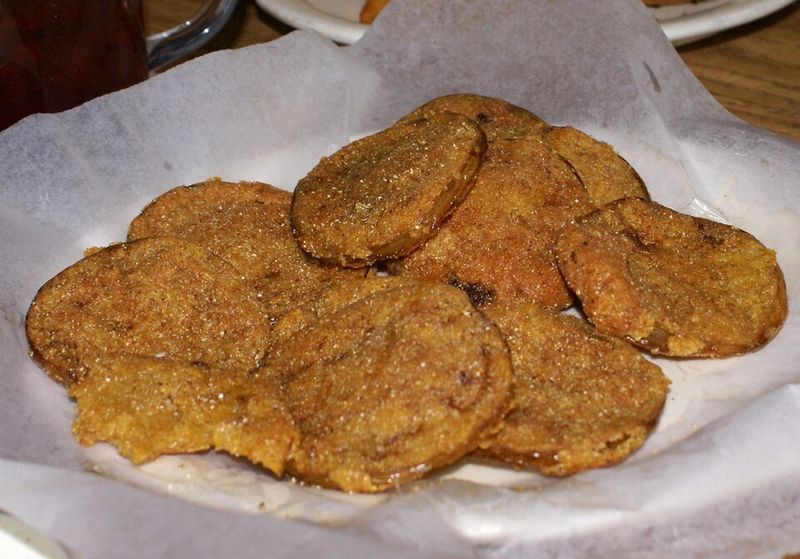
Before they ripen, tomatoes have a firm, tart bite that makes them absolutely perfect for frying. Sliced thick, dipped in seasoned cornmeal, and cooked in a hot skillet until golden and crispy, fried green tomatoes are a Southern Appalachian classic that has earned fans well beyond the mountains.
The dish became widely known after the 1991 movie of the same name, but mountain families were making it long before Hollywood took notice. It was a practical solution to the end-of-season garden haul, when tomatoes had not yet had time to ripen before the first frost arrived.
A good fried green tomato has a satisfying crunch on the outside and a slightly tangy, almost lemony flavor inside. They are often served with remoulade or buttermilk dressing on the side.
Try them at a local diner in Tennessee or Georgia, and you will understand why people love them so much.
6. Leather Britches
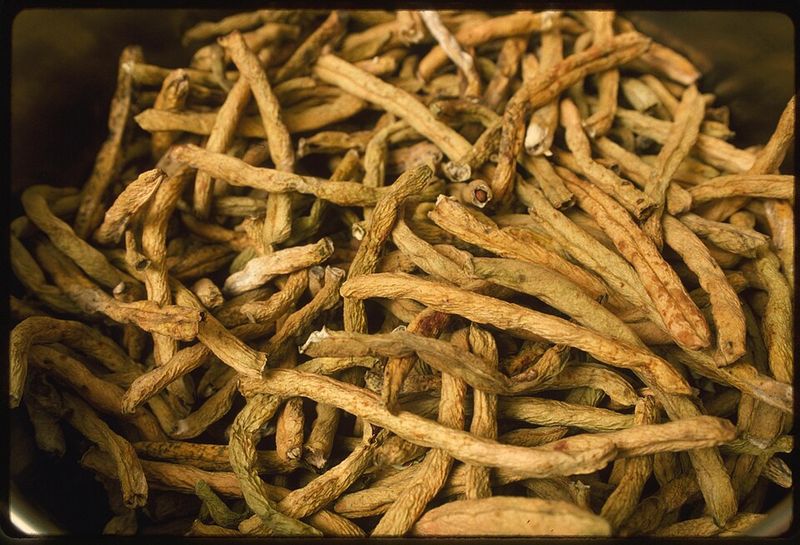
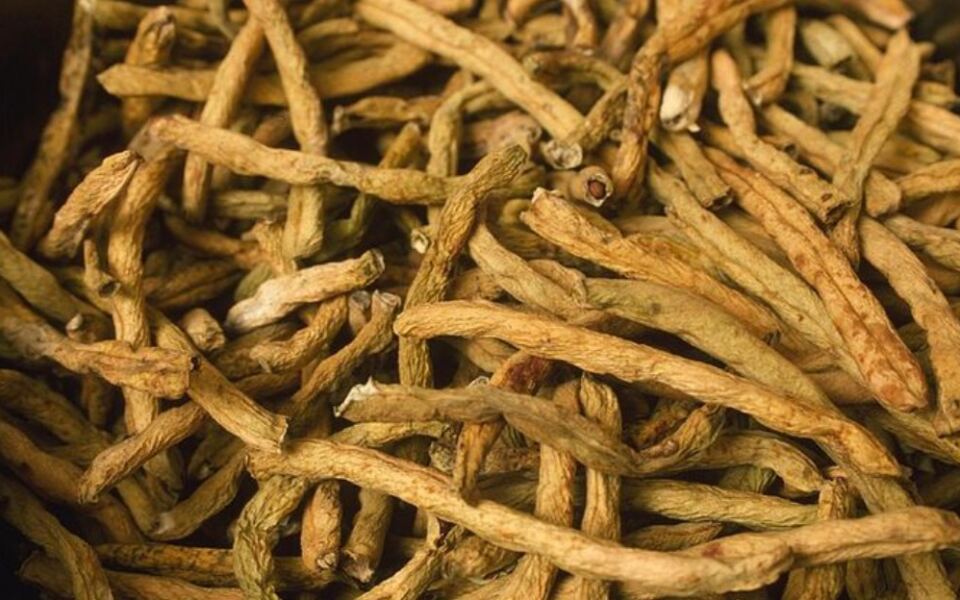
Long before refrigerators existed, Appalachian families had to find creative ways to preserve their harvest for the cold winter months. Leather britches are green beans that have been strung on thread and hung to dry, often from the porch rafters or kitchen ceiling.
The name comes from the way the dried beans look like old leather pants hanging in a row.
Once dried, the beans are soaked and then slow-cooked with pork fat until tender and deeply flavorful. The drying process concentrates the flavor of the beans in a way that canned or frozen vegetables simply cannot replicate.
The result is earthy, smoky, and rich.
Leather britches represent the ingenuity of mountain people who worked with what they had and wasted nothing. Chefs and food writers have recently rediscovered this technique, calling it a form of fermentation-adjacent preservation.
Sometimes the oldest methods really are the best ones.
7. Pickled Corn
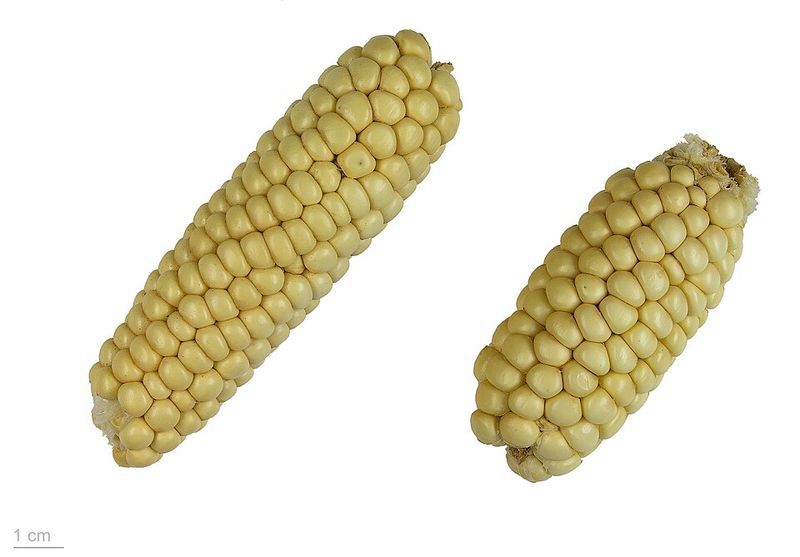
Pickling was one of the most important food preservation skills in Appalachian mountain life, and corn was one of the most common vegetables to receive that treatment. Pickled corn has a tangy, salty, slightly funky flavor that comes from a simple brine fermentation process.
It tastes like nothing else you have ever tried.
The process involves packing corn kernels into a crock or jar with salt and water and letting natural fermentation do the work over several weeks. The result is a probiotic-rich food that was not only delicious but also helped families stay healthy through the long winter months when fresh vegetables were unavailable.
Food preservation traditions like pickled corn are having a major revival right now among chefs and home cooks interested in fermentation. If you want to try making it yourself, the process is surprisingly simple.
All you need is corn, salt, water, and a little patience to let nature work its magic.
8. Spoonbread
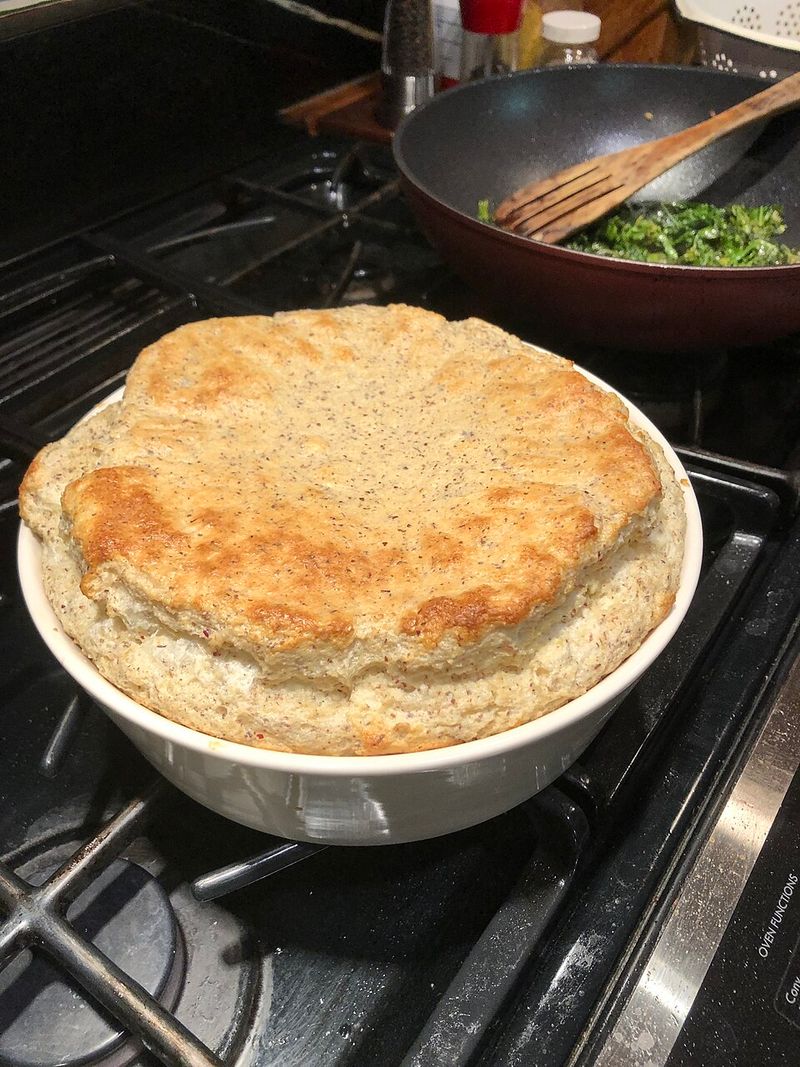
Spoonbread sits somewhere between a souffle and a very soft cornbread, and it is one of the most elegant dishes to come out of the Appalachian and broader Southern food tradition. It is so tender and moist that you cannot slice it like regular bread.
You have to serve it with a spoon, which is exactly how it got its name.
Made with cornmeal, eggs, milk, and butter, spoonbread has a custardy interior and a slightly golden, delicate crust. It is rich without being heavy and has a mild corn flavor that pairs beautifully with just about anything on the table.
Historically, it was considered a special-occasion dish.
Spoonbread deserves far more attention than it currently gets outside the South. Food historians trace its roots to Native American corn preparations that were adapted by mountain settlers over generations.
Try it alongside roasted chicken or a holiday ham and prepare to be genuinely impressed.
9. Apple Butter
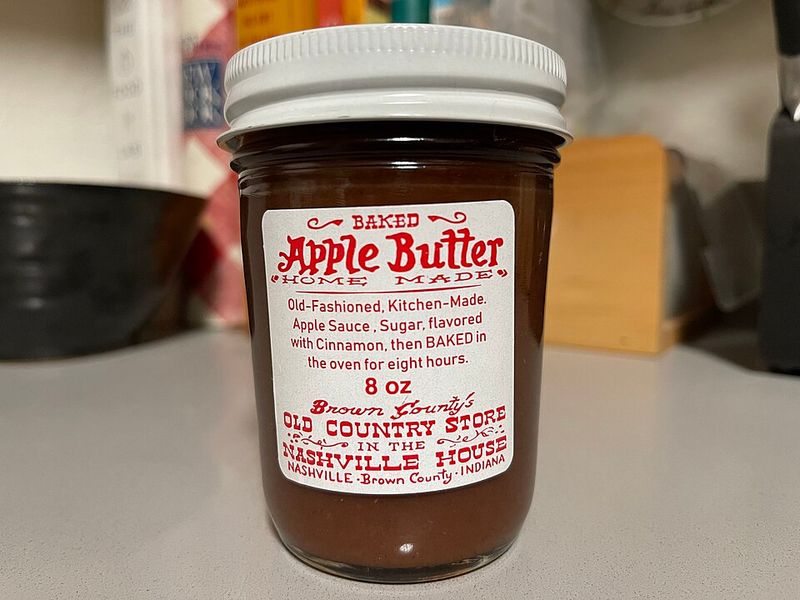
Apple butter is one of those foods that captures a season in a jar. Made by slow-cooking apples with sugar, cinnamon, and other warm spices until they reduce into a thick, dark, deeply concentrated spread, it is one of the most iconic products of Appalachian food culture.
The smell while it cooks is absolutely incredible.
Traditionally, apple butter was made in large outdoor copper kettles over an open fire in the fall, often as a community event where neighbors took turns stirring the pot for hours. Those gatherings, called apple butter bees, were social occasions that brought entire communities together before winter set in.
Today, apple butter is still made in homes across the mountains and sold at farm stands, festivals, and specialty shops throughout the region. Spread on a warm biscuit or a slice of toast, it is pure autumn in every bite.
You really cannot go wrong keeping a jar in your kitchen.
Share this story