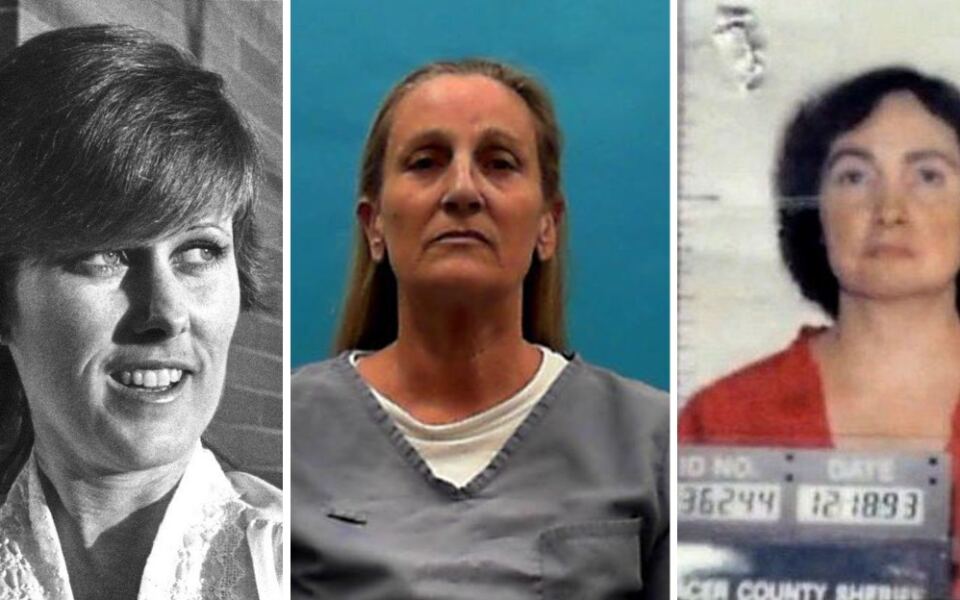
Most people think of mothers as loving and protective figures, but history has shown that some mothers have committed crimes that are hard to believe. These cases have shocked communities, sparked legal debates, and raised serious questions about mental health, family violence, and the justice system.
Learning about these cases can help us better understand warning signs and the importance of mental health support. Here are 15 mothers whose stories left a lasting mark on criminal history.
1. Mary Ann Cotton
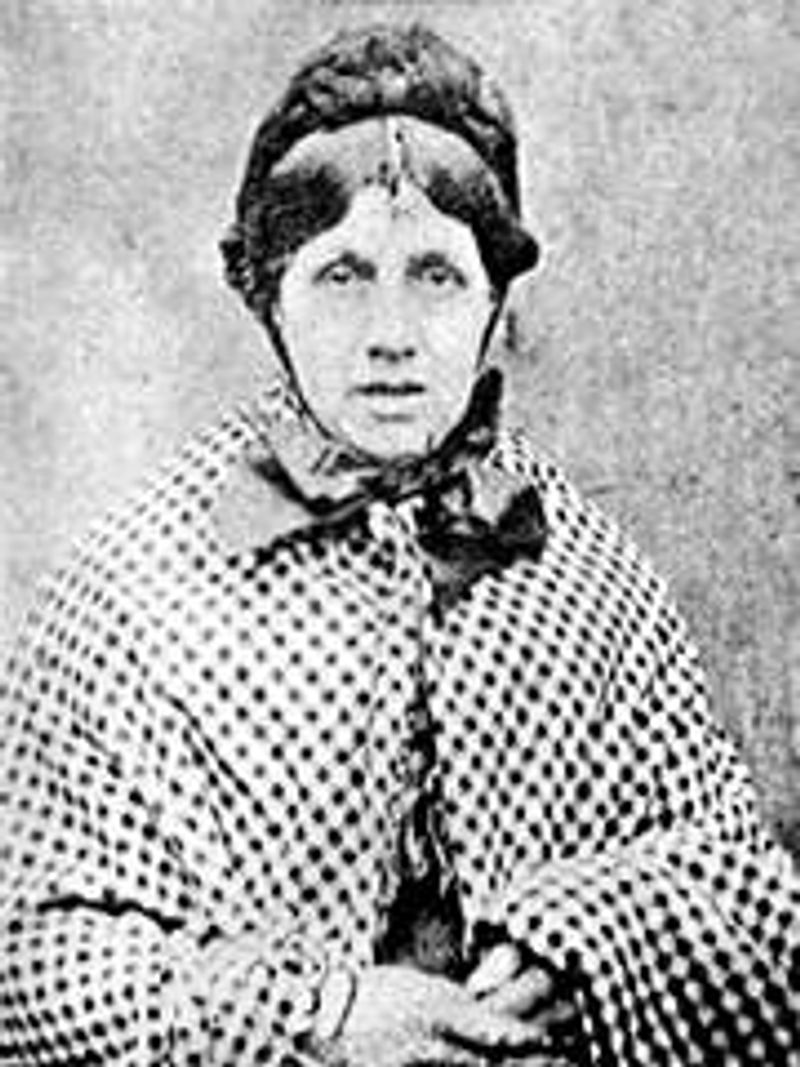
Known as one of England’s earliest and most prolific serial killers, Mary Ann Cotton lived in the 1800s and was eventually convicted of poisoning her stepson. Investigators suspected she used arsenic to kill many of her relatives, including several of her own children, collecting life insurance payouts each time someone died.
Cotton had been married multiple times, and a suspicious pattern of deaths followed her wherever she went. When authorities finally examined the body of her stepson Charles Edward, they found arsenic in his system.
She was arrested, tried, and hanged in 1873.
Her case became one of the first to draw public attention to the idea that a caregiver could also be a killer. It also highlighted how financial motives can drive even a mother to commit unthinkable acts against her own family.
2. Diane Downs
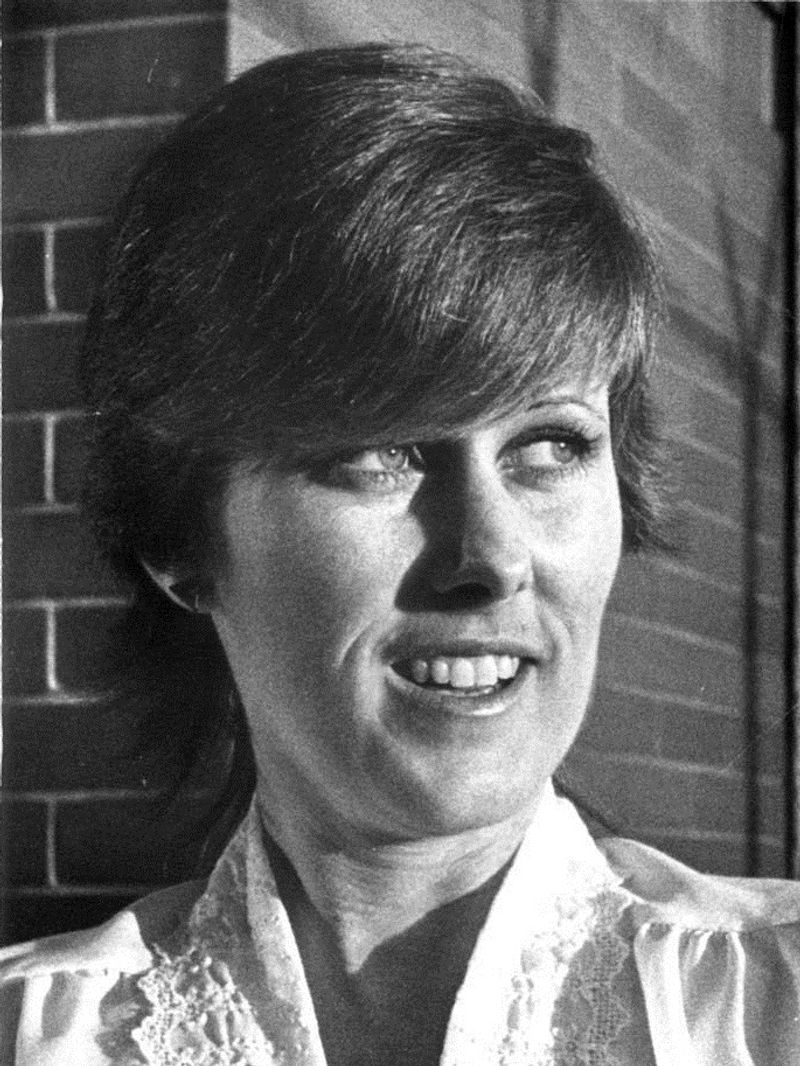
On a quiet night in May 1983, Diane Downs drove her three young children to a hospital in Oregon with gunshot wounds. She told police a stranger had flagged down her car and opened fire.
One of her children, Cheryl, died from her injuries. The other two survived but were left with serious disabilities.
Investigators quickly became suspicious of Downs. Her calm, almost detached behavior at the hospital and inconsistencies in her story raised red flags.
Evidence pointed to her as the shooter, and her motive appeared to be a romantic relationship with a man who did not want children.
She was convicted in 1984 and sentenced to life in prison. Her case later inspired Ann Rule’s bestselling true crime book “Small Sacrifices,” which was also adapted into a television film.
Her story remains one of the most disturbing parental violence cases in American history.
3. Susan Smith

In October 1994, Susan Smith reported to police that a carjacker had stolen her vehicle with her two young sons, Michael and Alex, still inside. For nine days, she made tearful public pleas for their safe return.
The nation watched and sympathized, but investigators were growing doubtful of her story.
Smith eventually confessed that she had strapped her boys into the car and let it roll into John D. Long Lake in Union, South Carolina.
Both children drowned. Her motive reportedly involved a romantic relationship with a wealthy man who did not want children in his life.
She was convicted of two counts of murder in 1995 and sentenced to life in prison. Her case became a turning point in how media and law enforcement handle missing child reports.
The tragedy deeply affected the small town of Union and the entire country.
4. Theresa Knorr
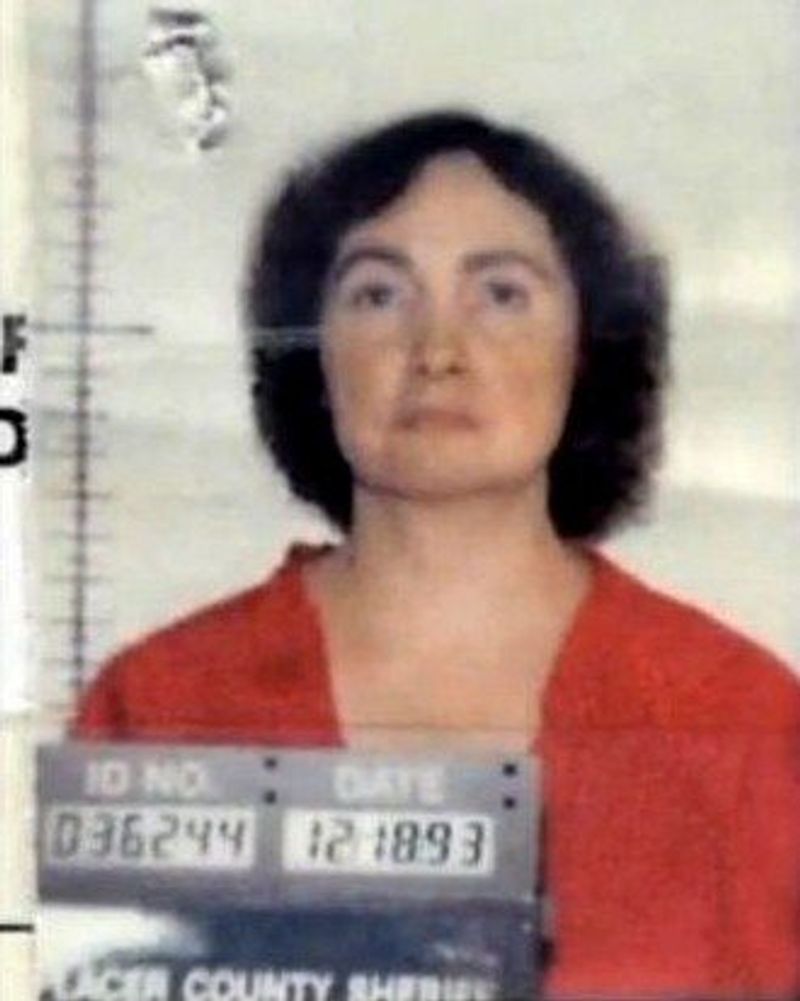
Theresa Knorr was a Sacramento, California mother who subjected her children to years of severe abuse throughout the 1980s. Two of her daughters, Suesan and Sheila, died as a result of the violence she inflicted.
Knorr controlled her household with fear, isolating her children from the outside world and preventing them from seeking help.
Suesan was shot by her mother, then forced to have the bullet removed without proper medical care. When her condition worsened, Knorr had her taken to a remote area and burned alive.
Sheila later died under similarly brutal circumstances after being locked up and starved.
Knorr’s surviving children eventually came forward, and she was arrested in 1993. She pleaded guilty and received two consecutive life sentences.
Her case is a grim reminder of how abuse can go undetected for years when children are isolated and silenced by fear.
5. Waneta Hoyt
For years, Waneta Hoyt was seen as a grieving mother who had tragically lost five children to what doctors believed was Sudden Infant Death Syndrome, or SIDS. Her case even contributed to early medical research on SIDS in the 1970s, as doctors used her family’s history to study the condition.
Decades later, in 1994, investigators reopened her case and confronted her with new evidence. Hoyt confessed to smothering all five of her children, saying she had done so to stop them from crying.
She later recanted her confession, claiming it was coerced, but was still convicted of five counts of murder in 1995.
She was sentenced to 75 years in prison and died behind bars in 1998. Her case shocked the medical community and led researchers to reconsider how SIDS diagnoses were being made, prompting greater scrutiny of unexplained infant deaths.
6. Megan Huntsman

In 2014, a former husband was cleaning out a garage in Pleasant Grove, Utah, when he made a horrifying discovery. Inside cardboard boxes stored in the space, he found the remains of six newborn infants.
The home belonged to Megan Huntsman, and DNA testing confirmed that she was the biological mother of the babies.
Huntsman admitted to killing six of her newborns over a span of roughly a decade, between 1996 and 2006. She said she strangled or suffocated them shortly after birth.
A seventh infant was also found but had been stillborn. Huntsman pleaded guilty to six counts of murder in 2014.
She was sentenced to up to life in prison. Neighbors and community members were stunned, as Huntsman had appeared to be a normal resident.
Her case raised serious questions about how such crimes can go undetected for so many years.
7. Lacey Spears
Lacey Spears used social media extensively to document her son Garnett’s ongoing health struggles, presenting herself as a devoted and caring mother dealing with a medically fragile child. But behind the public posts was a deeply troubling reality.
Doctors and nurses at the hospital grew suspicious of how frequently Garnett was falling ill.
Investigators eventually discovered that Spears had been feeding her son dangerously high levels of sodium through his feeding tube, a form of abuse known as Munchausen syndrome by proxy, now called Factitious Disorder Imposed on Another. Garnett died in January 2014 at just five years old from sodium poisoning.
Spears was convicted of second-degree murder in 2015 and sentenced to 20 years to life in prison. Her case drew national attention to the dangers of medical child abuse and the way social media can be used to hide the truth behind a carefully crafted image.
8. China Arnold

China Arnold was convicted of one of the most disturbing infant deaths in recent American history. In 2005, her one-month-old daughter Paris was found dead in their Dayton, Ohio apartment.
The cause of death was determined to be microwave radiation, meaning the infant had been placed inside a microwave oven.
Arnold went through multiple trials before finally being convicted of aggravated murder in 2011. Prosecutors argued that she had harmed the baby following a dispute with her boyfriend over whether he was the child’s father.
The case shocked the nation and drew widespread media coverage due to its deeply disturbing nature.
She was sentenced to life in prison without the possibility of parole. Her case prompted discussions about infant safety, domestic conflict, and the extreme outcomes that can result from unresolved personal disputes.
The story of baby Paris continues to be referenced in child welfare conversations across the country.
9. Patricia Blackmon

Patricia Blackmon was convicted in Alabama for the death of her adopted two-year-old daughter, Anna. The little girl had been adopted just months before her death in 2003.
Medical examiners determined that Anna had suffered severe internal injuries consistent with a brutal physical assault.
Blackmon initially claimed that Anna had been injured in a fall, but investigators and medical experts found that the injuries were far too severe to have been caused by an accidental tumble. The evidence pointed clearly to intentional abuse.
Blackmon was convicted of capital murder and sentenced to death.
Her case raised painful questions about the adoption system and how better oversight might protect vulnerable children placed in new homes. Child welfare advocates pointed to Anna’s case as an example of why post-adoption monitoring and support services are critically important for the safety and well-being of adopted children.
10. Julie Schenecker
Julie Schenecker’s case stands out because it took place in an affluent Tampa, Florida neighborhood in January 2011. She shot and killed her 16-year-old daughter Calyx and her 13-year-old son Beau while her husband was traveling overseas for military duty.
When police arrived at the home, they found Schenecker on the back porch, covered in blood.
In journals and writings found at the scene, Schenecker described her children as “mouthy” and said she was tired of their backtalk. She had purchased a handgun shortly before the killings.
Investigators noted she had a history of mental health issues and substance abuse problems.
Schenecker was convicted of first-degree murder in 2014 and sentenced to life in prison without the possibility of parole. Her case sparked conversations about the intersection of parental mental health, access to firearms, and the safety of children living in homes with untreated psychological conditions.
11. Christy Sheats

On a spring evening in June 2016, neighbors in Fulshear, Texas heard gunshots coming from the Sheats family home. Christy Sheats had called a family meeting, and when her daughters Madison, 17, and Taylor, 22, tried to flee, she shot them both.
Her husband Jason was present and desperately tried to stop her.
Madison initially survived and stumbled into the street, but Sheats followed her and fired again, killing her. Taylor also died from her injuries.
When police arrived, Sheats refused to drop her weapon and was shot and killed by an officer. No clear motive was established, though reports indicated ongoing family tension.
The case drew significant attention because Sheats had reportedly posted on social media about her strong belief in gun rights just days before the shooting. The tragedy left a community grieving and renewed national debates about family violence and warning signs that go unaddressed.
12. Deanna Laney

Deanna Laney was a deeply religious woman from New Chapel Hill, Texas who, in May 2003, used large stones to beat two of her young sons to death and left a third son with serious brain injuries. She called 911 herself after the attacks.
When officers arrived, she told them that God had instructed her to kill her children.
At trial, mental health experts testified that Laney was suffering from a severe psychotic episode and genuinely believed she was carrying out a divine command. The jury found her not guilty by reason of insanity, and she was committed to a state mental health facility.
Her case drew comparisons to that of Andrea Yates, another Texas mother whose crimes were also linked to severe mental illness. Laney’s story highlighted how untreated religious delusions and psychosis can have devastating consequences, and how the legal system handles cases where mental illness plays a central role.
13. Andrea Yates

Few cases have generated as much public debate as that of Andrea Yates, a Houston, Texas mother who drowned her five children in the family bathtub on June 20, 2001. The children ranged in age from six months to seven years.
Yates called police immediately after and showed no signs of attempting to flee.
At her first trial, she was convicted of murder and sentenced to life in prison. However, that conviction was later overturned after it was revealed that a key expert witness had provided false testimony.
At her second trial in 2006, she was found not guilty by reason of insanity.
Yates had a well-documented history of severe postpartum psychosis and had been hospitalized multiple times before the tragedy. Her case became a turning point in how the public, medical community, and legal system approach postpartum mental illness, leading to greater awareness and advocacy for maternal mental health resources.
14. Darlie Routier

Darlie Routier has been on death row in Texas since 1997, convicted of stabbing her six-year-old son Damon. Her five-year-old son Devon also died in the same attack.
Routier claimed that an intruder broke into their Rowlett, Texas home in June 1996 and carried out the assault while the family slept.
Prosecutors argued that the physical evidence did not support her account and that the crime scene appeared to have been staged. Her defense team, however, has long maintained that she is innocent and that key evidence was mishandled or overlooked.
The case remains one of the most debated in Texas criminal history.
Supporters and legal analysts continue to point to questions surrounding DNA evidence and the investigation process. While the courts have upheld her conviction, advocacy groups have not stopped pushing for a new review of her case.
Her situation raises important questions about the criminal justice system and the standard of proof in capital cases.
15. Susan Eubanks

Susan Eubanks was convicted of one of the most heartbreaking multiple-victim family crimes in California history. On October 27, 1997, she shot and killed her four sons, Brandon, Austin, Brigham, and Matthew, ranging in age from four to fourteen years old, at their home in San Marcos, California.
Eubanks then turned the gun on herself but survived. Investigators found that she had been involved in a bitter dispute with the fathers of her children and had been struggling emotionally for some time before the killings.
She was convicted of four counts of first-degree murder and sentenced to death in 1999.
Her case remains one of the largest single-family tragedies in San Diego County history. Child welfare experts and mental health professionals often reference her case when discussing the catastrophic consequences of unaddressed emotional crises and the critical need for early intervention and support services for struggling parents.
Share this story