One five-acre garden in Twin Falls proves that high desert landscaping can be far more colorful than many people expect. More than 400 plant varieties fill the grounds, including dozens of cacti, yuccas, wildflowers, and other drought-tolerant species chosen to survive southern Idaho conditions.
The garden also attracts bees, butterflies, hummingbirds, and quail, while seasonal programs range from plant sales and classes to a winter lights display. What began as one couple’s experiment with cold-hardy desert plants has grown into one of the Magic Valley’s most distinctive outdoor attractions.
A Passion Project That Grew Into Something Remarkable
Back in 2001, LaMar Orton and his wife returned from a trip to the Sonoran Desert in Tucson, Arizona, carrying one burning question: which drought-tolerant plants could actually survive an Idaho winter?
That question became an obsession, and that obsession became a garden. On a five-acre plot at 867 Filer Ave W, Twin Falls, Idaho 83301, they began experimenting with cold-hardy cacti, native grasses, and resilient succulents, slowly building something that no one else in the region had attempted at this scale.
With encouragement from the Idaho Native Plant Society, the project officially transitioned into a formal botanical garden and was renamed the Orton Botanical Garden. It now operates as a 501(c)(3) non-profit organization, relying on memberships, plant sales, and community donations to keep growing.
You can reach the garden by phone at (208) 734-7959, and their website at ortonbotanicalgarden.com keeps visitors updated on hours and upcoming events. This is genuinely one of those places where one couple’s curiosity changed an entire community’s relationship with the landscape around them.
More Than 400 Plant Varieties Waiting to Surprise You
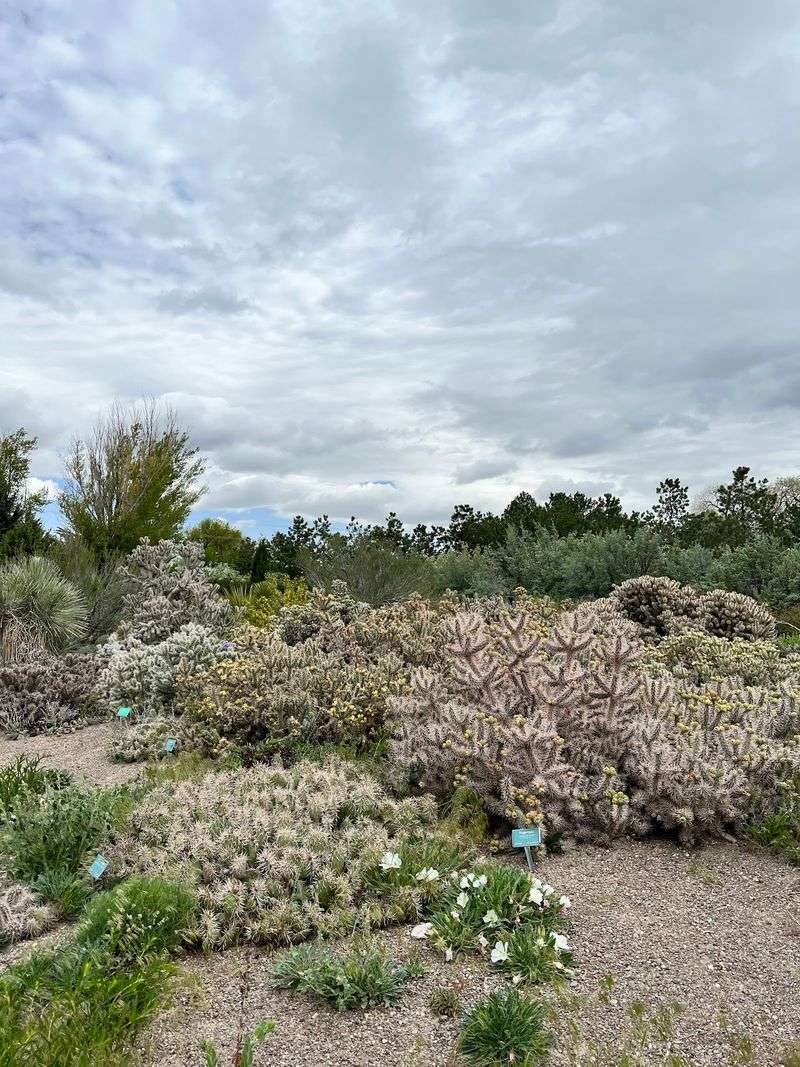
Most people expect a botanical garden to feature manicured rose beds and trimmed hedges. Orton Botanical Garden throws that expectation out the window with something far more interesting.
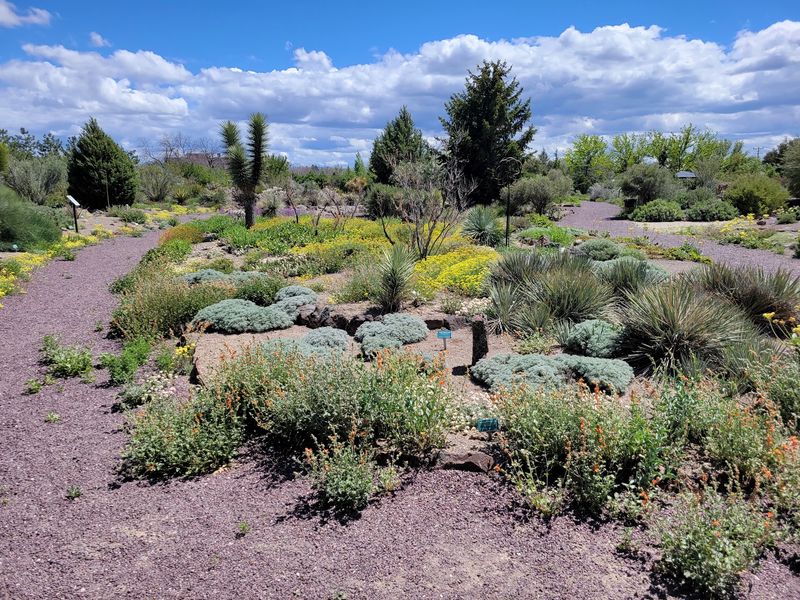
The collection here spans over 400 plant varieties, with roughly 55 different types of cacti and 23 varieties of yuccas anchoring the display. A 30-year-old Joshua tree stands as one of the garden’s most impressive residents, its branching silhouette rivaling specimens found in national parks.
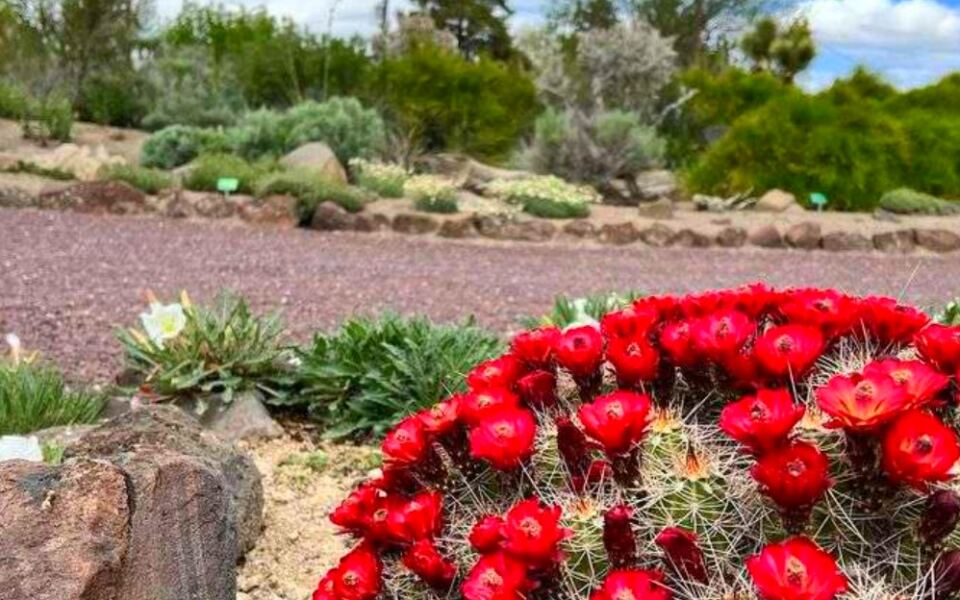
Beyond the iconic desert dwellers, visitors encounter red and yellow hesperaloes, Apache plume, fern bushes, multiple penstemon species, opuntia cacti, arrowleaf balsamroot, pasque flowers, blue flax, claretcup, and prickly pear. Every section of the garden introduces something new, and the plant labels make it easy to learn names as you walk.
Large rocks frame the planting beds in a style inspired by the Huntington Botanic Gardens, creating a naturalistic arrangement that feels intentional without feeling stiff. The sheer variety here genuinely rewards a slow, unhurried stroll rather than a quick pass-through.
How the High Desert Comes Alive with Color Each Spring
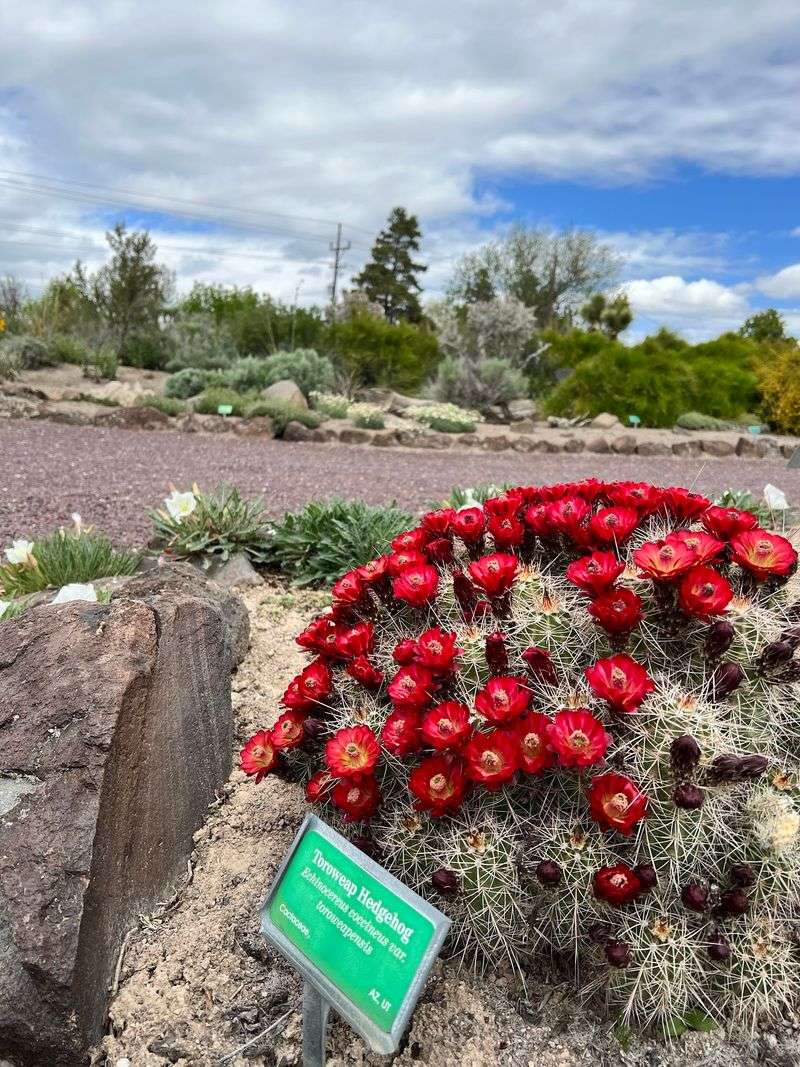
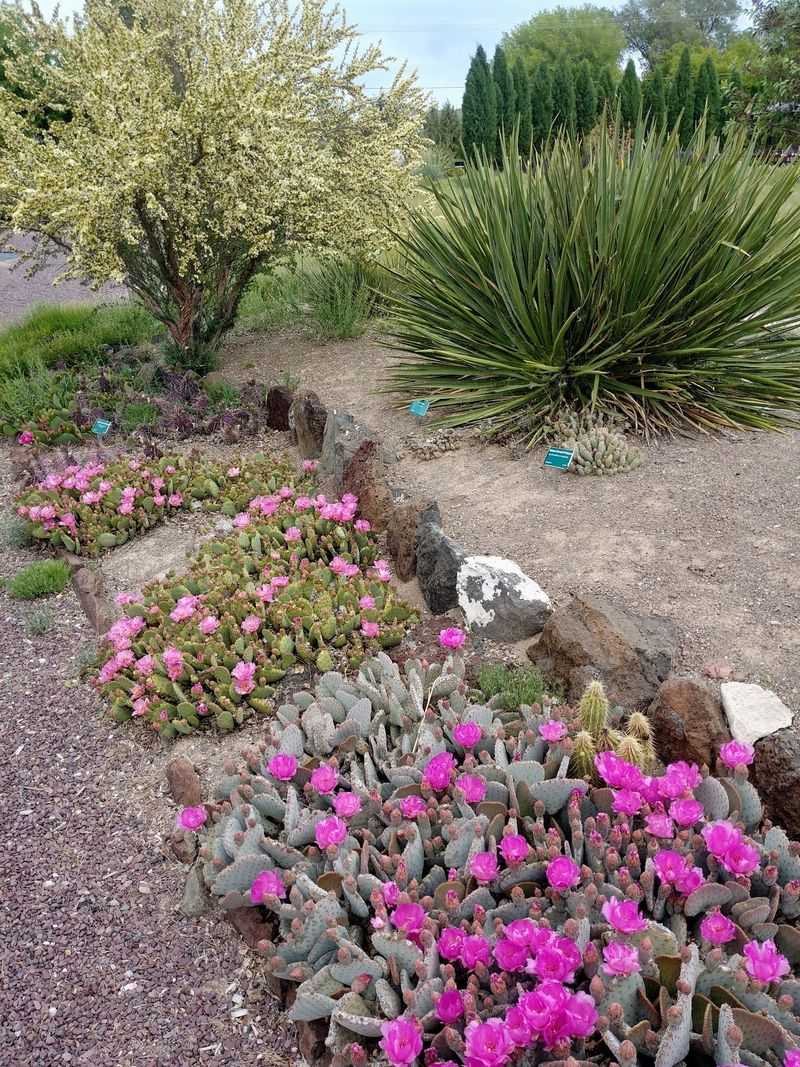
Spring at this garden hits differently than almost anywhere else in southern Idaho. From early May onward, the cacti begin producing flowers in shades of pink, red, yellow, and cream that feel almost too vivid to be real.
Pediocactus simpsonii opens the season with delicate blooms that cluster near the ground, while various buckwheats and arrowleaf balsamroot add splashes of gold across the wider beds. Visitors who time their trip for the first weeks of May often describe standing in front of a cactus in full flower as a genuinely surprising moment.
The garden reopens each year after May 1st, and the first open Fridays and Saturdays of the season tend to attract visitors who have been waiting all winter for exactly this spectacle. Bridges Penstemons and Richardson’s Penstemons follow in late July and August, keeping the color going well into summer.
If you have never seen so many cactus flower varieties in one place, this garden will absolutely reframe your understanding of what desert plants are capable of producing when conditions are right.
The Pollinator Activity Here Is Genuinely Hard to Overstate
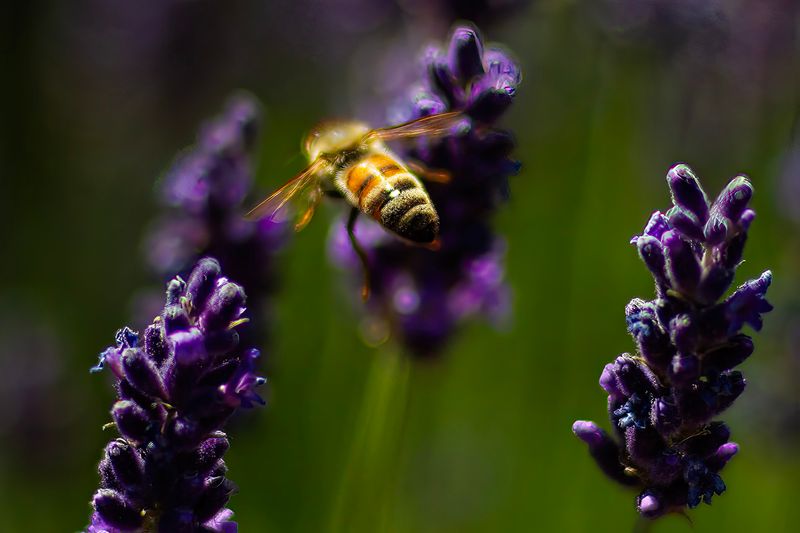
Twin Falls holds two notable environmental titles: Bee City USA and Monarch City. Orton Botanical Garden takes both designations seriously, and the results are visible the moment you step onto the gravel paths.
The garden features 34 species of plants specifically chosen to attract and feed pollinators. On a warm summer morning, the air above the flower beds practically vibrates with bees, wasps, moths, butterflies, and hummingbirds all moving between blooms at their own busy pace.
Desert willows draw particular attention from hummingbirds, while the hesperaloes attract bees in impressive numbers. Watching a quail family navigate the garden paths between all this pollinator activity adds an unexpectedly charming layer to the whole experience.
The garden functions as a demonstration site for the city, showing visitors and local gardeners exactly which plants support the most wildlife while using the least water. Understanding that connection between plant choice and ecological health is one of the most practical takeaways any visitor can carry home from a morning spent here.
Guided Tours That Turn a Nice Walk Into a Real Education
Self-guided exploration is always an option here, but there is something genuinely special about walking through the garden with LaMar Orton himself as your guide. His knowledge of every plant on the property is thorough in a way that makes each stop feel like a discovery rather than a lecture.
Free guided tours led by Orton are available most days except Sunday, from May through September, and can be scheduled by appointment. The tour covers not just plant identification but also the reasoning behind specific design choices, water conservation strategies, and the history of how individual specimens were sourced and introduced to the garden.
Group tours are also available for those visiting with friends, families, or organized clubs. The experience consistently earns enthusiastic feedback from visitors who expected a casual stroll and left with pages of notes and a new appreciation for high desert horticulture.
Scheduling is easy with a quick call to the garden, and the personal nature of the tour format makes it feel far more like a conversation than a formal presentation. This is the kind of access that most botanical gardens simply do not offer.
The Annual Plant Sale Is Worth Planning Your Trip Around
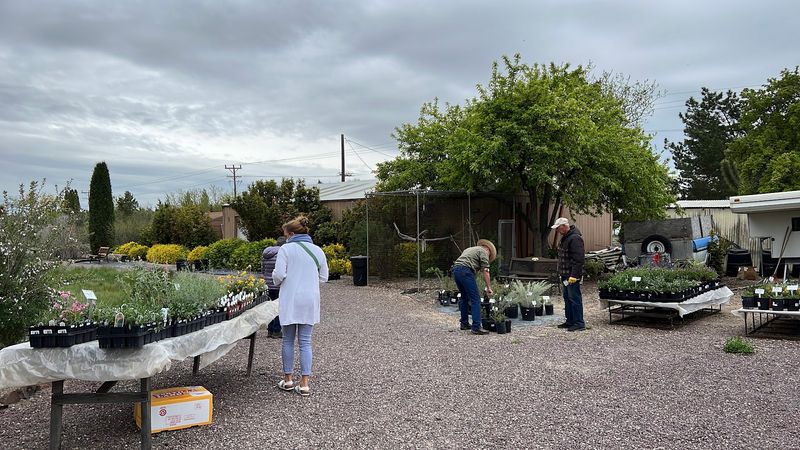
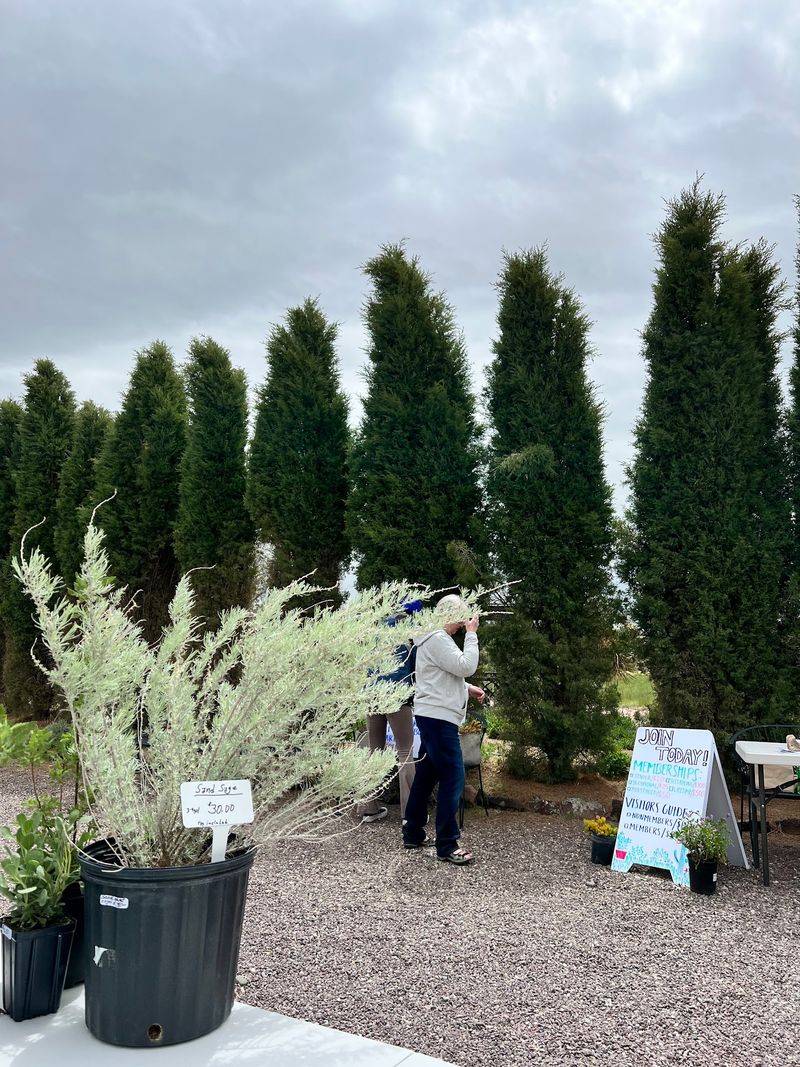
Every spring, typically across two weekends before Memorial Day in May, the garden hosts a non-profit plant sale that has become one of the most anticipated events in the Twin Falls gardening calendar. The selection focuses on drought-tolerant, Idaho-native, and pollinator-friendly species that are genuinely difficult to find at commercial nurseries in the area.
Shopping the sale feels less like browsing a garden center and more like being offered access to a curated collection. Many of the plants for sale come directly from the garden’s own propagation work, which means buyers are taking home specimens that have already proven themselves in high desert conditions.
Volunteers play a big role in making the sale run smoothly, and the atmosphere tends to be warm and community-oriented, with knowledgeable staff on hand to help match plants to specific garden situations. Cuttings and seeds are also available throughout the regular season at the garden itself.
For anyone serious about creating a water-wise landscape at home, attending this sale is one of the most efficient ways to source exactly the right plants while also directly supporting the garden’s non-profit mission. The selection moves fast, so arriving early pays off.
Christmas in the Garden Transforms the Entire Five Acres
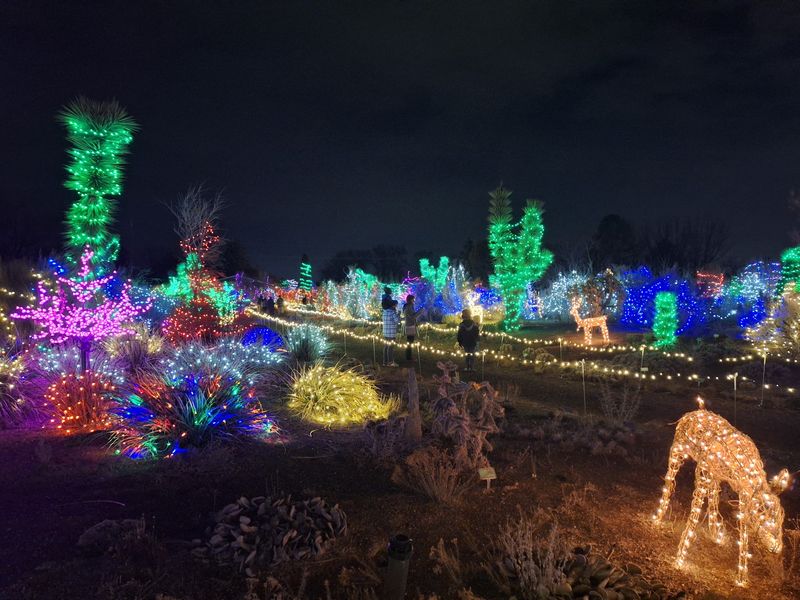
When the growing season ends, the garden does not go dark. Every winter, thousands of multi-colored lights are strung across the entire five-acre property for the Christmas in the Garden display, and the result is genuinely stunning in a way that photographs struggle to capture accurately.
The event typically runs from 6 PM to 10 PM, with the entrance closing at 9:30 PM, and it draws over 10,000 visitors annually. Watching the silhouettes of Joshua trees and towering yuccas glow against a cold Idaho night sky creates an atmosphere that feels entirely unlike any other holiday lights display in the region.
A suggested donation of five dollars per person or fifteen dollars per family is requested, and the garden offers pay-as-you-can nights on select dates to keep the event accessible for everyone. All proceeds go directly toward the garden’s operational costs and ongoing improvements.
Dress warmly, because the evenings get genuinely cold, and plan to take your time walking the paths. The combination of familiar holiday cheer and the unexpected backdrop of desert plants makes this one of the more memorable winter outings available anywhere in southern Idaho.
Rare and Cold-Hardy Plants You Will Not Find Anywhere Nearby
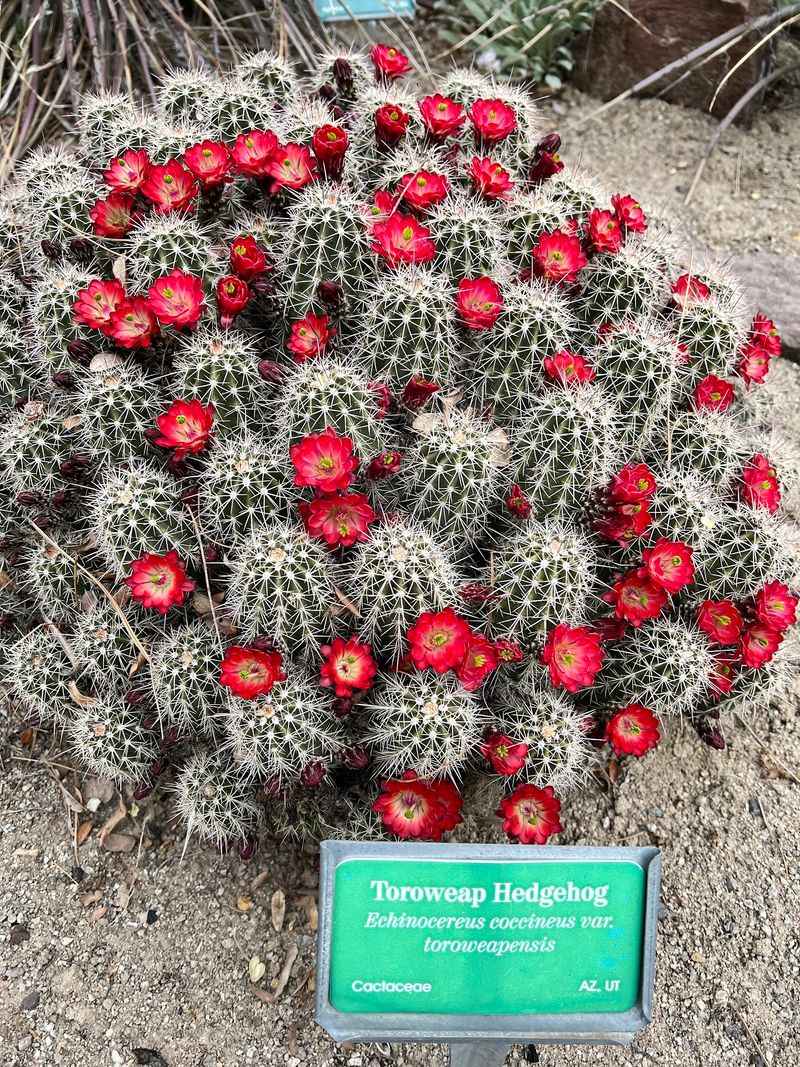
Part of what makes this garden genuinely special is its commitment to showcasing plants that are not just drought-tolerant but also cold-hardy, rare, and often completely unavailable at local nurseries. LaMar Orton has spent decades sourcing species that can survive Idaho winters while still producing spectacular blooms.
The collection includes Toroweap hedgehog and scarlet hedgehog cacti, White Sands kingcup cactus, Orcutt’s foxtail cactus, Colorado hookless cactus, and various cholla species. Fremont’s mahonia, spiny pillow, and Utah sweetvetch round out a roster of plants that most Idaho gardeners have never encountered before.
One particularly fascinating specimen is a buckwheat variety found naturally only on a small hill along the Idaho-Montana border, a detail that underscores just how specifically curated this collection is. Each plant comes with a label, so visitors can note names and research growing requirements at home.
For gardeners tired of the same commercial selections available at big box stores, this garden functions as a living catalog of possibilities. The annual plant sale offers the chance to purchase many of these rare varieties, making the garden’s influence extend well beyond its own fence line.
Thoughtful Design That Puts Water Conservation Front and Center
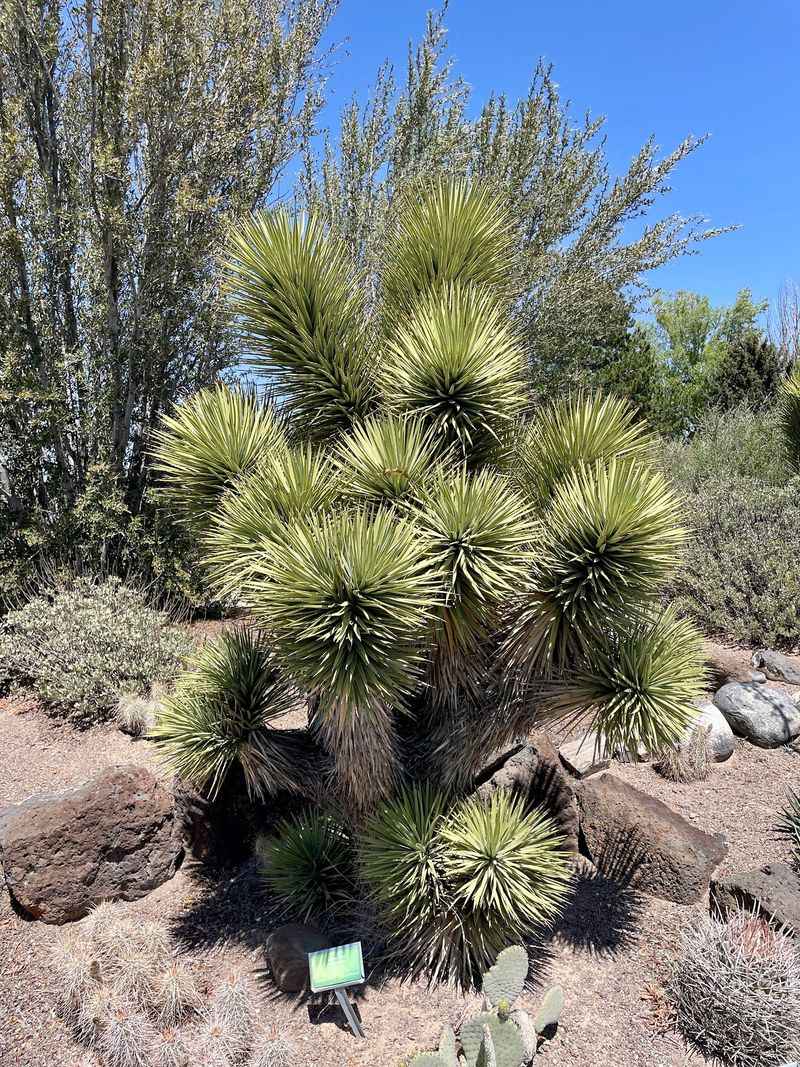
The average annual rainfall in Twin Falls hovers around ten inches, which makes the lush appearance of this garden all the more remarkable. The design philosophy here treats water conservation not as a limitation but as a creative framework that produces better results than conventional landscaping.
Large rocks anchor the planting beds in a style inspired by the Huntington Botanic Gardens in California, creating natural borders that also help retain soil moisture and regulate root temperature. Dense mass plantings of related species fill each bed, reducing bare soil and limiting evaporation.
A section of Idaho grass is intentionally left unmowed until October each year to provide nesting habitat for quail families, a small but meaningful design choice that has noticeably increased the number of quail born in the garden each summer. These kinds of details reveal a design sensibility that considers the entire ecosystem rather than just the visual result.
For homeowners in the Magic Valley looking to reduce their irrigation bills without sacrificing curb appeal, the garden serves as a full-scale demonstration of what is genuinely possible. Every bed layout and plant combination offers a practical idea that visitors can adapt for their own yards.
Practical Visitor Information Before You Head Out
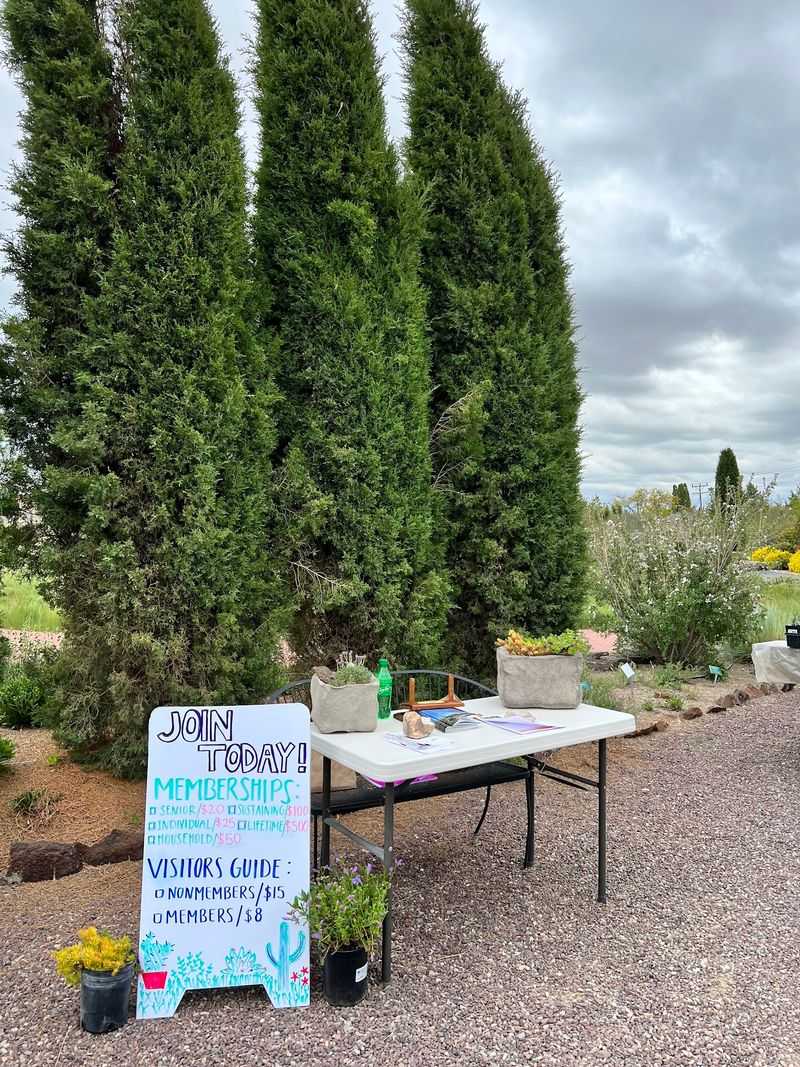
Planning a visit is straightforward once you know the schedule. The garden is open on Fridays and Saturdays from 9 AM to 6 PM, typically from May through September.
Weekday visits outside those hours can be arranged by appointment by calling (208) 734-7959.
General admission is five dollars per person or fifteen dollars per family, with donations always welcomed. Memberships are available at several levels, from Senior to Lifetime, and all provide free admission along with reciprocal entry to more than 300 public gardens across the United States through a partner network.
The parking situation inside the gate is limited, so street parking along Filer Avenue is often the practical choice. Comfortable shoes are essential for the gravel paths, and a hat and sunscreen are smart additions during summer visits when the Idaho sun is working at full strength.
A 62-page visitor’s guide is available at the Twin Falls Visitor Center, at the garden itself, and online, providing detailed plant information that enhances the self-guided experience considerably. Checking the garden’s Facebook page before heading out is always a good idea, especially during the holiday lights season when weather can occasionally affect evening hours.
Why This Garden Stays With You Long After You Leave
Some places are pleasant to visit and then fade quickly from memory. This garden tends to linger, partly because of its visual impact and partly because of how much it quietly teaches without ever feeling like a classroom.
The combination of rare plants, pollinator activity, ecological design, and personal storytelling woven into every guided tour creates an experience that is genuinely layered. First-time visitors often describe leaving with a completely different understanding of what a garden can be and what their own yards could become.
The rating of 4.8 stars across more than 200 reviews reflects a consistency that is hard to fake. Visitors come for the cacti, stay for the yuccas, discover the quail, and leave already planning to return for the Christmas lights.
Whether your interest is botany, photography, sustainable landscaping, or simply spending a quiet hour somewhere beautiful, Orton Botanical Garden delivers something specific and real rather than a generic outdoor experience. It is the kind of place that rewards curiosity, and in a region full of dramatic natural scenery, that is a meaningful distinction worth honoring.
Share this story