For decades, James Castle created art in a modest Boise home using materials most people would have thrown away. Soot, scraps of paper, cardboard, packaging, and other everyday objects became drawings, handmade books, and constructions.
Today, the James Castle House preserves the place where the influential self-taught artist lived and worked. Visitors can explore the historic property, learn about his unconventional techniques, and discover how an Idaho artist working largely outside the traditional art world eventually reached major museum collections across the country.
Unearthing a Quiet Artistic Marvel in Boise
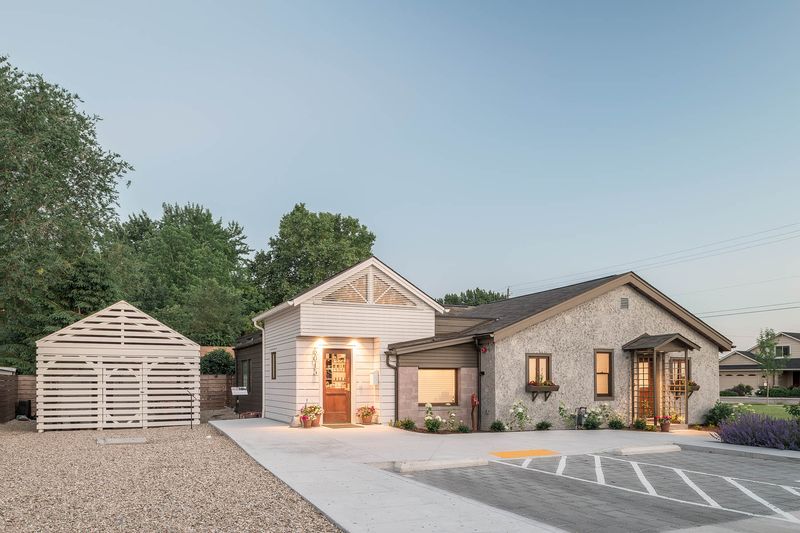
Few museums in the United States can claim that their building is as much a part of the art as the works displayed inside. The James Castle House, located at 5015 N Eugene St, Boise, ID 83703, is one of those rare exceptions.
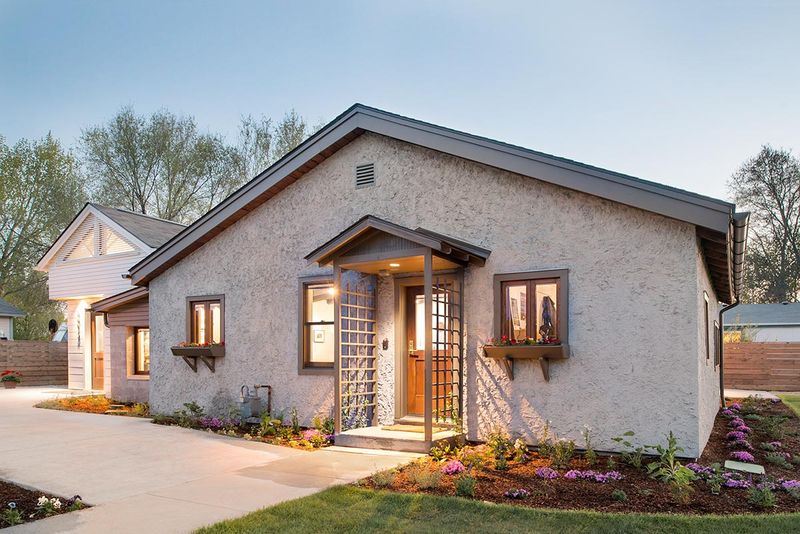
The City of Boise acquired this property in 2015, with the goal of stabilizing the home and transforming it into a cultural center dedicated to the legacy of self-taught artist James Castle. The main house first appeared in records in 1923 as a modest one-room farmhouse, and it grew through a series of additions over the following decades.
The architectural style falls under Depression-era American Western vernacular, built largely from local materials through family workmanship. Castle lived and worked here for 46 years, making the property an irreplaceable part of his artistic story.
The very surfaces of the walls, floors, and outbuildings shaped thousands of his creations, which means the building and the art are inseparable from each other.
A Life Shaped by Silence and Observation
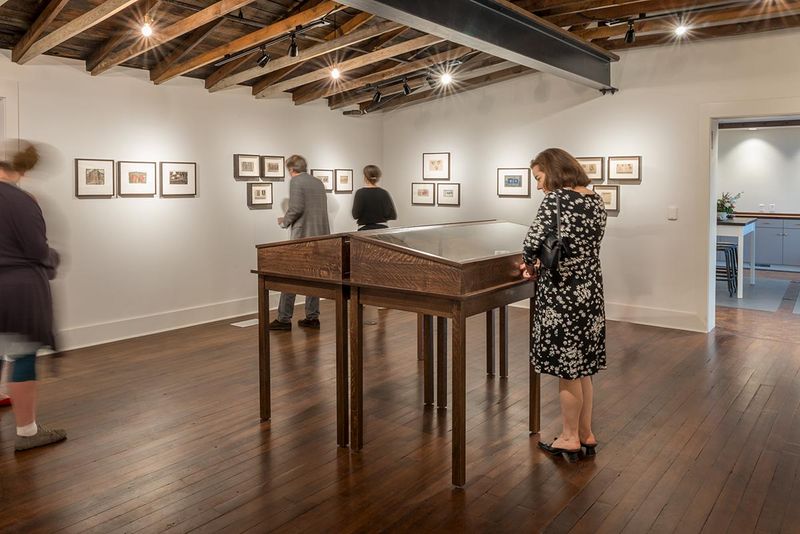
Born in 1899 in Garden Valley, Idaho, James Castle entered the world profoundly deaf and never developed spoken language, conventional reading, or writing of any kind. He attended the Idaho School for the Deaf and Blind for a few years, but formal education never truly took hold, and he returned home to live and work within the rhythms of his family’s daily life.
Rather than limiting him, this deep immersion in his immediate environment sharpened his powers of observation to an extraordinary degree. He watched everything, remembered details with remarkable precision, and translated what he saw into drawings, constructions, and handmade books that captured the textures of rural Idaho life.
His art became his language, and it turned out to be a language that the wider world eventually recognized as sophisticated, original, and deeply moving. For anyone curious about how creativity flourishes outside conventional frameworks, Castle’s biography is one of the most compelling starting points imaginable, and the house makes that biography tangible.
Soot, Spit, and Salvaged Paper: The Tools of a Master
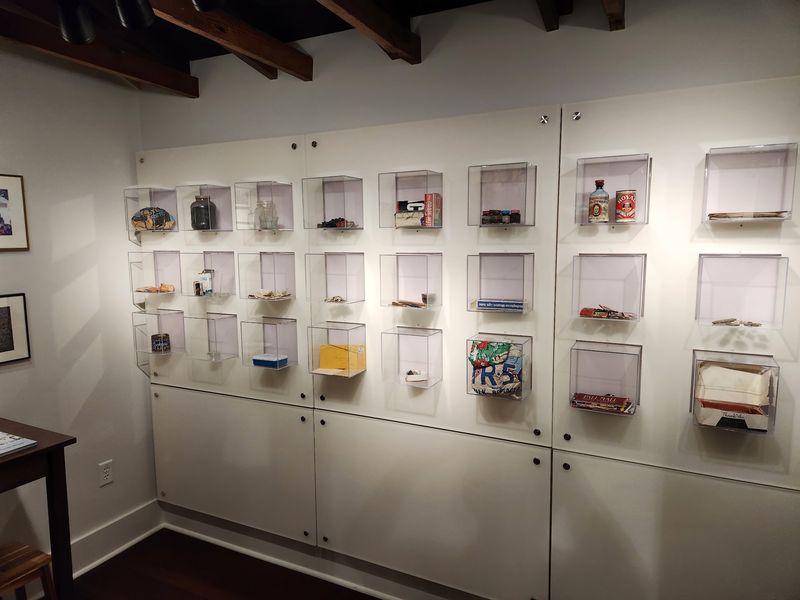
What Castle used to create his art is almost as astonishing as the art itself. He sharpened sticks and dipped them into a homemade mixture of soot collected from his wood stove and his own saliva, producing a dark, fluid ink that he applied to whatever flat surface he could find.
His canvases were scraps of cardboard, paper bags, matchboxes, packaging materials, and other items sourced from his parents’ post office or gathered from around the family property. He also experimented with color by using dampened colored papers, often sourced from wrapping materials, to create lyrical washes across his compositions.
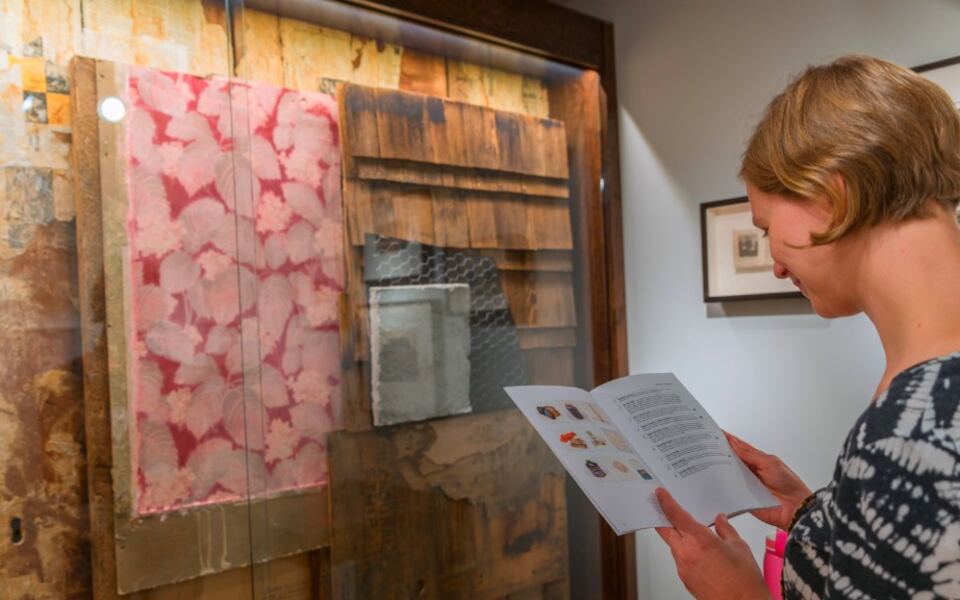
The result was a body of work that numbered in the thousands, spanning drawings, handmade books, and three-dimensional constructions. The permanent exhibit inside the historic back bedroom, titled “The Material Life of James Castle,” catalogs original materials found throughout the Castle family home and traces how those everyday surfaces directly informed his creative output.
It is one of the most genuinely surprising gallery experiences in Idaho.
The Shed and the Trailer: Spaces That Shaped His Art
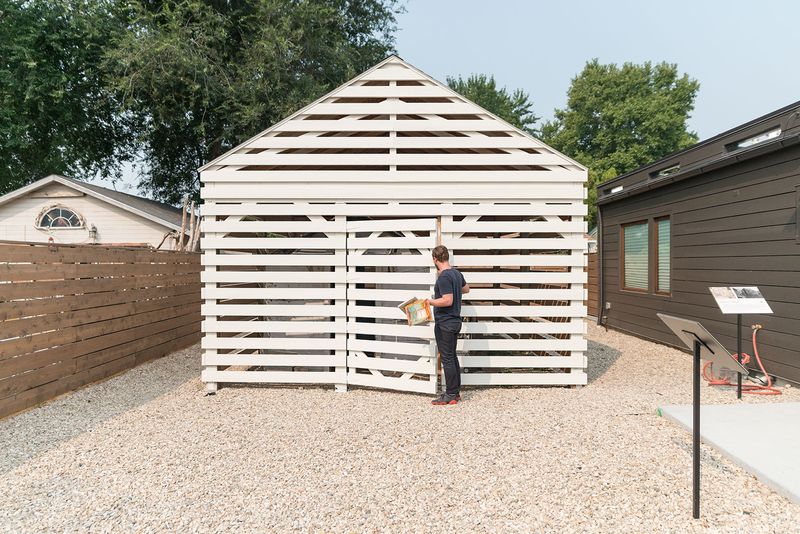
Beyond the main house, the James Castle House property includes two additional structures that were central to his daily existence: a wooden shed and a small Cozy Cottage trailer. These modest outbuildings were not incidental to his story; they were where he spent much of his time, and they became recurring subjects in his drawings.
The shed served as his primary living and working space for more than three decades, and its weathered interior walls, rough textures, and shifting light conditions appear throughout his body of work. The trailer, compact and self-contained, added another layer to the domestic landscape he recorded so obsessively.
Ongoing conservation efforts ensure that both structures remain accessible and interpretable for visitors, offering an intimate sense of the physical environment Castle inhabited. Seeing these spaces in person makes his drawings feel less like abstract art and more like precise visual diaries.
The shed, in particular, carries a quiet intensity that is difficult to describe but easy to feel the moment you step inside.
Hidden Drawings in the Walls: A Preservation Story
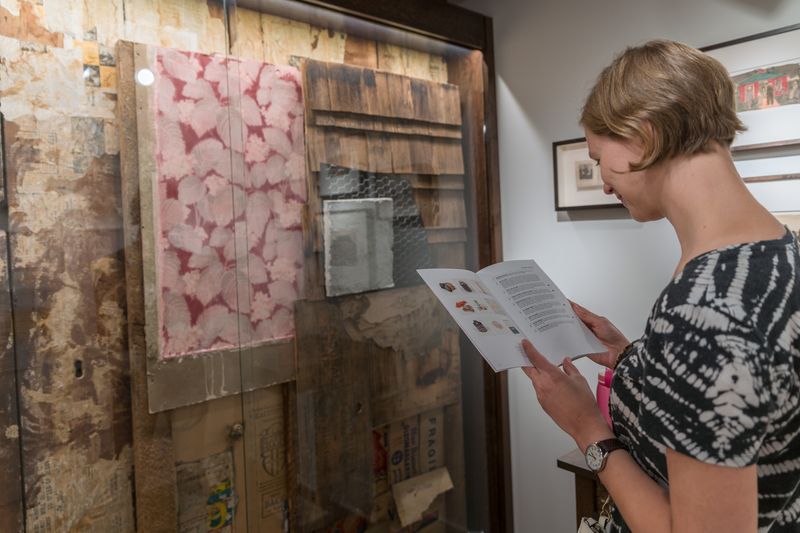
The rehabilitation of the James Castle House turned out to be its own kind of archaeological dig. When project managers began exploring the structure in preparation for restoration, they discovered papers, objects, and fragments of drawings hidden inside the walls, undisturbed for decades.
Castle was well known for tucking his work into nooks, crannies, and out-of-the-way corners throughout the buildings he had access to, so the discovery was thrilling but not entirely surprising. It left open the exciting possibility that future explorations of the property could yield additional finds.
The house itself is described as a “layer cake” of additions and reconfigurations, with each era of construction leaving its own mark on the structure. Original rough-sawn farmhouse walls lined with 1930s newspapers are still visible in places, offering a vivid glimpse into the historical backdrop of Castle’s life.
The architects deliberately chose to showcase these vernacular construction details as a backdrop to the new gallery spaces, making the building itself a historical exhibit worth studying closely.
From Rural Idaho to the Walls of the Smithsonian
Castle’s rise from a self-taught artist known only to his family to an internationally recognized figure is one of the more remarkable stories in American art history. The turning point came in 1951, when his nephew shared his drawings with college faculty members, leading to exhibitions in Portland and Idaho galleries.
A significant exhibition at the Boise Art Museum in 1963 brought him wider local recognition during his lifetime. After his passing, his reputation continued to grow, and today his work is held in collections at The Art Institute of Chicago, The Museum of Modern Art, The National Gallery of Art, and the Smithsonian American Art Museum, which acquired 54 of his pieces in 2013.
The Smithsonian has noted that Castle’s art catalyzed meaningful change in how museums feature and interpret the work of artists with disabilities. His trajectory challenges easy categorization and forces institutions to reconsider their assumptions about formal training, literacy, and artistic legitimacy.
The James Castle House tells this story with care and without oversimplification.
Exhibitions That Keep the Conversation Going
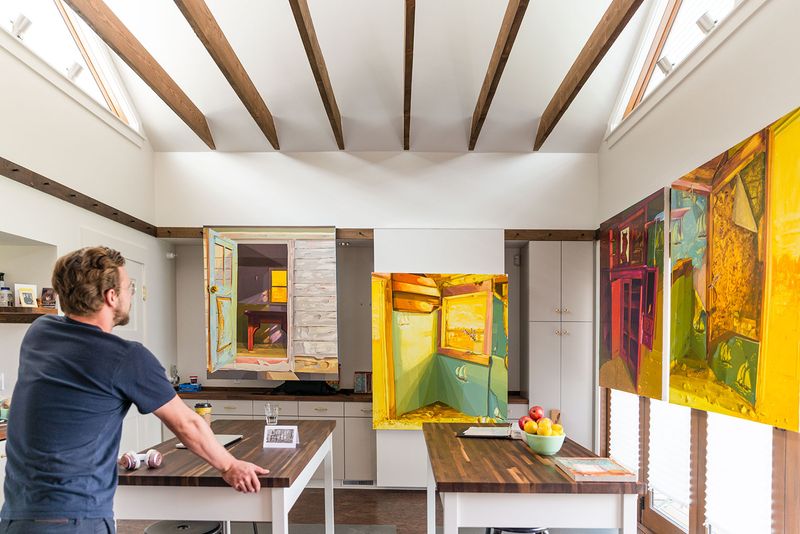
The James Castle House is not a static shrine. It functions as an active cultural center, hosting rotating exhibitions that pair original Castle works with pieces by contemporary artists-in-residence, creating a dialogue between past and present that feels genuinely alive.
Past exhibitions have explored themes like place and perception, examining the history of architecture in Deaf education and its influence on the Deaf experience. Others, like “Viewshed: Impressions of Place,” have focused on Castle’s drawings of his shed and its relationship to the surrounding landscape, encouraging visitors to look at familiar environments with fresh eyes.
Each exhibition is thoughtfully curated to present Castle’s work within broader cultural and historical contexts, making repeat visits genuinely worthwhile. The permanent exhibit on “The Material Life of James Castle” anchors the programming, but the rotating shows ensure there is always something new to discover.
A small General Store on-site also offers books and gifts inspired by Castle and his home, with purchases directly supporting ongoing programming and conservation efforts.
Artists-in-Residence: Creativity Lives Here Still
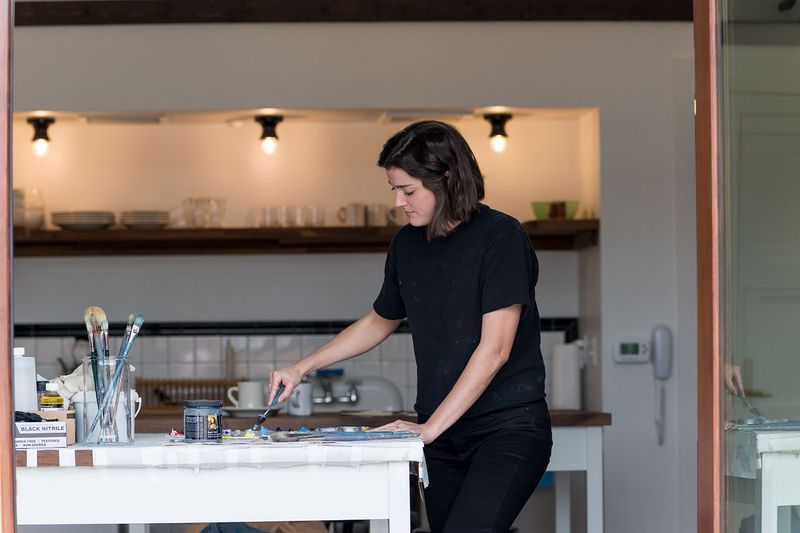
One of the most energizing aspects of the James Castle House is that it remains a working creative environment, not just a place to look at old art. The Artist-in-Residence program invites emerging and mid-career artists, scholars, and professionals from various creative fields to live and work on the property for a set period.
Each resident receives private furnished living quarters, 24-hour studio access, and a stipend. In exchange, they are expected to engage with the house, its history, and the surrounding landscape, and to share their responses with the public through open studio hours, workshops, presentations, or other community events.
The program keeps Castle’s home in a state of active creativity, ensuring that the spirit of daily experimentation he embodied continues to pulse through the property. Residents often explore themes of observation, material use, and place, drawing direct inspiration from Castle’s own practice.
Talking with a resident artist during an open studio visit adds a layer of personal insight that no printed label or audio guide can replicate.
Accessibility and the Deaf Community Connection
There is something deeply intentional about the way the James Castle House approaches accessibility. Given that Castle himself was profoundly deaf, the museum has made it a priority to ensure that his story is genuinely accessible to the Deaf and Hard of Hearing community, not just as a courtesy but as a core value.
Live American Sign Language interpretation is available for most events and tours upon request, and a self-guided video tour is offered on-site in both ASL and spoken English. Wheelchairs, walking canes, and graded paths are available for visitors with mobility limitations.
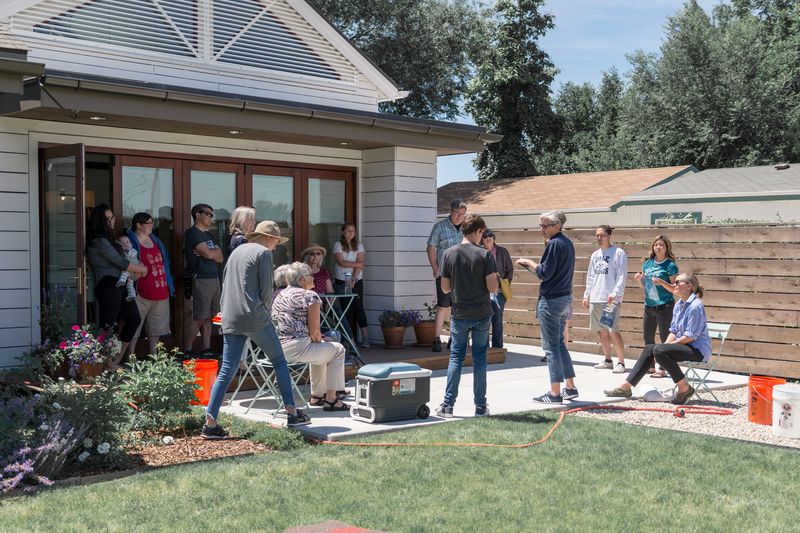
The house also partners with organizations like the Idaho Council for the Deaf and Hard of Hearing and the Idaho Association of the Deaf for annual community celebrations, which include artmaking stations, bookmaking workshops inspired by Castle’s practice, and site scavenger hunts. These events transform the museum into a community gathering place that honors Castle’s identity as a Deaf artist while welcoming everyone.
It is a model that other small museums across the country would do well to study.
Practical Tips for Planning Your Visit
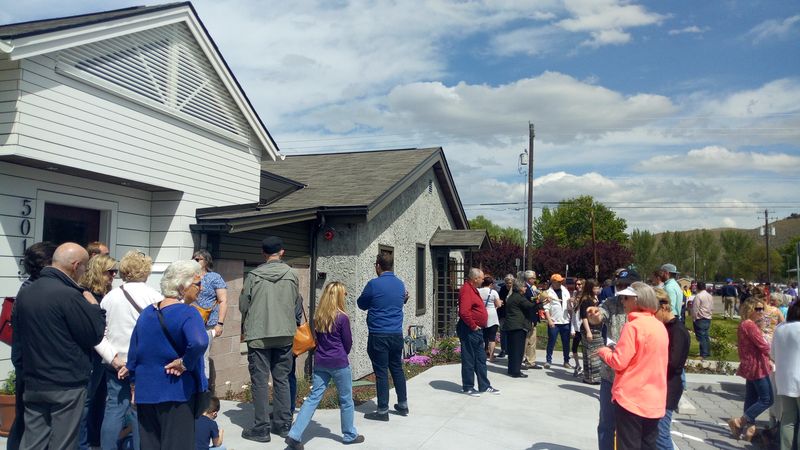
The James Castle House is open Thursdays through Saturdays, from 11 a.m. to 5 p.m., and admission is free, which makes it one of the most accessible cultural destinations in Boise. Staff-guided gallery tours are available during open hours with no reservation required for groups of fewer than ten people.
Larger groups should provide at least 48 hours of advance notice by reaching out to the museum directly. Parking is available at Castle Hills Park, one block north of the house at 5350 Eugene Street, with accessible spots for vehicles displaying appropriate tags.
Non-flash photography is permitted in most areas for personal, non-commercial use, so bring your camera. Tripods, selfie sticks, flash photography, and drones are not allowed, and food, drink, and smoking are prohibited on the grounds.
Checking the museum’s website before your visit is a smart move, as temporary closures and special event schedules do occur. A visit typically takes around 45 minutes to an hour, though curious visitors often find themselves lingering longer than expected.
Share this story