A quiet New Jersey road can still surprise a person who thinks they have seen every local day trip worth taking. One modest turn leads to a place where hawks, owls, eagles, falcons, vultures, ravens, and other birds become the reason to slow down and pay attention.
The setting feels simple at first, then the purpose behind it makes the stop linger in your mind. For New Jersey residents looking for an easy, meaningful outing that does not feel overbuilt, this is the kind of place that proves the state still keeps a few memorable cards tucked in its back pocket.
A Millington Bird Haven With A Clear Mission
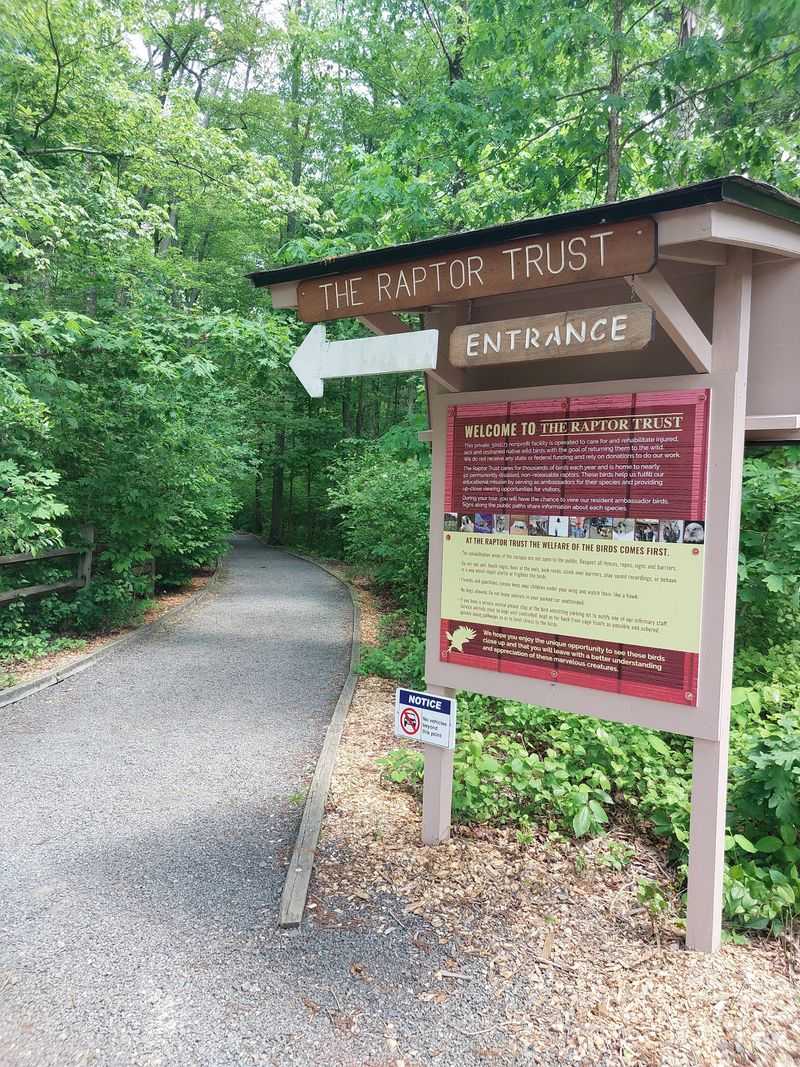
A small road in Morris County leads to a place with a very specific purpose: helping wild birds recover and giving the public a respectful way to learn about them.
The Raptor Trust is a non-profit organization at 1390 White Bridge Rd, Millington, NJ 07946, in the United States. Its public areas include paths, aviaries, signs, restrooms, parking, and spaces where guests can see birds that are part of the center’s care and education work.
The visit is not built like a theme park, and that is part of its identity. It feels more like a working wildlife facility that allows people to look in, learn carefully, and support the effort.
Hawks and owls may get the headline attention, but the deeper story is about a New Jersey place doing steady, practical work every day.
The Wildlife Care Story Behind The Paths
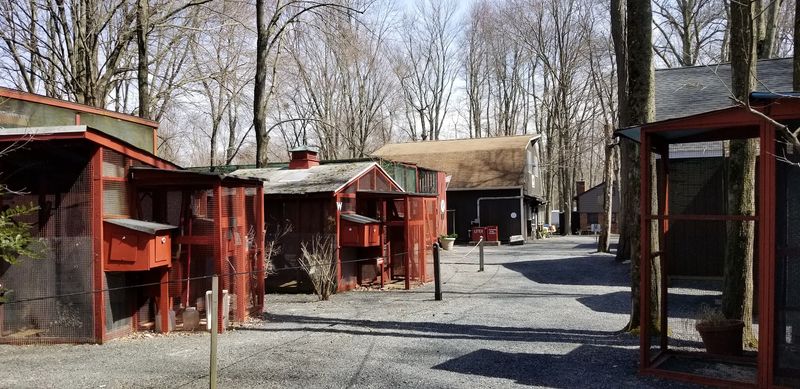
Behind the casual stroll sits the real reason people support this place: bird rehabilitation, bird rescue, and long-term animal care.
The Raptor Trust is known for helping injured birds and for providing care to raptors and other birds that need expert attention. Accounts tied to the facility often mention sparrows, robins, mourning doves, vultures, and other birds being brought in after accidents or nest troubles.
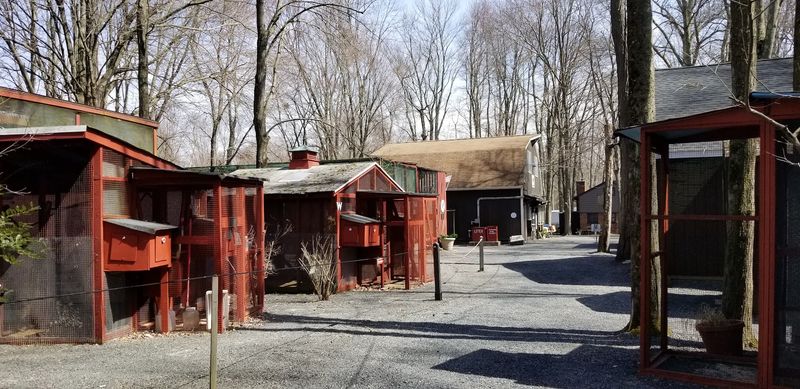
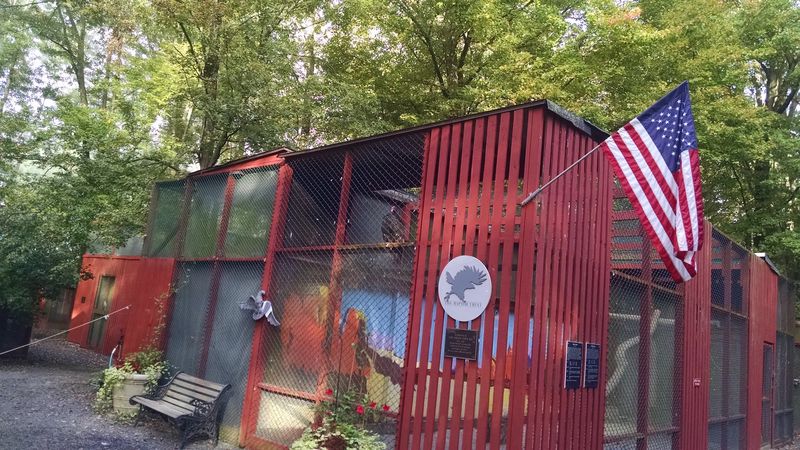
That working purpose changes how the paths feel. A cage or mesh barrier is not a decorative choice; it is there because the birds and the people nearby both need protection.
Some birds may be in view as permanent residents, while others are part of the broader care mission away from public attention. The result is a visit that asks for patience and rewards curiosity.
New Jersey has plenty of pretty stops, but few make local stewardship feel quite so direct.
Wooded Walkways With A Slow-Paced Rhythm
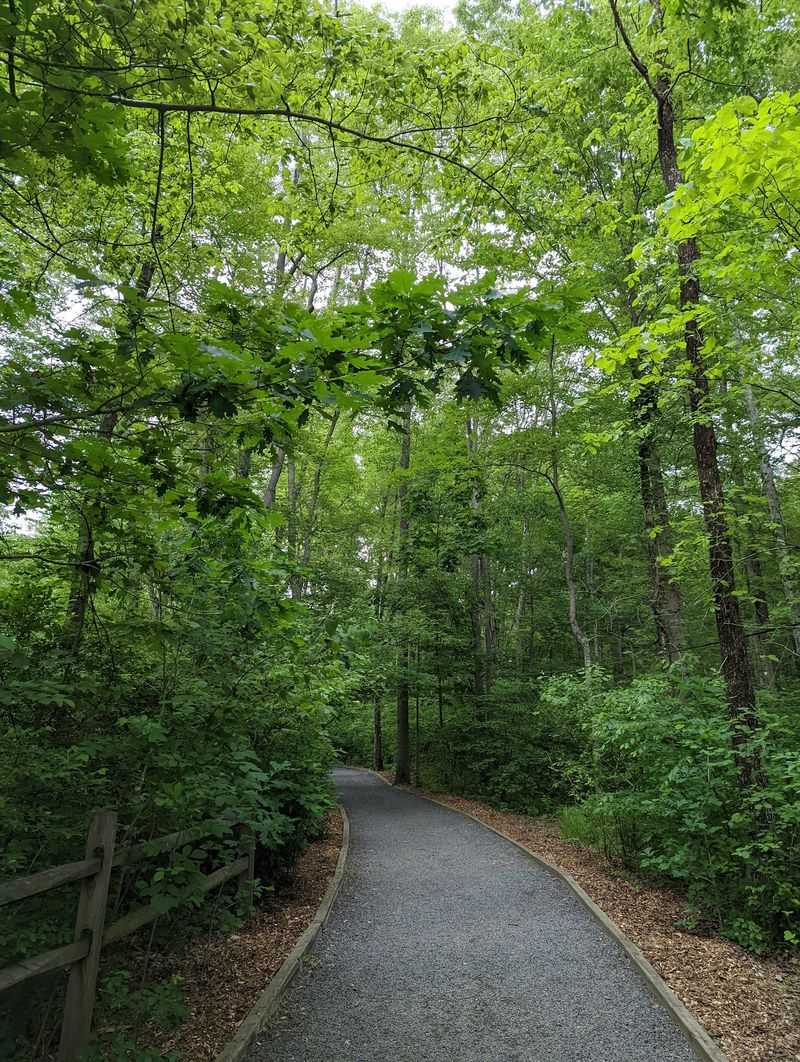
No grand entrance is needed when the best part is the easy loop through the trees.
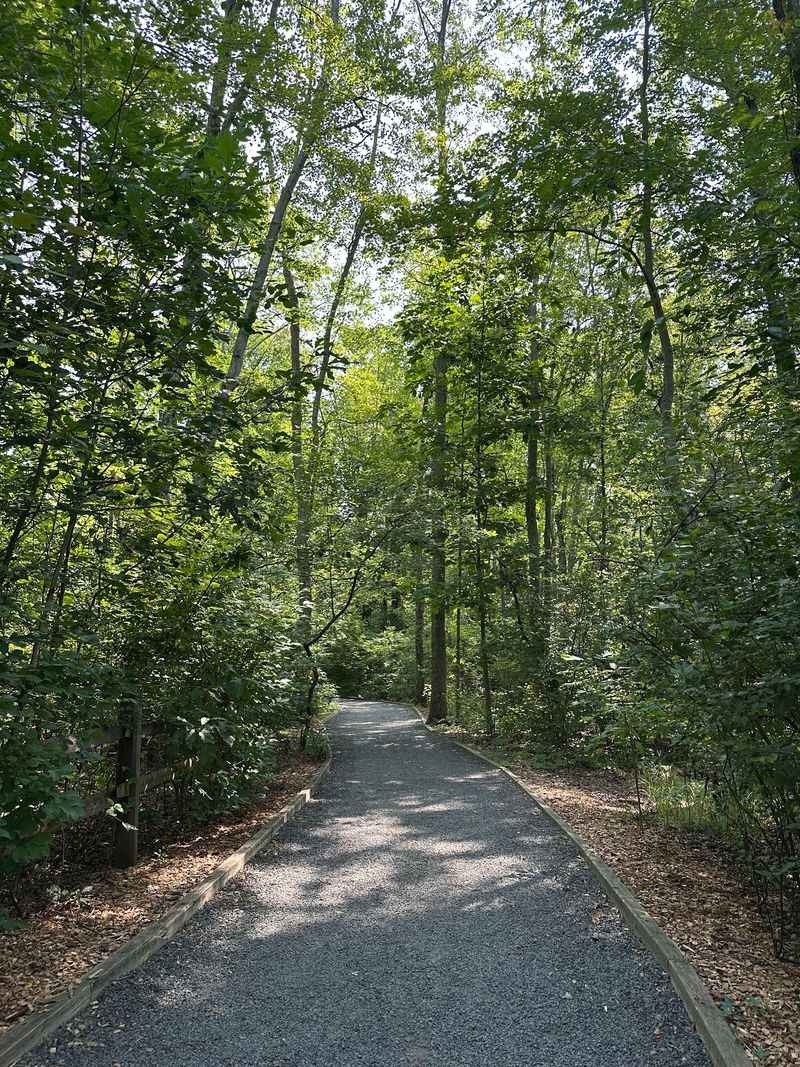
The public route around The Raptor Trust is often described as a nice path, with aviaries placed along the way and information posted at enclosures. The walk can be brief for people moving quickly, while others spend closer to an hour or more pausing at each bird home.
Benches and clear paths help keep the outing manageable. Clean restrooms near the parking lot also make the visit easier, especially for families with kids or anyone planning a longer day in the area.
The wooded setting gives the center a calm, tucked-away character without making it feel remote. It is the kind of stop that works best when nobody is rushing to check off every enclosure in record time.
Hawks, Owls, Eagles, Falcons, And More
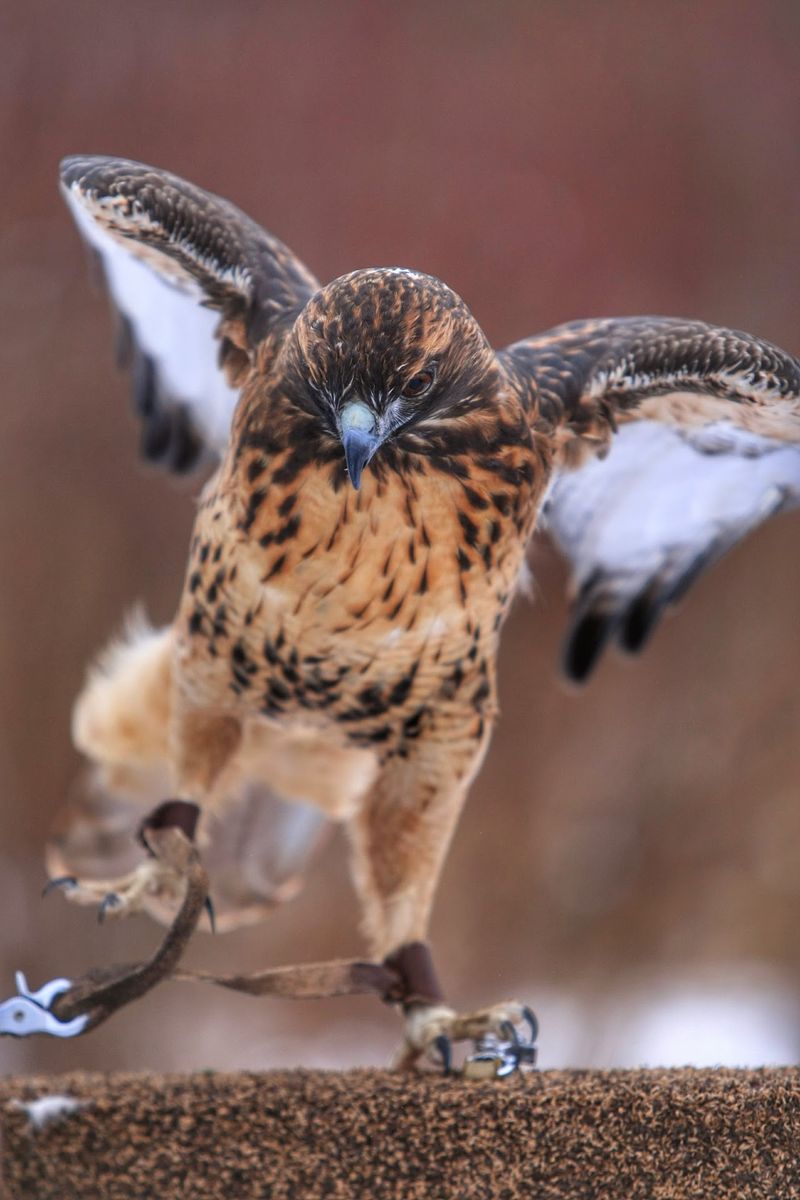
Bird lovers do not have to be experts to understand the appeal here.
The public aviaries may include a broad range of raptors and other birds, with hawks, owls, eagles, falcons, vultures, ravens, and bald eagles commonly associated with the site. Golden eagles are also mentioned among birds people have seen during past visits.
Each enclosure is designed around care first, not camera convenience. Protective mesh, fencing, and in some cases extra covering can make photos tricky, but the reason is straightforward: the birds’ comfort and safety come before a perfect snapshot.
That detail can actually make the visit more meaningful. Guests are reminded that they are not touring a stage set; they are seeing a care-centered facility where observation comes with limits.
The birds carry the star power, but the restraint around them tells the larger story.
A Bald Eagle Moment Many People Remember
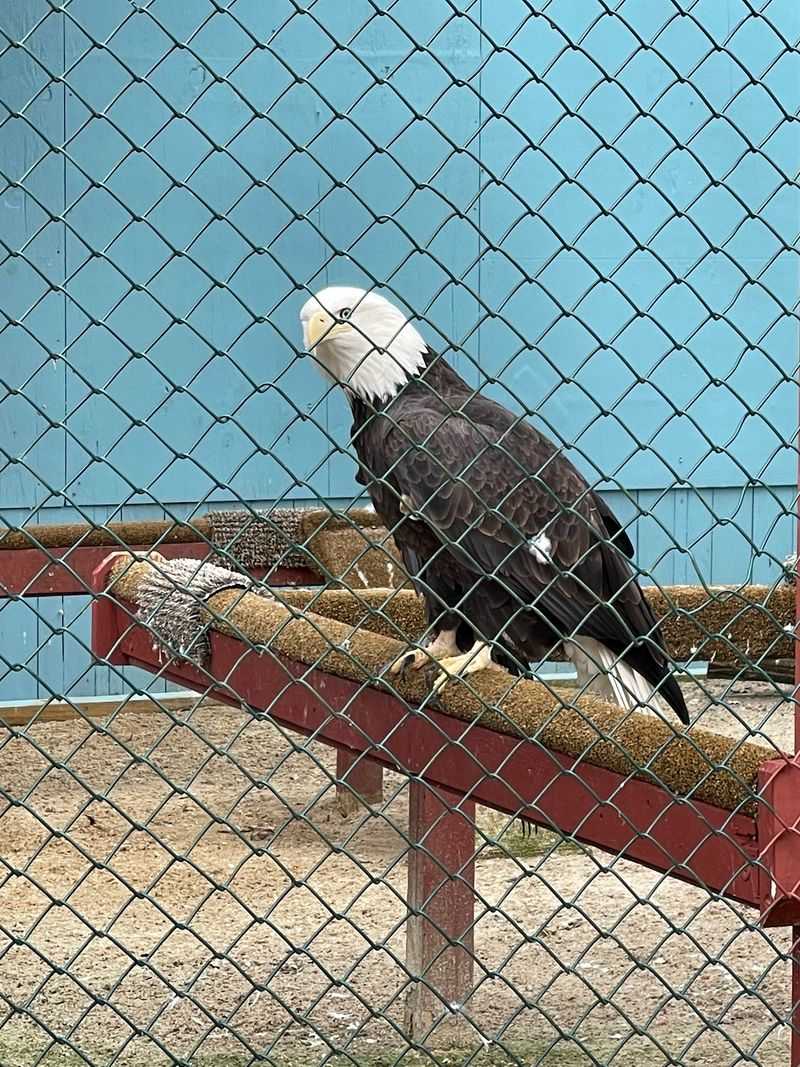
A bald eagle has a way of turning a simple path stop into a pause that lasts longer than expected.
At The Raptor Trust, bald eagles are among the birds that tend to stand out for many guests because they are easier to see than some smaller or more tucked-away raptors. The enclosure mesh still affects visibility, yet the bird’s size and presence help make the viewing experience memorable.
The center also gives that moment context. Seeing a bald eagle here is not only about spotting a national symbol; it is about understanding how bird care, recovery, and protected housing can intersect in a public educational space.
Children often focus on the big birds first, and adults tend to follow their lead. That shared attention is part of why this spot works so well for families.
One strong bird encounter can anchor the whole visit.
Signs That Turn A Stroll Into A Lesson
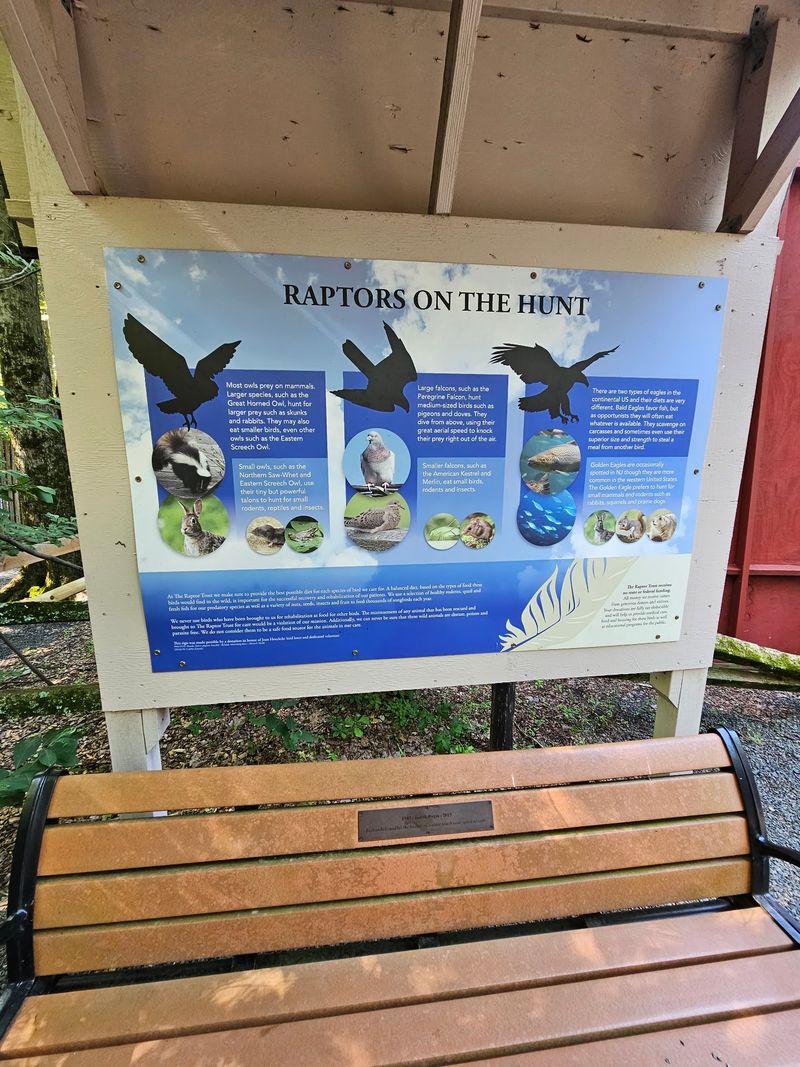
Curiosity gets plenty of help along the route, which is good news for anyone who cannot tell a falcon from a hawk at first glance.
Information is displayed on enclosures, allowing guests to connect each bird with basic details while moving at their own pace. The format makes the experience approachable for school-age kids, casual nature fans, and adults who enjoy learning without sitting through a formal class.
Private tours and educational programs have also been part of the center’s appeal, with families noting that kids can absorb a surprising amount when the subject is right in front of them. The public path gives a lighter version of that educational value.
Nothing feels overly complicated. The lesson lands because it is attached to real birds, real care work, and a place where questions seem to come naturally.
A small sign can do plenty when the subject has feathers.
A Family Stop That Does Not Overcomplicate The Day
Parents often look for outings that are easy, affordable, and interesting enough to avoid the classic mid-trip slump.
The Raptor Trust fits that need because the visit can be as short or as slow as the day allows. Some people spend around 15 minutes if they are nearby, while others take about an hour or 90 minutes to stop at each bird home and read the signs.
Kids get recognizable animals, adults get a meaningful mission, and nobody needs complicated gear to participate. The paths, restrooms, picnic area, and parking help make the outing practical rather than stressful.
Families also tend to appreciate that the center is not trying to be flashy. It gives children something real to notice and discuss, then leaves room for the rest of the day.
That low-pressure setup may be one of its smartest features.
Small Wildlife Around The Feeders
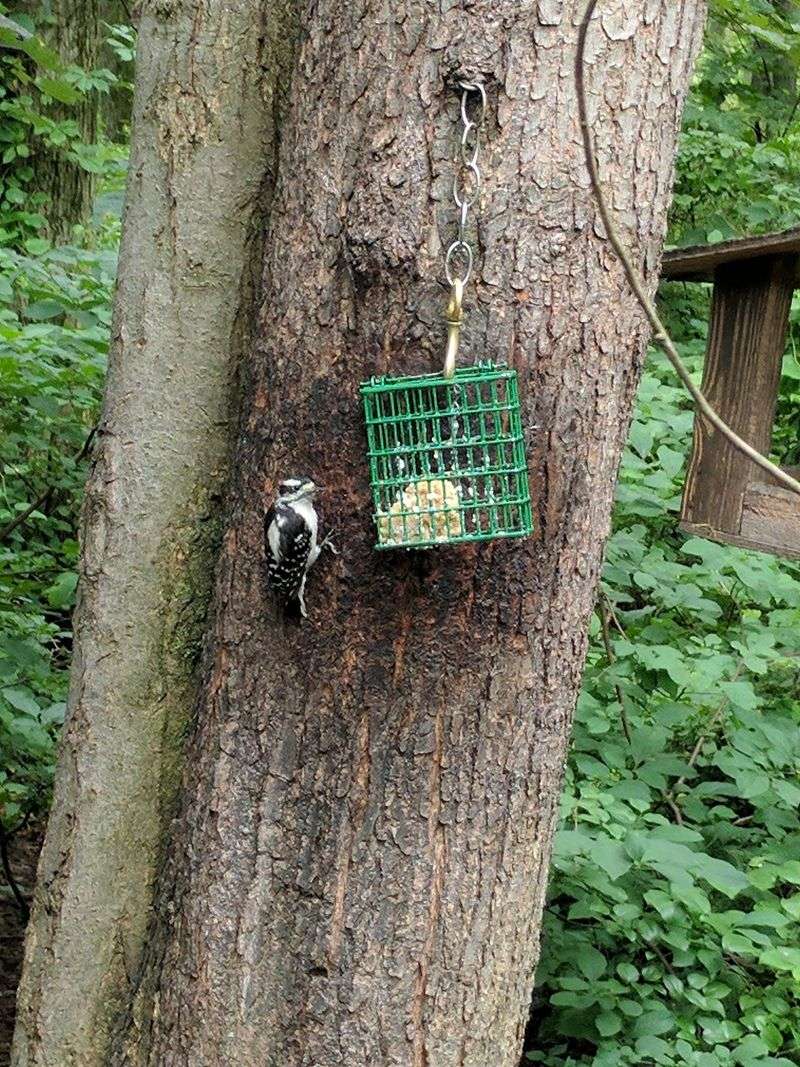
The headliners may have talons and impressive wingspans, but the smaller characters around the grounds earn attention too.
Feeders near the path have drawn small birds, squirrels, and chipmunks, adding another layer to the visit without distracting from the center’s main work. Those little side scenes make the grounds feel active in a way that suits the surrounding woods.
Bird watching is one of the popular reasons people come here, and the feeder activity can reward anyone who enjoys noticing details. It is not just about the aviaries; the broader setting encourages people to slow down and watch what is happening nearby.
The contrast is charming: a person may arrive thinking only about owls and eagles, then end up lingering over tiny woodland neighbors. New Jersey nature has a knack for sneaking in bonus material.
Protective Mesh With A Purpose
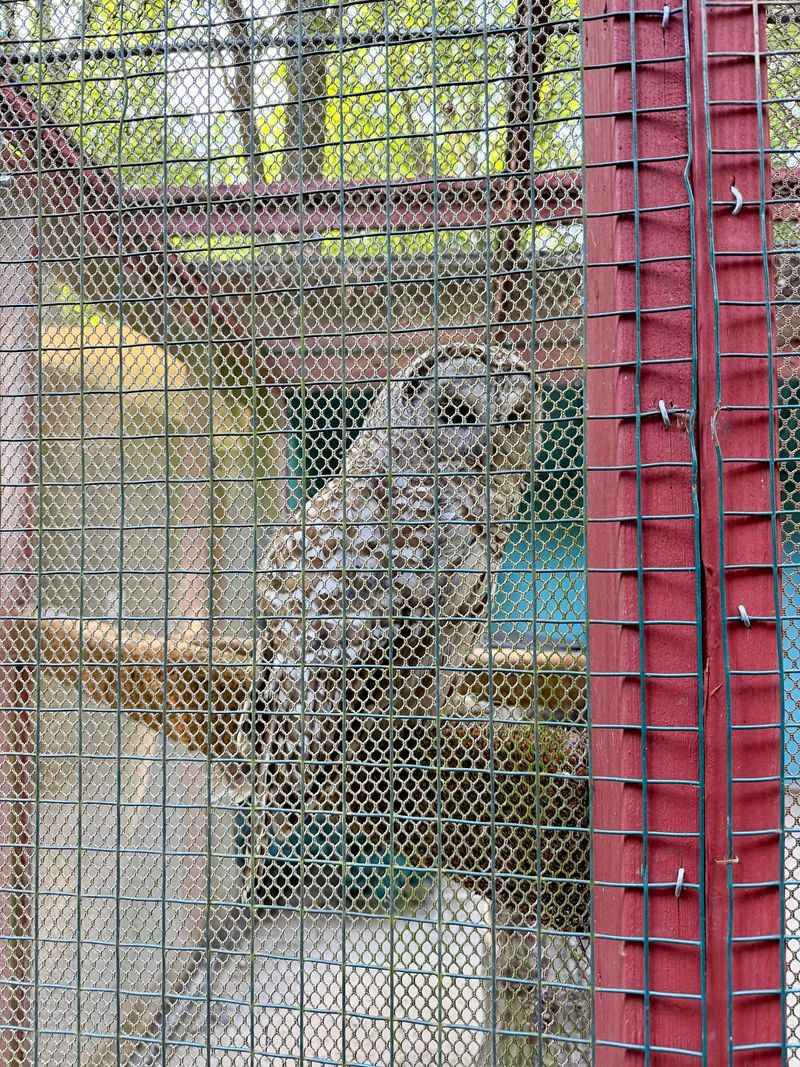
A camera may complain about the fencing, but the mission explains it before frustration gets too comfortable.
Several enclosures use mesh, fencing, and sometimes extra covering. Those features can make certain birds harder to see or photograph, especially for guests hoping for a clear shot through every enclosure.
The point, however, is not to create a photo studio. The barriers help protect birds that are receiving care or living in a specialized setting, while also keeping people at a proper distance.
That practical design is a useful reminder of what The Raptor Trust is and is not. It is a rehabilitation and care-focused non-profit with public access, not a place built around perfect visibility from every angle.
Guests who arrive with that understanding tend to appreciate the experience on better terms. The mesh is not in the way of the story; it is part of it.
Donation-Based Access With A Local Heart
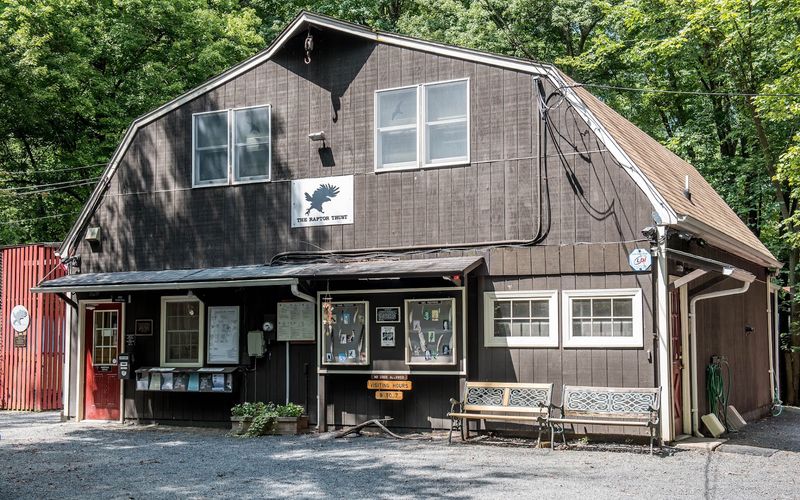
A free outing in New Jersey is always welcome, especially when the suggested support goes toward a visible purpose.
The Raptor Trust is free to enter, with a small suggested donation often mentioned by people familiar with the visit. A suggested amount of 2 dollars has been noted, though guests may choose to give more to help support the organization.
That donation-based model makes the center accessible while still reminding guests that animal care requires steady resources. The gift shop adds another way to support the work, with items such as shirts, books, mugs, hats, plush toys, and other merchandise noted by past guests.
The setup feels refreshingly straightforward. Come in, learn something, walk the path, and consider leaving a contribution if the visit means something to you.
For a local non-profit, that simple exchange says a lot.
A Smart Pairing With Great Swamp Time
Day-trippers love a two-part plan, and this Millington stop has a natural partner nearby.
A visit to The Raptor Trust is often combined with time in the Great Swamp area, especially by people who want a broader birding or nature-focused outing. The center itself can be quick, so pairing it with a nearby hike or outdoor stop helps round out the day.
That pairing also makes sense thematically. The Raptor Trust explains bird care in a focused setting, while the surrounding region gives nature-minded guests more room to continue the outing.
No complicated itinerary is required. A person can stop at the center, spend time with the aviaries and signs, then continue nearby if the schedule allows.
New Jersey excels at these small, layered trips. One meaningful stop leads to another, and suddenly an ordinary afternoon feels well used.
Hours, Parking, Restrooms, And Easy Logistics
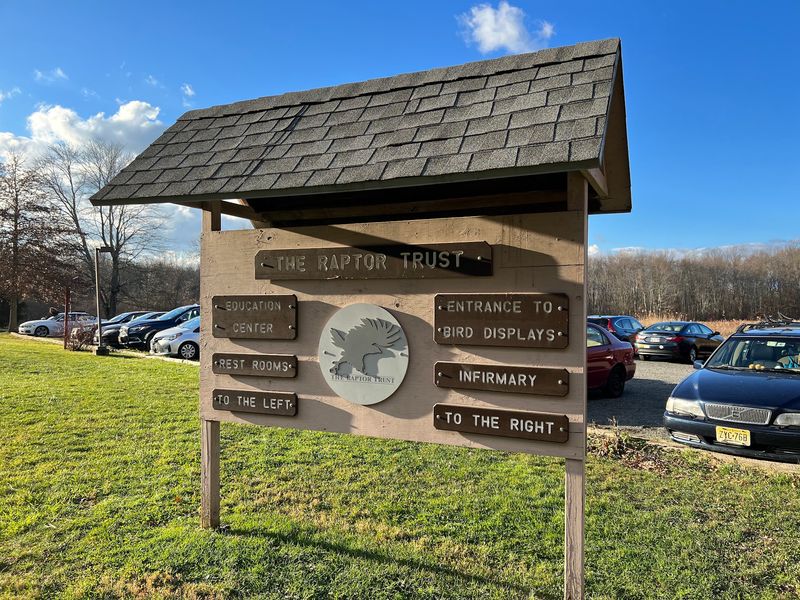
Practical details matter here because an easy visit lets the mission stay in focus.
The Raptor Trust is open daily from 9 AM to 4 PM, including Monday through Sunday. The facility has parking, with past descriptions noting a decent-size or plentiful lot, and clean restrooms are available near the parking area.
Paths are described as clear and manageable, and facilities have been noted as ADA-accessible. The public walk works for a range of ages and schedules, though the amount of time needed depends on how slowly guests read signs and pause at the enclosures.
Weather can affect which birds are visible, so expectations should stay flexible. Some days may offer more obvious activity than others.
The best plan is simple: arrive during posted hours, bring patience, consider a donation, and treat the center as a working care facility with public education woven in.
A Quiet Verdict For New Jersey Day-Trippers
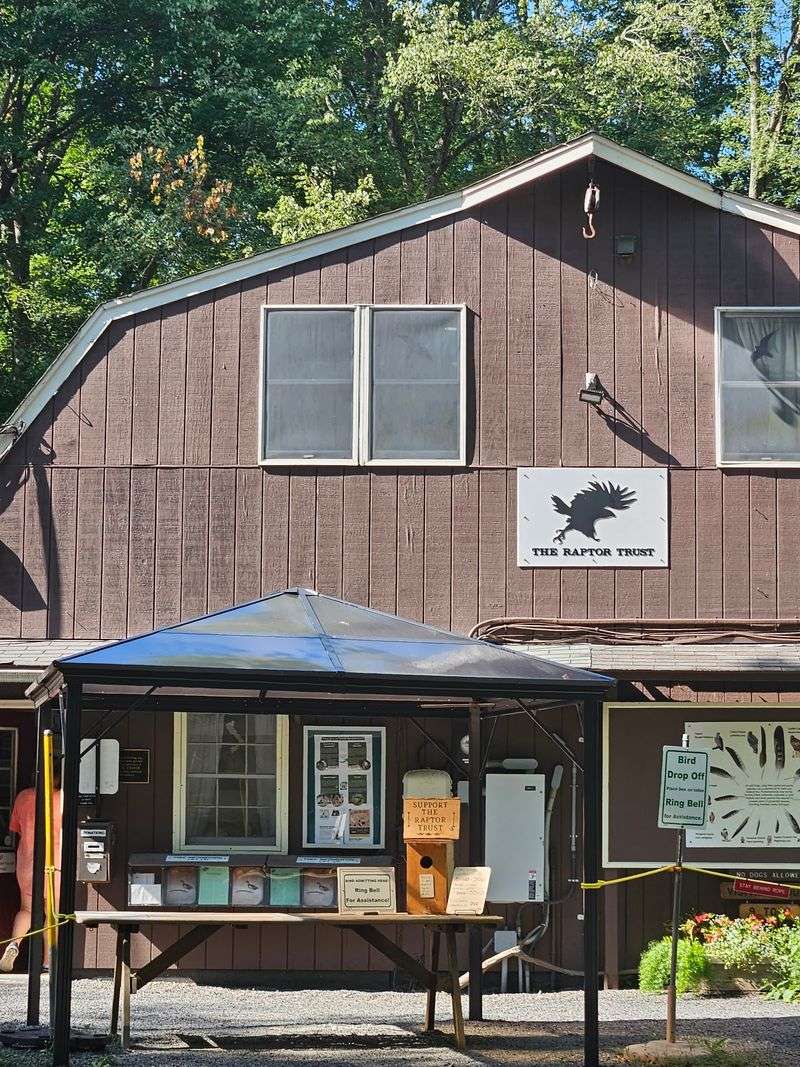
Not every memorable New Jersey stop needs a big production, and The Raptor Trust makes that case better than most.
The appeal comes from its combination of accessibility, purpose, and quietly interesting details. Guests can see raptors up close within limits, read about the birds, support a non-profit, and leave with a clearer sense of why specialized wildlife care matters.
It is especially well suited to families, bird enthusiasts, animal lovers, school-age learners, and residents looking for a wholesome local outing. The visit can be brief, but it does not feel empty because the work behind the place gives it weight.
The soft verdict is simple: go with realistic expectations, respect the barriers, and bring a few dollars if you can. Millington may not shout for attention, but this wooded stop gives New Jersey one more reason to be proud of its quieter corners.
Share this story