In the early decades of the United States, a public insult could turn into a formal appointment with pistols. Between the 1770s and the 1850s, politicians, officers, and lawyers treated personal reputation as something to defend in person, even though dueling was often against the law.
Newspapers, Senate speeches, and letters could all set off a chain of challenges, replies, and carefully arranged meetings.
The results were wildly uneven. Some duels ended with a handshake, others with lasting injuries, and a few changed the course of national politics.
Rules called the code duello governed everything from the choice of weapons to the role of the seconds who managed each meeting.
This list follows fifteen documented encounters involving famous names, from Founding Fathers to future governors and one future president. Each entry explains what started the quarrel, where it happened, and what came of it.
Read on to see how honor, ambition, and stubborn pride shaped American history, and why the practice finally faded from public life.
1. Andrew Jackson vs. Charles Dickinson, 1806
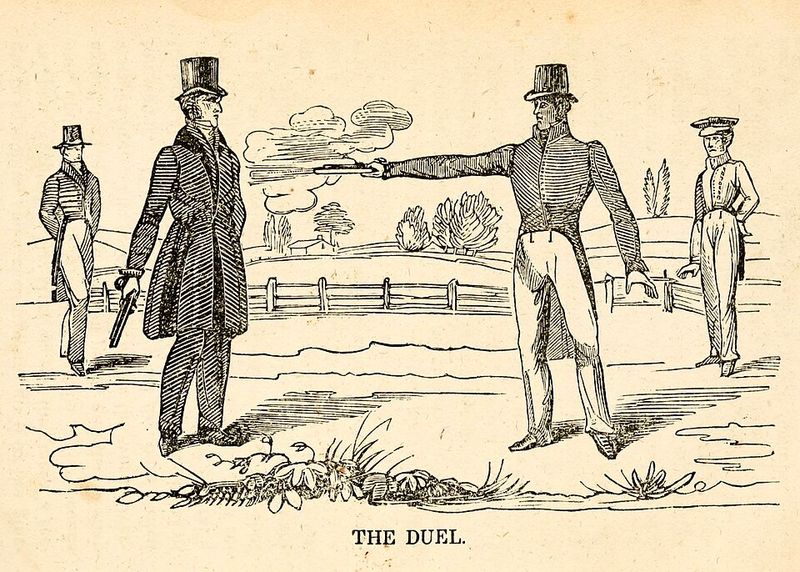
A horse race disagreement sounds small, yet it set off one of the most famous duels of the early republic. The dispute between Andrew Jackson and Charles Dickinson grew through a string of personal insults, including remarks about Jackson’s wife, Rachel.
Dickinson had a reputation as an excellent marksman. When they met in Logan County, Kentucky, on May 30, 1806, he fired first and hit Jackson in the chest.
Jackson stayed on his feet. He then took his own shot and wounded Dickinson fatally.
The bullet stayed lodged near Jackson’s heart and caused him pain for years afterward.
That injury did not slow his career. Jackson went on to become one of the most influential and debated political figures of the 19th century.
2. Stephen Decatur vs. James Barron, 1820
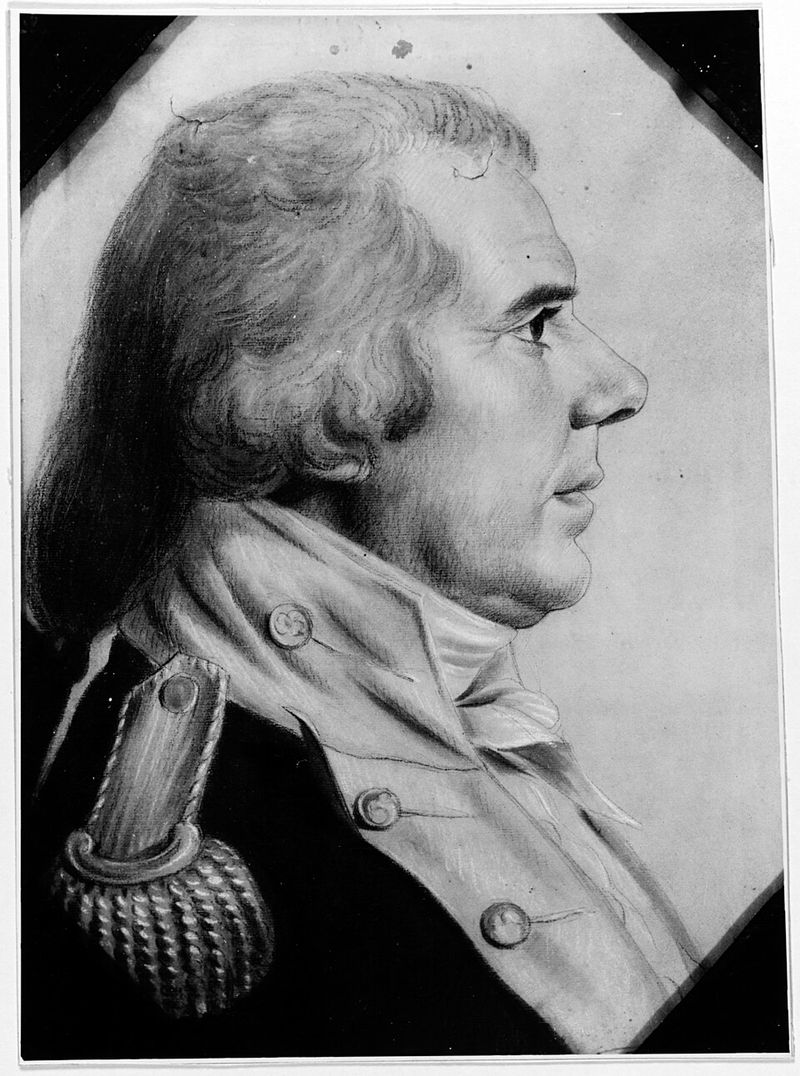
National heroes are not always safe from old grudges. Stephen Decatur had earned fame as a U.S. naval officer, yet his story ended on a dueling ground rather than a ship’s deck.
Commodore James Barron was court-martialed after the Chesapeake-Leopard affair of 1807. When he later sought a return to active service, Decatur opposed him, and the disagreement turned personal.
On March 22, 1820, they met at the Bladensburg dueling grounds outside Washington.
Both men were hit. Barron recovered from his wound, but Decatur was taken to his Washington home and died later that day at age 41.
The country had celebrated him as one of its great naval figures, so the news landed hard across the young nation.
3. Button Gwinnett vs. Lachlan McIntosh, 1777
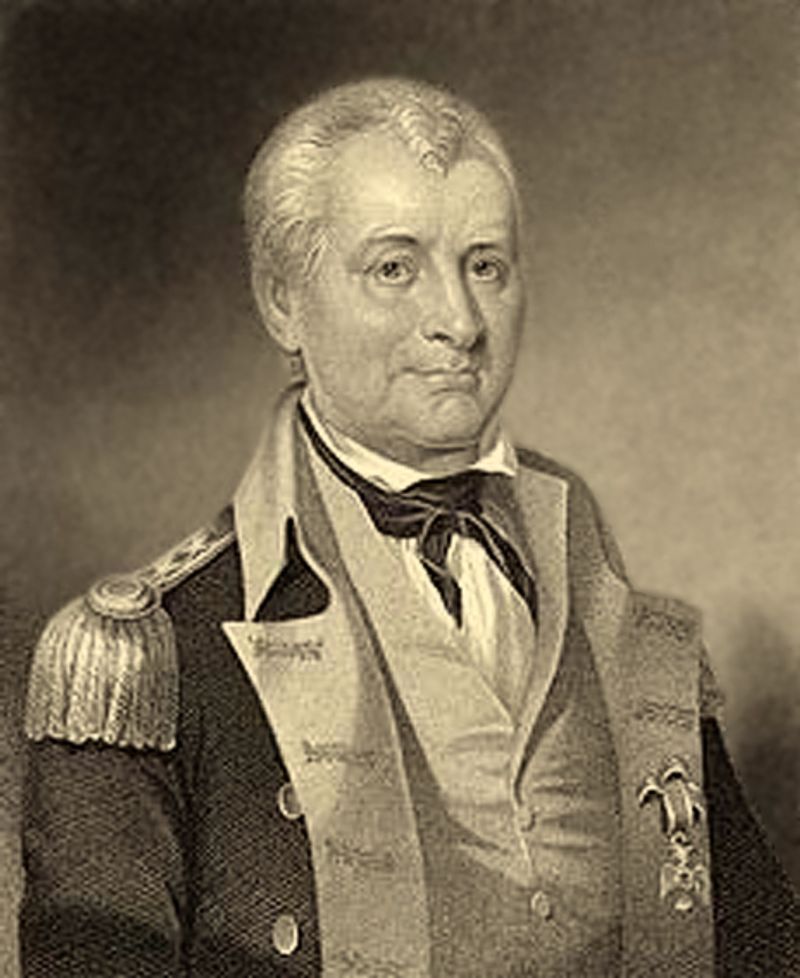
Autograph collectors know this name for a reason. Button Gwinnett signed the Declaration of Independence in 1776 and was in a duel less than a year later.
Gwinnett and Brigadier General Lachlan McIntosh had clashed over military and political authority in Georgia. After McIntosh publicly insulted him, Gwinnett issued a challenge.
They met outside Savannah on May 16, 1777, and stood only a short distance apart. Both fired, and both were hit in the leg or thigh.
McIntosh recovered. Gwinnett’s wound became infected, and he died several days later, on May 19.
His short life after signing means very few examples of his signature survive, which makes them exceptionally rare and valuable to collectors today.
4. Thomas Hart Benton vs. Charles Lucas, 1817
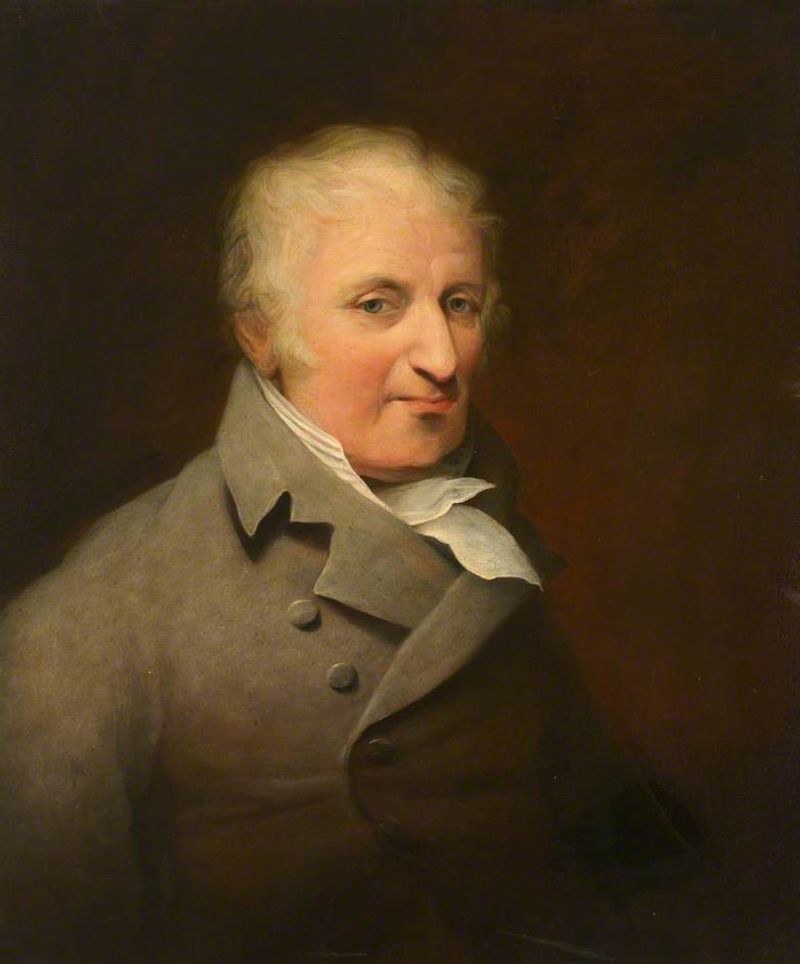
One duel was not enough for these two Missouri lawyers. Thomas Hart Benton and Charles Lucas fought twice in the same year.
Their rivalry sharpened after Lucas questioned Benton’s eligibility to vote. Benton answered with an insult, and Lucas issued a challenge.
The first meeting took place on Bloody Island in the Mississippi River near St. Louis in August 1817. Both men were wounded, and both survived.
Lingering resentment led to a second meeting on September 27. This time the distance was cut to about ten feet.
Lucas missed, and Benton’s shot struck him in the chest. Lucas died shortly afterward.
Benton went on to serve thirty years in the United States Senate, from 1821 to 1851.
5. Jonathan Cilley vs. William Graves, 1838
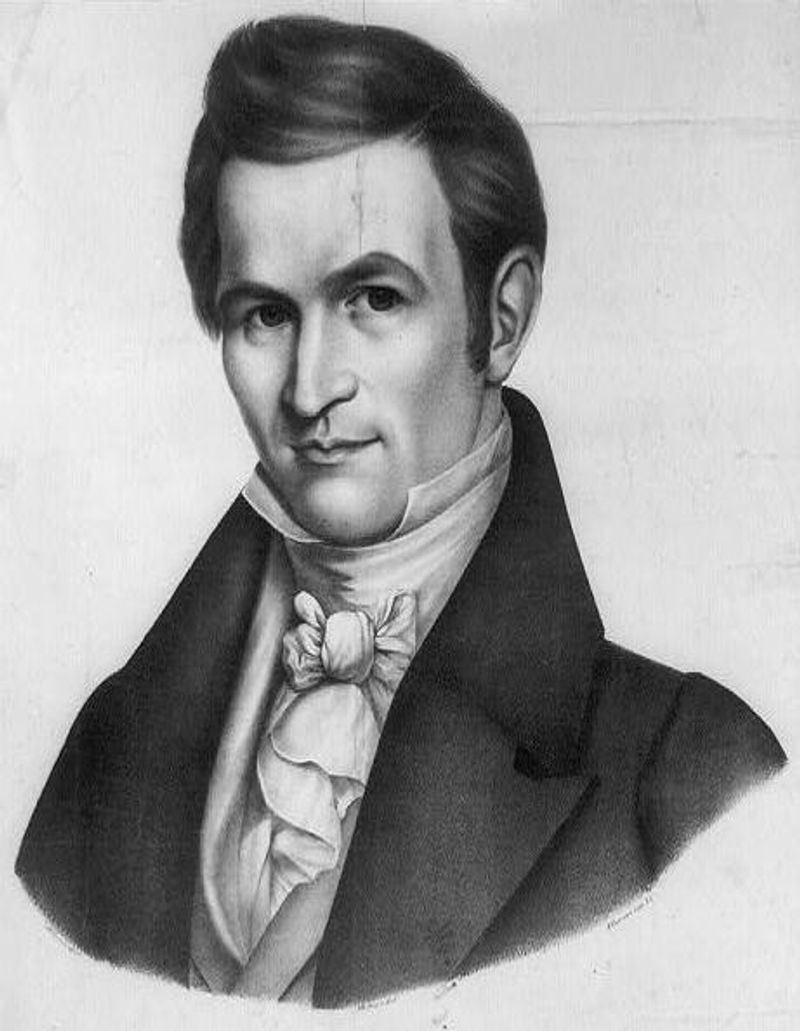
A letter that one man refused to accept ended up drawing two members of Congress into a rifle duel. The trouble began when William Graves tried to deliver a note from newspaper editor James Watson Webb to Jonathan Cilley.
Cilley declined to take it. Graves saw that refusal as an insult to his own honor and issued a challenge.
The two met in Maryland on February 24, 1838, armed with rifles. The first two exchanges missed both men.
On the third exchange, Graves hit Cilley, who died on the field.
One sitting congressman had killed another, and public anger spread across the country. The outcry strengthened opposition to dueling in Washington, and Congress later banned the practice in the District of Columbia.
6. David Broderick vs. David Terry, 1859
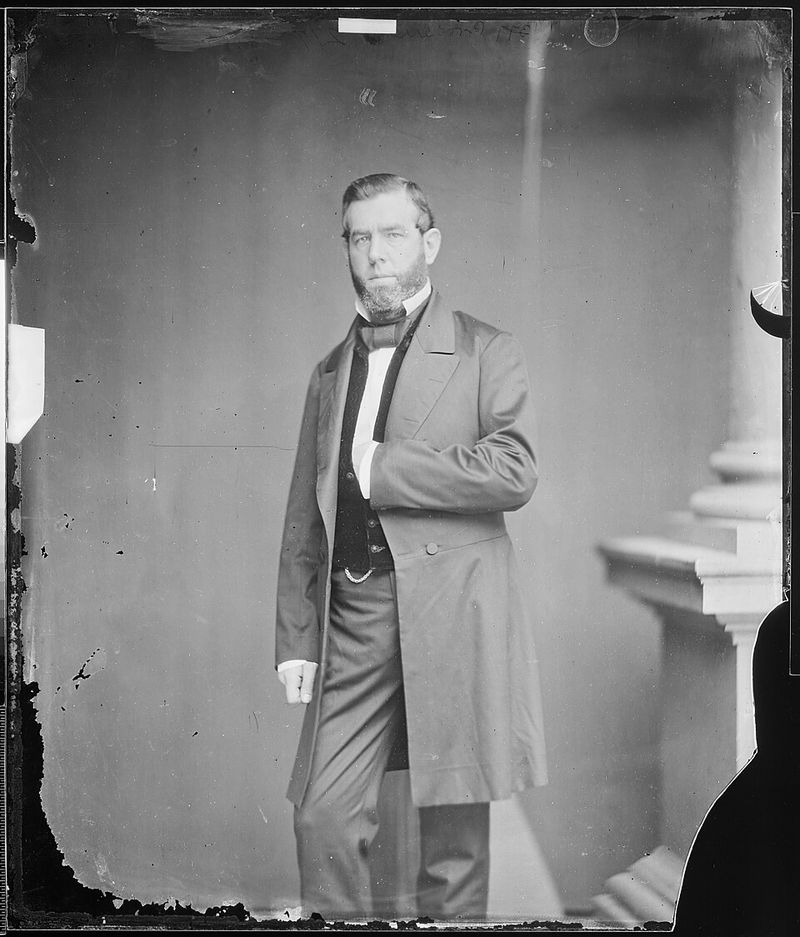
Politics in 1850s California was tangled up with the national fight over slavery. That tension shaped the rivalry between U.S.
Senator David Broderick and David Terry.
Broderick opposed expanding slavery. Terry, a former chief justice of the California Supreme Court, belonged to the pro-slavery wing of state politics.
The two had once been allies but became bitter enemies. After an exchange of insults, Terry challenged Broderick.
They met near Lake Merced outside San Francisco on September 13, 1859. Broderick’s pistol fired too early and sent its bullet into the ground.
Terry’s shot struck Broderick, who died three days later.
Afterward, Broderick became a prominent symbol for California’s anti-slavery movement as the country moved toward the Civil War.
7. Henry Clay vs. John Randolph, 1826
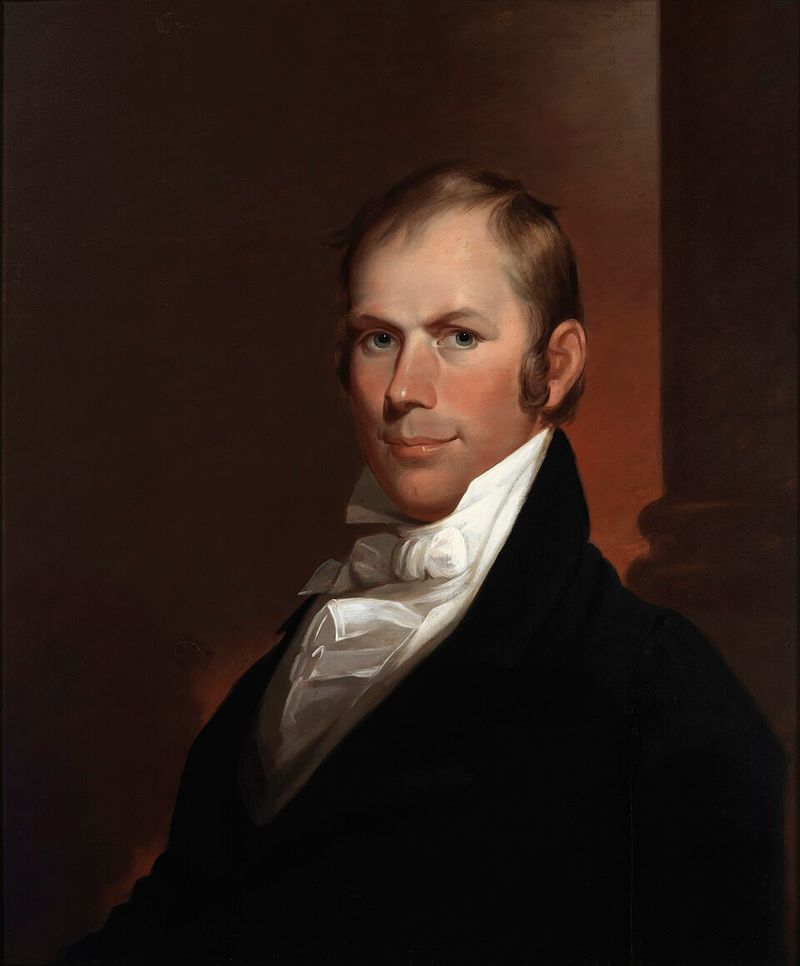
Two of the sharpest tongues in Washington nearly turned words into something worse. Secretary of State Henry Clay took offense at a Senate speech by John Randolph and challenged him.
Randolph had used harsh terms about Clay in his remarks. Clay judged them an attack on his honor.
They met in Virginia, across the Potomac, on April 8, 1826. The first exchange caused no injury.
In the second, Clay’s bullet passed through Randolph’s loose clothing without hitting him. Randolph then fired his pistol into the air.
The men shook hands and reconciled.
Many duels of the era ended badly, so this one stands out as a rare case where both participants walked home unharmed and on better terms.
8. Spencer Pettis vs. Thomas Biddle, 1831
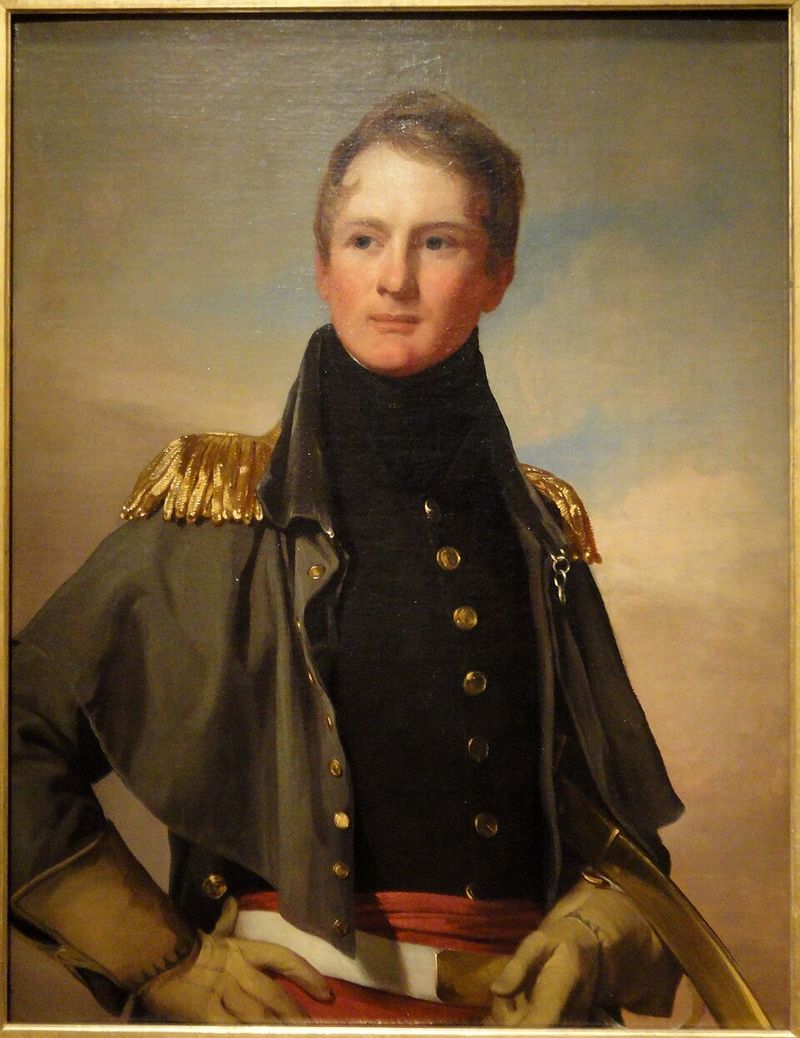
Choosing the distance can decide a duel before a shot is fired. Major Thomas Biddle picked an unusually short one, about five feet.
Biddle and Congressman Spencer Pettis had clashed over a political controversy involving the Bank of the United States. The feud grew through newspaper attacks and a physical confrontation before Pettis issued his challenge.
As the challenged party, Biddle set the terms. He was severely nearsighted, which shaped his choice.
The men met on Bloody Island near St. Louis in late August 1831. At that range, both were struck when they fired.
Pettis died the following day, and Biddle died of his wound a few days later.
Neither man survived, which made this one of the harshest episodes tied to Bloody Island.
9. John Laurens vs. Charles Lee, 1778
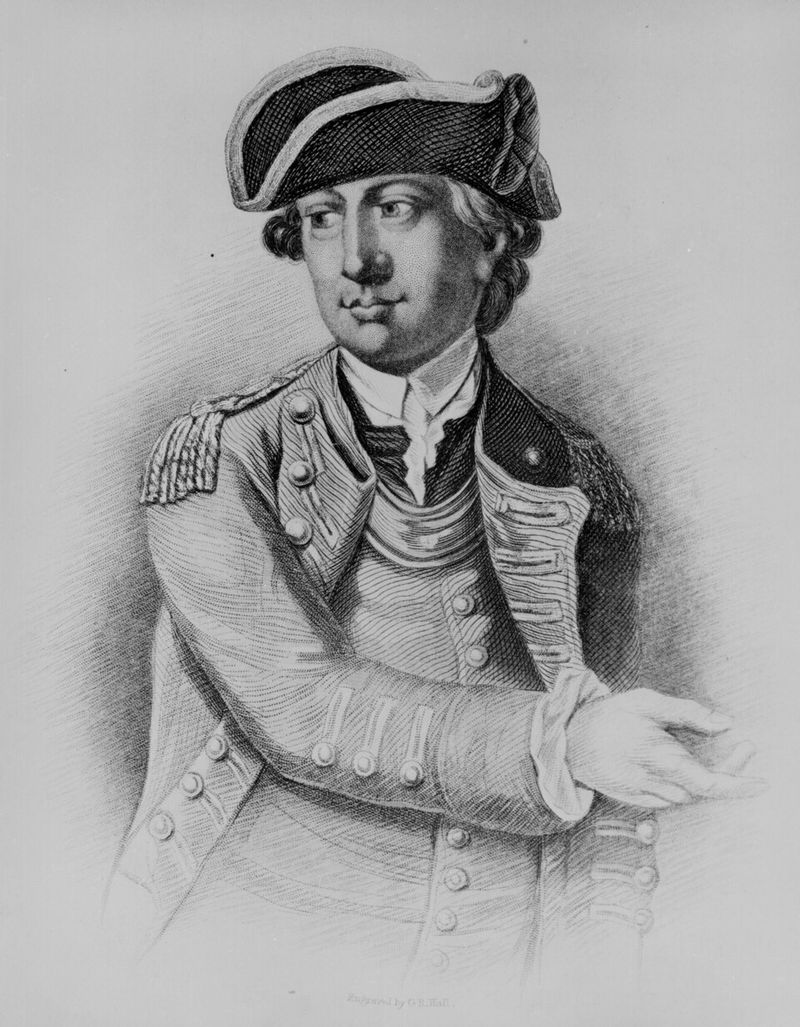
Loyalty to George Washington sent a young aide onto a dueling ground. General Charles Lee had clashed with Washington after the Battle of Monmouth and was court-martialed.
John Laurens, one of Washington’s aides, objected strongly to Lee’s public attacks on the commander in chief. He challenged Lee.
They met outside Philadelphia on December 23, 1778. Alexander Hamilton went along as Laurens’s second.
Both men advanced and fired. Laurens missed, and Lee was wounded in the side.
Lee wanted to continue, but the seconds stepped in and ended the dispute. Both men survived the duel.
Laurens did not live to see the war’s end, though. He was killed in a skirmish in South Carolina in 1782.
10. John S. Marmaduke vs. Lucius M. Walker, 1863
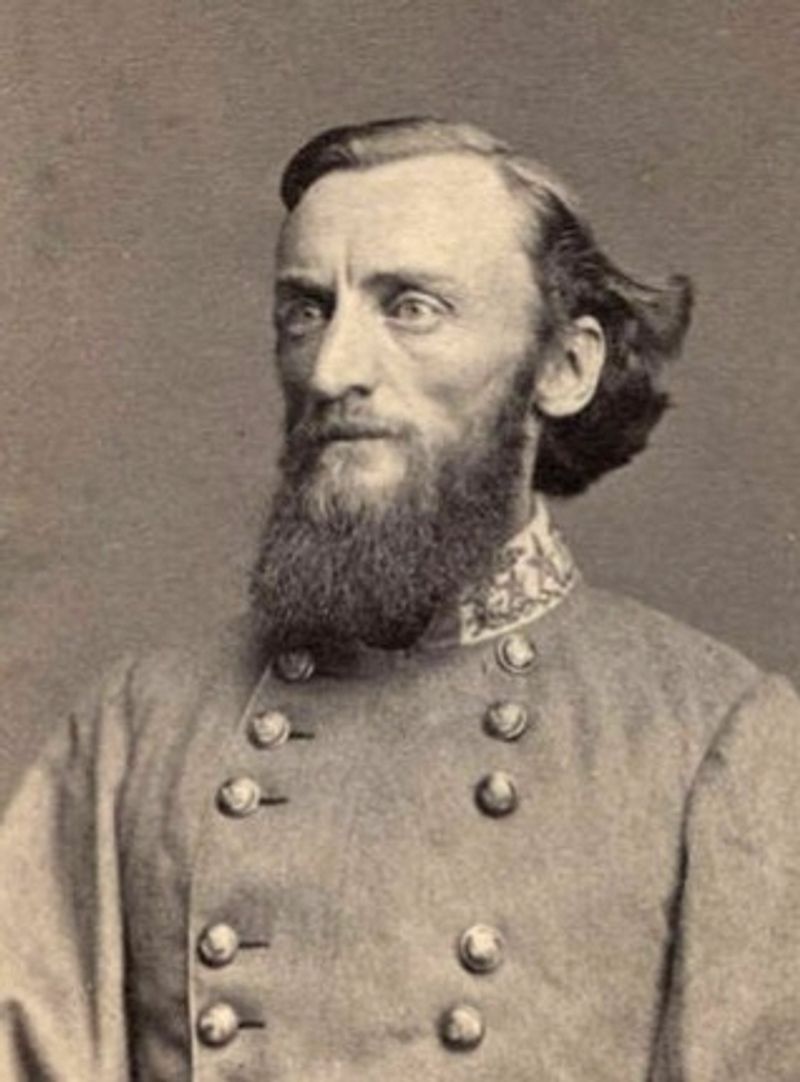
An army short on experienced officers still found time for a private quarrel. Confederate generals John S.
Marmaduke and Lucius M. Walker fell into a serious dispute after operations in Arkansas.
Marmaduke criticized Walker’s conduct in battle, questioning his leadership. The argument became a matter of personal honor.
They met with pistols near Little Rock on September 6, 1863. Their first shots missed.
On the next exchange, Marmaduke hit Walker, who died the following day.
Marmaduke was arrested but soon released, and he kept serving in the war. Later he became the 25th governor of Missouri, holding office from 1885 to 1887.
The duel cost the Confederate army a general in the middle of a major campaign season.
11. Alexander Hamilton vs. Aaron Burr, 1804
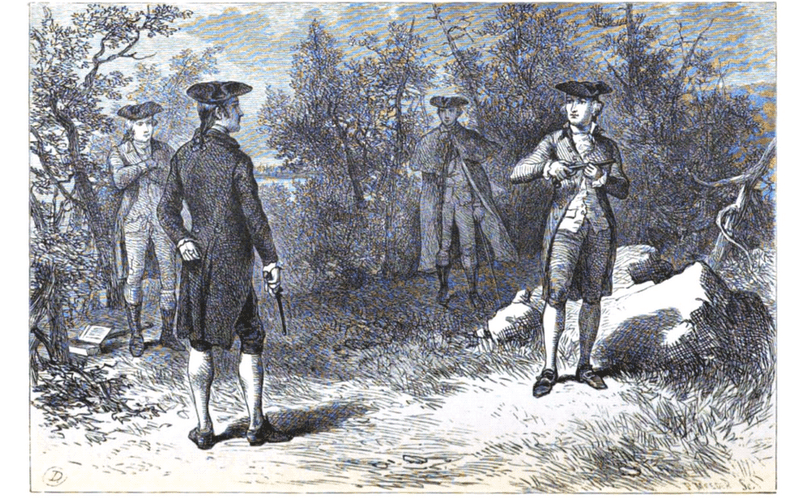
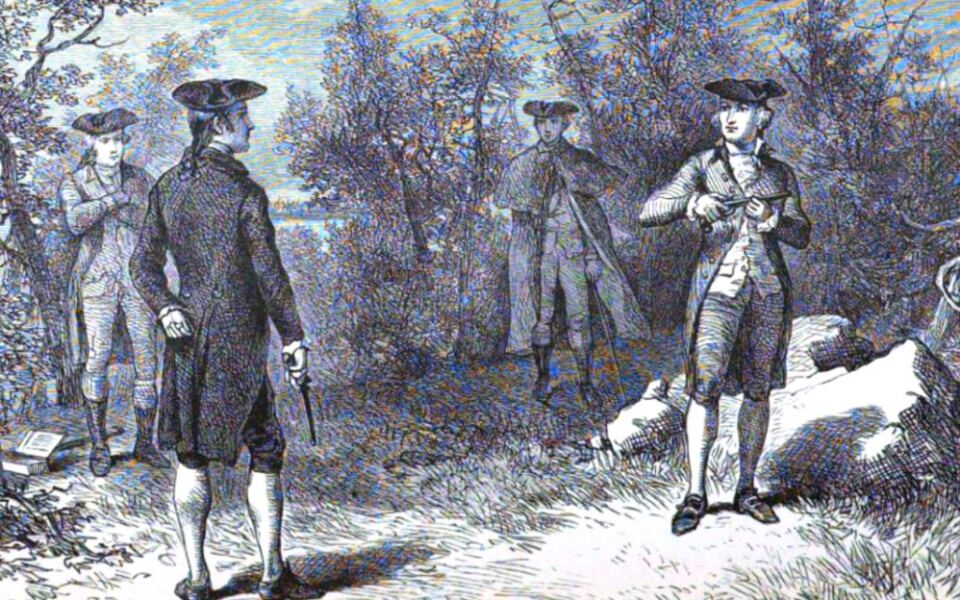
Few quarrels in American history have been retold as often as this one. Years of political rivalry between Alexander Hamilton and Vice President Aaron Burr reached a breaking point in 1804.
Burr demanded an explanation for remarks attributed to Hamilton. Their letters failed to settle anything, so a meeting was arranged.
On July 11, both men crossed the Hudson River to Weehawken, New Jersey. Both fired, and Burr’s bullet struck Hamilton, who was carried back to New York and died the next day.
Historians still debate whether Hamilton deliberately threw away his shot. Sources also differ on whether he was 47 or 49.
Burr finished his term as vice president, but his political career never recovered. His name stayed tied to the event for the rest of his life.
12. Philip Hamilton vs. George Eacker, 1801
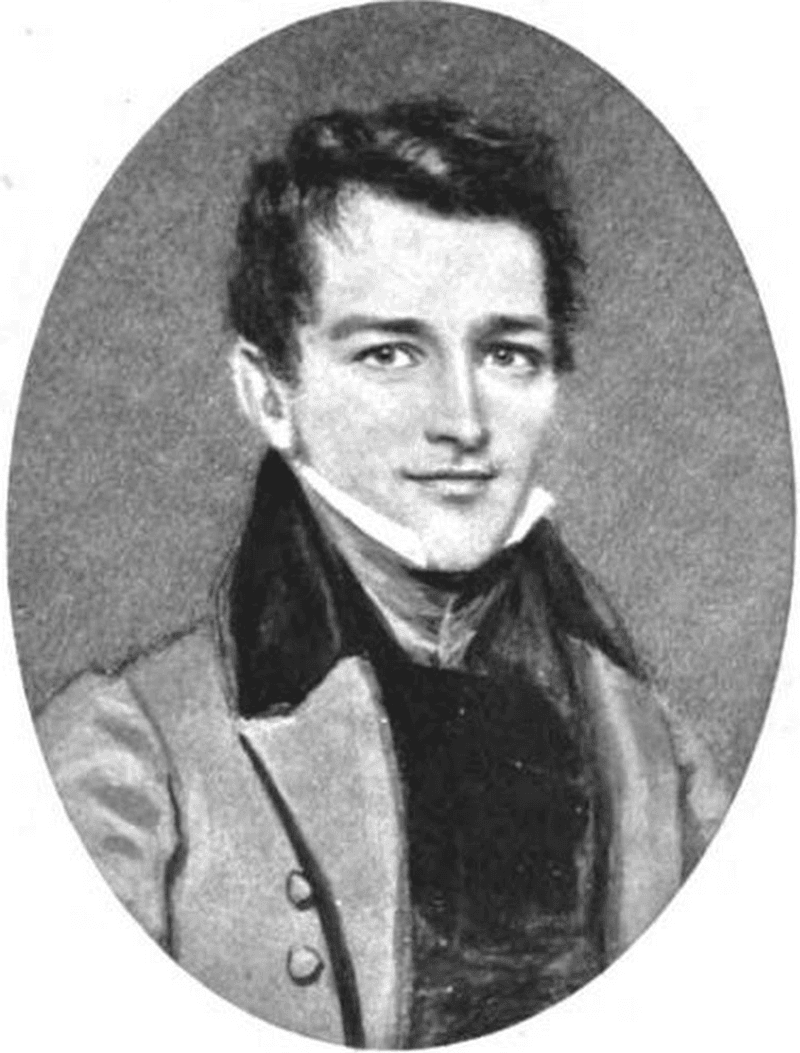
The Hamilton family had visited the Weehawken dueling grounds before 1804. Alexander Hamilton’s eldest son, Philip, got there first.
Philip was nineteen when he became angry over a public speech in which New York lawyer George Eacker criticized his father. He and a friend confronted Eacker at a theater, and the dispute escalated.
Philip’s friend Stephen Price dueled Eacker first, and that meeting ended without injury. Philip then issued his own challenge.
They met at Weehawken in November 1801. For a tense stretch, neither man fired.
Eacker then raised his pistol and shot Philip above the hip. Philip died the next day.
Less than three years later, Alexander Hamilton would go to the same general dueling grounds for his own meeting with Aaron Burr.
13. James Jackson vs. George Wells, 1780
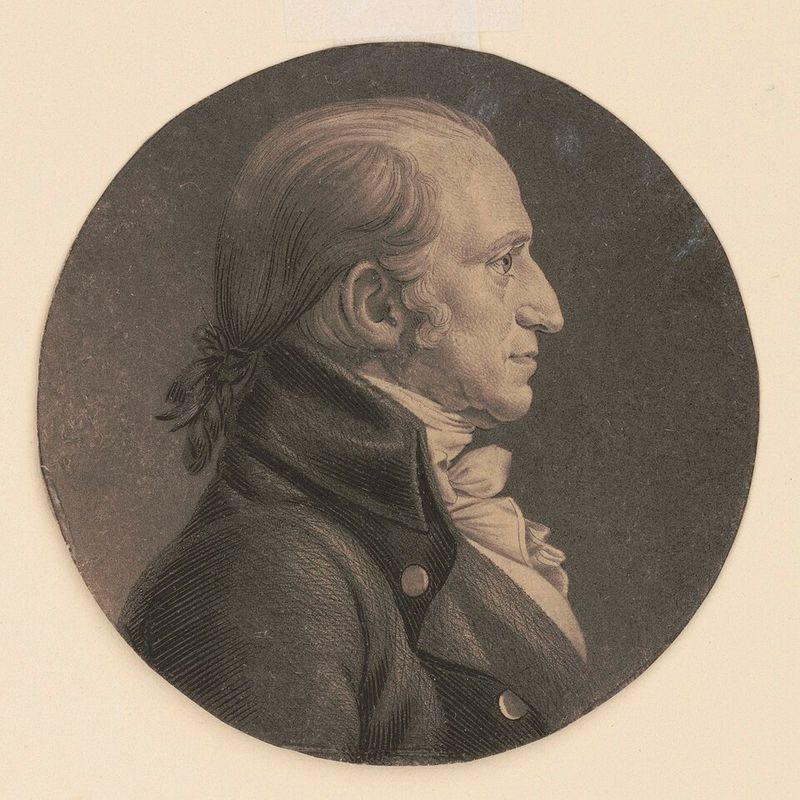
Georgia politics during the Revolution was rough, and the rivalry between James Jackson and George Wells proved it.
Wells led Georgia’s executive government during an unusually chaotic stretch of the war. Major James Jackson, a Revolutionary officer, would later serve as governor and U.S. senator.
The two belonged to opposing political factions and built up a fierce personal conflict.
They met in a pistol duel in February 1780. Historical accounts describe Jackson as wounded in the knee or knees.
Wells was shot fatally. Jackson recovered and enjoyed a long political career.
Wells and Button Gwinnett were both leaders of Georgia’s radical faction, and both died in duels. Together, those events gave early Georgia a reputation for hard-edged political dueling.
14. Benjamin Gratz Brown vs. Thomas C. Reynolds, 1856
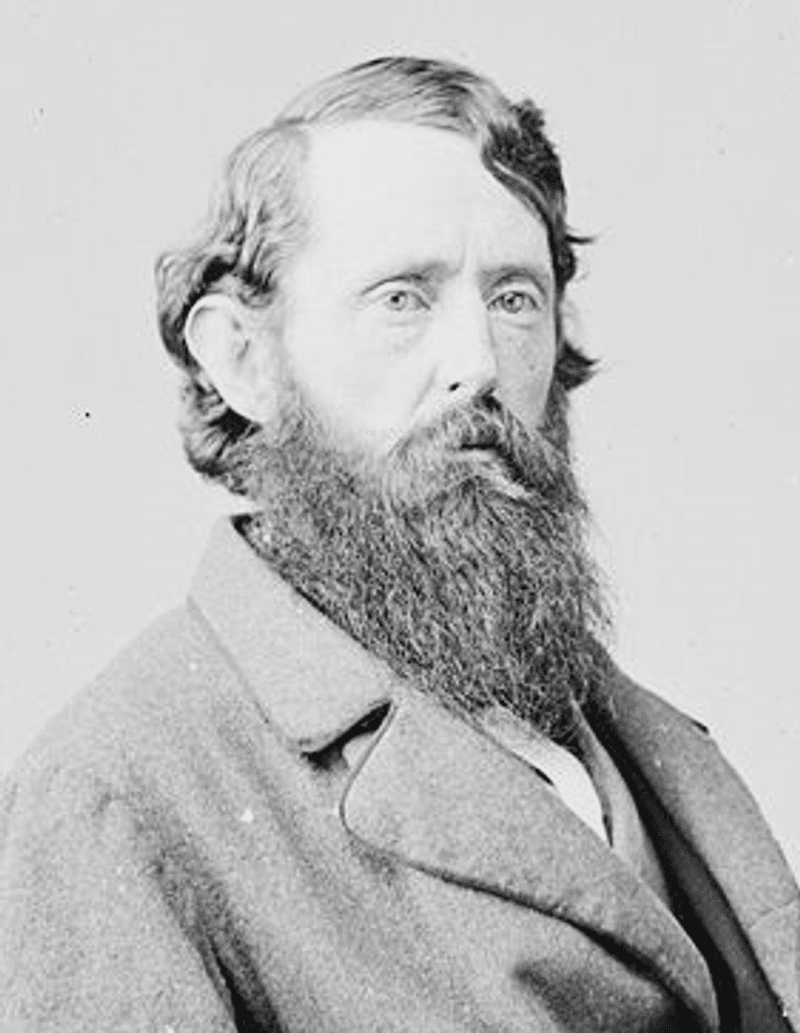
Two future governors of Missouri once faced each other with rifles. Benjamin Gratz Brown and Thomas C.
Reynolds stood on opposite sides of the bitter debate over slavery in their state.
Brown was tied to the anti-slavery movement. Reynolds aligned with the pro-slavery side.
Their political hostility grew personal, and in August 1856 they met on Bloody Island near St. Louis. Earlier duels had used the same ground.
Reynolds’s shot struck Brown in the leg. Reynolds was unharmed.
Neither man left politics. Both later served as governor of Missouri, which gives the duel a unique place in state history.
Brown also became the Liberal Republican candidate for vice president in the election of 1872.
15. Abraham Lincoln vs. James Shields, 1842
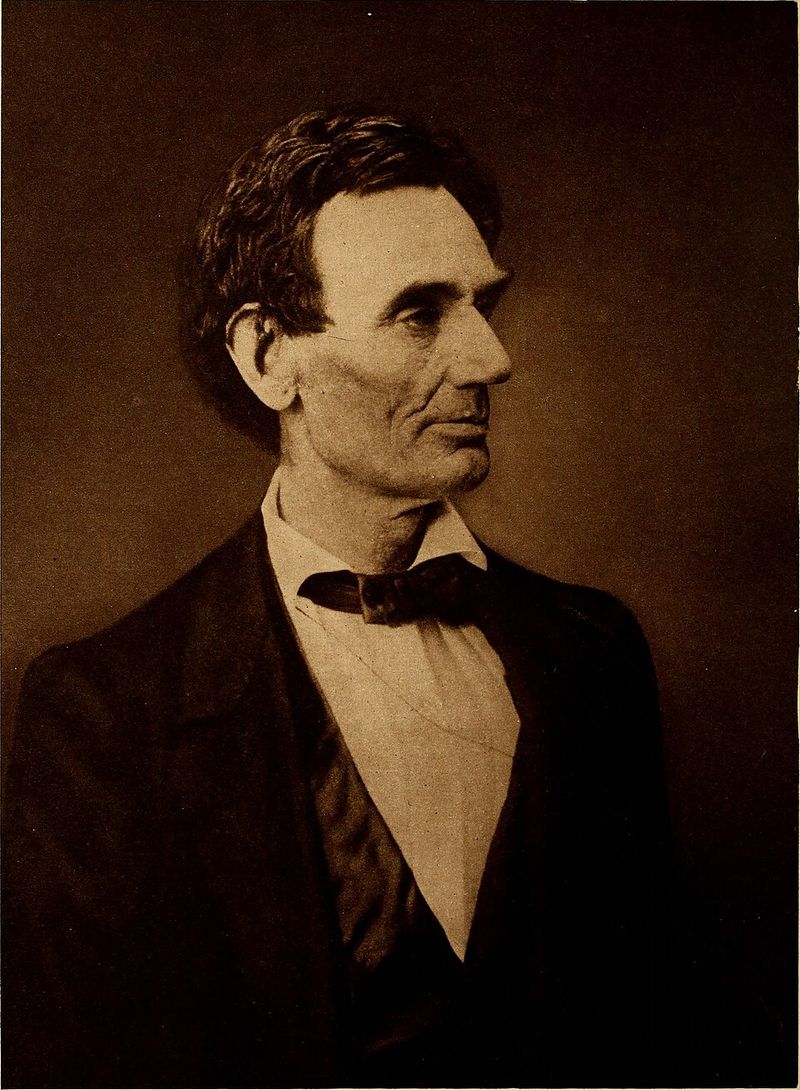
A future president once showed up ready to fight with a broadsword. Abraham Lincoln’s trouble began with political attacks on Illinois state auditor James Shields.
A satirical letter mocking Shields appeared in a Springfield newspaper, and Shields believed Lincoln was behind it. He demanded a retraction.
Lincoln declined to give the satisfaction Shields wanted, and a challenge followed. As the challenged party, Lincoln chose the weapons and selected cavalry broadswords.
The men traveled to an island in the Mississippi River near Alton, Illinois, in September 1842.
No fight took place. Friends stepped in and negotiated a settlement before any blows landed.
That outcome makes this case different from the others, and it is what keeps it memorable.
Share this story