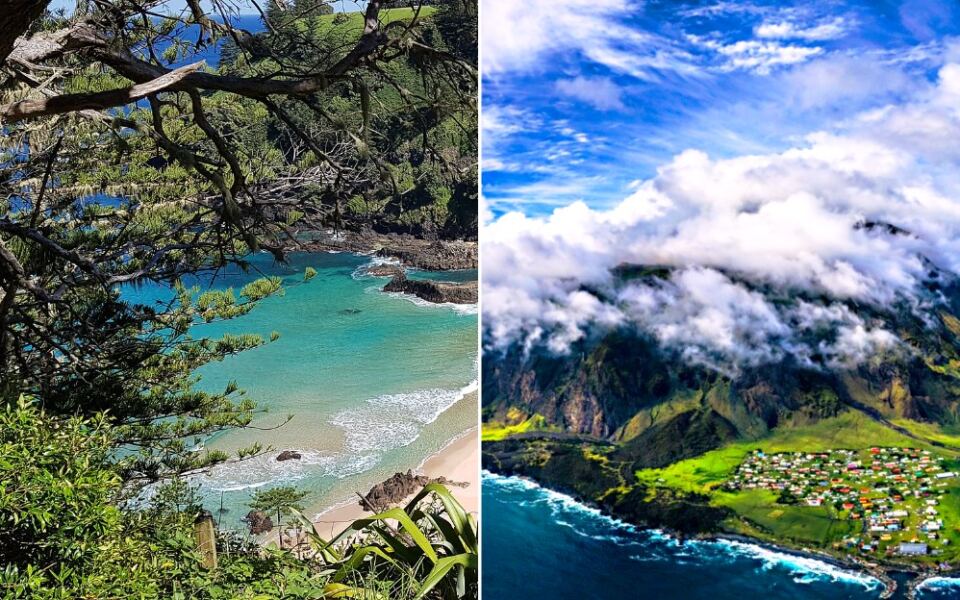
Some islands sit so far from everything that they sound like they belong on a map from another century. The surprise is that many of them now have scheduled flights, regular ships, or cruise stops that put real trips within reach.
This list covers 16 far-flung islands and island groups across the Pacific, Atlantic, Indian Ocean, and Arctic. Some take a quick hop from a big city, while others call for a long journey and a lot of planning.
Each one comes with a clear way to get there, plus a few details about what visitors can see once they arrive. If you have ever wondered how far a ticket can really take you, start scrolling and pick a favorite.
Rapa Nui, Chile
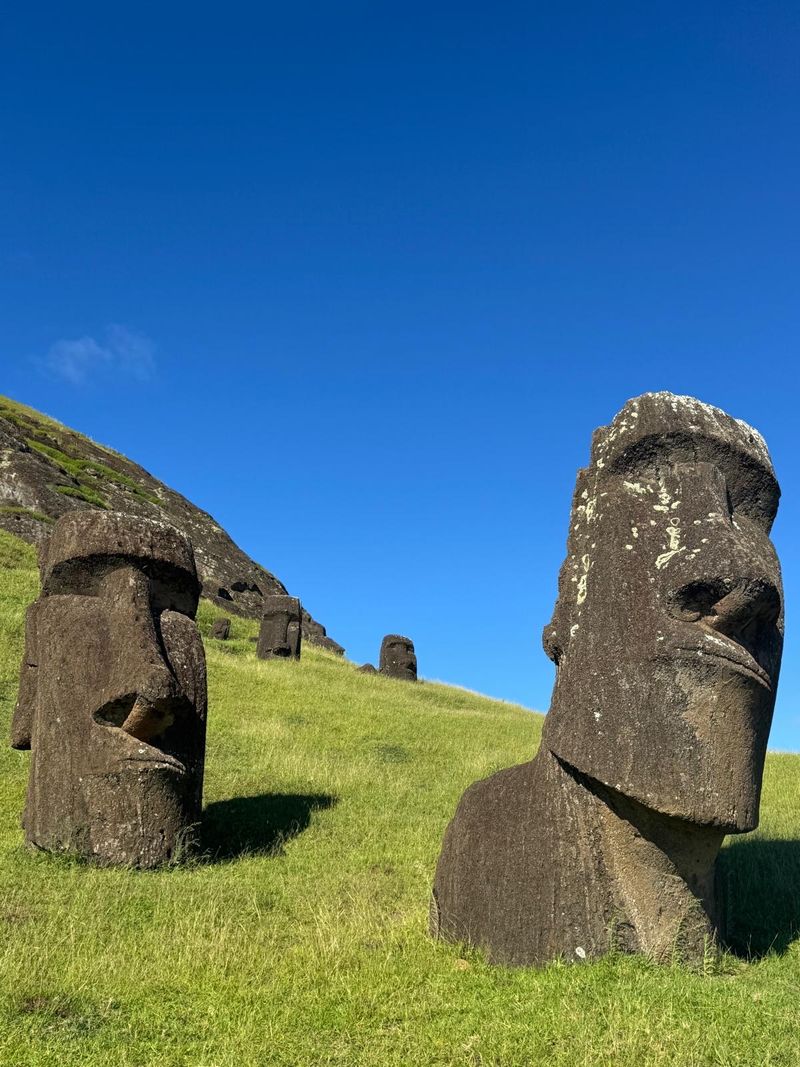
Few places on Earth are as far from the nearest neighbor as Rapa Nui, which many people know as Easter Island. Chile’s official tourism site describes it as one of the most isolated inhabited territories in the world.
Even so, getting there is simpler than you might guess.
Direct flights run from Santiago to Mataveri International Airport, and the trip takes roughly five and a half hours. That makes it one of the easier entries on this list to reach.
Once you land, the island is all about the giant moai statues. Rano Raraku is where many of them were carved, so it is a key stop for anyone curious about how the statues were made.
Orongo, a ceremonial village, sits near volcanic Rano Kau. Anakena Beach, lined with palms, gives you a place to rest between archaeological sites.
Plan several days so you can see these spots without rushing from one to the next.
St Helena, British Overseas Territory
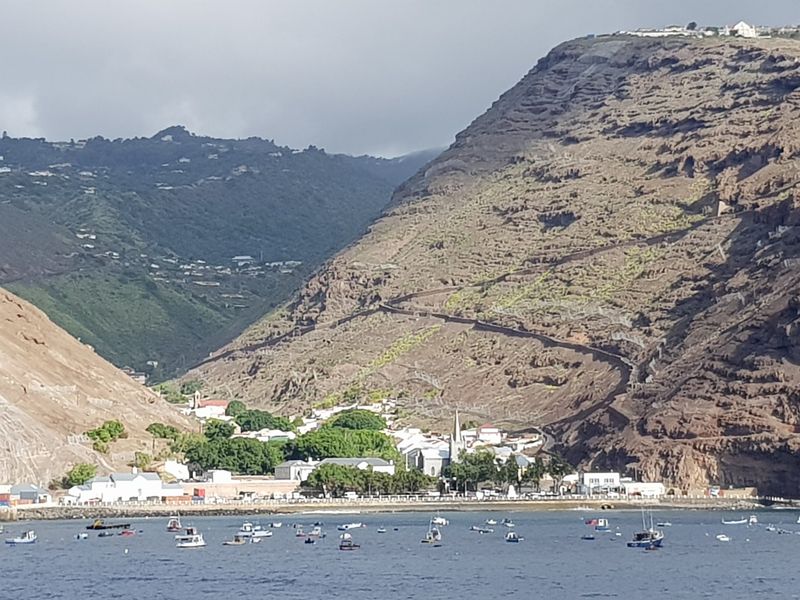
For centuries, anyone who wanted to see St Helena had to endure a long sea voyage across the South Atlantic. That changed once the airport opened, and now travelers can fly in and still feel the full weight of the island’s isolation.
Regular Airlink service connects St Helena with Johannesburg. Seasonal Cape Town flights are scheduled for the southern summer, and the St Helena Government has published flight schedules that extend into 2027.
The island is small, but it holds plenty to explore. Jamestown is the main town, and hiking routes cross volcanic landscapes where endemic plants grow.
History fans will want to see the sites tied to Napoleon’s final exile. Because flights are limited, it helps to check the published schedule before booking anything else.
Build your plans around the plane, not the other way around.
Tristan da Cunha, British Overseas Territory
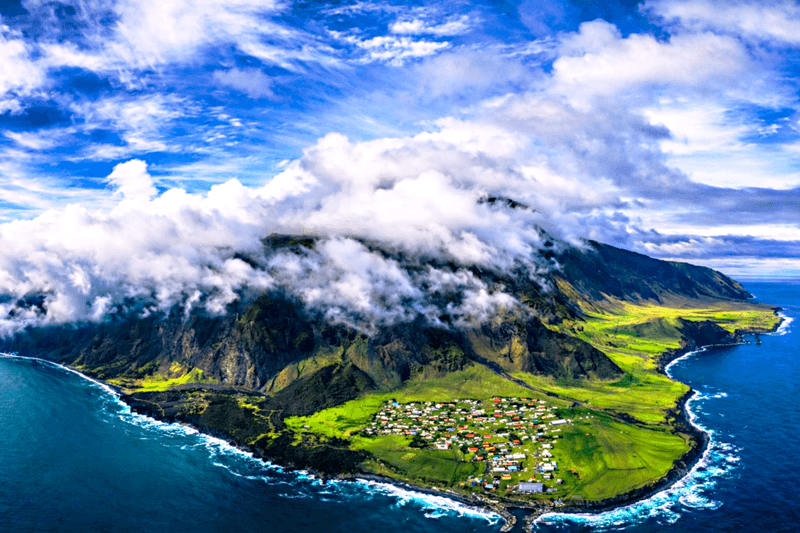
If the word remote has a poster child, Tristan da Cunha is a strong candidate. There is no airport, so visitors must arrive by sea from South Africa or as part of a cruise or yacht itinerary.
The island government publishes shipping schedules, and regular vessels generally carry passengers as well as cargo. Cruise ships also stop here, including several successful calls during the 2025-26 season.
On shore, the tiny settlement of Edinburgh of the Seven Seas is home to one of the most isolated permanent communities anywhere. Around it, you will find dramatic volcanic scenery and plenty of seabirds.
Weather matters enormously. Rough seas can keep passengers from landing even after the ship has reached the island, so flexibility is a must.
Anyone planning a visit should treat the schedule as a guide and expect the ocean to have the final say.
Pitcairn Island, Pitcairn Islands
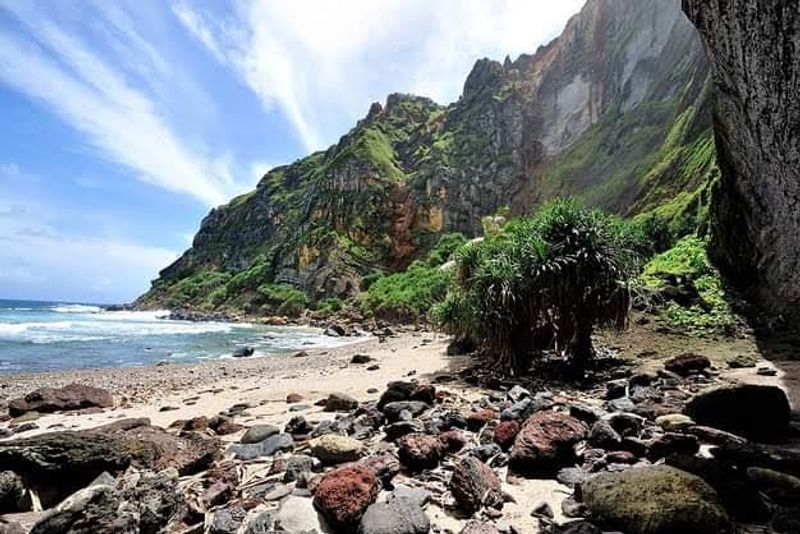
Most people first hear of Pitcairn through the mutineers of HMS Bounty. Today, visitors are drawn just as much by its isolation, marine environment, dark skies, and tiny island community.
There is no airport. The usual route means flying through Tahiti to Mangareva in French Polynesia, then continuing aboard the passenger supply ship MV Silver Supporter.
Pitcairn Tourism currently lists bookable passenger sailings for 2026 and 2027, including multiple voyages between Mangareva and Pitcairn. Capacity is very limited, so booking early is wise.
This is not a spontaneous weekend escape. Travel times are long and the island is small.
Still, it is one of the rare truly isolated Pacific islands where travelers can arrange an actual stay, and that alone makes it stand out from many far-off places that only allow a short landing.
South Georgia
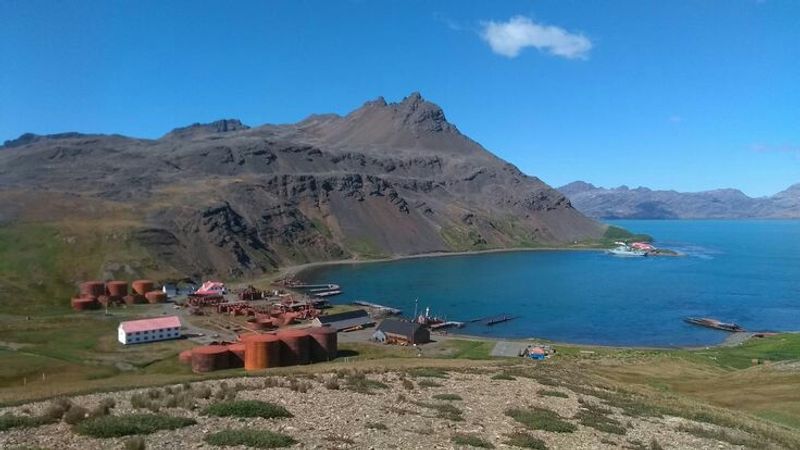
King penguin colonies here can stretch across entire beaches, which is a big reason expedition travelers aim for South Georgia. Elephant seals, glaciers, and mountains add to the scene in the remote South Atlantic.
There is no airport and no visitor accommodation ashore. Travelers arrive aboard expedition cruise ships or yachts, and every visitor needs authorization under the territory’s entry regulations.
History runs deep too. Sites connected with Antarctic explorer Ernest Shackleton are a major draw for those who enjoy polar stories.
Tourism is well established. Government figures show tens of thousands of passengers and crew visiting during the 2024-25 season, mostly between September and March.
If this island is on your wish list, a ship itinerary is the way in, so start by comparing expedition cruises that include a South Georgia landing.
Svalbard, Norway
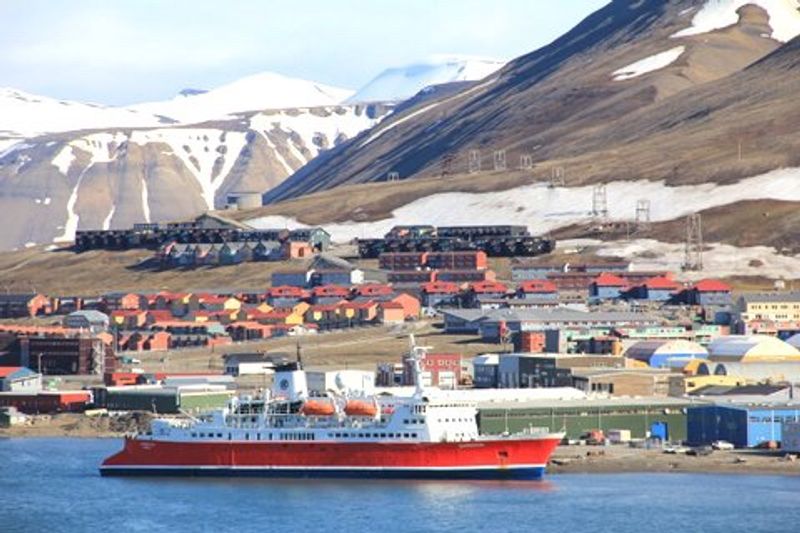
Sitting deep inside the Arctic Circle, Svalbard is still surprisingly practical. Longyearbyen, the main settlement, has hotels, restaurants, museums, tour companies, and an airport.
Norwegian and SAS serve Longyearbyen, according to Visit Svalbard. Flights from Oslo take roughly three hours, and flights from Tromsø take around an hour and a half.
About 2,400 people live in Longyearbyen, and it works as the gateway for most organized Arctic adventures. Visitors choose from glacier outings, dog sledding, snowmobiling, hiking, and boat trips.
The seasons change the whole experience. Polar night and midnight sun bring very different conditions, so think about which one suits your plans.
Winter favors snowmobiles and sled dogs, while the bright months suit boats and hikes.
Faroe Islands
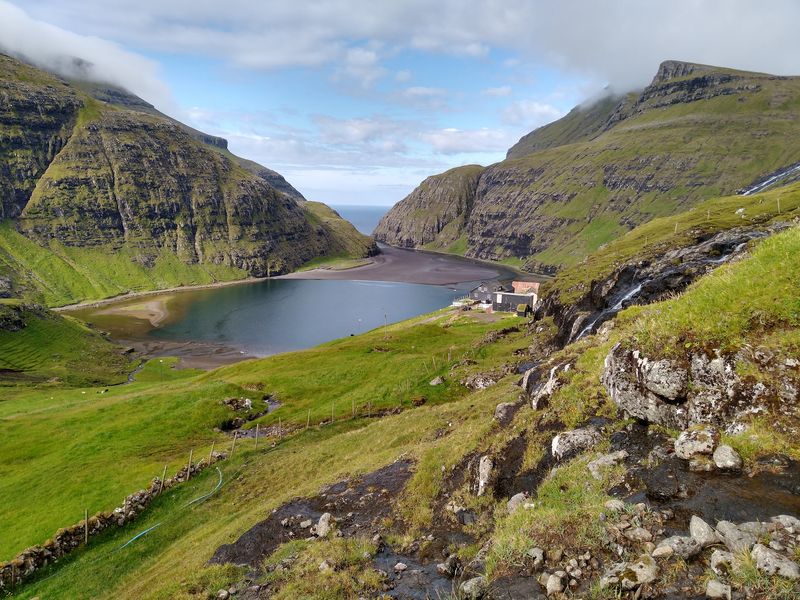
Between Iceland and Norway, the Faroe Islands rise from the North Atlantic with green mountains, waterfalls, sea cliffs, and tiny villages. For such an isolated place, access is remarkably easy.
The archipelago has 18 islands, and Vágar Airport is the main international gateway. Direct flights connect the Faroes with several European cities, and Atlantic Airways runs year-round routes alongside other airlines.
Travelers who want the journey to feel like part of the adventure can take the Norröna ferry from Hirtshals in Denmark. The international ferry operates year-round, with seasonal onward service toward Iceland.
That gives you two good options, depending on whether you prefer speed or a slower arrival. Either way, pack layers and a waterproof jacket, since the weather in the North Atlantic can change quickly.
Chatham Islands, New Zealand
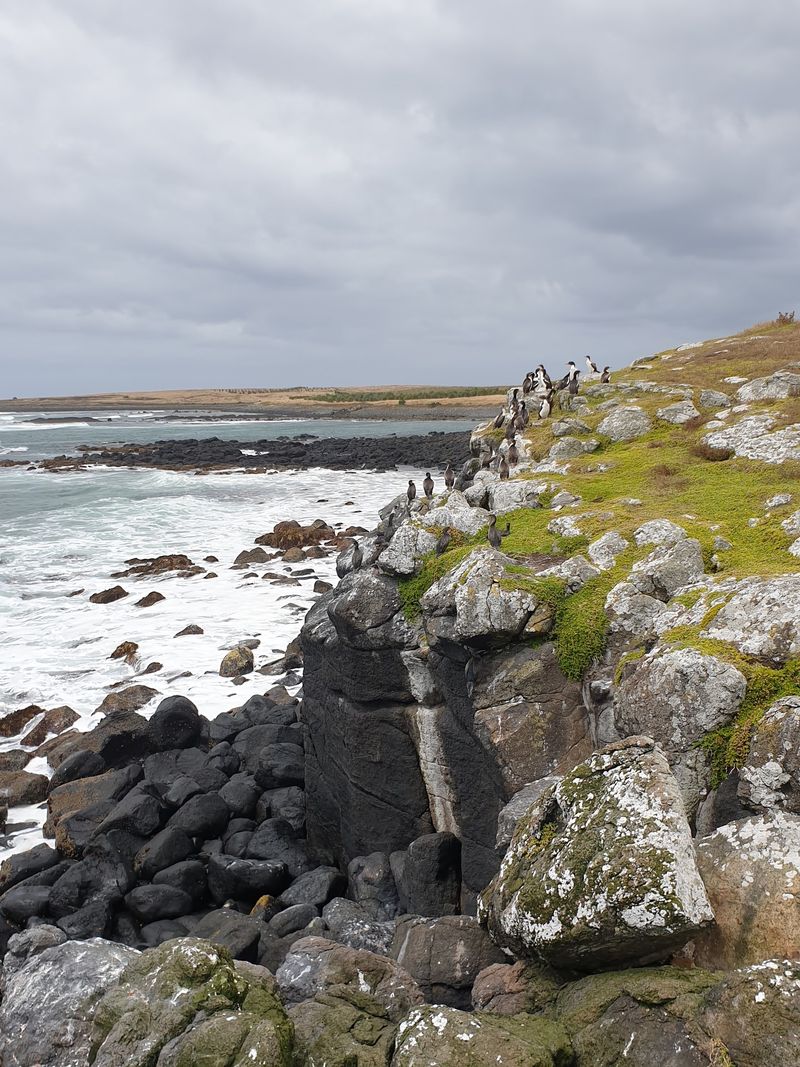
Hundreds of miles east of mainland New Zealand, the Chatham Islands keep their own pace. Rugged coastlines, windswept landscapes, wildlife, and fishing communities set them apart from the country’s better-known stops.
Moriori and Māori heritage add another layer for visitors who want to learn about the people and history of the islands.
Getting there is realistic thanks to scheduled passenger flights. Air Chathams currently operates services to Chatham Island from Wellington, Christchurch, and Auckland, with extra flights during parts of the summer season.
Tourism stays small in scale. That helps preserve the feeling that you have traveled somewhere separate from the usual New Zealand route.
Book flights early, and allow a few extra days in case weather shifts your schedule.
Niue
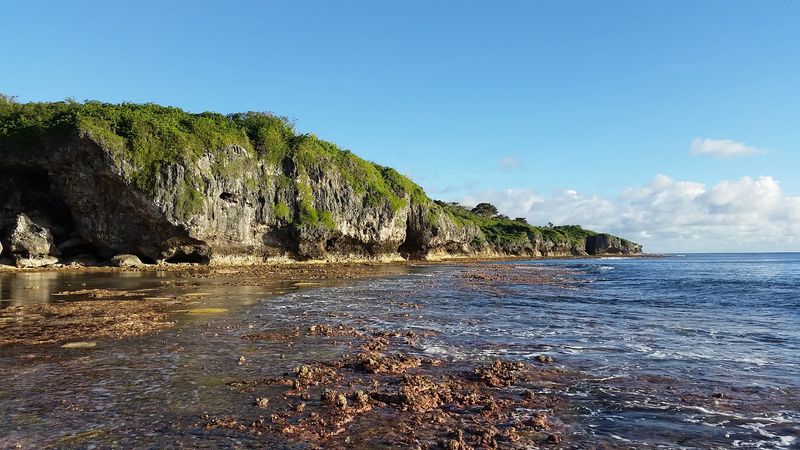
Forget long ribbons of sand. Niue is a raised coral island, so the shoreline is made of limestone cliffs, sea caves, and natural pools.
Clear snorkeling water and forest trails give visitors plenty to explore. The island is also known for whale watching during the right season.
It feels exceptionally isolated in the South Pacific, yet it keeps a scheduled international air link. Air New Zealand operates flights from Auckland, with service varying seasonally between once and twice weekly.
The flight takes a little over three hours. Hannan International Airport sits only minutes from Alofi, the island’s main settlement, so you can reach your lodging quickly.
Check the flight days before choosing dates, since the schedule changes with the season.
Cocos (Keeling) Islands, Australia
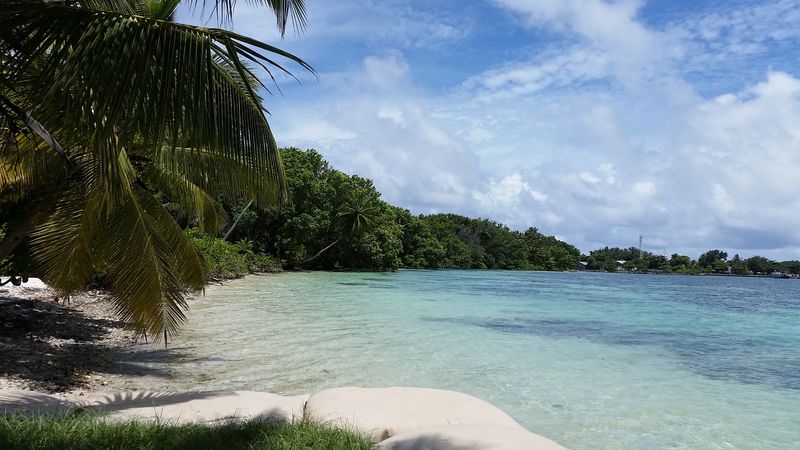
From above, the Cocos (Keeling) Islands look like the tropical atolls you normally see in aerial photos. Far out in the Indian Ocean, the territory is made of coral islands, turquoise lagoons, palms, and beaches.
A distinctive Cocos Malay culture adds depth beyond the scenery.
Scheduled air service runs from Western Australia. QantasLink currently operates two flights each week from Perth, on Mondays and Fridays, with one routing traveling via Christmas Island.
Direct Friday flights take just over four hours. Flight and accommodation capacity is limited, so plan well ahead.
Even so, the islands remain a practical destination rather than an expedition-only outpost, which is good news for anyone who wants a lagoon without a ship.
Nuku Hiva, French Polynesia
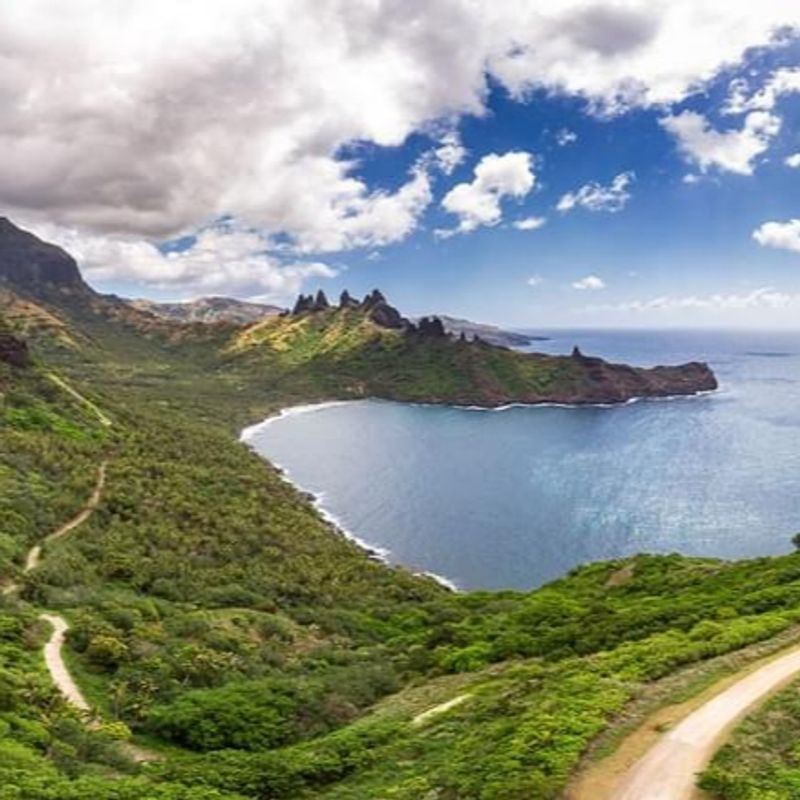
Anyone expecting overwater bungalows should adjust their picture of Polynesia. Nuku Hiva feels far removed from resort islands like Bora Bora.
Part of the Marquesas Islands, it offers mountains rising sharply from the ocean, deep valleys, waterfalls, and black-sand beaches. Archaeological sites and a strong living Marquesan culture add history to the scenery.
Tahiti Tourisme describes the Marquesas as lying more than 900 miles northeast of Tahiti. That distance sounds daunting, but scheduled flights make the trip manageable.
Air Tahiti and Air Moana operate direct services from Papeete. Tahiti Tourisme lists the flight to Nuku Hiva at roughly three hours and fifty minutes.
Pack for hiking and plan time to see the valleys and cultural sites.
Falkland Islands
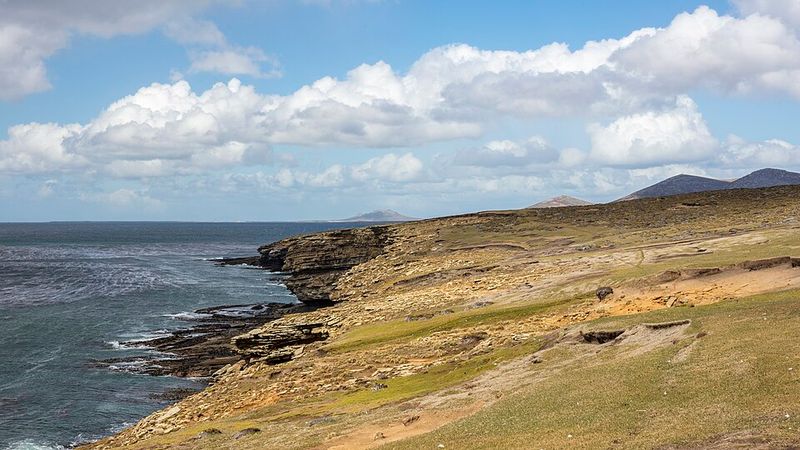
Penguins, albatrosses, and sea lions are the stars in the Falkland Islands, set against wild South Atlantic scenery.
Stanley is the base, with restaurants, accommodations, and museums. From there, you can plan trips to the rest of the archipelago.
International access includes scheduled LATAM service through Chile. Civilian passengers can also book seats on certain UK-operated flights from Brize Norton, and expedition ships regularly include the Falklands on South American and Antarctic itineraries.
Once you arrive, the Falkland Islands Government Air Service links Stanley with smaller settlements and islands. Some of those flights land on grass airstrips in very remote locations, which adds an adventurous touch to wildlife trips.
Rodrigues, Mauritius
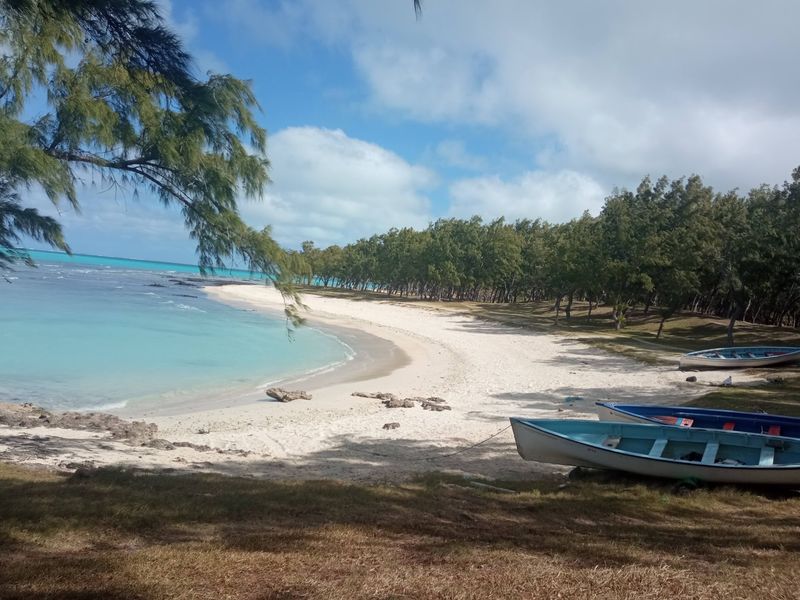
More than 600 kilometers east of Mauritius, Rodrigues offers a quieter and more isolated take on an Indian Ocean island getaway.
The landscape includes hills, cliffs, beaches, limestone caves, and small villages. The secluded Trou d’Argent cove is one of the spots that stands out.
Rodrigues also has its own Creole culture, cuisine, and traditional sega tambour music, so the trip offers more than scenery.
Getting there is simple once you reach Mauritius. Air Mauritius currently operates direct Mauritius-Rodrigues flights every day of the week.
The flight time is about one hour and 35 minutes to Plaine Corail Airport, which makes a side trip easy to fit into a longer holiday.
Norfolk Island, Australia
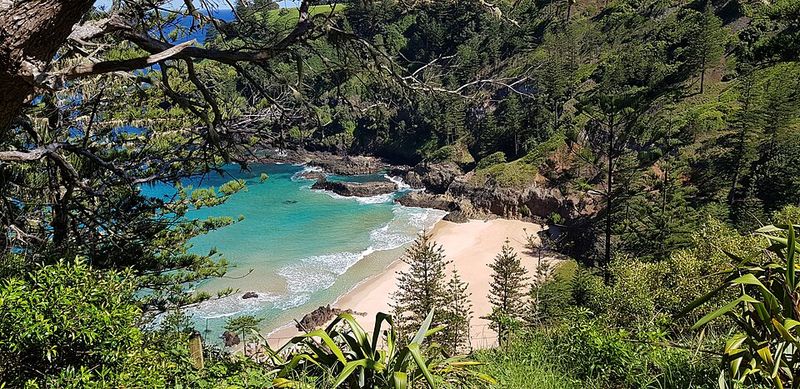
About 1,600 kilometers east of Australia’s coast, Norfolk Island sounds like it needs an expedition vessel. It does not.
Direct flights connect the island with Brisbane and Sydney, with journeys taking around two to two and a half hours.
The scenery mixes dramatic coastline, Norfolk Island pine forests, and quiet beaches. Local traditions and an unusually rich history add more to explore.
The Kingston and Arthur’s Vale Historic Area preserves important evidence of the island’s convict era. Beyond the historic sites, visitors can hike, snorkel, fish, play golf, and stargaze, so a few days fill up quickly.
Lord Howe Island, Australia
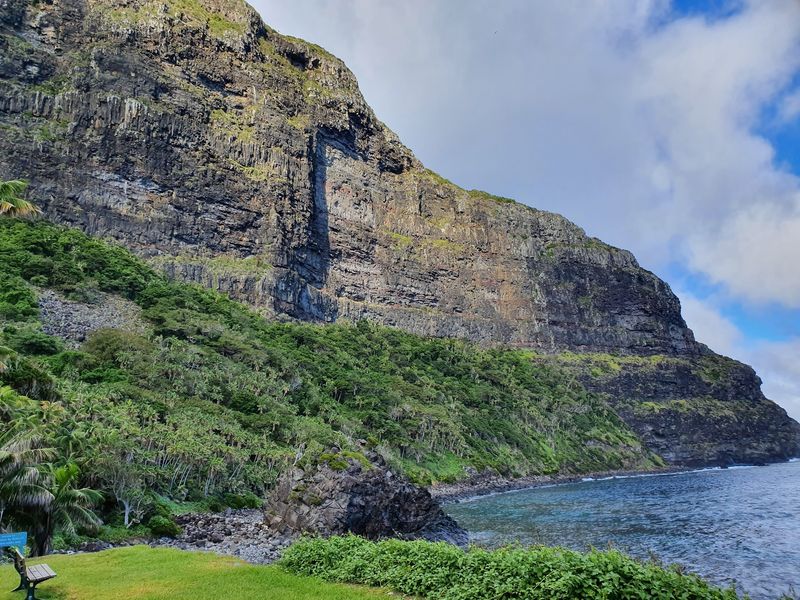
Only about 400 visitors can be accommodated on Lord Howe Island at one time, according to Lord Howe Island Tourism. That deliberate limit helps keep the place peaceful.
The island sits around 700 kilometers northeast of Sydney in the Tasman Sea. Volcanic peaks, subtropical forests, coral reefs, and clear lagoons shape its landscape.
Hikers can try the challenging Mount Gower route, while others may prefer easier walks and time in the water.
Reaching it is relatively simple. Scheduled flights operate from Sydney in under two hours, and additional services are available from some regional Australian airports.
Because visitor numbers are capped, book your stay early.
Fernando de Noronha, Brazil
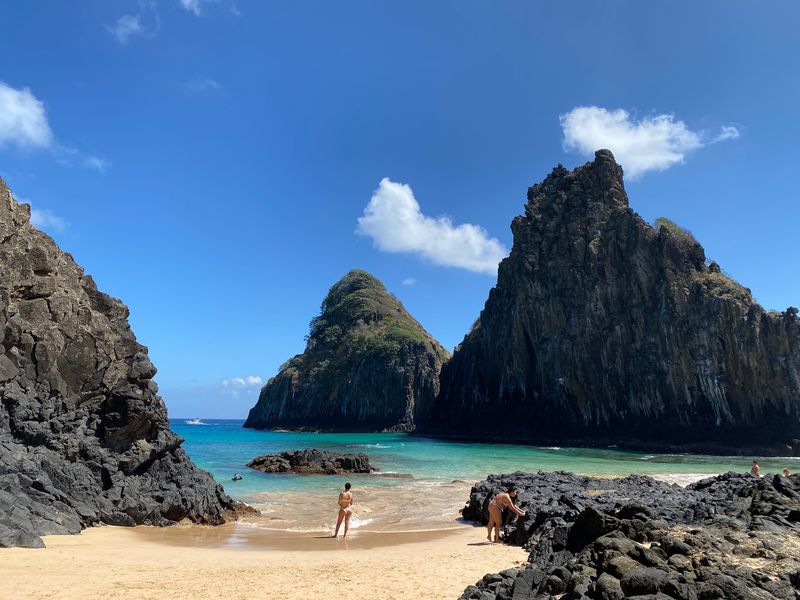
Hundreds of kilometers off Brazil’s northeastern coast, Fernando de Noronha feels far from the big coastal cities. Brazil’s official tourism organization describes it as a 21-island archipelago and one of the country’s major nature destinations.
The protected islands are known for volcanic landscapes, clear water, marine life, and beaches such as Baía do Sancho.
Visitor infrastructure means travelers can stay in local accommodations rather than treating the island as a brief expedition stop. Boat, diving, snorkeling, and land tours are available.
Strict environmental management shapes the experience here, so expect rules designed to protect the area. That care is part of what gives the archipelago its distinct atmosphere.
Share this story