A $500 budget goes a long way in the Balkans. Think old fortresses, strong coffee, and plates of grilled meat that cost less than a movie ticket.
This guide covers rooms, local transport, meals, and sightseeing for one traveler on a three to five night trip. Flights are not included, so pack your curiosity and keep your wallet happy.
Sarajevo, Bosnia and Herzegovina
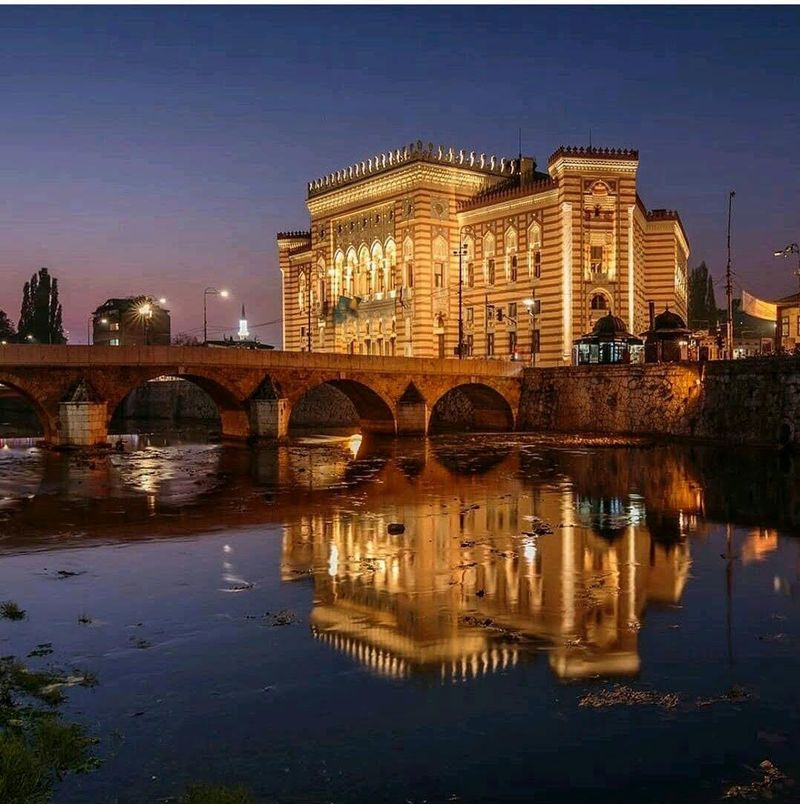
Strong coffee, sizzling ćevapi, and the call to prayer drifting over rooftops: Sarajevo hits the senses all at once. Budget travelers spend around $40 per day here, so four or five days fit comfortably under $500.
Start in Baščaršija, the old Ottoman market, where coppersmiths hammer away and tiny cafés serve coffee in small copper pots. Walk across the Miljacka River and you pass from Ottoman lanes to grand Austro-Hungarian buildings in just a few minutes.
Mosques, churches, and a synagogue stand close together, which says a lot about the city’s mixed history.
Food keeps costs low. A bakery burek makes a hearty breakfast, and a plate of ćevapi with flatbread and onions is a filling lunch for just a few dollars.
For deeper history, add a museum or two about the First World War and the siege of the 1990s. These visits cost little but give the city real meaning.
Most sights sit within walking distance, so transport money stays in your pocket for more coffee.
Belgrade, Serbia
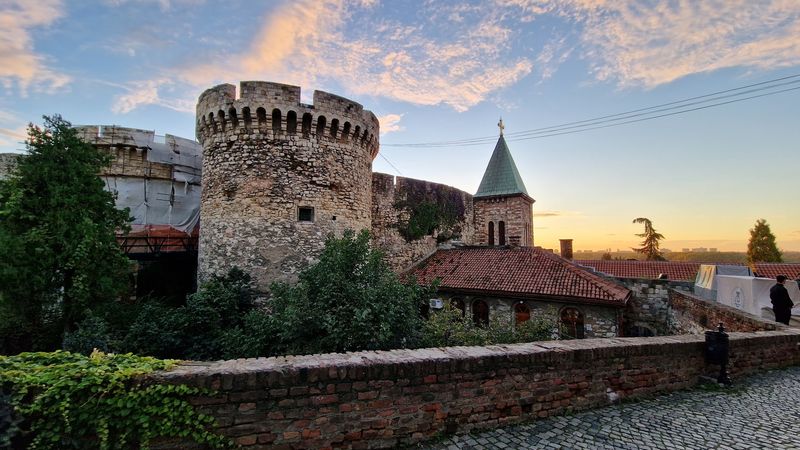
Belgrade never seems to sleep, and your wallet can keep up. Average spending is about $56 per day, while budget travelers manage closer to $22.
A full week averages around $389 per person.
Head to Kalemegdan Fortress first. Its walls look out over the spot where the Danube meets the Sava, and the view is free.
From there, stroll down pedestrian Knez Mihailova Street, packed with cafés, street musicians, and shop windows.
Riverside neighborhoods offer long walks without any entry fees. In the evening, the floating river clubs and lively bars show why the city has a nightlife reputation, and drinks cost far less than in Western Europe.
Eating well is easy on a small budget. Serbian restaurants serve big portions of grilled meat, fresh salads, and creamy cheese pastries at friendly prices.
You do not need to live on supermarket snacks to stay under budget.
Trams and buses are cheap, and many sights sit close together. That leaves room in your $500 for souvenirs or an extra night.
Novi Sad, Serbia
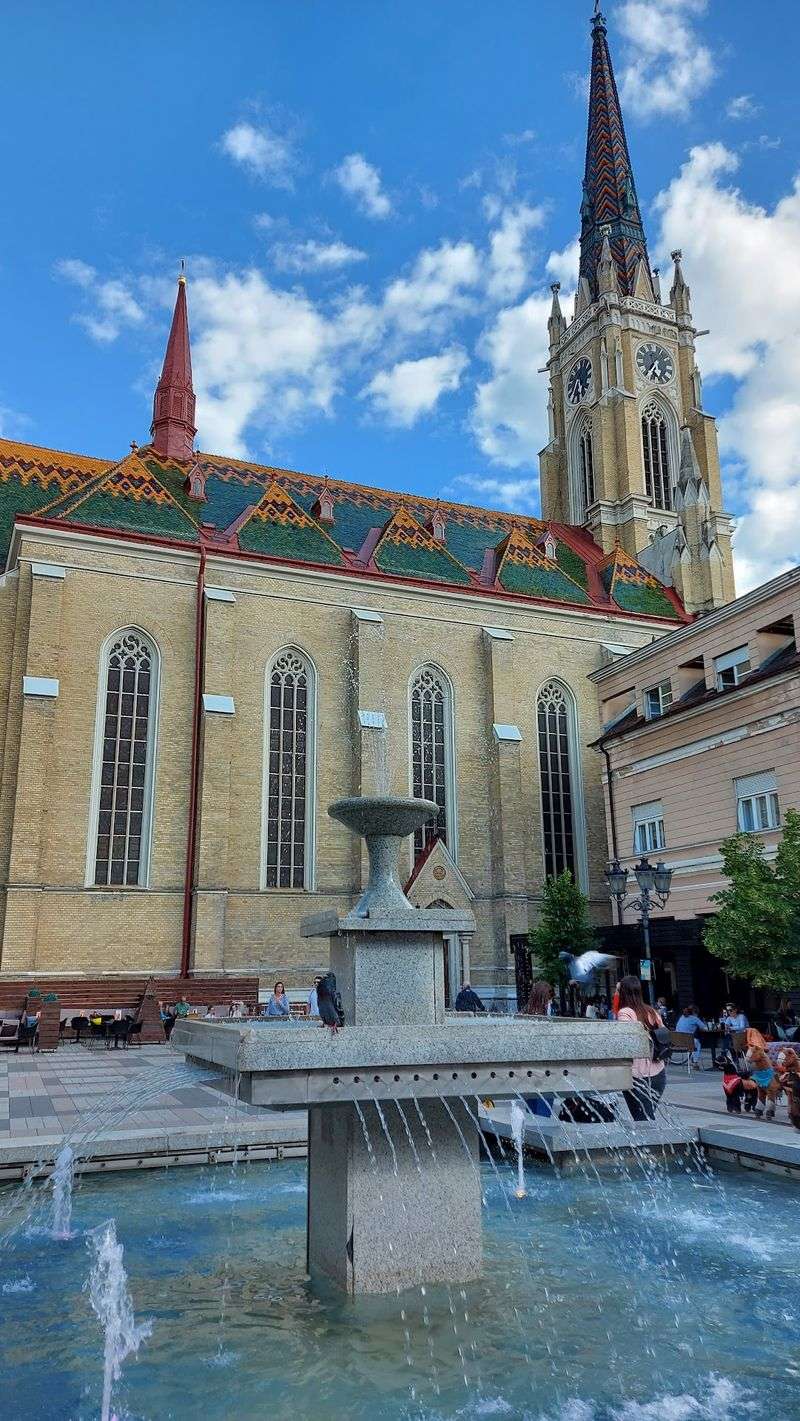
Locals once called Petrovaradin Fortress the Gibraltar of the Danube, and it still looms proudly over Novi Sad. Built between 1692 and 1780, it now offers wide views, quiet paths, and a free place to wander.
Novi Sad is even gentler on the wallet than Belgrade. Average daily spending sits near $28, and a bed in a shared room costs about $25.
A full week for one traveler stays well under $500.
The historic center is small and walkable, with pastel buildings, leafy squares, and plenty of cafés for slow mornings. Cross the river and the fortress grounds invite hours of exploring without expensive tickets.
Travelers who like a calmer pace will feel at home here. You still get architecture, restaurants, and lively evenings, just without the big-city rush.
The location also helps. Day trips to nearby villages and parks are simple and cheap, so you can stretch your stay with extra adventures while keeping your daily spending low.
Niš, Serbia
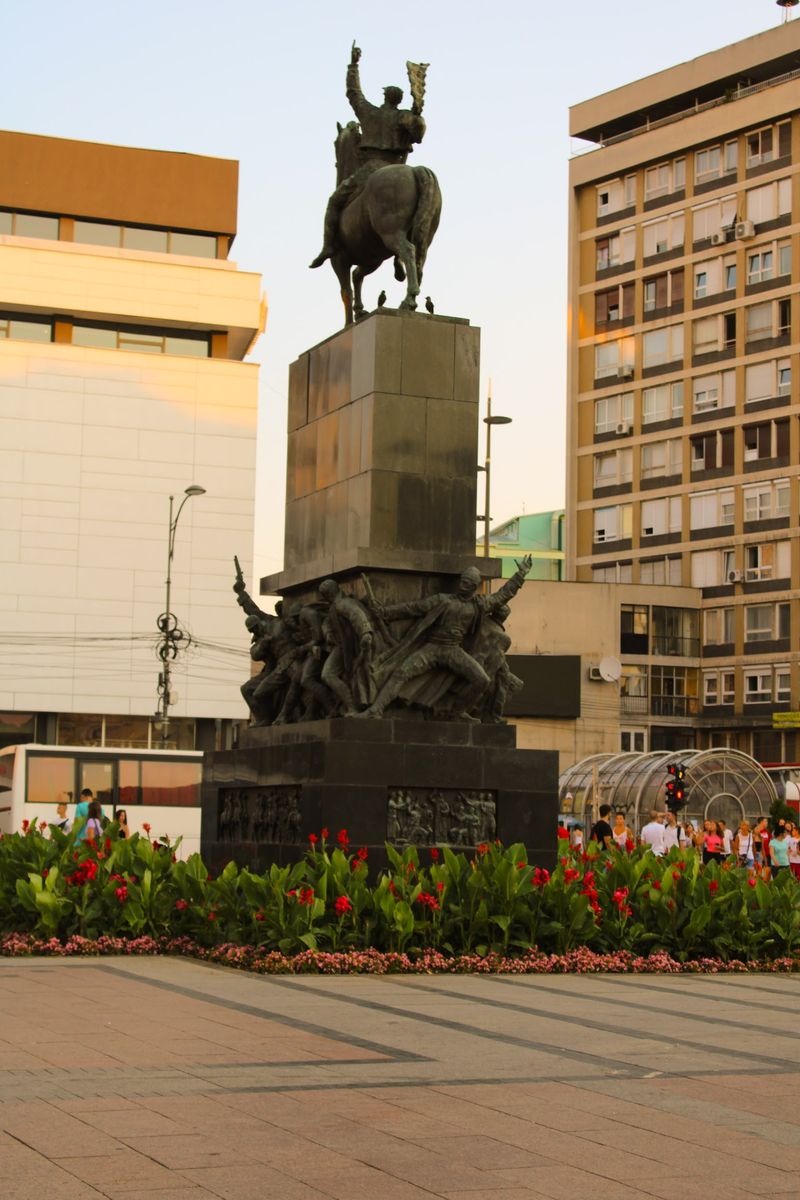
Few cities can claim a Roman emperor, an Ottoman fortress, and a tower built of skulls. Niš packs all of that into a small, friendly package, and it costs very little.
Budget travelers in Serbia spend about $20 per day, and Niš is usually cheaper than Belgrade.
Niš Fortress is the star. The 18th-century Ottoman stronghold sits on older Roman, Byzantine, and medieval foundations.
Its gates, old bathhouse, mosque, and ruins show how many peoples have held this spot.
History fans will also hear about Constantine the Great, who was born nearby. The chilling Skull Tower, tied to the Serbian uprising against Ottoman rule, is a sobering stop that stays in the mind.
The best part is how easy everything is. Much of the center can be crossed on foot, so transport costs almost vanish.
Add cheap bakery breakfasts and hearty grill dinners, and your money lasts far longer than expected.
This is a good pick for travelers who want real history without the crowds.
Mostar, Bosnia and Herzegovina
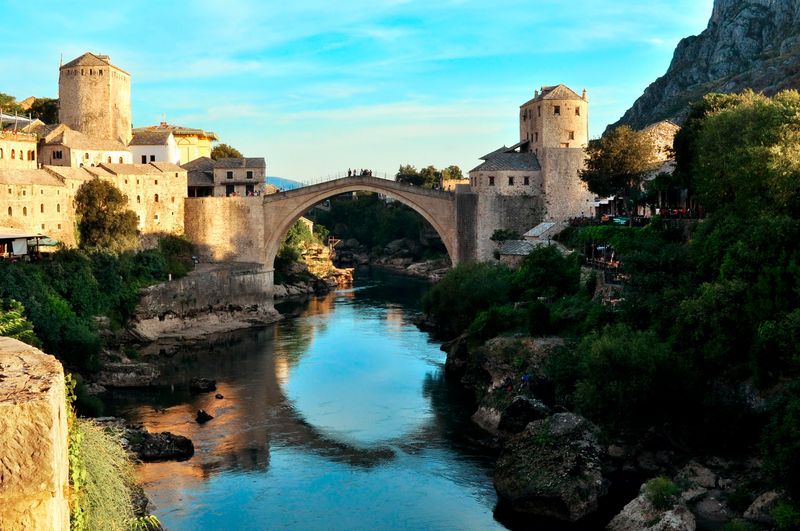
Watch a young man in swim trunks stand on the edge of Stari Most, and you will understand why Mostar draws crowds. The bridge’s graceful arch over the green Neretva River is one of the Balkans’ best-loved sights.
Summer prices run higher here, with average spending near $96 per day. Visit outside the busiest dates, choose a guesthouse, and eat local food, and a few nights still fit within $500.
The Old Bridge area is a UNESCO site, and it needs no complicated plan. Mostar grew as an Ottoman frontier town in the 15th and 16th centuries, and its old streets blend Ottoman, Mediterranean, and European touches.
Wander the cobbled lanes, peek into craft shops, and sip coffee by the water.
Nearby Blagaj, Počitelj, and Kravica make fine side trips by cheap local transport. Be careful with organized tours, though.
Booking several can quickly eat your budget, so pick one or two and enjoy the rest on your own.
Plovdiv, Bulgaria
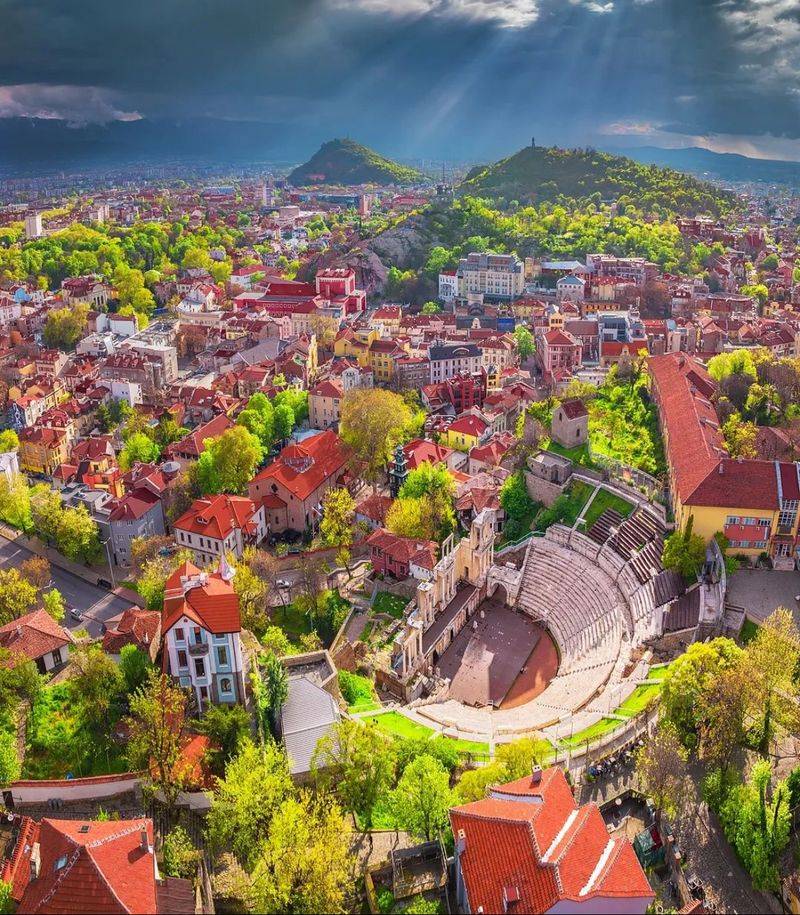
Plovdiv has been home to people for thousands of years, and it shows. The Roman theater, built in the early second century A.D., is among the best-preserved ancient theaters in the world.
Concerts still happen there today.
Budget travelers spend about $46 per day, while a comfortable mid-range trip averages around $104. That means three or four nights fit under $500 even without the absolute cheapest choices.
The Old Town is a joy to wander. Colorful Revival-era houses lean over cobbled streets, small galleries hide behind wooden doors, and archaeological sites such as Nebet Tepe sit on the hills above.
Everything is close together, so you can walk almost everywhere. That lets you spend your money on the good stuff, like Bulgarian wine, fresh salads topped with white cheese, and museum entry tickets.
Plovdiv feels lively but relaxed, with creative cafés and a youthful buzz. It is a smart choice if you want culture without capital-city prices.
Sofia, Bulgaria
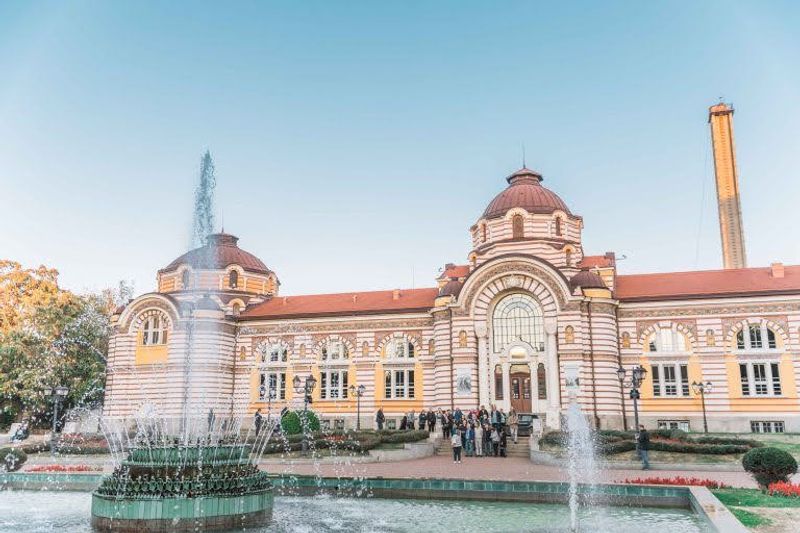
Gold domes gleam over Sofia, and the view costs nothing. Alexander Nevsky Cathedral can hold around 10,000 people and stands as one of Bulgaria’s most famous landmarks.
Average traveler spending is about $84 to $85 per day, but budget travelers report closer to $35. With smart planning, five days in the capital stay well below $500.
Many highlights sit close together. Roman ruins peek out of the ground near modern buildings, Ottoman-era structures stand beside Orthodox churches, and Vitosha Boulevard offers shops, cafés, and people-watching.
You can see a lot in a single day on foot.
Public transport is cheap and easy, so skip the taxis. The metro and trams get you around for small change.
When city streets feel busy, take a trip up Vitosha Mountain. Hiking trails and wide views are available without a pricey tour.
Back in town, a bowl of shopska salad and grilled meat makes a filling dinner that will not hurt your budget.
Ohrid, North Macedonia
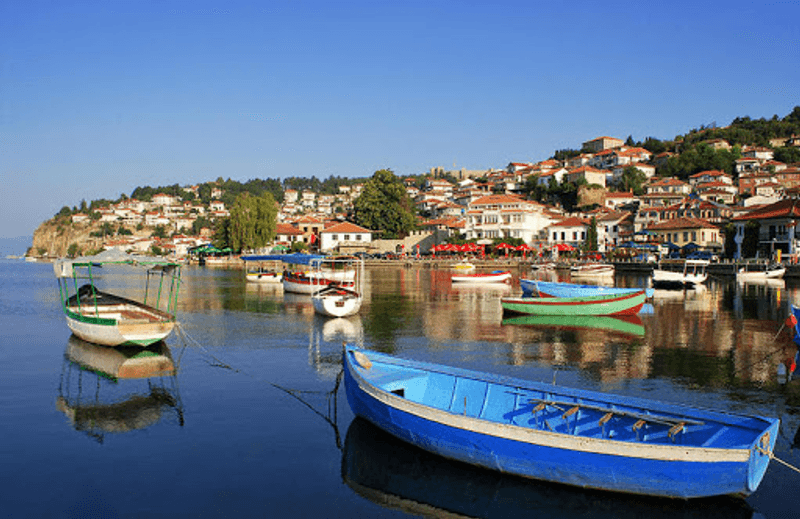
Lake Ohrid looks like a postcard that forgot to ask for a big price tag. Clear water, mountain backdrops, and a hillside town of old churches make it one of the most scenic stops in the region.
North Macedonia’s mid-range travel averages about $125 per day, but budget travelers can spend far less. Choose a family-run guesthouse and visit outside July and August to cut costs even more.
The walk from the waterfront up to Samuel’s Fortress takes you past old houses, tiny chapels, and ancient ruins. The Church of St. John at Kaneo sits on a cliff above the lake and is a favorite photo spot.
You can fill several days with strolling and spend little on transport.
Food stays friendly to your budget as well. Grilled meats, salads, pastries, and the local lake trout cost far less than at many Mediterranean resorts.
If you want scenery without a resort bill, Ohrid is hard to beat.
Skopje, North Macedonia
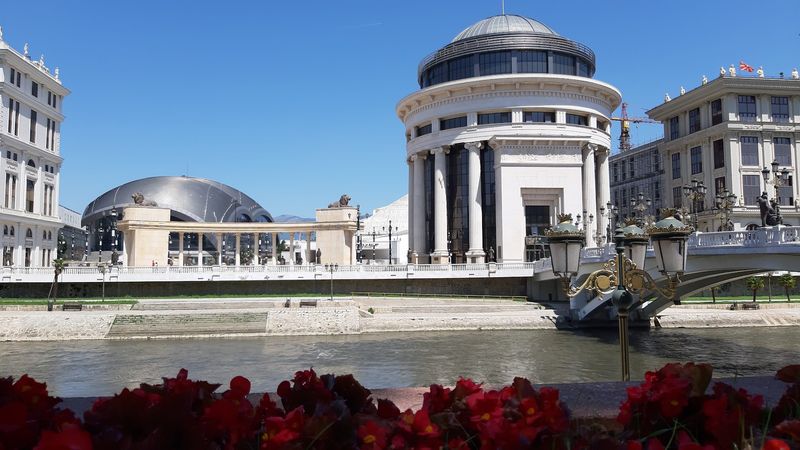
Skopje is a city of surprises, with giant statues on one side of the river and a centuries-old bazaar on the other. The Stone Bridge links the two worlds, and crossing it feels like changing eras.
North Macedonia is among the more affordable countries in southeastern Europe. Cheap rooms, bakeries, grill houses, and public transport keep costs low.
A few nights in Skopje leave plenty of space in a $500 budget.
Wander the Old Bazaar for coffee, sweets, and craft shops. Climb up to Kale Fortress for a wide view over the center.
The Mother Teresa Memorial House adds a quieter stop, with modest entry costs and a look at more recent history.
Need fresh air? Matka Canyon sits outside the city and offers hiking, boat rides, and a few monasteries.
It makes an easy, inexpensive day trip.
With small entrance fees and low meal prices, Skopje is perfect for a short city break that does not drain your savings.
Prizren, Kosovo
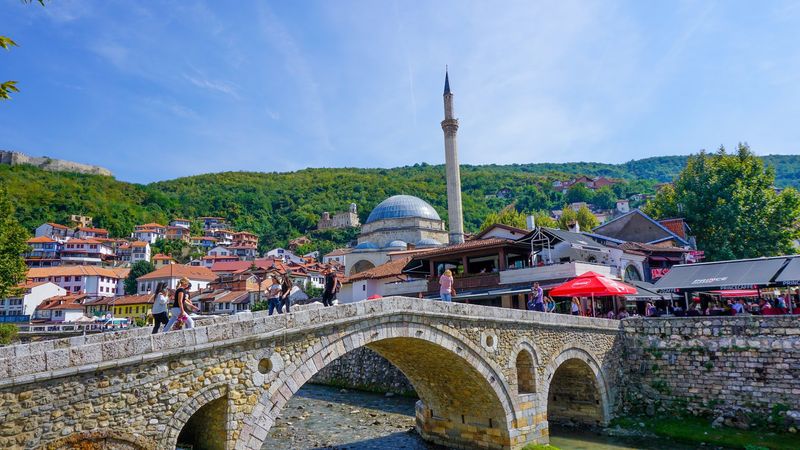
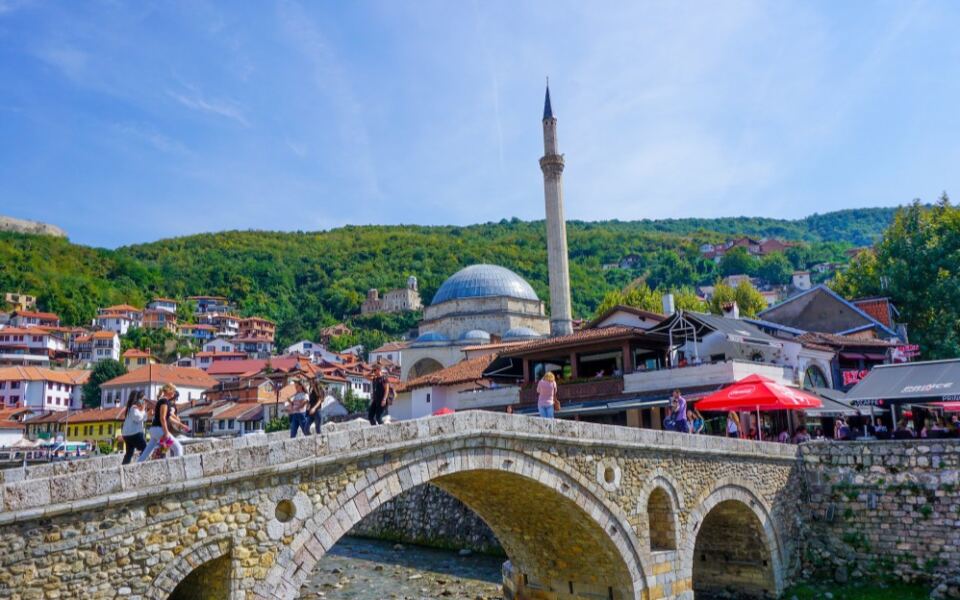
Prizren is so compact that you can see most of it on foot before lunch. Stone bridges, church domes, and minarets sit side by side along the river, making the town a photographer’s treat.
The historic center holds Sinan Pasha Mosque, built in 1615, along with medieval churches and old market streets. Above it all stands Prizren Fortress, whose layers of history reach back to prehistoric and Roman times.
The climb up to the fortress is free and rewards you with one of the best views in Kosovo. Go near sunset, when the rooftops glow orange.
Kosovo is generally inexpensive by European standards, especially for meals, coffee, and locally run guesthouses. Once you arrive, you hardly need transport at all, which saves even more.
In the evening, grab a seat at a café near Shadervan Square and watch the town come alive. Nobody expects you to spend much, so a three or four night stay can finish far below $500 with room to spare.
Berat, Albania
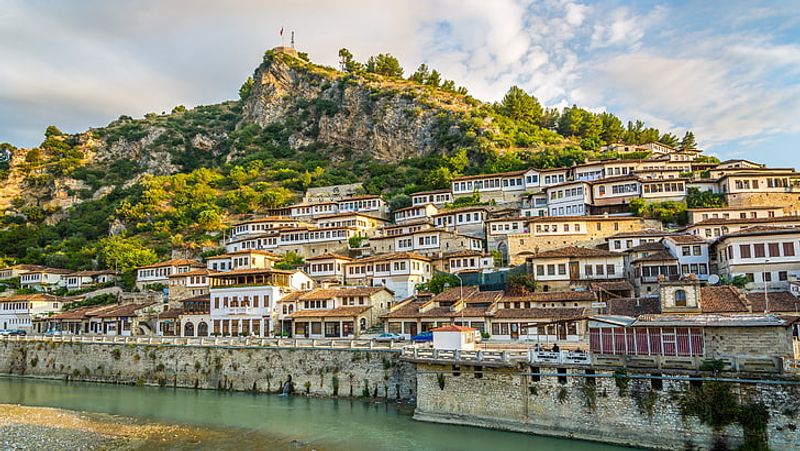
Locals call Berat the town of a thousand windows, and one look explains why. White Ottoman-era houses climb the hillside, with window piled over window like a giant honeycomb.
Albania’s average traveler spending has risen to about $122 per day, so the cheap old days are fading. Inland Berat, however, is much easier to keep under $500 than the summer beach hot spots.
Traveling in the shoulder season helps the most.
The historic areas of Mangalem, Gorica, and the Castle District have been lived in for centuries and are part of a UNESCO-recognized landscape. Cross the Gorica Bridge, then climb to the castle, where families still live inside the walls.
Cobbled lanes are free to explore, and most attractions cost very little. Guesthouses and family restaurants serve hearty meals at fair prices.
Compared with Albania’s trendy beach towns, Berat gives you calm, history, and a far kinder bill at the end of the trip.
Gjirokastër, Albania
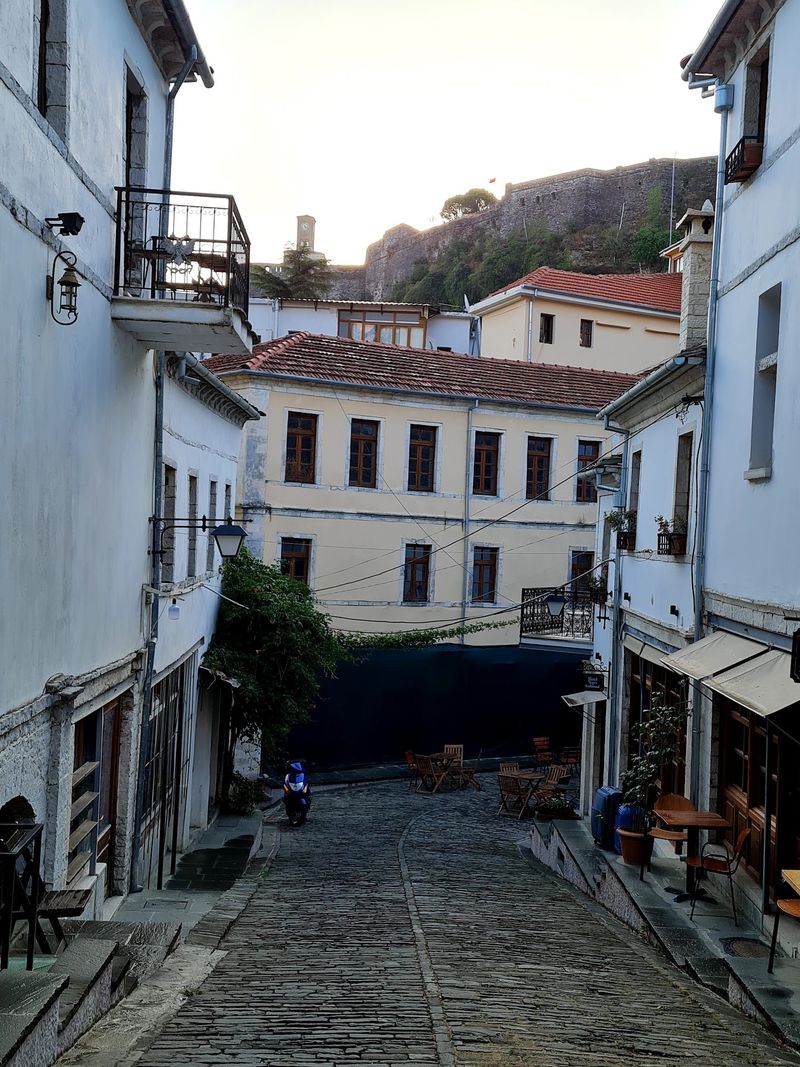
Stone roofs, steep streets, and a fortress that seems to guard the whole valley: Gjirokastër feels like a place that time forgot to rush. It is another smart way to see Albania without paying Riviera prices.
The old center is famous for its tall stone houses and its Ottoman-era bazaar. Albania’s tourism portal highlights Gjirokastër Castle, the Old Bazaar, traditional handicrafts, and regional food as key attractions.
Three or four nights work best for a $500 budget, particularly outside the summer peak. The national average is now $122 per day, but simple guesthouses and modest meals can bring your real total down a lot.
The town is small, which keeps transport costs near zero. Many of the best moments are free, such as climbing the hilly lanes, finding a quiet viewpoint, or watching the light change over the Drino Valley.
Bring comfortable shoes, because the cobblestones are steep and slippery. Your feet may complain, but your wallet will not.
Kotor, Montenegro
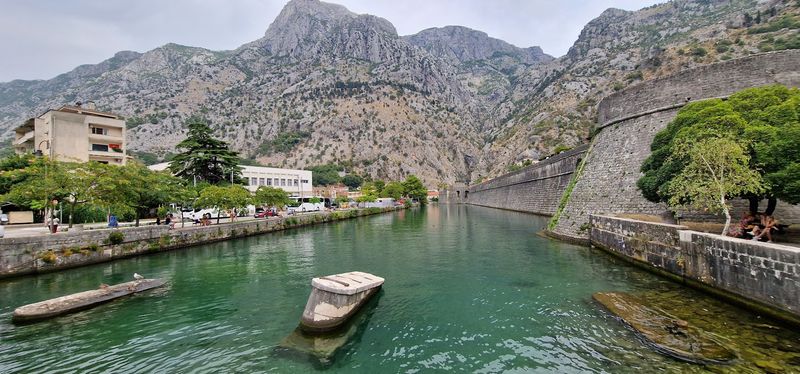
Here is the honest truth: Kotor is the toughest place on this list to keep cheap. The broader visitor average is about $149 per day, yet budget travelers manage around $63.
A typical three-day visit costs near $455.
Timing is your secret weapon. Peak summer hotel prices can soar, while April, May, late September, and October bring much better rates and thinner crowds.
Much of Kotor’s charm costs nothing. Wander the medieval old town, stroll the waterfront, and explore the lower fortifications without paying a cent.
The bay, framed by steep mountains, is stunning at any hour.
Pick a simple guesthouse and eat at local spots rather than tourist terraces. A three or four night trip under $500 is realistic, though it takes more planning than Sarajevo or Serbia.
Book early, pack light, and pay attention to the calendar. Do that, and you can enjoy one of Europe’s most beautiful bays without emptying your account.
Tirana, Albania
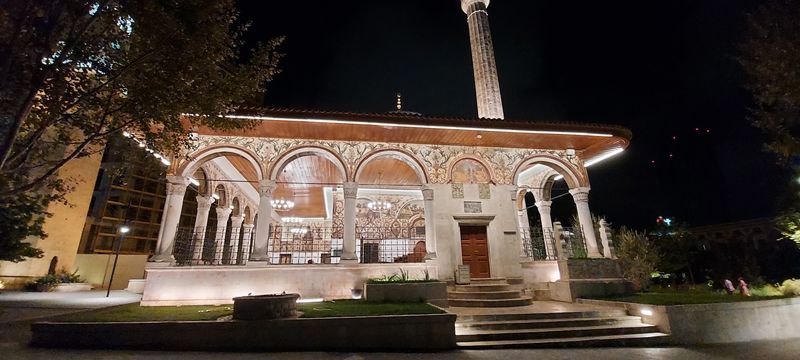
Brightly painted buildings, busy cafés, and a few surprising bunkers: Tirana is a capital with plenty of personality. It offers energy without the spending levels of Zagreb, Ljubljana, or big Western European cities.
Albania’s national average is about $122 per person per day, but budget travelers can lower that by using guesthouses, bakeries, cheap restaurants, and buses.
Skanderbeg Square is the natural starting point. From there, walk to the Et’hem Bey Mosque, browse the New Bazaar, and explore Blloku, a trendy district once reserved for communist leaders.
Much of this is free to enjoy.
For context on the 20th century, visit Bunk’Art. The entry fee is small, and the exhibits explain Albania’s recent past in a vivid way.
Tirana also makes a handy base for cheap day trips to Krujë or up Dajti Mountain by cable car. Three nights fit comfortably under $500, and four nights are possible with careful budgeting.
Share this story