Some years belong to disco. Others belong to hard rock or new wave.
Turn the radio dial to 1981 and you will find a different sound almost everywhere. Soft rock and adult contemporary were taking over car radios and living rooms, with pianos, saxophones, and big choruses leading the way.
Country stars were crossing onto pop charts, and rock bands were learning that a ballad could top the charts. Synthesizers were also starting to creep into the mix, hinting at where the decade was headed.
Each song on this list reached the charts in 1981 or became a major hit that year. Keep reading to find out the stories behind them, from chart records and film connections to surprising songwriting details.
Chances are the words will come back to you before the first chorus ends.
1. Waiting for a Girl Like You by Foreigner
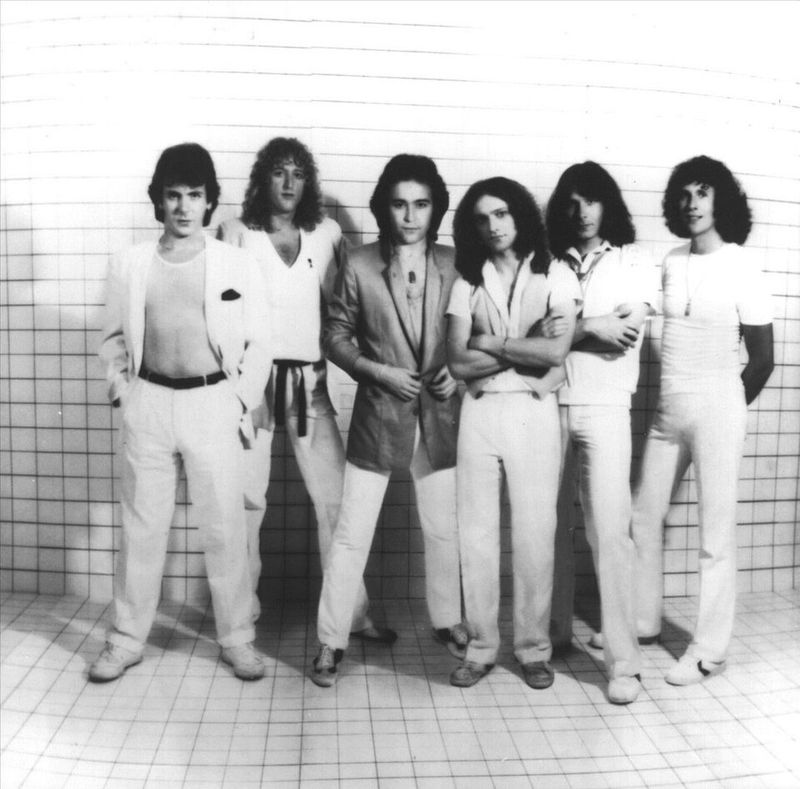
Ten weeks at number two sounds almost like a punishment, and for this song it became a record-setting streak. Foreigner released “Waiting for a Girl Like You” from the album 4 in 1981, and the ballad spent week after week just short of the top spot, including much of that run behind Olivia Newton-John’s enormous hit “Physical.”
Mick Jones and Lou Gramm co-wrote the song, but its sound was quite different from the harder rock that had already made Foreigner famous. Instead of putting heavy guitars front and center, the arrangement leaned into atmospheric keyboards, with a young Thomas Dolby contributing synthesizer work before becoming a star in his own right.
Missing No. 1 hardly hurt the song’s legacy. The slow build, Gramm’s emotional vocal, and those instantly recognizable opening keyboards gave Foreigner one of its most enduring recordings.
It also showed how easily arena-rock bands could cross into the softer side of early-1980s radio. Decades later, those first few keyboard notes are often enough to bring the entire chorus rushing back.
2. The One That You Love by Air Supply

Ask a radio programmer in 1981 to name the kings of the love ballad, and Air Supply would have been an obvious answer. Australian musicians Graham Russell and Russell Hitchcock had already found a huge American audience with their polished melodies and soaring romantic songs.
“The One That You Love” pushed them all the way to the top. Released from the album of the same name, the song reached No. 1 on the Billboard Hot 100, giving Air Supply its first and only chart-topper on that particular U.S. chart.
Russell wrote the song, while Hitchcock’s unmistakably high tenor gave it much of its emotional power. The arrangement starts gently and keeps building until the chorus feels much larger than the quiet opening suggests.
That was one of Air Supply’s greatest strengths during this period. Their songs could sound intimate one moment and enormous the next without turning into hard rock.
“The One That You Love” arrived during a remarkable stretch of American hits for the duo. Even listeners who cannot name the album usually recognize that chorus almost immediately, and trying to match Hitchcock’s highest notes remains a challenge best attempted alone in the car.
3. Woman by John Lennon
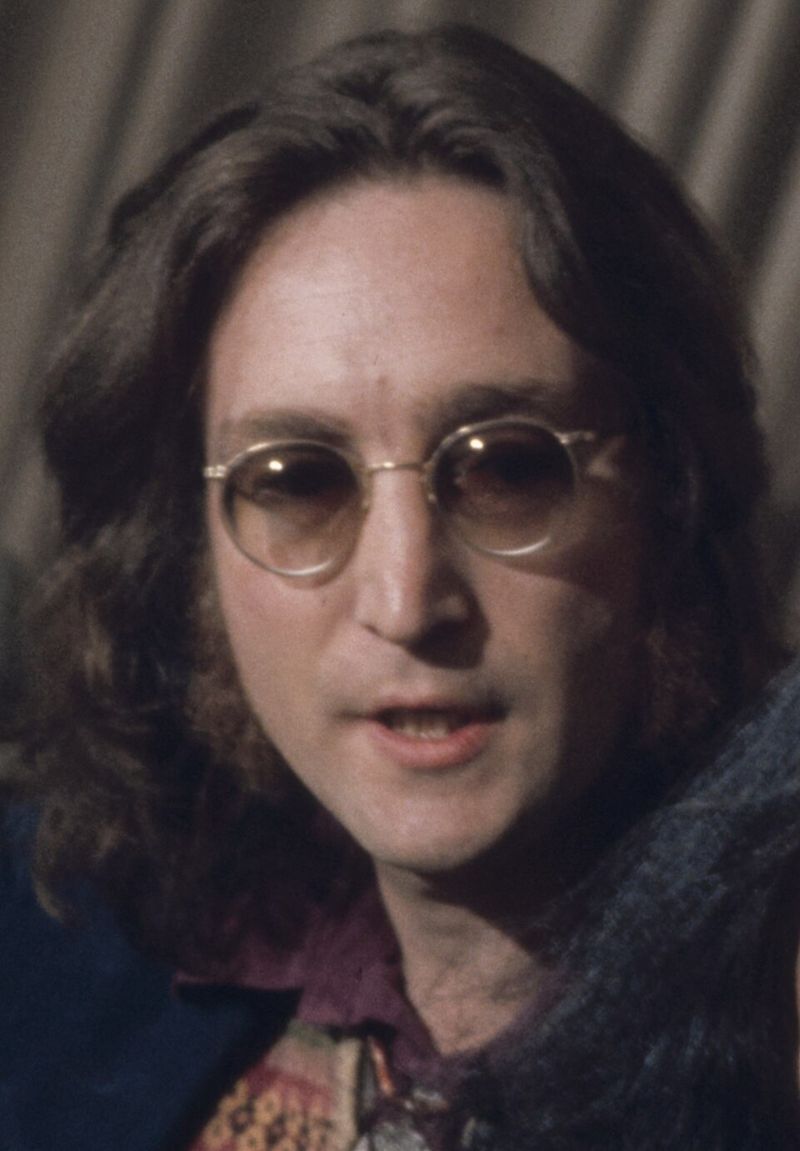
When Double Fantasy arrived in November 1980, listeners heard “Woman” as one piece of John Lennon and Yoko Ono’s return to recording. By the time the song became a single in early 1981, Lennon had been killed, giving its gentle words an emotional weight nobody could have anticipated when it was recorded.
Lennon described “Woman” as a grown-up version of the Beatles song “Girl,” and he wrote it with Ono very much in mind. The lyrics are unusually direct, expressing affection, gratitude, vulnerability, and an awareness of mistakes within a long relationship.
The arrangement wisely stays out of the way. Rather than crowding Lennon with elaborate production, the song gives his melody and vocal enough space to carry the emotion.
It became a major posthumous hit, reaching No. 2 on the Billboard Hot 100 and No. 1 in the United Kingdom. That chart success was only part of its impact.
For many listeners, hearing Lennon sing so openly about love and appreciation only weeks after his death made “Woman” especially difficult to separate from the circumstances surrounding its release. More than four decades later, it remains one of the most tender recordings from the final chapter of his career.
4. Endless Love by Diana Ross and Lionel Richie

Nine weeks at the top of the Billboard Hot 100 is impressive in any era, and “Endless Love” managed exactly that in 1981. Lionel Richie wrote the song for the Franco Zeffirelli film of the same name and recorded it as a duet with Diana Ross, creating one of the decade’s biggest romantic ballads.
Ross was already an international superstar after years with the Supremes and a successful solo career. Richie, meanwhile, was still officially part of the Commodores, although songs like this made it increasingly obvious that a major solo career was waiting for him.
The arrangement does not need many tricks. Much of the appeal comes from hearing two distinctive singers pass lines back and forth before joining together, making the song feel like an actual conversation between two people rather than two stars simply sharing a recording.
“Endless Love” became bigger than the movie that inspired it. It earned major award nominations, became one of the signature recordings associated with both singers, and inspired later versions by other artists.
Still, the Ross-Richie recording remains the one most closely tied to 1981. Play the opening piano notes at the right gathering, and there is a good chance somebody nearby will already be preparing to sing both parts.
5. Kiss on My List by Daryl Hall & John Oates
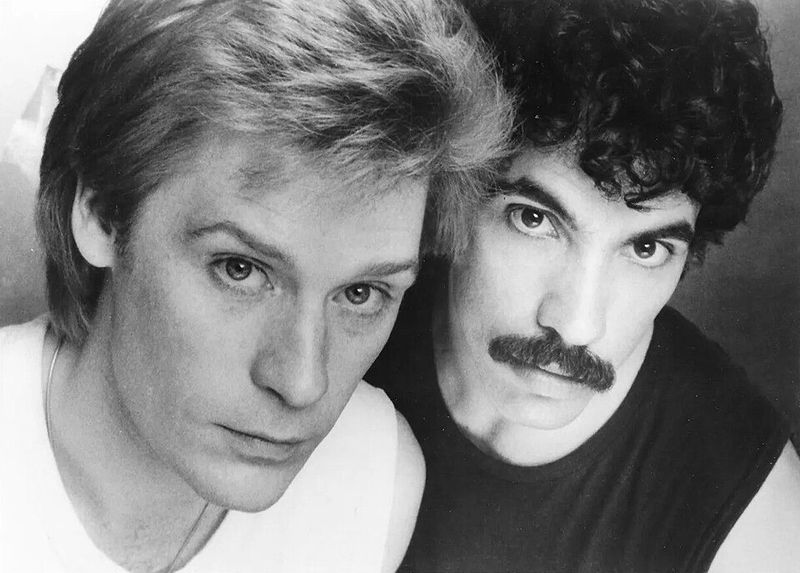
Daryl Hall and John Oates had already reached No. 1 with “Rich Girl” in 1977, but “Kiss on My List” marked the beginning of an even bigger period. The song came from their 1980 album Voices and climbed to the top of the Billboard Hot 100 in April 1981, remaining there for three weeks.
Hall wrote the song with Janna Allen, sister of Hall & Oates collaborator Sara Allen. Hall and Oates produced the recording themselves, helping shape the bright, polished sound that would become increasingly familiar on American radio during the first half of the decade.
The song wastes very little time getting to its hook. Its bouncing keyboards, crisp rhythm, layered vocals, and quick-moving melody make the whole thing feel effortless, even though the production is carefully constructed.
Most importantly, the chorus sticks almost immediately. It is the sort of pop hook that can disappear from your life for years and then return intact after hearing only a few seconds.
Several more No. 1 singles followed for Hall & Oates, including “Private Eyes,” “I Can’t Go for That,” and “Maneater.” In that sense, “Kiss on My List” was not merely another hit. It helped start one of the most successful runs in early-1980s pop.
6. Queen of Hearts by Juice Newton

Juice Newton was not the first person to record “Queen of Hearts.” Hank DeVito wrote the song, and Dave Edmunds released an earlier version, but Newton’s 1981 recording turned it into an American pop smash and one of the songs most closely associated with her career.
Her version climbed to No. 2 on the Billboard Hot 100 and also crossed comfortably between country and adult contemporary audiences. That crossover success made Newton a perfect example of how blurry genre lines could become in the early 1980s.
“Queen of Hearts” has more bite than the softer ballads surrounding it on radio playlists. The guitars keep the track moving, while Newton delivers the lyric with enough hurt to make the romantic frustration believable without ever sounding defeated.
That balance is what gives the recording its staying power. It is catchy enough for pop radio, twangy enough to retain a country flavor, and polished enough to sit comfortably beside the era’s adult contemporary hits.
Newton had other successful songs, including “Angel of the Morning,” but “Queen of Hearts” remains one of her defining recordings. The opening rhythm is still immediately recognizable, and once the chorus arrives, remembering the next line requires very little effort.
7. We’re in This Love Together by Al Jarreau
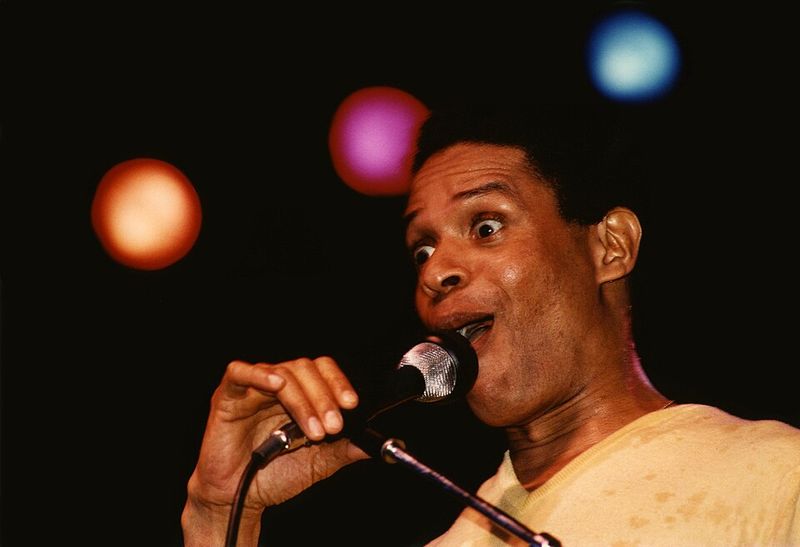
Jazz listeners already knew Al Jarreau as an unusually inventive vocalist who could bend his voice around rhythms and imitate instruments. Pop audiences discovered a smoother side of him through “We’re in This Love Together,” released from his 1981 album Breakin’ Away.
The song reached the Top 20 on the Billboard Hot 100 and became an even stronger adult contemporary hit. Its relaxed rhythm, warm production, and easy melody made it ideal for the softer radio formats that were thriving at the beginning of the decade.
Jarreau does not fill the performance with vocal fireworks simply because he can. Instead, he keeps everything controlled and conversational, giving the song an effortless quality that helped make it accessible to listeners who had never followed his jazz work.
That wider exposure mattered. Breakin’ Away became one of the defining albums of Jarreau’s career and brought him substantial commercial and critical recognition.
“We’re in This Love Together” remains one of the easiest entry points into his catalog because it captures his warmth without demanding that listeners understand anything about jazz technique. The melody simply works.
It is smooth without disappearing into the background, romantic without becoming overly dramatic, and unmistakably tied to the polished adult contemporary sound that surrounded 1981.
8. Her Town Too by James Taylor and J.D. Souther
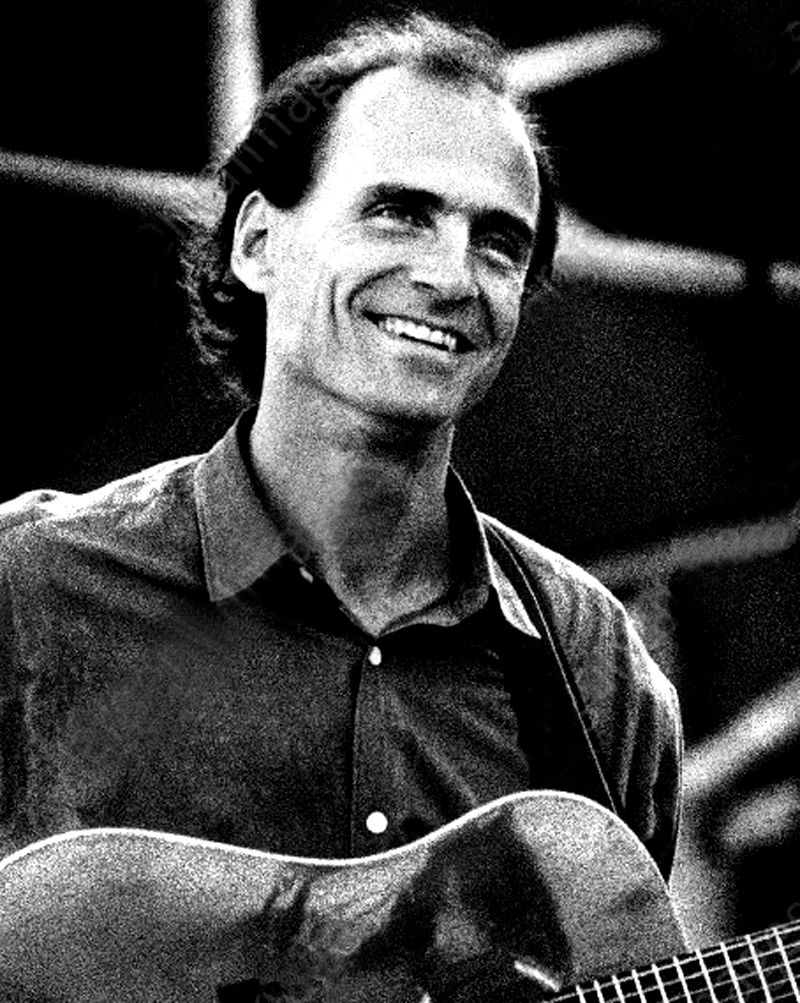
Breakups usually get a song about two people. This one asks what happens to everyone else in town.
James Taylor released it in 1981 on the album Dad Loves His Work, with J.D. Souther sharing vocals and songwriting.
Taylor described it as a song about how hard it can be to stay friends with both sides after a split.
It peaked at number 11 on the Billboard Hot 100 and reached number five on the adult contemporary chart. The delivery is understated, which gives the lyrics room to land and explains why it has aged so well.
9. America by Neil Diamond
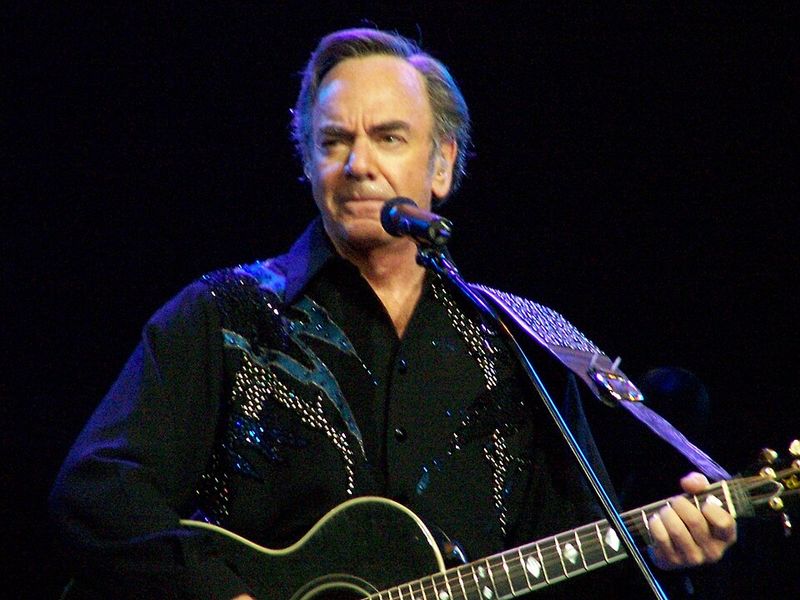
Neil Diamond wrote this song for the 1980 film The Jazz Singer, and it grew into one of his best-known anthems. It came from the soundtrack album, then became a hit single in 1981.
The lyrics follow generations of immigrants arriving in the United States. Diamond’s own grandparents came from Poland and Russia, which gave the subject a personal edge.
It reached number eight on the Billboard Hot 100 and topped the adult contemporary chart. In concert, the repeated chorus turned into a crowd singalong, and it still does.
10. Take It on the Run by REO Speedwagon
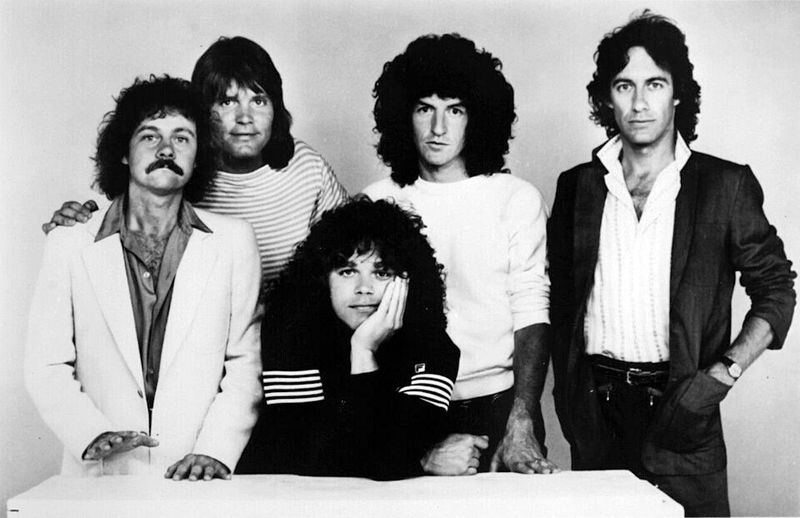
One album can dominate a whole year, and for 1981 that album was Hi Infidelity. It spent 15 weeks at number one and became the biggest-selling rock album of the year.
Guitarist Gary Richrath wrote Take It on the Run, and it reached number five on the Billboard Hot 100. The guitars give it more punch than a pure soft rock song.
Even so, the polished sound and big melody fit right beside the ballads on the radio. The chorus is so familiar that the first few words usually bring the rest along with them.
11. The Best of Times by Styx
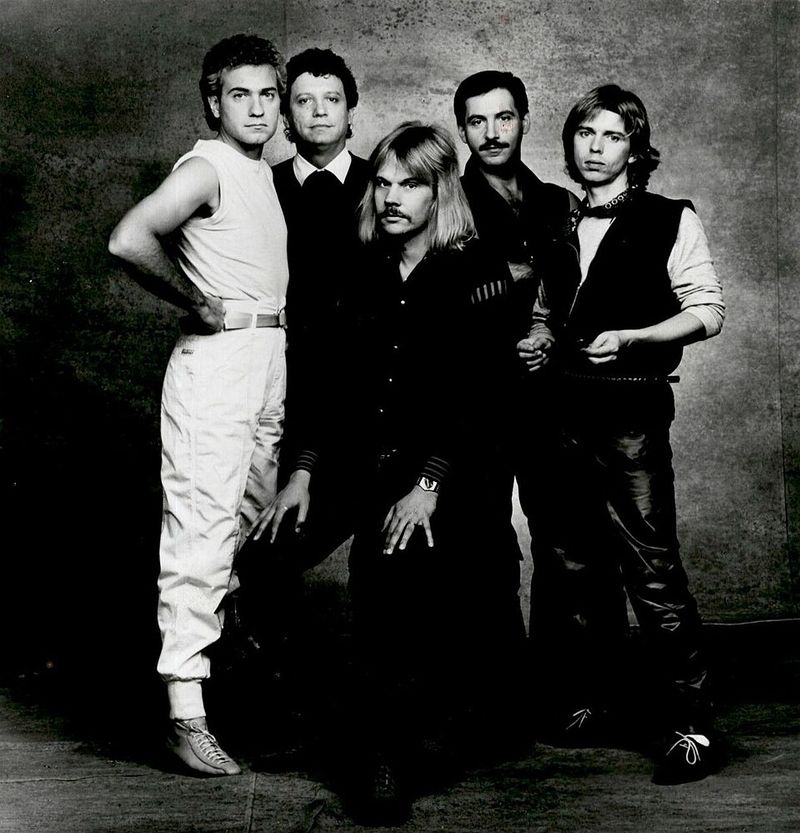
A concert hall that has seen better days is the setting for the album behind this song. Paradise Theatre, Styx’s tenth studio album, arrived on January 16, 1981.
Dennis DeYoung led the concept, which followed a grand theater and the changing mood of America. The Best of Times opens softly, then grows into full arena rock.
It reached number three on the Billboard Hot 100, and the album hit number one on the Billboard 200 in spring 1981.
The lyrics look back on earlier days, so the song has only grown more meaningful for listeners who first heard it back then.
12. Just Once by Quincy Jones Featuring James Ingram
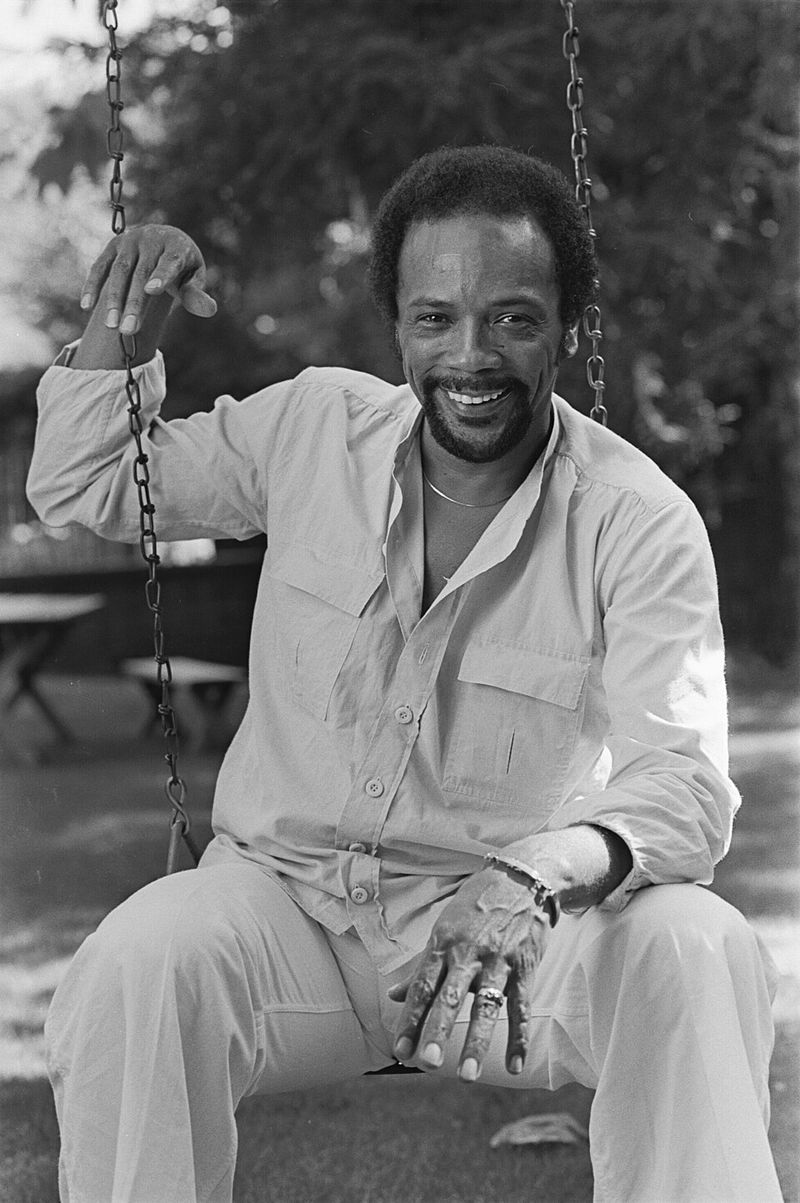
A producer’s album gave a new singer his big break here. Quincy Jones released The Dude in 1981, and James Ingram took the lead on this ballad.
Barry Mann and Cynthia Weil wrote it about a relationship that keeps struggling even though both people want it to work.
Ingram starts calmly and slowly lets the feeling build. The song became a major pop and adult contemporary hit.
It also launched Ingram toward more success during the decade. Mention the title today and many people can sing the chorus right back to you.
13. Leather and Lace by Stevie Nicks and Don Henley
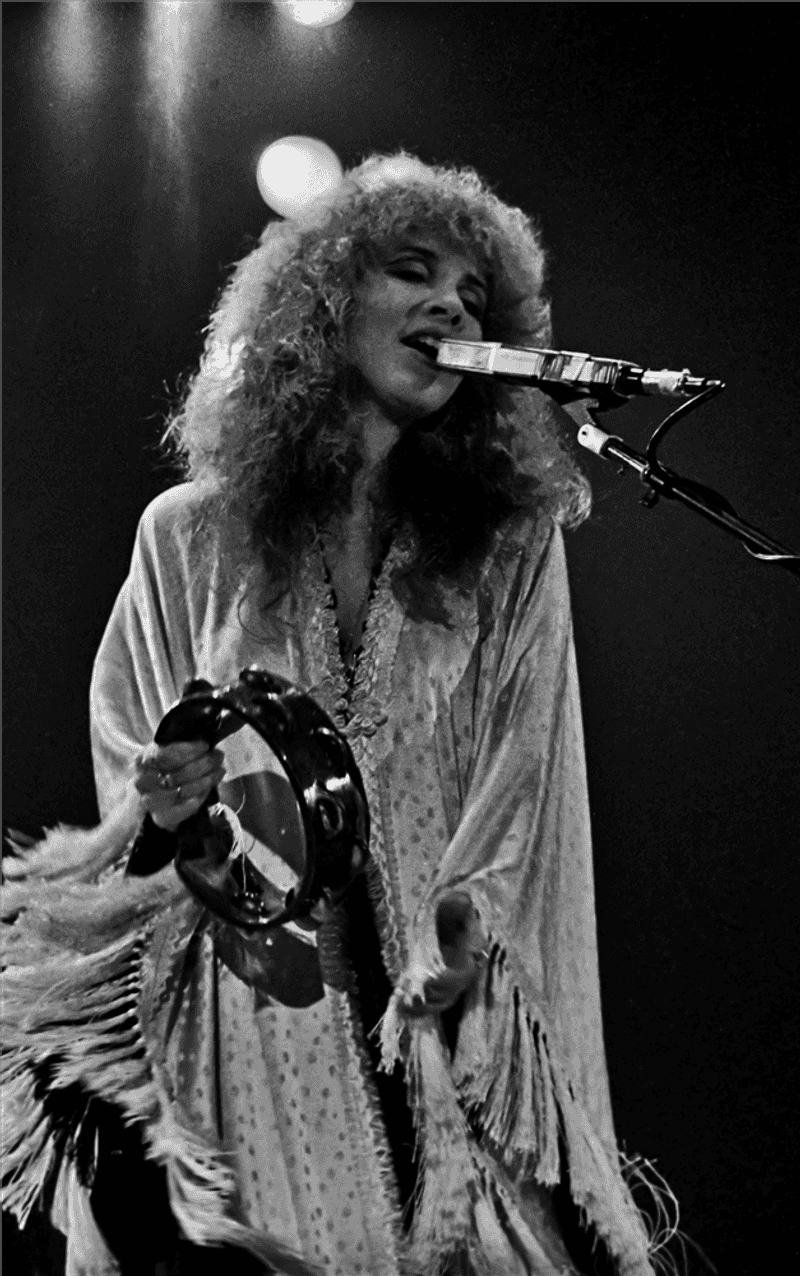
This duet began life as a song for someone else. Stevie Nicks wrote it in 1975 with country stars Waylon Jennings and Jessi Colter in mind, then recorded it herself with Don Henley.
It appears on Bella Donna, her first solo album, released July 27, 1981. The album went to number one on the Billboard 200 that September.
An acoustic guitar carries most of the arrangement while the two singers trade lines. The single reached number six on the Billboard Hot 100 and offered a softer contrast to Edge of Seventeen from the same album.
Share this story