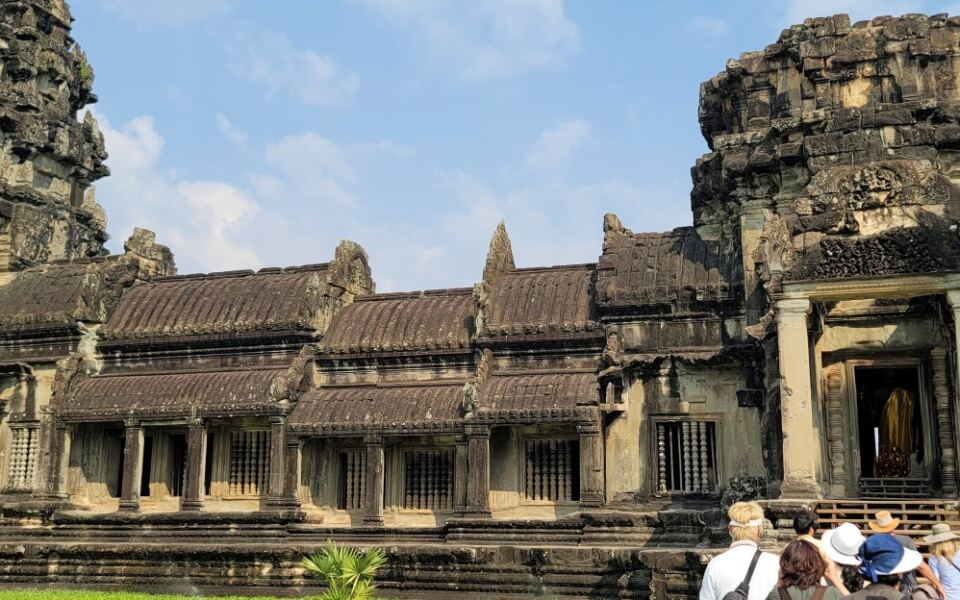
Angkor Wat is the biggest religious monument ever built, and it sits in the jungle near Siem Reap, Cambodia. Its towers, moat, and stone carvings have amazed visitors for almost 900 years.
Here are ten ways to make your visit smooth, smart, and unforgettable.
Catch the Sunrise Show
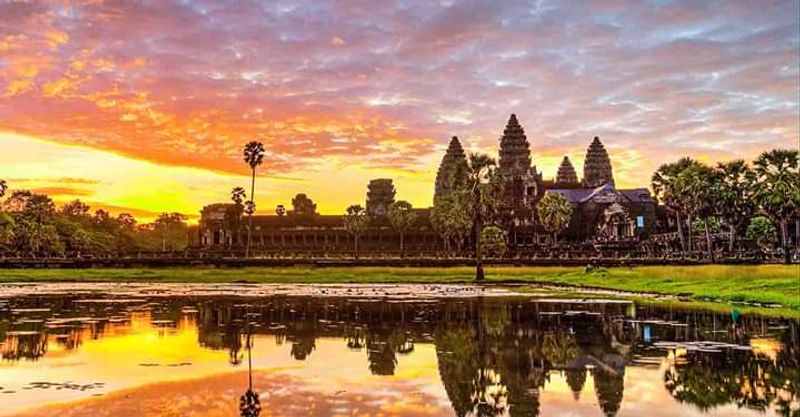
Wake-up alarms at 4 a.m. are rude, but the payoff is huge. As the sky turns pink and orange, the five towers of Angkor Wat appear like dark shapes on the horizon.
Many visitors call it the best moment of their trip.
Plan to arrive by 5 a.m. if you want a good spot near the reflecting pond. Crowds grow fast, and some travelers say they felt like they were battling an army of phone cameras.
Clouds can hide the sun on some mornings, so keep your hopes high but your expectations flexible.
Bring a small flashlight for the walk in the dark. A tripod helps with dawn photos, and you can leave it in your tuk-tuk afterward.
Early starts also mean you beat the heat, which can climb past 90 degrees Fahrenheit by midday.
Once the sun is up, do not rush off. The golden light on the stone is lovely, and the crowd thins out as people head to breakfast.
Grab a coffee, stroll the causeway, and enjoy the show at a slower pace. You earned it after that alarm clock.
Pick the Right Pass
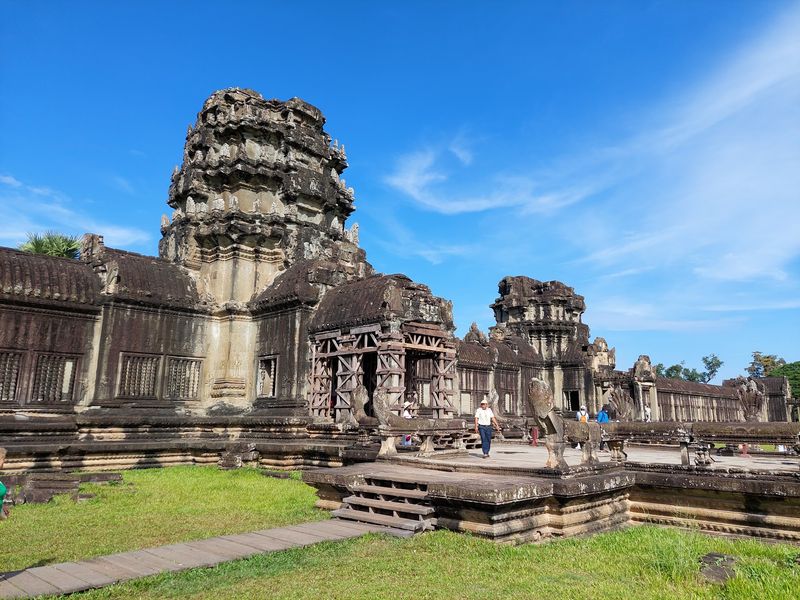
Here is a quirky fact: one day at Angkor feels short, even for speedy sightseers. The park covers hundreds of square kilometers, and Angkor Wat is just the star of a very big cast.
Most visitors suggest a three-day pass, even if you only use two days.
The extra day gives you freedom. You can return to a favorite temple, sleep in, or spread things out at a calmer pace.
Some travelers with a seven-day pass said it let them see everything properly.
You can buy tickets online ahead of time, and one visitor paid around 30 euros per person. Security checks your ticket at every temple, so save a screenshot on your phone.
If you prefer paper, tuck it somewhere safe, because a lost ticket is a headache you do not need.
Think about your energy too. Temple hopping means lots of walking, stairs, and sun.
A flexible pass lets you take breaks without feeling like you are wasting money or missing out.
Dress Like a Respectful Guest
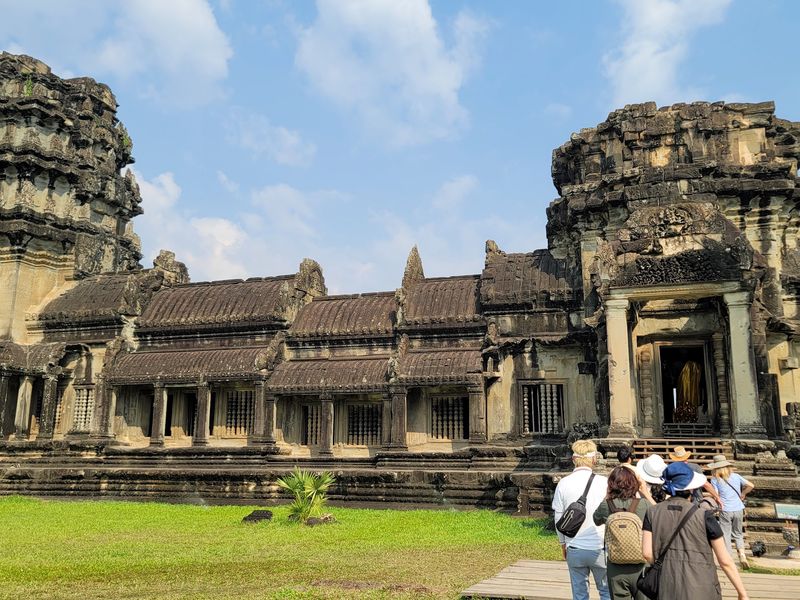
Shoulders and knees: cover both, or the guards may send you back. Angkor Wat is still an active religious site, so the dress code is real and strictly checked.
Staff at the inner sanctuary have turned away people wearing only scarves as cover-ups.
Pack a light shirt with sleeves and long pants or a long skirt. Breathable cotton works well in the sticky weather.
A thin jacket that you can close is handy for the central tower area.
Choosing clothes that follow the rules does not mean you must suffer in the heat. Loose fabrics keep you cool, and a hat plus sunscreen protect you from the strong sun.
Comfortable walking shoes matter too, because the stone steps are steep and uneven.
Check your outfit before you leave your hotel, not at the gate. It saves time, stress, and an awkward trip back to change.
Respect for the temple also makes the visit feel more meaningful.
Hire a Tuk-Tuk for the Day
Cold water in a cooler box can feel like treasure. Many tuk-tuk drivers at Angkor keep some for their passengers, which is a lovely bonus on a blazing day.
Hiring one for the full day is one of the easiest choices you can make.
The park is far bigger than the map suggests. Walking between temples is not realistic for most people, and prices for rides inside the park can be higher than in town.
A day driver gives you shade, a place to store gear, and a friendly guide to the best routes.
You can leave your tripod, extra water, or spare shirt in the tuk-tuk while you explore. That makes each temple visit lighter and more comfortable.
Agree on the price and the route before you start.
If you like freedom, some travelers rent bikes or scooters instead. Just be sure you are comfortable riding, because roads can be busy near the main gates.
Beat the Heat and Crowds
Hot, humid, and a bit sweaty: that is the honest weather report. Temperatures often pass 90 degrees Fahrenheit, and shade is limited on open stone areas.
Planning your day well can turn a sweaty chore into a joy.
Start early, rest around midday, and return later. Several visitors noticed far fewer people in the afternoon than at dawn.
Cloudy mornings can also be a blessing for your energy.
Pack a big bottle of water, because you will not find shops selling it everywhere. A hat, sunscreen, and even a small fan can save your day.
Take breaks in the restaurant areas, where you can eat and use restrooms.
Walk slowly and listen to your body. Heat can sneak up on you, especially when you are busy staring at carvings.
A relaxed pace helps you enjoy every corner without feeling wiped out.
Read the Stone Carvings
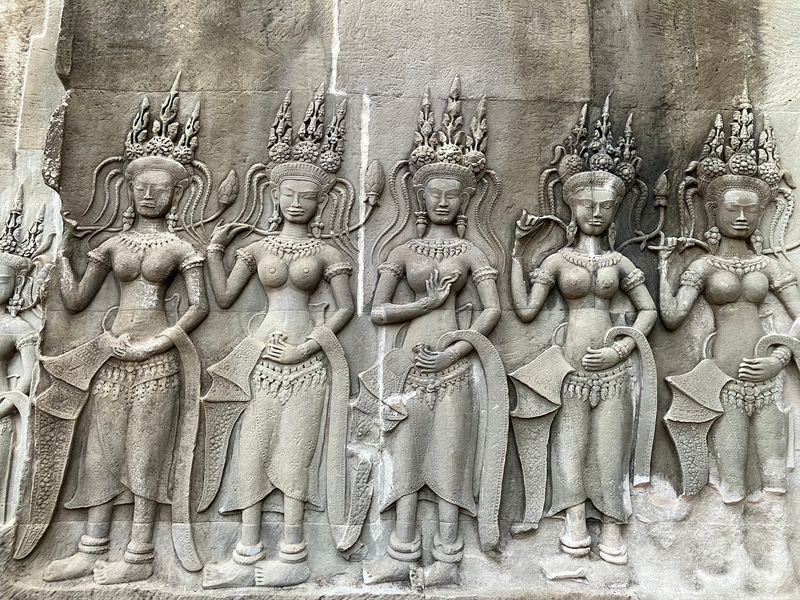
Long walls covered in stories wait for you inside the temple. The galleries of Angkor Wat show battles, gods, and graceful apsara dancers carved right into the stone.
Every few steps, a new scene appears.
Built in the 12th century, the temple reflects the history and culture of the Khmer people. Seeing these carvings up close makes the age of the place feel real.
Some visitors say the detail inside was not what they expected, but the sheer scale still amazed them.
A guide can turn these scenes into living tales. Guides cost little in Siem Reap, and they help you understand what you are looking at.
Without one, the carvings can feel like a pretty blur.
Take your time in the shaded galleries, which also offer a cool break from the sun. Look closely at faces, hands, and tiny decorations.
Photography is great here, so keep your camera ready.
Climb with Care
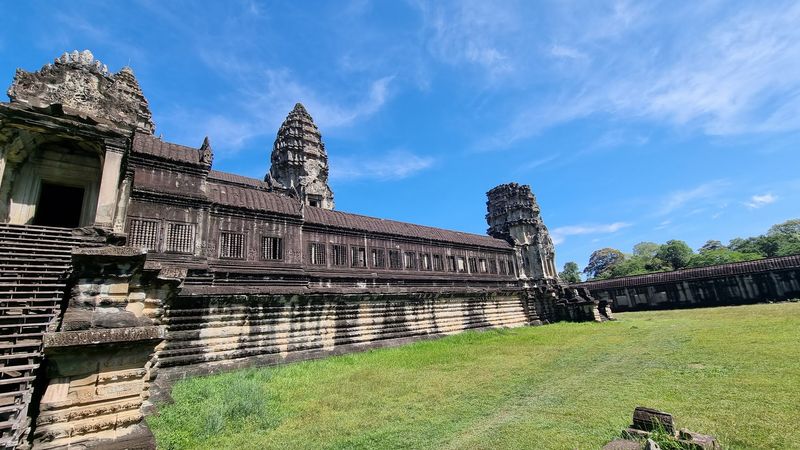
Steep steps are not a joke here. The stairs to the upper levels are narrow and tall, and the stone can be uneven.
Wear shoes with good grip and take each step slowly.
Stay on the wooden walkways and marked paths. Climbing on loose or unrestored stones is dangerous for you and harmful to the monument.
Rules from the APSARA Authority exist to keep the temple standing for future visitors.
The view from the top is worth the effort. You can see the towers up close and look out over the jungle beyond.
Lines can form, and the inner sanctuary has limited entry at times, so be patient.
Bring water for the climb, and rest when you need to. Remember that you will also walk several miles during the day.
A calm, careful pace keeps the trip happy and injury free.
Keep Your Distance from the Monkeys
Cute faces, sneaky hands. The macaques around Angkor have become bold, and some grab bottles or open bags without asking.
A few have even bitten visitors, which can mean costly rabies treatment.
Feeding them is a bad idea. It teaches them to lose fear of people, and that is how they became such pushy scavengers.
Social media photo hunters made the problem worse.
Keep snacks sealed inside your bag, and zip it up. Do not touch the monkeys or try to get a close selfie.
If one approaches, step away calmly and do not wave food around.
You can still enjoy watching them from a distance. They add a wild touch to the ancient setting.
Respect keeps both you and the animals safe.
Explore the Neighbors
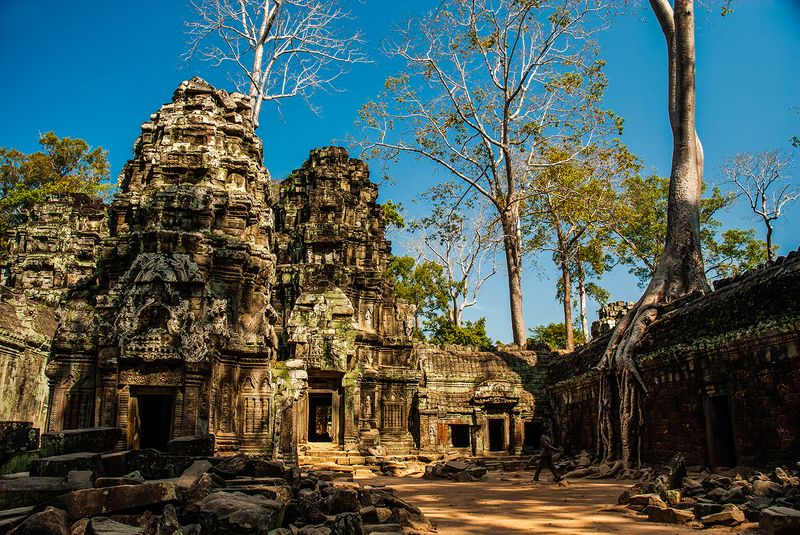
Angkor Wat gets the fame, but its neighbors steal plenty of hearts. The wider park holds capitals of the Khmer Empire from the 9th to the 15th century.
Angkor Thom, Ta Prohm, and Ta Som are great stops.
At Ta Prohm, giant tree roots hug the stones, and the Tomb Raider movie fans know it well. It gets crowded, so go early or late.
Ta Som has a banyan tree slowly swallowing a gateway, which is wonderfully dramatic.
Pre Rup glows in dawn light, and quieter spots like the East Gate can feel almost private. Many travelers say these places show another side of Angkor.
A guide can lead you to less busy corners.
Mixing big and small temples keeps the days fresh. You get grand scale and peaceful moments in one trip.
Your photos will be better, too.
Enjoy the Water Views
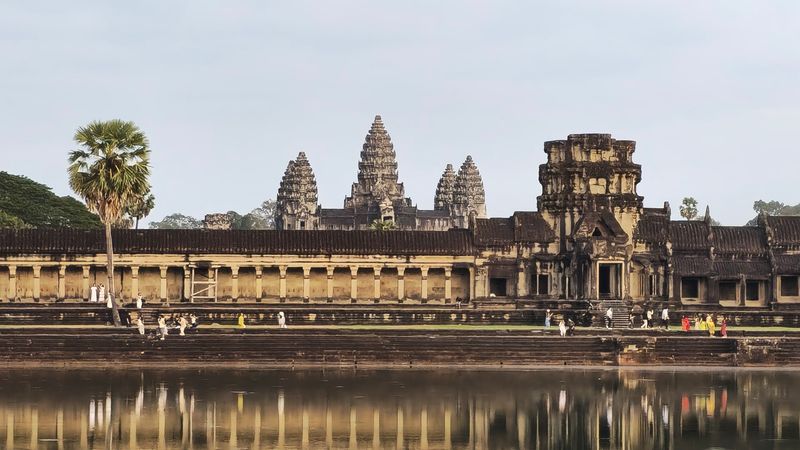
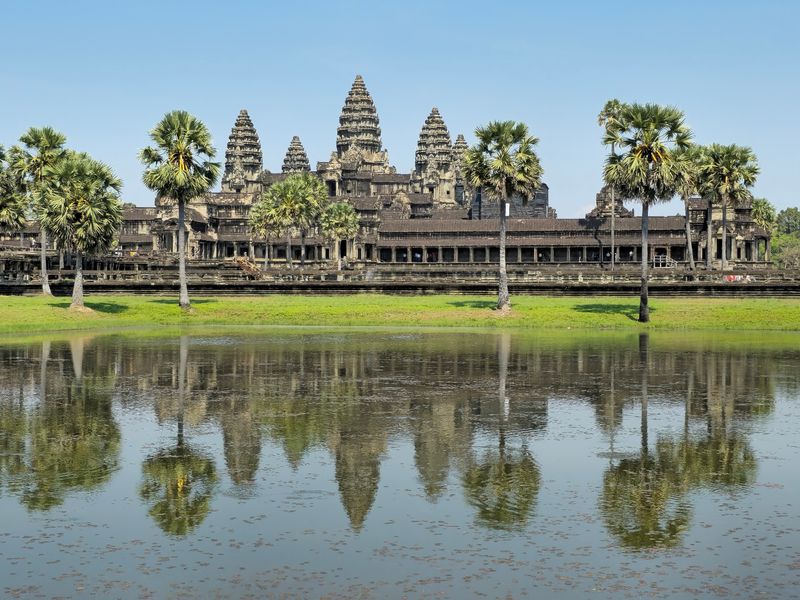
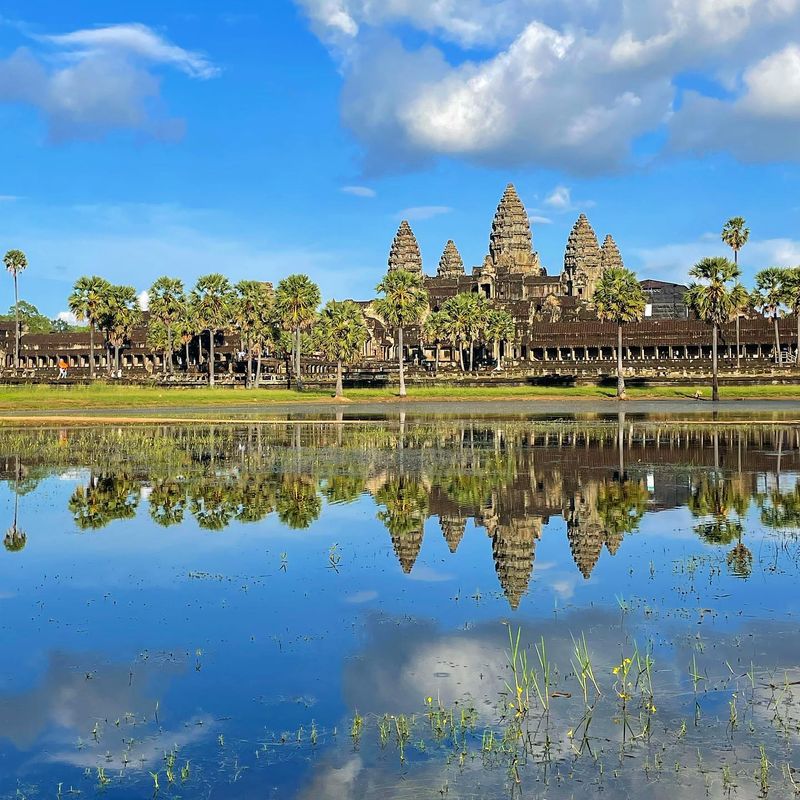
Look down, and the temple looks back at you. The reflection of Angkor Wat in the pond and moat is one of the most photographed views in the world.
Visitors describe it as peaceful and magical.
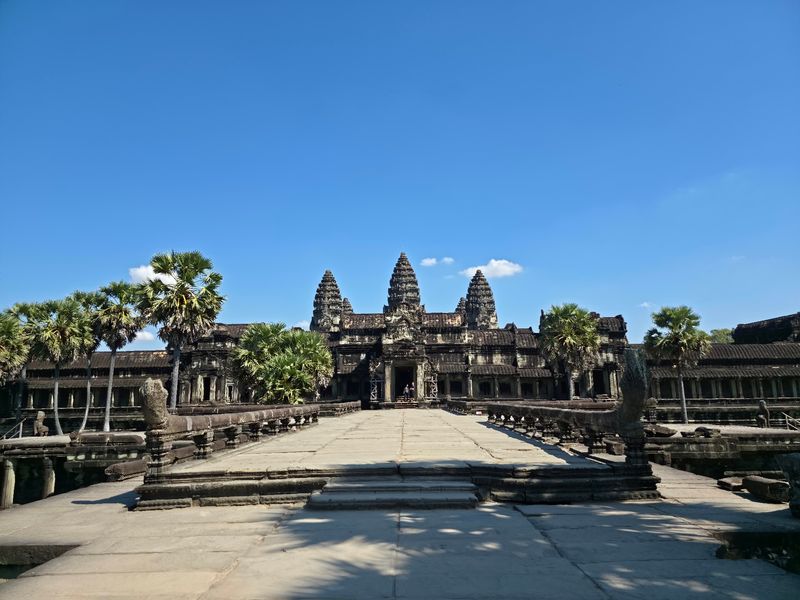
The wide moat surrounds the whole temple, which adds to its grand look. Walking the long causeway toward the entrance builds the suspense.
Every step makes the towers feel taller.
Return at different times of day to see new moods. One traveler visited at sunrise, explored other temples, and came back in full daylight to admire it again.
Light changes everything, from soft pink to bright gold.
Bring a camera or just your eyes, and linger a while. The grounds are clean, well kept, and full of lovely spots to sit.
Pictures are great, but being there is better.
Share this story