Imagine a place where the crowd on one street is bigger than some entire countries. That is life in a megacity, an urban area with at least 10 million people.
The United Nations used a new, fair method in 2025 to measure cities the same way everywhere. Here are the ten biggest, and the results might surprise you.
Jakarta, Indonesia
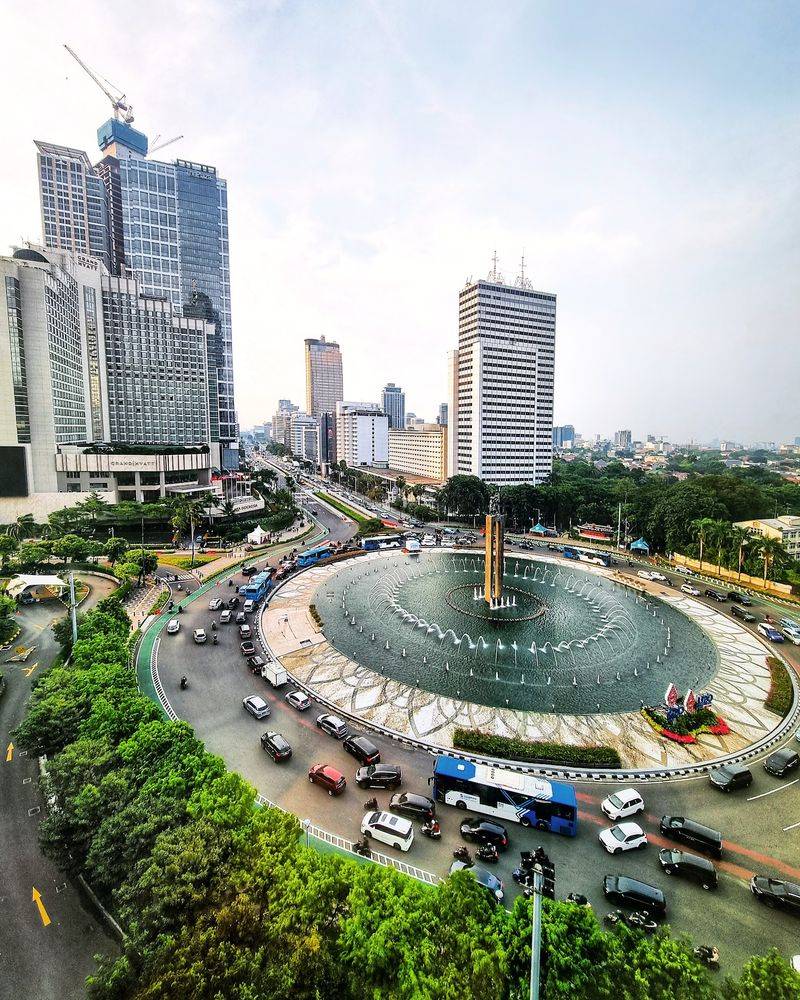
Grab a calculator, because Jakarta’s number is huge. About 42 million people live here in 2025, which puts it in first place on the UN’s new list.
Why so big? The UN counts all the connected, packed-together areas, not just the city center.
Under older rules, the same city was projected at only about 12 million. That is quite a jump!
The new method shows why comparing cities can be tricky. If each country draws its own lines, the numbers never match up.
A shared rule fixes that problem.
Jakarta is Indonesia’s busy capital region. Shiny high-rise business districts stand near older neighborhoods full of small shops and homes.
Getting around is also changing, since the rail network keeps growing and gives commuters more choices than sitting in traffic.
Visitors often say the city never seems to pause. Even late at night, food stalls glow, scooters buzz and someone is always heading somewhere.
That nonstop energy fits a place with 42 million neighbors.
Dhaka, Bangladesh
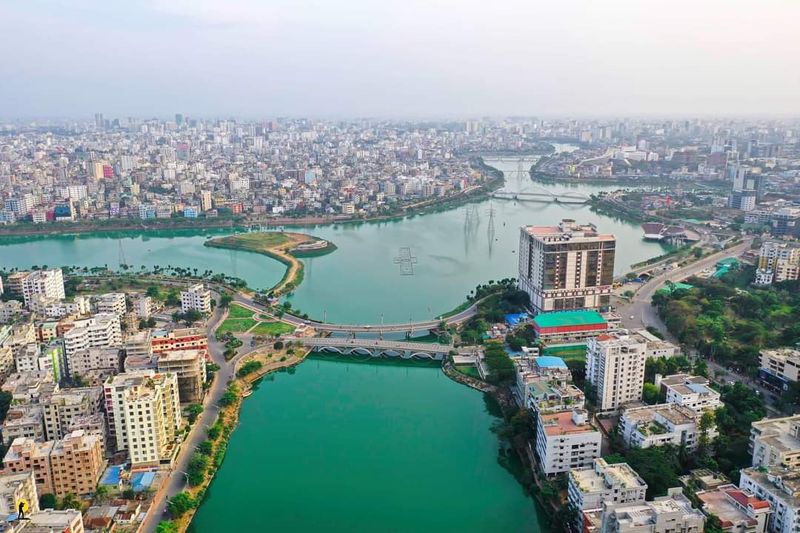
Here is a bold prediction: Dhaka may become the largest city on Earth by 2050. UN projections say it could pass Jakarta.
For now, it sits in second place with about 37 million people.
Bangladesh’s capital packs government offices, factories, shops and schools into a very crowded space. As the city grew, it swallowed nearby towns and villages.
That is why the real urban area is so much bigger than its official borders suggest.
One landmark stands out from the crowds. The National Parliament complex at Sher-e-Bangla Nagar was designed by American architect Louis Kahn.
Lawmakers began meeting in the new building in 1982, and its giant geometric openings still draw admirers.
Walk through Dhaka and you will notice colorful rickshaws squeezing through every gap. Markets spill onto sidewalks and the sounds layer on top of each other.
It is loud, lively and full of hustle.
Tokyo, Japan
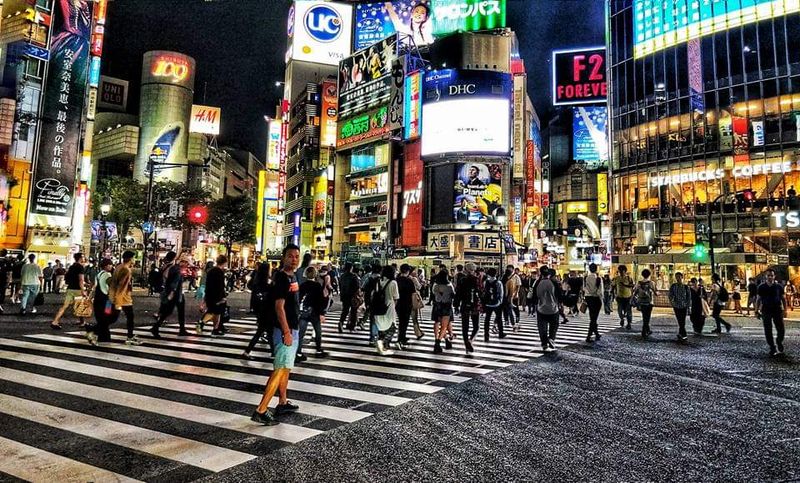
Tokyo just lost its crown, and it seems to be taking it calmly. For years it was ranked number one.
In the UN’s 2025 count, it lands third with about 33.4 million people.
Here is the twist. Tokyo is expected to shrink instead of grow.
The UN projects around 30.7 million residents by 2050, which makes it unusual among giant cities.
The name Tokyo can also mean different things. Tokyo Metropolis, the official government area, had about 14.25 million people in preliminary 2025 census results.
The wider built-up area, where towns blend into one another, is much larger.
That gap shows how tricky city counting can be. Ride a train from one suburb to the next and you may never see an empty field.
Buildings simply keep going, which is why the UN’s method counts them all together.
Even so, Tokyo remains one of the biggest gatherings of people anywhere on the planet.
New Delhi, India
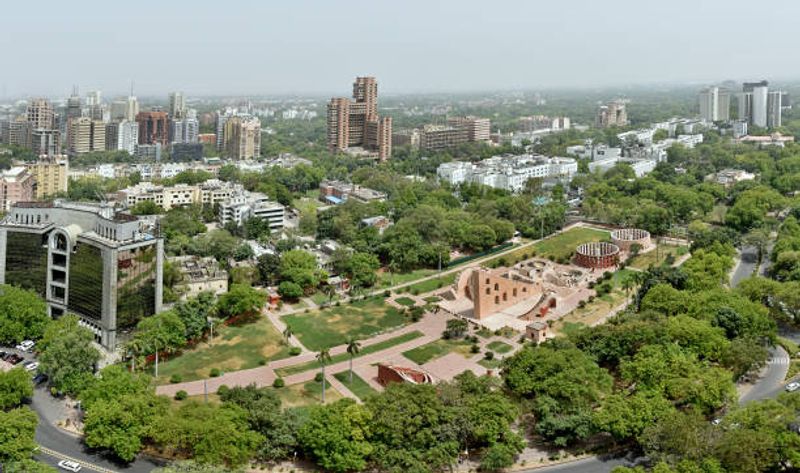
Three UNESCO-listed monuments, one giant city. Delhi Tourism highlights Humayun’s Tomb, the Red Fort and the Qutb Minar complex.
All of them sit inside a metro area of about 30 million people.
That number comes from the UN’s 2025 standardized definition. It makes New Delhi one of two Indian cities in the global top ten.
The modern capital has a clear starting point. In 1911, Britain announced it would move its imperial capital from Calcutta to Delhi.
Architects Edwin Lutyens and Herbert Baker played central roles in designing the new city.
But Delhi’s story goes back much further than that plan. The wider urban area holds layers of history, with old tombs, forts and towers standing among busy modern roads.
That mix is what makes the place so special. Fast growth and centuries-old stone live side by side, and you can see both in a single afternoon.
Shanghai, China
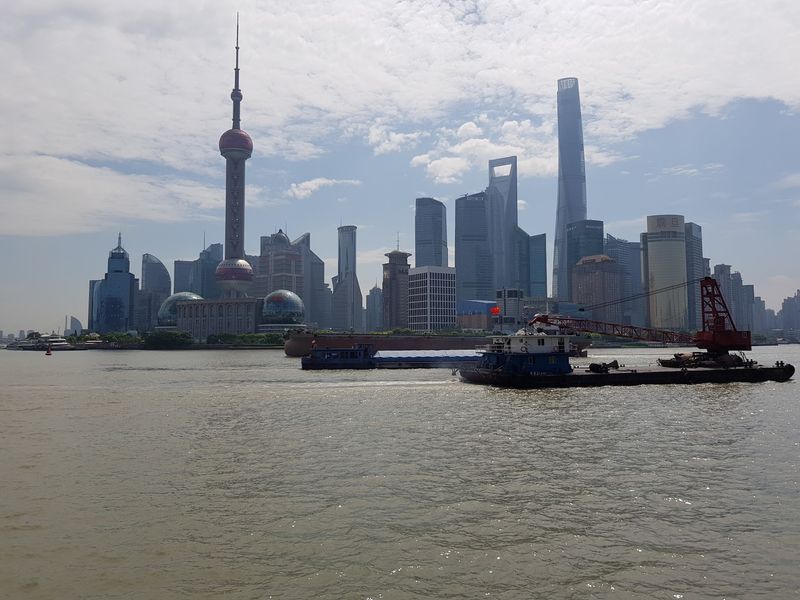
Stand on the Bund at sunset and you get two cities in one view. On one side of the Huangpu River are historic Gothic and Baroque buildings.
On the other are the glittering towers of Pudong.
The Bund stretches about 1.5 miles and keeps dozens of those older buildings in great shape. It is a favorite spot for photos.
Shanghai sits near the mouth of the Yangtze River, and that location shaped its story. Shipping, finance and trade have powered its economy for a long time.
Shanghai Port is still the world’s busiest container port.
The UN estimates about 30 million people live in the city’s harmonized area. Shanghai’s own government reports about 24.85 million residents within its official borders in 2025.
Two different ways of counting give two different answers.
Either way, this is a giant coastal metropolis that keeps the world’s goods moving.
Guangzhou, China
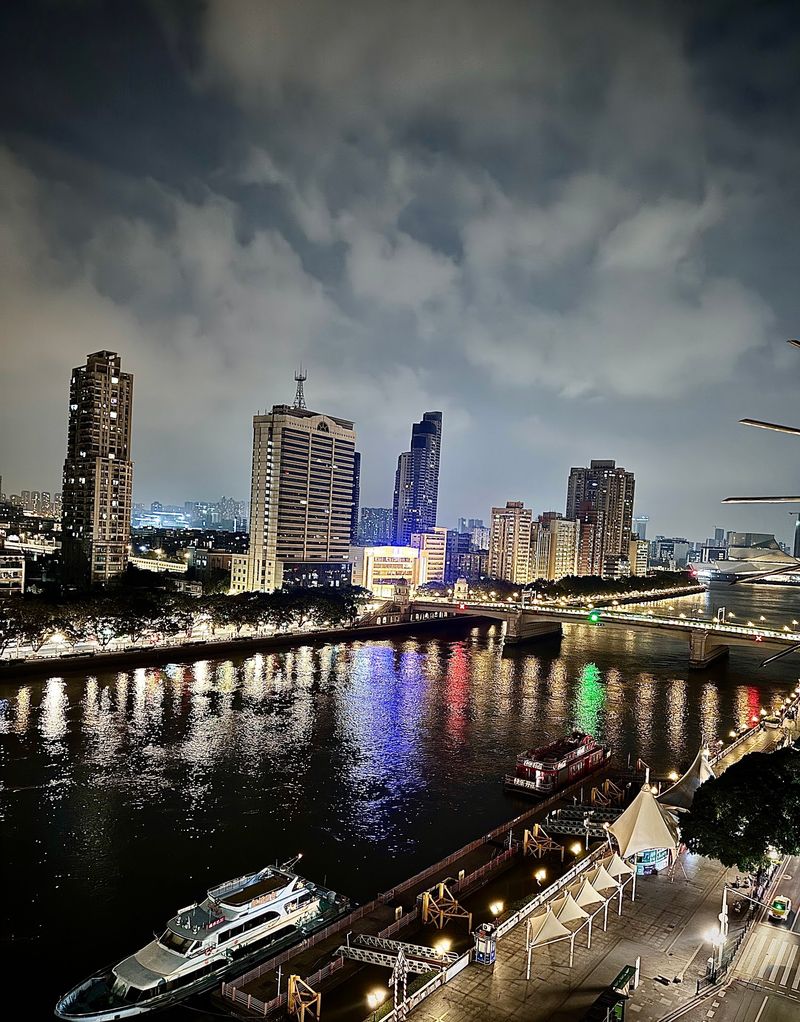
Guangzhou nearly doubled overnight, at least on paper. Older country-specific definitions gave it about 15 million people.
The UN’s 2025 method puts it at around 28 million.
The city sits at the center of one of the most heavily urbanized regions in southern China. Traders have used it as a major hub for centuries, and that history still shapes the place.
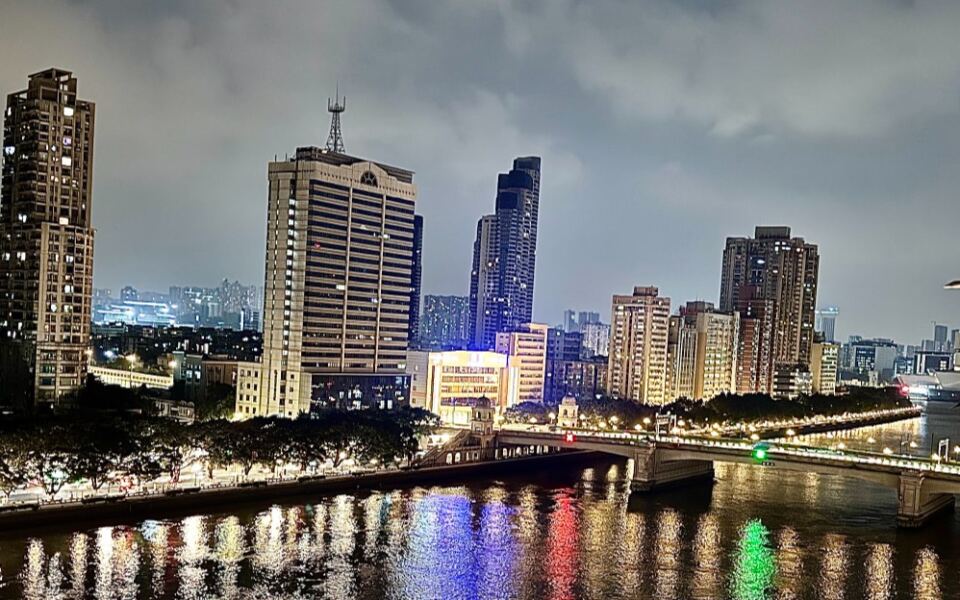
Look at the skyline today and you will spot the Canton Tower first. It rises 600 meters and opened in 2010.
Around it, the Pearl River and Zhujiang New Town glow with modern high-rises.
Business is a big part of daily life here. The huge Canton Fair complex at Pazhou shows the city’s role in international commerce.
Not everything is new, though. Pieces of traditional Lingnan architecture survive between the towers, giving walkers a peek at older Guangzhou.
Cairo, Egypt
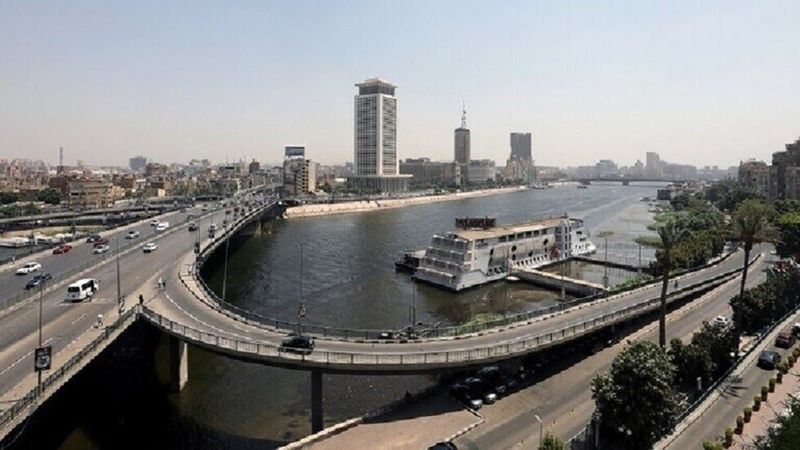
Only one city on this list is not in Asia, and it is Cairo. About 26 million people live here under the UN’s standardized method.
Egypt’s capital has spread along and beyond the Nile. Medieval districts, 19th-century boulevards and modern apartment areas sit side by side.
Turn a corner and the century changes.
Downtown, the Egyptian Museum is a key cultural spot. Its foundation stone was laid in 1897.
Nearby, Historic Cairo holds an amazing amount of Islamic architecture.
Getting around such a crowded place takes planning. Cairo runs the oldest full-scale metro system in Africa, and it is a big part of everyday travel for residents.
The city’s size also puts it far ahead of other major urban centers on the continent. When people think of big African cities, Cairo is the one that leads the pack.
Manila, Philippines
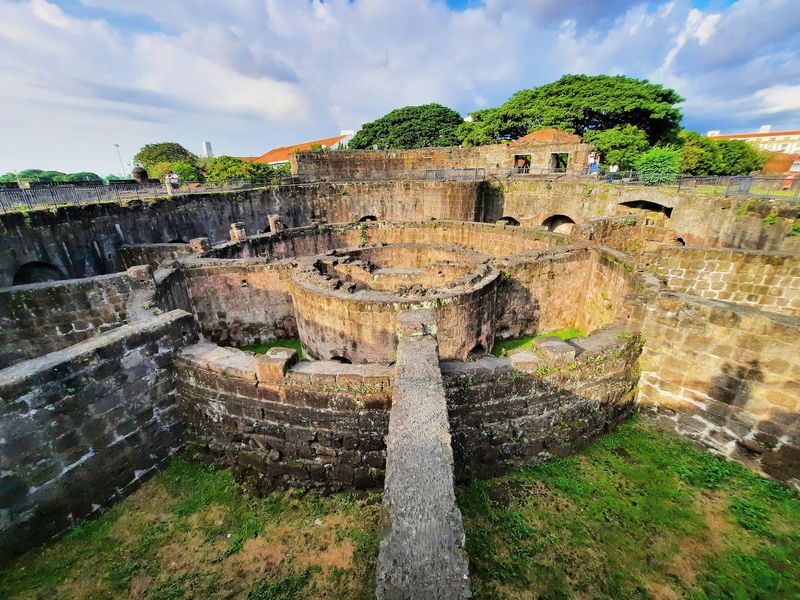
A walled city from 1571 now sits inside a giant modern sprawl. That is Manila in a nutshell.
Intramuros, the fortified Spanish colonial city, is small compared to everything around it.
The UN puts Manila at about 25 million people in 2025. Under older national definitions, the comparable figure would be closer to 15 million.
Why the big difference? The city spreads across Metro Manila and nearby urban areas without any clear break.
The harmonized approach counts all of that connected land.
It shows how far a continuous urban region can outgrow its central municipality. The old center is now surrounded by commercial districts, neighborhoods full of homes and busy expressways.
Stroll through Intramuros and you can still touch the old stone. Then step outside the walls and you are back in a fast, crowded, buzzing metropolis.
Kolkata, India
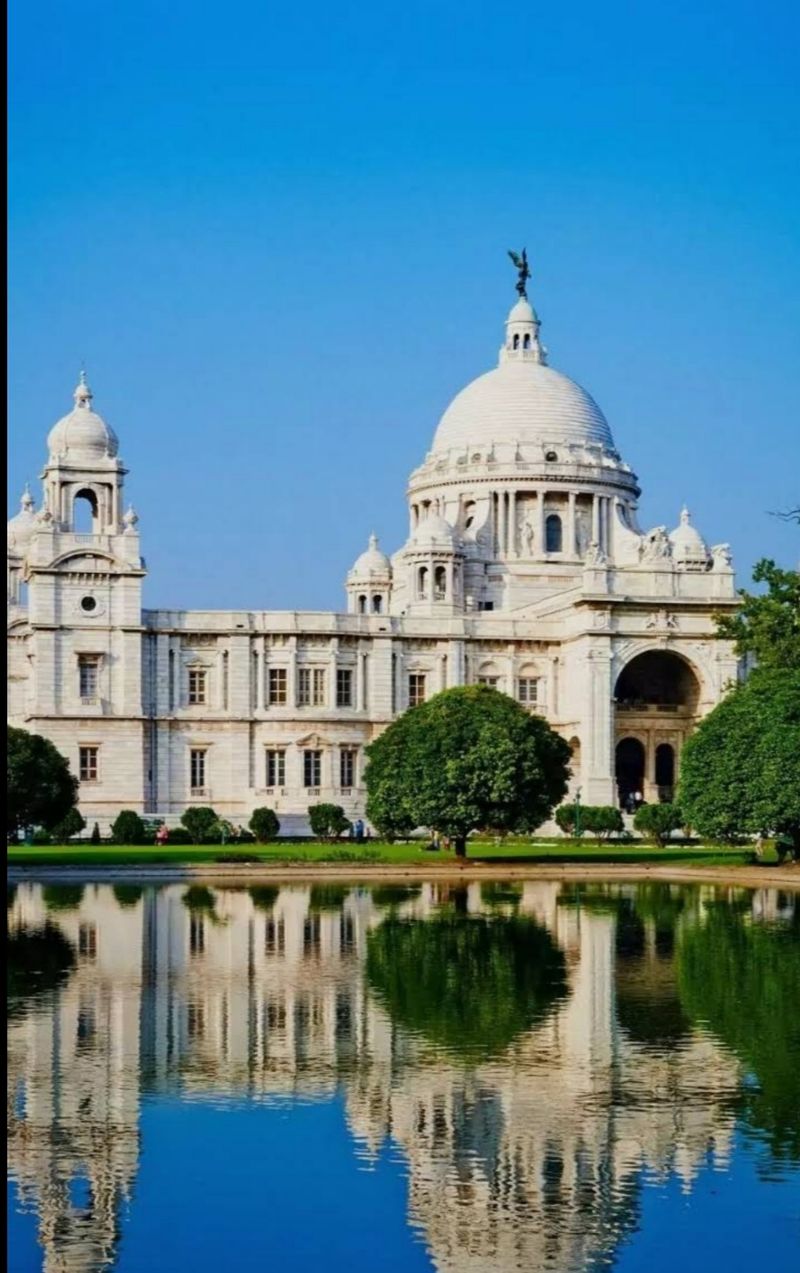
White marble, gardens and a queen’s memory: the Victoria Memorial is Kolkata’s showpiece. Viceroy Lord Curzon commissioned it in honor of Queen Victoria.
Today it works as a museum with tens of thousands of artifacts and thousands of paintings.
Kolkata sits on the Hooghly River in eastern India. Long ago it became one of the key commercial and administrative centers of British India.
That lasted until the imperial capital shifted to Delhi in the early 20th century.
You can still see that past in the buildings. Colonial-era landmarks line many streets and give the city a classic look.
But the city is far more than its old monuments. The UN counts about 23 million inhabitants in the 2025 standardized footprint.
That is a huge, densely settled region.
It lands Kolkata among the ten largest cities on Earth, proving that history and population can grow together.
Seoul, South Korea
Seoul closes out the top ten with about 22 million people. That figure is far bigger than Seoul municipality alone.
The UN counts the continuous urban area that stretches deep into the surrounding capital region.
Like Tokyo, Seoul is expected to have fewer people by 2050. Most other giant cities on the list are still growing, so this makes Seoul a bit of a standout.
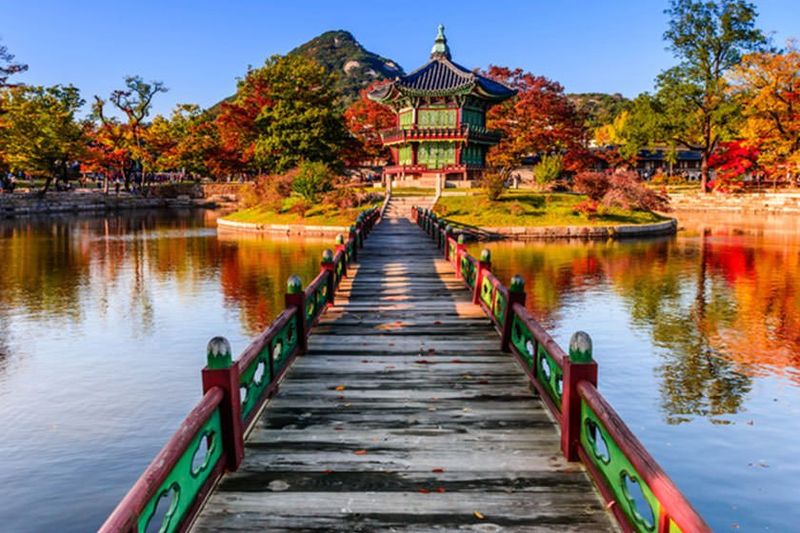
At the heart of the modern sprawl is an older royal core. Joseon-era palaces such as Changdeokgung still stand there.
The UN’s cultural agency named Changdeokgung a World Heritage Site in 1997.
The Han River cuts through the region and splits the city landscape in two. Across both banks, a busy public-transport network links old districts, packed residential areas and big commercial centers.
Trains here are among the busiest in the world, which keeps millions of people moving every day.
Share this story