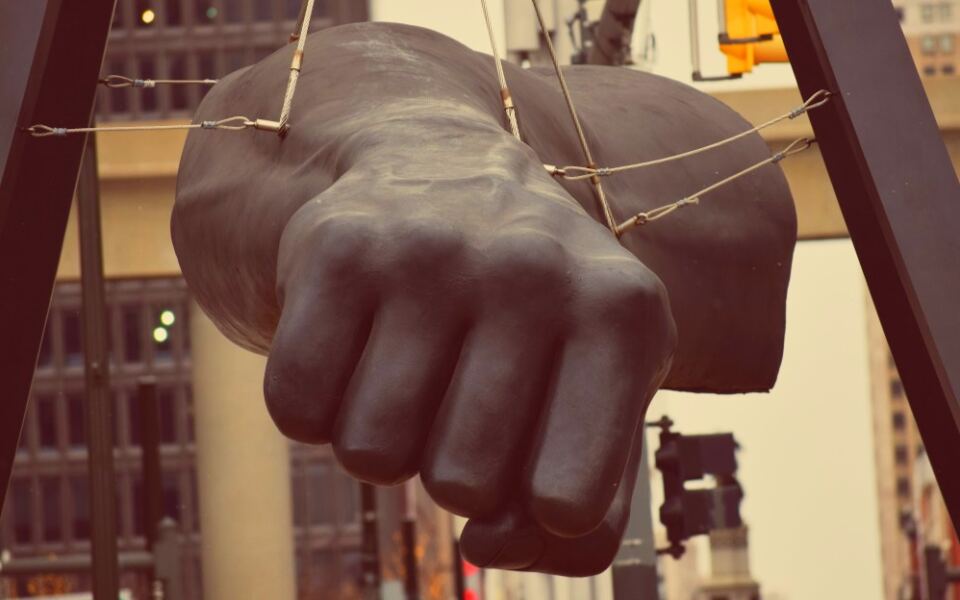
A bronze arm longer than a city bus hangs in midair at one of the busiest corners in a major American city. There is no body attached, no face, and on my visit I could not find a plaque telling me who it belongs to.
Yet people stop their cars, cross the street, and throw their own fists in the air beside it like they are waiting for a referee to raise their hand. I came for a quick photo and left with a story about a kid from rural Alabama who became one of the most famous athletes on the planet.
Stick around and I will share how much this thing weighs, why a magazine paid for it, and which famous neighbor sits just across the road. I will also tell you where to park for a few dollars and when to show up so your photos are free of strangers.
By the end, you will know exactly why this strange, floating knuckle sandwich is one of the most talked about pieces of public art in the Midwest, and why it still packs a punch nearly four decades after it arrived.
A Knockout Corner on Woodward Avenue
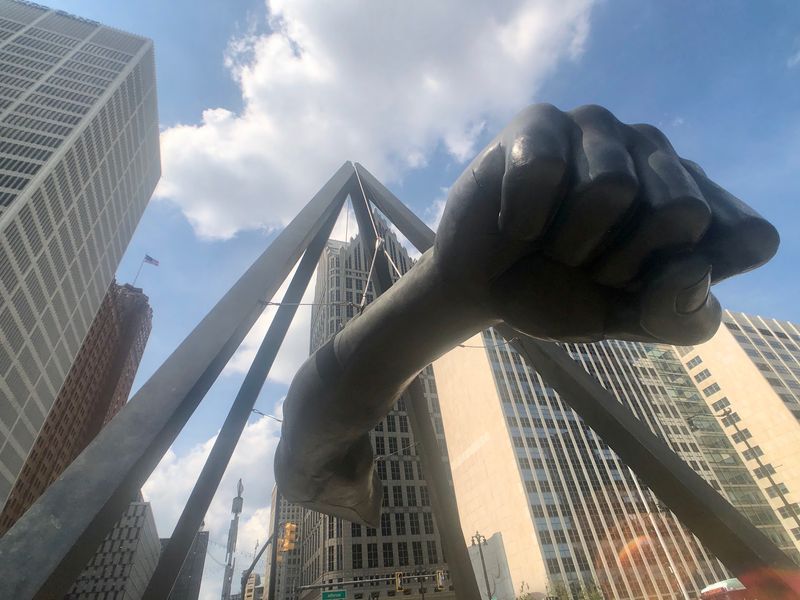
My GPS spun in circles downtown, so I trusted my eyes instead, and a massive bronze forearm did the rest. The Monument to Joe Louis, nicknamed The Fist, sits at 5 Woodward Ave, Detroit, MI 48226, in the state of Michigan.
It lives right in the median where Woodward Avenue meets Jefferson Avenue. That spot puts it close to Hart Plaza and the Detroit Riverfront, at the very heart of downtown.
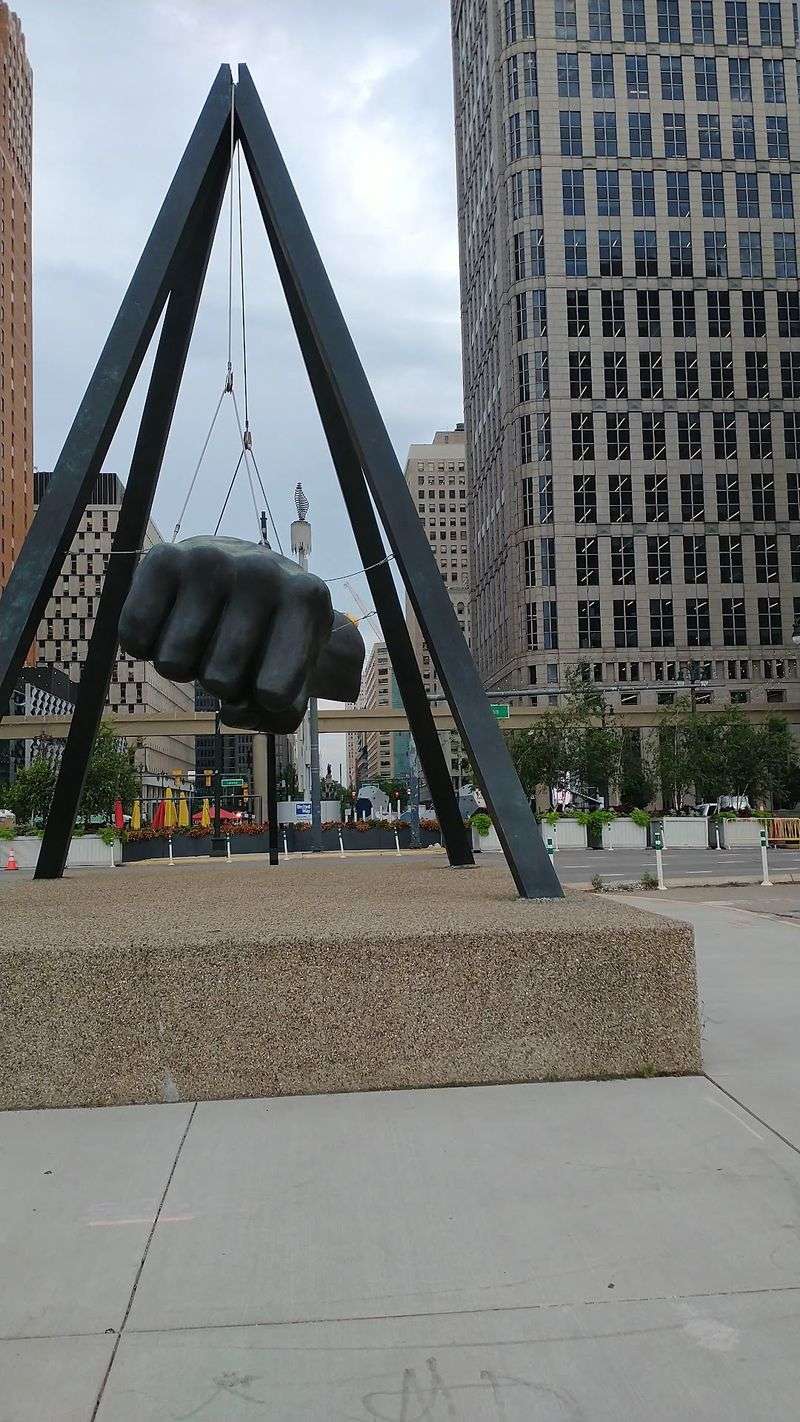
The arm stretches 24 feet long and hangs from a 24-foot-high pyramid frame. Up close, it feels much bigger than photos suggest.
There is no gate, no ticket booth, and no closing time. The monument is open 24 hours a day, every day of the week, and admission is free.
I loved that I could simply walk up and stand beneath it. Cars rolled past on both sides, and the fist hovered above the traffic like it owned the intersection.
Before snapping photos, though, I wanted to know who this arm belonged to, and his story is a real heavyweight.
The Brown Bomber Behind the Bronze
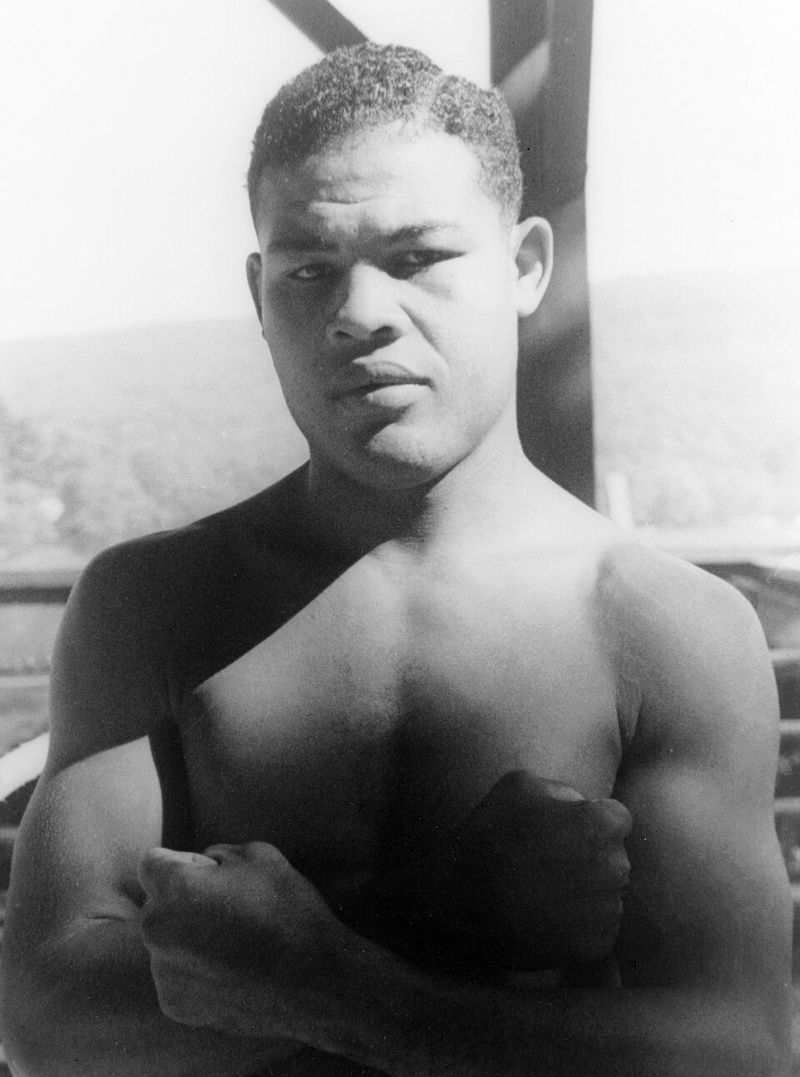
Joseph Louis Barrow was born on May 13, 1914, in Chambers County, Alabama. In 1926, his family moved north to Detroit as part of the Great Migration.
Growing up in the city, he found his way into a boxing gym. Before long, he turned professional in 1934 and fought until 1951.
Fans called him the Brown Bomber. He held the world heavyweight title from 1937 to 1949, one of the longest championship runs in boxing history.
That 1949 date comes up often among people who visit here. It marks the end of an era that shaped American sports.
I stood under the fist and tried to picture a quiet teenager from Detroit becoming a national hero. He did it with discipline, patience, and a famously powerful punch.
His fame grew far beyond the ring, largely because of one fight in 1938. That match is where the meaning of this monument really starts to land, so keep reading.
One Rematch That Moved a Nation
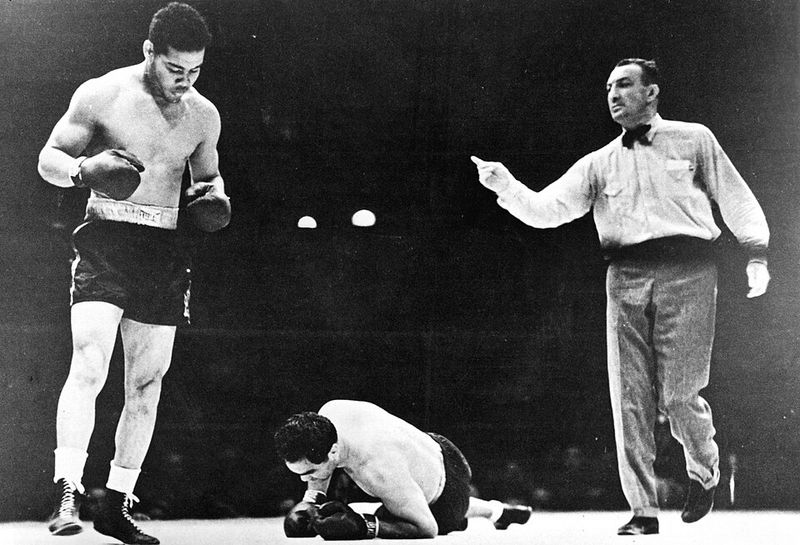
History buffs, this part is for you. In 1938, Joe Louis stepped into the ring for a rematch against German boxer Max Schmeling.
Schmeling had beaten him two years earlier. The rematch carried enormous weight because of world tensions leading up to World War II.
Louis won in the first round. The victory made him a symbol of national pride almost overnight.
He is widely regarded as the first African American to become a nationwide hero in the United States. That achievement happened during a time when the country was deeply divided by race.
Knowing this changed how I saw the sculpture. The fist stopped being just a cool piece of metal and started feeling like a statement about strength and dignity.
Plenty of visitors describe the same shift. They arrive for a photo and leave thinking about courage and perseverance.
So who decided to honor him with a giant floating arm? The answer surprised me, because it came from a magazine.
A Magazine Gift and a Sculptor’s Bold Idea
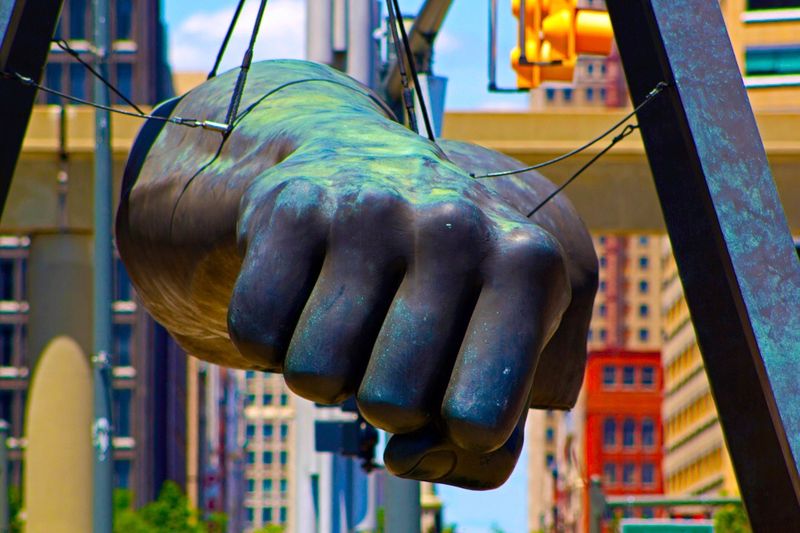
Sports Illustrated commissioned this monument, which still makes me grin. A sports magazine paying for a giant fist feels oddly perfect.
The artist was Robert Graham, a Mexican-American sculptor who lived from 1938 to 2008. He was known for civic monuments and striking bronze work.
The bronze was poured by Rolf Kriken, a respected bronze artist. The monument was dedicated on October 16, 1986.
Graham chose to show only the arm and fist, with no face or full body. That choice lets the piece speak about power and action rather than a single portrait.
I appreciated how simple it is. One shape, one gesture, and everyone instantly gets the idea.
The artist’s website still features the work among his civic monuments. A quick look there before your visit adds helpful background.
Of course, a sculpture this size raises a practical question. How much does a bronze arm like this actually weigh?
The numbers are hefty.
Heavyweight Numbers for a Heavyweight Champ
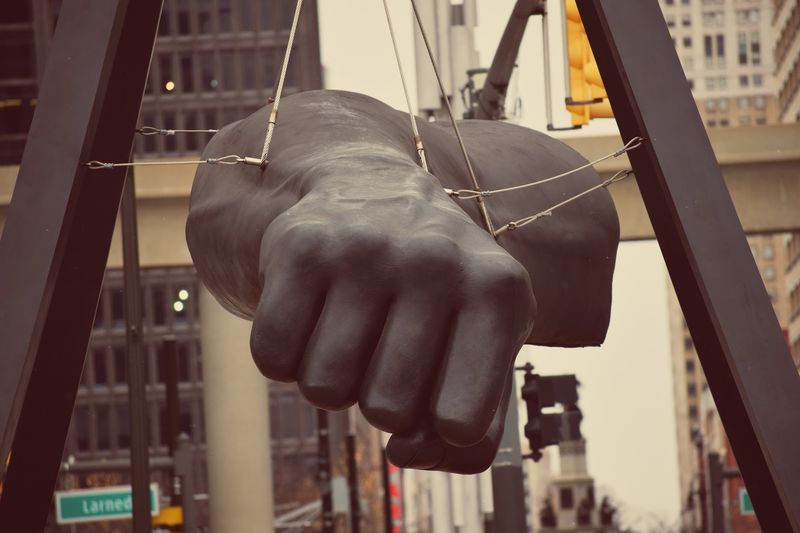
Fun fact for the trivia fans: the bronze arm alone weighs about 5,000 pounds. Add the framework, and the total climbs to roughly 8,000 pounds.
Pretty fitting for a heavyweight champion, right?
The arm hangs from cables attached to a four-sided pyramid structure. It looks like it is floating, which makes the whole thing feel dramatic.
I walked a slow circle around it to see every angle. From the side, the arm looks like it is mid-punch, ready to swing forward.
From underneath, you notice the details of the knuckles and the muscles in the forearm. The craftsmanship is impressive for something so large.
Some reviewers have wished it got a fresh polish now and then. On my visit, the bronze had a weathered look that honestly suited its age.
Sizing it up is fun, but the real joy comes when you start posing with it. Let me share some photo tricks next.
Strike a Pose, Throw a Punch
Everyone does the fist pose here, and I did not resist. Raising your own fist next to a 24-foot one is simply part of the experience.
Families get creative too. Kids line up to pretend they are punching the bronze knuckles or catching the arm mid-swing.
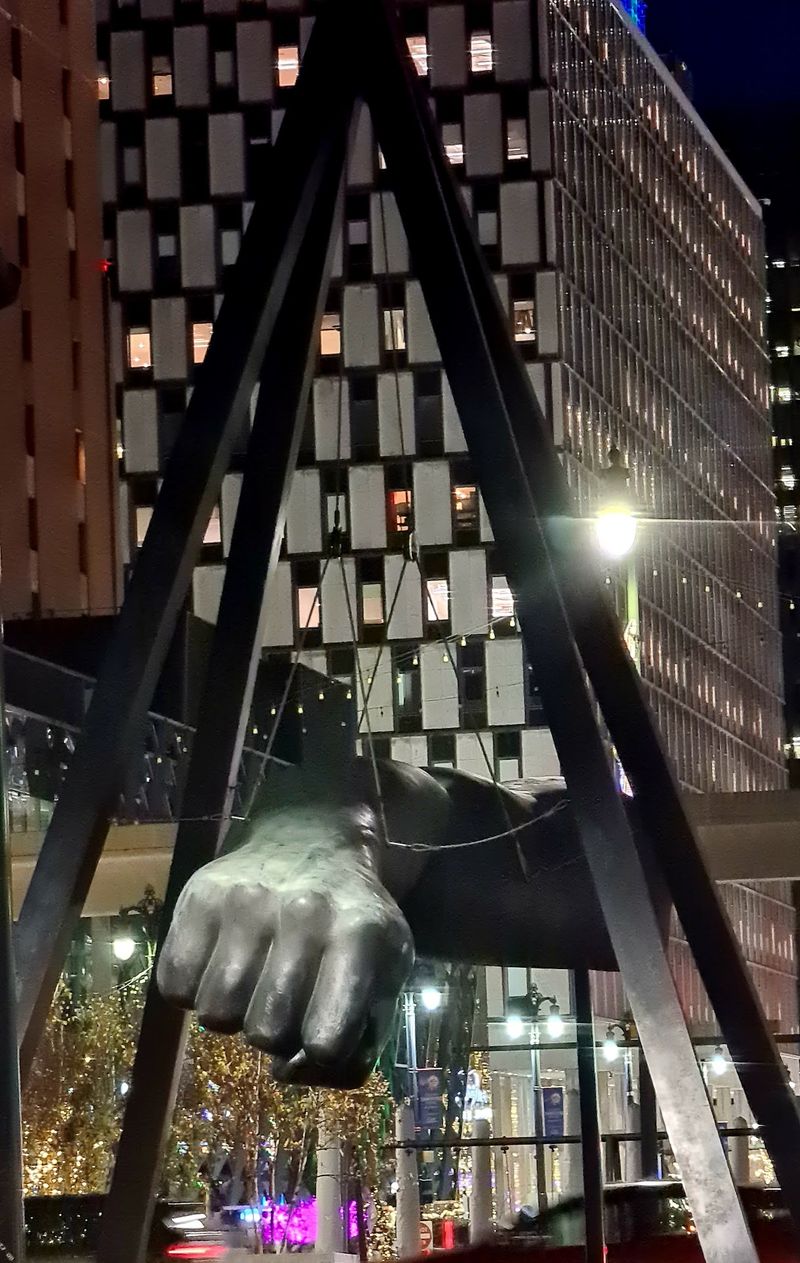
For a strong shot, stand back a bit so the full pyramid frame fits in. The Renaissance Center towers rise in the background from one angle, which makes the photo scream Detroit.
Night photos look great as well. City lights glow around the dark bronze and give it a moody, powerful feel.
Use the crosswalks to reach the median safely. Traffic moves quickly here, and dodging cars is not a sport I recommend.
I took a dozen shots before I found one I liked. That is a small price for a photo of a true city icon.
And here is a bonus: another famous statue waits just across the street.
A Famous Neighbor Across the Crosswalk
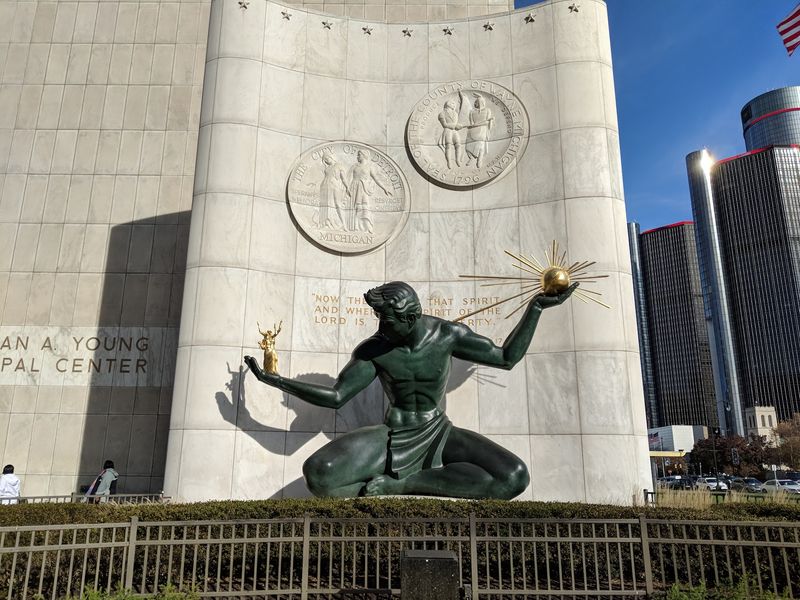
Two landmarks for the price of zero dollars? Count me in.
The Spirit of Detroit statue sits just a short crosswalk away. It is a large green bronze figure that has represented the city for decades.
Seeing both together tells a fuller story of Detroit’s identity. One shows raw strength, and the other shows the city’s sense of community.
I walked from the fist to the Spirit of Detroit in about a minute. The walk is easy as long as you wait for the signals.
Fans of boxing history should know that the fist is one of two monuments in Detroit honoring Joe Louis. The city clearly takes pride in its champion.
Pairing these stops makes a quick and memorable mini tour. Plan about 20 to 30 minutes total for both if you like taking your time.
Then keep going south, because the riverfront and a lively plaza are calling your name next.
Riverfront Views and a Plaza Next Door
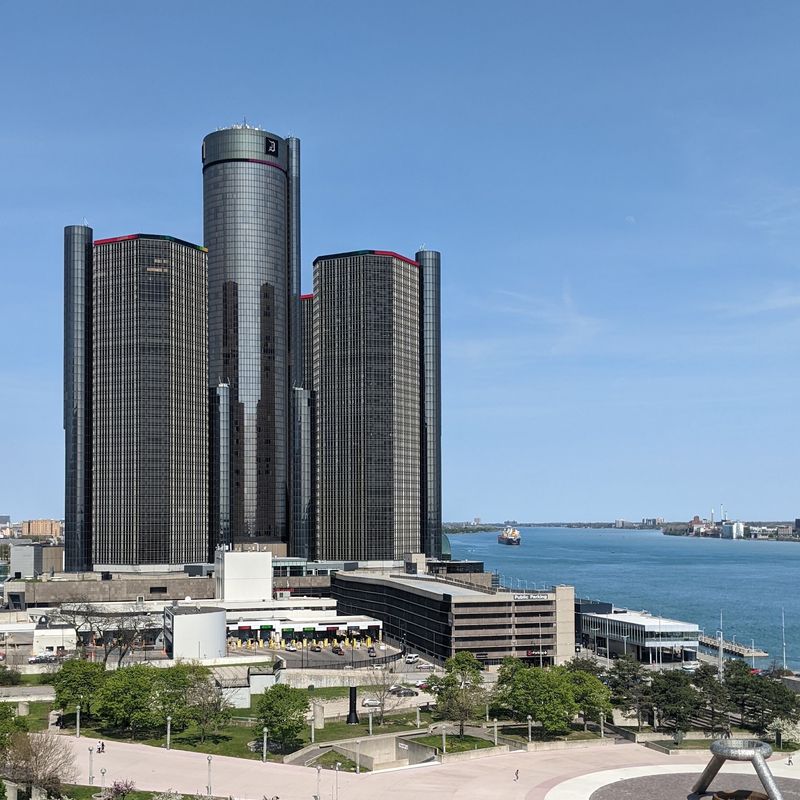
Just steps from the fist, Hart Plaza opens up toward the Detroit River. On a clear day, you can look across the water and see Windsor, Canada.
That view surprised me. Another country right there across the river is a pretty cool bonus for a free stop.
The plaza area has artwork and historical monuments to explore. It feels like an outdoor museum that you can wander at your own pace.
Construction and renovation have closed parts of the area at times. Expect some barriers, and check for updates before you go.
Longtime locals often say this area has changed a lot over the past 40 years. Back in the day, the fist was one of the few big features on the waterfront.
Today, the neighborhood feels busier and more welcoming. I saw joggers, families, and plenty of folks snapping photos.
All that walking gets you thinking about practical things, like where to leave your car. Good news ahead on that front.
Parking Smarts and Pit Stop Tips
Parking downtown sounded stressful, but it turned out simple. Garages and street spots are both available near the monument.
The nearby Ford Underground Garage is a handy choice. Visitors report paying around five dollars for two hours, though rates can change.
Street parking works too. Payment is handled through the Detroit parking app, so download it before you arrive.
One tip saved me some grief. GPS can get confused among the tall buildings, so know your route ahead of time.
There are no restrooms at the monument itself. Plenty of restaurants and cafes sit within walking distance if you need a break.
Bring a jacket in colder months. The riverfront breeze can be chilly, and standing still for photos makes it feel colder.
Comfortable shoes help as well, since you will probably wander to nearby sights. Speaking of timing, choosing the right hour can make a big difference, as I learned firsthand.
Early Birds Get the Empty Frame
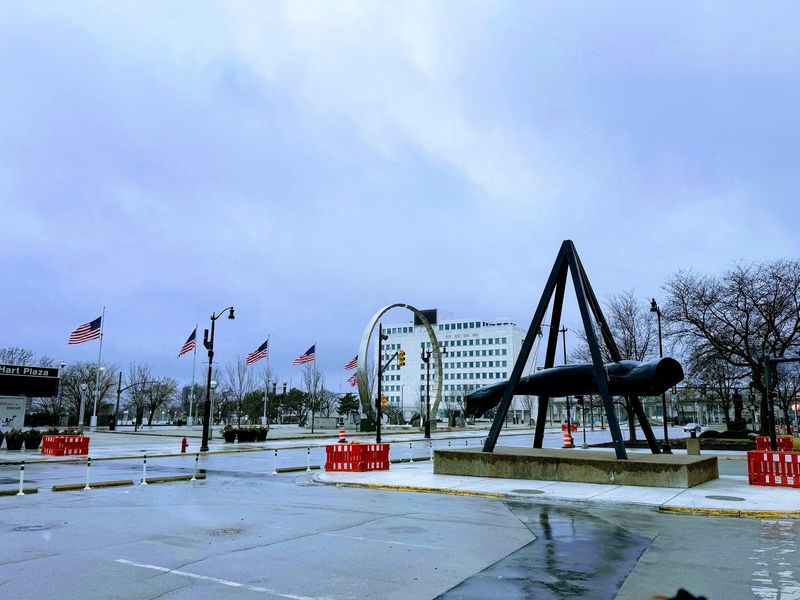
Timing is everything, both in boxing and in sightseeing. A weekend morning gave me the monument nearly to myself.
With no crowds, I could take photos slowly and read up on the history right there on my phone. It felt calm and personal.
Late evenings are quiet too. The lights of downtown create a different mood, and the bronze takes on a darker glow.
Weekday afternoons tend to be busier with traffic and workers. The area still feels lively and friendly, just less peaceful.
Events at Hart Plaza can draw big crowds. Check the city calendar if you want either a festival vibe or a quiet visit.
Winter visits are possible since the site never closes. Some fans have braved temperatures in the twenties just for a snapshot.
One thing I noticed no matter the hour surprised me a little. The monument skips a feature most people expect, and that is worth knowing before you go.
No Plaque, So Bring the Backstory
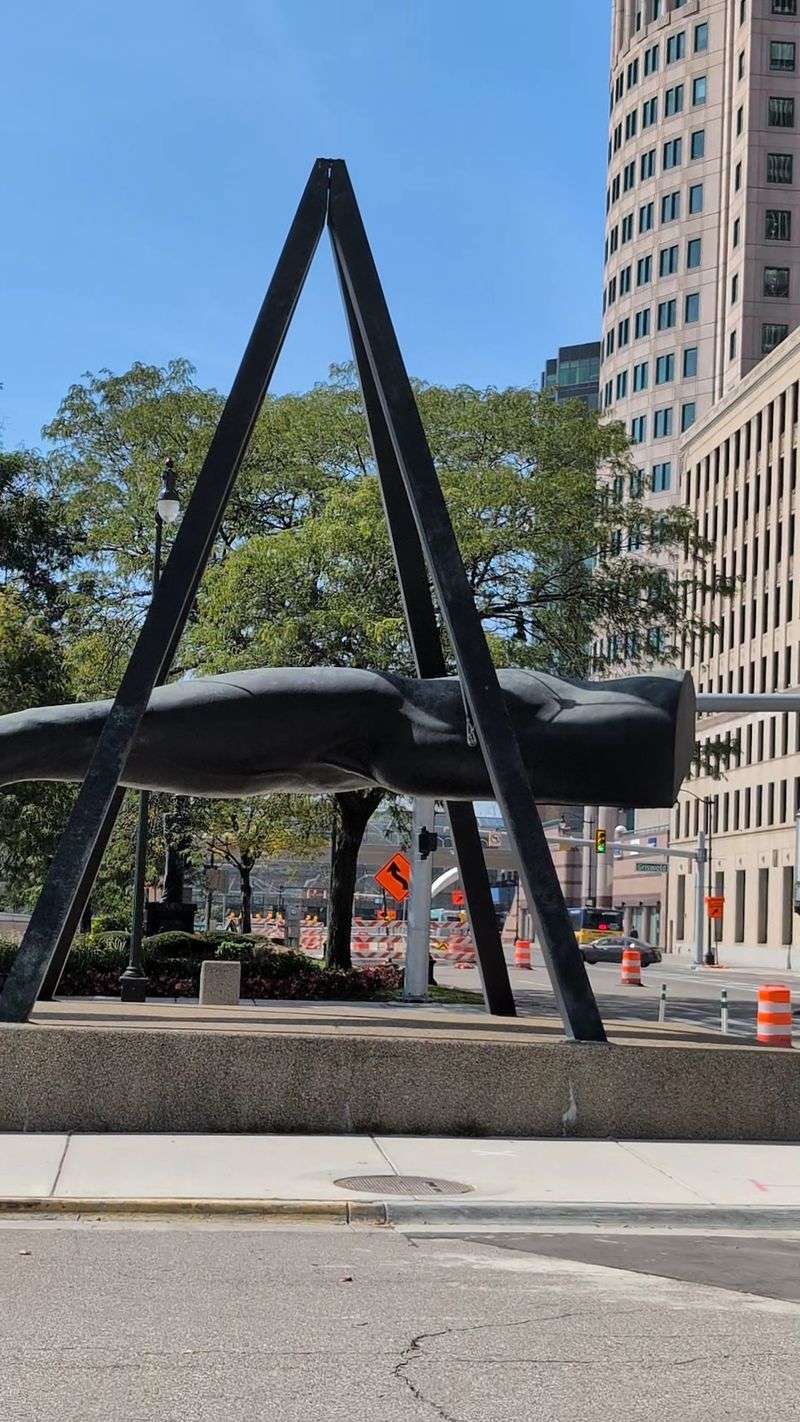
Here is the twist: I searched and could not find a plaque explaining the sculpture. Other visitors have mentioned the same thing.
Without background knowledge, someone might see only a giant fist. That is why I suggest learning the story before you arrive.
Read a little about Joe Louis, his 1938 rematch, and his Detroit roots. Those details turn a quick photo stop into something meaningful.
Bringing kids? Share a short version of his story while you stand under the arm.
Children tend to remember history better when they can see something huge in front of them.
Many visitors call the fist a symbol of Detroit’s fighting spirit and resilience. It reflects a city that keeps getting back up.
Some people even pause to think about their own goals. Hard work and steady effort were part of Louis’s legacy.
Once you know the story, the monument feels less like art and more like a pep talk in bronze.
Share this story