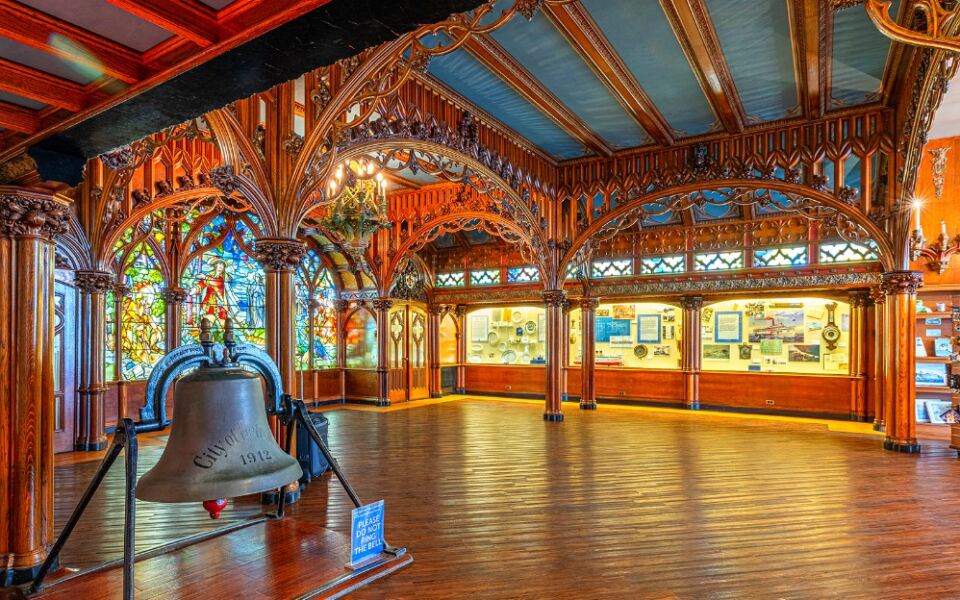
A whole room of carved oak and stained glass once floated across Lake Erie on a grand passenger steamer. Today, it sits inside a museum on an island in Detroit, and visitors can walk right into it.
That room is only the beginning. Outside, a massive anchor from the legendary Edmund Fitzgerald tells another remarkable Great Lakes story.
Upstairs, a real freighter pilot house overlooks the busy Detroit River.
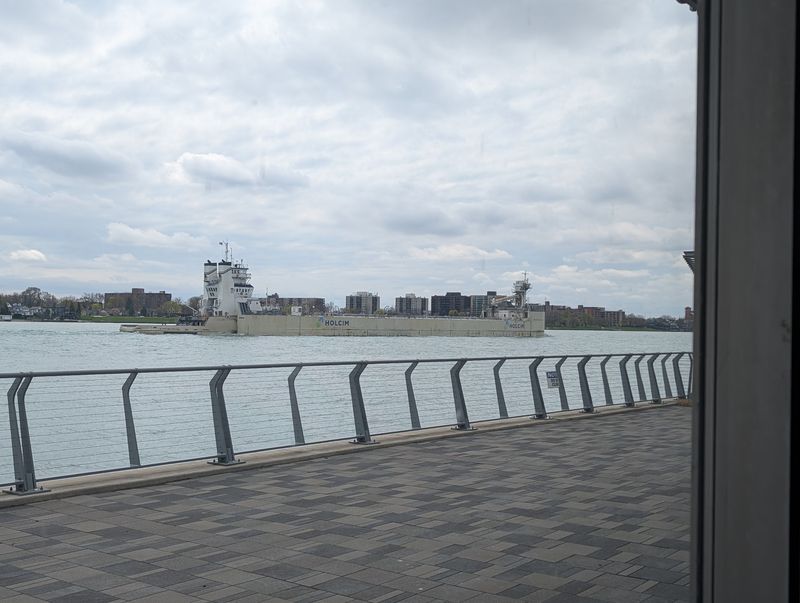
What makes this museum special is how the past and present come together. Massive lake freighters still glide past the windows while visitors explore the vessels that helped shape the region.
Michigan has plenty of museums, but few let you step inside a century-old ship’s lounge, explore an authentic wheelhouse, and look across the water toward Canada in one visit.
So how did a luxurious steamer room end up on an island in Detroit?
A Riverside Museum on Belle Isle
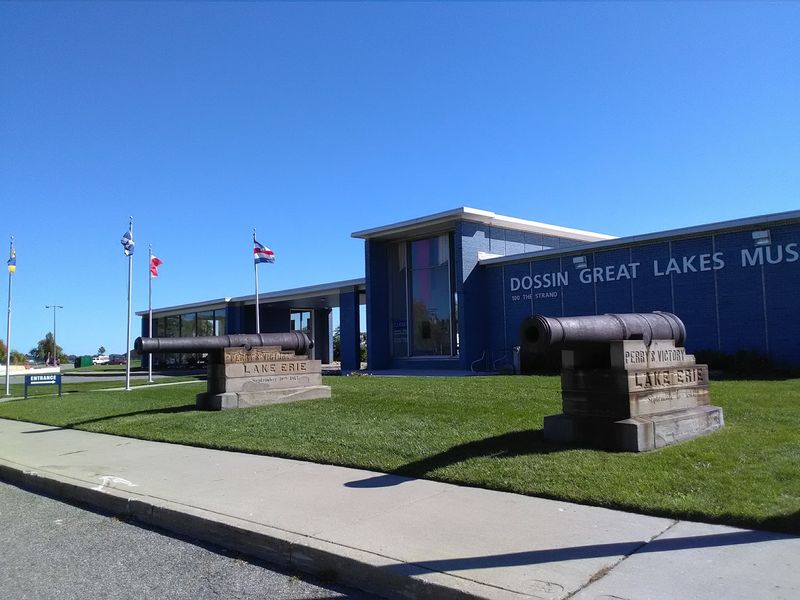
Few museums get a front-row seat to working ships, but the Dossin Great Lakes Museum sits right on the edge of the Detroit River. You’ll find it at 1100 Strand Drive, Belle Isle, Detroit, Michigan 48207, in the United States.
The museum opened in 1960 and is run by the Detroit Historical Society. Its focus is simple and specific.
It tells the story of Great Lakes shipping and how the Detroit River shaped the city around it.
Belle Isle itself is a big island park in the middle of the river. Getting there means crossing a bridge from the Detroit side, which already feels like a small adventure before you even park.
Inside, the exhibits cover hundreds of years of boats, sailors, and trade. You’ll see ship models, real pieces of vessels, old charts, and hands-on displays.
The building is not huge, so it works well for a relaxed stop. Current hours have it open Wednesday through Sunday, with Monday and Tuesday closed, but it’s smart to check before you go.
Of everything inside, one room stands apart from the rest, and it came straight off a famous steamer.
The Gothic Room From the City of Detroit III
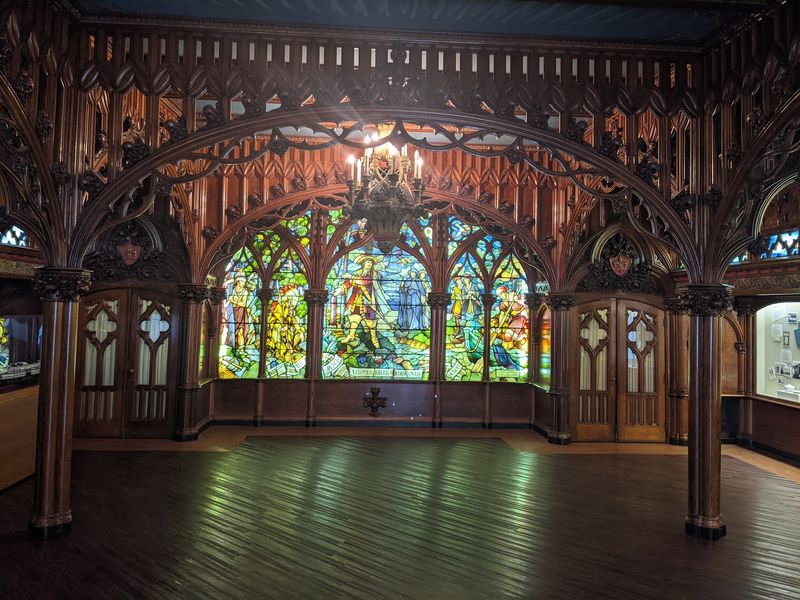
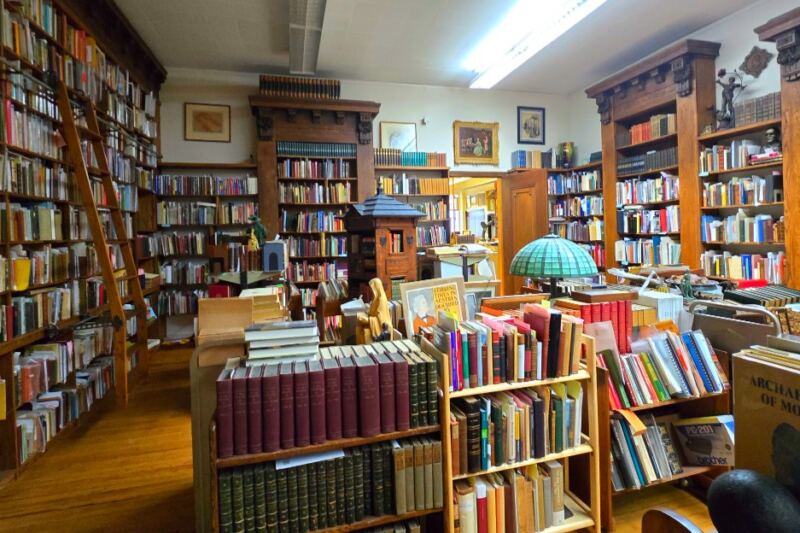
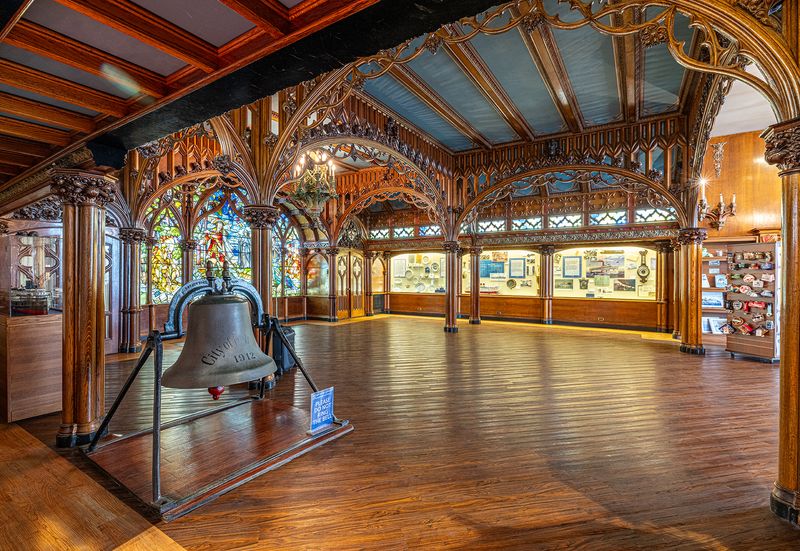
Carved oak arches, stained glass, and detailed woodwork fill a room that once sailed the Great Lakes. This is the Gothic Room, rescued from the passenger steamer City of Detroit III.
The ship was launched in 1912 for the Detroit and Cleveland Navigation Company. It carried travelers on overnight trips across Lake Erie, and it was one of the grandest side-wheel steamers of its time.
Back then, lake travel was a classy affair. Passengers expected lounges that felt like fine hotels, and this room was a gentlemen’s lounge built to impress.
When the steamer was retired and scrapped in the 1950s, this room was saved. It was later installed in the museum, where it now looks much like it did on the water.
I find it fascinating that the woodwork survived decades of travel and a full move to land. Take your time looking at the carvings, because the small details reward a slower look.
Many people walk in expecting ship models and leave talking about this room. It shows how much effort steamship companies once put into comfort, something today’s freighters out the window never bothered with.
Steering From a Real Freighter Pilot House
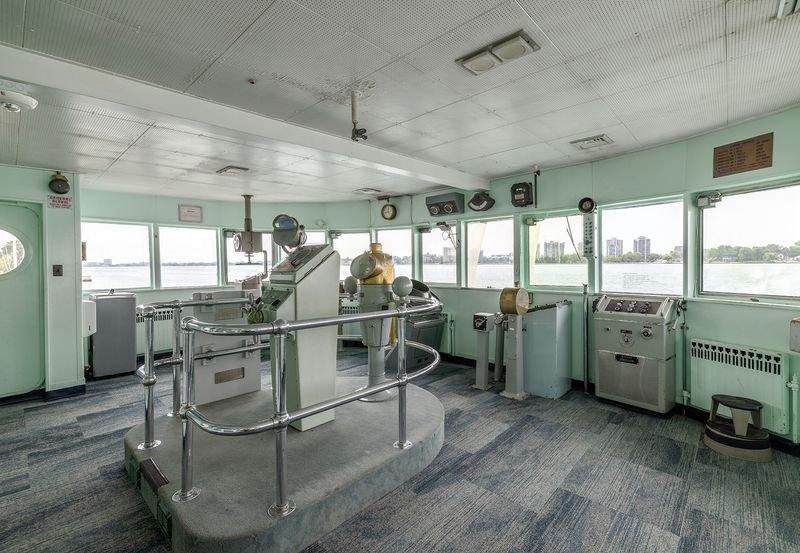
Want to see the river the way a ship captain once did? Climb into the pilot house from the freighter William Clay Ford, which is attached to the museum and faces the water.
The Ford was a Great Lakes ore carrier, and when it was retired, its pilot house was saved. Now it sits high enough to give you a wide view across the Detroit River.
Inside, you’ll find the wheel, controls, and navigation gear used to guide a long freighter. Old charts are also part of the space, and comparing them with today’s shoreline is a fun little puzzle.
The best timing is pure luck. If a freighter happens to pass while you’re standing there, you get a real ship moving below a real ship’s bridge.
I’d plan to spend extra minutes here, simply watching the river traffic. Bring patience, because ship schedules don’t follow museum hours.
From this spot you can also look across to Windsor, Ontario. Few places make the closeness of Canada feel so obvious, since the border is just a stretch of water away.
The Edmund Fitzgerald Anchor Outside the Doors
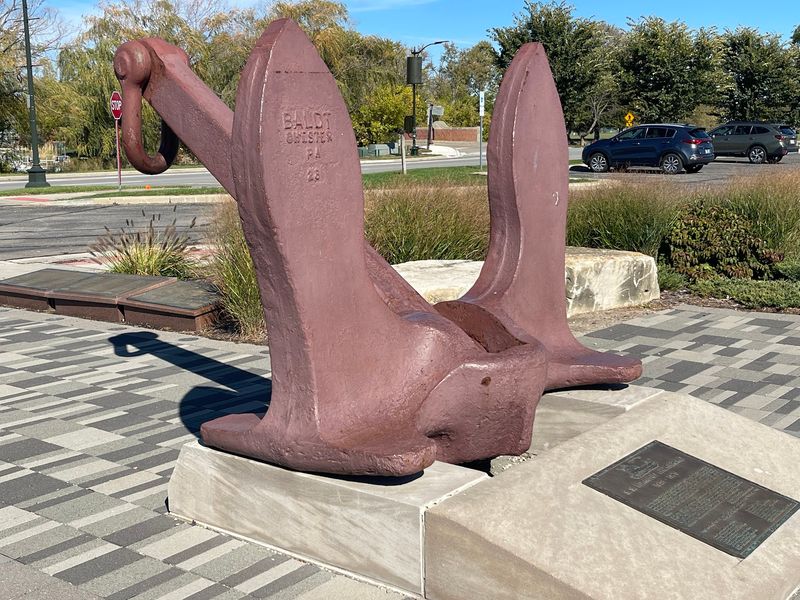
Even on days the museum is closed, one big piece of history waits outdoors. A large anchor from the Edmund Fitzgerald rests on the grounds near the entrance.
The Fitzgerald was a famous Great Lakes freighter that sank in Lake Superior in November 1975. Its story became widely known through a popular folk song by Gordon Lightfoot.
The anchor was recovered in 1992. Seeing it up close helps you understand the size of these ships, since an anchor alone dwarfs most people standing beside it.
Inside, the museum also shares exhibits about the Fitzgerald and its crew. The display is handled with care and respect, so it’s a quieter, more thoughtful part of the visit.
I’d suggest reading the panels slowly here. The story explains a lot about Lake Superior’s November weather and why sailors treat those storms so seriously.
Families with older kids can use the anchor as a starting point for questions. How heavy is it, and how did they pull it up?
The museum staff are a good source for answers.
Miss Pepsi and the Thunder of Hydroplane Racing
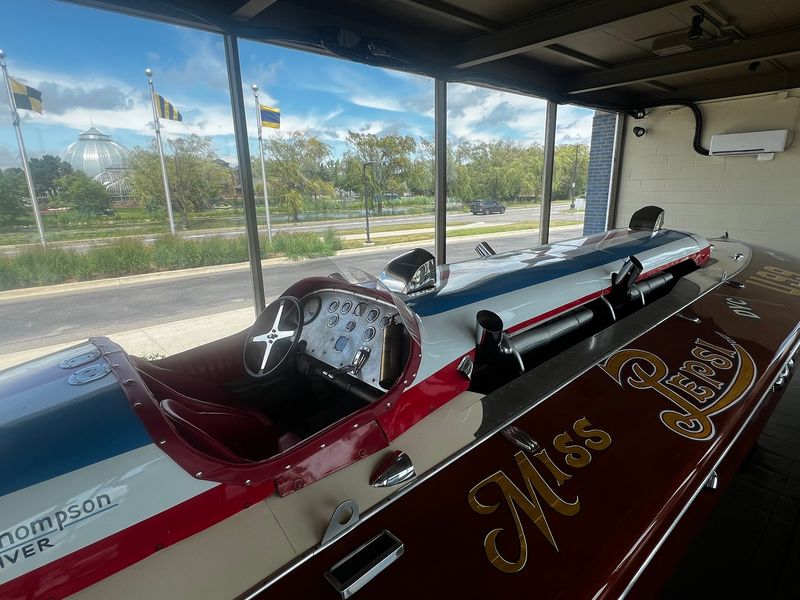
Speed fans, this one is for you. The museum displays Miss Pepsi, a vintage unlimited hydroplane race boat with a bold look.
Detroit has a long history with powerboat racing on the river. Big races drew crowds to the shoreline for decades, and hydroplanes like this one were the stars of those events.
Miss Pepsi raced in the late 1940s and 1950s. It’s a sleek, powerful boat built to skim across the water at serious speeds.
Standing next to it, you can see how different it is from the slow cargo ships elsewhere in the museum. One was built for hauling, and the other was built to win.
The museum also covers recreational boating and sailing in the area. It’s a reminder that the river was a playground as well as a workplace.
I like this part because it adds energy to the visit. Kids who aren’t thrilled by maps or charts often perk up around a race boat.
Detroit still hosts boat racing on the river, so this exhibit connects past and present in a fun, easy way.
A Mail Boat With Its Own ZIP Code
Here’s a fact that surprises a lot of people. A boat on the Detroit River has its own ZIP code, 48222, and the museum explains why.
The J.W. Westcott Company has delivered mail to passing ships for more than a century.
Its small boat pulls alongside moving freighters and passes mail up in a bucket on a rope.
Yes, the freighters keep moving during the handoff. It takes skill and steady nerves, which makes the whole process fun to learn about.
The exhibit shows how crew members far from home stayed connected with family. Letters, packages, and supplies all came through this floating post office.
I find this one of the most charming stories in the building, mostly because it’s still happening today. The service continues near the Ambassador Bridge area of the river.
It’s also a great conversation starter with kids. Ask them how they would get a letter onto a ship that never stops.
After this, the river outside feels a little more personal. Each passing freighter might just be waiting for its mail.
Three Centuries of River Stories
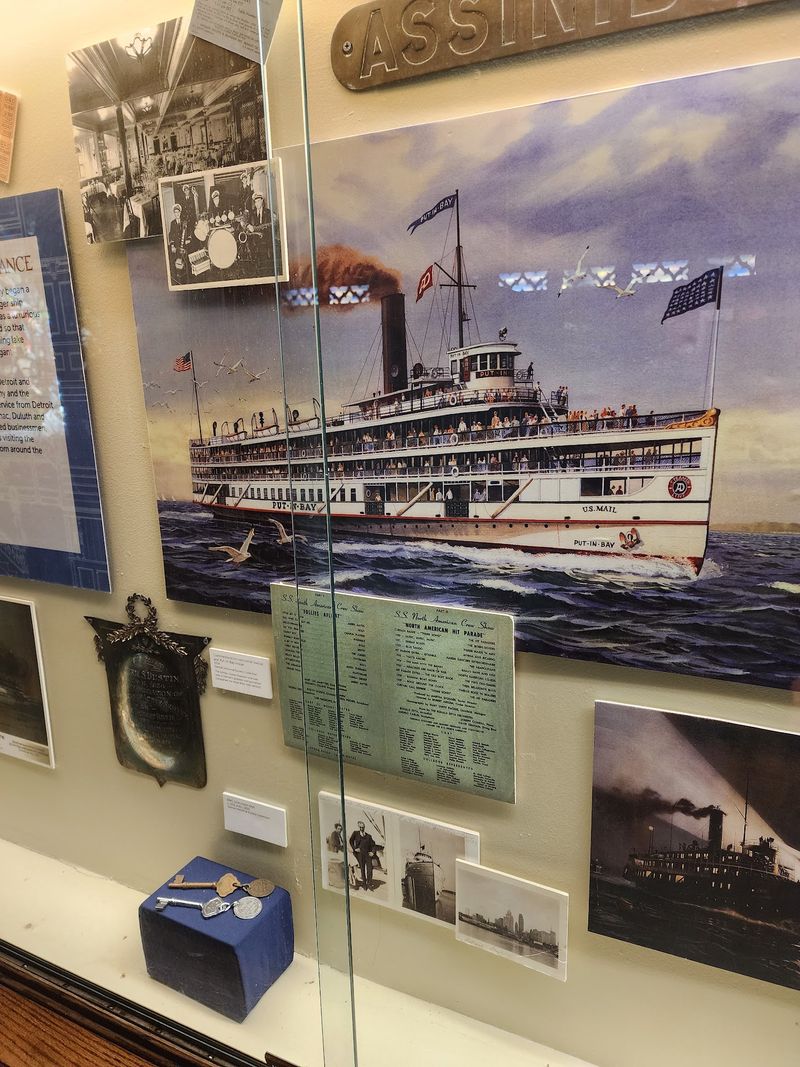
Long before freighters, canoes and sailing ships moved goods along this river. The museum traces that history from Detroit’s early days through the present.
Exhibits explain how the river helped Detroit grow into a trade center. Furs, lumber, iron ore, and grain all moved through these waters at different points in time.
One section covers the conflict of 1812, when Detroit played a bigger role than many people expect. It’s a part of local history that often gets skipped in school.
You’ll also see many ship models and miniatures. They help show how vessels changed in size and shape over the years.
A room with preserved maps from the 1800s and 1900s is great for slow browsing. Tracing old shorelines can easily keep you busy.
Short films add more background if you like learning by watching. They’re a nice break between the hands-on displays.
I’d start here before heading to the bigger showpieces. Knowing the river’s story first makes the Gothic Room and the pilot house feel even more meaningful.
Hands-On Fun for Young Sailors
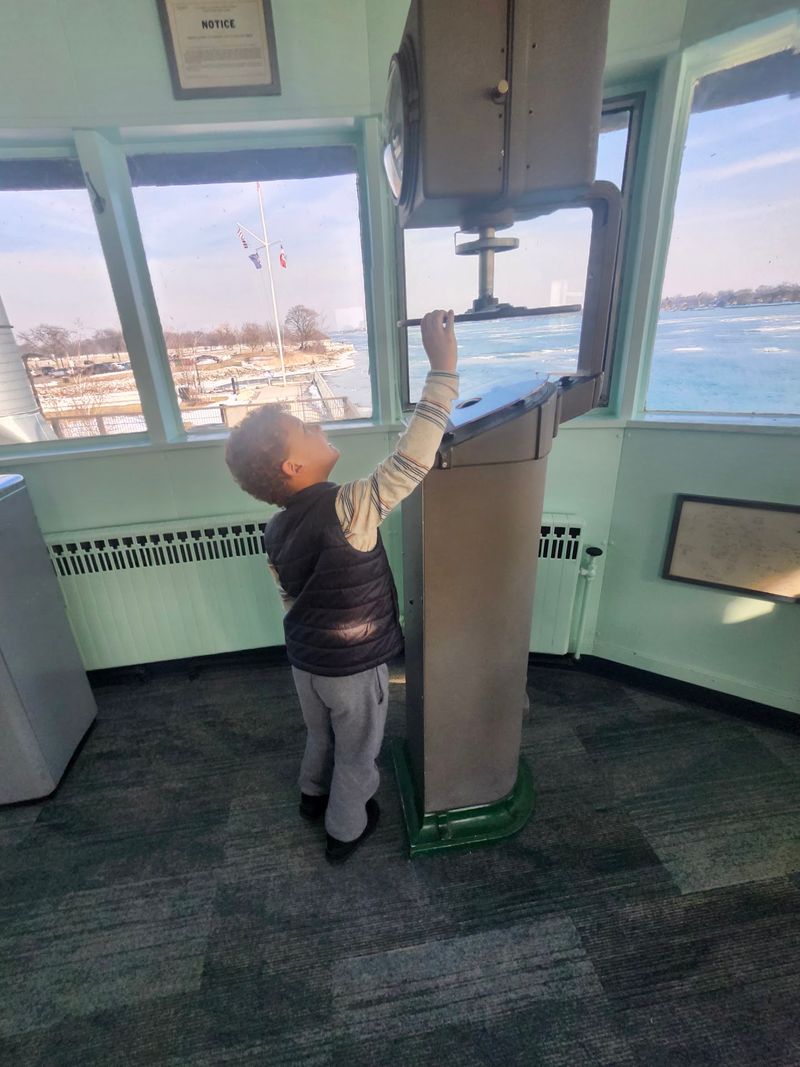
Little hands love a ship’s wheel, and the museum has one ready for spinning. Interactive displays are spread throughout the building.
Kids can try steering, explore real ship parts, and climb into spaces that feel like the inside of a boat. It keeps young visitors moving instead of just reading signs.
Even toddlers can join in. Simple activities like turning a wheel give them something to do while adults read the history.
Older kids can handle the deeper stories. The lighthouse displays, mail boat exhibit, and race boat tend to spark good questions.
I like that the museum is a manageable size for families. You can see a lot without wearing everyone out.
Staff members are known for being helpful and patient with questions. Don’t be shy about asking them what to see first with children.
One practical tip is to save time for the island afterward. Belle Isle has an aquarium, a conservatory, and plenty of open space nearby, which makes it easy to turn a museum stop into a full family day.
Lighthouses, Cannons, and Smaller Treasures
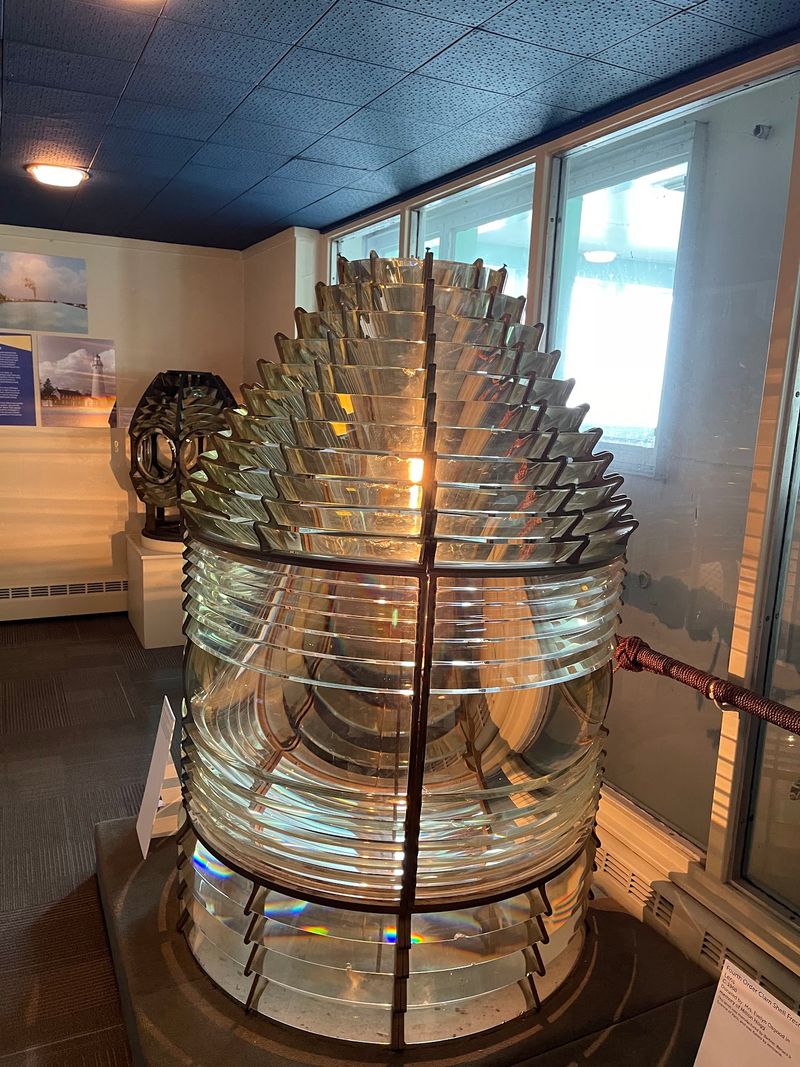
Some of the most rewarding things here are easy to walk past. Slow down, and the smaller exhibits start to shine.
Lighthouse fans will find plenty to study. The displays explain how lights helped guide ships through tricky waters on the Great Lakes.
Cannons are also part of the collection. They connect back to the river’s early military past and give history buffs something solid to look at.
Old navigation tools and ship equipment show how sailors worked before modern technology. Seeing these items makes you respect the skill crews needed.
I’d keep an eye on the woodwork throughout the building, not just in the Gothic Room. Many pieces came from real ships and carry fine craftsmanship.
A gift shop offers merchandise if you want a souvenir. It’s a small stop, but nice for picking up something for a ship-loving friend.
My advice is to make one quick loop first, then go back to what grabbed you. That second pass often reveals the details you missed, and this museum has plenty of them tucked into corners.
Planning Your Visit to the Island Museum
A little planning goes a long way on Belle Isle. The museum keeps limited days, so timing matters.
It’s typically open Wednesday through Saturday during daytime hours and Sunday afternoons. It’s closed Monday and Tuesday, so check the Detroit Historical Society before driving over.
Admission to the Dossin Great Lakes Museum is $5 for adults and children ages 6 and older. Children under 6 and Detroit Historical Society members enter free.
Families with five or more paid admissions from the same household receive a discounted rate of $4 per person. It’s an affordable way to explore centuries of Great Lakes history, though visitors arriving by car should also account for Belle Isle’s Recreation Passport requirement.
Belle Isle is a Michigan state park, and vehicles need a Recreation Passport to enter. Many Michigan drivers add it when renewing their license plates.
Parking near the museum is easy to find. The Belle Isle Aquarium is a short walk away, and the conservatory is close by too.
Most visitors can see the museum in under two hours. That leaves time for a picnic, a riverside walk, or a look across at Windsor.
I’d aim for a clear day. Good weather makes the pilot house views sharper, and you’ll want those freighters easy to spot from the windows.
Share this story