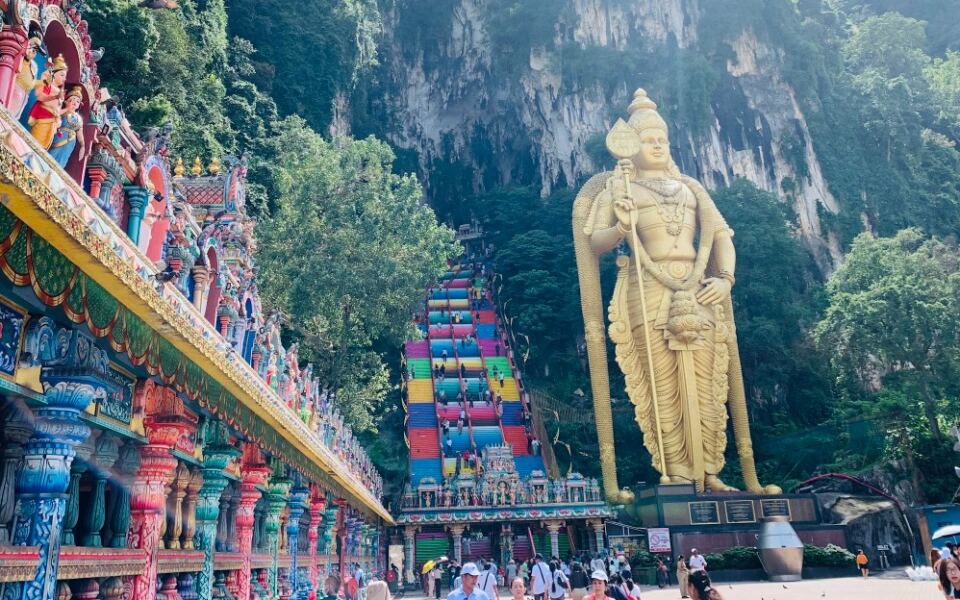
Rainbow stairs, a towering golden statue, and a limestone hill full of temples all wait just outside Kuala Lumpur. Batu Caves is a sacred Hindu site that millions of people visit every year.
It is also home to cheeky monkeys with big plans for your snacks. Here are ten things to know before you go.
The Golden Giant at the Gate
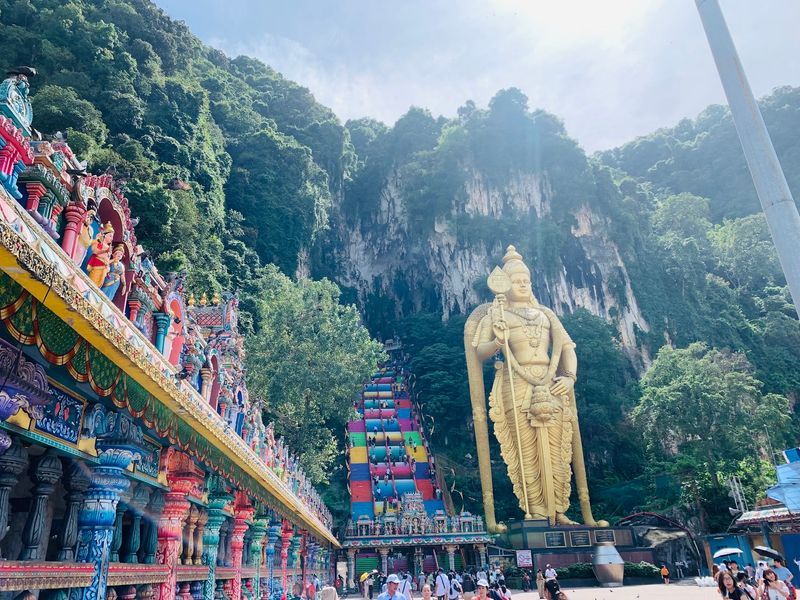
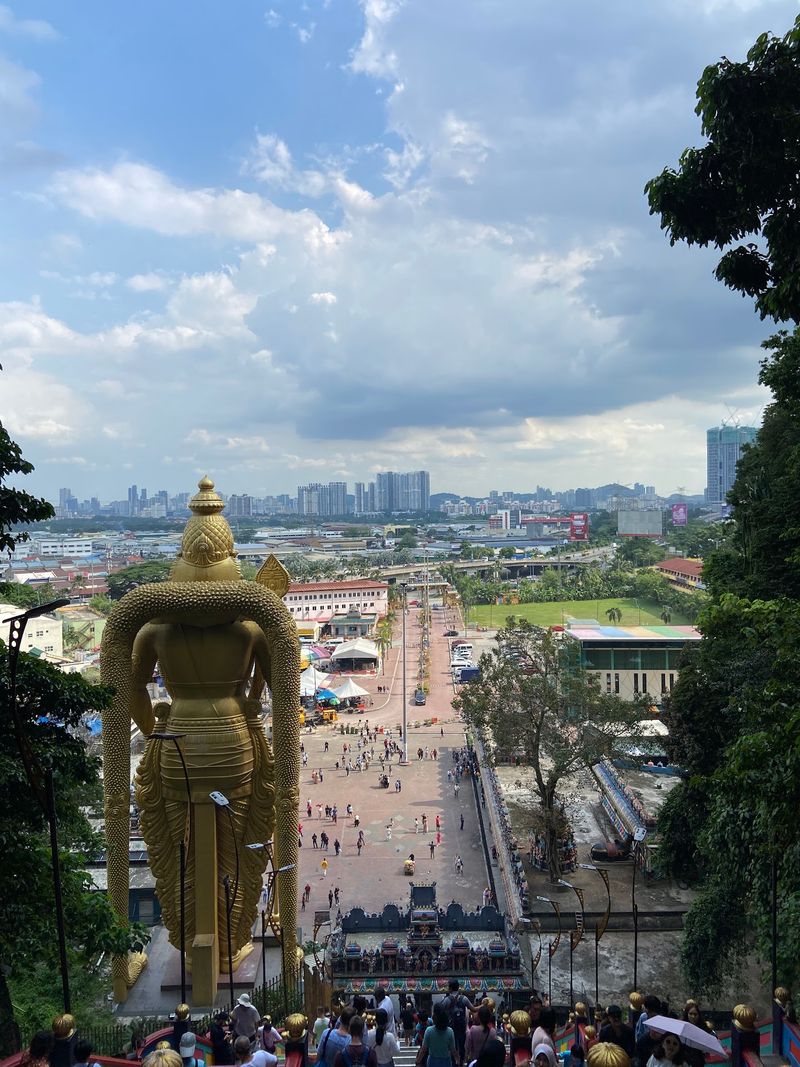
Stand at the bottom and tilt your head back as far as it goes. The golden statue of Lord Murugan rises about 42.7 meters, and it makes everyone around it look like a tiny toy figure.
It was unveiled in 2006 and is among the tallest Murugan statues in the world.
Murugan is honored as a god of war and victory, especially by Tamil Hindus. Against the pale gray limestone, the gold glows like a lantern, even on cloudy days.
Photographers love it, and so do pilgrims who stop for a quiet moment.
Here is a quirky fact. The statue took about three years to build and used hundreds of liters of gold paint, brought in from Thailand.
That is a lot of shine.
For the best photos, step back toward the open plaza and use a wide shot. Early morning light is soft and the crowds are thinner.
Lean in close too, because the details on the robes and face are worth a look.
Remember that this is a place of worship, so keep your voice low near the shrine areas. Your pictures will thank you for the calm.
272 Steps Painted Like a Rainbow
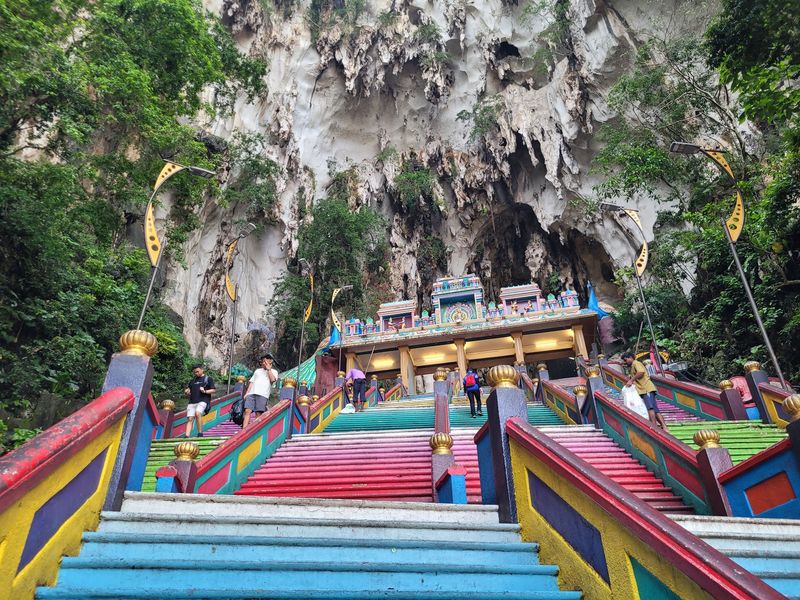
Count them if you dare. There are 272 steps, and every one of them is painted in bright stripes of color.
The staircase was repainted in 2018, and it instantly became one of Malaysia’s most photographed spots.
The climb is steeper than it looks. Metal handrails help, and plenty of visitors say the stairs feel more doable than expected.
Still, the steps are narrow, so watch your footing, especially when it is crowded.
Take your time and treat it like a slow hike. Pause on the landings to look back at the golden statue and the city beyond.
Nobody is racing you, and the views get better with each rest.
Bring water, since the heat and humidity can make the legs feel heavy. Wear shoes with grip, not slippery sandals.
Your calves may complain the next morning, but the rainbow photos are a fine trade.
If you want the staircase almost to yourself, arrive early. A quiet climb feels very different from a packed one.
Temple Cave at the Top
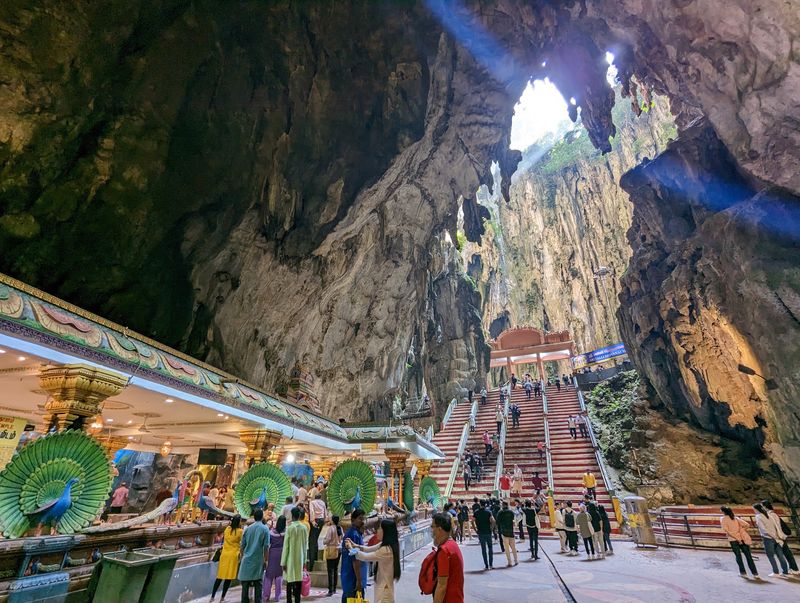
Reach the top and the air changes. You step into a huge limestone cavern, with a ceiling so high it seems to swallow sound.
Sunlight pours through openings above and lights up the shrines below.
This space is called the Temple Cave, and it holds several Hindu shrines. Worshippers come here with offerings, prayers, and quiet devotion.
Many reviewers call it clean, calm, and deeply peaceful.
The cave formations are a treat too. Stone ridges and hanging rock shapes have been growing here for a very long time.
Look up before you look down, because the ceiling is half the show.
Behave as a guest in a house of prayer. Cover your shoulders and knees, keep conversations soft, and ask before photographing people who are praying.
A little respect goes a long way here.
If you want a break, find a shady spot and let your breathing settle. The cool air inside feels like a reward after those stairs.
Monkeys With Zero Manners
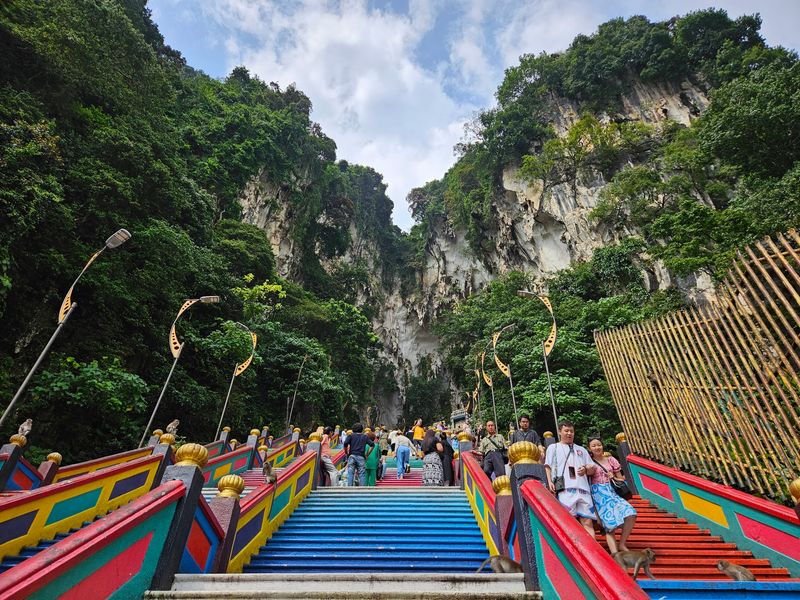
Hold onto your snacks, because the locals are watching. Macaques roam the stairs and plaza, and they have mastered the art of the quick grab.
One visitor lost a sandwich from a bag in a single swipe.
Water bottles are a favorite target. The monkeys poke holes in them to squeeze out the drink, and sugary ones are jackpots.
Loose caps, light bags, and shiny items also attract attention.
The easy fix is to leave food at the hotel. Carry a secure bag, zip every pocket, and avoid waving things around.
Never tease them or look them in the eye with a smile, since they may read it as a challenge.
Not all trips involve trouble. Many visitors enjoy watching the monkeys play, groom each other, and hop along the rails.
Keep a respectful distance and enjoy the show.
Early morning visits often mean fewer monkey run-ins. Some travelers saw none at all.
Beat the Heat and the Crowds
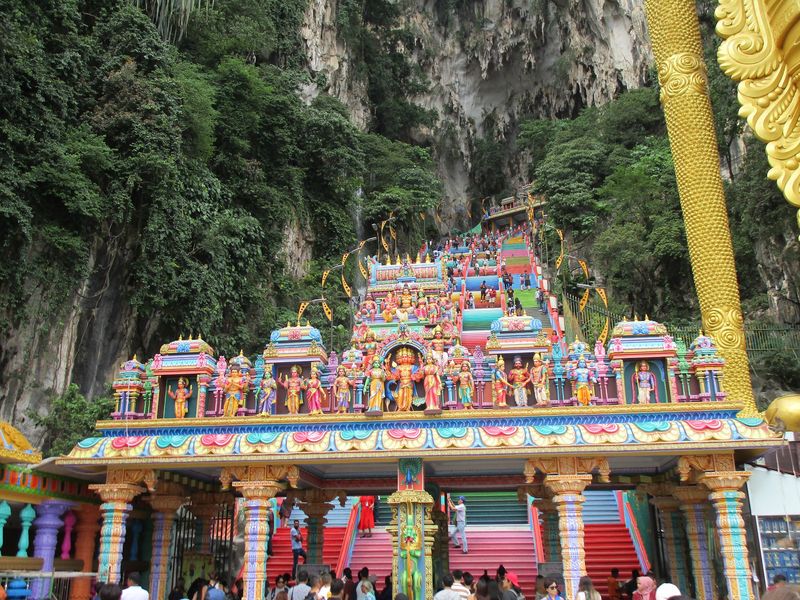
Set that alarm. Visitors agree that early morning is the golden hour for Batu Caves, in more ways than one.
One traveler climbed at 7:30 am and had almost no crowd.
Tour buses tend to roll in around 9:30 am. After that, the stairs fill up, the sun climbs, and the humidity turns the steps into a sweaty challenge.
Arriving before 9:30 keeps the day calmer and cooler.
Evening can work too. One reviewer went at night and found a pleasant breeze, fewer people, and no monkeys in sight.
Just check the opening times and plan your trip back.
The early start also helps with photos. Soft light makes the colors pop, and you will not have strangers in every frame.
You might even spot good views of Kuala Lumpur in the distance.
Pack a bottle of water and a hat. A short climb in the cool morning feels like a bonus, not a workout.
Dress Code and Etiquette
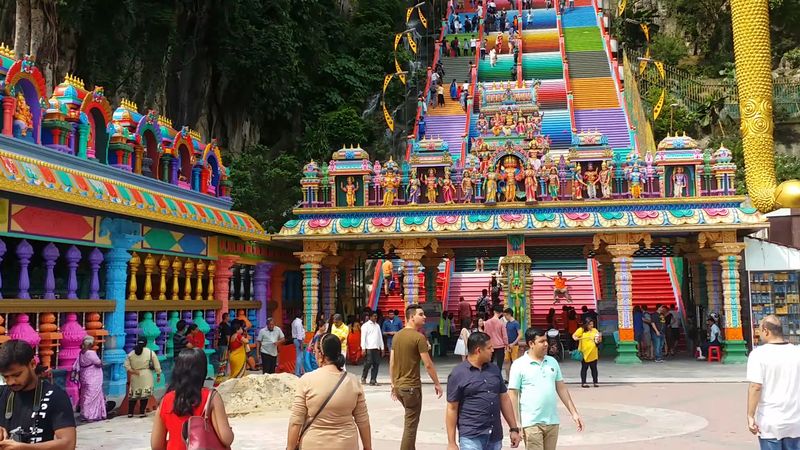
Batu Caves is a living place of worship, not just a photo stop. Many people there are praying, not sightseeing.
A little courtesy keeps the mood warm for everyone.
Cover your shoulders and knees when you visit. Light, breathable clothes work best in the heat.
If you forget, shops near the base often sell wraps and scarves.
Keep your voice low inside the cave, and follow any signs about shoes and photography. Step aside for worshippers who are carrying offerings.
Smile and move on if someone gives you a quiet nod.
Visitors from many cultures come here, and the mix feels friendly. Still, a respectful attitude makes you a better guest.
One reviewer noted that on an early visit most people around were worshippers.
Try to learn a few facts about Lord Murugan before you go. It adds meaning to every statue and shrine you pass.
Free Entry and Scam Alerts
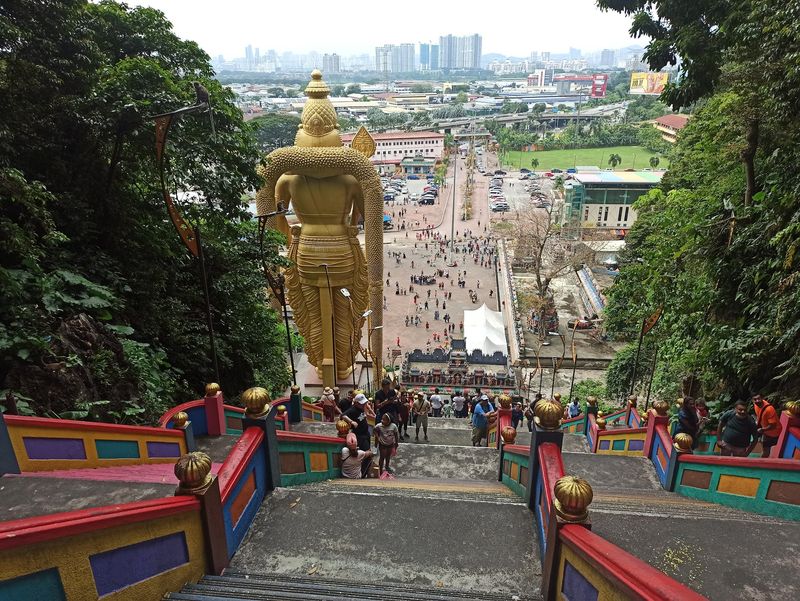
Here is some good news for your wallet. Climbing the main staircase and visiting the Temple Cave costs nothing.
Some side attractions charge small fees, but the headline experience is free.
Not everyone will tell you that, though. Several visitors reported people asking for money for parking or to go up.
Politely ignore them and keep walking.
Another tip comes from a reviewer. If people push you toward a different set of stairs on the left, you may be heading to a paid cave.
That one charges about 15 MYR per person. Look for the rainbow staircase and golden statue instead.
Parking can cost money, so carry a little cash. GPS may also lead you astray, so watch for road signs.
Taking the train avoids both problems.
With a little awareness, you can enjoy the site without any unwanted surprises. Stay calm, stay friendly, and keep your plan clear.
Getting There From Kuala Lumpur
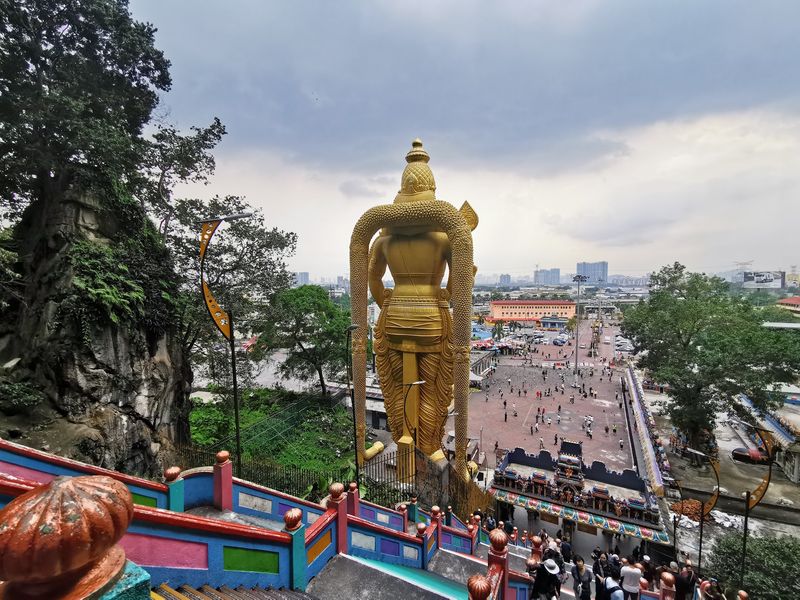
The trip is easier than you might fear. Batu Caves sits about 20 minutes by car from KLCC, depending on traffic.
Taxis and ride apps work well, and some people stop on the way to Genting Highlands.
The train is the budget pick. One traveler took the yellow line from KLCC park and tapped in with a credit card for 4.20 MYR.
Then came a transfer to the blue line for 2.70 MYR, where a token from the machine was needed.
Timing matters. The blue line runs about once an hour, so check the schedule before you leave.
A long wait on the platform can eat into your morning.
Buses are another option, though they take planning. If you join a tour, you may only have a short time at the site.
Going on your own gives you room to explore.
Expect to spend about an hour on site, or longer if you linger in the caves.
Four Hundred Million Years in the Making
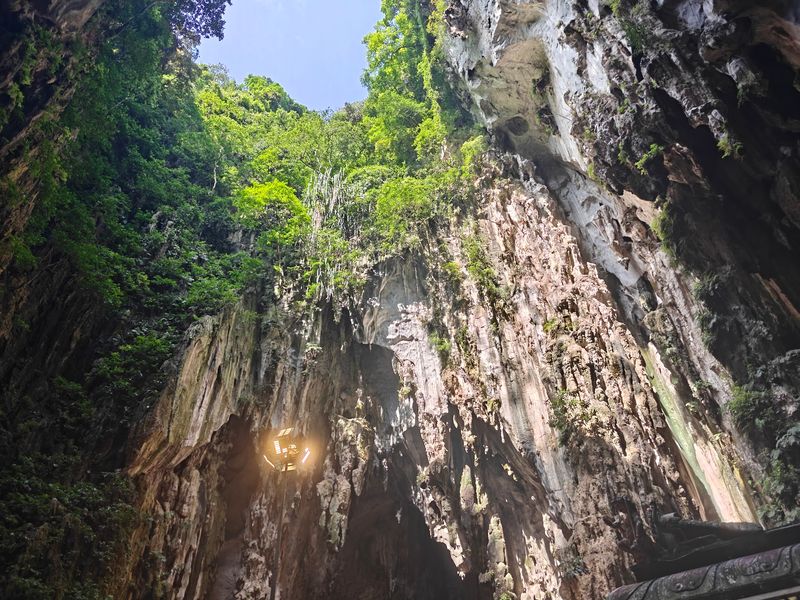
Long before stairs and statues, there was only stone. The limestone hills here formed about 400 million years ago.
That makes them far older than any temple, city, or monkey troop.
Hindu worship began around 1891, when a shrine to Lord Murugan was set up inside the cave. The first Thaipusam celebrations followed in 1892.
Since then, the site has grown into a major pilgrimage destination.
Thaipusam is the biggest event of the year, with thousands of devotees climbing the steps in a spirit of devotion. If you visit during the festival, expect huge crowds and a very lively scene.
It is a powerful sight, but plan carefully.
Outside festival days, history is still easy to feel. Look at the rock walls, the ceiling openings, and the older shrines tucked away inside.
Every corner tells you something about how nature and faith share the space.
It is a rare spot where geology and culture sit together so neatly.
Smells, Snacks and Souvenirs
Take a deep breath, then maybe a smaller one. Reviewers say the cave can carry a strong smell from bats and monkeys.
Some visitors pack a face mask or a small fan, and that is a smart move.
Bring water for the steep climb up and down. Leave food in your bag zipped tight, or better yet, leave it behind.
The monkeys will not ask politely.
Back at the bottom, the reward begins. Fresh coconuts are a fan favorite, and one traveler called it the most satisfying drink after the climb.
Cold, sweet, and served right in the shell.
Souvenir shops line the base, with magnets, prayer items, and colorful trinkets. Prices can vary, so look around before you buy.
Pigeons will often flutter around the plaza, adding to the busy scene.
Give yourself time to wander. Some of the best moments come after the stairs, with a drink in hand and tired, happy legs.
Share this story