Food names can be confusing. Many popular dishes carry the name of a country or place that had little to do with creating them.
From breakfast favorites to dinner staples, the real stories are often surprising. Here are eleven well-known foods and where they actually came from.
1. French Toast: Ancient Rome, Not France
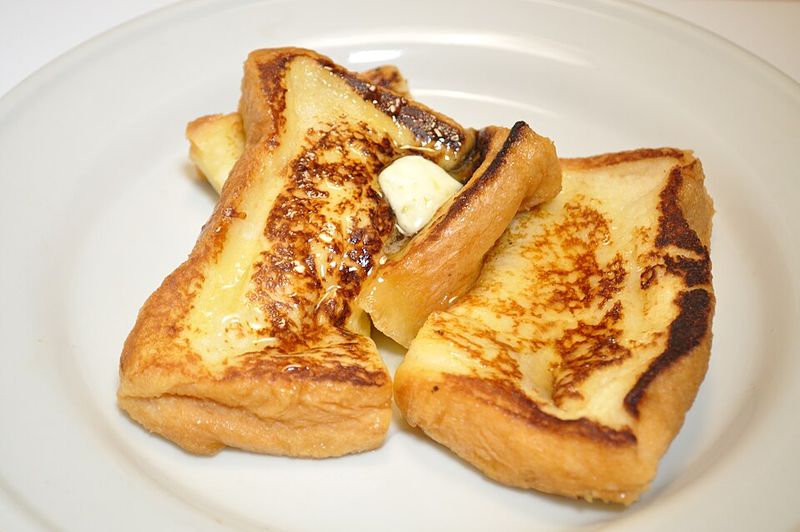
Crisp edges, soft middle, and a drizzle of syrup: French toast is a breakfast classic. Yet the earliest known recipe appears in a Roman cookbook often linked to Apicius, which describes soaking bread in milk and eggs and then frying it.
The dish spread across Europe over the centuries. Cooks everywhere used it as a smart way to rescue stale bread, so many countries have their own versions and names.
In France it is called pain perdu, which means lost bread.
The name French toast showed up in English in the 1600s. One popular story says a man named Joseph French sold it in the 1700s, but the dish was already much older by then.
Whatever the label, the idea is simple and thrifty, and it has fed families for nearly two thousand years.
2. German Chocolate Cake: A Texas Tale
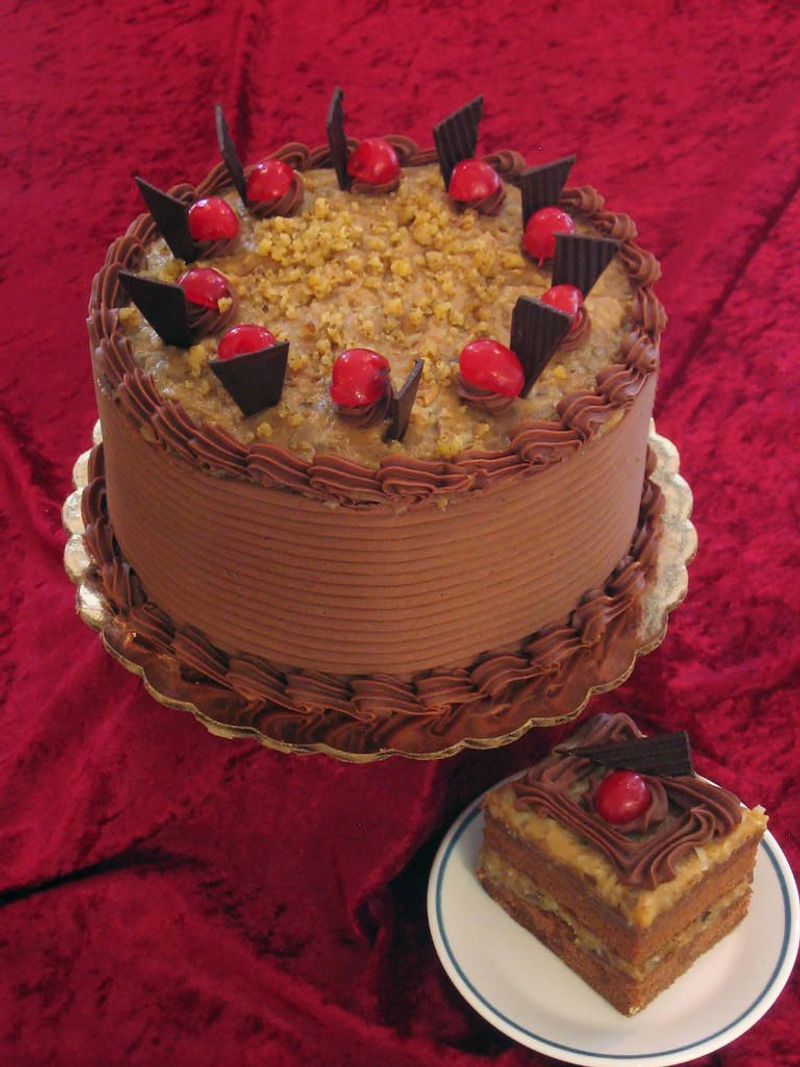
Here is a trivia question that trips up plenty of bakers: is German chocolate cake from Germany? It is not.
The name comes from Samuel German, an English-American baker who created a type of baking chocolate for the Baker’s Chocolate Company in 1852.
The company named the product Baker’s German’s Sweet Chocolate in his honor. Decades later, in 1957, a Dallas newspaper printed a recipe from a home cook that used this chocolate.
The cake became hugely popular across the country.
Over time the possessive form dropped away, and people began to assume the cake had German roots. Its signature coconut and pecan frosting is thoroughly American.
So the next time you see this dessert at a potluck, you can share the real story along with a slice.
3. Hawaiian Pizza: Born in Canada
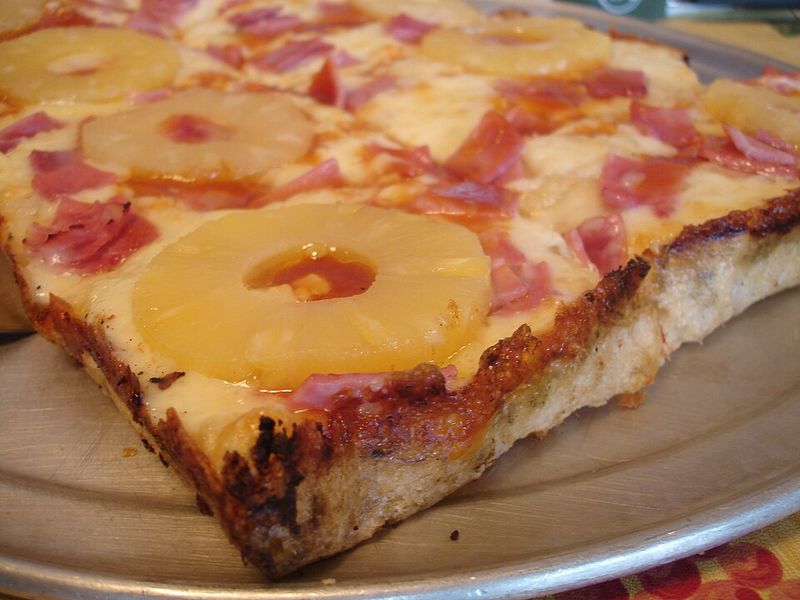
Few toppings spark debates like pineapple on pizza. The surprise is that this combination was not dreamed up on a beach.
Sam Panopoulos, a Greek-born restaurant owner in Chatham, Ontario, created it in 1962.
He was experimenting at his restaurant, the Satellite, and decided to try canned pineapple with ham. Customers were curious, and the pizza soon found fans.
The name came from the brand of canned pineapple he used, which was called Hawaiian.
Panopoulos often said he never expected the idea to travel so far. Today the pizza is sold around the world, and people still argue about whether fruit belongs on a pie.
Love it or not, it is a Canadian invention with a tropical label.
4. Swiss Steak: Tenderized in the U.S.
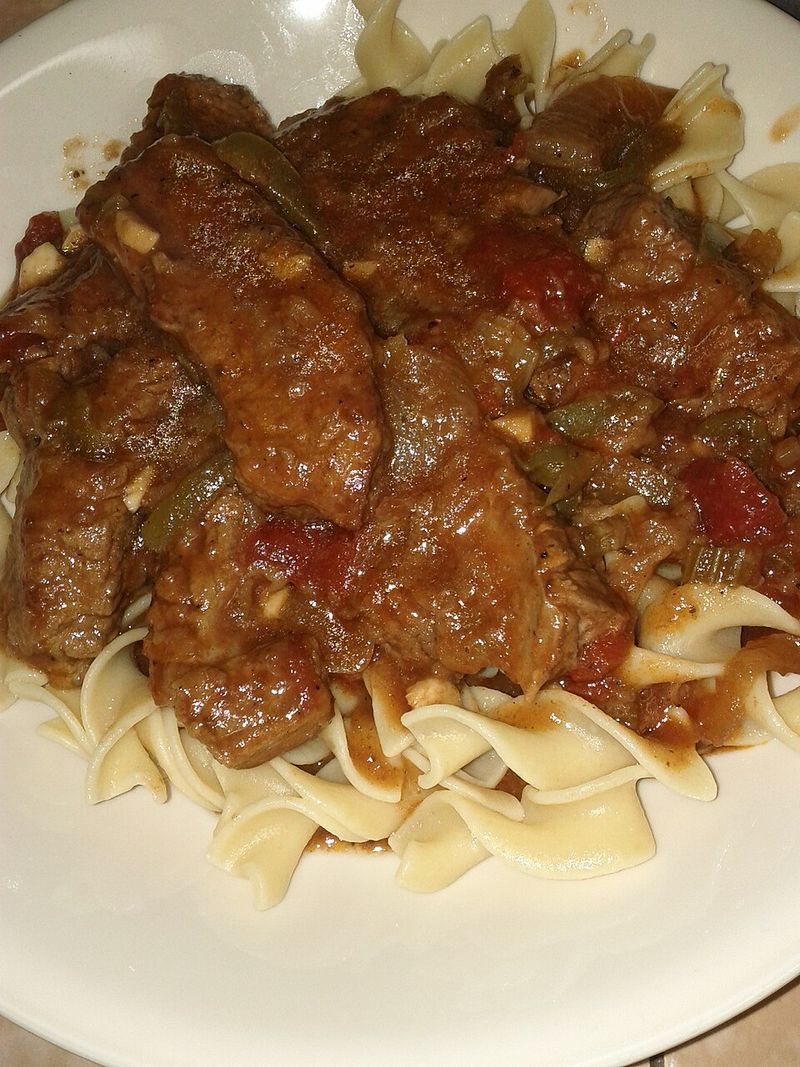
Nothing about a tomato-braised steak says Alps. Swiss steak is a comfort dish from North America, and it has no link to Switzerland’s cuisine.
The name comes from a cooking technique called swissing, which means pounding or rolling cloth or metal to soften it.
In the kitchen, cooks pounded tougher cuts of beef to make them tender. After that, the meat was browned and slowly simmered in a sauce of tomatoes and onions.
It was a practical way to turn an inexpensive cut into a hearty meal.
The dish became a staple of home cooking in the early 1900s. It is often served over mashed potatoes or egg noodles.
So the Swiss in the name describes the method, not the country.
5. Russian Dressing: An American Creation
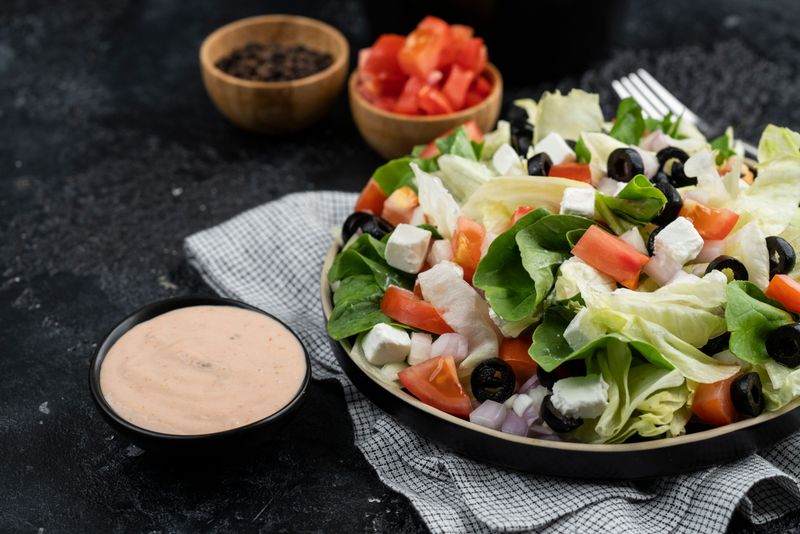
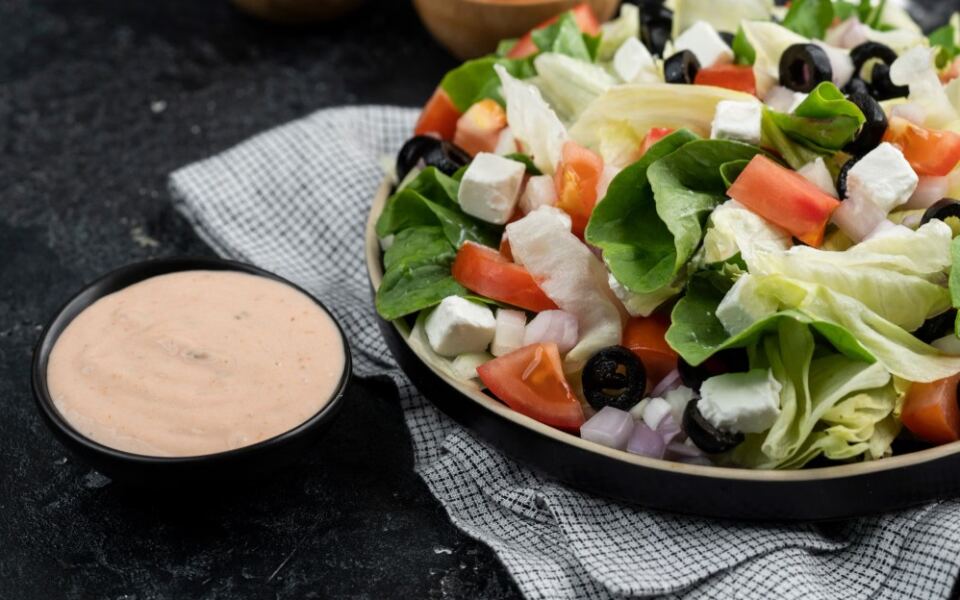
Picture a deli counter and a Reuben sandwich dripping with tangy pink sauce. That sauce is Russian dressing, and it was most likely first made in New Hampshire in the early 1900s.
A grocer named James E. Colburn is often credited with the recipe.
The original version reportedly included caviar, which was linked to Russia at the time. That is a popular explanation for the name.
Later versions swapped the pricey caviar for ingredients like ketchup, chili sauce, and horseradish.
The dressing became a pantry favorite and a classic partner for sandwiches and salads. It is often confused with Thousand Island dressing, which is similar but usually sweeter.
Either way, the roots of this sauce are firmly in the United States.
6. English Muffins: A New York Invention
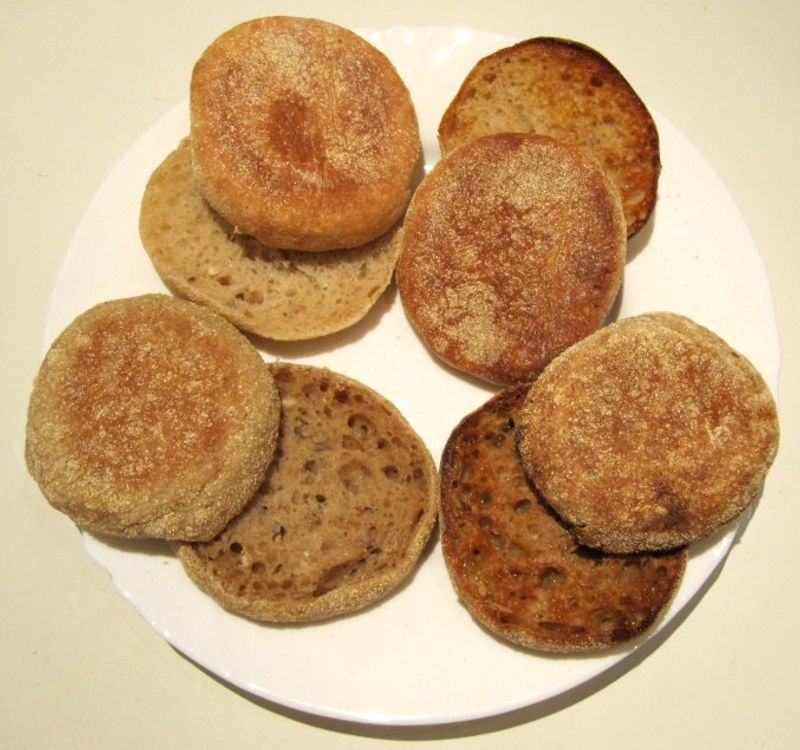
Those famous nooks and crannies are not an English tradition at all. The modern English muffin was developed by Samuel Bath Thomas, an English immigrant who opened a bakery in New York City in 1880.
Thomas cooked his rounds on a griddle instead of baking them in an oven. The result was a soft, chewy bread with a craggy inside that holds butter and jam well.
He sold them to hotels and restaurants, and demand grew quickly.
Similar griddle breads existed in England, so his idea had a family resemblance to older foods. But the product people know today as an English muffin took shape in America.
Eggs Benedict later made it a breakfast star, which helped it spread even further.
7. French Fries: A Disputed Beginning
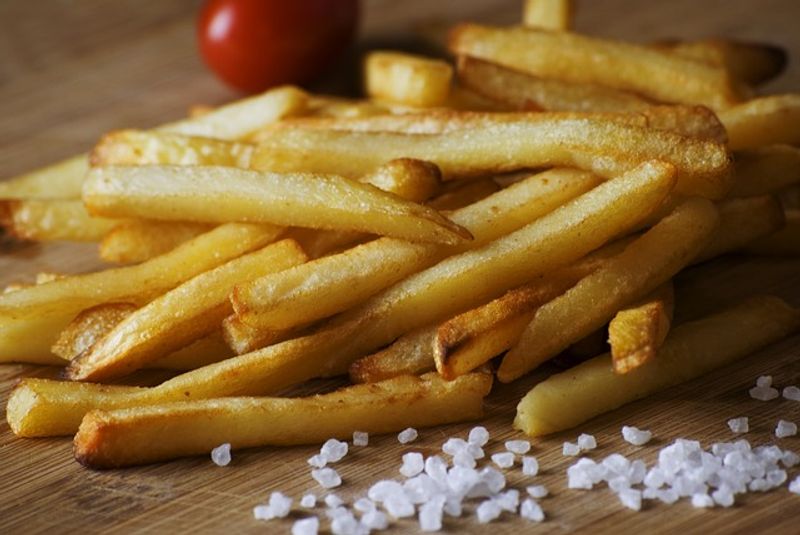
Ask Belgians and the French who invented fries, and you may start a friendly argument. Belgians point to a story from the late 1600s in the Meuse Valley, where villagers supposedly fried small fish.
When the river froze, they cut potatoes into fish shapes instead.
The French have their own claim. Fried potatoes were sold on the streets of Paris around the end of the 1700s.
Historians have not found proof that settles the debate.
The name may come from American soldiers in World War I. They tasted fries in the French-speaking part of Belgium and called them French.
Today the dish is loved nearly everywhere, and the true origin remains an open question.
8. Danish Pastries: Austrian Inspiration
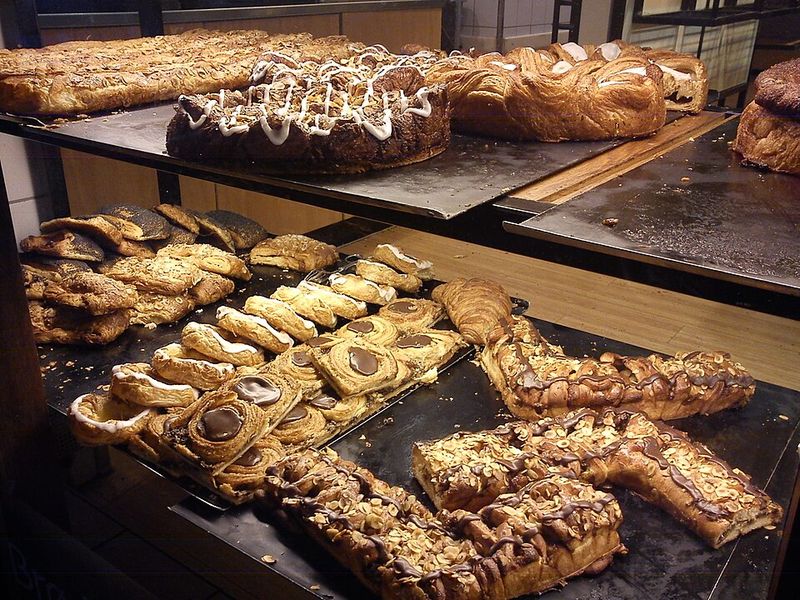
Flaky, buttery, and often filled with fruit or custard, Danish pastries look like a local specialty of Copenhagen. Their story is more complicated.
In the 1850s, a bakers’ strike in Denmark led bakery owners to hire workers from Austria.
Those bakers brought along their techniques for laminated dough, which is folded again and again with butter. Danish bakers adapted the methods and added their own touches.
In Denmark the pastry is called wienerbrod, which means Vienna bread.
That name gives away the Austrian link. The pastry later traveled to the United States with Danish immigrants and picked up the Danish label there.
So it is a shared creation, with Austrian inspiration and Danish refinement.
9. Chicken Tikka Masala: A Britain Link With Debate
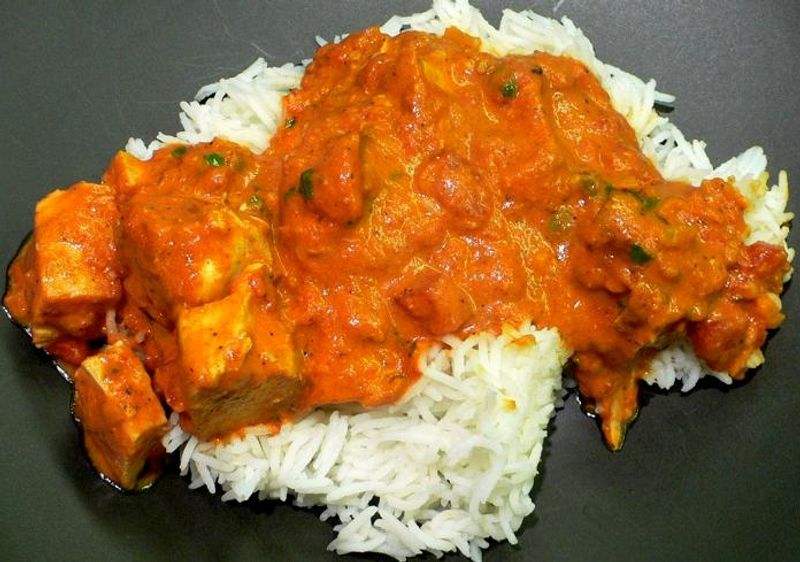
Britain’s foreign secretary once called it a true British national dish, and that comment in 2001 made the curry famous for its story as much as its flavor. Chicken tikka masala is often linked to Indian restaurants in the United Kingdom, especially in Glasgow.
One popular tale says a chef added a yogurt-based sauce to dry chicken tikka after a customer complained. Another version gives credit to cooks in South Asia.
No single account has been proven.
What is clear is that grilled marinated chicken, known as tikka, has South Asian roots. The creamy tomato sauce version rose to popularity in Britain.
The dish reflects how food changes when cultures meet, and its exact origin remains disputed.
10. Baked Alaska: A New York Showpiece
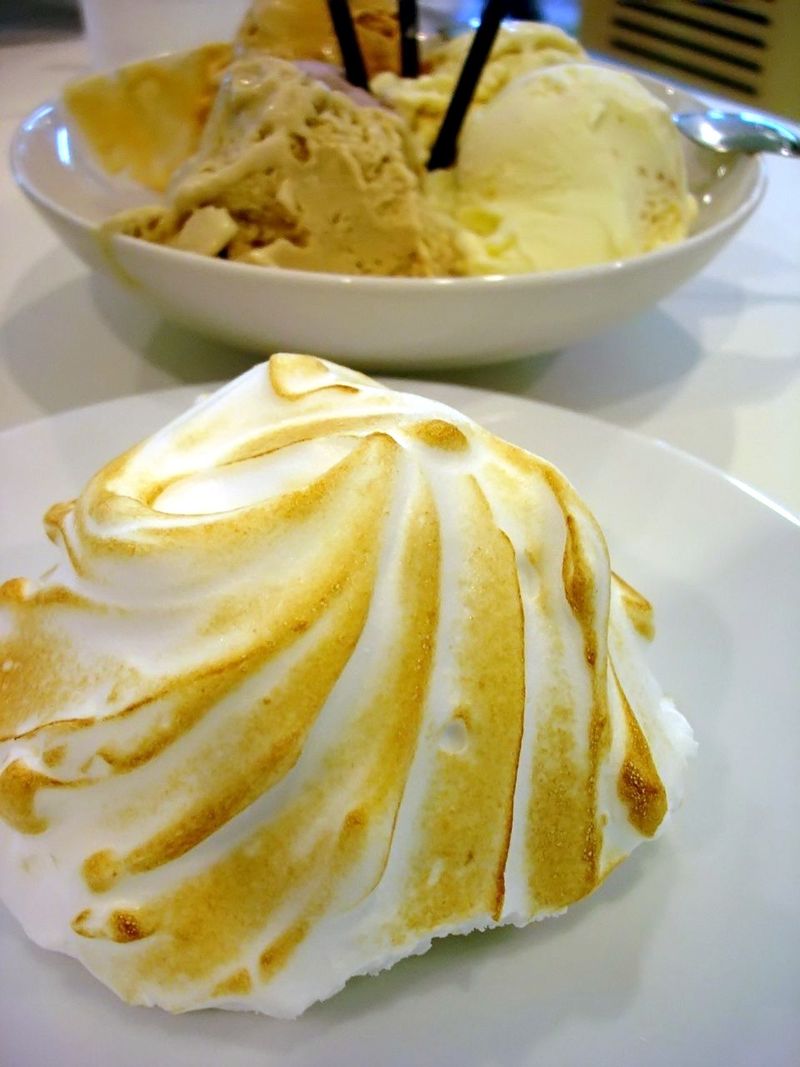
How can ice cream survive in a hot oven? The answer is the clever science behind baked Alaska.
A thick layer of meringue wraps around frozen cake and ice cream, and air in the meringue slows the heat so the inside stays cold.
Versions of the idea appeared in the 1800s, but the name is tied to Delmonico’s restaurant in New York City. In 1867, the chef created a dessert to celebrate the United States purchase of Alaska from Russia.
The dessert became a favorite for fancy dinners and was often served with a flame. Alaska itself had nothing to do with its creation, aside from the news that inspired the name.
It remains a dramatic treat at special occasions.
11. Singapore Noodles: Made in Hong Kong
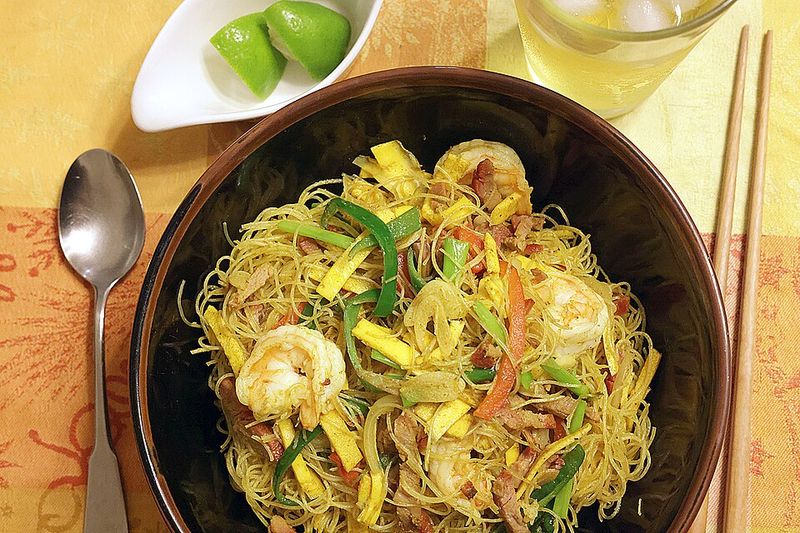
Order Singapore noodles in Singapore, and you will likely get a puzzled look. This curry-flavored stir-fry of thin rice noodles, shrimp, egg, and vegetables is a staple of Cantonese restaurants and is believed to have started in Hong Kong.
Cooks there used curry powder, which was a popular seasoning with ties to Southeast Asia and India. The name may have been meant to suggest an exotic, southern flavor.
Many food writers think it gave the dish a bit of marketing appeal.
Today it is a favorite in Chinese takeout menus worldwide. The light, springy noodles soak up spice without feeling heavy.
It is a good example of how a menu name can point to a faraway place while the recipe comes from somewhere else.
Share this story