The Balkans are packed with places that never make the usual postcard list. Skip the crowded coastal hotspots for a moment, and you will find thermal springs in a canyon, stone villages high in the mountains, and caves with rivers running through them.
This list stretches from Albania and Bosnia to Slovenia, Greece, Bulgaria, and Romania. Some stops are perfect for hikers, some suit slow road trips, and a few work as easy day trips from bigger cities.
Each one offers a clear reason to go, plus a few practical details to help you plan. Save the list, send it to a travel buddy, and get ready to pick your next route.
Bënja Baths, Përmet, Albania
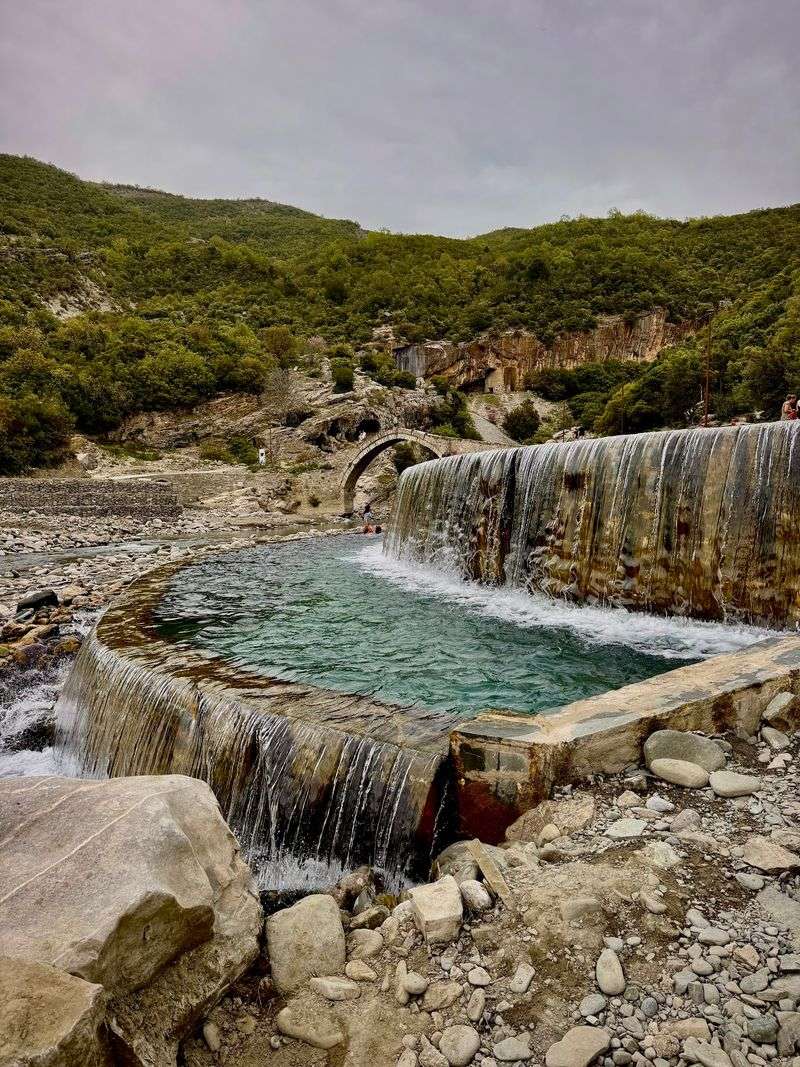
Leave the busy coastal road behind and southern Albania gets much quieter. The Bënja Baths sit near Përmet, where natural thermal springs flow beside the Lengarica River at the entrance to Lengarica Canyon.
The Albanian National Tourism Agency lists Bënja as an active tourist destination. The water generally ranges from about 23 to 28°C, so it is pleasantly warm rather than hot.
Rugged mountains rise around the pools, and an old stone bridge from the Ottoman period adds to the scene.
Soaking in mineral water while looking up at canyon walls is far from the usual hotel pool routine. I would pair it with a stay in Përmet, which makes a handy base for the Vjosa region, hiking, and traditional food.
Travelers who want a slower side of Albania will find it here. It feels far removed from the busy Adriatic resorts, and that is exactly the appeal.
Blagaj, Bosnia and Herzegovina
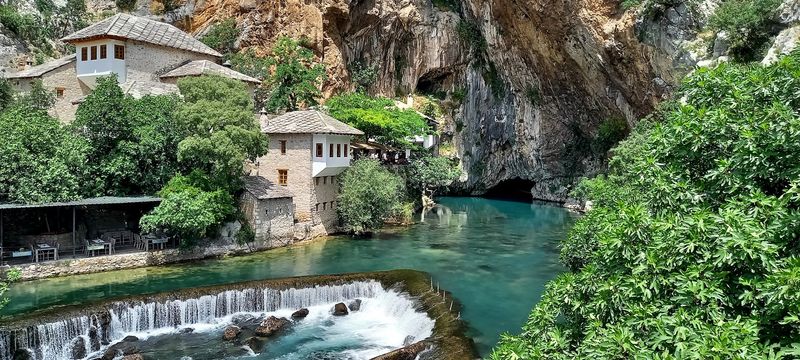
A short drive from Mostar lands you in a place that feels like a different world. Blagaj is known for the spring of the Buna River, which emerges beneath a towering limestone cliff right next to the historic Blagaj Tekke.
The scene packs a lot into a small space: pale stone, green water, tall cliffs, and Ottoman-era architecture. The tekke has long been a religious and cultural landmark, and it remains a visitor attraction today.
Blagaj is more than a quick photo stop. Restaurants line the river, so lunch with a view is easy to arrange.
Above the settlement stands the fortress of Stjepan Grad, which rewards anyone willing to make the climb. Recent tourism coverage continues to promote Blagaj as one of the standout destinations in Herzegovina, and it fits neatly into a Mostar day trip.
Lukomir, Konjic, Bosnia and Herzegovina
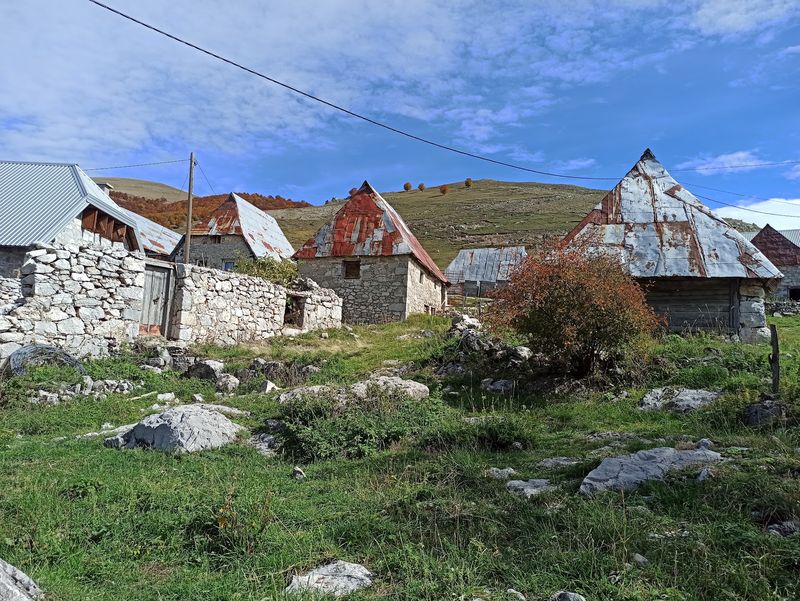
Sitting at nearly 1,500 meters above sea level, Lukomir shows a side of Bosnia and Herzegovina that many visitors never see. The village on Bjelašnica mountain is known for traditional stone houses, mountain pastures, and staggering views toward Rakitnica Canyon.
Nearby, medieval stećci tombstones add some history to the landscape. Lukomir is not just a preserved heritage site, either.
Life here is seasonal, and residents return in the warmer months for farming and livestock raising.
Visitors can hike across the surrounding highlands, try traditional Bosnian food, and stay in local accommodation.
Timing matters a lot. Tourism authorities note that most residents leave in winter, and snow makes access much harder.
Late spring through early autumn is the smarter window, so plan your trip for those months and bring sturdy walking shoes.
Lastovo, Croatia
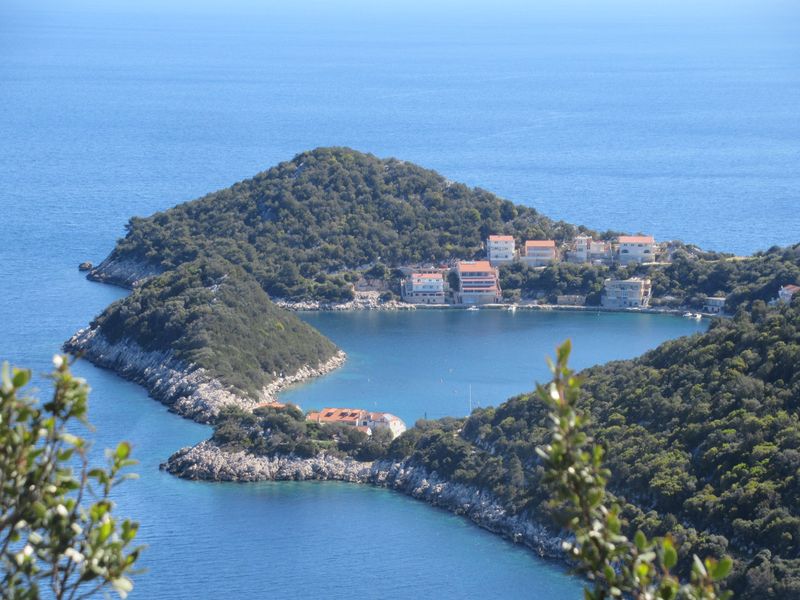
Croatia has no shortage of famous islands, which is exactly why Lastovo feels so refreshing. Far out in the Adriatic, it trades giant resorts and party beaches for forested hills, small bays, old stone houses, and unusual traditional chimneys.
The island is also known for remarkably dark night skies. Lastovo and its surrounding islets form the protected Lastovo Islands Nature Park.
Hiking and cycling routes cross the island. Coves such as Skrivena Luka, Zaklopatica, Lučica, and Pasadur offer quieter swimming than Croatia’s busiest coastal hotspots.
Ferry services connect the island to the mainland, and the official tourist board promotes accommodation, culture, food, and outdoor activities. Come here when you want Croatia without the feeling that everyone else had the same idea.
Book your ferry and stay ahead of time in busy months.
Motovun, Istria, Croatia
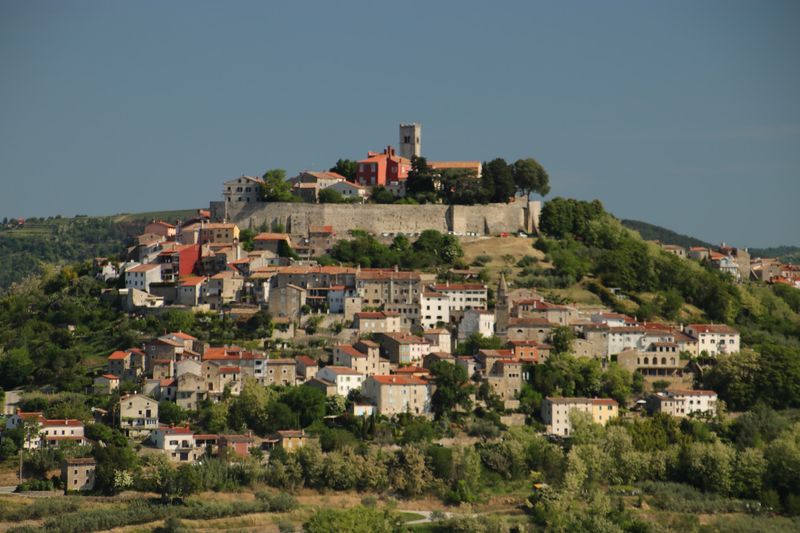
Few towns look as ready for a movie establishing shot as Motovun. The medieval settlement crowns a hill above the Mirna River valley, with old walls, tightly packed stone buildings, vineyards, and forest spreading out below.
It is hardly unknown within Croatia, yet it still feels like a discovery next to the big coastal cities. The official Motovun tourism site promotes its cultural sights, outdoor activities, wineries, accommodation, events, and gastronomy.
The surrounding Motovun Forest is closely tied to Istrian truffles, so food is almost as big a draw as the architecture.
Walk the historic center early in the morning, then head into the countryside for local meals. That rhythm makes Motovun one of the easiest places on this list to turn into a relaxed overnight stay.
Prokletije National Park, Montenegro
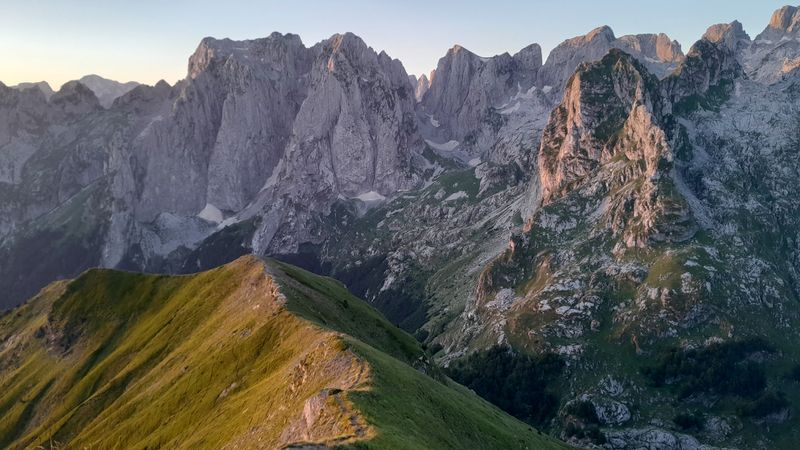
Most international attention in Montenegro goes to the Bay of Kotor, but the northeastern mountains are far wilder. Prokletije National Park spreads through the Plav and Gusinje area along the borderlands with Albania and Kosovo.
More than 20 peaks in the region rise above 2,500 meters. The jagged landscape looks closer to the Alps than the usual image of the Balkans.
Serious hikers can tackle demanding mountain routes. Everyone else can explore lakes, valleys, villages, and places such as Ali Pasha’s Springs.
Montenegro’s official tourism site lists the national park, visitor information, activities, and local guiding options, which helps first-time visitors plan. For travelers whose idea of an off-the-radar trip involves hiking boots rather than beach chairs, this is among the best choices in the region.
Rijeka Crnojevića, Montenegro
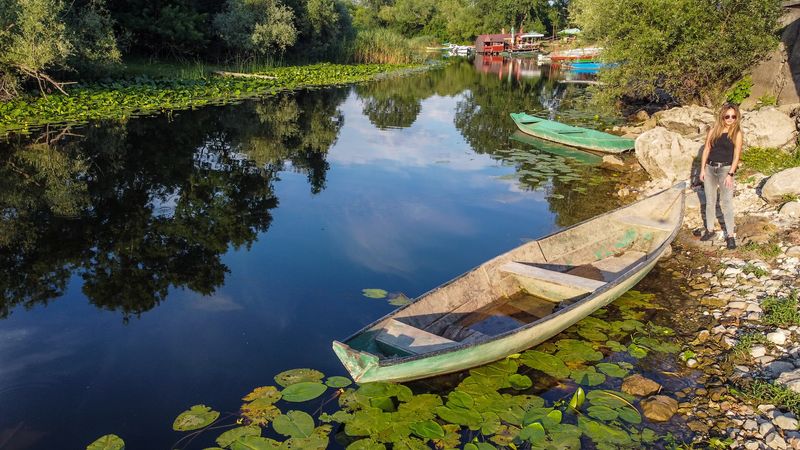
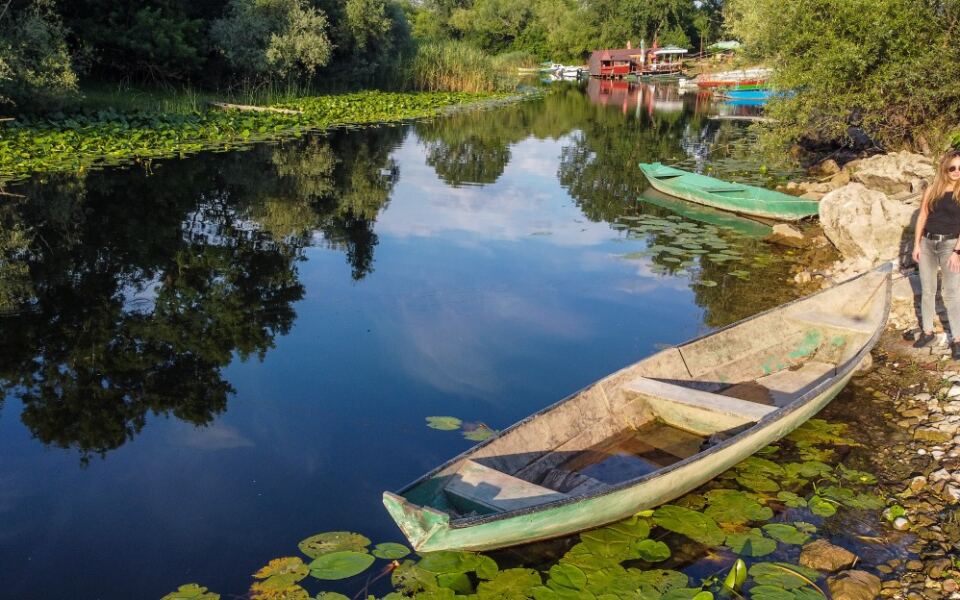
The drive is half the fun here. The road to Rijeka Crnojevića winds down through rocky hills before opening onto wetlands, river bends, and green mountains.
The village sits beside the waterways that feed Lake Skadar. It feels surprisingly remote, though it is easy to reach from Podgorica and Cetinje.
One of the best stops is Pavlova Strana, a viewpoint over the famous horseshoe-like river bend. Down in the settlement, the stone Danilo Bridge is another recognizable landmark.
The village also has links to Montenegro’s early printing history, which adds some culture to what could look like a purely scenic stop. Montenegro’s official tourism organization continues to recommend the destination, and it makes an excellent detour for anyone already heading toward Lake Skadar.
Kratovo, North Macedonia
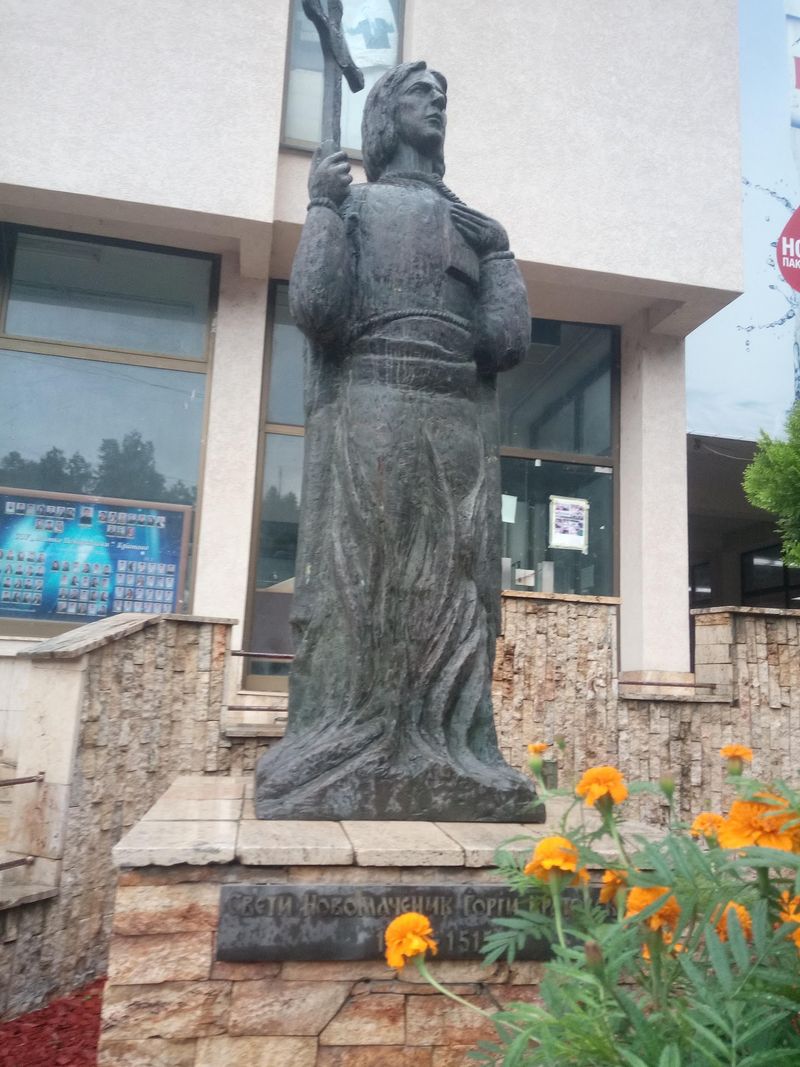
Plenty of travelers could use one more day in North Macedonia, and Kratovo is a good reason to take it. The town is built in dramatic volcanic terrain, with steep streets, traditional architecture, stone bridges, and surviving medieval defensive towers.
Mining once played a major role in its prosperity, thanks to mineral deposits in the surrounding region.
Several bridges link neighborhoods separated by deep valleys and waterways. That layout creates unusual views from almost every direction, so keep your camera handy and wear comfortable shoes for the slopes.
Nearby sits Kuklica, a geological site filled with naturally eroded stone pillars popularly known as the Stone Dolls. Current Macedonian tourism information promotes Kratovo for architecture, history, rural tourism, and natural attractions close to town.
Rugova Gorge, Peja, Kosovo
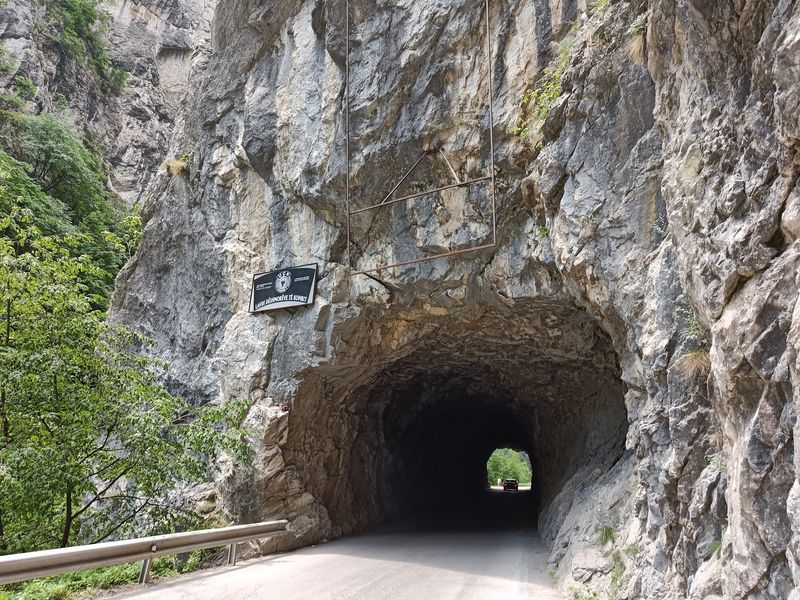
Just outside Peja, the landscape shifts quickly as the road enters Rugova Gorge. Huge rock walls rise around the Lumbardhi River and form one of Kosovo’s most impressive natural corridors.
The gorge stretches for roughly 12 kilometers and has been protected as a natural monument since 1988. Waterfalls, caves, hiking routes, climbing areas, and via ferrata routes make the Rugova region a draw for active travelers.
According to Peja’s tourism organization, visitors come throughout the year. Infrastructure includes signage and rest areas along the main route, which makes it easier to plan a stop.
It also works as a gateway toward the wider Accursed Mountains. What starts as a short scenic outing from Peja can easily grow into several days of hiking and mountain exploration.
Uvac River Gorge, Serbia
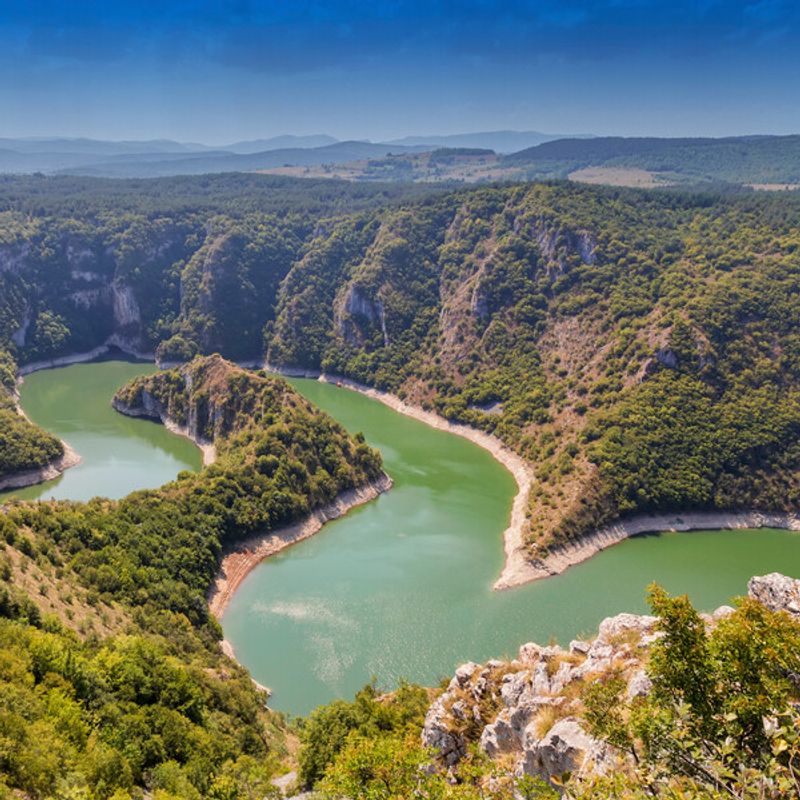
Some landscapes look good in photos and get even stranger in person. Uvac is one of them, with tightly curving river meanders snaking between steep hills in southwestern Serbia.
The Special Nature Reserve is also an important habitat for griffon vultures. Visitors can experience the area from viewpoints, hiking routes, boats, and kayaks, depending on conditions and permitted access.
Serbia’s tourism organization recommends summer as a particularly good time to visit. It also notes that guided access applies within protected parts of the reserve, so check arrangements before you go.
With wildlife, caves, water, and those extraordinary curves, Uvac offers much more than another scenic viewpoint. It is one of the country’s most recognizable natural panoramas for good reason.
Stara Planina, Serbia
Eastern Serbia remains overlooked by many international travelers, and Stara Planina makes a strong case for changing that. The long mountain range holds waterfalls, river valleys, gorges, mountain villages, protected plants, and peaks above 2,000 meters.
Midžor is among the best-known summits, while Babin Zub is another popular hiking area. Serbia’s official tourism organization also highlights the Temštica River meanders, Bigar valley, Jelovičko spring, and cultural attractions.
Unlike places built around one famous landmark, Stara Planina rewards slow exploration. One day can be about waterfalls, the next about hiking, and another about monasteries or mountain food.
A ski center operates in winter. In warmer months, hiking, cycling, and paragliding bring visitors, so there is a good reason to come in almost any season.
Škofja Loka, Slovenia
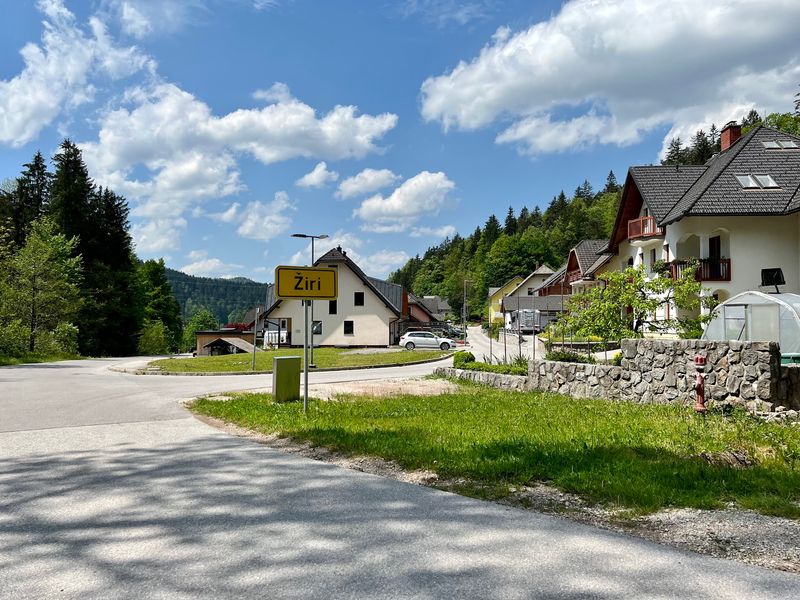
Ljubljana, Bled, and the Julian Alps get most of Slovenia’s attention, which leaves Škofja Loka pleasantly underappreciated. The compact historic town sits around 20 kilometers from Ljubljana and combines colorful medieval streets, old bridges, a hilltop castle, and museums.
The preserved center is easy to explore on foot. Beyond town, the Selca and Poljane valleys open up hiking and cycling options.
Škofja Loka is also tied to the UNESCO-listed Škofja Loka Passion Play, whose 2026 edition returned after an eleven-year gap.
Slovenia’s national tourism organization promotes the destination’s cultural attractions, hiking routes, food, museums, and handicrafts. It is a smart pick if you want a historic Slovenian town without Bled-sized visitor numbers, and it works well as a half-day trip from the capital.
Škocjan Caves, Slovenia
Calling a UNESCO World Heritage Site a hidden gem may sound generous. Still, Škocjan Caves are regularly overshadowed by the better-known Postojna Cave, which makes them an easy and spectacular addition to a Balkan itinerary.
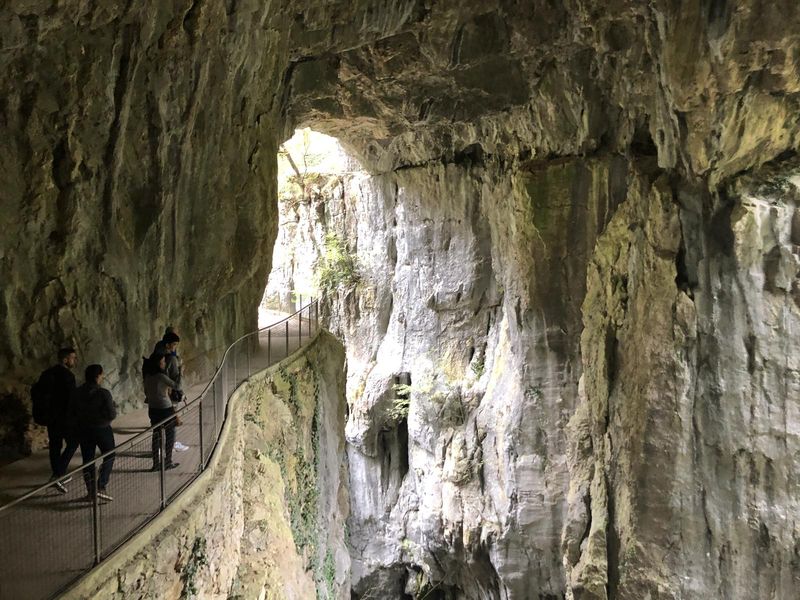
Inside, the Reka River cuts through an enormous underground canyon. The guided route crosses the dramatic Cerkvenik Bridge high above the water.
The official park confirms the caves are open to visitors every month of the year, and all visits are guided. Tours last roughly 90 minutes and cover about three kilometers, so wear good shoes and bring a warm layer.
Even travelers who think they have seen enough European caves may find this one different. The scale of the underground river canyon, more than stalactites and stalagmites, becomes the main event.
Zagori, Epirus, Greece
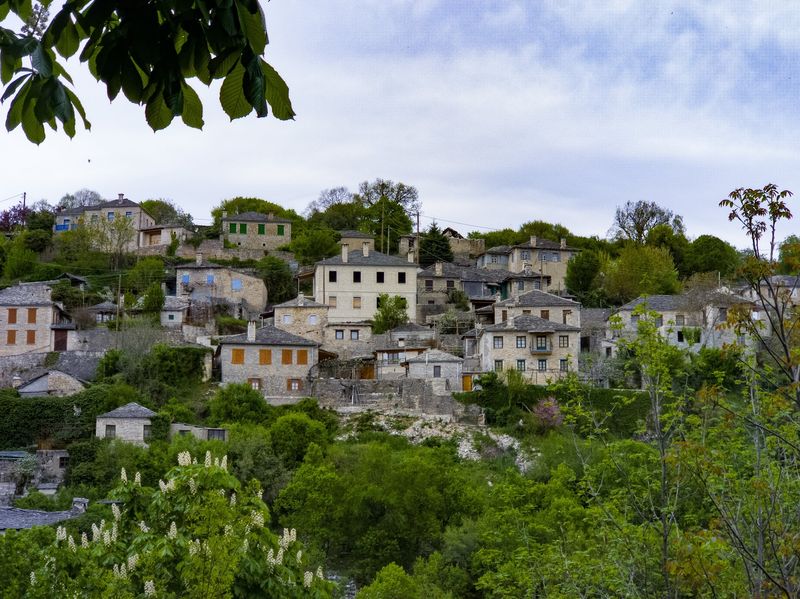
Greek islands dominate the travel ads, yet some of the country’s most dramatic scenery is in the mountains of Epirus. Zagori is a region of traditional stone villages, forested slopes, arched bridges, rivers, and deep gorges.
Vikos Gorge and Vikos-Aoös National Park provide the natural spectacle. Villages such as Papigo and Monodendri keep the distinctive stone architecture alive.
Zagori’s cultural landscape was added to UNESCO’s World Heritage List in 2023. Greece’s official tourism organization recommends the region for hiking, cycling, mountaineering, architecture, and local food.
The result is a very different Greek trip, with days spent among mountains and walks between stone villages. Evenings can revolve around pies, cheeses, meats, mushrooms, and other Epirus specialties.
Nymfaio, Greece
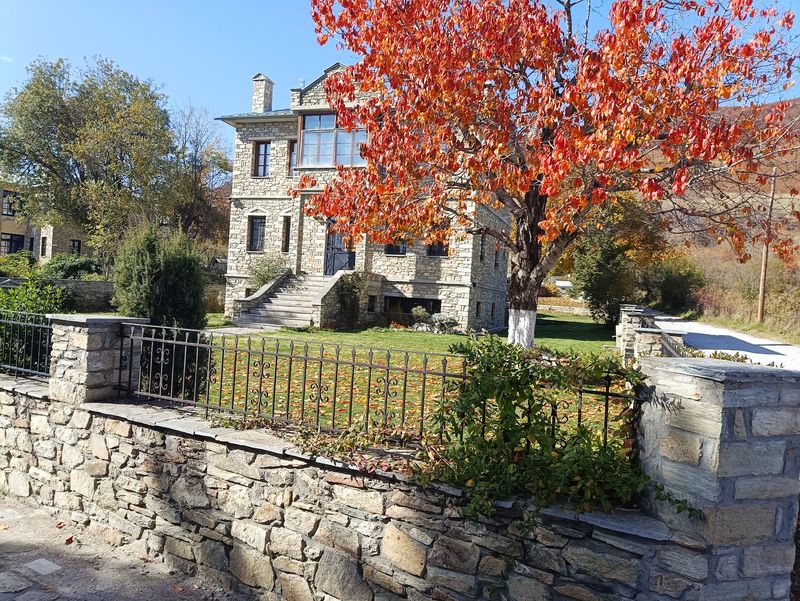
At around 1,350 meters in the mountains of western Macedonia, Nymfaio is surrounded by beech forest. Slate-roofed stone houses and cobbled lanes make it look more like an Alpine hamlet than the whitewashed Greece most travelers picture.
The settlement once prospered through silversmithing and goldsmithing. That heritage shows in its architecture and local museum.
Nearby, the Arcturos environmental center is known for its work involving bears and wolves. Greece’s tourism authorities describe Nymfaio as a year-round destination, with snowy winters, green summers, and especially pretty spring and autumn seasons.
Restaurants, cafés, museums, hiking, and surrounding nature make it easy to stay overnight instead of driving through for photos. Plan at least one night to enjoy it properly.
Belogradchik Rocks, Bulgaria
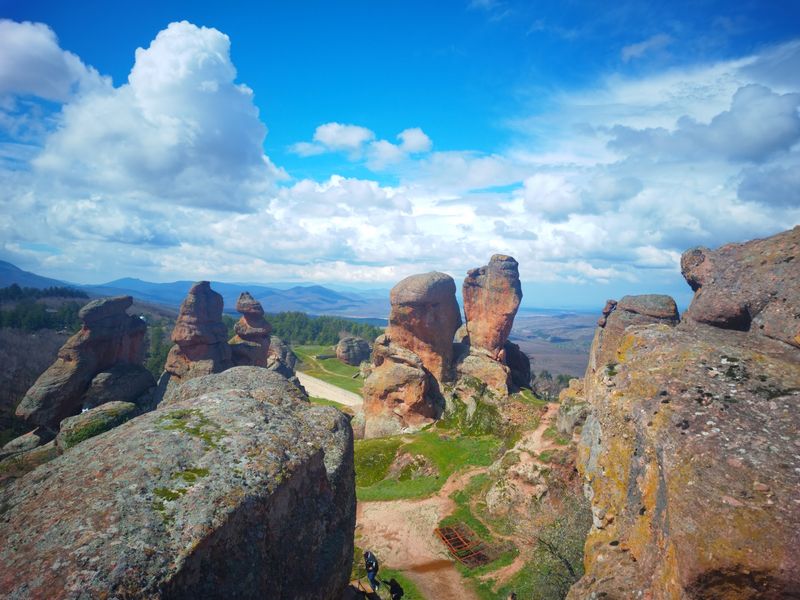
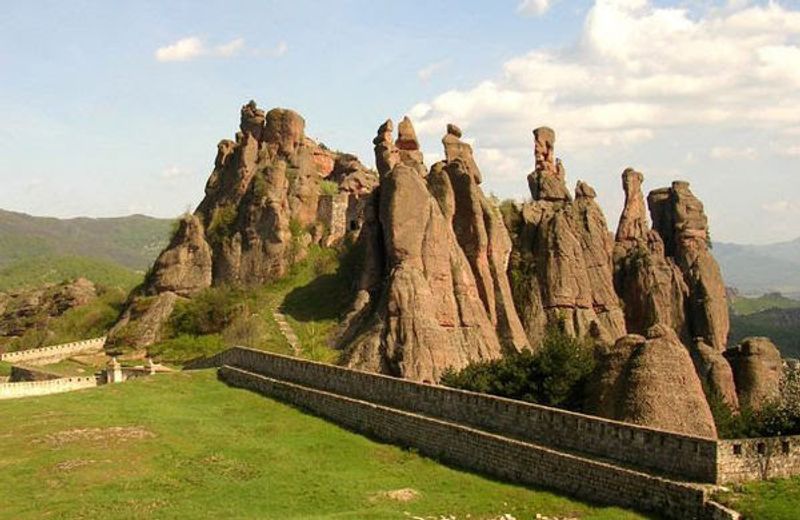
Enormous reddish rock formations rise around the town of Belogradchik in northwestern Bulgaria, looking like the remains of an imaginary ruined city. Erosion shaped them over millions of years into pillars, cliffs, and silhouettes.
Names such as the Rider, the Maiden, Adam and Eve, and the Castle come from the shapes people see in them.
Even more striking, the historic Belogradchik Fortress is built right into the rock landscape. Bulgaria’s Ministry of Tourism lists the fortress as accessible to visitors, with road access, parking, and visitor information.
Few European destinations blend geology and military architecture this naturally. The area is still far less famous than Bulgaria’s Black Sea coast or major ski resorts, so it is a rewarding detour for curious travelers.
Apuseni Mountains, Romania
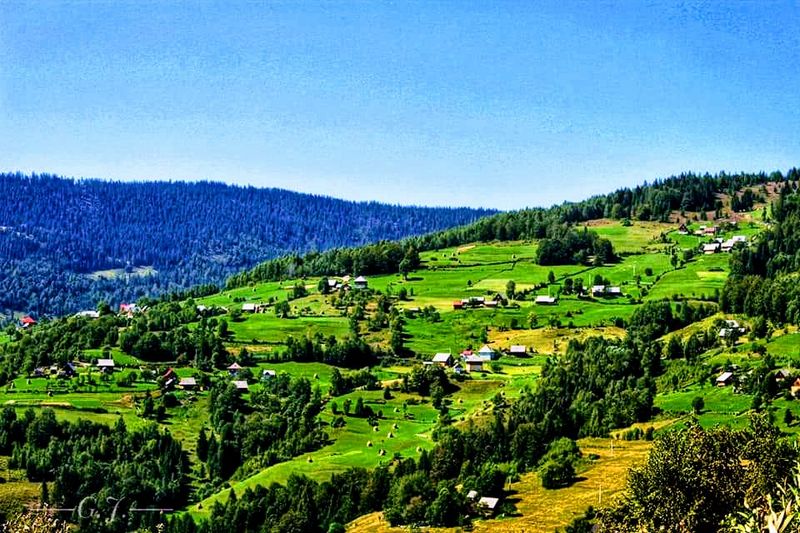
Caves, forests, rural villages, and hiking trails are the stars in western Romania’s Apuseni Mountains. The region is known for extensive karst terrain, with a huge network of caves and underground formations.
One of its best-known attractions is Scărișoara Ice Cave, famous for the large body of ice preserved underground. Elsewhere, the Padiș Plateau gives access to hiking routes, forests, caves, sinkholes, and dramatic karst scenery.
Traditional mountain communities add another layer, especially in villages where woodcraft and rural customs remain important.
Romania’s tourism information promotes the region for hiking, caving, climbing, cycling, and rural tourism. That makes the Apuseni a fitting final stop for a journey through the quieter side of the Balkans.
Share this story