Native American women have shaped the United States as leaders, healers, writers, artists, and activists. Many of their stories are missing from school lessons or have been told in ways that leave out the truth.
This list highlights fifteen women whose courage and skill left a lasting mark. Their lives show how much can change when one person refuses to be ignored.
1. Sacagawea
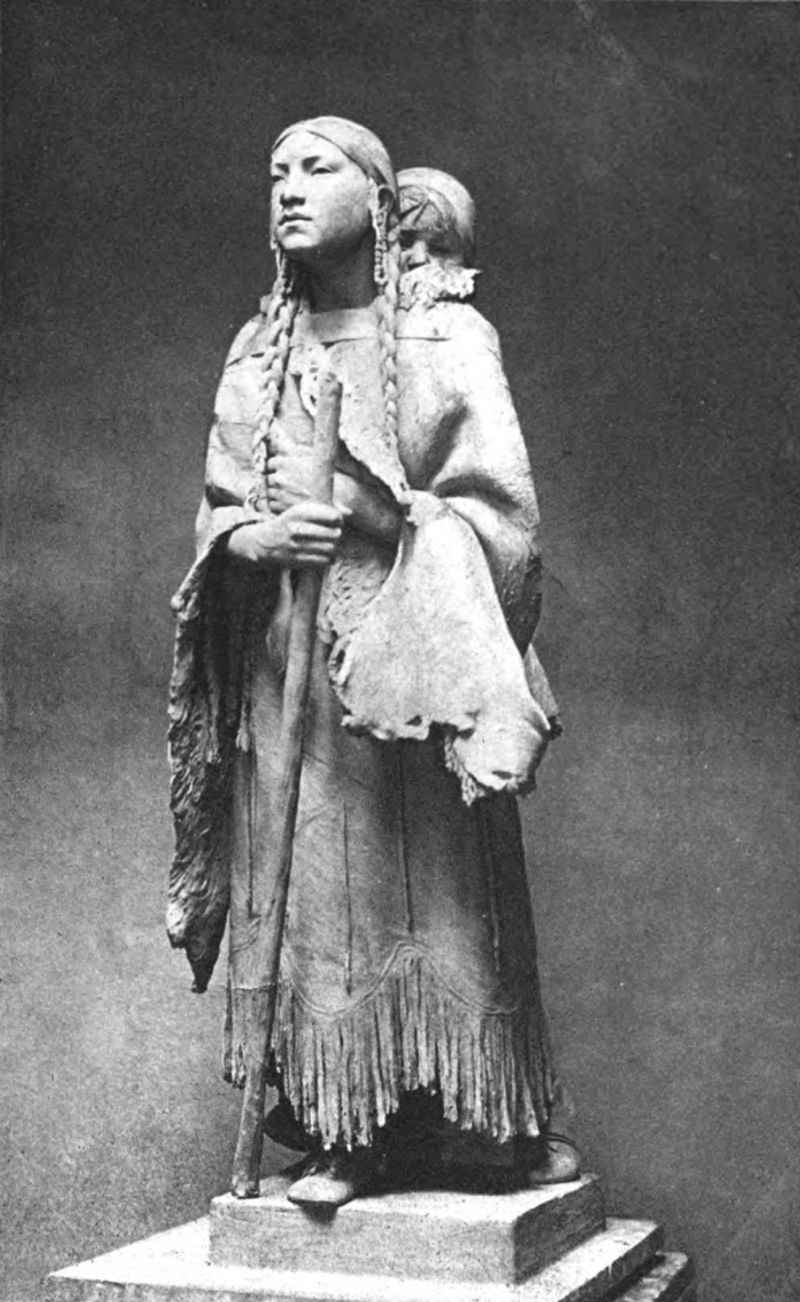
A teenage mother carrying a newborn walked thousands of miles across unmapped land. That was Sacagawea, a Lemhi Shoshone woman who joined the Lewis and Clark Expedition around 1805.
She was only about sixteen or seventeen years old.
Her language skills helped the group talk with Shoshone leaders when they needed horses to cross the mountains. She worked alongside her husband, Toussaint Charbonneau, to help translate and share messages between different groups.
Her presence carried another message too. A woman with a baby traveling with the group signaled to many Native communities that the explorers were not coming to fight.
Sacagawea died around 1812, though some stories place her death later. Her name is now known across the country, but the details of her real choices and skills are often lost behind legend.
Remembering her as a capable traveler and cultural bridge gives her story the respect it deserves.
2. Wilma Mankiller
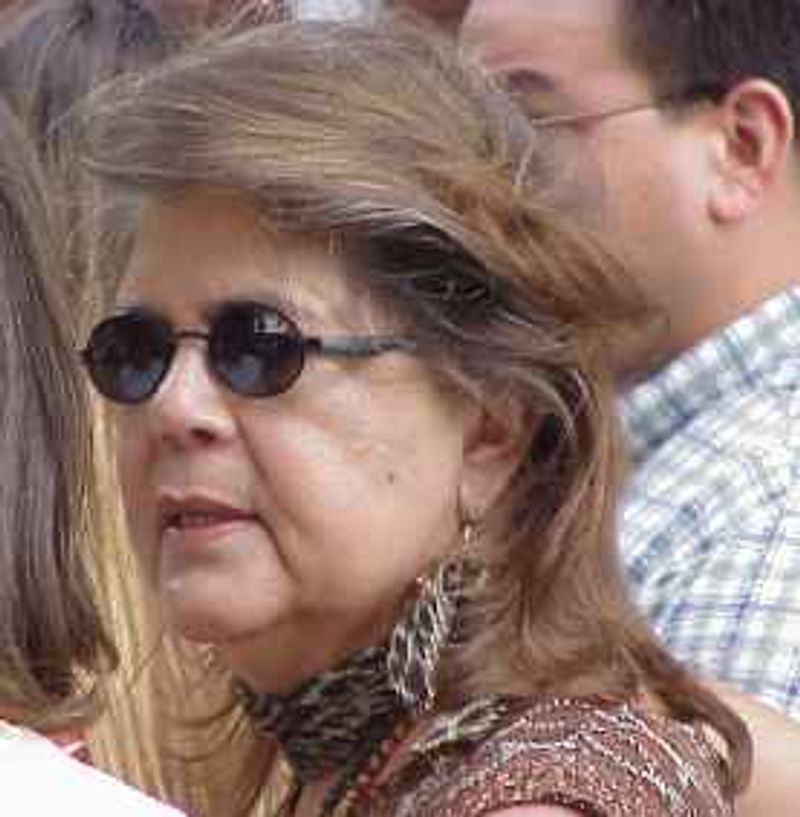
In 1987, Wilma Mankiller made history when she became the first woman elected principal chief of the Cherokee Nation. Many people doubted a woman could hold the job.
She won anyway and later won again with strong support.
Born in 1945, she grew up in Oklahoma and later lived in California before returning home to work for her people. She believed communities could solve their own problems if given the tools and trust to do it.
Under her leadership, the Cherokee Nation grew stronger in several ways. Healthcare services expanded, new schools and training programs opened, and rural communities gained better housing and water systems.
She received the Presidential Medal of Freedom in 1998. Mankiller died in 2010, but her approach to leadership, built on listening and working together, still inspires tribal leaders today.
3. Pocahontas
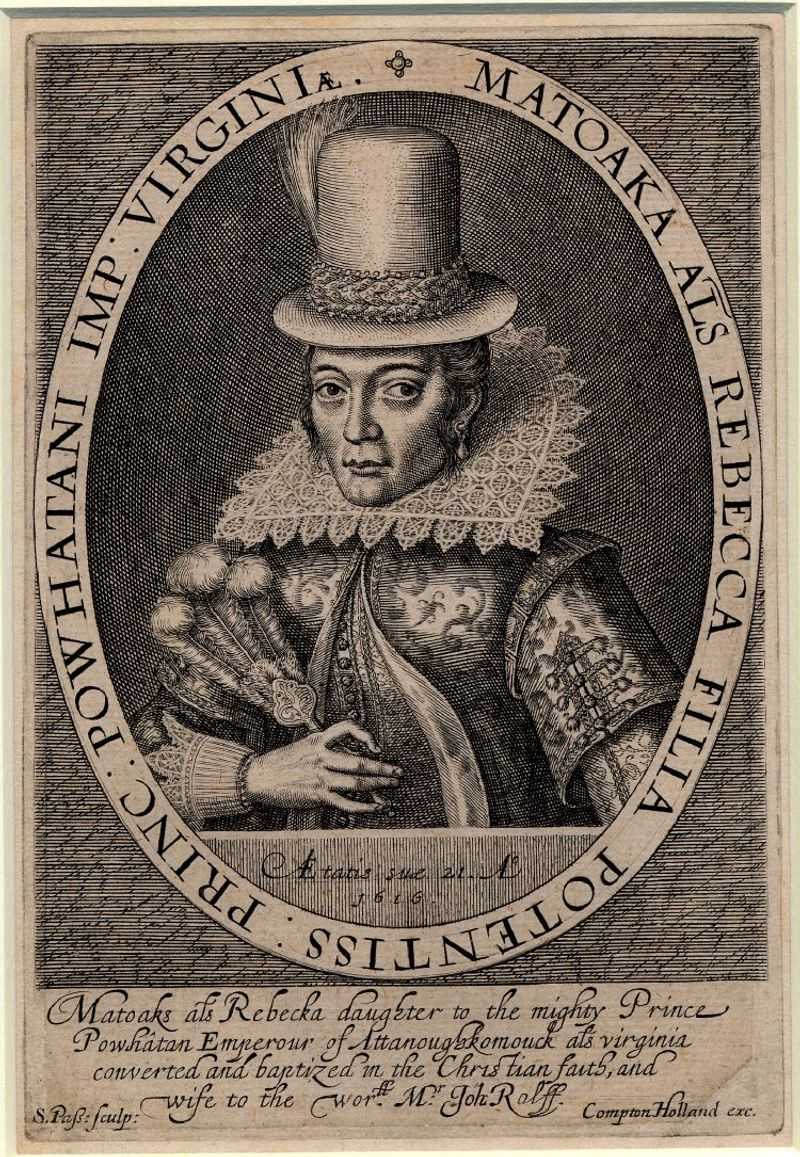
Forget the cartoon version for a moment. The real Pocahontas, also called Amonute and later Rebecca, lived a life that was far harder and more complex than the movies suggest.
She was born around 1596, the daughter of Wahunsenacawh, the leader of the Powhatan.
As English settlers arrived in Virginia, she visited Jamestown and helped carry messages between her people and the colonists. Later she was captured by the English, held for a year, and eventually married John Rolfe.
In 1616 she traveled to England, where she was presented as an example of a successful conversion to English ways. She died in 1617 at about twenty-one years old, before she could return home.
Her story reminds readers that history is often shaped by who tells it. Looking at the facts shows a young woman living through a time of serious pressure and danger.
4. Lozen
Her brother Victorio once called her his right hand, strong as a man, braver than most, and clever as a leader. Lozen, a Chihenne Chiricahua Apache woman, earned that praise through years of service.
She was born around 1840 in the Southwest.
Lozen rode with Apache warriors as they resisted U.S. military forces who were pushing them from their homelands. She was also respected as a healer and spiritual leader.
Apache accounts say she had a gift for sensing where enemies were.
When Victorio was killed in 1880, Lozen kept fighting alongside Geronimo. She also helped women and children move to safety during dangerous journeys.
She was eventually held as a prisoner of war and died of tuberculosis in 1889 in Alabama. Her story shows that Apache resistance included women whose skill and leadership mattered greatly.
5. Sarah Winnemucca
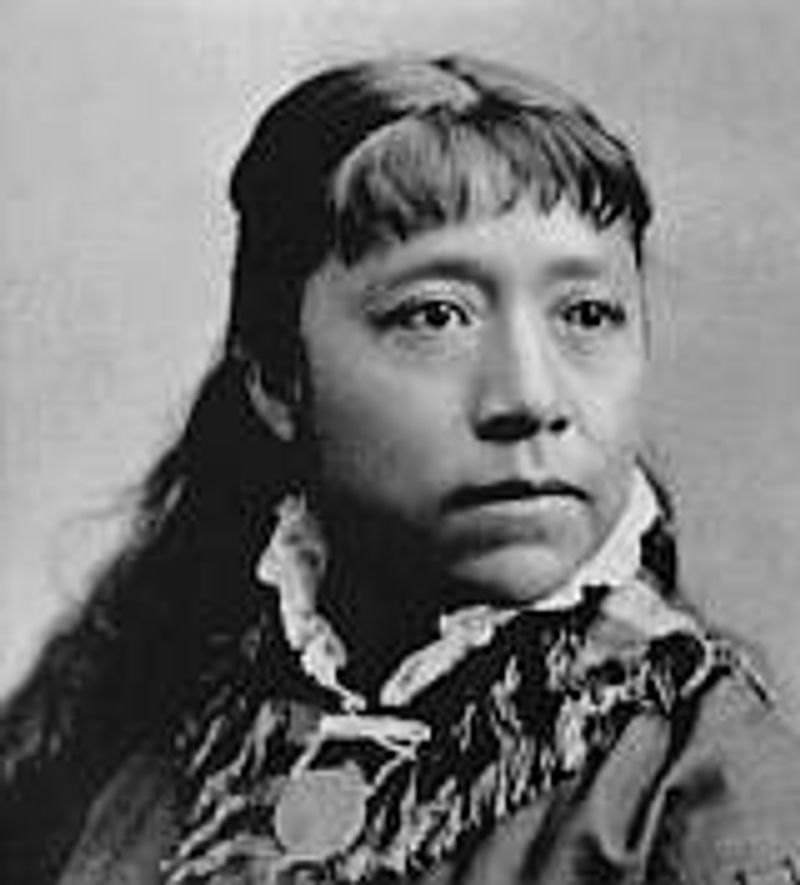
Sarah Winnemucca picked up a pen when talking was not enough. Born around 1844 into a Northern Paiute family in present-day Nevada, she learned English and several other languages as a child.
Those skills became her tools for change.
She worked as an interpreter and teacher, and she often spoke up about broken promises and poor treatment of her people on reservations. She gave lectures across the country, including in the East.
In 1883 she published Life Among the Piutes: Their Wrongs and Claims. It is often described as the first book written in English by a Native American woman.
The book explained her people’s history and the injustices they faced.
Not every goal she pursued succeeded, and her life was filled with struggle. Still, her words reached many readers and left a record that historians use today.
She died in 1891.
6. Zitkala-Ša
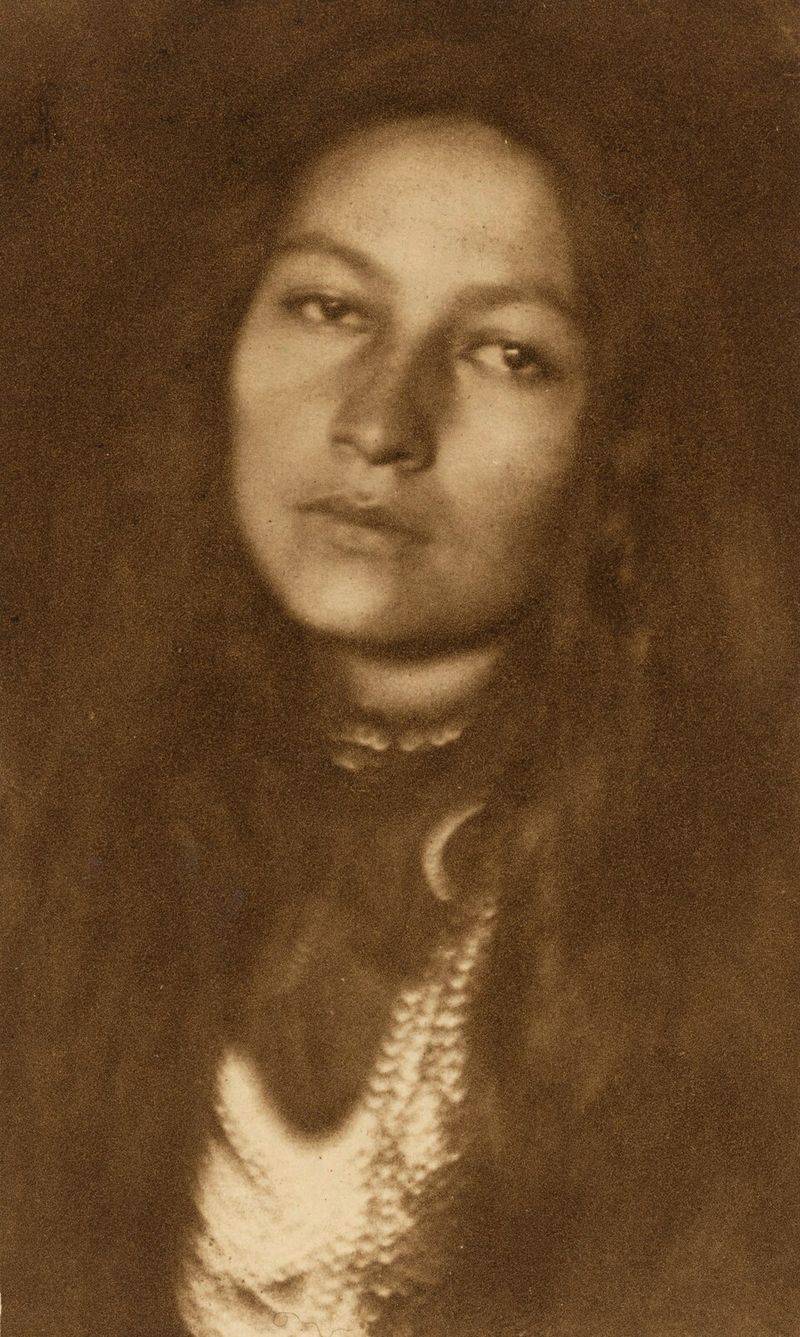
At eight years old, Zitkala-Ša left her family’s reservation for a boarding school in Indiana. There, her long hair was cut and her language was discouraged.
Those painful years shaped the rest of her life.
Born in 1876, she grew up to become a gifted violinist, writer, and teacher. She wrote essays and stories that described the harm of forced assimilation, and her work appeared in major magazines of her time.
She also co-wrote an opera, The Sun Dance Opera, in 1913. Later she moved into organizing and in 1926 helped found the National Council of American Indians.
Her campaigns focused on citizenship, voting rights, and fair treatment. Native Americans were granted citizenship in 1924, but some states still blocked them from voting for decades.
Zitkala-Ša kept pushing until her death in 1938.
7. Nancy Ward
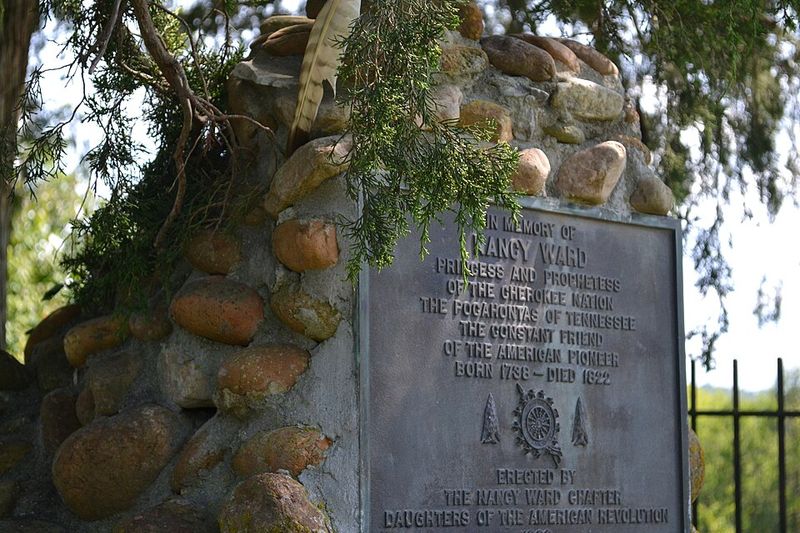
Few titles carried more weight in Cherokee society than Beloved Woman. Nancy Ward, also known as Nanyehi, earned it as a young woman, reportedly after she took up her fallen husband’s weapon during a battle against the Creek in 1755.
Born around 1738, she gained a voice in tribal councils and had a say in decisions about war and peace. In Cherokee society, women held real power, especially in matters involving land and community.
During the American Revolutionary era, she worked to keep peace between Cherokee and settlers. At times she warned settlers of coming attacks and urged her people to seek talks instead of more conflict.
Later in life, she spoke against selling more Cherokee land. She died around 1822.
Her life shows how women helped guide diplomacy in a time of rapid change.
8. Maria Tallchief
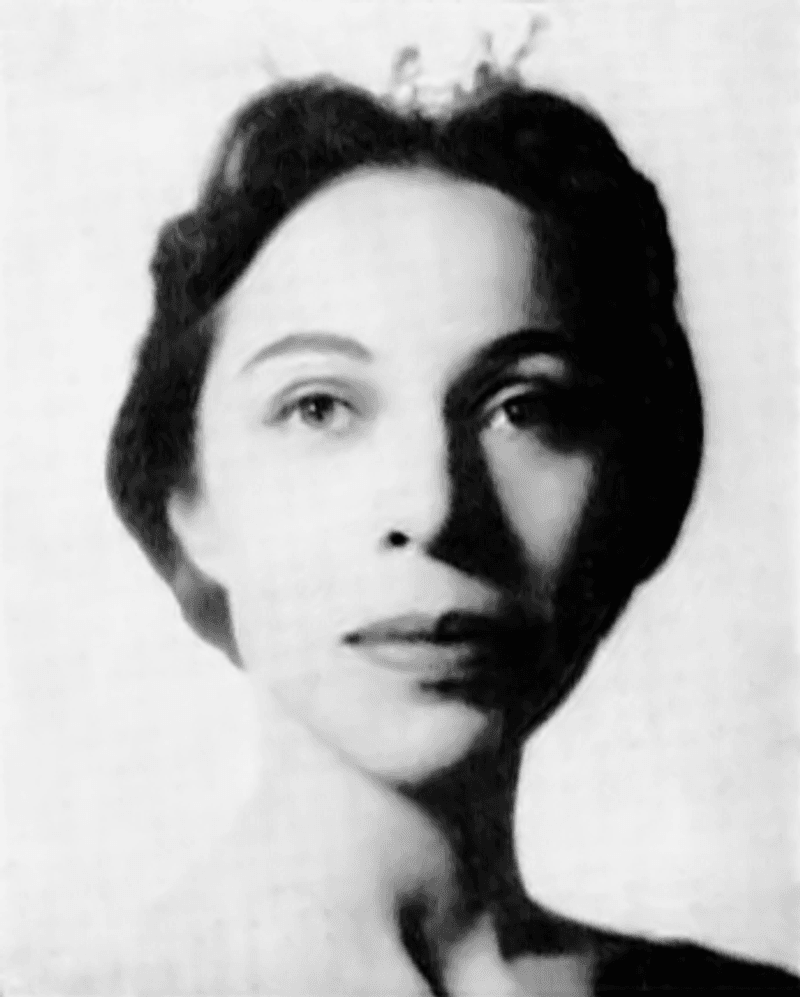
Picture a girl from Fairfax, Oklahoma, practicing ballet steps and dreaming of the world’s biggest stages. Maria Tallchief, born in 1925, turned that dream into reality.
She was a member of the Osage Nation.
She joined the Ballet Russe de Monte Carlo as a young dancer and later became the star of the New York City Ballet. Choreographer George Balanchine created roles for her, including the lead in The Firebird in 1949, which made her famous.
She became the first American-born prima ballerina to gain international recognition. At a time when many believed the best dancers came from Europe, she helped prove that American ballet could stand tall.
Tallchief later helped found the Chicago City Ballet. She received a Kennedy Center Honor in 1996 and died in 2013, leaving a legacy of grace and determination.
9. Susan La Flesche Picotte
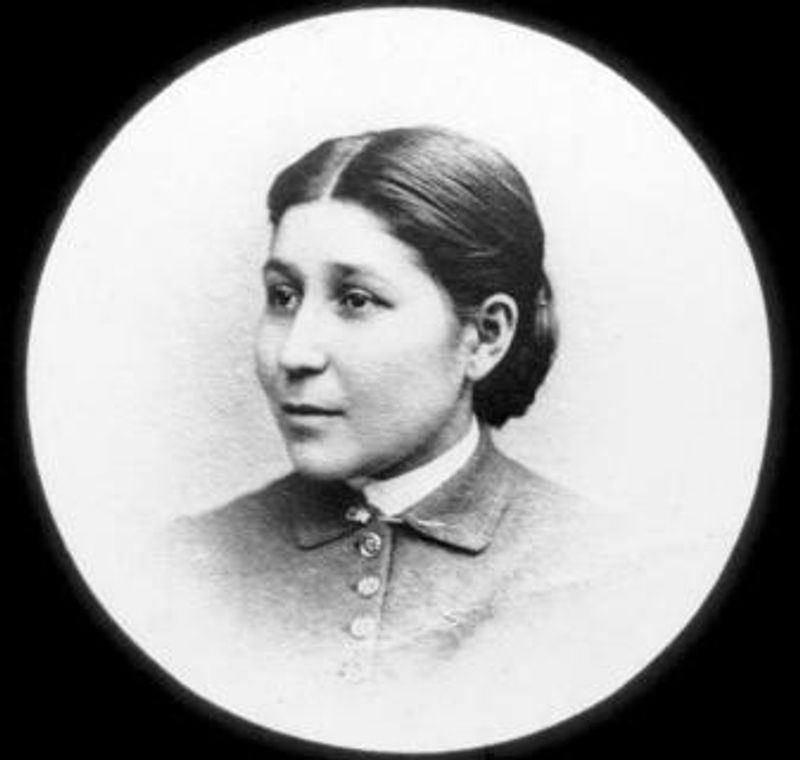
Imagine riding through snow and storms to reach a sick patient miles away. Dr. Susan La Flesche Picotte did exactly that, often for people who had no other doctor.
Born in 1865 on the Omaha Reservation in Nebraska, she saw illness go untreated as a child and decided to do something about it.
She studied at the Woman’s Medical College of Pennsylvania and graduated at the top of her class in 1889. She is recognized as the first Native American woman to earn a medical degree in the United States.
Returning home, she cared for more than a thousand people across a huge area. She also pushed for better public health and spoke against alcohol abuse and the spread of disease.
In 1913 she opened a hospital in Walthill, Nebraska. She died in 1915, leaving behind a lasting model of community care.
10. Buffalo Calf Road Woman
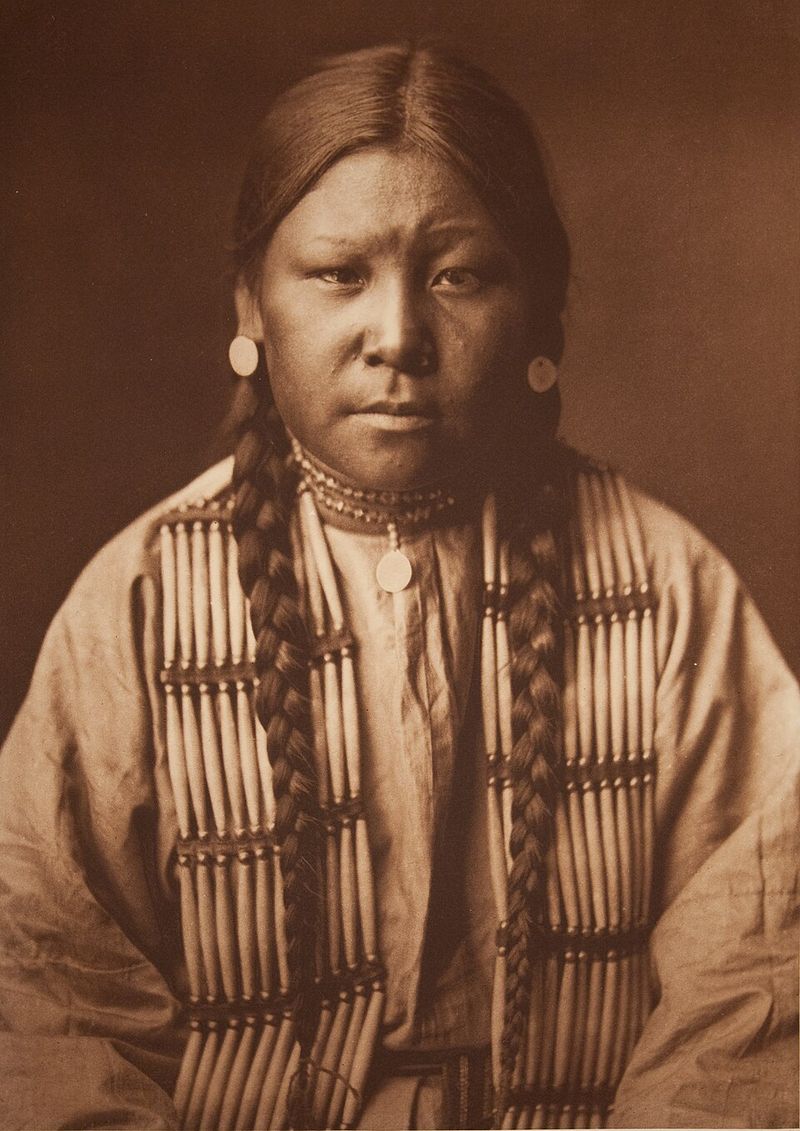
Bullets were flying at the Battle of the Rosebud in June 1876 when one rider charged straight into danger. Buffalo Calf Road Woman, a Northern Cheyenne, galloped in to rescue her brother Comes in Sight after his horse was shot.
The Cheyenne remembered the act so well that they named the battle the Battle Where the Girl Saved Her Brother.
Born around 1844, she was known for courage and skill on horseback. Her husband, Black Coyote, was also a respected warrior.
Cheyenne oral histories also connect her to the Battle of the Little Bighorn a week later. Some accounts credit her with striking a blow against Lieutenant Colonel George Custer’s forces, though historians view this as part of oral tradition.
She died in 1879, reportedly of diphtheria. Her story is a reminder that oral history carries valuable knowledge.
11. Queen Alliquippa
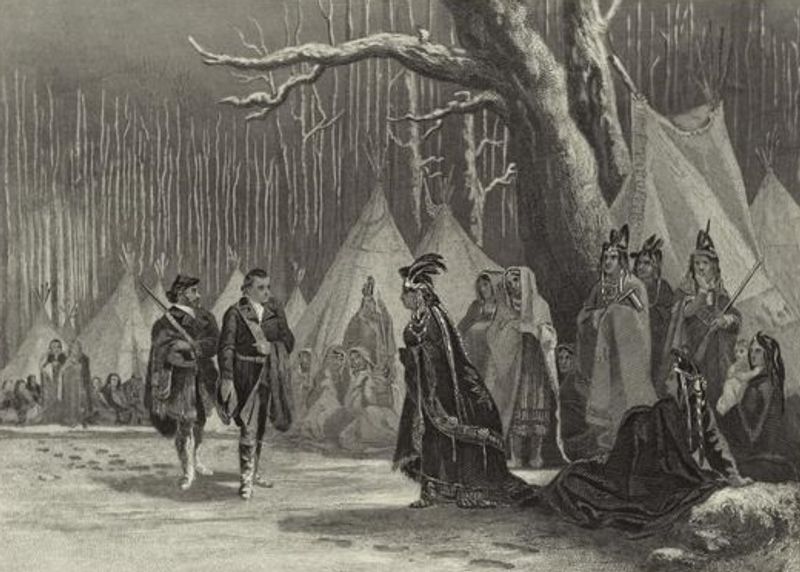
Colonial officials once traveled to her home just to ask for her blessing. Queen Alliquippa was a Seneca leader who lived near the Ohio River in what is now western Pennsylvania.
Her title came from European observers, but her influence was real.
Records from the 1700s mention her as a respected voice among Native groups in the region. She dealt with British traders and officials during a time when France and Britain were competing for control of the area.
In 1754, a young George Washington was reported to have visited her during his travels in the region. She reportedly asked him for a gift, and he later sent a coat and a bottle of rum.
She died around 1754. Little is known about her early life, which shows how many Native women were left out of written history.
Even so, her role in diplomacy remains clear.
12. Elizabeth Peratrovich
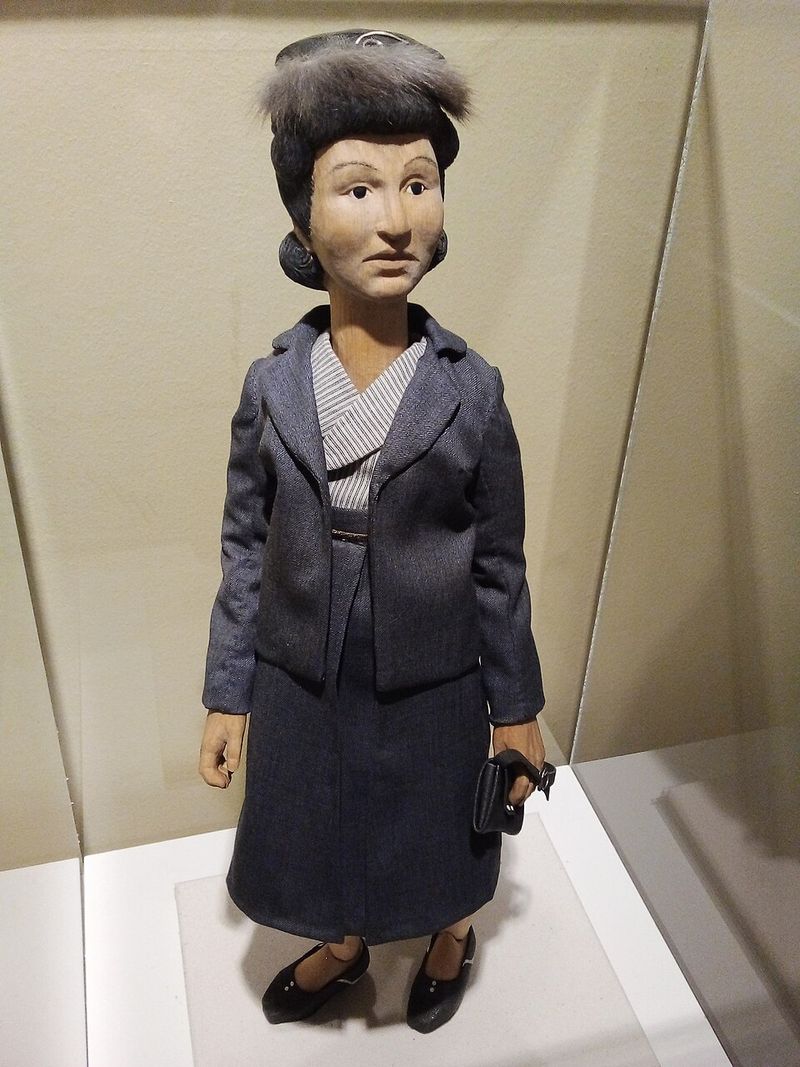
“I would not have expected that I, who am barely out of savagery, would have to remind the gentlemen with five thousand years of recorded civilization behind them of our Bill of Rights.” With these words in 1945, Elizabeth Peratrovich answered a senator who questioned the need for an equality law.
Born in 1911, she was a Tlingit woman and a leader in the Alaska Native Sisterhood. She and her husband, Roy, worked to end signs reading No Natives Allowed that hung in shops and hotels across Alaska.
Her testimony before the territorial legislature helped carry the day. Alaska passed its Anti-Discrimination Act in 1945, nearly twenty years before the national Civil Rights Act of 1964.
Peratrovich died in 1958. Alaska now honors her each February 16 on Elizabeth Peratrovich Day, a well-earned tribute to her courage.
13. Annie Dodge Wauneka
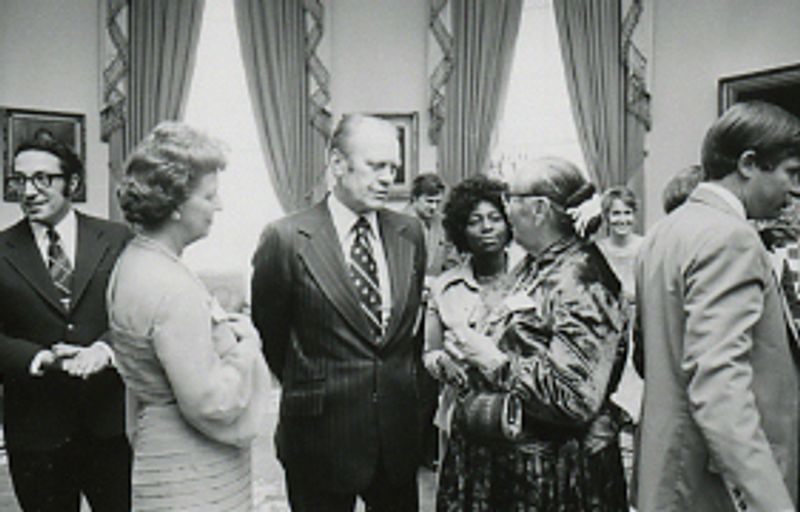
Tuberculosis once swept through Navajo communities, and Annie Dodge Wauneka decided to fight it face to face. Born in 1910, she was the daughter of Henry Chee Dodge, the first chairman of the Navajo Tribal Council.
She followed him into public service.
In 1951 she became the first woman elected to the Navajo Tribal Council. She served on its health committee and traveled across the reservation to visit homes, explaining how the disease spread and how to treat it.
Her work included translating medical ideas into the Navajo language. She helped create a medical dictionary so doctors and patients could better understand each other.
Thanks to these efforts, tuberculosis rates among the Navajo fell sharply. In 1963 she received the Presidential Medal of Freedom.
She died in 1997, remembered as a champion of health and education.
14. Ada Deer
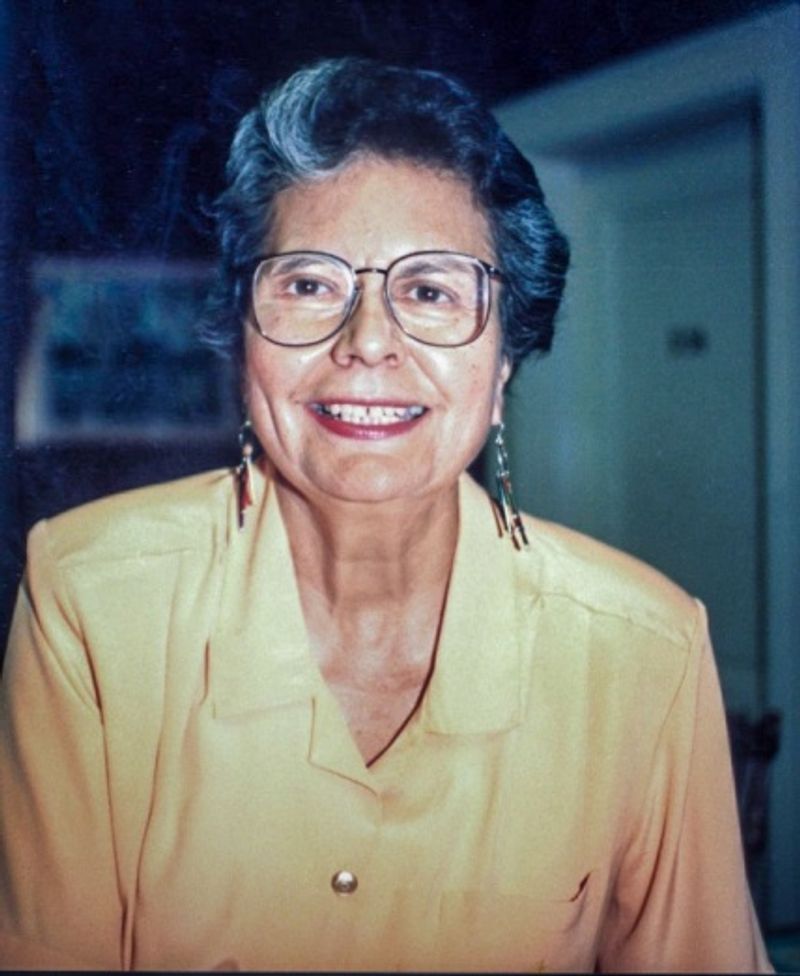
When the federal government declared her tribe no longer existed, Ada Deer refused to accept it. Born in 1935 on the Menominee Reservation in Wisconsin, she became the first member of her tribe to earn a social work degree from the University of Wisconsin, and later a master’s degree from Columbia University.
In 1961 the government ended its recognition of the Menominee Tribe under a policy called termination. The decision cost the tribe land, services, and security.
Deer helped lead the fight to undo it. She organized, lobbied lawmakers, and spoke widely.
In 1973 President Nixon signed the Menominee Restoration Act, returning federal recognition.
In 1993 she became the first woman to lead the Bureau of Indian Affairs. Deer died in 2023, leaving an example of how persistent community action can reverse harmful decisions.
Share this story