Australian food is a mix of British roots, immigrant flavors, and fresh local ingredients. Some dishes show up at every school fete, beach barbecue, and corner bakery.
Learning about them gives you a tasty peek into daily life Down Under. Here are fifteen favorites worth knowing about and tasting.
1. Meat Pie
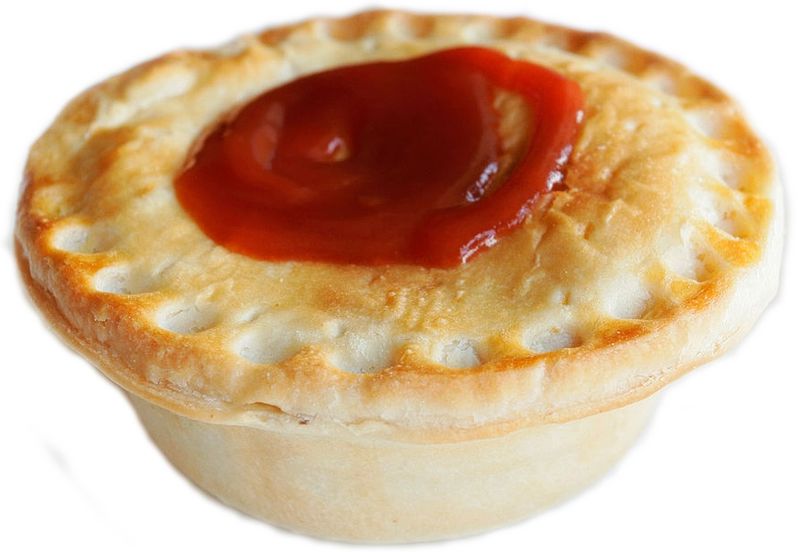
Hot, flaky, and held in one hand, the meat pie is the unofficial snack of Australian footy grounds. Inside the pastry you will find minced beef in a rich gravy, and sometimes onions, cheese, or mushrooms.
Tomato sauce on top is the classic choice. Many people squirt it right through the lid and eat the pie straight from a paper bag.
Bakeries across the country compete in yearly pie contests, so the quality can be excellent.
Meat pies came with British settlers, who brought their love of baked pastry with them. Over time, Australians made the pie their own, and it became a fast, cheap, filling meal for workers and sports fans alike.
If you try one, let it cool for a minute. The filling can be hotter than a summer day in Alice Springs.
A good bakery pie has crisp pastry on the outside and juicy filling on the inside.
2. Vegemite on Toast
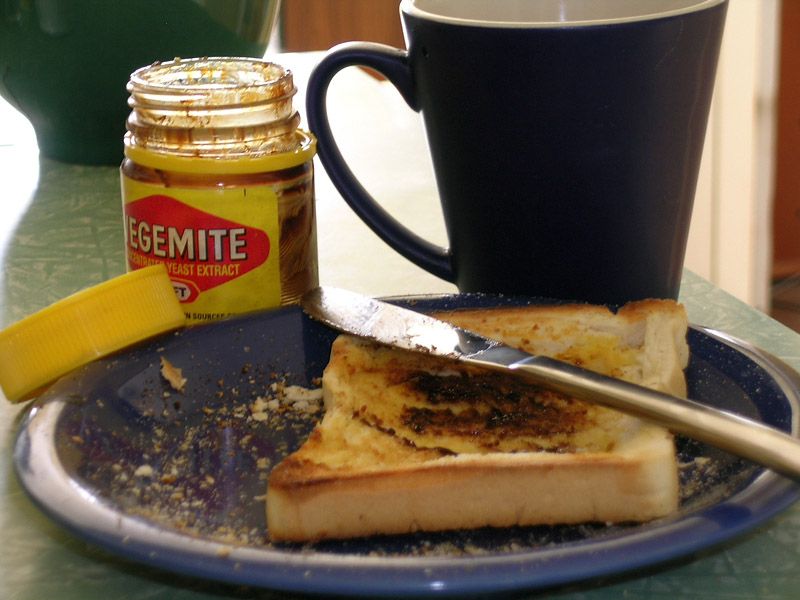
Few foods split a dinner table like Vegemite. This dark, salty spread is made from brewer’s yeast extract, and it has been on Australian breakfast tables since the 1920s.
The secret is to use very little. A thin scrape over hot buttered toast tastes savory and rich, while a thick layer can feel like a mouthful of salt.
Many first-time tasters pile it on like jam and regret it right away.
Vegemite is also a good source of B vitamins, which is one reason it became a household staple. Some people add sliced avocado or cheese on top for extra flavor.
Kids in Australia often grow up on it, so opinions run deep. Visitors should try it once, using a light hand, before deciding whether they are team Vegemite or not.
3. Lamingtons
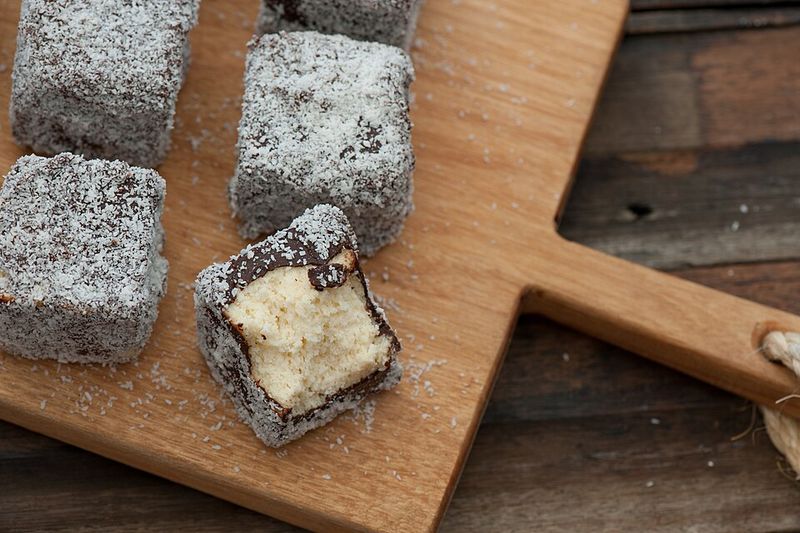
Picture a soft sponge cake square dunked in chocolate and rolled in coconut. That is the lamington, a treat found in bakeries, cafes, and school fundraisers all over Australia.
The cake is named after Lord Lamington, a governor of Queensland in the late 1890s. One popular story says a cook accidentally dropped sponge cake into chocolate, then added coconut to make it easier to hold.
Historians still debate the full tale.
Some versions have a layer of cream and raspberry jam in the middle, which adds a pleasant tang. Others stay plain and simple.
Lamingtons are often sold in boxes for community events, and July 21 is National Lamington Day. Pair one with a cup of tea, and you have an easy afternoon snack with plenty of history behind it.
4. Pavlova
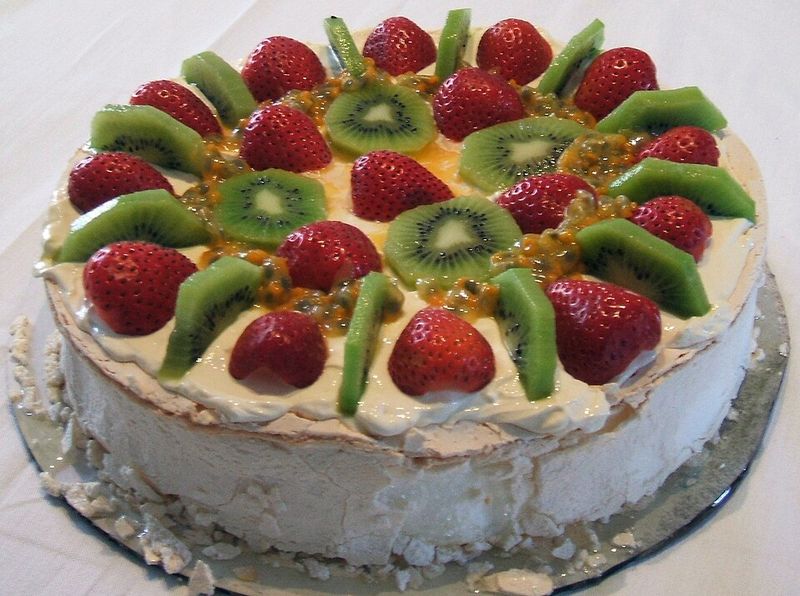
Crisp on the outside and marshmallow-soft inside, pavlova is the dessert that shows up at nearly every Australian Christmas lunch. It is a meringue base topped with whipped cream and fresh fruit.
Passionfruit, strawberries, and kiwi fruit are common toppings, and they add bright color and a sweet-tart bite. Since Christmas falls in summer Down Under, the cool, light dessert suits the weather perfectly.
Australia and New Zealand both claim to have invented it, and the argument has lasted for decades. The dessert was named after the Russian ballerina Anna Pavlova, who toured both countries in the 1920s.
Making one at home takes patience. Bake it slowly at a low temperature and let it cool in the oven, which helps prevent cracks.
Add the cream and fruit just before serving so the base stays crisp.
5. Anzac Biscuits
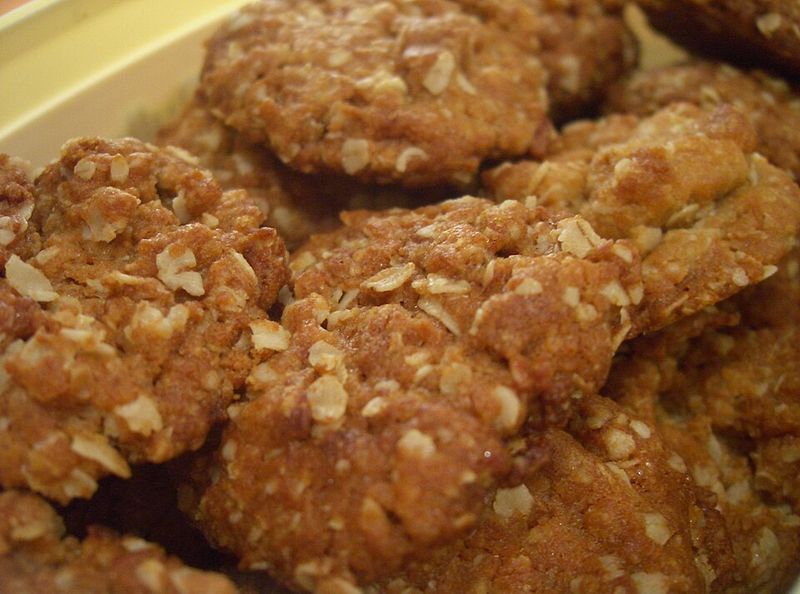
Crunchy, chewy, and golden, Anzac biscuits carry a story that goes back to World War I. Families baked them and sent them to soldiers overseas because the ingredients lasted well during long ship journeys.
The recipe uses rolled oats, flour, sugar, coconut, butter, golden syrup, and baking soda. Notice that there are no eggs, which were hard to keep fresh in those days.
Today the biscuits are most often baked around Anzac Day on April 25, when Australians and New Zealanders remember those who served. The name is legally protected, so bakers must follow the traditional recipe and not call them cookies.
Some people like them soft and bendy, while others bake them until crisp. Both styles go well with a hot cup of tea or a glass of cold milk.
6. Fairy Bread
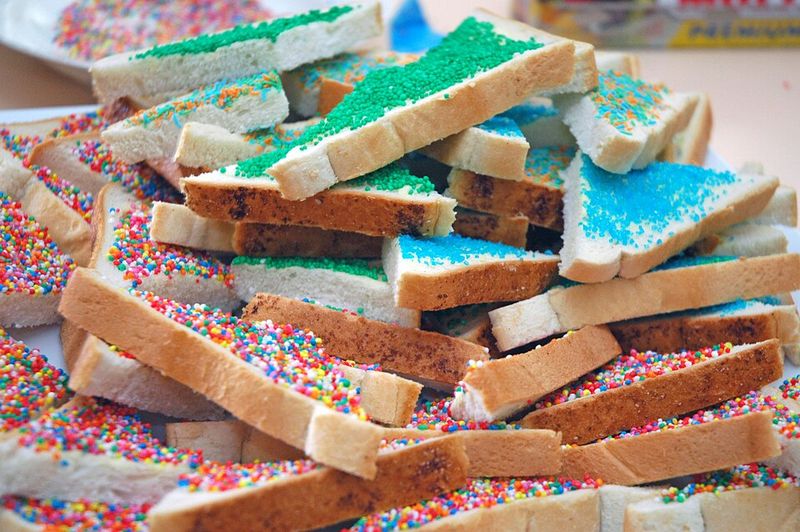
Ask any Australian about birthday parties, and fairy bread will likely come up in seconds. It is simply white bread, butter, and rainbow sprinkles, cut into triangles.
The sprinkles, known as hundreds and thousands, stick to the butter and give each bite a gentle crunch. The treat looks cheerful on a party table and disappears fast once the kids arrive.
Written mentions of fairy bread go back to the 1920s in Tasmania, and a version of it appears in a children’s poem from 1929. Since then it has become a childhood tradition across the country.
A tip for parents: spread the butter all the way to the crusts, or the sprinkles will bounce off and land on the floor. Cutting the slices corner to corner makes them look festive too.
7. Sausage Sizzle

Outside hardware stores on a sunny Saturday, you might smell onions frying on a hotplate. That is the sausage sizzle, a community fundraising tradition found in nearly every Australian town.
A barbecued sausage is placed on a slice of white bread, topped with grilled onions, and finished with tomato or barbecue sauce. It is folded in half and eaten by hand, which keeps things quick and easy.
Schools, sports clubs, and charities use sausage sizzles to raise money. They are also a staple at polling stations on election day, where the snack is nicknamed the democracy sausage.
There is a friendly debate about the right way to build one, including whether onions go under or over the sausage. Whatever your order, a couple of dollars buys a tasty bite and supports a local cause.
8. Chicken Parmigiana (Chicken Parmi)
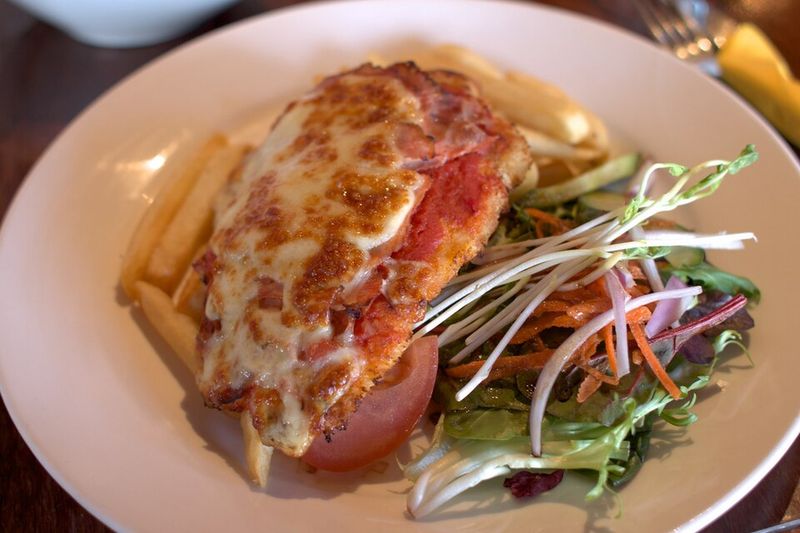
Walk into almost any Australian pub, and the chicken parmi will be on the menu. Locals often call it the parma, and it is a serious favorite for a casual night out.
A chicken breast is coated in breadcrumbs and fried until crisp. It is then covered with tomato sauce and melted cheese, and some pubs add ham or basil.
Chips and salad usually come on the side, and the plate is often huge.
The dish is inspired by Italian eggplant parmigiana and the American chicken parmesan, but Australians gave it a bigger, pub-style twist.
Many pubs run cheap parma nights during the week, and diners love to compare the best in town. Look for a golden crumb that stays crunchy under the sauce, since that is the mark of a well-made one.
9. Barramundi
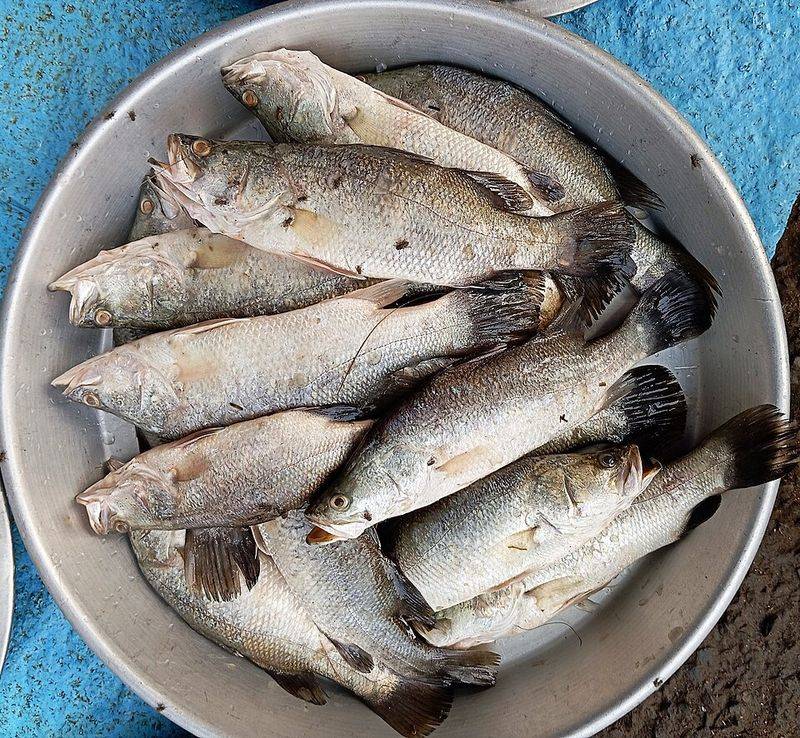
Swimming through the rivers and coastal waters of northern Australia, barramundi is a fish with a mild flavor and firm, white flesh. The name comes from an Aboriginal word that is often translated as large-scaled river fish.
Cooks love it because it is easy to prepare. Pan-frying the fillet with the skin on gives a crisp, salty crust, while the inside stays moist and flaky.
A squeeze of lemon and a simple salad is all it needs.
Barramundi is also farmed in many places, which helps protect wild stocks. Look for labels that mention responsible farming or sustainable fishing if you want a thoughtful choice.
Because the flavor is gentle, it is a good fish for people who think they do not like seafood. Try it grilled, baked in foil, or in fish tacos.
10. Moreton Bay Bugs
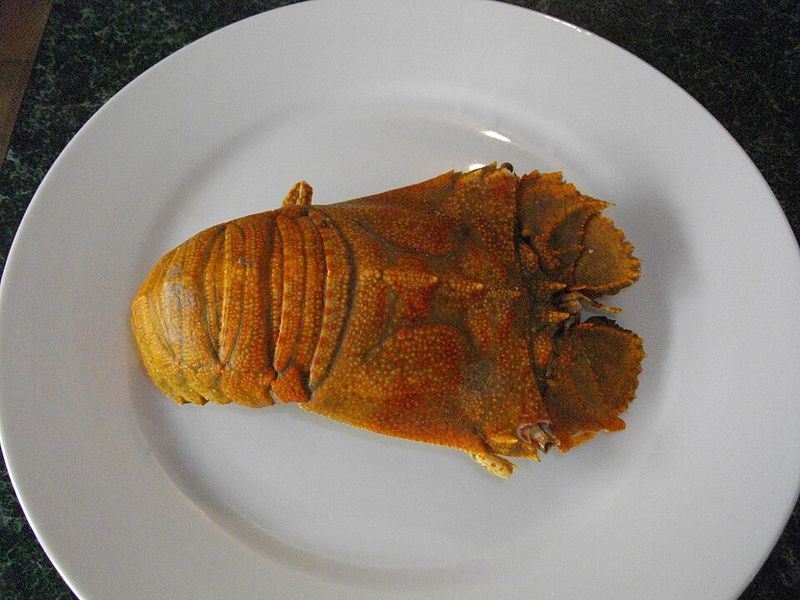
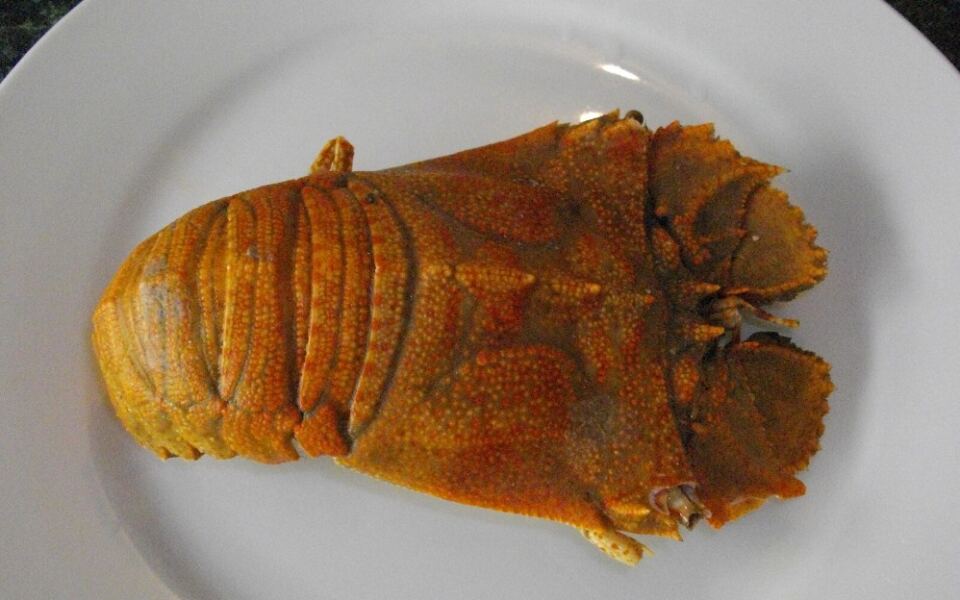
Despite the odd name, Moreton Bay bugs are not insects. They are small, flat-headed shellfish related to lobsters, and they get their name from the Queensland bay where many are caught.
The sweet, tender tail meat is the prize. Cooks often split the shell, brush the meat with garlic butter, and grill it for a few minutes.
Others boil the bugs and serve them chilled with a dipping sauce.
Their flavor is often compared to a cross between lobster and prawn, but a little sweeter. Finding the meat takes some effort, since the shell is tough, so kitchen scissors can help.
You will find them in seafood restaurants around Queensland and New South Wales. Ordering them is a fun way to try a local ocean delicacy that many visitors have never heard of.
11. Damper
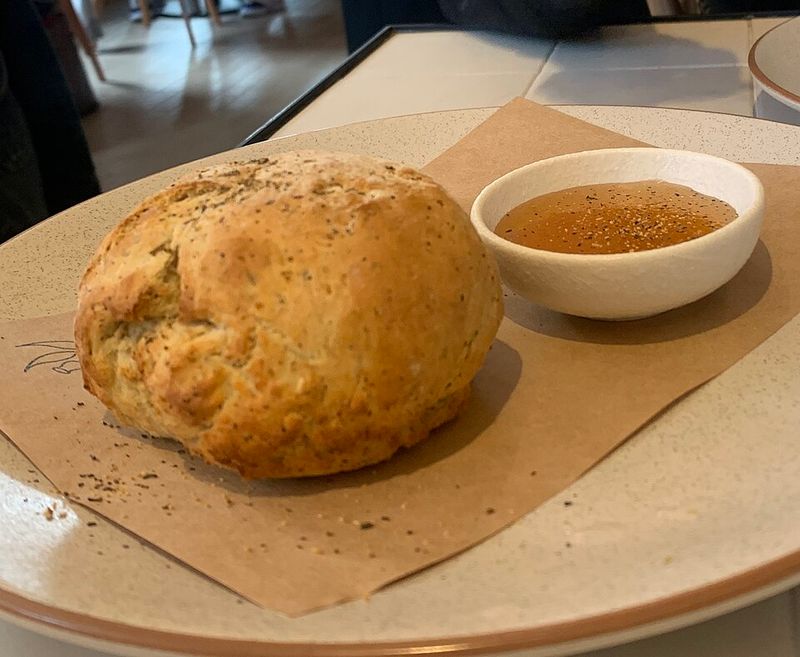
Out in the bush, stockmen once needed bread without an oven. Their answer was damper, a simple loaf made from flour, water, and salt, then baked in the coals of a campfire.
The crust turns brown and slightly smoky, while the inside is soft and a little dense. Many people tear off a piece while it is warm and spread it with butter, jam, or golden syrup.
Modern recipes often add milk or butter and use self-raising flour, which makes the loaf lighter. You can bake it in a regular oven at home and get a similar result.
Damper is still made on camping trips and at outback tours, where guides show how to shape the dough. Eating it by a fire under a huge night sky is part of what makes it memorable.
12. Chiko Roll
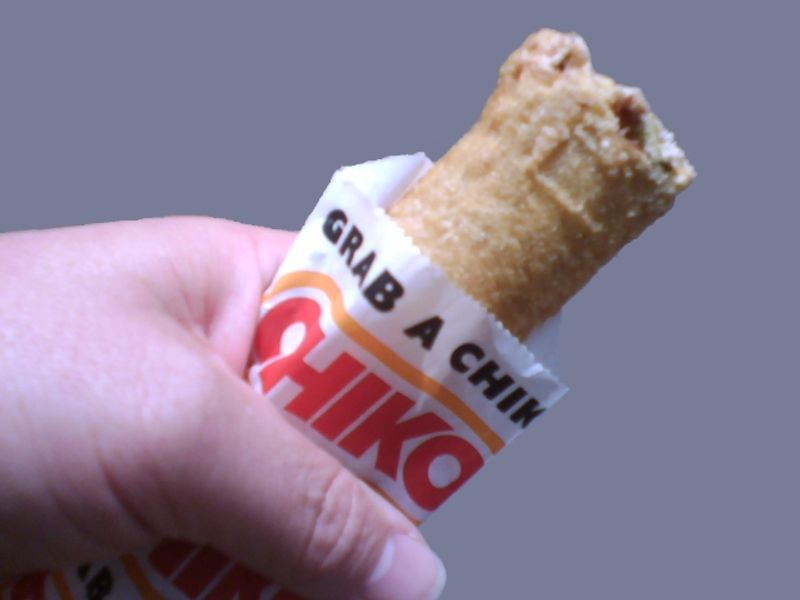
Built to be eaten with one hand, the Chiko Roll was invented in 1951 by a Victorian food maker named Frank McEncroe. He wanted a snack that football fans could hold without needing a plate.
The roll is a thick, crunchy tube of pastry filled with cabbage, barley, carrot, beef, and spices. It was inspired by Chinese spring rolls and egg rolls, though it is much sturdier.
The pastry is strong enough to survive a long walk and a lot of squeezing.
You will find Chiko Rolls at fish and chip shops, servos, and country takeaway counters. A dab of sweet chili or tomato sauce works well with the savory filling.
Fans say the taste is hard to describe, which is part of the charm. It is cheap, filling, and a true piece of Australian snack history.
13. Tim Tam Biscuits
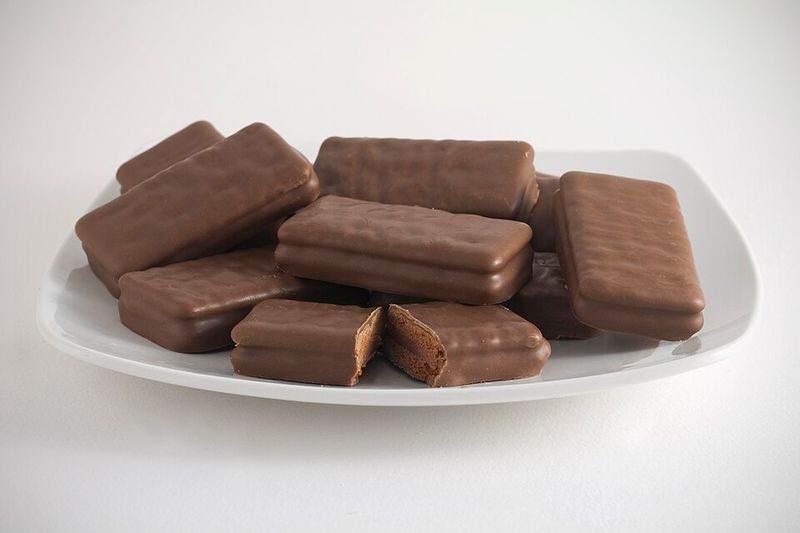
There is a ritual that goes with this chocolate biscuit, and it is called the Tim Tam slam. Bite off two opposite corners, then use the biscuit as a straw to sip hot milk or coffee.
Be quick, because it gets soft fast.
Tim Tams were launched by Arnott’s in 1964. Two chocolate malted biscuits are sandwiched with a light chocolate cream and coated in a thin chocolate shell.
The company was inspired by a British biscuit called the Penguin, and then set out to make a better one.
Flavors have grown over the years, from dark chocolate to caramel and even seasonal editions. Millions of packets are sold each year.
Visitors often take a few packets home as souvenirs. If you try the slam, keep a napkin close, since it can get delightfully messy.
14. Vanilla Slice
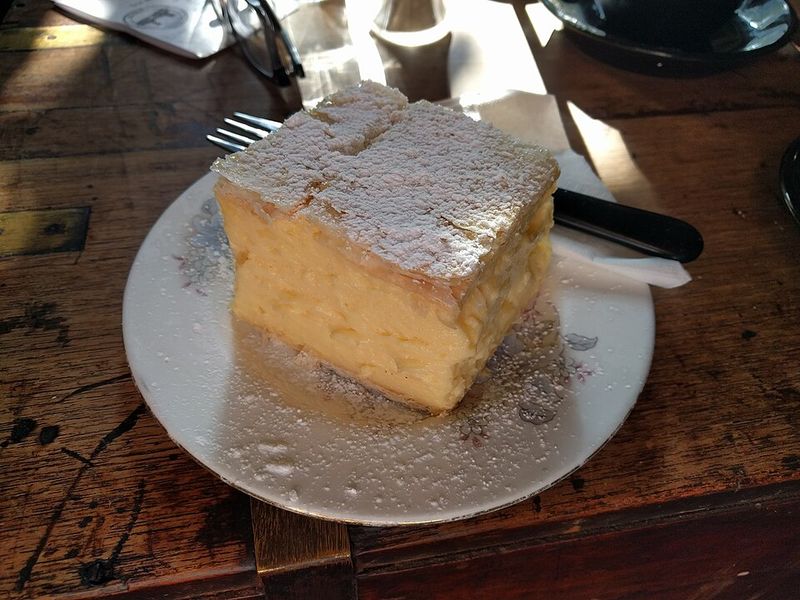
Bakery windows across Australia often display a wobbly tower of custard between two sheets of pastry. That is the vanilla slice, sometimes called a snot block by affectionate locals.
Layers of crisp puff pastry sandwich a thick vanilla custard, and the top is covered in icing. Pink icing or passionfruit icing are both common.
Cutting through one without squashing the custard is a skill in itself.
The treat is related to the French mille-feuille, but the Australian style has a firmer, creamier filling. Bakeries hold yearly contests to crown the best slice, and the winners are often small country shops.
To eat one neatly, tip it on its side and use a fork. Or just accept that some custard will end up on your fingers.
A cup of strong tea is the traditional partner.
15. Golden Gaytime
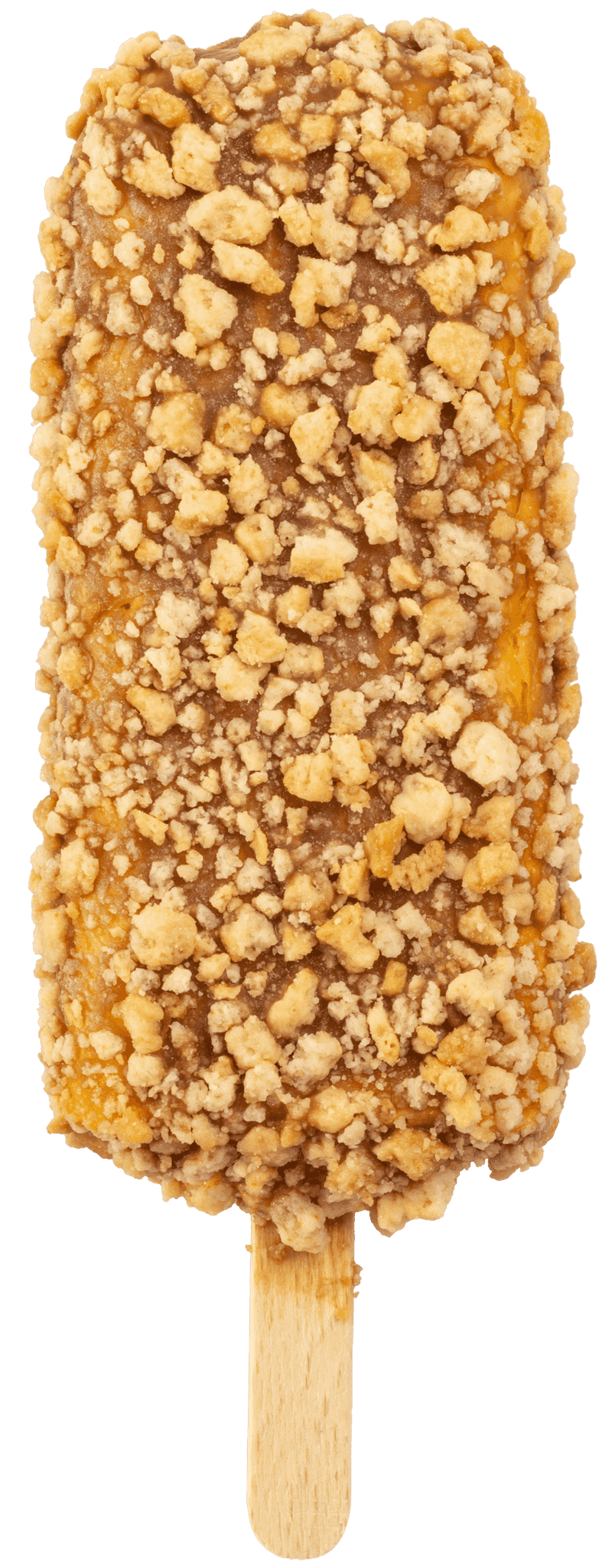
On a hot Australian afternoon, many people reach for the Golden Gaytime. This ice cream bar has been sold since 1959, and its crunchy coating is what sets it apart.
Toffee and vanilla ice cream are dipped in chocolate and rolled in crushed biscuit pieces. Each bite gives a mix of creamy, crunchy, and caramel flavors.
The packaging and its cheerful name have barely changed in decades.
The bar is made by Streets, a brand that is part of Australia’s ice cream history. Its popularity has led to Gaytime-flavored cakes, milkshakes, and even doughnuts.
For the best experience, eat it quickly in the sun, since the ice cream melts fast. Buying one from a corner shop or beach kiosk is a simple way to enjoy a taste that many Australians grew up with.
Share this story