North Africa is home to some of the oldest monuments, widest deserts, and most colorful towns in the world. Egypt, Morocco, Tunisia, Algeria, and Libya each offer a different mix of history, nature, and culture.
Knowing where to go helps travelers plan trips that feel meaningful and well paced. Here are fifteen places worth adding to a travel list.
1. Pyramids of Giza
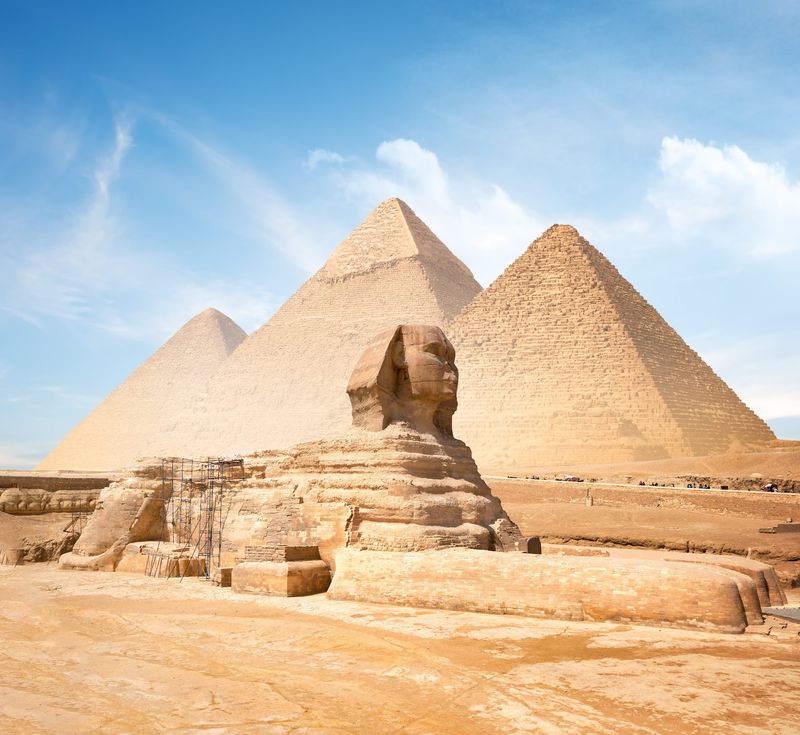
Standing at the edge of Cairo’s sprawl, the Pyramids of Giza rise from the sand like a stone mountain range built by people. The largest, the Great Pyramid of Khufu, was finished around 2560 BCE and was the tallest human-made structure for nearly four thousand years.
Go early in the morning. The air is cooler, the crowds are thinner, and the light turns the limestone soft gold.
Wear a hat, bring water, and keep small bills handy for entry fees and camel rides.
Many visitors also step inside one of the pyramids, though the passages are narrow and warm. The Sphinx sits nearby, and the Grand Egyptian Museum is close enough to pair with the same day.
Arranging a licensed guide ahead of time can help you avoid pushy sellers and learn how workers moved those enormous blocks.
2. Marrakech Medina
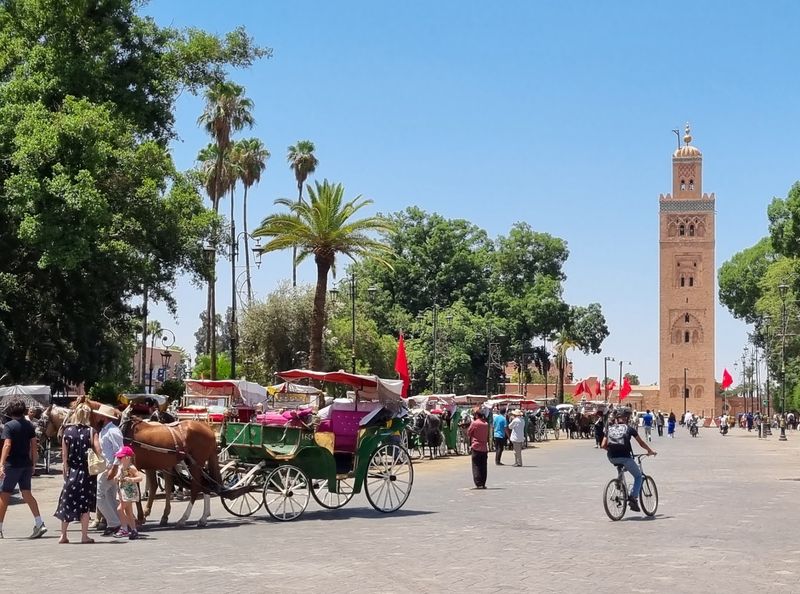
Few places greet the senses quite like the Marrakech Medina. Spice piles glow orange and red, leather slippers hang from every doorway, and the call to prayer floats over the rooftops.
It is a walled old city founded in the eleventh century, and it is still a living neighborhood.
Getting lost is part of the fun, but a few habits help. Agree on a price before buying, smile and say no thank you when you are not interested, and carry a small map saved on your phone.
Jemaa el-Fnaa square is the heart of the medina. By day it has juice stalls and snake charmers, and by night it fills with food stands and musicians.
Visit the Bahia Palace and the Saadian Tombs for quieter moments between market stops.
3. Sidi Bou Said
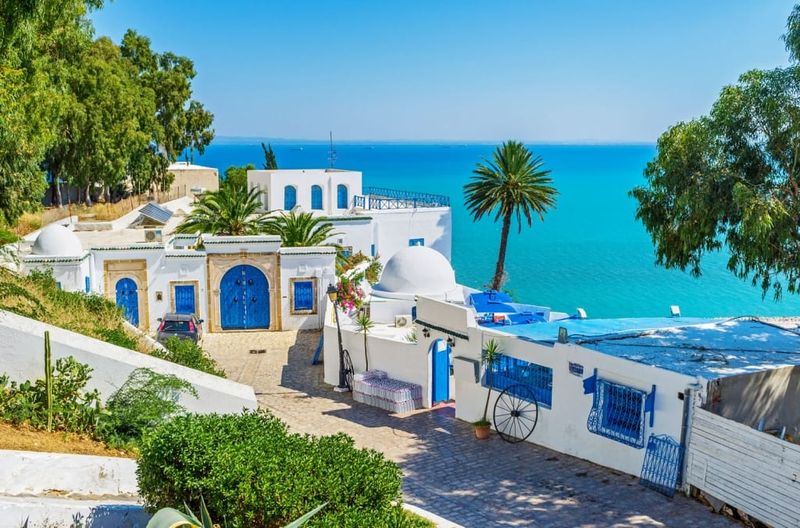
Picture a hilltop village where every door is a deep blue and every wall is bright white. That is Sidi Bou Said, perched above the Gulf of Tunis about twenty kilometers from the capital.
The color rule dates back to the early twentieth century, when a local baron helped shape the village style.
Wander the cobbled lanes slowly. Look for carved wooden doors with studded patterns, and for balconies covered in pink bougainvillea.
Cafe Des Nattes is a famous stop for mint tea with pine nuts.
Sea views are best near the harbor lookout, especially around sunset. Wear comfortable shoes because the streets are steep and uneven.
A short train ride from Tunis makes this an easy half-day trip, and it pairs well with a visit to nearby Carthage.
4. Valley of the Kings
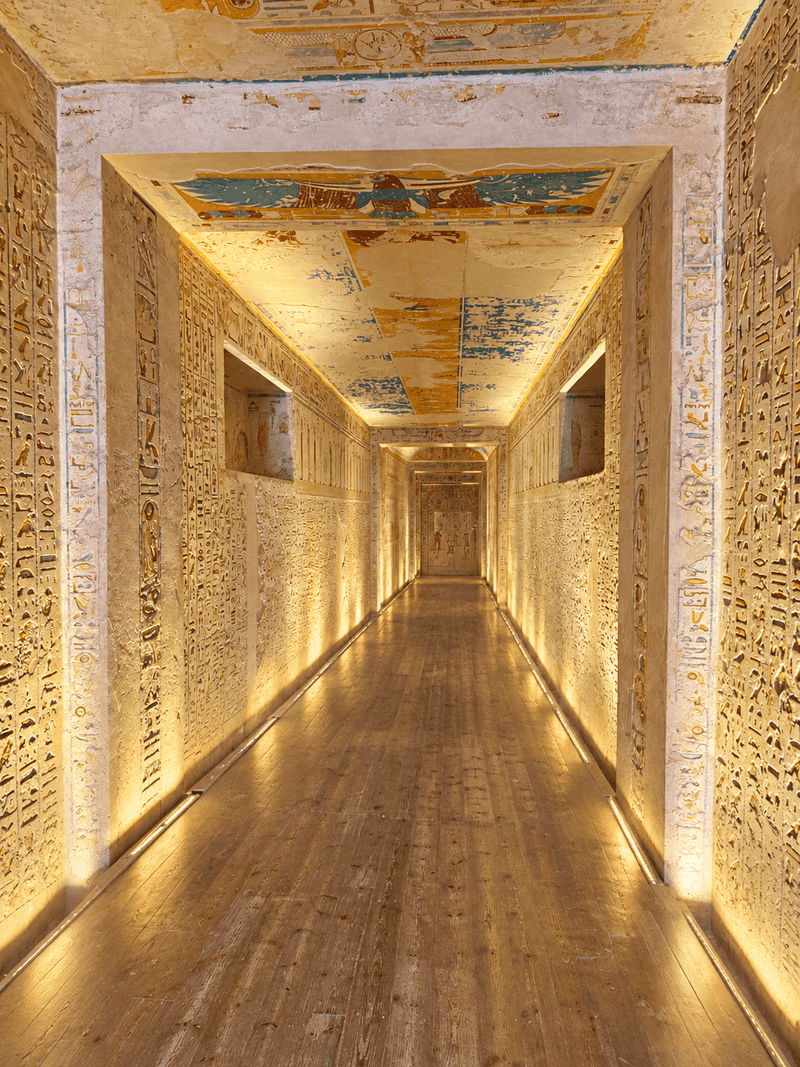
Hidden in the dry hills across the Nile from Luxor, the Valley of the Kings holds more than sixty royal tombs. Pharaohs of the New Kingdom, including Tutankhamun and Ramesses II, were buried here between roughly 1539 and 1075 BCE.
Inside, the walls are covered in painted scenes that guide the king through the afterlife. Colors such as deep blue and gold remain surprisingly vivid.
A standard ticket covers three tombs, and extra tickets are sold for special ones like Tutankhamun’s.
Temperatures can climb quickly, so arrive when the gates open and carry plenty of water. Photography rules change, so check at the entrance.
Many travelers combine the valley with Hatshepsut’s Temple and the Colossi of Memnon for a full West Bank day.
5. Atlas Mountains
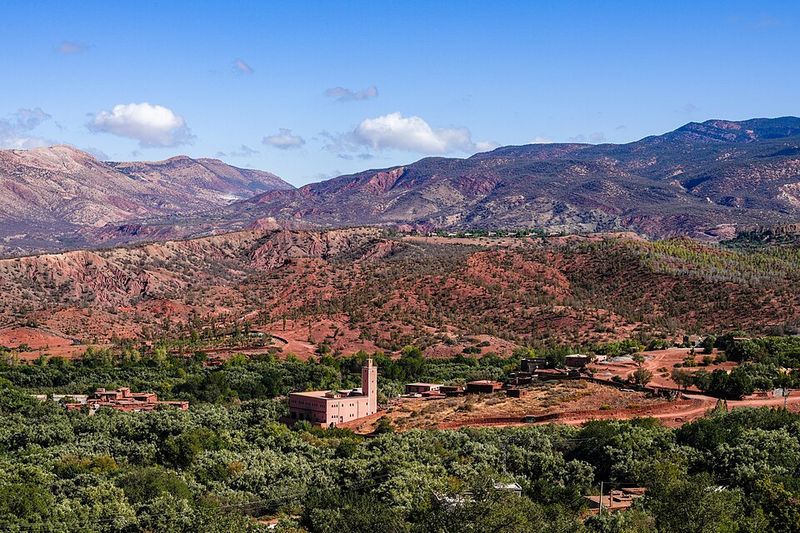
Snow in Africa surprises many people, yet the Atlas Mountains deliver it every winter. This range stretches across Morocco, Algeria, and Tunisia, and Toubkal, at 4,167 meters, is the highest peak in North Africa.
Hikers can reach Toubkal’s summit in two days from the village of Imlil, no climbing gear needed in summer. The trail passes streams, mule paths, and a simple mountain refuge.
The mountains are also home to Amazigh communities who have farmed these terraces for centuries. Stop for tea in a village home if invited, and hire a local guide to learn about the culture.
Spring brings green valleys and blooming almond trees, while autumn offers crisp air and steady trail conditions.
6. Tassili n’Ajjer National Park
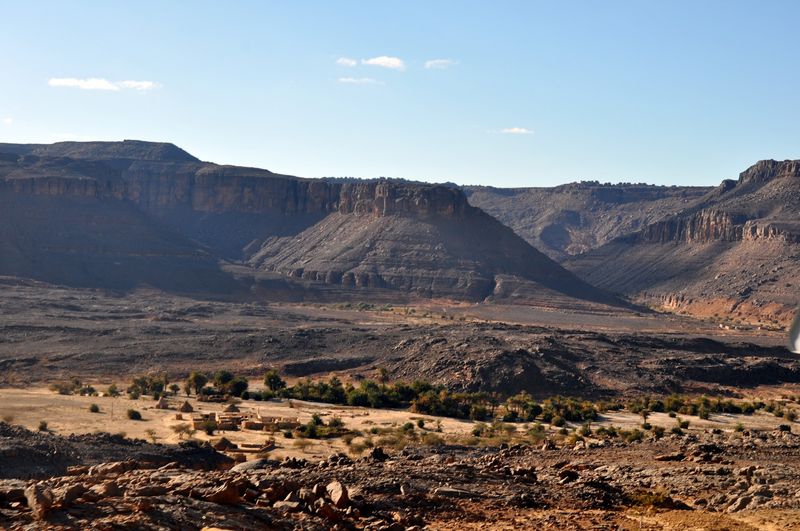
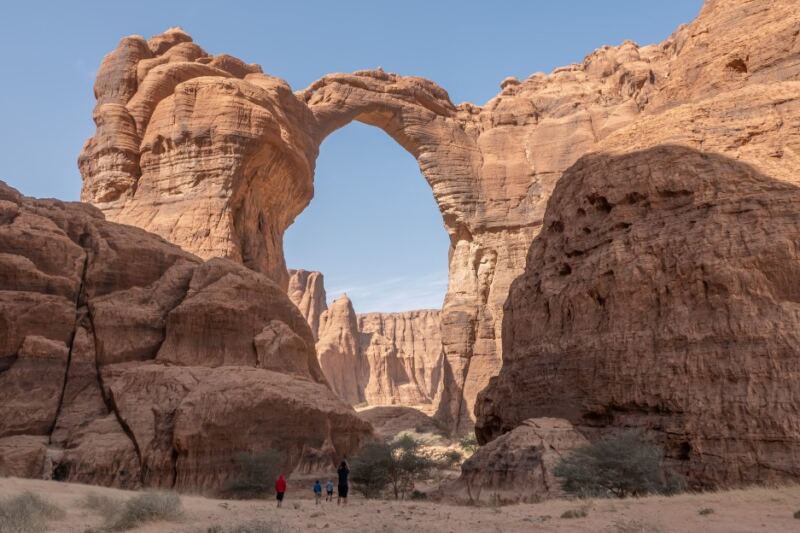
Out in the southern Algerian Sahara, wind has carved sandstone into towers, arches, and what looks like a frozen forest. Tassili n’Ajjer National Park covers about 72,000 square kilometers and is a UNESCO World Heritage Site.
Its real treasure is rock art. More than fifteen thousand paintings and engravings, some thousands of years old, show herds of cattle, hunters, and dancers from a time when the Sahara was green.
Reaching the plateau takes planning. Most travelers fly to Djanet and join a licensed guide for multi-day treks or four-wheel-drive trips.
Check current travel advice and permit rules before booking. Nights get cold in the desert, so pack warm layers along with sun protection.
7. Chefchaouen
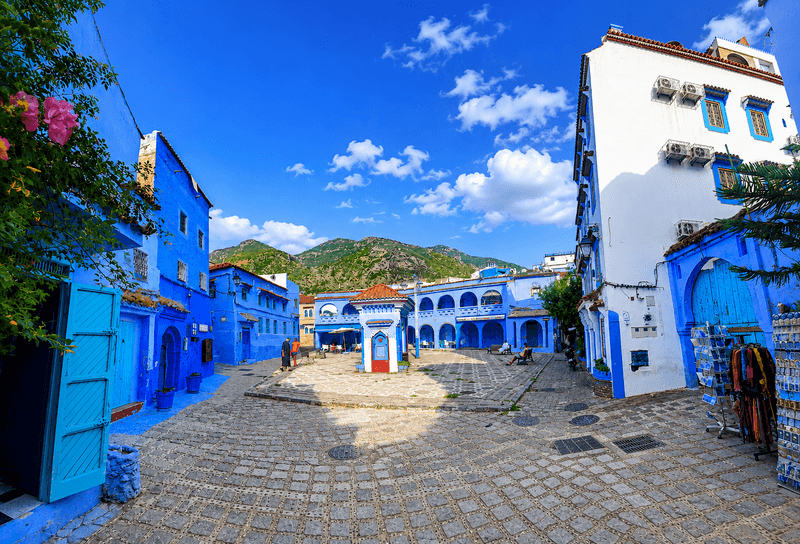
Ask ten travelers about Chefchaouen and nine will mention the blue. Tucked into the Rif Mountains in northern Morocco, the town is washed in soft shades of sky and sea, and nobody agrees on exactly why.
Some say Jewish refugees began the tradition in the 1930s.
The best way to explore is on foot. Start at Plaza Uta el-Hammam, then climb the lanes toward the old kasbah and its small museum.
For a wider view, walk up to the Spanish Mosque at sunset. Hiking trails in nearby Talassemtane National Park lead to waterfalls and the Akchour area.
Early mornings are the quietest time for photos, and the cool mountain air makes walking comfortable almost year-round.
8. Amphitheatre of El Jem
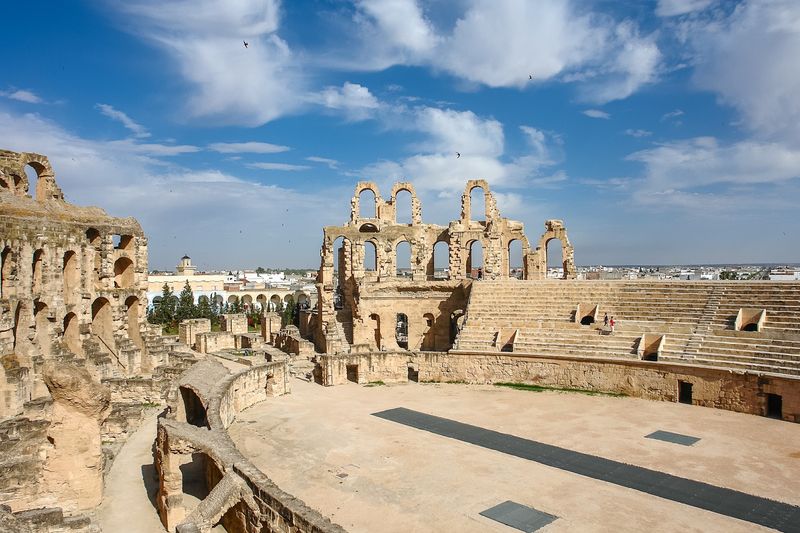
Rome’s Colosseum gets the fame, but the Amphitheatre of El Jem in central Tunisia might be easier to enjoy. It was built around 238 CE and could seat about thirty-five thousand spectators, making it one of the largest Roman arenas outside Italy.
Unlike many ancient sites, this one lets you wander freely. You can climb the stone seating, stand on the arena floor, and explore the underground passages where gladiators and animals waited.
The town is a simple stop between Sousse and Sfax, so a day trip works well. Visit in the morning for softer light and fewer tour buses.
A small museum nearby displays Roman mosaics found in the area. If you are lucky, a summer music festival may be on.
9. Aït Benhaddou
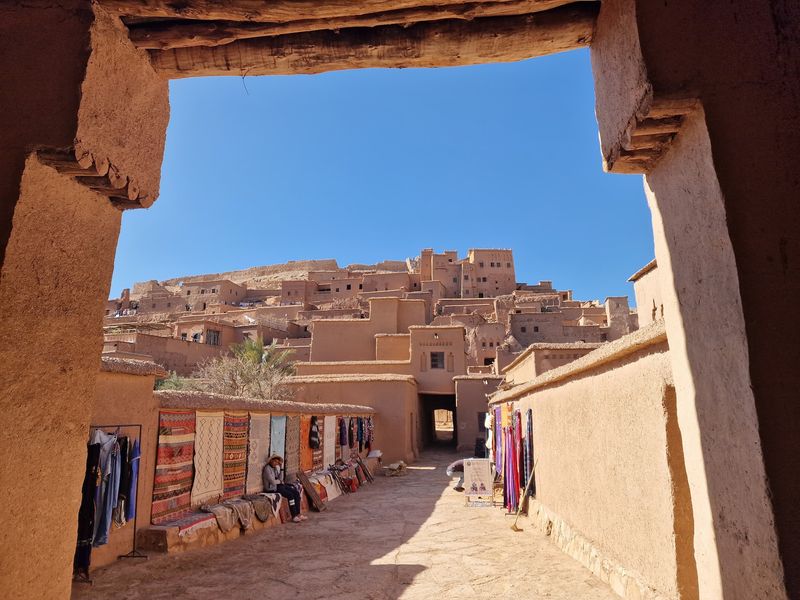
You may have seen Aït Benhaddou on screen without knowing it. Films such as Gladiator and shows like Game of Thrones used this mud-brick village as a backdrop.
In real life, it is a ksar, a fortified settlement along an old caravan route between the Sahara and Marrakech.
Its tall clay towers and zigzag patterns blend into the red earth. UNESCO listed it as a World Heritage Site in 1987.
Cross the small river and climb to the granary at the top for wide views over the valley. A few families still live inside the walls, so be respectful when taking photos.
Sunrise and late afternoon give the warmest colors, and nearby Ouarzazate has film studios to visit.
10. Abu Simbel Temples
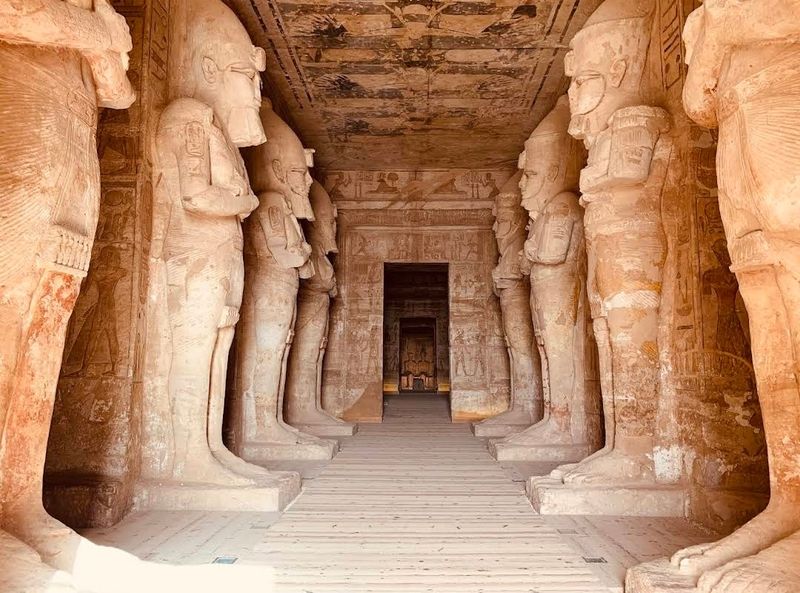
Here is a number to remember: 1964. That was the year workers began cutting Abu Simbel into huge blocks and lifting it to higher ground, saving it from the rising waters of Lake Nasser.
The job took four years.
The Great Temple, carved for Ramesses II around 1264 BCE, is guarded by four seated statues, each about twenty meters tall. Inside, a long hall leads to a sanctuary.
Twice a year, in February and October, sunlight reaches deep inside and lights up statues on the back wall. The site is about three hours by road from Aswan, with convoys leaving before dawn.
Some travelers fly instead. Bring a scarf and sunscreen, since shade is limited.
11. Timgad
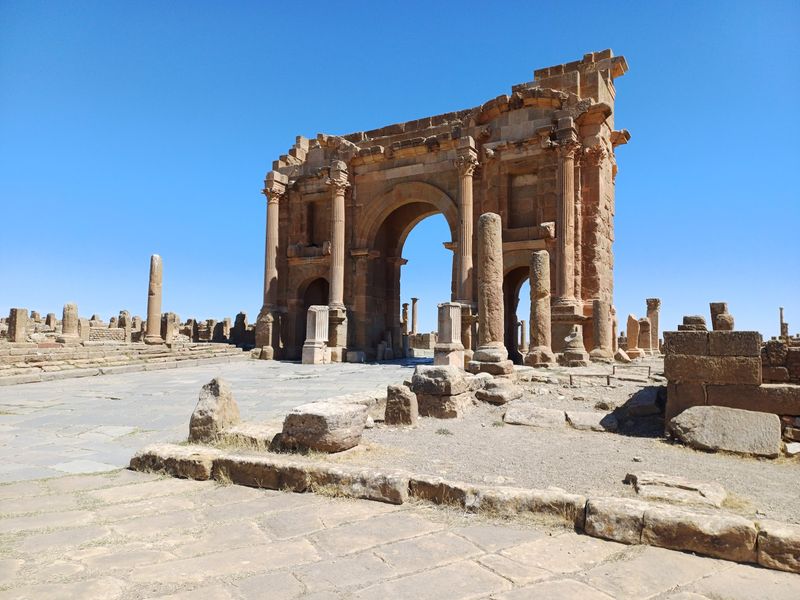
Imagine a Roman city planned on graph paper. Timgad, founded around 100 CE by Emperor Trajan in the Aurès Mountains, was laid out in a neat grid with straight streets, a forum, a library, and a theater.
Trajan’s Arch, with its tall columns, is the best-known landmark and stands at the western edge of the old town. Walking the paved streets, you can still see ruts left by cart wheels.
Often called the Pompeii of Africa, the site is far quieter than its European cousins. It sits about thirty-five kilometers from Batna, which has a small airport.
Visit in spring or autumn to avoid heat, and bring a hat. A small museum on site displays mosaics and everyday Roman objects.
12. Carthage Archaeological Site
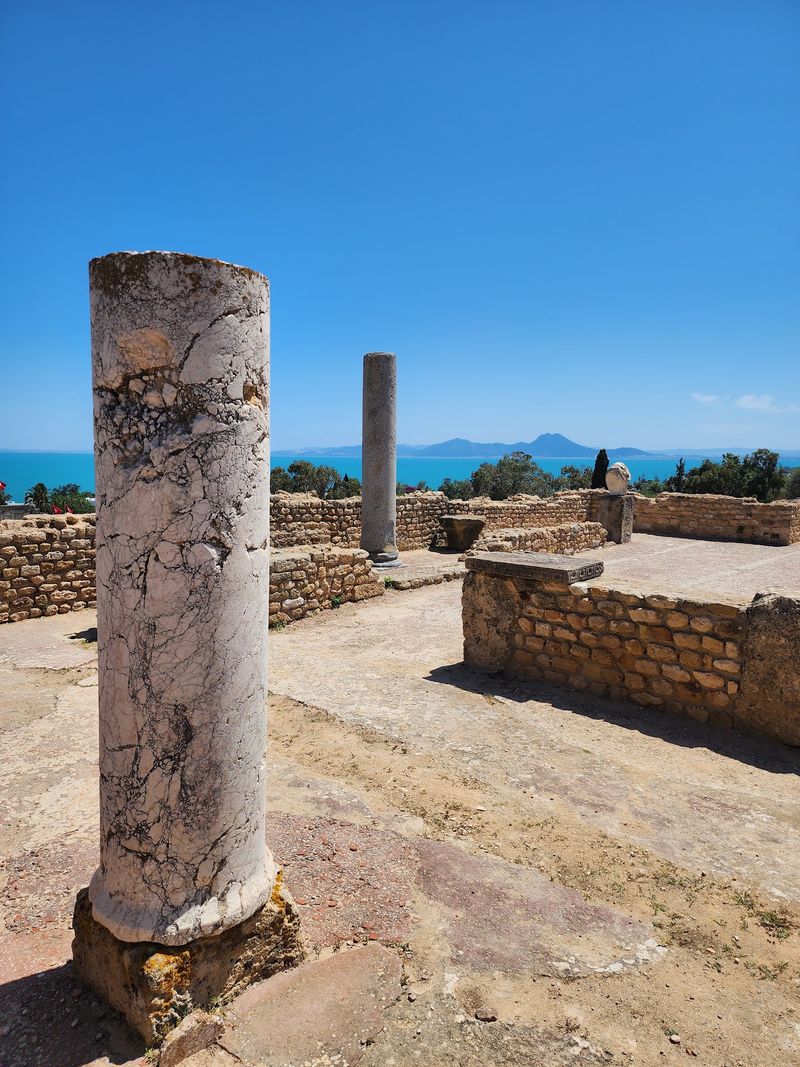
Carthage once ruled the western Mediterranean, and its general Hannibal famously marched elephants across the Alps to challenge Rome. After a long war, Rome destroyed the city in 146 BCE, then rebuilt it as a major Roman center.
Today the ruins are scattered through a seaside suburb of Tunis. Highlights include the Antonine Baths, the Tophet, the Roman villas, and the Byrsa Hill museum.
A single combined ticket covers most sites, and you can reach them by the light rail line called the TGM. Plan on half a day and wear good walking shoes.
The ruins are spread out, so a taxi between stops can save energy. Finish with a stroll to Sidi Bou Said for a sunset drink.
13. White Desert National Park
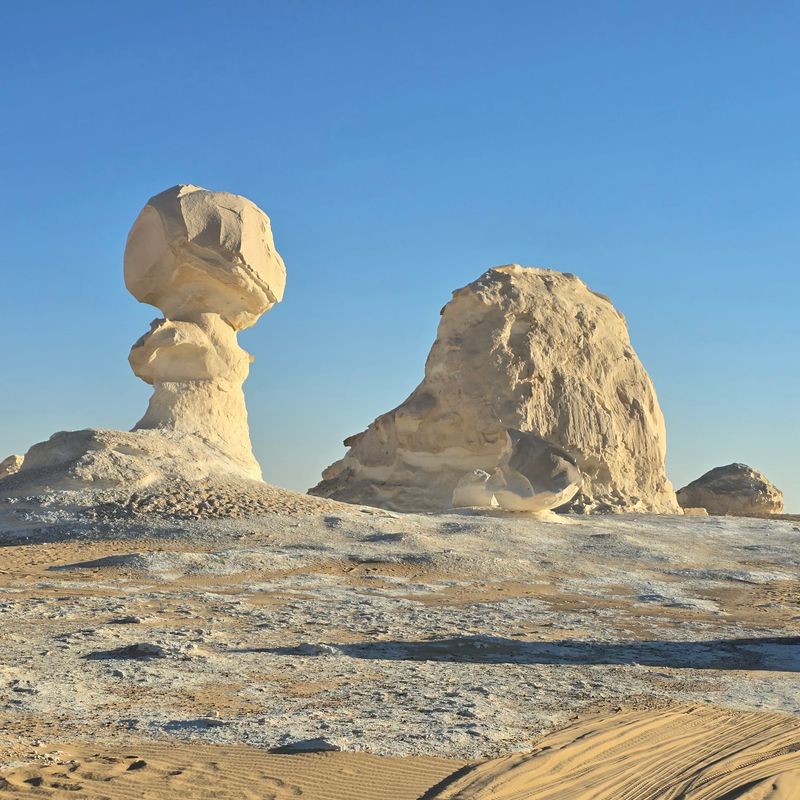
Few landscapes look as unreal as the White Desert. Wind has sculpted soft white chalk into shapes that resemble mushrooms, icebergs, and even chickens.
The park lies near Farafra Oasis in Egypt’s Western Desert, and it became a protected area in 2002.
Most people visit on an overnight camping trip with a guided four-wheel-drive tour. As the sun sets, the rocks turn pink, then orange, then a cool blue under the stars.
Nights can fall near freezing in winter, so bring a warm sleeping bag. Nearby, the Crystal Mountain and the Black Desert make good extra stops.
Choose a reputable operator in Bahariya or Farafra, and remember to pack out your trash to protect this fragile place.
14. Erg Chebbi Dunes
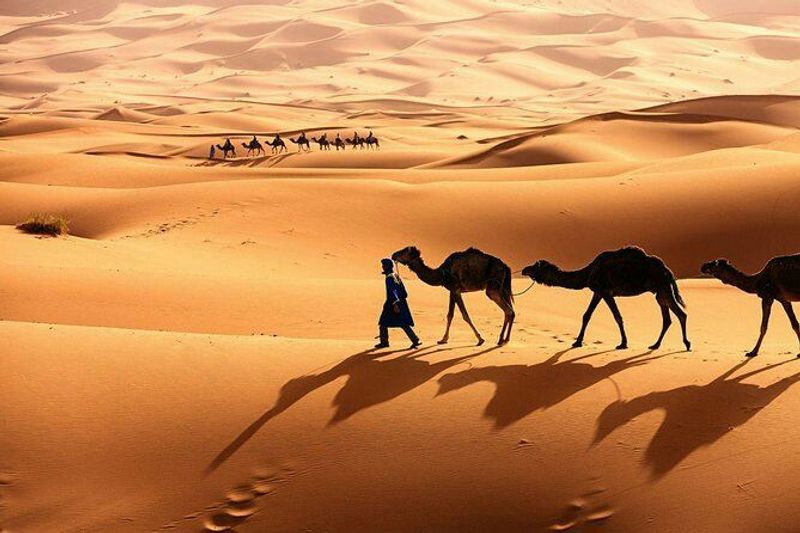
The sand here has a mood. At noon it looks pale gold, by sunset it burns orange, and at dawn it turns a soft rose.
Erg Chebbi, near the village of Merzouga in southeastern Morocco, holds dunes that rise as high as 150 meters.
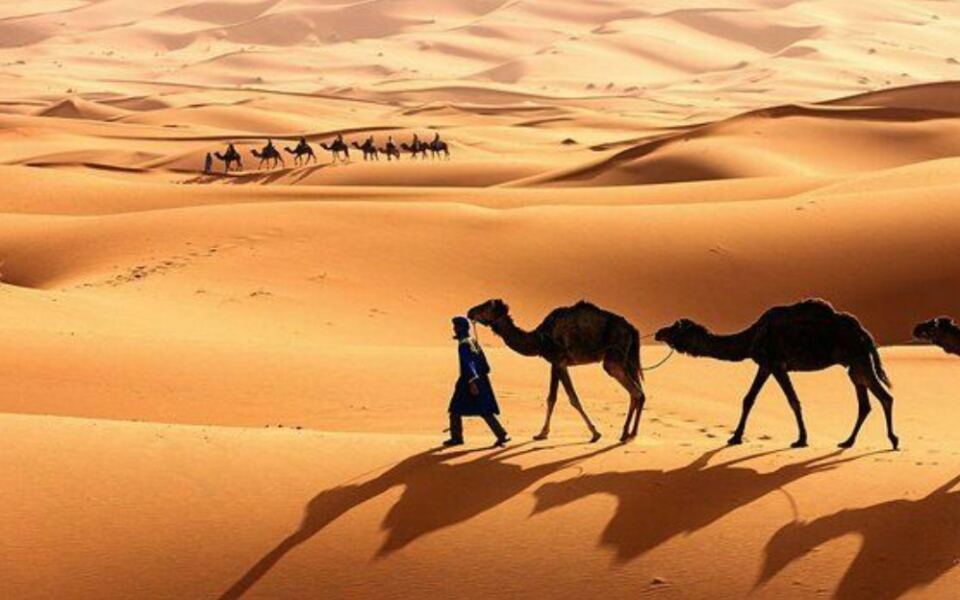
The classic experience is a camel trek at sunset to a desert camp. Dinner is often a tagine, followed by drumming around a fire and a sky packed with stars.
Climb a tall dune before sunrise for the best views, but go slowly because sand slips underfoot. Spring and autumn bring comfortable temperatures.
Wear a scarf to keep sand out of your face, and carry a small flashlight for the walk back to your tent.
15. Leptis Magna
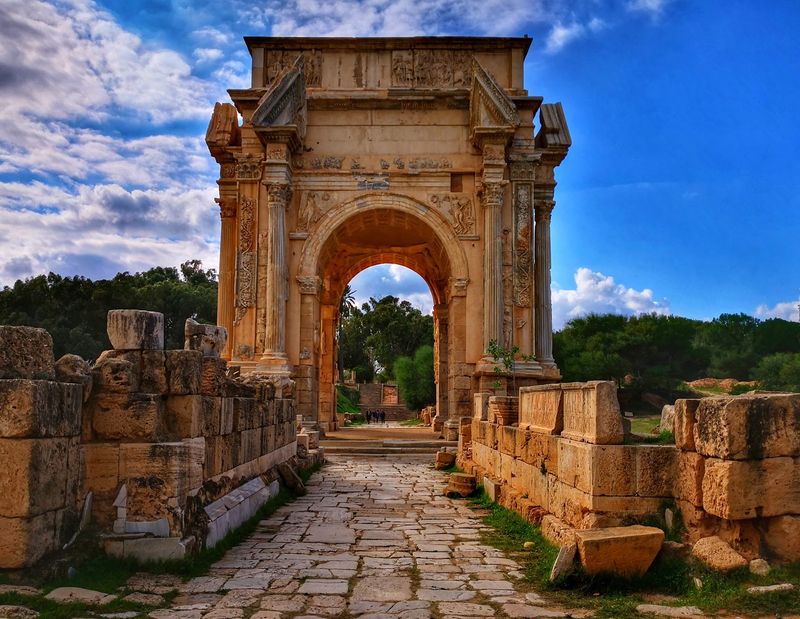
Many historians rank Leptis Magna among the best-preserved Roman cities anywhere. It sits on the Libyan coast near Khoms, and it grew rich under Emperor Septimius Severus, who was born here in 145 CE.
The site includes a grand basilica, a marketplace, public baths, a theater facing the sea, and a long colonnaded street. Sand once buried much of it, which helped protect the stone for centuries.
It is a UNESCO World Heritage Site, but travel in Libya can be complicated. Governments often issue strict advisories, so check current guidance and visa rules before planning anything.
Those who cannot go can explore virtual tours and museum collections, including finds displayed in Tripoli and abroad.
Share this story