
Many popular American foods are tasty, easy to find, and quick to grab. But eating some of them day after day can add too much sodium, sugar, and saturated fat to a diet.
Health groups like the American Heart Association and the Dietary Guidelines for Americans suggest limiting these items. Here are 13 foods worth enjoying less often, along with simple ideas for smarter swaps.
1. Processed Meats Like Hot Dogs, Bacon, and Salami
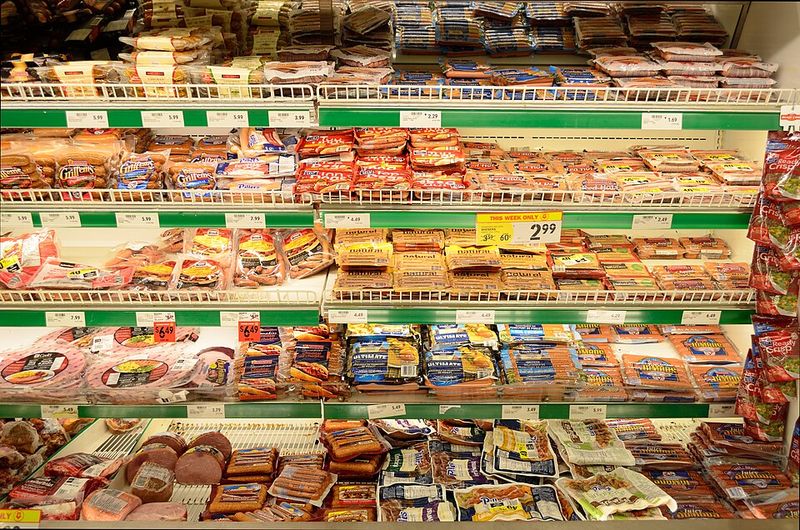
Breakfast without bacon sounds sad to plenty of people, yet the World Health Organization has classified processed meat as a cancer-causing food for humans. That group includes hot dogs, bacon, salami, and similar cured meats.
The concern comes from how these foods are made. Curing, smoking, and adding salt or preservatives can create compounds linked to a higher risk of colorectal cancer.
Many processed meats also carry a lot of sodium and saturated fat, which can affect blood pressure and heart health.
You do not have to ban them forever. Save them for special meals like a ballgame or a weekend brunch.
On regular days, try roasted chicken, turkey slices cooked at home, eggs, beans, or fish. Reading labels helps too, since lower sodium versions can make a small difference over time.
2. Sugary Breakfast Cereals
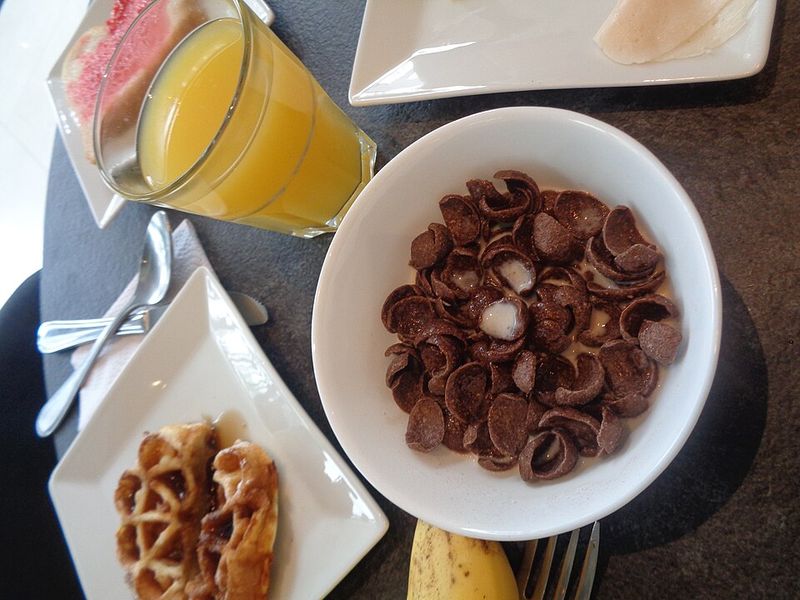
Picture a bright cereal box on the table, and the morning feels fun. Yet many kids’ cereals pack several teaspoons of added sugar into one small bowl.
The American Heart Association suggests children keep added sugar below 25 grams per day. Some cereals use up most of that before school even starts.
Because they are low in fiber and protein, they may also leave you hungry again by midmorning.
A better bowl is easy to build. Look for cereals with at least three grams of fiber and as little added sugar as possible.
Oatmeal topped with berries, plain whole grain flakes with sliced banana, or Greek yogurt with nuts can keep energy steadier. If the sweet cereal is a family favorite, try mixing it half and half with a plainer option.
3. Packaged Pastries and Snack Cakes

Few things are as convenient as a snack cake in a crinkly wrapper. They sit on gas station counters and in vending machines, ready whenever a craving hits.
The trouble is what is inside. Many packaged pastries combine refined flour, added sugar, and saturated fat, with very little fiber or protein.
That mix can cause a quick energy spike followed by a slump.
Shelf life is another clue. These treats are made to last for weeks, which often means extra additives and preservatives.
A bakery treat shared with a friend can feel more special and tends to be eaten more slowly.
For everyday snacking, try apple slices with peanut butter, whole grain toast with jam, or a small handful of nuts with dried fruit. Keep the snack cakes for occasional moments, not daily habits.
4. Instant Noodles High in Sodium

Cheap, fast, and filling, instant noodles are a college dorm classic. Ready in about three minutes, they have fed students and busy workers for decades.
The catch is the salt. One package can contain well over half of the 2,300 milligrams of sodium that adults are advised to stay under each day, especially if you drink all the broth.
A study in the Journal of Nutrition linked frequent instant noodle eating with poorer overall diet quality.
You can still enjoy a bowl now and then. Use only half of the flavor packet, add frozen vegetables, an egg, or leftover chicken, and consider leaving some broth behind.
Those small changes add protein and fiber while trimming sodium. Look for lower sodium brands as well.
5. Deep-Fried Fast Food
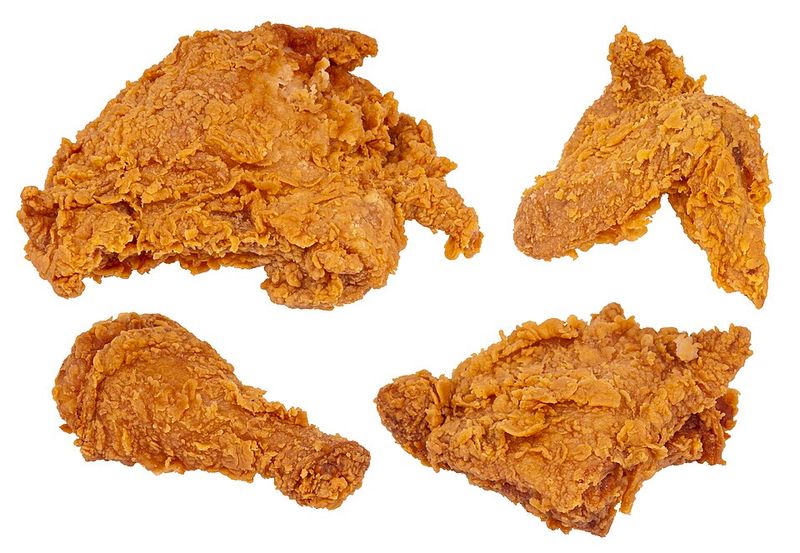
The sizzle and crunch of fried chicken, onion rings, and fish sandwiches make them easy to love. Drive-thru lines prove that point every single day.
Deep frying soaks food in oil, which raises calories quickly. Fried foods can also be high in saturated fat, and sometimes contain trans fats depending on the oil and how often it is reused.
Research has linked frequent fried food eating with a higher risk of heart disease and type 2 diabetes.
Home cooking offers tasty options. An air fryer or oven can give chicken and potatoes a crisp coating with far less oil.
When eating out, try grilled items and swap fries for a side salad or fruit. Treat the deep fryer as an occasional guest instead of a weekly regular.
6. Candy and Other High-Sugar Sweets

Americans buy billions of dollars of candy each year, and Halloween is only part of the story. Candy dishes at offices, banks, and checkout lines make sweets almost impossible to avoid.
Most candy is nearly all sugar, with few nutrients to go with it. Sticky types like caramels and gummies also cling to teeth, which can raise the chance of cavities.
The Dietary Guidelines for Americans suggest keeping added sugar under 10 percent of daily calories.
Smaller portions are a friendly way to cut back. Pick one favorite piece instead of grabbing a handful, and enjoy it slowly.
Dark chocolate, frozen grapes, or fruit with a drizzle of honey can satisfy a sweet tooth too. Brushing afterward helps protect your smile.
7. Potato Chips and Heavily Salted Snacks
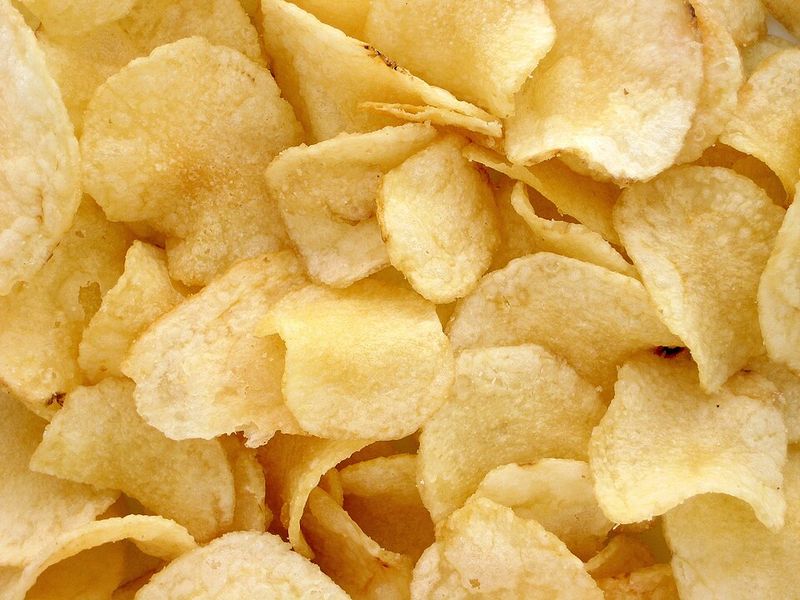
Ever opened a bag planning to eat a few chips and found only crumbs at the bottom? Salty snacks are designed to be hard to stop eating.
Chips, salted pretzels, and cheese puffs bring a lot of sodium in small servings. Most American adults eat about 3,400 milligrams of sodium daily, well above the recommended limit.
Too much sodium can raise blood pressure over time.
Portion control is the simplest fix. Pour a serving into a bowl instead of eating from the bag.
Pair it with something fresh, such as sliced cucumbers or a sandwich, so the chips are a side, not the meal.
Unsalted nuts, air-popped popcorn, or roasted chickpeas offer crunch with less sodium and more fiber.
8. Sugary Doughnuts

Nothing says morning meeting quite like a box of doughnuts. The glaze, the sprinkles, and the soft dough make them a classic treat across the country.
A single glazed doughnut can have around 10 to 15 grams of sugar and a good amount of refined flour and fat. Since they digest quickly, they may leave you hungry soon after.
Eating them often can add extra calories without much nutrition.
Enjoying one occasionally is perfectly fine. Cutting one in half and sharing is an easy trick.
If doughnuts show up at work every week, pair a small piece with protein, like eggs or yogurt, to feel fuller.
For a homemade option, baked doughnuts with whole wheat flour and less sugar can be a lighter weekend project.
9. Frozen Pizzas High in Sodium and Saturated Fat
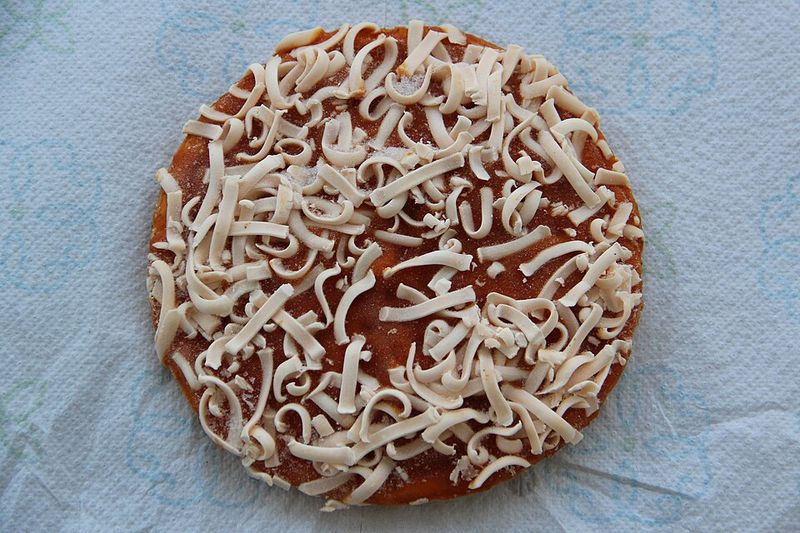
Friday night, tired legs, empty fridge: the frozen pizza answers the call. It bakes in minutes and nearly everyone at the table will eat it.
Many frozen pizzas, especially those with meat toppings and stuffed crusts, contain a large share of daily sodium and saturated fat. A serving is often one-fifth or one-sixth of the pie, but few people stop there.
Eating half the pizza can double or triple the numbers on the label.
Compare labels and choose options with lower sodium and fewer meat toppings. Add your own vegetables like peppers, spinach, or mushrooms before baking.
Serve with a green salad to fill the plate. Making pizza on whole wheat naan or pita is another fast route to a lighter version.
10. Processed Cheese Products High in Sodium
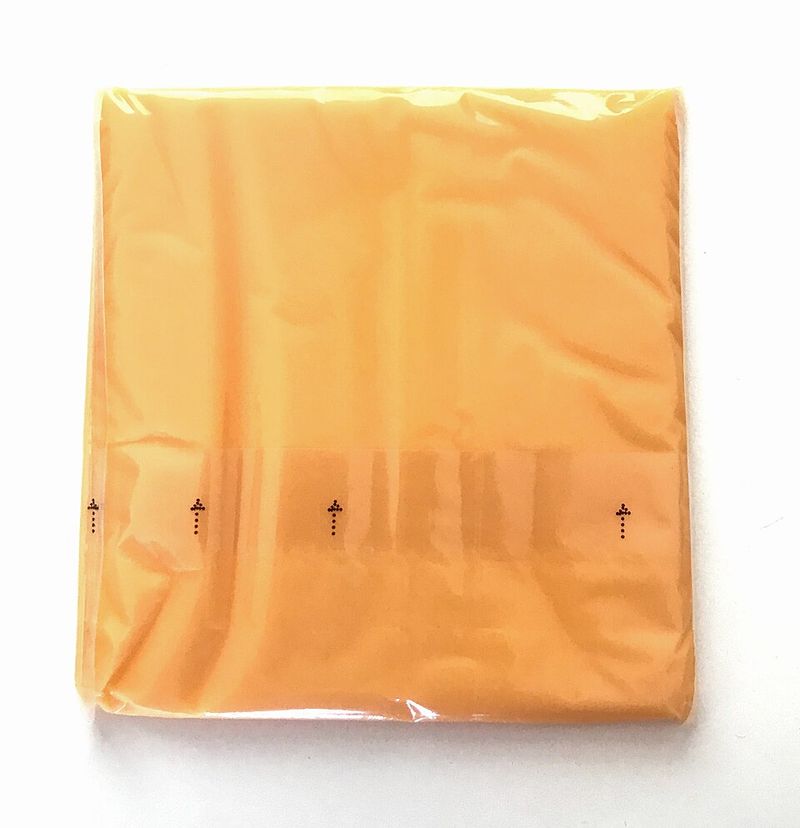
Smooth, meltable, and shelf-stable, processed cheese has a special place on burgers and in nacho dishes. Its gooey texture is no accident.
To get that texture, makers blend cheese with emulsifiers, salt, and other additives. The result often has more sodium than natural cheese, and labels may say cheese product or cheese food instead of cheese.
A couple of slices on a sandwich can quietly add several hundred milligrams of sodium.
Natural cheeses such as Swiss, fresh mozzarella, or a sharp cheddar offer more flavor, so a small amount goes a long way. Grate it yourself for better melting without extra additives.
If you like cheese sauce, try making one at home with milk, a bit of flour, and real cheese.
11. Fast-Food Burgers Loaded With Processed Toppings
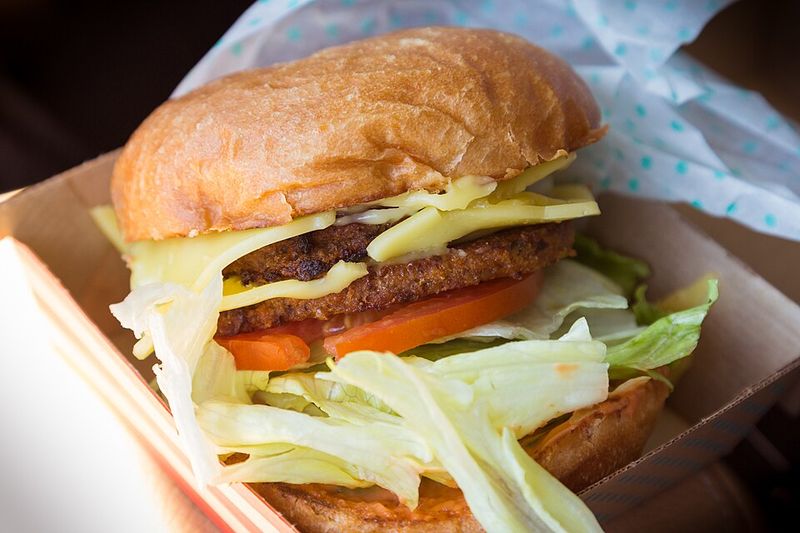
A burger by itself is simple. Add bacon, processed cheese, creamy sauces, and fried onions, and it becomes a calorie heavy meal.
Some double bacon cheeseburgers at chain restaurants top 1,000 calories and more than a full day’s worth of sodium for some people. Add fries and a soda, and the total climbs fast.
Eating this way often may contribute to weight gain and heart concerns over time.
Small changes help. Order a regular or single patty, skip the bacon, and load up on lettuce, tomato, and onion.
Choose water or unsweetened tea. At home, a burger made with lean beef or turkey on a whole grain bun can be just as satisfying.
Save the giant stacked versions for special outings.
12. Packaged Cookies High in Added Sugar

Cookie jars have been a kitchen fixture for generations, but today’s jar is often a plastic sleeve from the store. Grabbing one or two feels harmless, until the whole sleeve is gone.
Many packaged cookies list sugar as a first or second ingredient. They may also contain refined flour, palm oil, and preservatives, with little fiber to slow digestion.
Serving sizes can be small, sometimes just two or three cookies.
Check the label and count out a portion onto a plate. Pair it with milk or fruit for a more balanced snack.
Baking at home lets you control the sugar and add oats, nuts, or dried fruit. Many recipes still taste great with a quarter less sugar than the instructions call for.
13. Ice Cream Desserts With Excessive Added Sugar

On a hot July afternoon, a cold scoop of ice cream is hard to turn down. It is a summer tradition for good reason.
Trouble starts when desserts pile on cookie chunks, caramel swirls, syrups, and whipped cream. A single large sundae can contain more than 50 grams of added sugar, which is above the daily limit suggested for adults by the American Heart Association.
Treat ice cream as an occasional pleasure. Choose a small cone or a kid-size cup, and let the flavor be the star.
Frozen yogurt, sorbet, or blended frozen bananas can offer similar coolness with less sugar. If you buy a pint, check the label, since some brands have noticeably less added sugar than others.
Eat slowly and enjoy every bite.
Share this story